The Plant-Based Diet: What You Need to Know – Podcast Ep. 27
On this episode of the LHP, we're discussing what a plant-based diet is, how it differs from a vegetarian diet, and whether or not you should try it.


Welcome to the 5th episode of the Living Healthy Podcast, presented by LA Fitness.
On this episode of Living Healthy, we’re covering high blood pressure, otherwise known as hypertension, and speak with experts in the field regarding this deadly silent killer.
How Are We Doing?
Introduction:
Begins at 0:01
MOS (Man on the Street):
Begins at 1:10
Introduction of Dr. Warren Johnston, Cardiologist and President of OC Division of AHA (American Heart Association) and Director of the Women’s Health Center at St. Joseph’s Hospital
Begins at 2:08
AHA New Guidelines:
Begins at 3:28
Marijuana Use and High Blood Pressure (HBP):
Begins at 5:40
The Silent Killer:
Begins at 8:10
At What Age Does High Blood Pressure Begin?
Begins at 8:38
What Causes HBP?
Begins at 9:33
Nutrition’s Role on High Blood Pressure/Introduction of Debbie James, RDN
Begins at 10:51
Physical Activity’s Role on High Blood Pressure/Introduction of Pro Results® Trainer, Morgan Connors
Begins at 15:01
Is HBP Really Life or Death?
Begins at 18:35
This podcast should not replace any exercise program or restrictions, any dietary supplements or restrictions, or any other medical recommendations from your primary care physician. Before starting any exercise program or diet, make sure it is approved by your doctor.
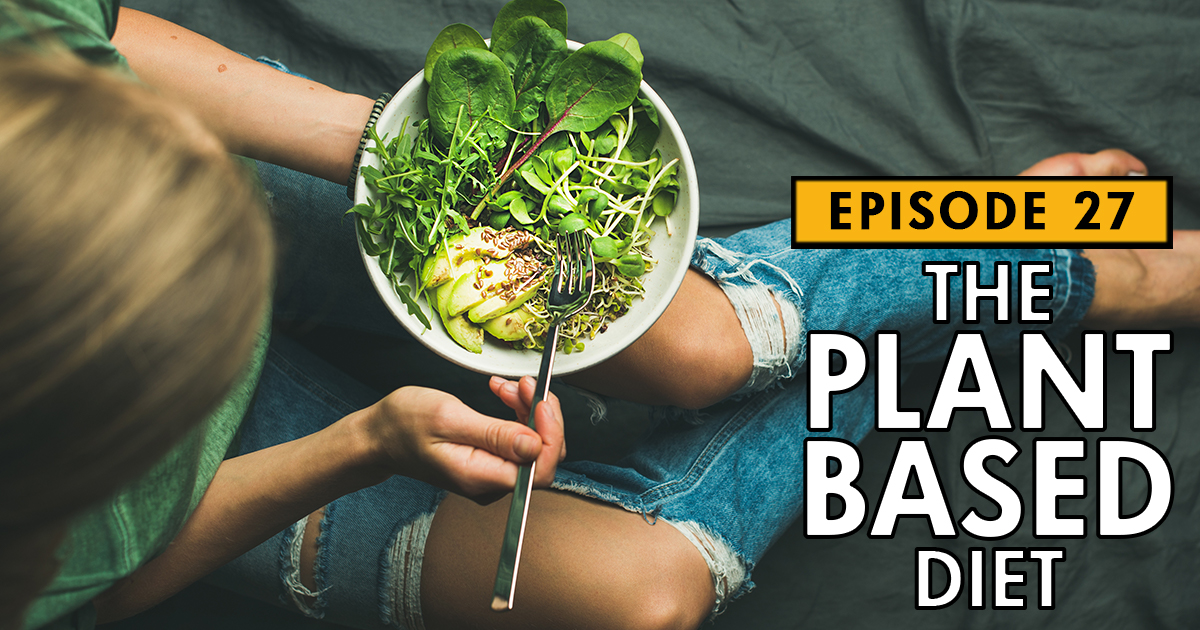
On this episode of the LHP, we're discussing what a plant-based diet is, how it differs from a vegetarian diet, and whether or not you should try it.

On this episode of the LHP, we bring back to the show LAF, PTD, Tristen Alleman, and, listener favorite Dietitian Debbie! And we talk all about cardio!

On this episode of the LHP, we bring back a favorite to the show, LAF RDN, Debbie James! We talk all about one of everyone's guilty pleasures, fast food.


How do I get rid of runny stools?
– Bjorn

What goes in must come out, so I consider what happens in the bathroom open for discussion here. If you suffer from persistent runny stool, there may be an underlying physical cause or infection and you should first consult a physician*. Aside from medication side effects, if your bowel movements are loose on occasion it could be stress or something you’re eating that ‘disagrees’ with you.
The gut can be affected by not only emotional stress or anxiety, but physical stress as well. (e.g., endurance runners often have colitis, resulting in bathroom issues when they run). A diet change or introduction of new/unusual foods, particularly spicy ones, may prompt your GI system to partially reject what it’s unfamiliar with. Another possibility is that you may have a reduced tolerance for lactose, fructose, gluten or sugar alcohols.
Here are some tips to deal with runny poop:
To help determine if particular foods may be bothering you:
*See a medical doctor if you have chronic diarrhea, defined by 3 or more watery stools per day lasting 4 weeks or more, or if you’ve lost weight unintentionally as you may be at risk for dehydration or malabsorption.
References:
– Debbie J., MS, RD
This article should not replace any exercise program or restrictions, any dietary supplements or restrictions, or any other medical recommendations from your primary care physician. Before starting any exercise program or diet, make sure it is approved by your doctor.
Some questions have been edited for length and/or clarity.
 Have a nutrition question? Our registered dietitian is ready to help!
Email nutrition@lafitness.com or submit your question below and it may be featured in an upcoming article!

Debbie James, RDN, helps answer a question about energizing snack options to pull athletes through the second half of a high energy workout.

Registered Dietitian, Debbie James, helps answer a reader’s question about a good nutrition guide for a healthy pregnancy.
Registered Dietitian, Debbie James, helps answer a reader’s question about how to put on muscle while eating a clean diet.
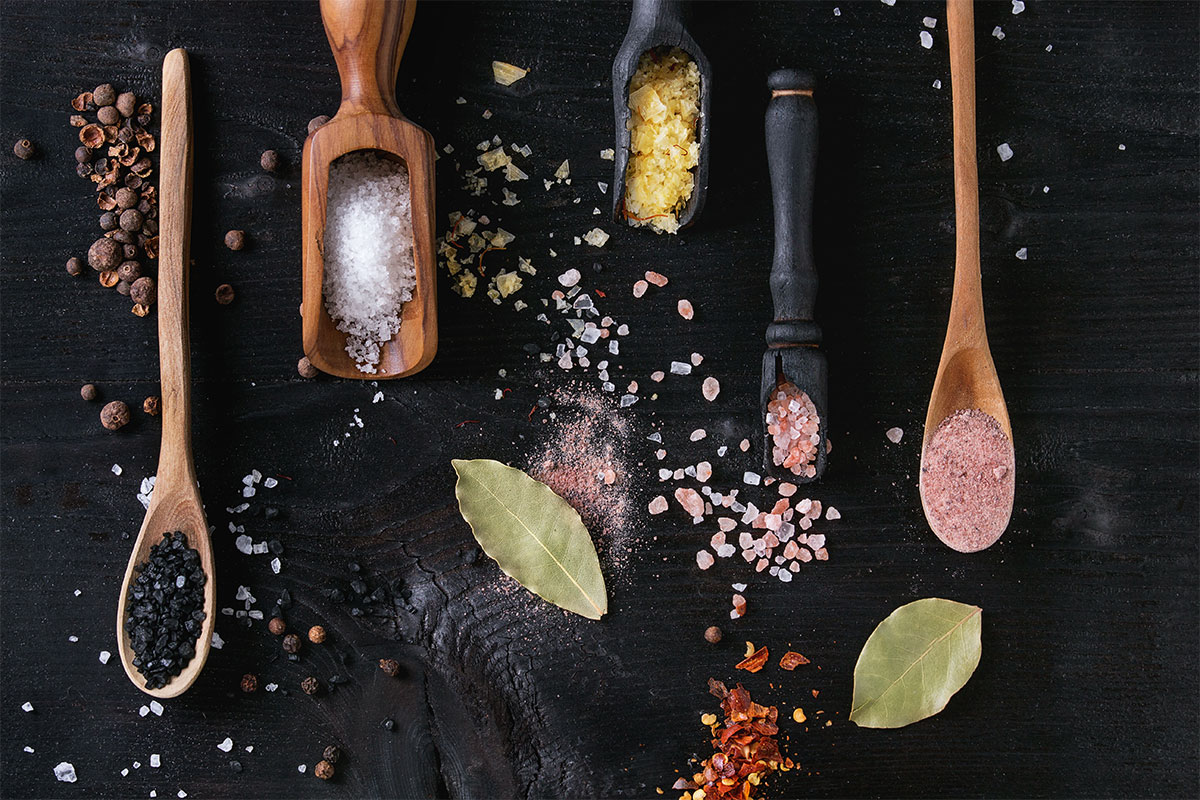
Hi! I have read various articles about healthy salt. Some say Himalayan Pink Salt and another article talks about Celtic sea salt. I know it’s important to get iodine in our diet. Which salt is best?
– Mary F.
Besides the sodium-chloride compound we know as the base of our table salt, natural salts of the earth contain other elements and possibly some contaminants. In the case of Himalayan pink salt which is harvested from mountains in Pakistan and sun-dried, the mineral content varies by mine since the salt range is so expansive. Iron oxide is evident in the characteristic pink color, while potassium, magnesium and calcium are imperceptible. The content of these trace minerals is so low that it would take cups, if not pounds, of Himalayan salt to make a nutritional impact.
Similar to sea salt procured elsewhere around the globe, Celtic sea salt harvested in seaside fields contains minerals, sediment, and algae that affect its color and taste. It is sun-dried in solar evaporation ponds and contains small amounts of magnesium, potassium, calcium, and to a lesser extent, iodine. Contaminants like microplastics and heavy metals are possible, as there is global ocean pollution and open water circulates.
Granulated table salt is refined to remove such impurities, but other trace minerals are lost and chemical traces remain. Ferrocyanide, talc, and silica aluminate are commonly included in its processing. The addition of potassium-iodide to salt in the United States began as a public strategy for treating goiter and continued as a prevention, much like our fortification of folate in cereals for neural tube defects during pregnancy. About 70% of the table salts sold in the US are iodized and contain additional stabilizers.
Other notable food-grade salts include Kosher salt coarse grains usually processed without iodine, fleur del sel flakes collected from the top of seawater salt ponds, sel gris salt crystals from the bottom of those evaporated ponds, rock salt mined through brining, and those mixed with earthen compounds (such as kala namak, Hawaiian ‘alaea’, and black lava salt).
The best salt for you depends on your concern. If you need to limit sodium intake but want to use a naturally sourced salt, then consider a coarse or “rough” granule of any raw type as there is less packing of salt crystals in a measured volume. If your concern is getting enough iodine, then you can choose a Celtic sea salt and eat sea vegetables, potatoes, cranberries, strawberries, yogurt, navy beans, eggs and salmon for additional iodine.
Of course, if you rarely salt your food or only use small amounts like ¼ teaspoon in baking, the health difference is probably negligible and iodized table salt will work.
– Debbie J., MS, RD
This article should not replace any exercise program or restrictions, any dietary supplements or restrictions, or any other medical recommendations from your primary care physician. Before starting any exercise program or diet, make sure it is approved by your doctor.
Some questions have been edited for length and/or clarity.
Have a nutrition question? Our registered dietitian is ready to help!
Email nutrition@lafitness.com or submit your question below and it may be featured in an upcoming article!
Debbie James, RDN, helps answer a question about energizing snack options to pull athletes through the second half of a high energy workout.
Registered Dietitian, Debbie James, helps answer a reader’s question about a good nutrition guide for a healthy pregnancy.
Registered Dietitian, Debbie James, helps answer a reader’s question about how to put on muscle while eating a clean diet.
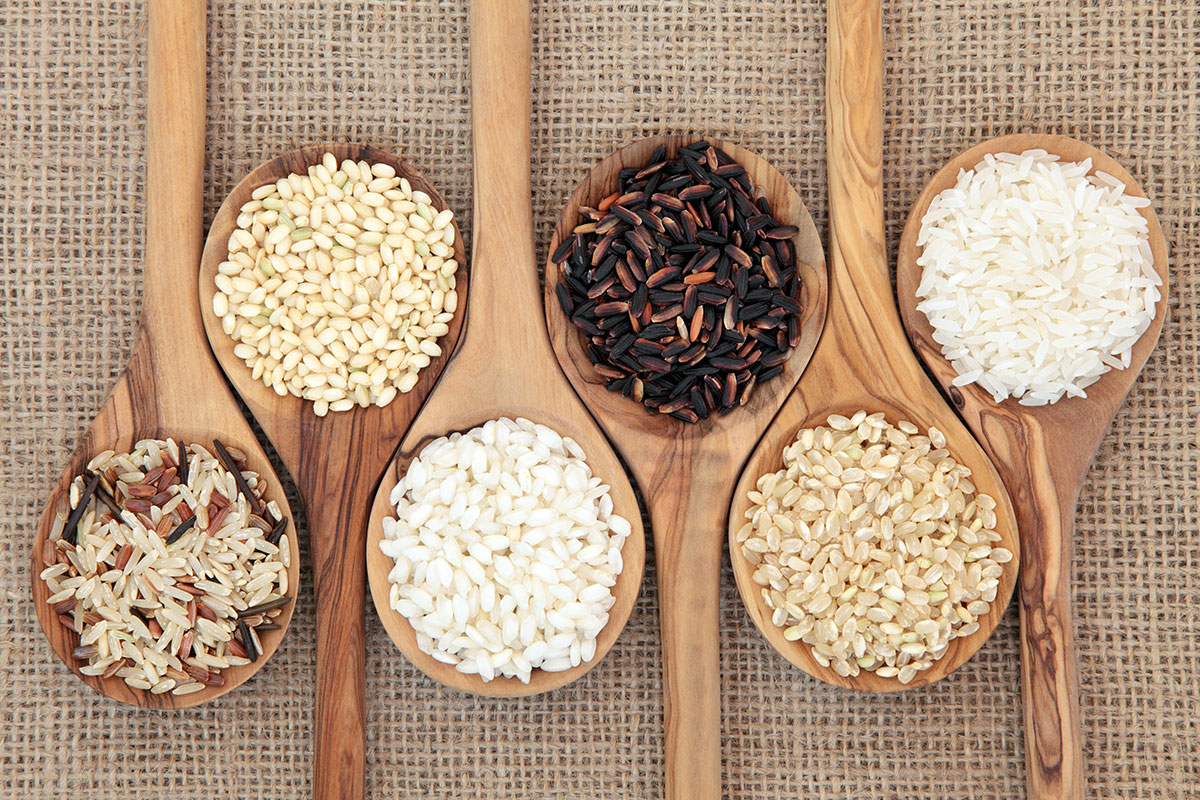
Which rice do you think is the best for all around nutrition, whether you are trying to gain mass or lose weight?
– Allen C.
A particular food’s nutritional value can be interpreted many ways. What you consider to be most nutritious might be the most nutrient dense, highest calorie or healthiest (preventing disease) food. With respect to your question regarding weight change, a single food item plays a small part in an overall varied diet.
See our answer to a similar question last year: Brown Rice vs. White Rice – Which is Healthier? | Q+A
There are nearly 40,000 varieties of rice! My top picks for packing a nutrition punch are wild rice, brown rice, red rice and black rice. Their nutrient and phytochemical content varies as does their speed/completeness of digestion. Method of preparation can affect the starch breakdown and glycemic index, which play a role in satiety and therefore caloric intake. The less processed the better – I’d take fresh cooked white rice over a can of wild rice soup any day. Organically grown rice is less likely to have arsenic and would, therefore, be healthier, though it won’t affect weight directly.
Keep in mind the likelihood of cooking & incorporating these rice types into your preferred dishes and your willingness to try new recipes. If you don’t end up eating it, there is zero nutrition.
– Debbie J., MS, RD
This article should not replace any exercise program or restrictions, any dietary supplements or restrictions, or any other medical recommendations from your primary care physician. Before starting any exercise program or diet, make sure it is approved by your doctor.
Some questions have been edited for length and/or clarity.
Have a nutrition question? Our registered dietitian is ready to help!
Email nutrition@lafitness.com or submit your question below and it may be featured in an upcoming article!
Debbie James, RDN, helps answer a question about energizing snack options to pull athletes through the second half of a high energy workout.
Registered Dietitian, Debbie James, helps answer a reader’s question about a good nutrition guide for a healthy pregnancy.
Registered Dietitian, Debbie James, helps answer a reader’s question about how to put on muscle while eating a clean diet.


A triathlon is an athletic contest that challenges its competitors in three different events: swimming, cycling, and long-distance running.
There are typically four to five different levels of triathlons that you can choose to compete in.
Level 1: Super Sprint Triathlon (Beginners)
Level 2: Sprint Triathlon (Beginners)
Level 3: Standard Triathlon – Olympic Distance (Intermediate)
Level 4: Half-Ironman Triathlon (Advanced)
Level 5: Ironman Triathlon (Advanced)
Source: Cycling Weekly


A triathlon training schedule is going to vary based on current fitness level, age, gender, and the level of triathlon you plan on competing in.
Taken from the Triathlon Training for Dummies Cheat Sheet, they recommend:
Sprint/Super Sprint
Olympic
Half Ironman
Ironman
Of course, this is only a suggested guide. Everyone may need to adjust their fitness routine accordingly.



If you find yourself struggling with swimming, biking or running, consider investing in a certified personal trainer who can help create a personalized training schedule for you to successfully reach your goals.
It’s an additional way to help you stay accountable during your training, further establish your goals, and measure and track your progress leading up to the big day!
Tip: Know the terrain well before race day and share this information with your trainer. It can greatly impact the intensity and style of training you’ll need for optimal success.

Any time is a good time to start training at LA Fitness, but it’s a great time if you’re training for a big event. With state-of-the-art equipment, a Junior Olympic size pool*, and plenty of cycle bikes, it’s a great place to put in the work needed leading up to the big day.
If you’re looking for an upcoming triathlon to try, consider the Time to Tri Indoor triathlon series at www.mytimetotri.com/indoorseries.
The Time to Tri Indoor Triathlon Series features a 10-minute pool swim, 30-minute stationary bike, and 20-minute treadmill run. Choose from one of five LA Fitness locations in the Tempe/Tucson area July 15 or July 22.
The basic concept is to eat for training as you would an actual competition. This enables you to test out which foods, beverages and meals work best with your body for your specific race distance. Competing on a full stomach is uncomfortable, doesn’t allow the best digestion, and can impair performance so you’ll want to be sure and have a higher carbohydrate meal 3-4 hours prior to a full training session with all three sports. This meal should contain a moderate amount of protein (~30 grams) and a low amount of fat, followed by about 2 cups of water. Races are usually first thing in the morning making this timing impractical, so load up on carbohydrates the night before and practice early mornings while following the below.
About an hour prior to the event, eat a snack with around 30-60 grams of carbohydrates and about 10 grams of protein, again lower fat and with a cup of water. Consumption of this snack is critical as there is no intake during the first swim leg and fueling during the bike and run legs will likely be limited to sports drinks. The goal is to create a constant supply of blood glucose throughout the triathlon. Hydration for thermoregulation is critical, so drink ½ – 1 cup of a lightly salted solution of 5-8% carbohydrate (10-20 g CHO and ~110 mg Na+ per cup) every 15 – 20 minutes during competition and training. Everyone’s body is unique and gut tolerance varies, so find your ideal foods and volume to ensure peak performance.
Response above provided by LA Fitness registered dietitian, Debbie James, RDN.
Sunday, July 15 at 7:30 a.m.:
Sunday, July 22 at 7:30 a.m.:
It’s your time to try a triathlon! For more information and to register, visit mytimetotri.com/indoorseries. LA Fitness members save $10 on registration.

For a more comprehensive look into everything you’ll need to know before your big day, check out this all-inclusive article published by the New York Times on triathlons.
All guests using club facilities must be 18 years of age or older, show I.D., and sign a waiver of liability prior to admission. Advertised events are subject to change. ©2018 Fitness International, LLC. All rights reserved.
* Amenities may vary by location and some may require an additional fee. Access based on membership type.
Debbie James, RDN, helps answer a question about energizing snack options to pull athletes through the second half of a high energy workout.
Registered Dietitian, Debbie James, helps answer a reader’s question about a good nutrition guide for a healthy pregnancy.
Registered Dietitian, Debbie James, helps answer a reader’s question about how to put on muscle while eating a clean diet.