Mid-Workout Snacks to Boost Your Energy | QA
Debbie James, RDN, helps answer a question about energizing snack options to pull athletes through the second half of a high energy workout.



Having trouble breaking that midday unhealthy snacking routine? Find out some tricks that may help break the vicious cycle!

Uh oh… it’s that time of day again. You know, that hour when you are suddenly feeling tired, unfocused, and ready for that afternoon pick-me-up. I refer to it as the Midday Monster; that little hunger feeling that creeps up and causes us to crave something tasty. The trouble is, usually that midday snack is an unhealthy one. We tend to gravitate towards something sweet, caffeinated, or carb-loaded. This is because those “feel-good” foods and drinks, typically do just that – they make us feel good. Food and drinks high in sugar can cause the dopamine levels, or the “feel-good” hormones, in our brains to rise.1 Unfortunately, the old idiom too much of a good thing, rings all too true.
Overindulgence, whether it be a midday snack or a late night one, can be harmful to our bodies. Nevertheless, quitting cold turkey is easier said than done. Old habits are hard to kick, but the key to remember is that there are ways to change poor snacking habits. It’s a process that begins with baby steps. Before reaching for that bag of chips, or sweets, take a moment to ask yourself, ”Am I really hungry?“ A lot of the time we snack out of boredom or stress. Try drinking some water and see if that helps. Oftentimes, hunger can be confused with dehydration.2 Save yourself the unneeded calories and drink some refreshing H20.

Still feeling hungry? Rid yourself of unhealthy temptations by keeping only healthy snacks close by. The key is to find foods to snack on that are high in fiber, which may keep you feeling fuller, longer.3 A few of these healthier options include: hummus and veggies, almonds, cereal bars, and raspberries. Or, grab a snack that helps boost metabolism and burn fat. Some examples of these fat-burning foods include: apples, avocados and cottage cheese, or canned tuna on whole-wheat crackers.4 If you’re looking for a healthy alternative for your go-to calorie-filled lattes, try some minty green iced tea.




Another source of unhealthy snacking can be caused from skipping your morning breakfast.5 If you starve yourself in the morning, you typically have greater odds of overindulging later on in the day. Make sure you make time for breakfast, and save yourself later on.
Another interesting tactic to consider is brushing and/or flossing your teeth after eating, which helps reduce the temptation to eat.6 Once your teeth are clean, you’ll be less likely to grab something to snack on, in order to avoid brushing again.
In addition, it is helpful to meal plan. LA Fitness registered dietitian, Debbie J., RDN says, “Having a blueprint to follow for your week’s meals will help keep you eating regularly and on track, thus prevent you from skipping meals, so you’ll be less likely to snack.” Make things easier on yourself by preparing a few healthy snacks the night before. This way, you’re not tempted to grab for something unhealthy when you’re feeling stressed, tired, or on-the-go.
Check out one of our more recent Q+A’s from LA Fitness’ registered dietitian, Debbie J., MS, RDN, where she helps answer What Are Good Substitutions for Sugary and Salty Snacks? If you have a nutrition question of your own, please share it with us by submitting a question here, and your answer may be featured in a future post.
Sources:

Debbie James, RDN, helps answer a question about energizing snack options to pull athletes through the second half of a high energy workout.

Registered Dietitian, Debbie James, helps answer a reader’s question about a good nutrition guide for a healthy pregnancy.
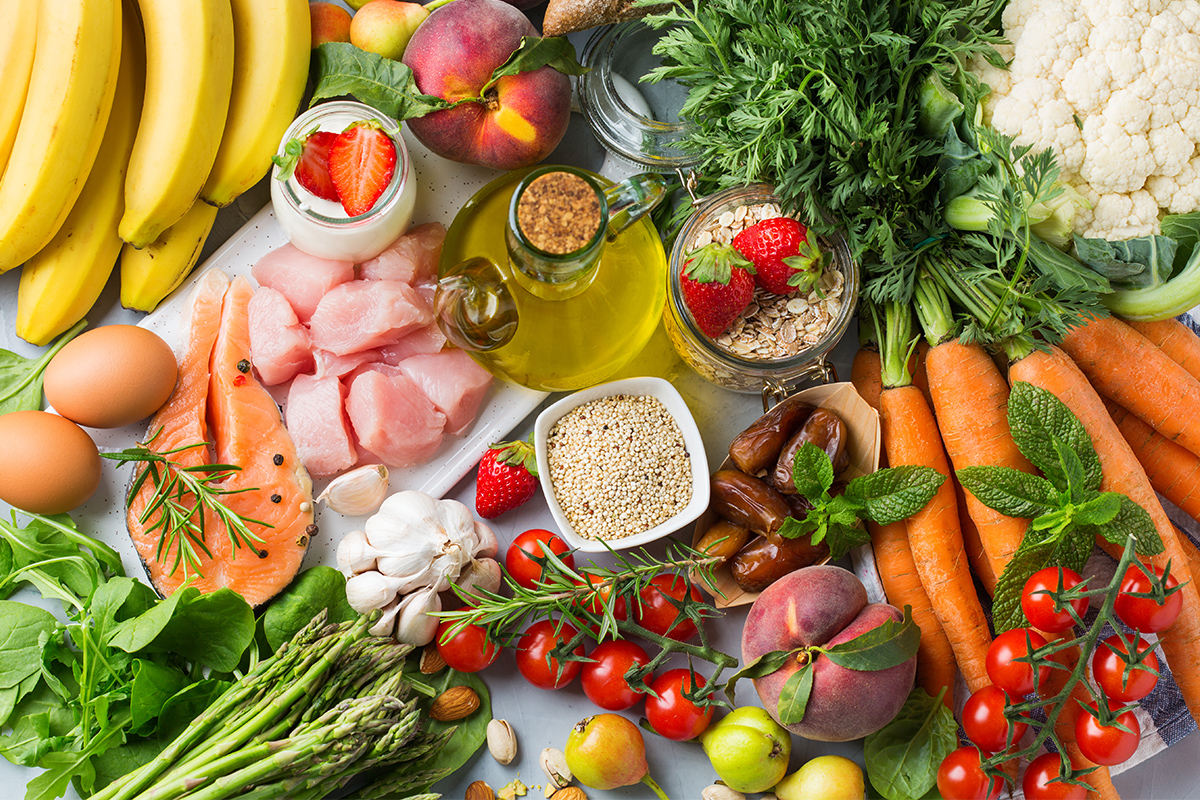
Registered Dietitian, Debbie James, helps answer a reader’s question about how to put on muscle while eating a clean diet.

See what kind of foods may help with your running. No matter if you are training for a marathon or just want to run for fun!

I am by no means an apex athlete or anything. However, I would like to start to train for an 8k run next March. I currently do workout with a trainer at the Mt. Prospect Club (who’s awesome by the way). Can you recommend an eating plan or point me to some resources to help me make the best decision when it comes to nutrition and my training? Thanks in advance for your time.
-Robert T.

Bravo on planning well ahead of time, Robert. Let’s say that someone starting out jogs at 12-15 minutes per mile. Your total jog time also depends on how far your current distance is. Conservatively, let’s say that it’s 2 miles. So perhaps you’re moving 24-30 minutes now. By March, you’d like to be running faster 10-12 minute miles to complete the 8K (5 mile) race in about an hour. Given the time and energy expended, your training diet will not be much different than that for your current workouts with your trainer, but may be comprised of more carbohydrate and ample fluids.
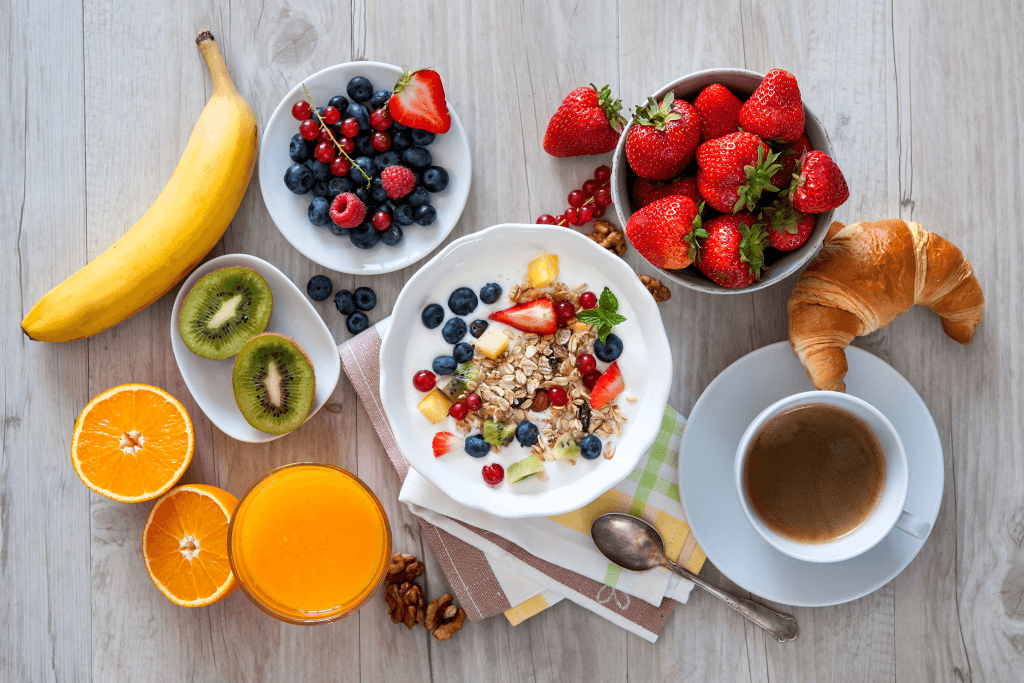
Your initial nutrition plan should be to support your in-gym training & short runs, and to experiment with what foods your gut can tolerate prior to a morning race. Pre-workout nutrition is key so you have the fuel you need to complete an exercise session without feeling drained. Read more about fueling up by clicking here. A bowl of cold cereal with milk might sit well for some individuals but be too slushy for others. An egg white, half an English muffin and half a banana may be all that you need after you wake up to have a successful workout an hour later. Now is the time to try whatever smoothies, protein shakes or bars you might like.
By January, you’ll want to shift your focus to eliminating heavy fats and big meals that make you sluggish, as well as cutting back on alcohol, desserts, and late evening eating. Your muscle cells will be in full training mode to become more efficient aerobically, and they’ll need lots of nutritional support. Balanced lunch and dinner meals mean a plate with 1/2 vegetables, 1/4 starch (potatoes, rice, pasta, etc.), 1/4 lean protein (poultry, fish, lean meats) and a tablespoon of healthy plant fat. Picture a big bowl of shrimp and vegetables stir-fried in oil with just one scoop of rice on the side. For heartier breakfasts on non-run days, you can pick a starch, protein, fruit and milk product such as oatmeal with raisins, nuts and low fat milk. Add a glass of water to your daily fluid intake.
For the few weeks preceding the race, it’s all about ready fuel and recovery as you will probably be running more often and for longer. Read more about recovery nutrition by clicking here. Having adequate glycogen stores will give you sustained energy beyond the blood sugar derived from your most recent meal. The key to muscle glycogen is complex carbohydrate intake, not just before a run, but daily at each meal. Picture the meal balance described in the last paragraph with whole grains, beans, or corn. Then add starch such as pretzels or popcorn at snacks, washed down with another additional glass of water.
You can also read the Academy of Nutrition and Dietetics article “Beginners Guide to Running Your Personal Best” by clicking here.
– Debbie J., MS, RD
This article should not replace any exercise program or restrictions, any dietary supplements or restrictions, or any other medical recommendations from your primary care physician. Before starting any exercise program or diet, make sure it is approved by your doctor.

Have a nutrition question? Our registered dietitian is ready to help!
Email nutrition@lafitness.com or submit your question below and it may be featured in an upcoming article!

Want more? SUBSCRIBE to receive the latest Living Healthy articles right in your inbox!

Blood sugar control isn’t easy. These are Debbie’s top recommendations for how to address weight control with Type II Diabetes.

Debbie James, RDN, brings us her expert opinion on food safety and sanitation, along with information on how you can eat well if you have to shelter in place.

Today’s episode is all about Busting Gym Myths! Does spot training really work? Is Cardio the best way to burn fat? We talk to Master Trainer Jordan Jones to find out the answers, so buckle up because you might just get your bubble popped. Sorry about that!

Try adding some healthy alternatives to grains in your eating habits, and get some ideas below!
Hi my name is Rita. So far I’ve lost about 30 lbs but I feel like it’s been luck. My goal is to lose just under 200 lbs total putting me around 150. I’m realistic I know it’s going to take a lot of time. The problem is I don’t want to just go on a diet, I want to change how I eat forever. I’ve pretty much been on a strict protein and veggies diet, but I keep hearing so much about whole grains. So my questions are how important are whole grains? And, how can I incorporate whole grains into my diet without adding a ton of carbs and sugar?
-Sharita B.
I’m glad you’re responding to what you’ve heard about whole grains and are looking to round-out your diet. Grains are the seeds of grasses and have been consumed by populations across the globe for thousands of years. The benefits from whole grains include gut health, stabilized blood sugar levels, increased satisfaction/reduced appetite, and grains contain several vitamins and minerals. Grains are an excellent source of manganese, a good source of magnesium and phosphorus, and many are good sources of iron, copper, thiamin (vitamin B1), and selenium. Others contain iron, niacin, and vitamin B6 in good quantities.
Sure, you could get those micro-nutrients from other food sources but would likely need to eat potatoes, fruit, taro and beans to get sufficient carbohydrates, as most people simply can’t eat enough vegetables to sustain themselves.

Unlike fruit and many vegetables, one does not pick grains (also called kernels) off the plant and start chewing. First the protective husk must be removed, then the grains must be cooked, which reduces their phytic acid, protease inhibitor and lectin content… meaning you get less of those compounds, gain digestibility and absorb their nutrients better. So, what constitutes a whole grain? Whole grains contain all 3 edible parts (bran, endosperm and germ) of a kernel and include the following: amaranth, barley, buckwheat, corn (including popcorn), millet, oats, quinoa, rice, rye, sorghum, teff, triticale, wheat (including bulgur, cracked wheat and wheat berries). That means eating them whole, not processed. So NO pastas, couscous, orzo, breads, rolls, tortillas, muffins, crackers, chips, etc. Sprouted whole grain breads contain enzymes and are devoid of refined grain flour, so perhaps you might include those.
To incorporate whole grains into your diet, consider a small hot bowl of steel cut oats or wheat 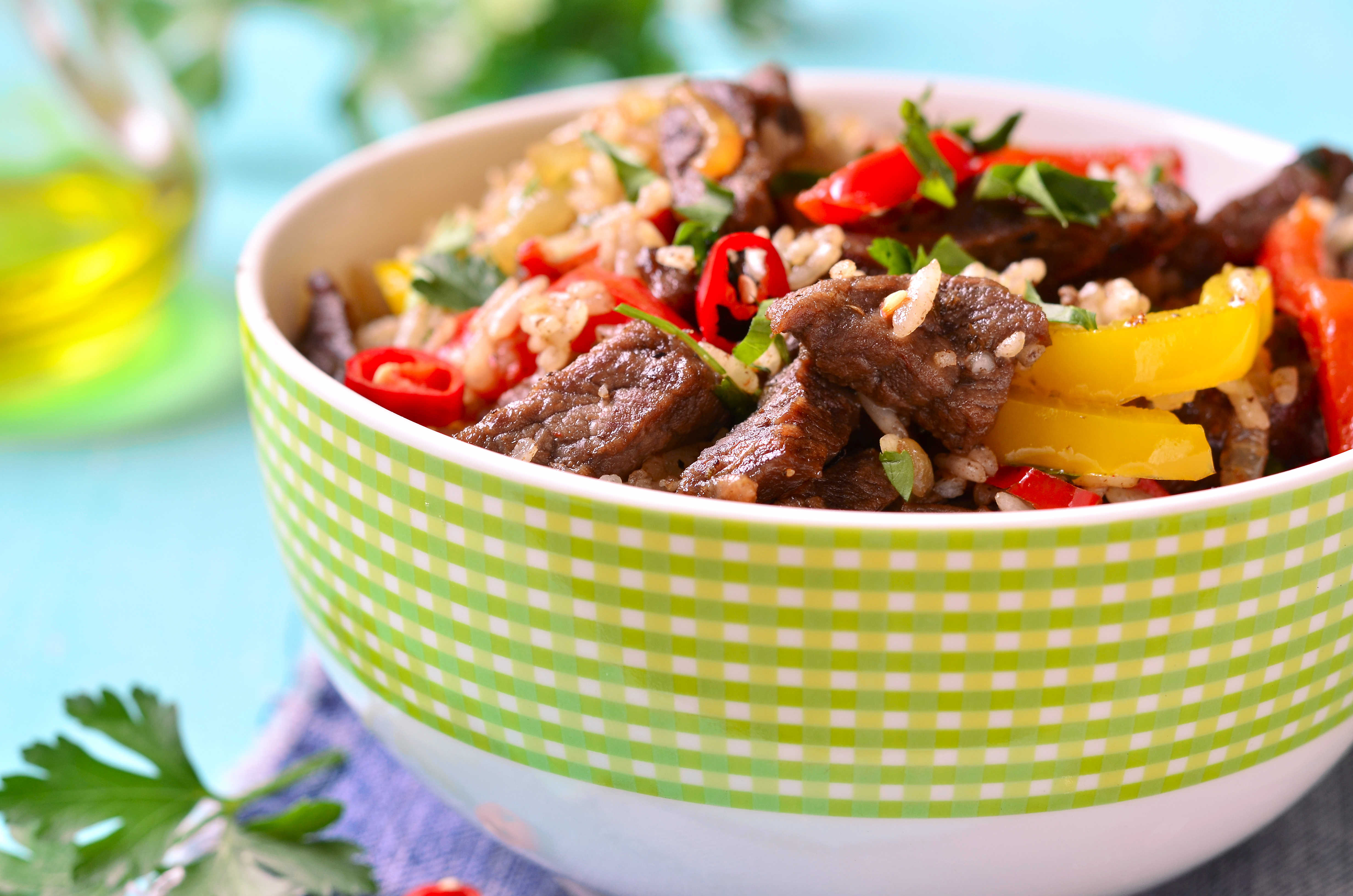 berries at breakfast, sprinkling some quinoa on your salads, adding barley or rye into your mixed vegetables and soups, or use farrow as a side dish seasoned with garlic & herbs. Corn can be added to salsa. Grains like rice can replace pasta in some dishes, as with a ragout (pictured). Don’t forget about munching on popcorn as a snack!
– Debbie J., MS, RD
This article should not replace any exercise program or restrictions, any dietary supplements or restrictions, or any other medical recommendations from your primary care physician. Before starting any exercise program or diet, make sure it is approved by your doctor.
Blood sugar control isn’t easy. These are Debbie’s top recommendations for how to address weight control with Type II Diabetes.
Debbie James, RDN, brings us her expert opinion on food safety and sanitation, along with information on how you can eat well if you have to shelter in place.
Today’s episode is all about Busting Gym Myths! Does spot training really work? Is Cardio the best way to burn fat? We talk to Master Trainer Jordan Jones to find out the answers, so buckle up because you might just get your bubble popped. Sorry about that!
Have a nutrition question? Our registered dietitian is ready to help!
Email nutrition@lafitness.com or submit your question below and it may be featured in an upcoming article!
Want more? SUBSCRIBE to receive the latest Living Healthy articles right in your inbox!

Eggs and a biscuit or cereal and yogurt? Find out what the best breakfast routine is for your specific needs.
I find it easier to meet my calorie goal if I skip breakfast. My research into whether breakfast is actually important or not has led me to a lot of articles about intermittent fasting – will it be good for my weight loss goals, or hinder me? As a side note, when I tried frequent eating (3 small meals with 2 snacks) I gained 5 lbs in a couple weeks. “Stoking” my metabolism definitely did not work for me. 5’4″ 150 lbs aiming for 125 lbs
-Angela F.
You can adjust the traditional timing of meals to suit your schedule and appetite while meeting a calorie goal. Research supporting the benefits of a balanced breakfast shows an overwhelming positive result for health and mental functioning.* Yet for weight loss, it depends on the rest of the day’s intake. Making up for lost calories by over-consuming later doesn’t decrease overall energy intake. Another consideration is that some people just don’t feel good eating after rising in the morning and need to wait a couple of hours.

That said, you specifically asked about intermittent fasting. Many people have found a benefit to intermittent fasting for weight control. As an alternative to continuous caloric restriction (dieting), intermittent fasting allows an individual to rotate between periods of fasting and non-fasting. While the overall effect may be an equal decrease in total energy consumption, intermittent fasting may have a stronger benefit toward health and longevity. Yet for weight loss, the results are about the same.
Those who are not successful at dieting’s “moderation,” mild restriction, or reduced portions may fare better with an on-off eating style temporarily. Rebound over-eating later (as the body attempts to fill an energy deficit) is a common obstacle. That’s a major reason why cycles like these fail. Weight loss is only successful if regular healthy meals and beverages are consumed on non-fasting days. Behavior change is critical to long-term success.
– Debbie J., MS, RD
You should always contact your primary care physician before beginning any diet or exercise program. If you have blood sugar problems, you should monitor your glucose closely and adjust your intake! Your doctor may need to modify your medication as well. Also to note: if you’re pregnant, breastfeeding, have chronic stress or cortisol dysregulation then you are better off avoiding fasting.
References
*The benefits of breakfast cereal consumption: a systematic review of the evidence base. Williams PG. Advances in Nutrition 2014 Sep 15;5(5):636S-673S. doi: 10.3945/an.114.006247
The effect of breakfast composition and energy contribution on cognitive and academic performance: a systematic review. Edefonti V, et al. American Journal of Clinical Nutrition 2014 Aug;100(2):626-56. doi: 10.3945/ajcn.114.083683.
Blood sugar control isn’t easy. These are Debbie’s top recommendations for how to address weight control with Type II Diabetes.
Debbie James, RDN, brings us her expert opinion on food safety and sanitation, along with information on how you can eat well if you have to shelter in place.
Today’s episode is all about Busting Gym Myths! Does spot training really work? Is Cardio the best way to burn fat? We talk to Master Trainer Jordan Jones to find out the answers, so buckle up because you might just get your bubble popped. Sorry about that!
Have a nutrition question? Our registered dietitian is ready to help!
Email nutrition@lafitness.com or submit your question below and it may be featured in an upcoming article!
Want more? SUBSCRIBE to receive the latest Living Healthy articles right in your inbox!
Question:
So I wanted to know what are macro and micro nutrients and what do they have to do with weigh loss?
-Irving B.
Answer:
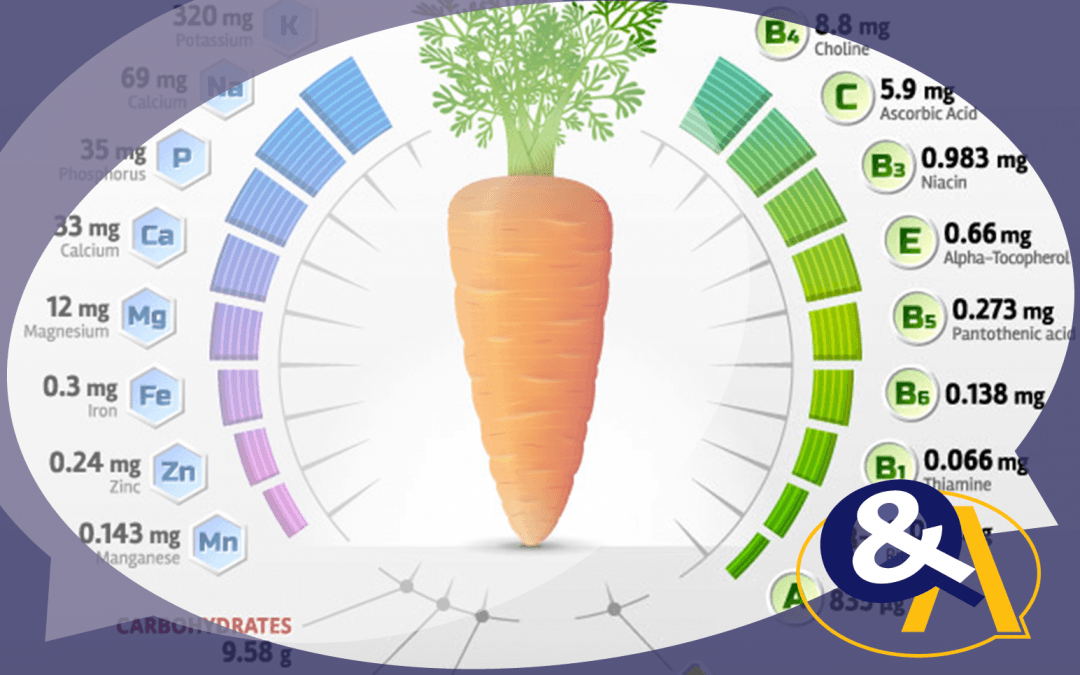
Great question, Irving! Nutrients are the compounds in food that are vital to human life. Macronutrients are nutrients that are needed in quantities greater than a gram – carbohydrate, protein, fat and water. Micronutrients are nutrients that we need in much smaller milligram or microgram quantities – vitamins and minerals.
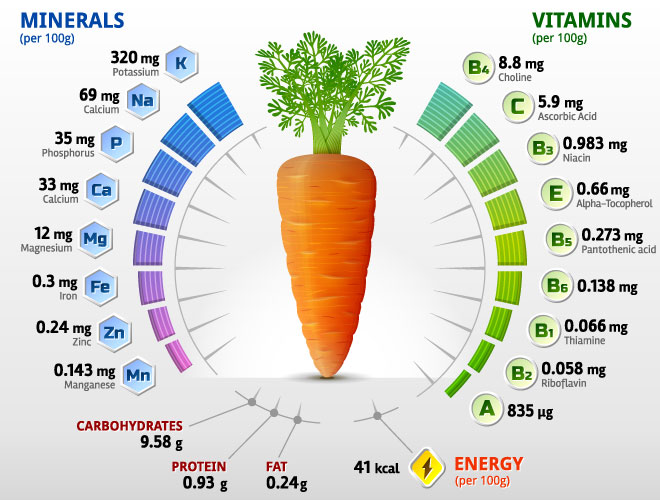
It happens that the macronutrients, except water, contain carbon atoms and therefore can provide us energy through our cellular breakdown of these carbon bonds. This energy fuels our nervous system, organs and muscles and can contribute to body fat stores. Water takes part in metabolic reactions and helps cells’ efficiency. The micronutrients have many functions, several of which are to support metabolism – the body’s chemical processes — including the ability to make energy from food. So to get the most from macronutrients, the proper amount of micronutrients are required.
Weight loss occurs when the body burns more calories than it uptakes into cells after digestion and absorption. Too much energy from carbohydrate, fat, and protein combined can lead to weight gain. Insufficient vitamins and minerals compound the problem, but are unlikely to cause weight gain directly.
– Debbie J., MS, RD
This article should not replace any exercise program or restrictions, any dietary supplements or restrictions, or any other medical recommendations from your primary care physician. Before starting any exercise program or diet, make sure it is approved by your doctor.

WE’RE BACK!!! On today’s episode of the Living Healthy Podcast, we’re talking about Cancer Screening and Prevention with Dr. Rick Van Etten!

If you’re careful with your nutrition, working out weekly, and still experiencing problems with your weight, take a moment to read this QA.
Blood sugar control isn’t easy. These are Debbie’s top recommendations for how to address weight control with Type II Diabetes.

Have a nutrition question? Our registered dietitian is ready to help!
Email nutrition@lafitness.com or submit your question below and it may be featured in an upcoming article!
Want more? SUBSCRIBE to receive the latest Living Healthy articles right in your inbox!