The Plant-Based Diet: What You Need to Know – Podcast Ep. 27
On this episode of the LHP, we're discussing what a plant-based diet is, how it differs from a vegetarian diet, and whether or not you should try it.


Welcome to the 8th episode of the Living Healthy Podcast, presented by LA Fitness.
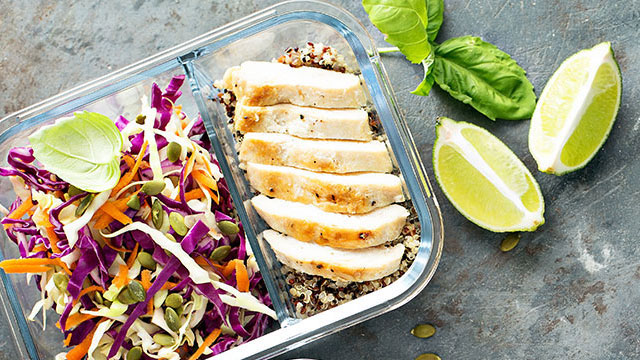
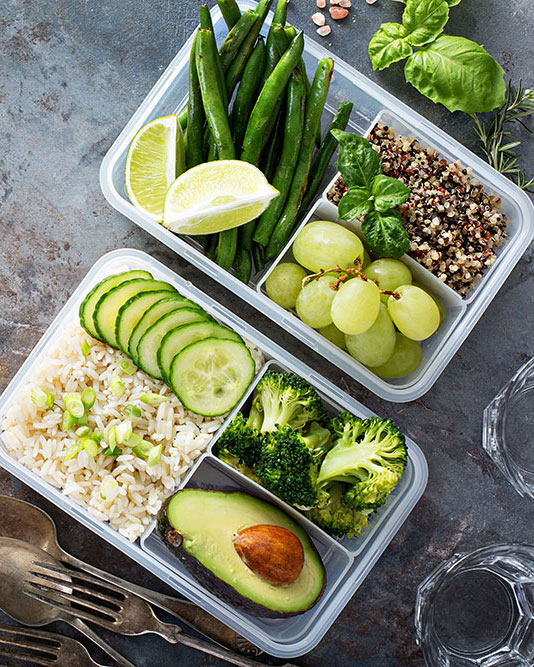
On this episode of Living Healthy, we bring back to the show LA Fitness registered dietitian, Debbie James, who helps us better understand how to meal prep, common mistakes when meal prepping, and how it can be budget-friendly.
How Are We Doing?
This podcast should not replace any exercise program or restrictions, any dietary supplements or restrictions, or any other medical recommendations from your primary care physician. Before starting any exercise program or diet, make sure it is approved by your doctor.
Introduction
0:01
Show Begins
0:15
Planning for Meal Prep
Begins at 0:50
Can You Meal Prep for 5 Days Ahead of Time?
Begins at 1:10
Is it Harder to Prep for Certain Meals of the Day?
Begins at 2:09
How Many Days a Week Should You Meal Prep?
Begins at 4:02
Meal Prep Containers
Begins at 4:30
Random Side note About Cheese
Begins at 5:28
Common Meal Prep Mistakes
Begins at 6:22
Delivery vs. Make-it-Yourself
Begins at 9:09
Meal Prep Budgets
Begins at 14:15
Frozen vs Fresh
Begins at 17:28
Product Password
Begins at 18:01
Actionable Advice
Begins at 20:35
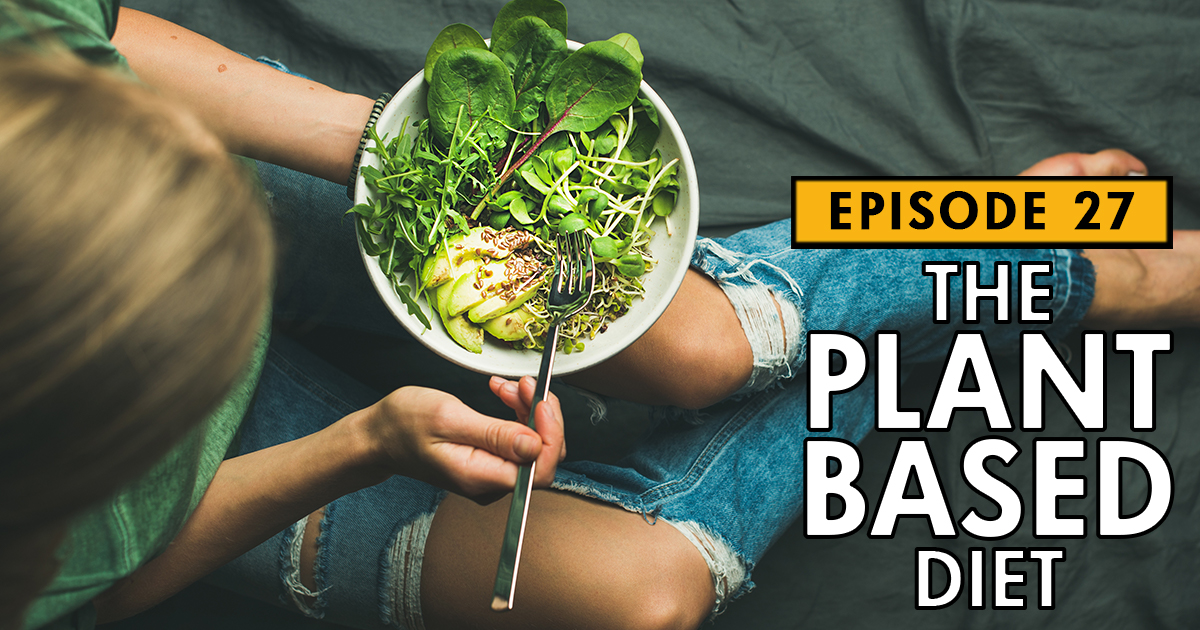
On this episode of the LHP, we're discussing what a plant-based diet is, how it differs from a vegetarian diet, and whether or not you should try it.
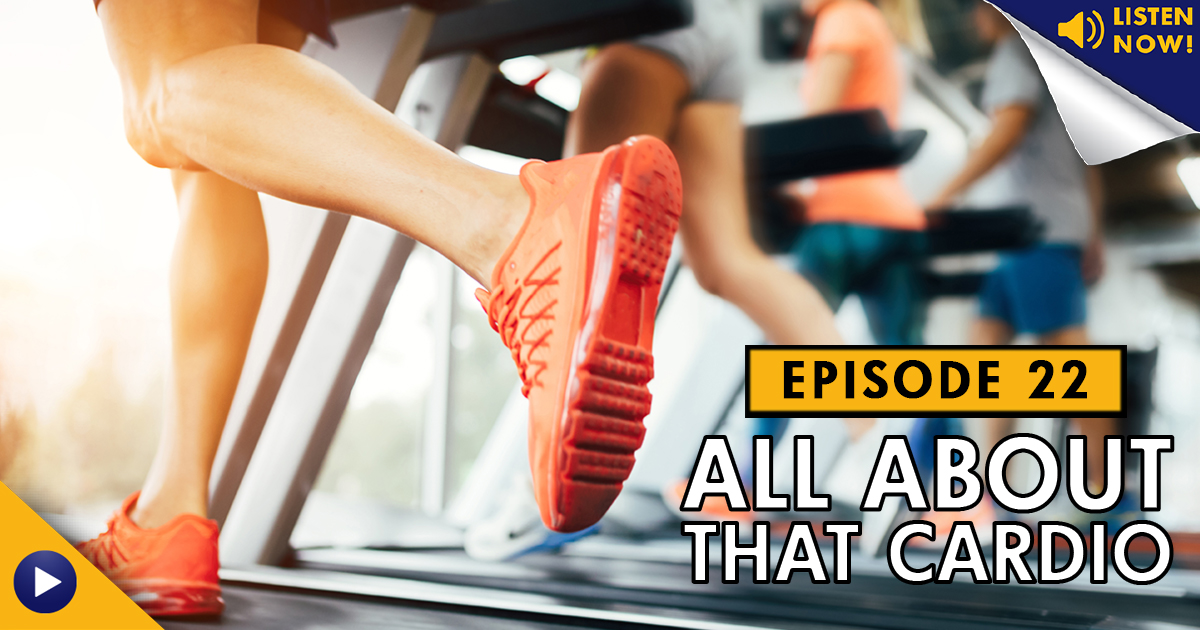
On this episode of the LHP, we bring back to the show LAF, PTD, Tristen Alleman, and, listener favorite Dietitian Debbie! And we talk all about cardio!

On this episode of the LHP, we bring back a favorite to the show, LAF RDN, Debbie James! We talk all about one of everyone's guilty pleasures, fast food.
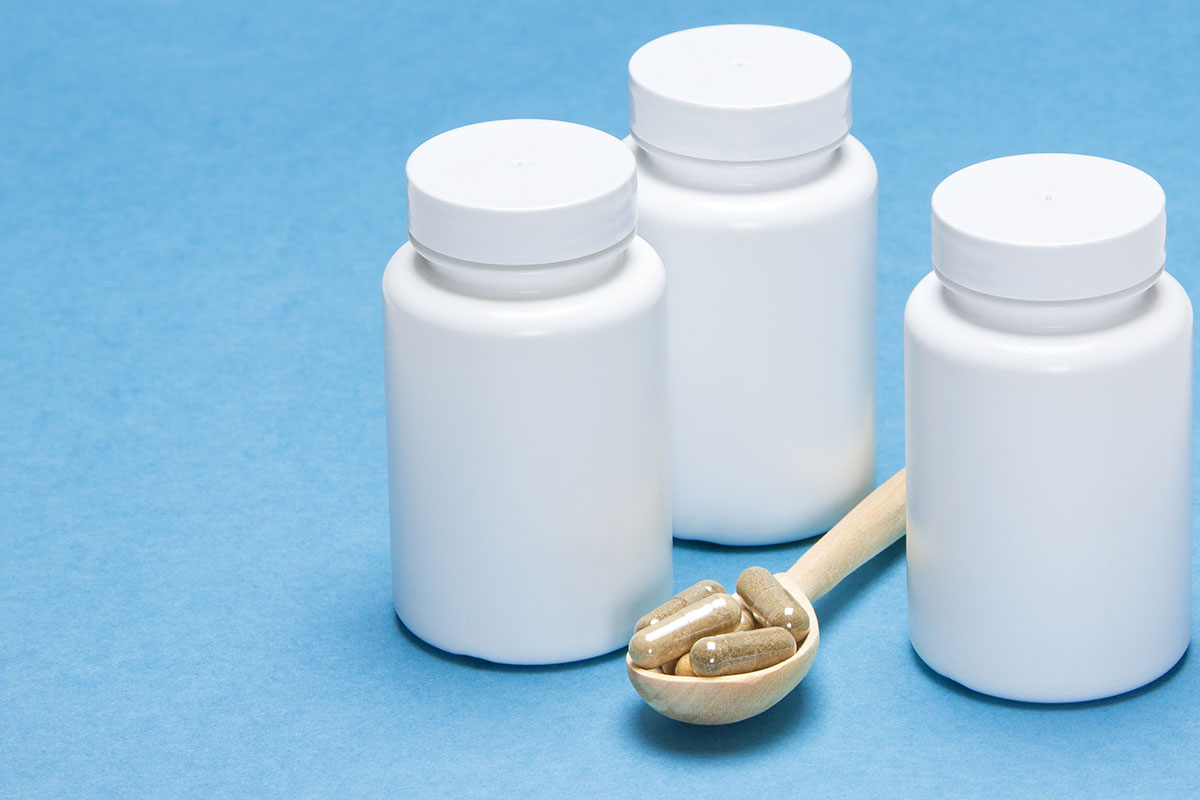

Is there a supplement recommended for weight loss?
– Christian H.

Speaking only of pills, tablets or individual ingredients (not enhanced protein powders) there are a few items that show promise for weight reduction. Do not take these as my recommendation or endorsement — I am just trying to answer your question. Because there is a lack of strong evidence of efficacy, none can be recommended specifically for weight loss. Most physicians agree that no weight-loss supplements meet criteria for recommended use.
GREATEST research / LARGE number of participants
FEW studies / SMALL sample sizes
References:
– Debbie J., MS, RD
This article should not replace any exercise program or restrictions, any dietary supplements or restrictions, or any other medical recommendations from your primary care physician. Before starting any exercise program or diet, make sure it is approved by your doctor.
Some questions have been edited for length and/or clarity.
 Have a nutrition question? Our registered dietitian is ready to help!
Email nutrition@lafitness.com or submit your question below and it may be featured in an upcoming article!

Debbie James, RDN, helps answer a question about energizing snack options to pull athletes through the second half of a high energy workout.

Registered Dietitian, Debbie James, helps answer a reader’s question about a good nutrition guide for a healthy pregnancy.
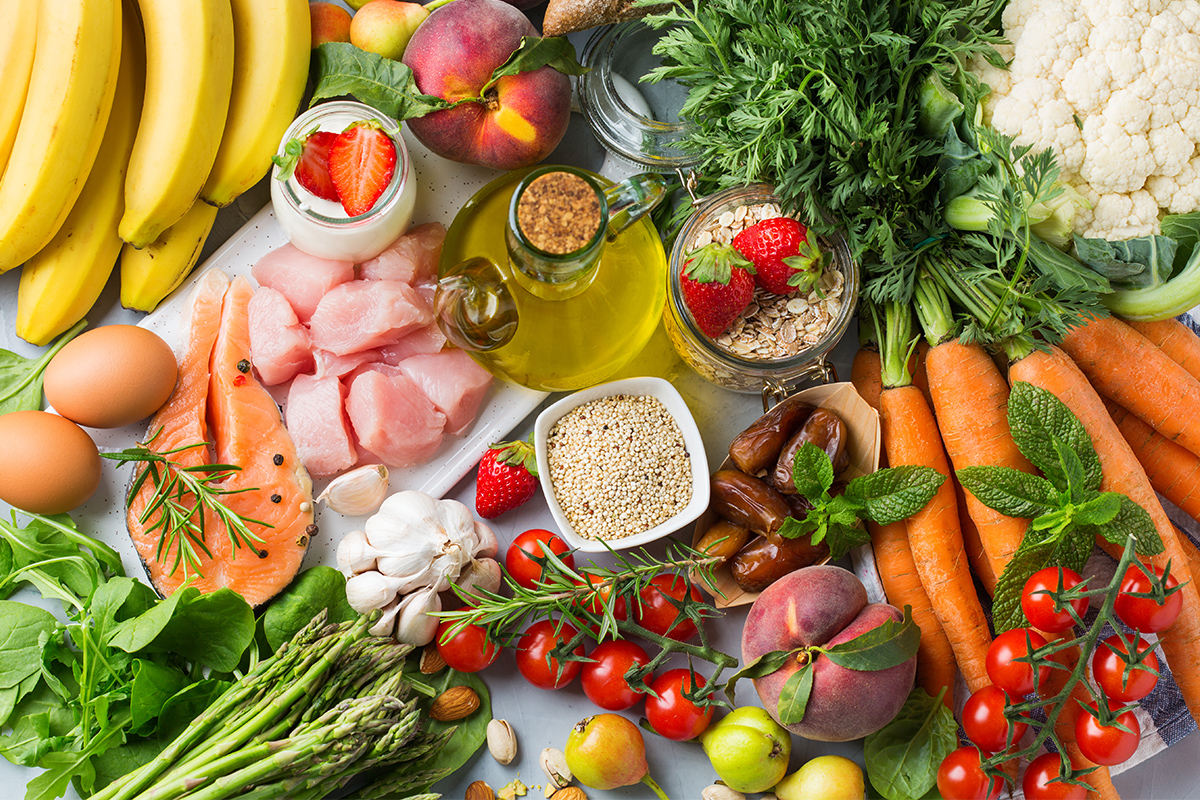
Registered Dietitian, Debbie James, helps answer a reader’s question about how to put on muscle while eating a clean diet.
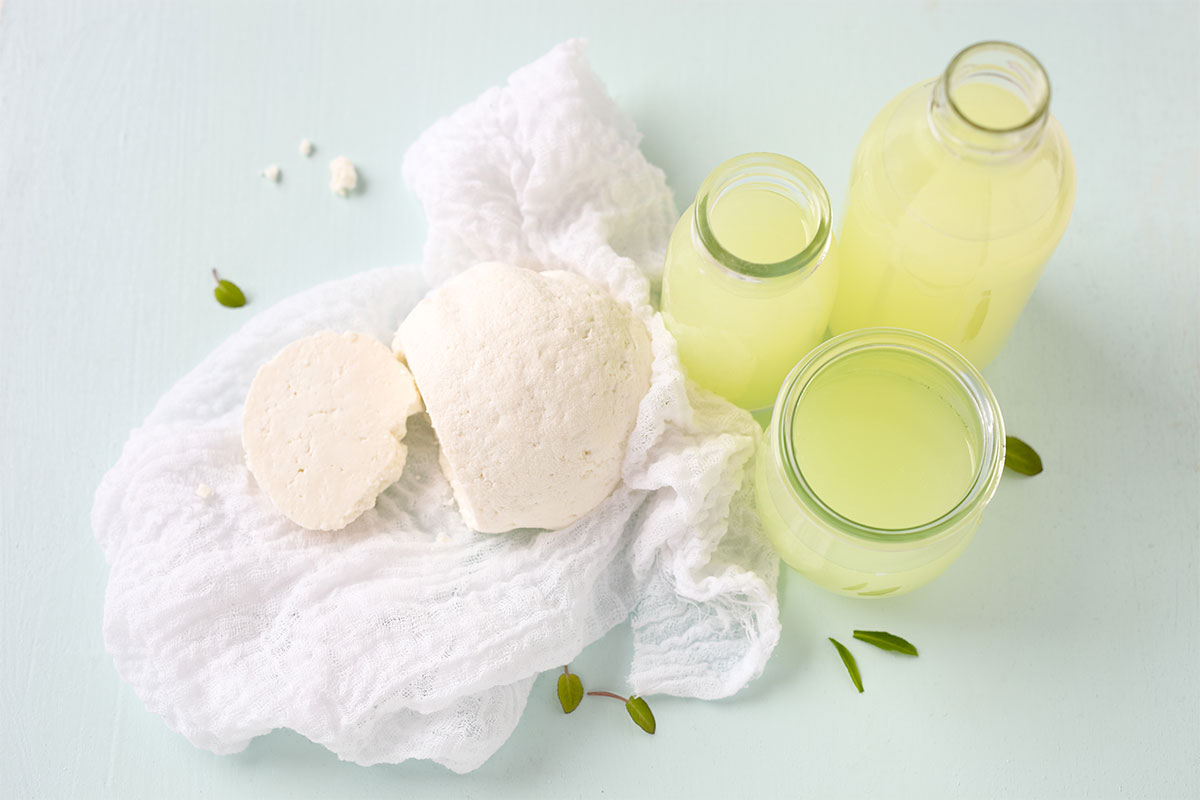
Hello, I have a question about whey protein. I’ve been using a powdered whey protein. However, I also make my own cheese at home. A byproduct of cheese production is whey after separating the proteins with heat and a mild catalyst like lemon juice or vinegar. I’m generally wary of processed foods. My thinking is a less processed protein will be of a higher quality and a drastically low cost. It is in liquid form and kept refrigerated. What should I consider from a spoilage and nutritional standpoint? My thinking is whey protein that is less processed.
– Eric D.
So glad to hear you’re not washing your whey down the drain! Nutritionally, homemade whey protein is fully intact and not denatured like high-heat pasteurized powdered products. The liquid contains fewer chemicals and acid byproducts than commercially produced whey powder. It is also a source of vitamins A and several B vitamins and minerals original to the source milk/yogurt. In addition, there would be some vitamin C from the lemon juice used. One cup of fluid acid whey contains about 2 grams of protein, 13 grams of carbohydrate and less than 1 gram of fat, providing a total of nearly 60 calories.*
If you’re going for protein though, liquid whey isn’t that concentrated, which necessitates quite a volume of it to make an impact. Since it keeps well (lasting several months in the refrigerator) you can use the tart liquid in cooking various foods and recipes over time. Clarity or cloudiness doesn’t matter – cloudiness indicates that some of the residual casein protein may have passed through the cheesecloth. For supplementing your diet to support exercise, convenient alternatives to powdered whey protein include hard-cooked egg whites and canned tuna in water.
*National Nutrient Database for Standard Reference, Release April, 2018
– Debbie J., MS, RD
This article should not replace any exercise program or restrictions, any dietary supplements or restrictions, or any other medical recommendations from your primary care physician. Before starting any exercise program or diet, make sure it is approved by your doctor.
Some questions have been edited for length and/or clarity.
Have a nutrition question? Our registered dietitian is ready to help!
Email nutrition@lafitness.com or submit your question below and it may be featured in an upcoming article!
Debbie James, RDN, helps answer a question about energizing snack options to pull athletes through the second half of a high energy workout.
Registered Dietitian, Debbie James, helps answer a reader’s question about a good nutrition guide for a healthy pregnancy.
Registered Dietitian, Debbie James, helps answer a reader’s question about how to put on muscle while eating a clean diet.
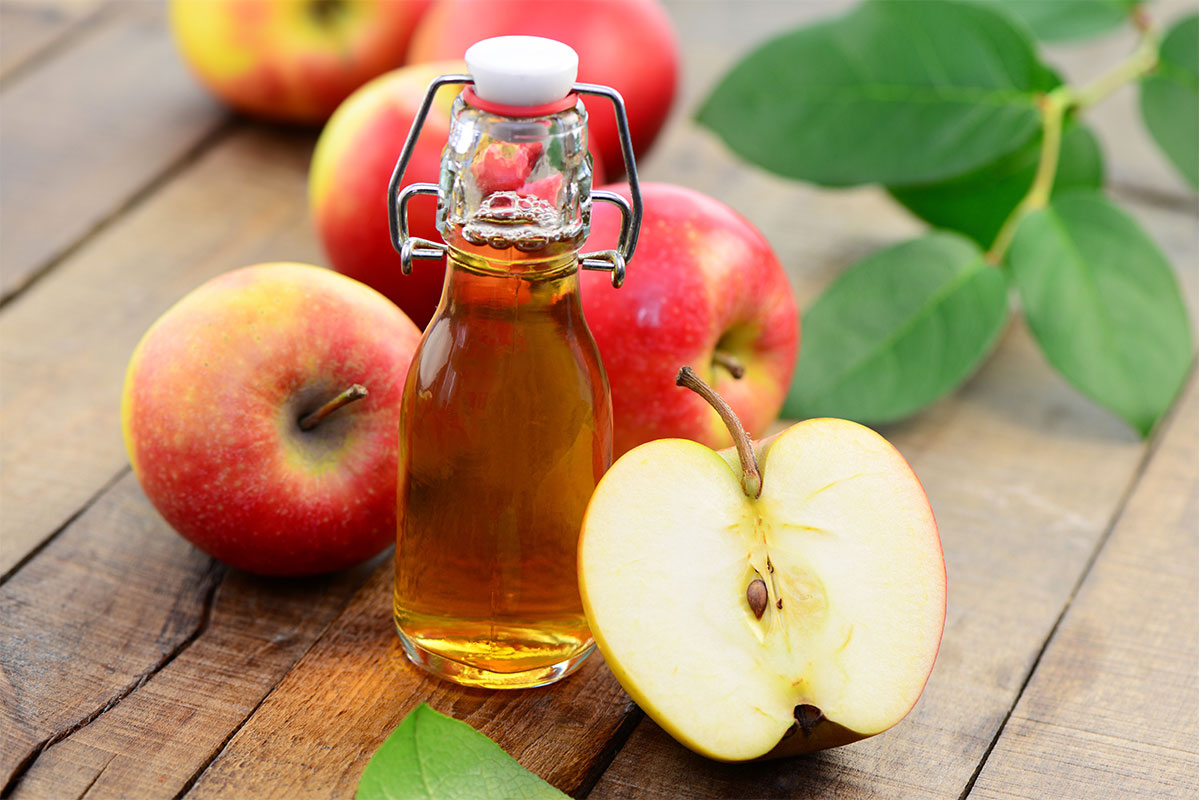
I’d like to know if using Apple Cider Vinegar an hour before eating does indeed burn stored body fat. And also, does the body acclimate to this after a period of time, so would NOT taking it for a week or so make it effective again?
– Michelle
The answer is that perhaps apple cider vinegar (ACV) may help in human weight loss, but it is not proven as effective. Several small studies (mostly on animals) point to some success but they don’t make a body of evidence to say that weight loss from taking ACV is research-backed. The specific timing you mentioned is supported for insulin sensitivity, not weight loss.
Please read our previous article on ACV here: Apple Cider Vinegar – Hype or Helpful?
Almost ALL reports of apple cider vinegar and weight loss are anecdotal and inflated. Of note, one Japanese study of 155 obese individuals taking a tablespoon or ½ ounce ACV (diluted) twice a day resulted in a modest 4-pound average loss over 3 months. * It may be the acetic acid in apple cider vinegar that boosts fat metabolism in addition to suppressing appetite. All vinegars contain acetic acid and would have similar effects. Look at healthy Mediterranean-style food patterns with their higher intakes of balsamic and red wine vinegars.
As to the concept of acclimating to daily ingestion of ACV, I could not find anything in the scientific literature that indicates such specifically. Although it’s said one can refrain from caffeine for a month to reduce tolerance, I’m not sure the same would apply to vinegar.
* Vinegar Intake Reduces Body Weight, Body Fat Mass, and Serum Triglyceride Levels in Obese Japanese Subjects. Kondo T, Kishi M, Fushimi T, Ugajin S, Kaga T. Bioscience, Biotechnology, and Biochemistry 2009 (73) 8; 1837-1843
– Debbie J., MS, RD
This article should not replace any exercise program or restrictions, any dietary supplements or restrictions, or any other medical recommendations from your primary care physician. Before starting any exercise program or diet, make sure it is approved by your doctor.
Some questions have been edited for length and/or clarity.
Have a nutrition question? Our registered dietitian is ready to help!
Email nutrition@lafitness.com or submit your question below and it may be featured in an upcoming article!
Debbie James, RDN, helps answer a question about energizing snack options to pull athletes through the second half of a high energy workout.
Registered Dietitian, Debbie James, helps answer a reader’s question about a good nutrition guide for a healthy pregnancy.
Registered Dietitian, Debbie James, helps answer a reader’s question about how to put on muscle while eating a clean diet.
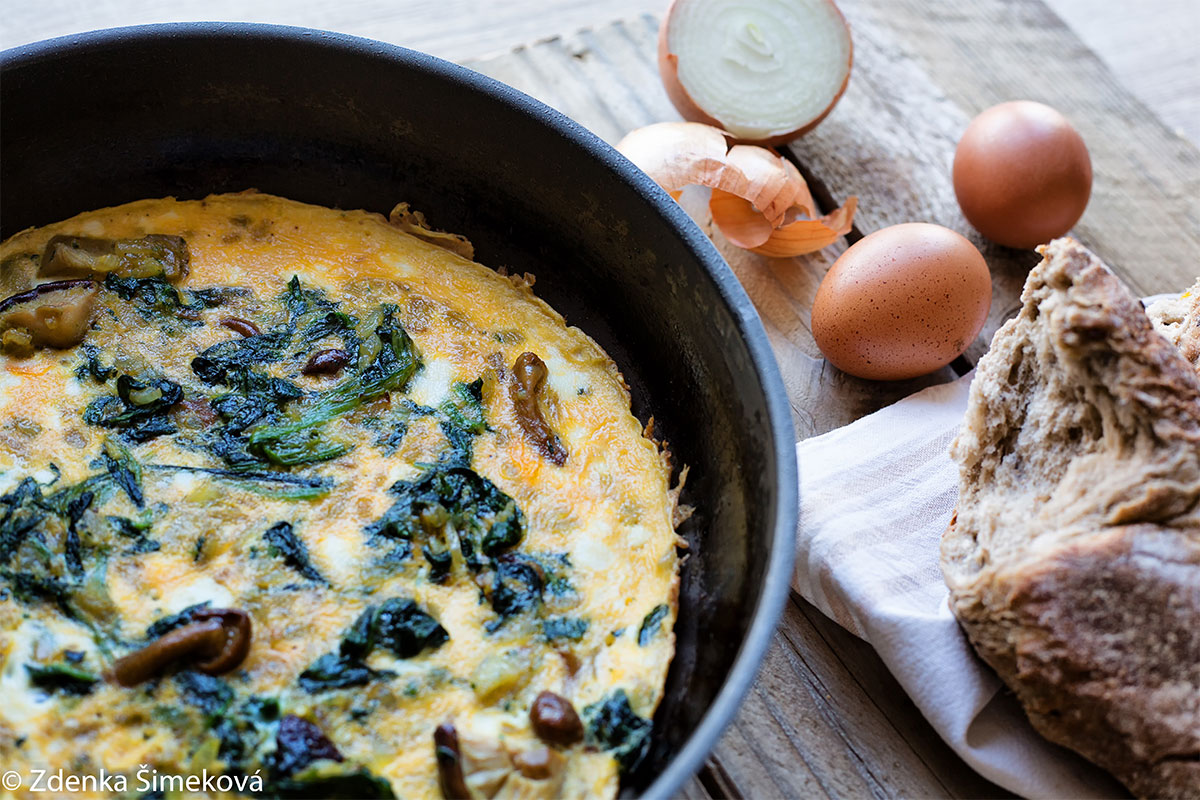
Hi. I am trying to lose weight. Could you please give me examples of 4 ounces of protein and 1 ounce of green vegetables? Grilled chicken and broccoli every day isn’t appealing long term. Also, what would some snacks with 15 grams of protein be? Thanks.
– Mike S.
Here are some examples per your request:
| Protein equivalent to 4 oz meat/poultry | Green Vegetable | Snacks | |
| 1 can of chili beans + 1 oz. cheese | peppers (+onion, tomato) | ½ C. hummus, crudités, pita chips | |
| 2 eggs + 4 whites | spinach (+mushroom) | ½ C. cottage cheese (+pineapple) | |
| 8 oz. plain Greek yogurt | cucumber salad (+onion, tomato) | 2 Tbsp. peanut butter, celery, raisins | |
| salmon or halibut | asparagus (+garlic) | 1.5 oz. jerky (+watermelon) | |
| ahi tuna | mixed salad greens (+avocado) | ½ C. tuna salad (+crackers) | |
| pork tenderloin | green beans (+red pepper) | 1.5 oz. [50 gm] zone-type bar | |
| beef eye of round | zucchini (+ cherry tomato) | 2 oz. [1/2 C.] almonds (+apple) | |
| chicken breast | kale slaw (+cabbage, carrot) | small bean & cheese burrito | |
| turkey breast | Brussel sprouts | hard cooked egg + 3 C. popcorn |
– Debbie J., MS, RD
This article should not replace any exercise program or restrictions, any dietary supplements or restrictions, or any other medical recommendations from your primary care physician. Before starting any exercise program or diet, make sure it is approved by your doctor.
Some questions have been edited for length and/or clarity.
Have a nutrition question? Our registered dietitian is ready to help!
Email nutrition@lafitness.com or submit your question below and it may be featured in an upcoming article!
Debbie James, RDN, helps answer a question about energizing snack options to pull athletes through the second half of a high energy workout.
Registered Dietitian, Debbie James, helps answer a reader’s question about a good nutrition guide for a healthy pregnancy.
Registered Dietitian, Debbie James, helps answer a reader’s question about how to put on muscle while eating a clean diet.