Is There a Bad Time to Eat Fruit?

Is There a Bad Time to Eat Fruit?

Question:

I am trying to lose weight but have had no luck. I’m 44 years old. I’m somewhat athletic but have serious knee issues. I weigh 197 lbs., trying to get to 180 lbs. My question is: Is there a bad time to eat fruit? Is late in the day not a good idea? I like fruit as a snack, but I’ve heard that late in the day is not a good idea.

– Andy M.

Answer:

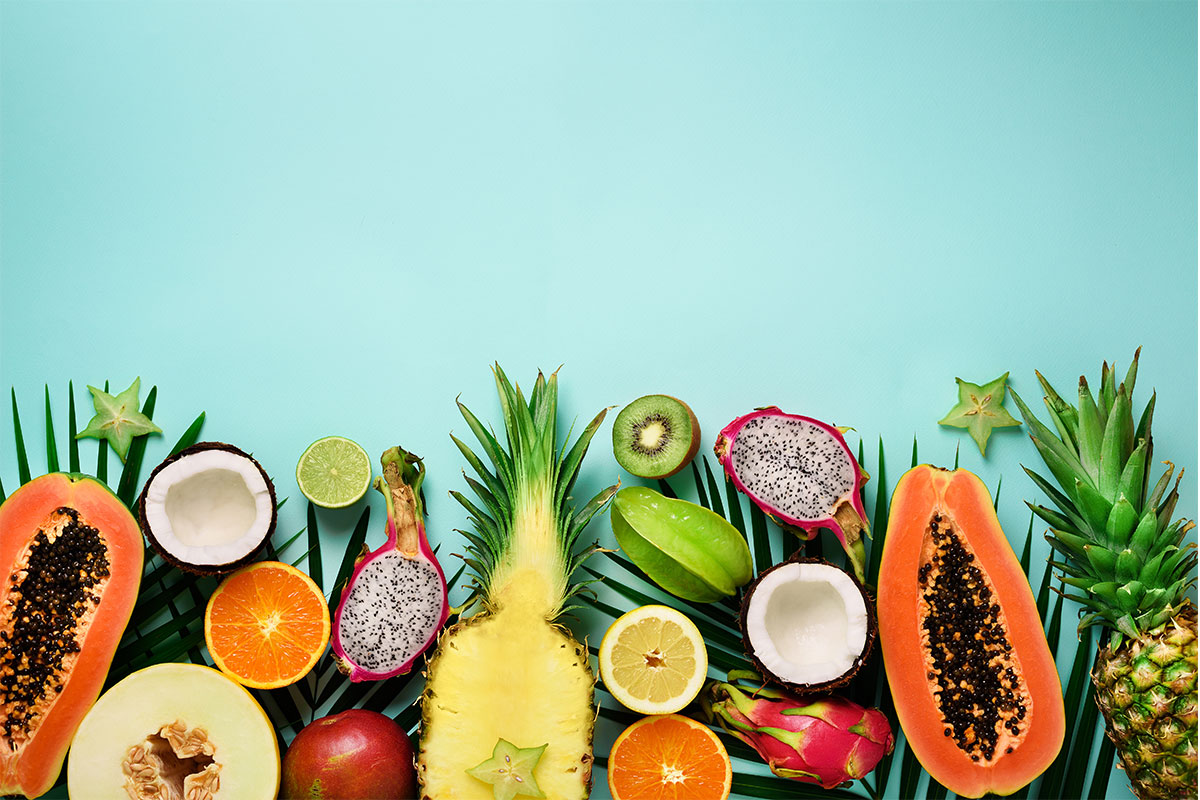
In twenty years as a dietitian, I rarely see an excess of raw fruit be the culprit in someone’s weight gain. The 10-20 grams of fructose bound with water and fiber from a serving of fruit isn’t a concern. It’s the other sources of fructose (sodas, sweetened teas, bakery desserts) that have added sugars which will prevent you from losing weight since they are usually excess calories.

Eating fruit in the evening as an alternative to higher calorie and fat desserts is ideal. As a snack, a 16 oz fruit smoothie is probably best earlier in the day – unless you’re using it as a recovery drink from a heavy afternoon workout. A plain apple with a few nuts or hard-cooked egg makes a great between meal snack!

– Debbie J., MS, RD

This article should not replace any exercise program or restrictions, any dietary supplements or restrictions, or any other medical recommendations from your primary care physician. Before starting any exercise program or diet, make sure it is approved by your doctor.

Some questions have been edited for length and/or clarity.

Ask our Dietitian

Have a nutrition question? Our registered dietitian is ready to help!

Email nutrition@lafitness.com or submit your question below and it may be featured in an upcoming article!

2 + 1 =


Recommended Reading - Q+A

Good carbs vs bad carbs
Debunking Diet Myths

Debunking Diet Myths

With so many sources offering nutrition advice, it’s hard to know what’s true. Even factual information can become distorted by the time it reaches you. Like a game of telephone, the message often changes as it’s passed along. Here, we debunk 5 common diet myths to...

An RDN’s Advice on Isolate Protein and Monohydrate Creatine

An RDN’s Advice on Isolate Protein and Monohydrate Creatine

Question:

Hi, I’m a member of LA Fitness. I’ve been working out for a few years and I’m in very good shape. I’m 37 years old, 5’8″, 142 pounds, and cut. I don’t want to put on more weight or look bulky but want bigger muscles. I have 2 questions: 1) Do I need to change isolate protein every once in a while, as the body may get used to the same brand? 2) Do you recommend taking monohydrate creatine? I don’t know if I should take creatine, please comment. Thanks.

– Mo L.

Answer:

Hi Mo, here are your answers!

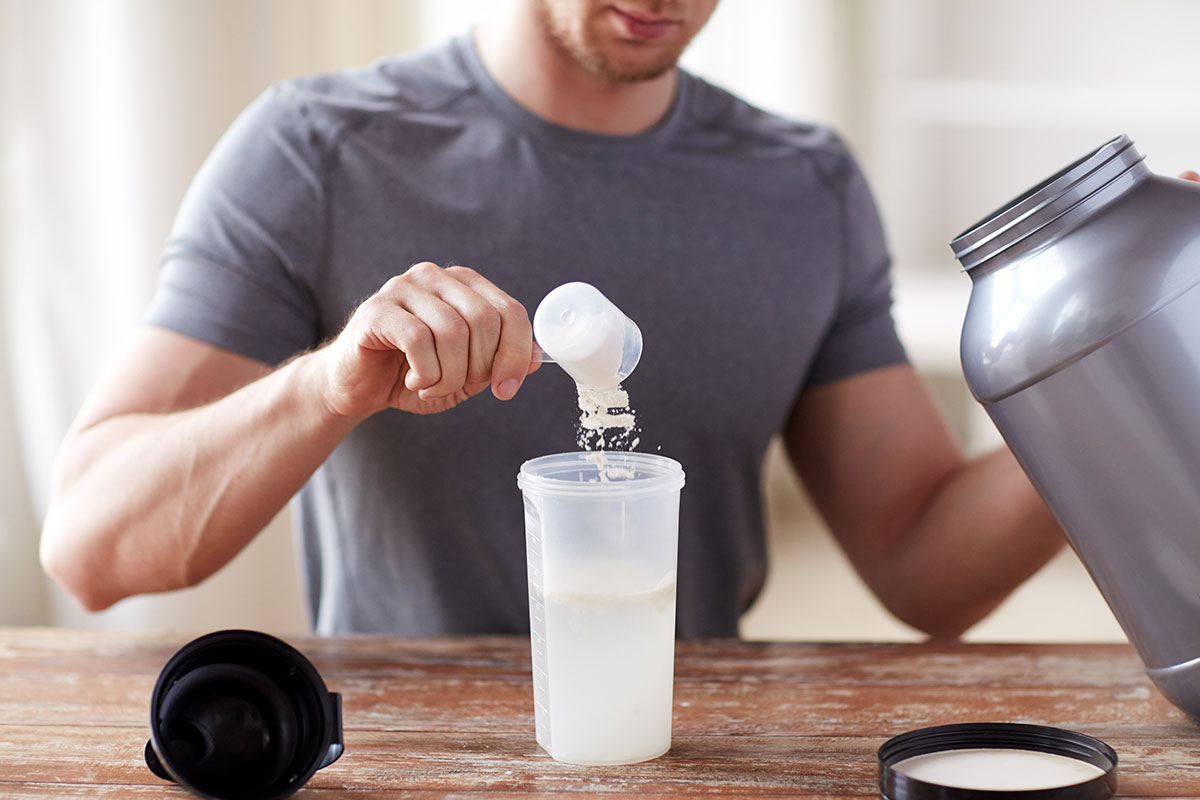
1) If it’s not in combination with vitamins/minerals or other compounds, then it isn’t necessary to cycle the brand of isolate protein supplement. It’s not like you build up a tolerance to peptides. If you’re consuming the same isolate day in and day out, then I’d say to switch it up with REAL FOOD protein to provide amino acid and nutrient variety as well as solids to digest. Protein supplements are great for convenience and to save time but shouldn’t be relied upon for the basics, like meeting daily needs.

2) If someone is already following excellent workout and dietary plans to support muscle growth but wants more results, then creatine supplementation may be an intervention to try. Although your body makes some, additional creatine is useful for increasing creatine phosphate reserves to improve exercise performance and strength during heavy resistance training. Creatine monohydrate is the form most studied and shown to be safe and effective at 0.1 g creatine/kg of body weight. (Protocols for loading dose and maintenance vary.)

– Debbie J., MS, RD

This article should not replace any exercise program or restrictions, any dietary supplements or restrictions, or any other medical recommendations from your primary care physician. Before starting any exercise program or diet, make sure it is approved by your doctor.

Some questions have been edited for length and/or clarity.

Ask our Dietitian

Have a nutrition question? Our registered dietitian is ready to help!

Email nutrition@lafitness.com or submit your question below and it may be featured in an upcoming article!

5 + 4 =


Recommended Reading - Q+A

Good carbs vs bad carbs
Debunking Diet Myths

Debunking Diet Myths

With so many sources offering nutrition advice, it’s hard to know what’s true. Even factual information can become distorted by the time it reaches you. Like a game of telephone, the message often changes as it’s passed along. Here, we debunk 5 common diet myths to...

Lost on What to Eat? Start Here

Lost on What to Eat? Start Here

Question:

Hi, my name is Jordan, I am a new member of LA Fitness and I also have a personal trainer. He thought it would be a good idea to contact you to get some pointers on how I should eat. I am lost when it comes to that. I am 377 lbs., 5’4”, and 31 years old. Also, what should I look for when eating food? Calories? Fat? Sugar? Thank you!

– Jordan

Answer:

I’m so glad you reached out! It can be overwhelming navigating thousands of food choices and not knowing where to start. Try following these steps to begin:

For overall wellness, increasing vegetable intake is usually step one. Veggies are low-calorie and high nutrient-dense foods that you can eat a multitude of ways – as an entrée, side dish, snack, raw, juiced, oven-baked, and pureed in soup or sauce. For an equivalent 100 calories from starch or animal meat/milk, you can get nearly an equal amount of protein from vegetables. Aim for 3-5 vegetables daily.

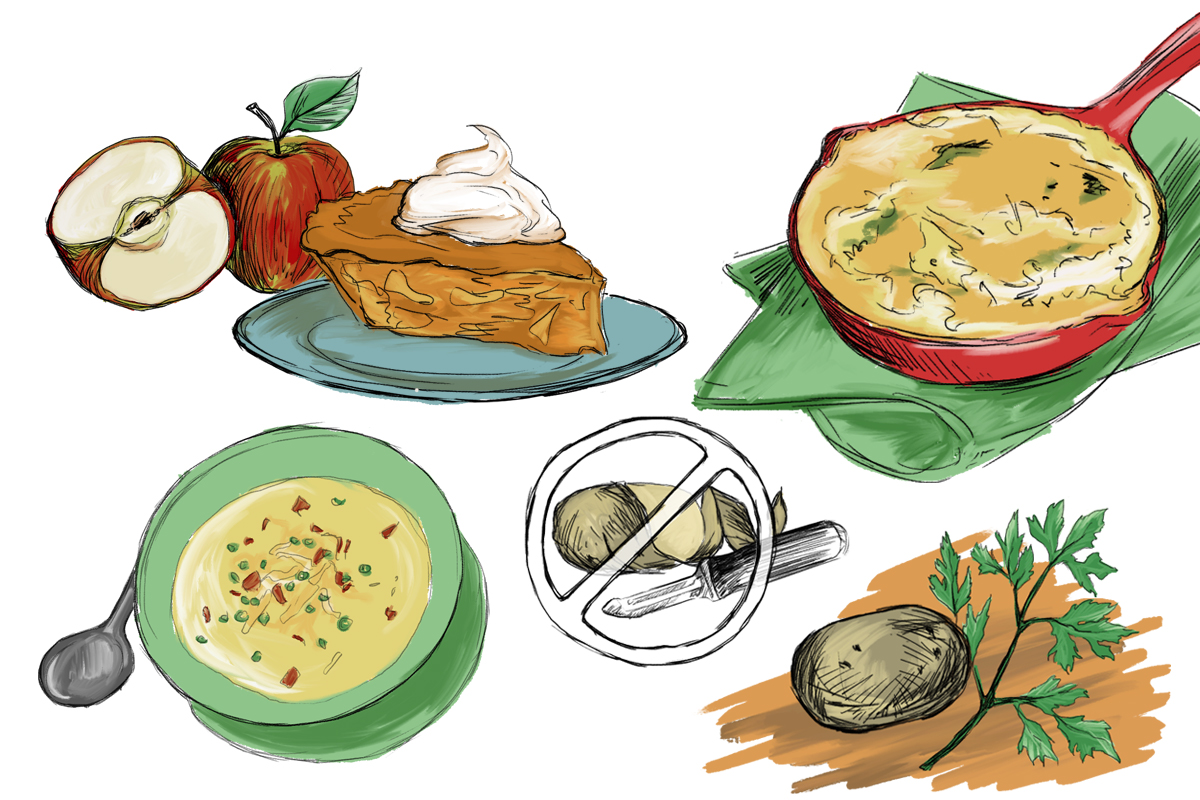
Step two would be to choose the healthiest foods in other groups – raw fruit, whole grain products, lean meats, and plant fats. Examples would be a whole apple vs. applesauce, baked potato vs. French fries, baked fish vs. fish sticks, and avocado vs. cheese. You don’t need a formal education to identify wholesome choices, though reading labels can help you determine which choice within a food group is lowest in calories, fat or sugar, based on your personal health goals.

Next, balance food groups to get the nutrients you need by making ¾ of your intake from vegetables, grains, beans, fruit and nuts/seeds, remaining ¼ from animal sources. Shifting from a ham & cheese 3-egg omelet to a spinach & mushroom 1-egg scramble in a whole wheat tortilla with salsa exemplifies this balance.

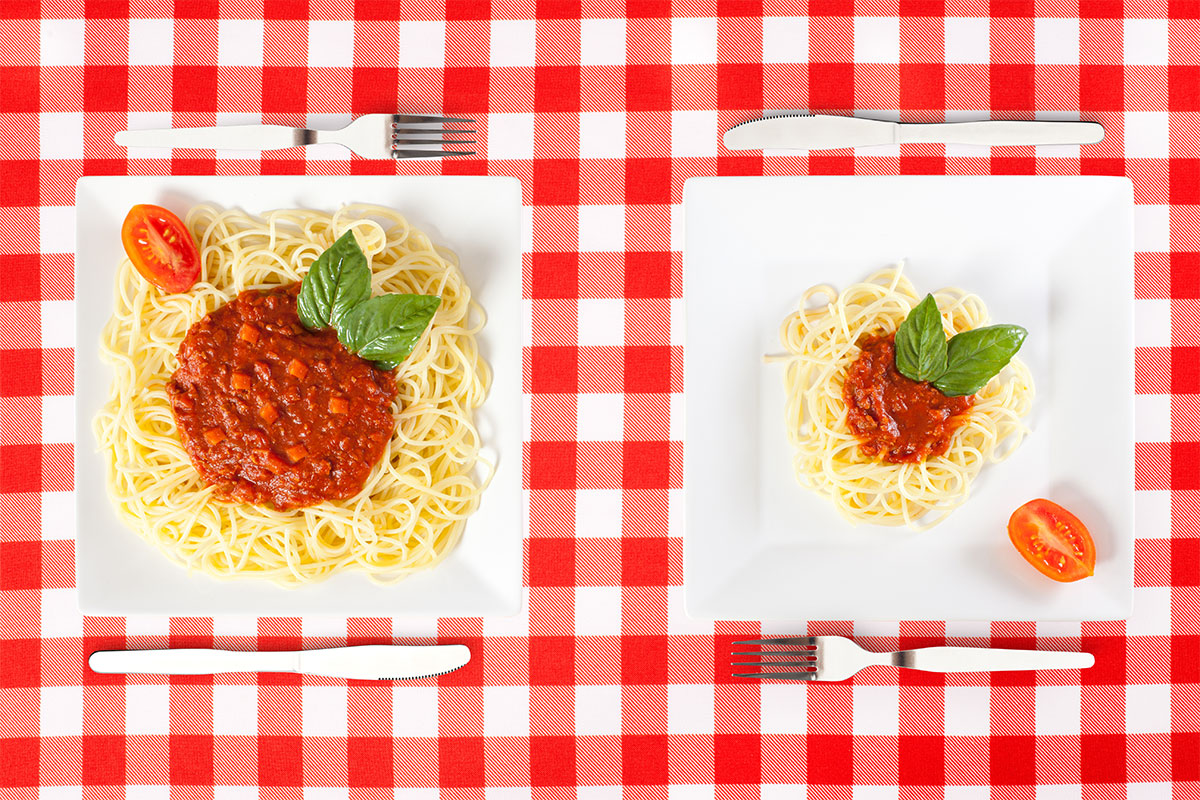
Portion control is step four. You need to pay attention to the actual amount you eat! A couple tablespoons of unsalted nuts are adequate, a bowlful is too much. A few ounces of pork tenderloin are good, a half-pound is excessive.

That’s enough to get you started without getting too detailed or bogged down in ‘food rules’ that can de-motivate you. Keep following us for helpful nutrition and healthy living advice!

– Debbie J., MS, RD

This article should not replace any exercise program or restrictions, any dietary supplements or restrictions, or any other medical recommendations from your primary care physician. Before starting any exercise program or diet, make sure it is approved by your doctor.

Some questions have been edited for length and/or clarity.

Ask our Dietitian

Have a nutrition question? Our registered dietitian is ready to help!
Email nutrition@lafitness.com or submit your question below and it may be featured in an upcoming article!

7 + 2 =


Recommended Reading - Q+A

Good carbs vs bad carbs
Debunking Diet Myths

Debunking Diet Myths

With so many sources offering nutrition advice, it’s hard to know what’s true. Even factual information can become distorted by the time it reaches you. Like a game of telephone, the message often changes as it’s passed along. Here, we debunk 5 common diet myths to...

Heirloom Tomatoes & Stracciatella from etta

Heirloom Tomatoes & Stracciatella from etta

“Healthy eating is important and knowing where your food comes from is what makes it special. We serve only the freshest and finest ingredients our local community has to offer. We work with numerous small producers in the Midwest to showcase the highest quality product available across our menu. Our relationships with these farmers and producers allow us to push for constant improvement in the quality of their product, and in turn, we treat their ingredients with the utmost care.”

Danny Grant

Award-Winning Chef, etta


More about etta:

Paying homage to the meaning behind its namesake, Henrietta – keeper of the hearth, etta is the latest project by award-winning chef Danny Grant and What If Syndicate. Located in Chicago’s bustling Bucktown area, etta is a light-hearted neighborhood restaurant that serves simple and seasonal wood-fired food. Opened in July 2018, etta focuses on classics done well in a fresh way. Showcasing a seasonally inspired and thoughtfully crafted menu that utilizes its wood-fired hearth in unique ways, etta offers a selection of salads, house-made pastas, pizzas as well as weekend brunch. Re-creating both the food and experience of dining at chef Grant’s home, etta’s concept is straightforward – to cook and serve simple, honest food thoughtful of the season and its guests.

etta is located at 1840 W. North Ave., Chicago, IL 60622. Open Monday through Thursday from 5pm to 10pm, Friday from 4:30 to 11pm, Saturday from 10am to 2pm and reopens for dinner from 4:30 to 11pm, and Sunday from 10am to 2pm and again from 4:30pm to 9pm. For the menu and additional details, please visit ettarestaurant.com

Photo Credit: Rachel Bires

Photo Credit: Rachel Bires

Photo Credit: Rachel Bires


Heirloom Tomatoes & Stracciatella from etta

Ingredients

For the Dish

  • 1 lb heirloom cherry tomatoes, halved
  • 12 ea summer squash ribbons
  • 1 c roasted sweet corn kernels
  • 2 c stracciatella
  • 12 ea mint leaves, chopped
  • 12 ea basil leaves, torn into pieces
  • 2 tbls white balsamic vinaigrette
  • 2 tbls extra virgin olive oil
  • Maldon sea salt to taste
  • freshly ground black pepper to taste
  • Optional garnishes: arugula, sweet basil seeds (soaked)

Method

Step 1:

  • In a large mixing bowl, combine halved tomatoes with corn kernels and summer squash ribbons.
  • Add the white balsamic vinegar and olive oil and gently toss.
  • Gently top the stracciatella with the tomato mixture, so the stracciatella is hidden.
  • Season with Maldon sea salt and freshly ground black pepper to taste.
  • Garnish with arugula and sweet basil seeds.

Step 2:

  • After the tomato mixture is evenly coated, fold in mint and basil leaves and set aside.
  • Place 1/2 cup of stracciatella in the center of a small plate.
  • Using the back of a spoon, spread the stracciatella in a circular motion until it is 1/4 inch thick.

Step 3: 

  • Gently top the stracciatella with the tomato mixture, so the stracciatella is hidden.
  • Season with Maldon sea salt and freshly ground black pepper to taste.
  • Garnish with arugula and sweet basil seeds.

Serves 4


Featured Recipes

Stress and a Lowered Metabolism

Stress and a Lowered Metabolism

Question:

I have been eating a lot less, not meeting requirements, gaining weight, and noticing muscle loss. I’ve noticed a lowered metabolism and inflammation from stress. What can I do to fix these things?

– Angela M.

Answer:

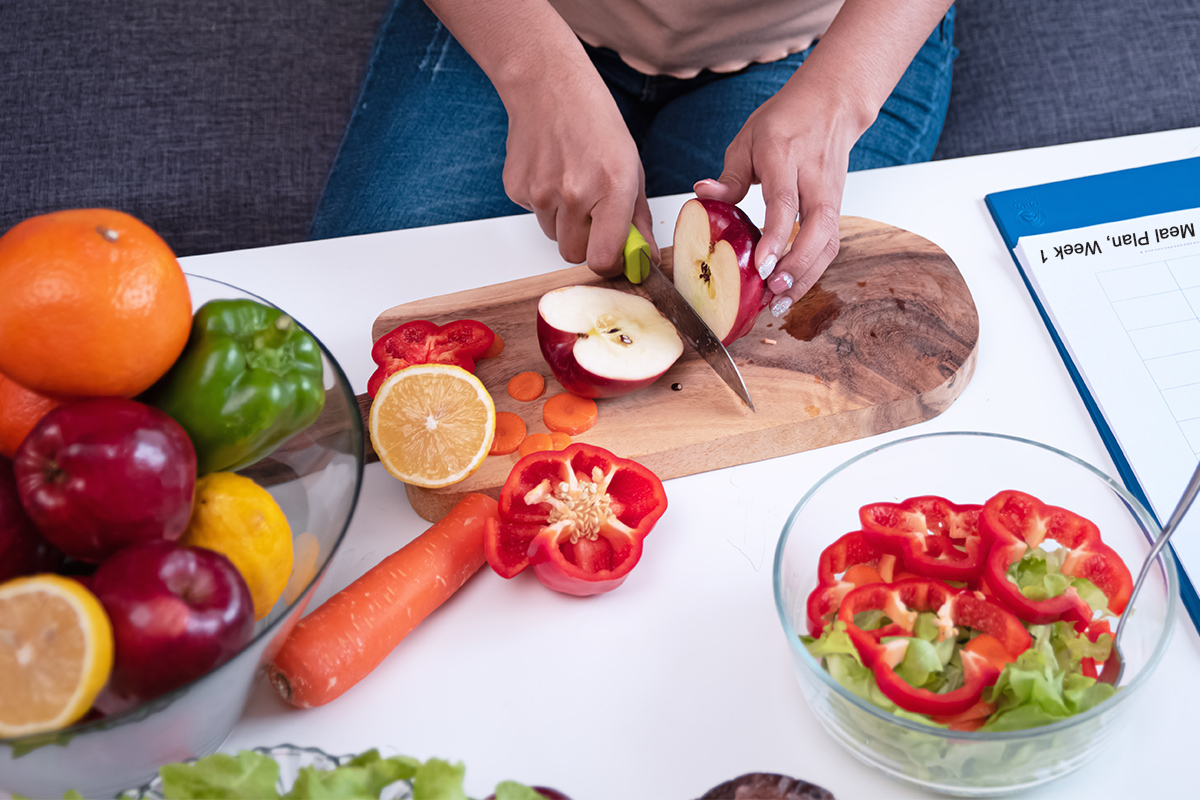
That is surely a mixed bag of concerns, Angela. Address the first problem you mentioned based on why you think you are eating a lot less. Time constraints? Opt for healthy convenience foods like prepackaged bowls. Depression/anxiety? Engage with others during mealtime and include a few favorite comfort foods. To meet micronutrient needs at least, you can add a daily multivitamin/mineral to cover your bases until your intake improves. Physical activity is the main option to stimulate metabolism. While resistance exercise builds muscle, aerobic exercise burns calories to tackle both your physique concerns. Incorporate more anti-inflammatory foods to combat the effects of chronic inflammation.

These include tomatoes, olive oil, green leafy vegetables, nuts, fatty fish, berries and citrus fruit.1 Lastly, practice good stress-management techniques. In addition to exercise, you can step away from the stressor, smile & laugh, reach out to a trusted friend, and meditate.2

References:

  1. Foods that Fight Inflammation. Harvard Health Publishing, June 2014.
  2. Five Tips to Help Manage Stress. American Psychological Association. Accessed May 28, 2019.

– Debbie J., MS, RD

This article should not replace any exercise program or restrictions, any dietary supplements or restrictions, or any other medical recommendations from your primary care physician. Before starting any exercise program or diet, make sure it is approved by your doctor.

Some questions have been edited for length and/or clarity.

Ask our Dietitian

Have a nutrition question? Our registered dietitian is ready to help!
Email nutrition@lafitness.com or submit your question below and it may be featured in an upcoming article!

14 + 12 =


Recommended Reading - Q+A

Good carbs vs bad carbs
Debunking Diet Myths

Debunking Diet Myths

With so many sources offering nutrition advice, it’s hard to know what’s true. Even factual information can become distorted by the time it reaches you. Like a game of telephone, the message often changes as it’s passed along. Here, we debunk 5 common diet myths to...