How Nutrition and Exercise Affect the Body

How Nutrition and Exercise Affect the Body

We’ve heard time and time again that eating healthy and exercising does wonders for our bodies, but to what extent? See how maintaining a nutritious diet and hitting the gym lead to good health.

Benefits of Healthy Eating

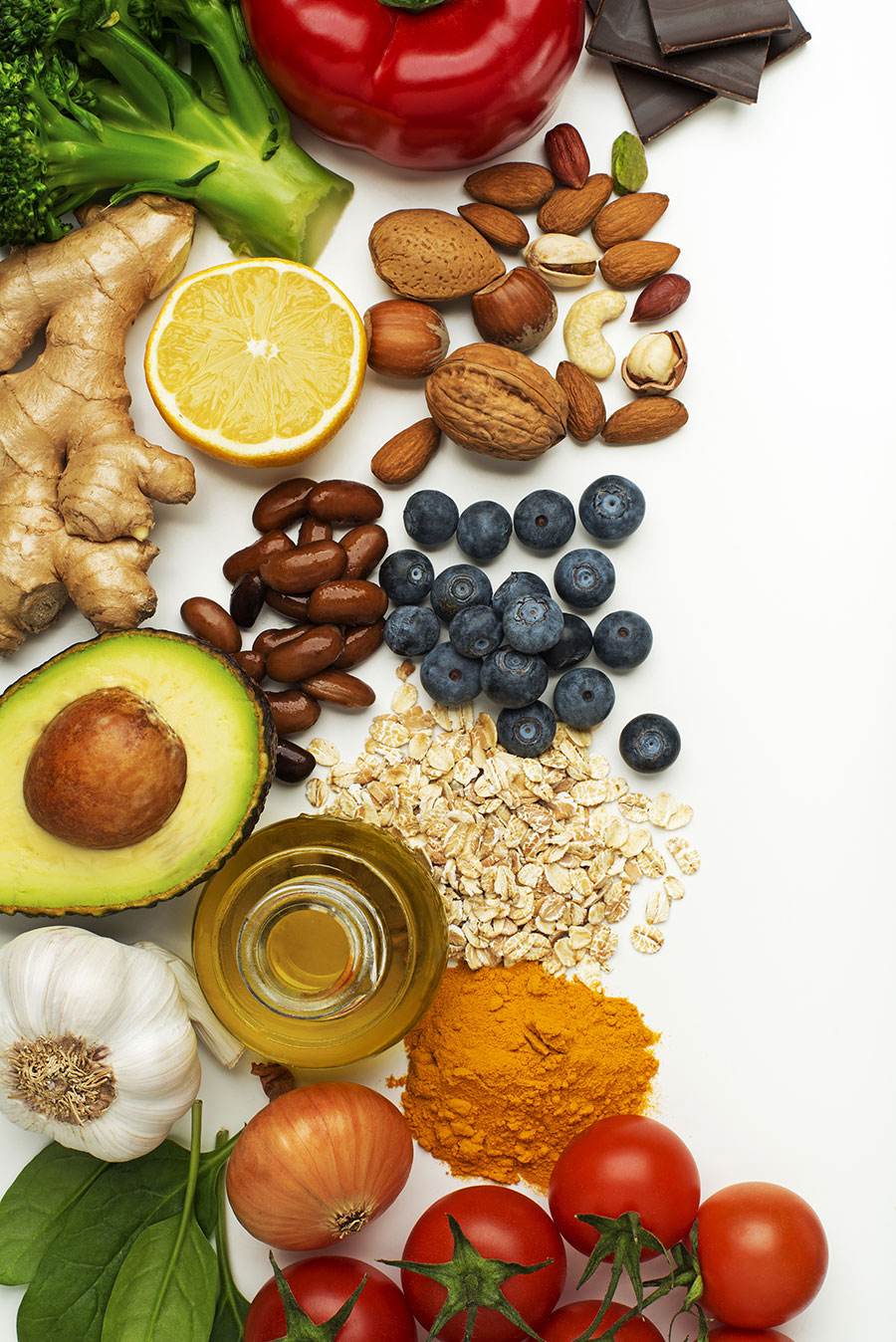
Eating healthy presents many physical benefits such as preventing cancer, improving your immune system, and maintaining blood pressure levels. Upping your fruit and vegetable intake and eating enough calories throughout the day ensure you stay energized and control your weight.

But what’s considered a nutritious diet? A balance of protein, fats, and carbohydrates which, in addition to making you energized, leads to tissue growth and repair, bone strength, and healthy digestion.

It’s also important to eat foods with significant nutrients like Vitamin C, B vitamins, and iron. Vitamin C builds collagen, a protein essential to the healing of skin tissue; B vitamins lead to the creation of amino acids, which create muscle tissue; and iron encourages cells to grow and function. Foods containing these nutrients include fruits, vegetables, fish, and meats like chicken or turkey.

Make sure you’re also getting enough calcium, a nutrient that keeps your bones and teeth strong, and vitamin D, which properly absorbs the calcium. Stick to foods like cheese, seeds, yogurt, and lentils and beans.

Benefits of Exercise

Aim for 150 minutes a week of moderate exercise or 75 minutes of vigorous exercise. Like good nutrition, exercising can also control weight, combat diseases (like heart disease) improve your mood, boost energy, and help you sleep better.

There are many studies on the benefits of exercise. One, by The National Center for Biotechnology Information, showed that six weeks of regular exercise reduced feelings of fatigue for 36 people who had persistent fatigue.

Looking for a clearer and brighter complexion? An active lifestyle can help with that, too. Regular exercise helps your body produce more antioxidants, stimulate blood flow, and decrease the appearance of aging.

There are many exercises out there, but if you want to benefit your entire body, perform total body workouts. These consist of exercises that target all of your muscle groups at once. Total body workouts burn calories faster, increase strength, and build more muscle. If you’re a beginner, sign up for classes at a local gym and you’ll get stronger in no time.


Recommended Reading

Good carbs vs bad carbs
Debunking Diet Myths

Debunking Diet Myths

With so many sources offering nutrition advice, it’s hard to know what’s true. Even factual information can become distorted by the time it reaches you. Like a game of telephone, the message often changes as it’s passed along. Here, we debunk 5 common diet myths to...

7 Foods to Help Hydrate Your Body This Summer

7 Foods to Help Hydrate Your Body This Summer

Summer and sweat seem to go hand-in-hand. Longer days mean more exposure to the sun and the hotter temps can lead to dehydrated bodies.

Luckily, there are plenty of ways to avoid this and keep your body properly hydrated this summer (and year around).

We spoke with Dr. Ronald Navarro, Orthopedic Surgeon and Sports Medicine Specialist at Kaiser Permanente South Bay Medical Center, and got his take on why staying hydrated is so important.

Q: How much water do people need each day?

Dr. Ronald Navarro: The most agreed upon recommendation is to drink six or eight 8-ounce glasses of water every day. However, some adults may need more or less, depending on their overall health (certain illnesses and/or medications may affect this need), how much they exercise and the level of intensity, and how hot and dry the weather is.

Q: How many people on average, are dehydrated?

Dr. R.N.: Some polls have reported that up to 75% of Americans suffer from chronic dehydration. Anecdotally, we see the rate of dehydration be higher in the summer and fall when temperatures are higher and perspiration or sweating is more pronounced.

Q: On a micro level, why is hydration important?

Dr. R.N.: Water is a basic need for cellular health. Cells contain water and are surrounded by water. In dehydration, cell membranes become less permeable, hampering the flow of hormones and nutrients into the cell and preventing waste products that cause cell damage from flowing out.

Q: On a macro level, why is hydration important?

Dr. R.N.: When we exercise, our bodies cool off by sweating. As we perspire, we lose necessary body fluids. If we do not replace these fluids, we become dehydrated. This makes it difficult to sweat and cool down, which can result in a heat injury.

How Hydration Effects the Body

  1. Our muscles become more relaxed: This increases our energy, and in the cases of athletes, leads to better performance.
  2. Can help control weight: We often mistake thirst for hunger. Proper hydration can serve as an appetite suppressant and help with weight loss or weight management.
  3. It’s easier to go to the bathroom: People who drink enough water usually have regular bowel movements. Hard bowel movements or constipation can be a sign that you aren’t getting enough water (or fiber).
  4. Can improve the color and texture of our skin, thus giving us a healthier (younger) appearance: Our skin, the largest organ in our body, relies on water to produce new cells and give us that glow. Our skin also needs water to do its job of regulating the body’s temperature.

Tips to Help Stay Hydrated

  • Start off your day with a glass of water – if getting a cup of coffee or tea is part of your morning routine, add this extra step to it.
  • Always keep a cup or water bottle by your desk at work. Take several sips of water each hour, and when hunger strikes, take a sip first.  We often confuse thirst for hunger.
  • Add some flavor to your water: If you get tired of drinking plain water, add fresh fruit, a slice of lemon or lime or even a packet of sugarless flavoring to your water.
  • Drinking sparkling water is just as hydrating as drinking regular water and can help wean a person off carbonated sodas which have their own well-documented issues.

Nutrition and Hydration

Understandably, water plays a huge role in keeping our bodies hydrated, healthy, and better functioning when we add some extra H2O to our daily diet.

But if you’re not a fan of chugging water throughout the day, there are other options available to you. Here’s a list of seasonal fruits and vegetables that help hydrate our body provided by Nadia Borchardt, Registered Dietician at Kaiser Permanente South Bay Medical Center.

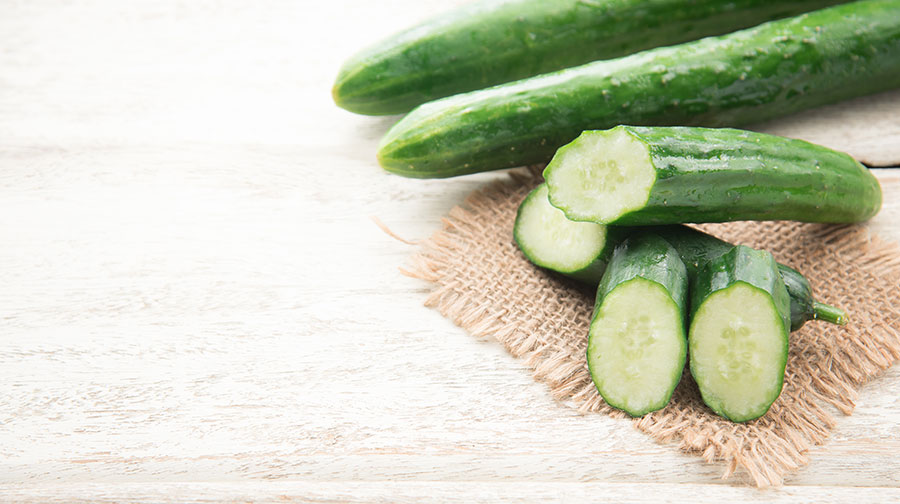
Cucumbers

Cucumbers are about 97% water, making them the food with the highest water content. In addition to providing the body with hydration, they also aid in eliminating toxins from the body and are a great source of magnesium and potassium. You can enjoy them in salads or as a snack.

Watermelon

Watermelon is considered a food rich in nutrients and low in calories. About 95% of its content is water and it’s full of electrolytes, which helps prevent dehydration. In addition, watermelon contains a large amount of vitamins A, B6 and C, minerals and antioxidants. Watermelon contains the highest level of lycopene than any other fruit or vegetable. Lycopene is considered a powerful antioxidant that can help protect the body’s cells from harm.

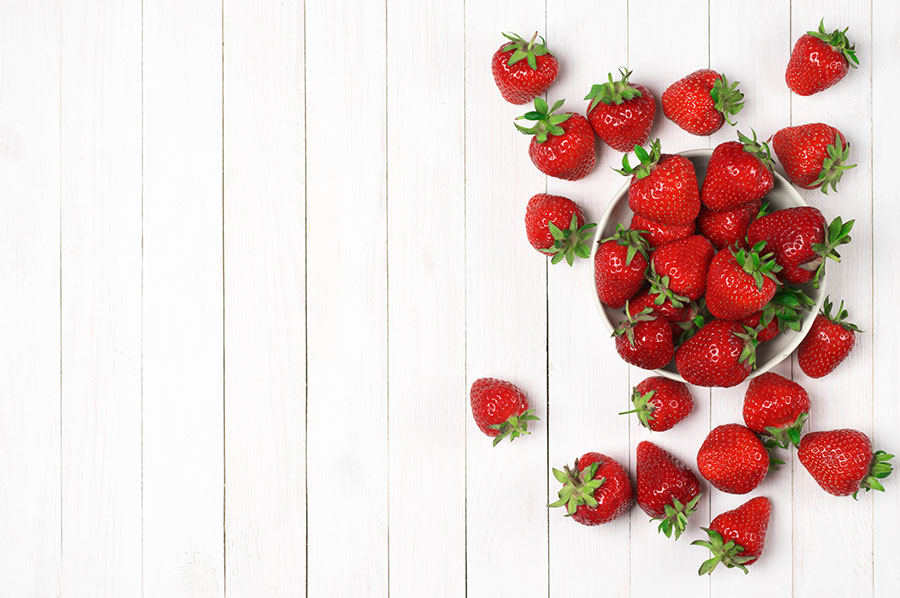
Strawberries

Strawberries are made of 92% water. They are low in calories and like other berries, are rich in antioxidants, vitamins B and C, calcium and potassium.

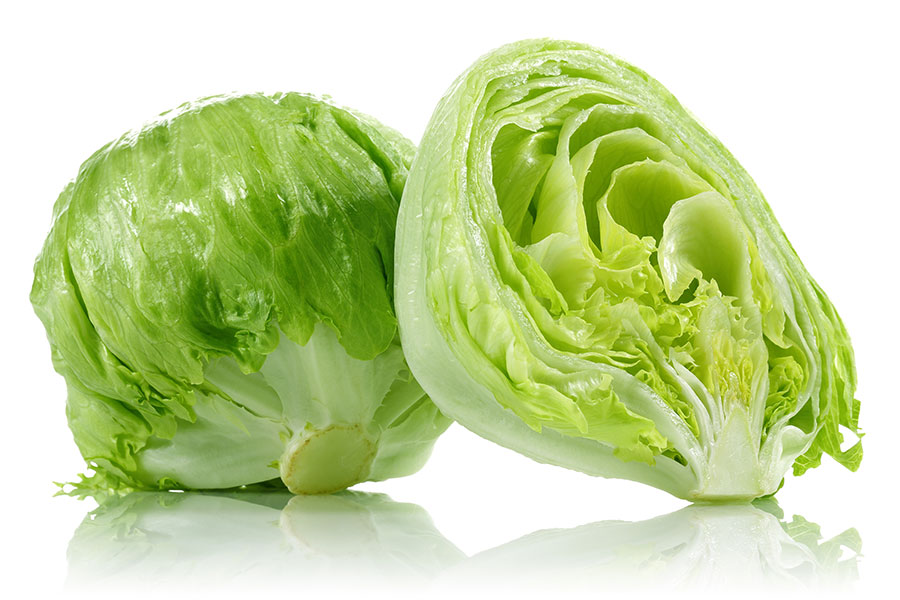
Iceberg Lettuce

Iceberg lettuce is made of 96% water. Not only will it help quench our thirst, but it will also satiate our hunger.

Peaches

Peaches contain approximately 88% water. They are rich in fiber, potassium, vitamin C and choline, all substances that support our heart health.

Spinach

Spinach is about 92% water, making it especially beneficial in keeping you hydrated. Spinach is also rich in magnesium, potassium, and B-vitamins, all of which are known to increase energy.

Celery

Celery has a water content of about 95%. It also has natural salts that help to replenish levels of sodium, potassium, magnesium, calcium, phosphorus, iron and zinc in the body.

Questions provided by Mayra Suarez, Senior Media Relations Representative at Kaiser Permanente Southern California.


Recommended Reading

Good carbs vs bad carbs
Debunking Diet Myths

Debunking Diet Myths

With so many sources offering nutrition advice, it’s hard to know what’s true. Even factual information can become distorted by the time it reaches you. Like a game of telephone, the message often changes as it’s passed along. Here, we debunk 5 common diet myths to...

The Common Misconception of Getting Fit Before Joining a Gym

The Common Misconception of Getting Fit Before Joining a Gym

You’ve wanted to lose weight. You’ve wanted to get healthier, feel better, and have more energy. You’ve thought about the possibility of joining a gym, but something has held you back. Perhaps it’s fear, vulnerability, or a lack of confidence keeping you from accomplishing your fitness goals. Before allowing any more negativity to cloud your frame of mind, let’s push the pause button.

For many toying around with the thought of joining a gym (but slacking with the follow-through), we’re here to say: let’s not put off your health and happiness any longer. There seems to be this common misconception that one must get fit before getting fit in a club. That could not be any further from the truth. Yet, it’s an idea that many people believe, usually due to one of the fears listed below.

7 Common Fears When New to the Gym (And How to Avoid Them)


1. Everyone is going to judge me.

  • No – most people who go to the gym are way too focused on their own workout routine to be watching anyone else, let alone judge you.
  • The gym is a type of community where you’re surrounded by others who share similar health and fitness goals.
  • Almost everyone is supportive because they’ve been where you’ve been and want to see you succeed.

2. I won’t know how to use any of the equipment.

  • Easy fix – perhaps one of the easiest on this list! On most machines, there is a picture showing which muscles the machine helps target and how to properly perform the exercise. Take the time to review it before getting started.
  • Still nervous that you may be doing it wrong? There are plenty of helpful videos showing proper use of gym equipment online (check out our LAF YouTube channel).
  • Your third option can be adding on some personal training sessions to your membership and have an instructor walk you through how to properly use the machines and explain which would be best for you.

3. Everyone is going to be ripped fitness models/competitors.

  • No – sure, some people at the gym will be in peak fitness shape. Some will be fitness models. Some will be bodybuilders. The majority will not be.
  • Remember: Everyone was once a beginner. You’re not any different or capable of accomplishing any less than those others you see at the gym.

4. I am going to sweat… a lot.

  • This is probably true. We’re not going to lie to you. Working out can get sweaty, especially if your body isn’t used to it, but guess what? Everyone sweats.
  • Sweating is great for your body! It can help rid your body of toxins and help cool the body down from a particularly intense workout. Plus, it’s great for boosting those feel-good endorphins (just don’t forget your towel).

5.

The weight area will be dominated by Arnold Schwarzenegger built men.

  • The weight area of any gym can be a bit intimidating if you’ve never lifted before. The key for overcoming this fear is to do your research so you know how to properly use the weights without bringing injury to yourself.
  • It never hurts to ask for help! Do you see someone who looks like they know what they’re doing? Wait until they finish their set, and then ask them to help spot you or ask for assistance. Again, most people want to help and watch you succeed. In fact, they may even be flattered that you’ve thought to ask them for help.
  • Not a fan of asking strangers for help? Book a session with the PT department and they’ll walk you through the weight training basics.
  • Men and women can be seen in the weight training area. Being strong is sexy. The old-age idea of hulk-like men grunting and dropping weights is yesterday’s worry. Fear no more.

6. I’m so out of shape, I won’t be able to keep up in group fitness classes.

  • Far from the truth! Group fitness classes can be a great place to start if you’re looking for an instructor to help push you, without the added cost of personal training. All classes can be tailored for the fitness level you’re currently at. Let the instructor know that you’re new and they can help give alternative moves so that you can confidently complete the class without fail.
  • Stick with the class. The more often you attend, the better (and more comfortable) you will become. You’ll begin noticing a difference in your endurance and strength levels with continued participation.

7. I won’t end up going, it’ll just be a waste of money.

  • We wish there was a way to say this isn’t true, but it’s entirely on you. There is a frame of mind that you must be in to make sure you’re putting your gym membership to good use.
  • Think of the money that gets spent on fast food, specialty coffees, and afternoon snacks. If you aren’t feeling healthy, wouldn’t an investment towards your health be more worthwhile than the money spent on less than healthy habits?
  • Here’s some advice on healthy (and inexpensive) meal prep to help get you on the right track –
  • Don’t commit to a membership yet. Give us a try first.

Conclusion

You don’t have to be in shape, an experienced-gym goer, or former athlete to reap the benefits of joining a gym. Whether you’re a complete beginner (or otherwise) there are ways to modify your gym experience to fit your personal physical fitness goals.

At LA Fitness, we’re a judgment-free zone. We’re here to help you reach all of your fitness and health goals. Come check us out today, and don’t be afraid to start.

Referenced:

  1. Borreli, Lizette. “Sweat It Out! 5 Surprising Health Benefits Of Sweating That Actually Don’t Stink.” Medical Daily, 7 Nov. 2014, www.medicaldaily.com/sweat-it-out-5-surprising-health-benefits-sweating-actually-dont-stink-309718.

Recommended Reading

Good carbs vs bad carbs
Debunking Diet Myths

Debunking Diet Myths

With so many sources offering nutrition advice, it’s hard to know what’s true. Even factual information can become distorted by the time it reaches you. Like a game of telephone, the message often changes as it’s passed along. Here, we debunk 5 common diet myths to...

Are These Foods Killing You?

Are These Foods Killing You?

In a World…

Imagine your life as a movie, with you as the star and the choices you make ultimately determine the closing credits. That’s what life is after all, right? It’s made up of decisions you ultimately choose. You’re the star of the show, and your friends and family are there cheering you on for success.

But every great movie has its antagonist(s), the bad guy, the something or someone holding you back from reaching your ultimate goal. This may seem scary, but guess what this makes you? The protagonist! The leading character in your own narrative. You’re the hero, the one who determines the acts of your life.

So, ask yourself this – what choices am I going to make today that will write the next page of my life’s story?

Your best life will not be without its challenges, and in order to face these obstacles head-on, it’s important to remember that having the right physical and mental mindset is of the utmost importance.

Villains come in many forms. Today, our focus is on nutrition killers. Cue the menacing music, shut the blinds, and listen closely, because knowing what to look out for just might save your life.


Breakfast Blunders

For decades, breakfast has been hailed as the most important meal of the day, so shouldn’t something as instrumental in laying the groundwork for the rest of the day’s progress be given adequate attention? Even superheroes need their superfoods and we’re here to let you know of some of the seemingly healthy breakfast options that are secretly wolves in sheep clothing.

Cereal and Granola

Seamlessly innocent but loaded with sugar. Even options labeled as ‘high-fiber’ or ‘whole grain’ doesn’t discount the fact that most morning cereals and granola aren’t as healthy as they let on. For those who are gluten intolerant, watch out for inflammation trouble and skin breakouts. Sugar can also have this effect on the body. Not to mention spiking blood sugar levels and leaving you feeling sluggish after the sugar rush wears off. Think of overly processed and high sugar meals as your body’s kryptonite.

Healthier Alternative: Try an apple with some peanut butter and a handful of almonds instead. The apple will help give your body a healthy dose of energy from its naturally occurring sugar, and peanut butter and almonds add protein. Thirsty? Keep those bones strong with a glass of calcium-rich milk (or almond milk if you’re lactose intolerant). Now you’re ready to take on the day!


Sinister Snacks

The allure of hot golden crisp French fries, the crunch of salty potato chips… the thought alone is drool-worthy, but at what cost?

Chips, Fries & Popcorn

Calling out all chips – blue corn chips, veggie chips, multi-grain chips, and baked potato chips! Much like ice cream or other indulgent snacks, they seem to always be there in a time of need. The cravings for sweet and salty snacks is common for most, but can easily be replaced with healthier alternatives that provide that sweet or salty fix we’re craving (see below!)

The trouble is that most chips contain trans fats that can increase cholesterol levels, leading to an increase in coronary heart disease. If you’re thinking blue corn chips, multigrain chips, veggie chips or otherwise are healthier for you, we hate to burst your bubble, but they’re not. Calorie, fat and sodium counts are still going to be at elevated levels and lacking the true nutrition your body needs to stay properly fueled.

Fries, along with other fried foods, are oftentimes cooked in harmful oils and trans fats. When foods are baked or fried at high temperatures, a carcinogen called acrylamide is produced, which has been shown to increase cancer risk in mice. However, more studies need to be done on how this carcinogen affects humans.1 Our suggestion? It’s probably best to steer clear of greasy fried foods.

Sadly, microwaved popcorn is also another ostensibly healthy snack that actually isn’t so healthy. There are three main culprits that cause this: 1) carcinogens (there’s that word again), otherwise thought of as cancer-causing free radicals; 2) perfluorochemicals (PFCs) which help make the bags more greaseproof and also have been linked to thyroid disease, ADHD, and other illnesses, and lastly; 3) diacetyl, another cancer-causing chemical (found in the artificial fats).

Phew. That’s a lot of health negatives, not to mention the excessive amounts of sodium! Pop your own kernels to negate a lot of these issues.


Healthier Alternative: If you’re craving something sweet to snack on, make your own yogurt parfait with Greek yogurt, fresh fruit, nuts, and cacao! Looking for something more on the salty side? Try olives with cheese, pickles or whole wheat crackers topped with cottage cheese or a mixed olive spread!


Fa(s)t Foods

Life gets busy, days fly by, and sometimes it feels like there aren’t enough hours in the day to focus on healthy eating. This is normally when fast food seems like the quickest and easiest option when rushing around to get things done – but don’t take the easy option! Remember, you’re the hero of your life’s movie and heroes never take the easy way.

“Healthy” Fast Foods

Let’s break it down. Sure, fast food burgers are generally assumed to be unhealthy, and for those looking to lower their caloric intake or choose a healthier option, they may turn instead to a fast food salad, veggie burger, veggie pizza, veggie omelet, turkey burger, or grilled portabella sandwich instead (just to name a few). These are not always a better choice.

These marketed “healthier options” are usually pre-made, cooked in oils or butter, and can contain “hidden” calories found in added dressings, toppings or seasonings they are prepared with. There are ways, however, to help combat these issues. Ask for dressings on the side, have your meal prepared without butter or salt, and ask to have your burger or sandwich made protein-style (wrapped in lettuce without a bun).

Plot Twist: The drive-through isn’t your only enemy.

It’s important to note that this includes fast frozen dinners and sometimes canned products too. Yes, the grocery store does have its version of “drive-through” foods. Frozen diet dinners are usually packed with preservatives, loaded with sodium and contain few veggies. Have you ever wondered why a frozen meal just doesn’t quite taste as good as a home-cooked meal? That’s because it’s not fresh.
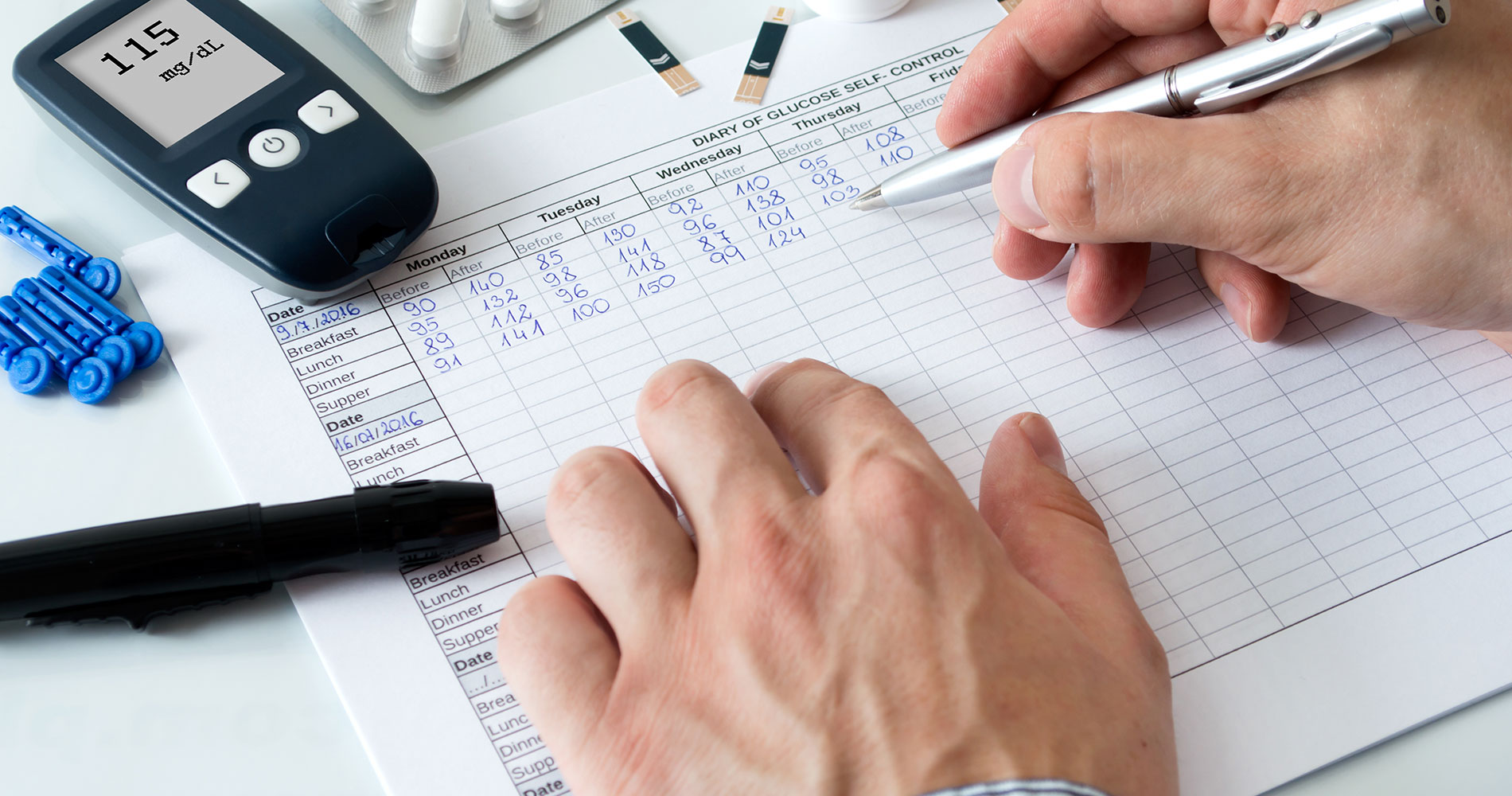
Canned products like soups and beans can seem healthy, but we think you’re noticing a theme here… beware of these seemingly healthy products! When shopping always read the ingredients list to check for sodium, sugar, and carbs, and take into consideration the serving size. A product may seem healthy, but if it contains 3 servings and you eat the entire thing you have to remember to multiply the nutrition facts by three (as an example).

A word to the wise, good things take time.

Healthier Alternative: Make your own “fast foods” at home! Sunday night meal prep means you can make your foods in advance, pay attention to what you’re putting into your dishes, and then pre-package (or even freeze) your meals ahead of time for the rest of the week. Less money spent on eating out, a healthier body, and the proud accomplishment that comes with making a smarter choice. You go, you.


The Trouble with Fruit Alternatives

Fruit is healthy, right? Right? Not always. Fruit juices, dried fruit, smoothies, fruit cocktail, and fruit snacks can be loaded with added sugars! Seems strange, doesn’t it? Fruit is already naturally sweet so why add even more sugar? Too much sugar can lead to a countless number of diseases, obesity, cardiovascular disease and diabetes.

When fruits are taken out of their original states, a lot of times this means what you’re eating or drinking doesn’t have the same nutritional value as eating the fruit whole on its own. Dried fruits usually have added ingredients to help with self-life and spoilage. Fruit juices are often not even 100% fruit juice and can contain artificial flavors and added sugars.

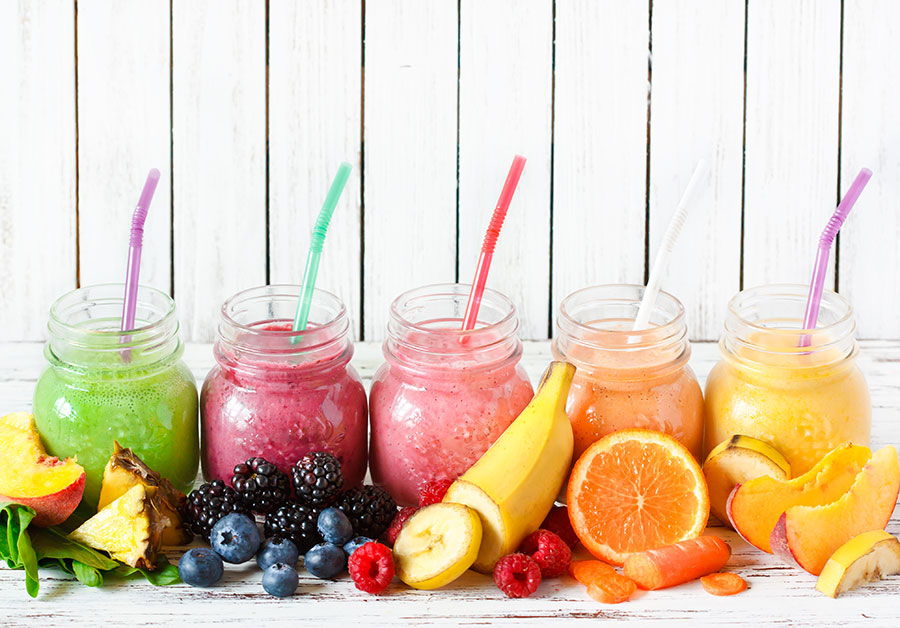
Smoothies are tricky because they can be healthy if made yourself at home and with the right healthy ingredients, but if purchased elsewhere, they can often be loaded with unhealthy base ingredients and again, added sugars. Fruit cocktails are kept in a sugary syrup that does nothing good for the body and fruit snacks pale in comparison to eating the real thing.

Healthier Alternative:

  • Step 1: Find your favorite type of fruit.
  • Step 2: Wash it.
  • Step 3: Eat that instead.

Bad Breads

Breads get a bad rap. Are they really bad for you? Yes and no. What is bad for you are the breads that add no real nutritional value to your diet or the breads that add way too many calories to your meal.

Wraps and Croutons

There is no lack of the types of tortilla wraps you can choose from. From sun-dried tomato, to spinach, to whole wheat, they seem healthy but depending on their size, added proteins, fillers, and sauces, your calorie count can easily exceed a healthy value.

As for croutons, they may seem small and harmless but they offer no added nutritional benefit for the body. It’s an easy way to add on calories to otherwise healthy salads. If you’re missing the crunch they bring to the dish, try swapping them out for nuts or crunchy veggies instead.

Healthier Alternative: If you don’t want to completely give up your relationship with bread, try opting for 100% whole wheat sandwich thins or use cracks instead. Another option is to use smaller tortillas for wraps and save yourself the extra calories, or you can always split your sandwich or wrap in half and enjoy the rest later!


Damaging Drinks

Sports drinks, energy drinks, diet drinks, tea drinks, flavored soymilk, protein shakes, and sodas – all of these are not water and not the greatest for you.

Sports drinks are mainly a combination of water (good), electrolytes (not bad) and sugar (yikes). For athletes performing high-intensity training, they might benefit from the electrolytes and sugar to help replenish the sodium and sugars they’ve depleted during their workout. However, most people do not need these types of drinks and are best to replenish with all-natural water instead.

Energy drinks should be a definite no-go. Most energy drinks on the market are not FDA approved because they are marketed as dietary supplements, rather than a conventional food or beverage which fall under the authority of the FDA. Without knowing exactly how these drinks are affecting your body, or the ingredients in them, again opt for water instead. It’s the one thing your body absolutely needs after a major sweat-sesh.

Diet sodas and regular sodas are usually made up of artificial ingredients, flavorings, and high levels of sodium. Even drinks that boost about zero calories, zero sugar, and zero sodium should still raise a red flag. Diet drinks use alternative sweeteners that could do long-term damage on the body. Drinkers of diet sodas have also been found to eat more calories after consuming a diet beverage2.

Good news! Tea drinks can be healthy! It’s the tea beverages with added sugars, sodium and artificial flavorings that are the ones to stay away from.

Sugar seems to be the reoccurring theme of what makes certain beverages less than ideal. For example, flavored soymilk can contain so much added sugar that it acts as more of a dessert than a regular everyday drink. Opt for original soymilk if you prefer it over whole milk. Regular soy milk can help provide the body with protein and potassium and be low in cholesterol.3

 Take caution with protein shakes. While protein is essential to helping build muscle and keeps our bodies strong, the wrong type of protein drink could be highly processed and filled with sugar. Make sure you know exactly what ingredients you’re consuming before mixing up your next protein shake!

Breads get a bad rap. Are they really bad for you? Yes and no. What is bad for you are the breads that add no real nutritional value to your diet or the breads that add way too many calories to your meal.


Healthier Alternative: The healthiest option is always water. Our bodies need it to live. If regular water gets too boring for you, try infusing it with cucumber or orange slices. There are also carbonated flavored waters on the market which can help satisfy if it’s the fizz you’re missing.


Low-Fat, Fat-Free, Gluten-Free, Reduced-Fat, Organic, and Light Food Options

Light salad dressings, flavored fat-free yogurts, low-fat muffins, reduced-fat peanut butter – they all sound great but don’t let their labels deceive you. Many times, when the fat is pulled out of a product that means a less healthy alternative is being added in its place to make up for the lack of flavor. This could mean you end up eating chemicals, artificial sweeteners and excess amounts of sugar or sodium that your body doesn’t need.

Even gluten-free or organic labeled food items can be unhealthy if they are junk foods. Sorry – there is just no way to make those tasty cheats healthy, even if they are gluten-free or all organic (sigh).

Margarine also falls into this category because contrary to popular belief, it’s not all that healthy. Marketed as cholesterol-free and as a healthy alternative to butter, it’s actually much higher in trans-fat compared to butter, which can elevate cholesterol levels and do damage to blood vessel walls.4 If you’re looking to stay away from both butter and margarine, try supplementing with olive oil instead.

Breads get a bad rap. Are they really bad for you? Yes and no. What is bad for you are the breads that add no real nutritional value to your diet or the breads that add way too many calories to your meal.


Healthier Alternative: Sometimes it’s OK to indulge in the all-natural, full-fat products. Our bodies do need a healthy balance of fats after all. Just make sure not to overdo it!

Sources:

  1. Orenstein, Beth W. “Web Exclusive.” Today’s Dietitian, todaysdietitian.com/news/exclusive1114.shtml.
  2. editors, shape.com. “50 ‘Good’ Foods That Are Bad for You.” Shape Magazine, Shape Magazine, 10 Dec. 2015, www.shape.com/healthy-eating/diet-tips/50-seemingly-healthy-foods-are-bad-you.
  3. Ibid
  4. Simone, Mike. “8 Absolute Worst Foods for Weight Loss and Health.” Men’s Journal, 24 Feb. 2018, www.mensfitness.com/nutrition/what-to-eat/healthy-resolution-the-8-absolute-worst-foods-you-can-pump-into-your-body/slideshow.

Recommended Reading

Good carbs vs bad carbs
Debunking Diet Myths

Debunking Diet Myths

With so many sources offering nutrition advice, it’s hard to know what’s true. Even factual information can become distorted by the time it reaches you. Like a game of telephone, the message often changes as it’s passed along. Here, we debunk 5 common diet myths to...

Weight Loss for Diabetics

Weight Loss for Diabetics

Question:

I’m 67 years old and weigh 208 pounds. I would like to lose a lot of weight. I’m a diabetic and take insulin 4 times a day. I can’t afford the trainers at LA Fitness. Any advice would be appreciated.

– Candace B.


Answer:

Ask your endocrinologist for a referral to a certified diabetes educator (CDE®) which may be covered under a health insurance plan. These specialists help you understand how medication, exercise and diet all play a role in weight and blood sugar control and can provide advice tailored to you.

In general, I will say that regular exercise helps lower blood sugar so that less insulin may be needed. It’s like training your cells and tissues to be more metabolically active and efficient. In combination with a mild to moderate reduction of intake and shift to lower glycemic load (blood sugar response) meals, an increase in exercise should induce weight loss. Raw, unprocessed fruit, legumes, popcorn, non-starchy vegetables and whole grain products tend to be lower glycemic carbohydrate foods. By switching to these in managed portions and incorporating nuts, lean meats and healthy fats, you can lower the glycemic load of a meal.

The American Diabetes Association is a host of information on meals, recipes and fitness tips. Check out their resources at www.diabetes.org. In addition, www.diabetes.ca and www.diabetesaustralia.com.au are credible sources offering nutrition and healthy living resources in English.

– Debbie J., MS, RD

This article should not replace any exercise program or restrictions, any dietary supplements or restrictions, or any other medical recommendations from your primary care physician. Before starting any exercise program or diet, make sure it is approved by your doctor.

Some questions have been edited for length and/or clarity.


Ask our Dietitian

Have a nutrition question? Our registered dietitian is ready to help!
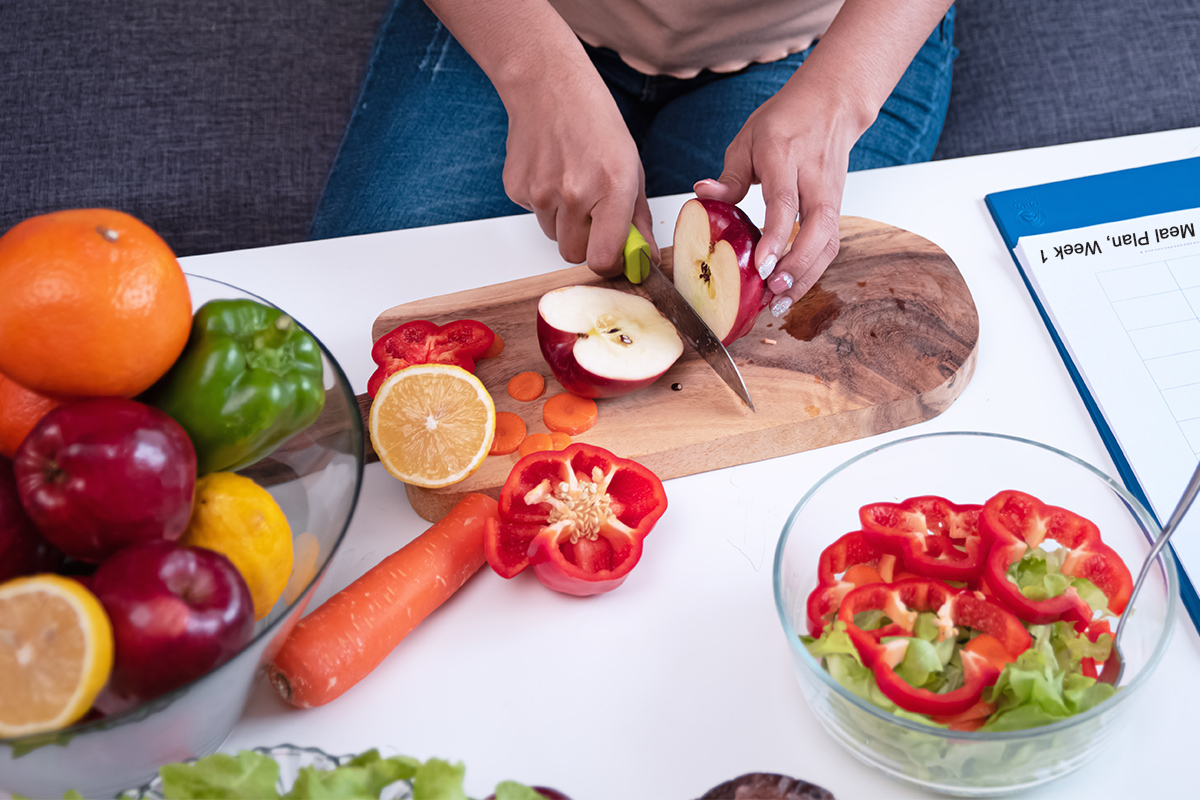
Email nutrition@lafitness.com or submit your question below and it may be featured in an upcoming article!

9 + 8 =


Recommended Reading - Q+A

Good carbs vs bad carbs
Debunking Diet Myths

Debunking Diet Myths

With so many sources offering nutrition advice, it’s hard to know what’s true. Even factual information can become distorted by the time it reaches you. Like a game of telephone, the message often changes as it’s passed along. Here, we debunk 5 common diet myths to...