Heirloom Tomatoes & Stracciatella from etta
Award-winning Chef, Danny Grant of Chicago’s etta, shares a light and healthy recipe you can easily whip up just in time for your next summer potluck!



Chef Daniel DiStefano. Photo provided by: Made Nice
Meet Chef Daniel DiStefano of Made Nice, a casual dining restaurant located in NYC with roots in fine dining. The meals prepared at Made Nice marry healthy and fresh seasonal ingredients together to serve guests the very best while on-the-go.
Q: With roots based in fine dining, what caused you to make the switch to Made Nice?
Chef Daniel DiStefano: I think there’s no better way to gain a foundation in the kitchen or in a restaurant than by working in fine dining. It teaches you discipline and a strong work ethic, and you gain unique experiences that don’t exist in other restaurant environments. Unfortunately, only a handful of people in the world can afford to experience fine dining. What brought me to Made Nice was the opportunity to give many, many more people a taste of fine dining, every day.
Q: Made Nice is grab-and-go made healthy, how do you keep things fresh and the customers coming back?
DD: We change the majority of the menu seasonally, about four times per year, but we are constantly trying new flavor profile and techniques. We’re constantly evolving our menu to keep things exciting and fresh — we actually rely on change to drive our creativity.
Q: What are your two favorite ingredients to combine that many may not think go together?
DD: We often use three unexpected ingredients together to season our soups and sauces: salt, lime, and cayenne. The salt brings out the flavor, the lime balances acidity and the cayenne adds just a hint of spice. On their own, each of these ingredients has a unique flavor profile, but together they create the ultimate seasoning spice.
Q: How can our readers make healthy eating a part of their everyday lifestyle?
DD: I think most people believe eating clean or cooking from scratch is just too time-consuming. As with most things, planning ahead definitely makes it quicker and easier. In the kitchen, we often refer to the French term “mis en place,” or having everything in place. If you take a bit of time on the weekend to plan ahead for the week, it makes eating well throughout the week much easier!
Q: Does your menu change seasonally? How does incorporating seasonal produce add to the flavor of your dishes?
DD: Our menu changes seasonally about four to five times per year. We always want to serve food in its best light, when it’s freshest and tastes best. Being in NYC and having the Union Square Greenmarket just a few blocks away makes it very easy to stay inspired.
Some responses have been edited for length and/or clarity.



Made Nice NYC is located at the following location:
Distance to closest LA Fitness: 5.1 miles to North Bergen LA Fitness

Photography by: Evan Sung
Featured Recipes
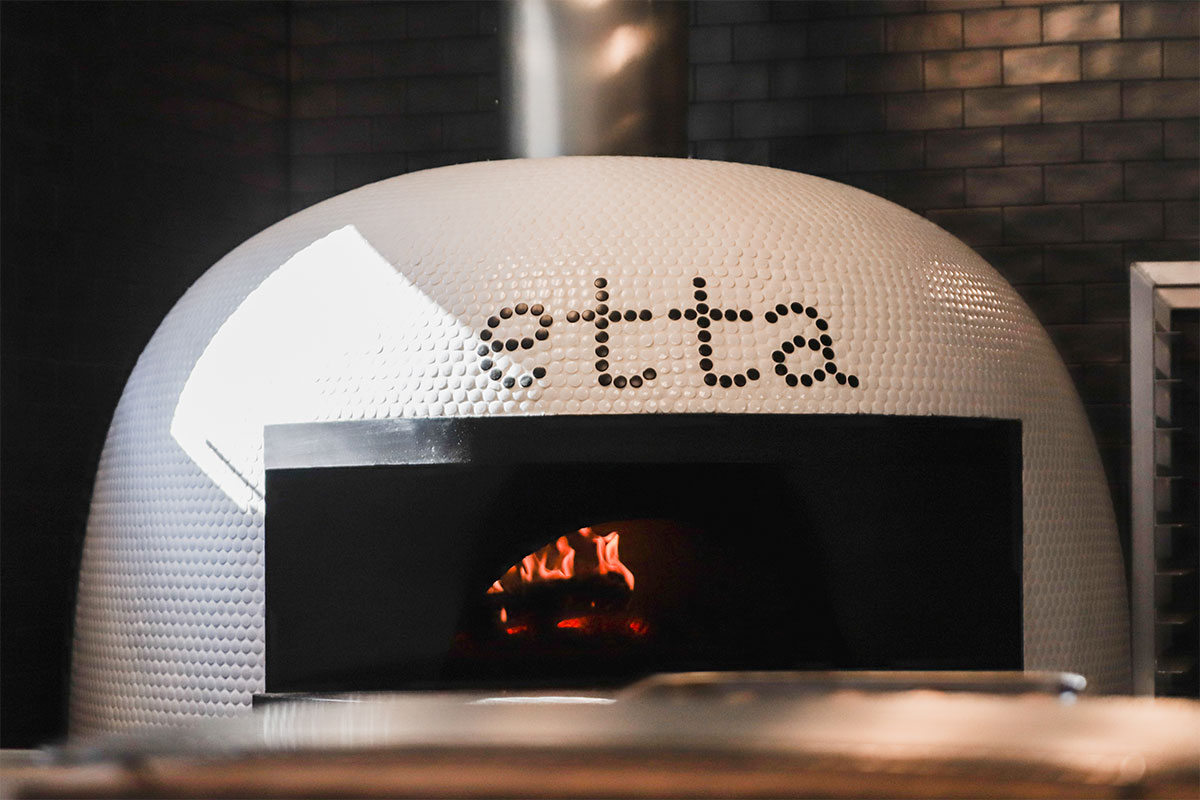
Award-winning Chef, Danny Grant of Chicago’s etta, shares a light and healthy recipe you can easily whip up just in time for your next summer potluck!
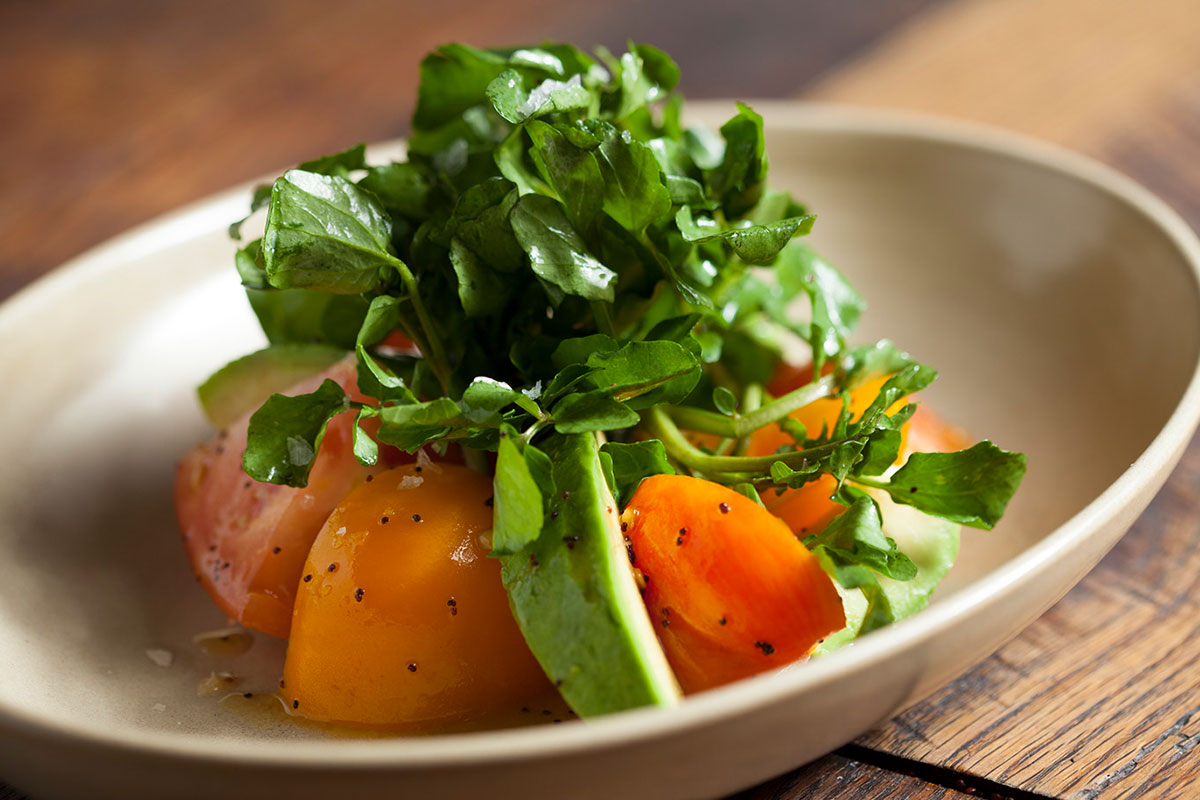
Chef Brian Okada of Water Grill shares his recipe for Tomato Avocado Salad with a light Poppy Seed Dressing. It's quick, it's easy, healthy and tasty!
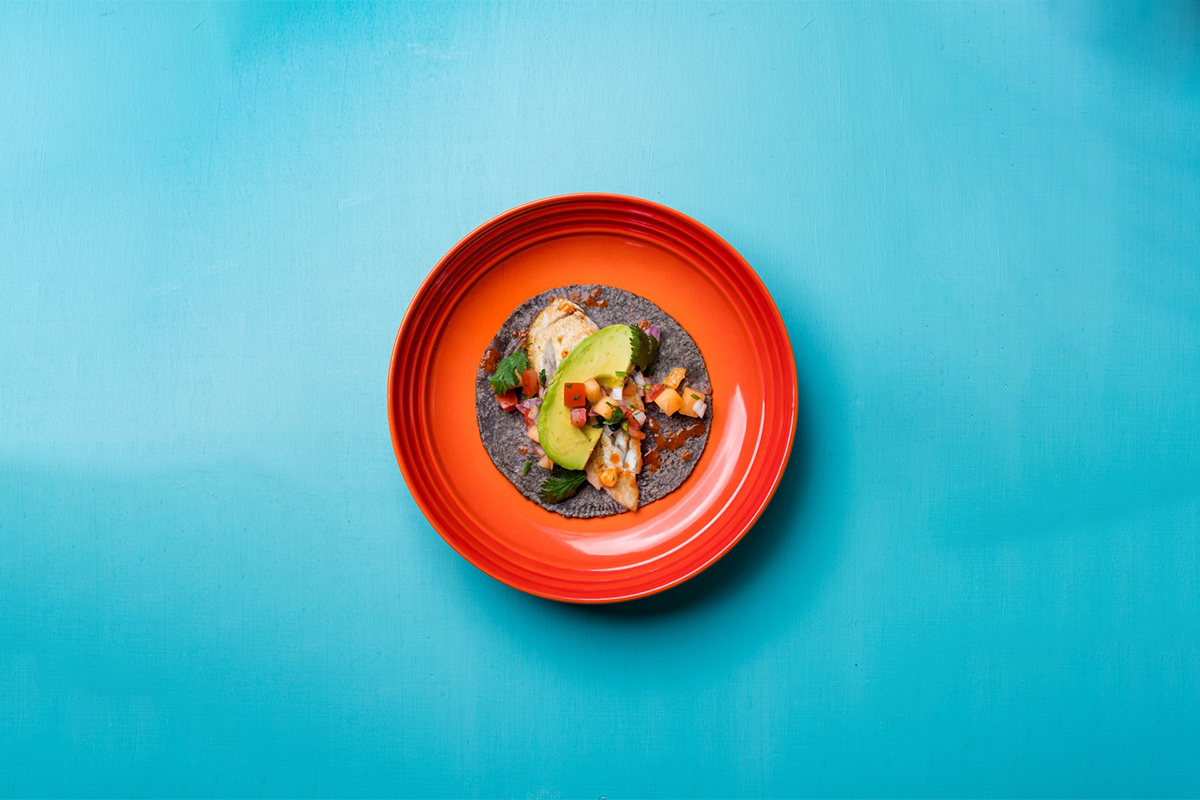
Puesto's Executive Chef, Katy Smith, shares her recipe for Grilled Fish Tacos with Melon Salsa. Make this light and flavorful recipe at home tonight!

Move over tofu and soymilk! Vegetarian foods have long been on specialty shelves but now more conventional foods are incorporating plant proteins, in all things from egg substitute and yogurt, to bratwurst and sausage. Ingredients like seitan, tempeh, lentils, pea protein, rice protein, mung bean, fava bean, and vegan protein powders are making their way into mainstream foods. It is no secret that replacing animal protein with plant protein can improve blood sugar control in diabetes1, lower cardiovascular disease risk2, and reduce the risk of various cancers3,4. Plus, vegetarian and plant-based diets are associated with lower body weight5.
As an alternative to conventional frying in oil, these countertop convection (fan-powered circulated hot air) ovens can produce a similar crispy texture, color and flavor with substantially lower fat content6. French fries and chicken nuggets that are deep fried do rate higher in crispness, mouth feel and acceptance, though6,7. Air-fryer outcome is good if instructions are followed properly for lightly breaded foods cooked in small batches, but the process is slower than deep frying6. If you’re really craving a fried food taste, you can still lightly brush food with oil before cooking. If you need to crisp wet battered items or prepare party-size quantities, an air-fryer won’t do the job.

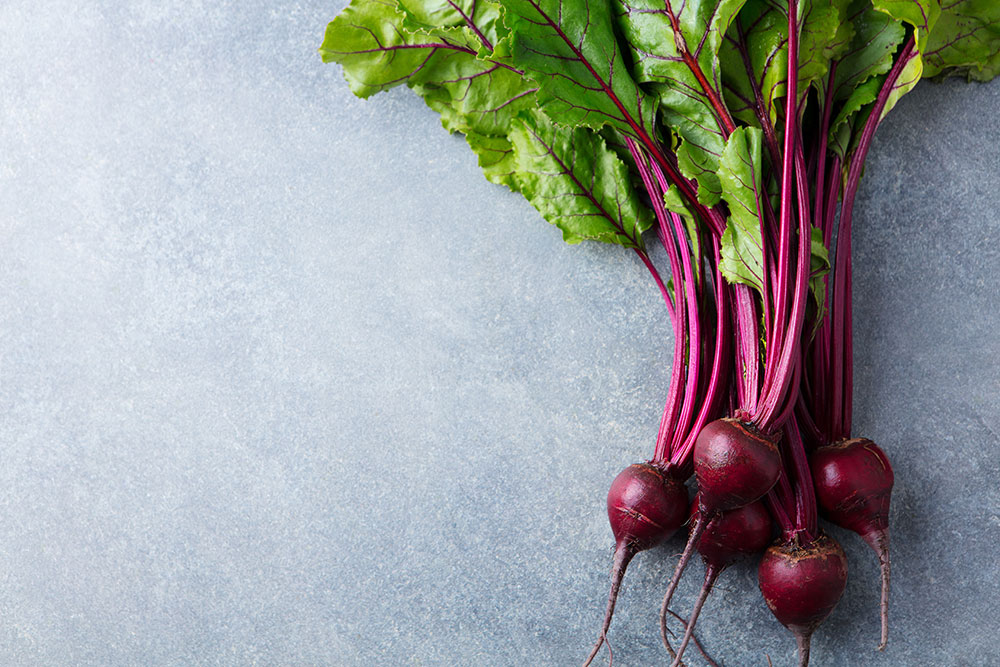
This no waste, whole food approach is not new, but restaurants and chefs are offering more culinary guidance to consuming fully edible plant parts. By utilizing all the parts of your produce – the leaves, stems, rinds, stalks, and skins – you get a boost of nutrition and flavor. Plus, it’s cost-effective and environmentally conscious. Here are some tips to embrace more of your produce:
!! Recommended to avoid
Unlike flavor extracts, essential oils are not intended for ingestion. Though the FDA indicates they are generally recognized as safe in commonly used amounts (approx. doses in the range of 1 to 3 drops, 1 to 3 times per day), you should only use food grade essential oils orally with the expertise of a professional. They are highly concentrated and can cause damage internally if administered without expert dilution, even those based on culinary ingredients (cinnamon, ginger, oregano, wintergreen). The International Federation of Aromatherapists doesn’t recommend the ingestion of essential oils. The Alliance of International Aromatherapists (AIA) also doesn’t endorse oral therapeutic use of essential oils “unless recommended by a healthcare practitioner trained at an appropriate clinical level.8”

This article should not replace any exercise program or restrictions, any dietary supplements or restrictions, or any other medical recommendations from your primary care physician. Before starting any exercise program or diet, make sure it is approved by your doctor.
Sources:

With so many sources offering nutrition advice, it’s hard to know what’s true. Even factual information can become distorted by the time it reaches you. Like a game of telephone, the message often changes as it’s passed along. Here, we debunk 5 common diet myths to...
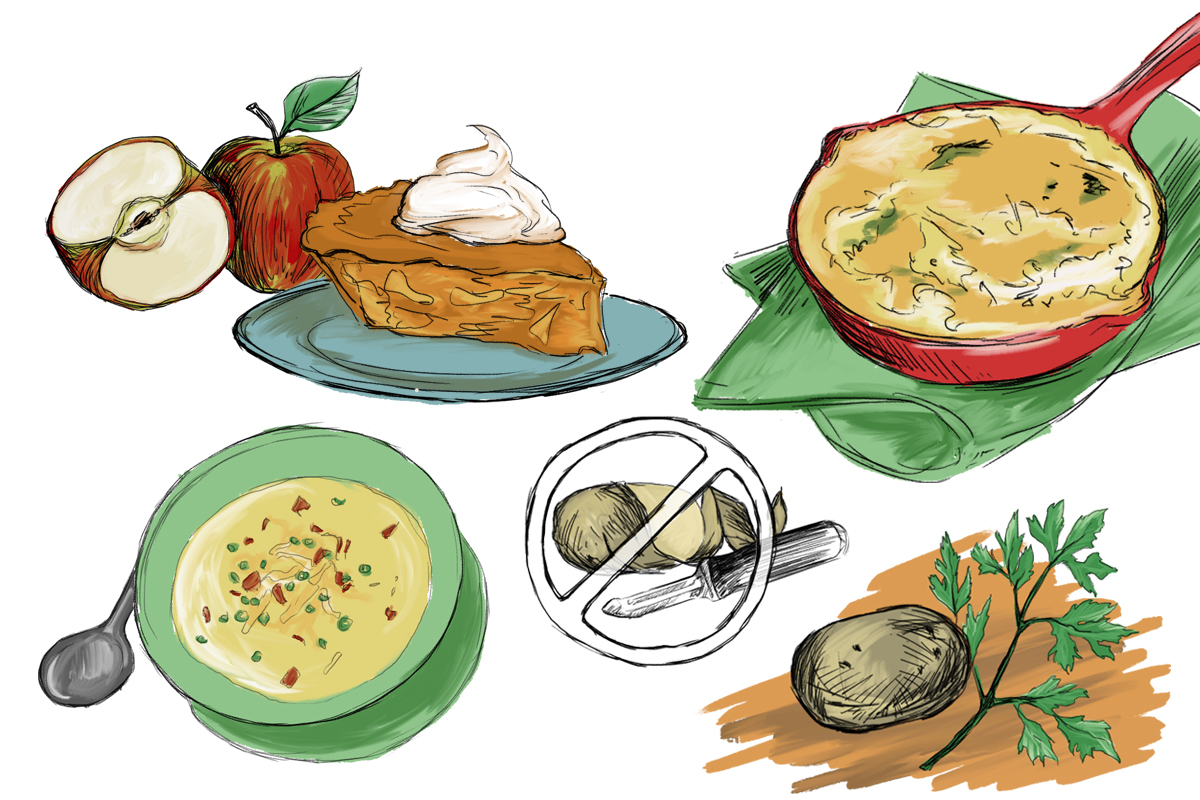
Most comfort foods we turn to are heavily laden with fat, starch and calories. There are healthier ways to enjoy down-home classics by making a few tweaks.
Does Intermittent Fasting give you enough time to pack the day's protein? Our registered dietitian helps clear up the confusion!

“And the award goes to… Chef Valerie, who so artfully displays her vegetarian stacked risotto dish with walnut topping,” announces the culinary instructor for the week’s competition. Valerie loves food – cooking with it, eating it, and playing with it. Even without formal training, we can all be winners when it comes to the game of eating.
If you read the title of this article, you might have thought about making food art on your plate or a cafeteria “Food Fight!” Perhaps, you imagined a picky kid pushing food around to hide his peas under the mashed potatoes. We don’t mean just arranging your food into pictures, but playing with your food is about spending time to manipulate and use your ingredients in unconventional ways. Okay, and having fun eating it, too!
See our previous article, 10 Surprising Food Combinations You’ll Love
Playing with your food could mean experimenting with unusual combinations, using an alternate preparation method, trying a foreign dish, or following a new recipe. You might put sandwich fixings on flatbread, or salad in a jar. The trend of bowl meals (usually grains, vegetables, greens, and protein) is a great example of adopting a foreign dish like Korean bibimbap and tailoring it to American fare. Maybe have an “opposite day” where dinner and breakfast are swapped. Hurray for French toast in the evening!

Why create and have fun? Playing with your food may have a secret side effect – lower weight! Eating quickly is associated with overweight status1, more so than are late evening meals or skipping breakfast. A body mass index (BMI) 25 kg/m2 or greater is considered overweight. Those that eat at a slower pace tend to be a lower weight, to the tune of an average 4 lower BMI2. Keep in mind that the healthy BMI range is 18.5–24.9 kg/m2, so a difference of 4 represents a lot! A slower pace of eating lets the satiety hormone leptin kick in so that you feel full sooner and eat less.

Therefore, slowing your pace of eating is an integral part of weight control. Lining up green beans, turning all your shrimp the same direction or arranging your potato wedges by size may have been stalling techniques when you were a kid. Now, they are valid ways to lengthen eating duration and eating slower! Two food games for adults and children alike are: 1) put a bit of each type of food on the fork for every bite, and 2) leave a symmetrical plate of food after each bite.
If poking around your food seems juvenile, take an epicurean approach to slow down: Once served, spend a moment to appreciate your meal. Inhale the aroma. Notice the colors and details before you savor each bite like it’s the last on the planet. Use a fork and knife (or chopsticks) for finger foods. This especially works well for pizza, burgers and comfort foods!
No matter how you play, keep meals healthy and balanced (and we don’t mean juggling).
References:
With so many sources offering nutrition advice, it’s hard to know what’s true. Even factual information can become distorted by the time it reaches you. Like a game of telephone, the message often changes as it’s passed along. Here, we debunk 5 common diet myths to...
Most comfort foods we turn to are heavily laden with fat, starch and calories. There are healthier ways to enjoy down-home classics by making a few tweaks.
Does Intermittent Fasting give you enough time to pack the day's protein? Our registered dietitian helps clear up the confusion!


What is the nutrition of quinoa seed?
– Phuoc T.

Cooked quinoa has 222 calories per cup, 8 grams protein, 3.5 gm fat, 39 gm carbohydrate (incl. 5 gm fiber, 1.5 gm sugar). For vitamins, 1 cup cooked contains thiamin 0.198 mg, riboflavin 0.204 mg, niacin 0.762 mg, B-6 0.228 mg, folate 78 micrograms, Vit A 9 IU, and Vit E 1.17 mg. For minerals, 1 cup cooked contains calcium 31 mg, iron 3 mg, magnesium 118 mg, potassium 318 mg, zinc 2 mg.
Compared to cooked whole-wheat pasta (wheat is a staple, but most people don’t eat boiled wheatberries), quinoa is similar in calories, fiber and sugar, but has less carbohydrate and protein. Quinoa has more riboflavin, B-6, folate, Vit A, calcium, iron, magnesium, potassium than cooked whole wheat pasta.
Values from the USDA National Nutrient Database for Standard Reference, release 28. Actual values may differ based on seed variety or cooking methods.
– Debbie J., MS, RD
This article should not replace any exercise program or restrictions, any dietary supplements or restrictions, or any other medical recommendations from your primary care physician. Before starting any exercise program or diet, make sure it is approved by your doctor.
Some questions have been edited for length and/or clarity.
 Have a nutrition question? Our registered dietitian is ready to help!
Email nutrition@lafitness.com or submit your question below and it may be featured in an upcoming article!
With so many sources offering nutrition advice, it’s hard to know what’s true. Even factual information can become distorted by the time it reaches you. Like a game of telephone, the message often changes as it’s passed along. Here, we debunk 5 common diet myths to...
Most comfort foods we turn to are heavily laden with fat, starch and calories. There are healthier ways to enjoy down-home classics by making a few tweaks.
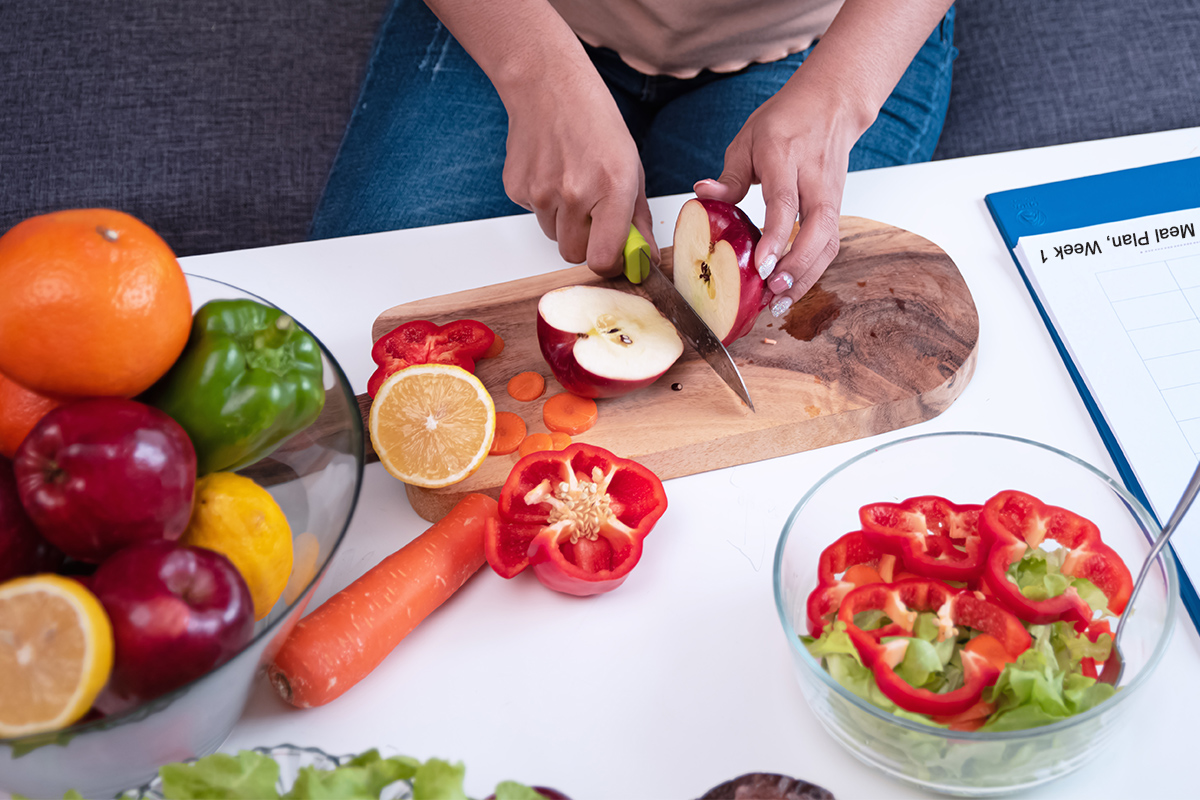
Any good workout plan needs a good nutrition plan. We've compiled the best advice from our RDN, Debbie James, to help you construct your perfect meal plan.

I have a question concerning organic food. Is organic food worth the extra cost? And what organic foods should you try to consume (i.e. fruits, chicken, meat, vegetables, etc.)
– O. Akanbi
Organic food (grown without pesticides, herbicides, synthetic fertilizers, hormones/antibiotics or gene splicing) is worth the extra cost for the foods you eat regularly if you are concerned with long-term health implications from traditional farming, but I would recommend to focus your funds. If you’re immediately targeting a heart-healthy diet after a recent cardiovascular event, spend the money on specialty items for that right now (like salmon instead of regular ground beef). Condiments and obscure items that you rarely touch won’t pose as much threat as your daily fare, so they can be last on your list.
My priority for organic shopping:
First, make sure you’re able to afford an overall healthy diet with vast array of fresh foods including ample produce, sufficient dairy and raw meats/poultry/fish. Those tend to be most expensive. Although finished vegetarian products are costly, dry beans are a cheap ingredient and can be incorporated into many meals. There’s no sense in buying organic if it means you’ll give up nutrient-rich foods elsewhere.
Second, choose organic for the produce you eat the most of, especially produce that’s on the pesticide “dirty dozen” list from the Environmental Working Group. For 2017, produce with most pesticide residue were identified as strawberries, spinach, nectarines, apples, peaches, pears, cherries, grapes, celery, tomatoes, sweet bell peppers, and potatoes. You can save by purchasing conventional sweet corn, avocado, pineapple, cabbage, onion, papaya, asparagus, mango, eggplant, honeydew, kiwi, cantaloupe, cauliflower and grapefruit, deemed “the clean fifteen.”
Next, as your budget allows, look at staple items like wheat and rice, as well as your protein sources. The difference may be tiny for vitamins and minerals, but organically grown wheat and animals raised organically may develop more robust defenses against environmental stressors. That could mean they pass super antioxidants and other beneficial compounds on to you.
Lastly, organic soda and sweets? Consider whether you should even be buying them at all.
– Debbie J., MS, RD
This article should not replace any exercise program or restrictions, any dietary supplements or restrictions, or any other medical recommendations from your primary care physician. Before starting any exercise program or diet, make sure it is approved by your doctor.
Some questions have been edited for length and/or clarity.
Have a nutrition question? Our registered dietitian is ready to help!
Email nutrition@lafitness.com or submit your question below and it may be featured in an upcoming article!
With so many sources offering nutrition advice, it’s hard to know what’s true. Even factual information can become distorted by the time it reaches you. Like a game of telephone, the message often changes as it’s passed along. Here, we debunk 5 common diet myths to...
Most comfort foods we turn to are heavily laden with fat, starch and calories. There are healthier ways to enjoy down-home classics by making a few tweaks.
Any good workout plan needs a good nutrition plan. We've compiled the best advice from our RDN, Debbie James, to help you construct your perfect meal plan.