Warm Comfort Foods Made Healthy(ish)
Most comfort foods we turn to are heavily laden with fat, starch and calories. There are healthier ways to enjoy down-home classics by making a few tweaks.



Cauliflower seems to be all the rage. Cauliflower pizza crust, cauliflower rice, cauliflower mashed potatoes – is it really healthier than the alternatives? (i.e. regular dough, white/brown rice, mashed potatoes) I’ve noticed that sometimes it seems like these cauliflower products are very high in cholesterol, seems counterintuitive. I need an expert’s advice!

It IS a craze! Cauliflower is a highly nutritious and under consumed cruciferous vegetable. Incorporating it in forms other than whole raw and steamed may reduce its benefit a smidge but at least more people are eating it. Its mild flavor and bland appearance make the versatile cauliflower suitable for replacing white starches for restricted carbohydrate, Paleo or gluten-free eating. Yes, I know purple, orange and green varieties exist. Here’s a rundown of the various popular ways cauliflower is offered (at present) compared to the original alternatives:
Riced cauliflower vs. rice – As a side dish, minced cauliflower is lower in calories and carbohydrate than traditional white rice. It offers more fiber, calcium, potassium, vitamin C, and vitamin K while enriched medium grain white rice provides more iron, magnesium, zinc, and folate. *
Mashed cauliflower vs. mashed potato – With a higher water content than potato, cauliflower contains fewer carbohydrates and calories than the equal volume of spuds. For a moist food like mashed potato, the substitution works, particularly once salt, garlic, butter, sour cream or chives are added for flavor. Cauliflower provides more fiber, calcium, folate, vitamin C, and vitamin K while potatoes provide more potassium, zinc, and magnesium:*
100 g boiled, drained cauliflower 100 g peeled, boiled potato
Cauliflower pizza crust vs. traditional dough – To hold the consistency together without wheat gluten, oil, egg and xanthan gum are added to cauliflower with starches like tapioca and brown rice flour. The oil content is responsible for higher fat, while egg is why the saturated fat content is often higher than the original dough version. Of course, switching the crust can only partially offset the pizza sauce, cheese, and toppings which are usually not healthy!
Sources:
*Nutrient values from USDA National Nutrient Database for Standard Reference Legacy Release, April 2018 database. Findings were used along with RDN’s professional judgment.
– Debbie J., MS, RD
This article should not replace any exercise program or restrictions, any dietary supplements or restrictions, or any other medical recommendations from your primary care physician. Before starting any exercise program or diet, make sure it is approved by your doctor.
Some questions have been edited for length and/or clarity.
 Have a nutrition question? Our registered dietitian is ready to help!
Email nutrition@lafitness.com or submit your question below and it may be featured in an upcoming article!

Most comfort foods we turn to are heavily laden with fat, starch and calories. There are healthier ways to enjoy down-home classics by making a few tweaks.

Good nutrition is all about variety! Browse through our list of unusual fruits and veggies and give yourself a chance to try something new.

Does liberally salting your food help you pump more iron in the gym? Registered Dietitian, Debbie James, investigates the claims!
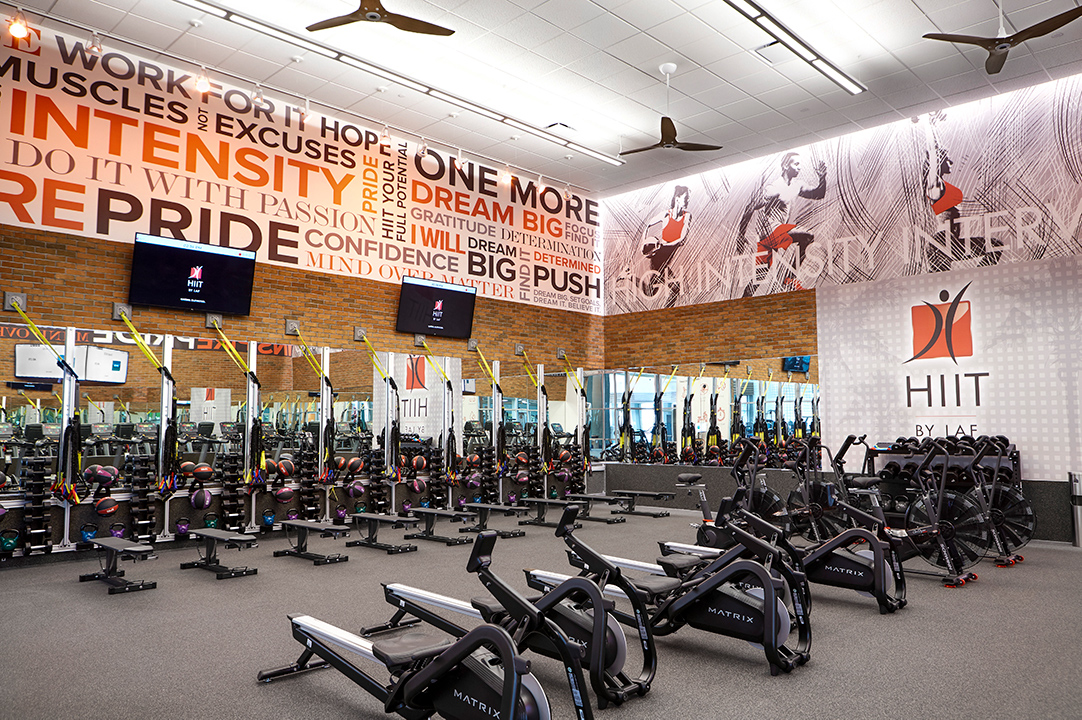
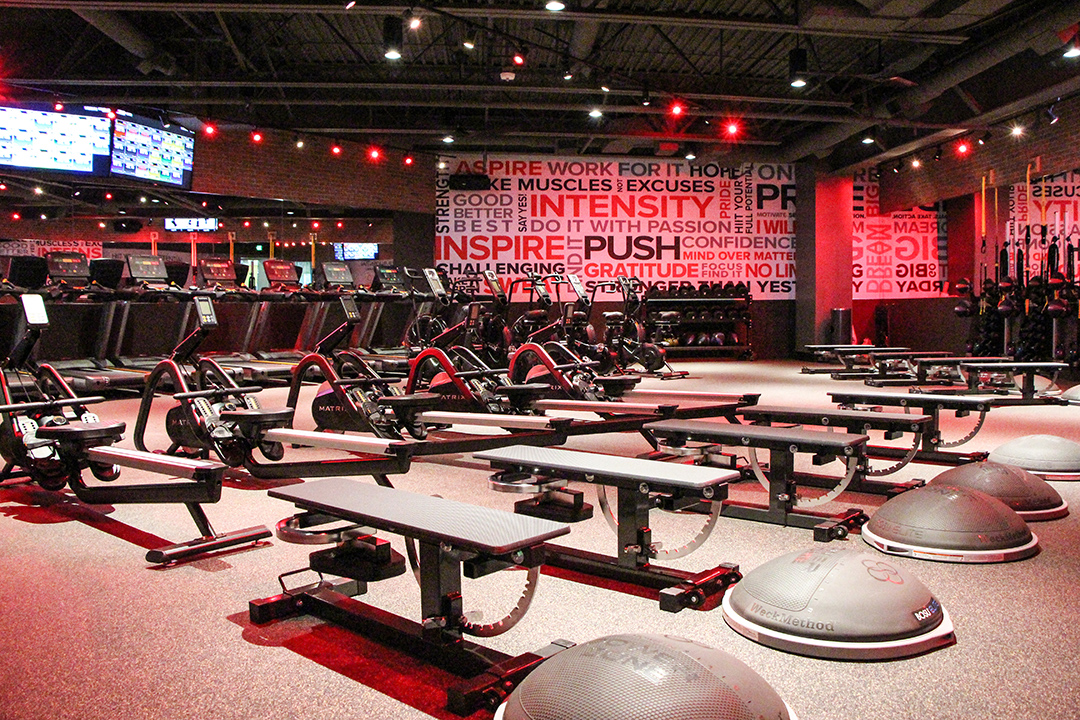
Short on time but still looking to get a solid workout in? Then it’s time to turn to HIIT by LAF®. If you aren’t sure what HIIT stands for, it’s short for high-intensity interval training – and it’s definitely something you should be adding to your workout routine.
If you’ve never heard of HIIT training, or you’re looking for a group setting to help give you that extra encouragement and push, then HIIT by LAF® is the right thing for you.
HIIT by LAF is a workout that is designed for almost every level of fitness, age, and goal type. These high-tech and high-energy workouts are led by motivating, certified fitness coaches who set the pace and vibe of the room. Each workout is 50-minutes long and comprised of a variety of functional exercises, core training, cardio interval training, and strength training. Wearing optional heart rate monitors, participants are led through five heart rate training zones, with each zone representing variations in levels of intensity that may result in participants burning up to 1,000 calories per workout, including calories that may burn even after the workout ends (results may vary).
Intense? Yes, but don’t let that word scare you away.
HIIT helps burn more calories in a shorter amount of time and if you manage to stay within the “fat-burning” zone during your workout, it can leave the body burning more calories even after the workout is over. This special “fat-burning” zone varies from individual to individual, so it’s important to know your resting heartrate and your max heartrate in order to gauge your different zones.
This is where MYZONE comes into play. A heart rate monitor that takes your workout to the next level.
MYZONE uses wireless and cloud technology to accurately and conveniently monitor physical activity. It monitors heart rate, calories and time exercising that converts into MYZONE Effort Points (MEPs*), with a focus on rewarding effort.
Heart rate training zones are a range of values expressed as percentages of maximum heart rate (HR max). The HIIT by LAF workout incorporates 5 heart rate training zones. If you’re interested in signing up for HIIT by LAF® classes on a regular basis, the MYZONE heart rate monitor is available for purchase at an additional cost.
Each zone is identified by zone color, heart rate percentage range, zone description, and the target amount of time that should be maintained in each zone to achieve the greatest benefits of a HIIT workout. Utilizing these zones in relation to the exercise benefits of each one aids in the development of the best programming to maximize endurance, calorie burn, and fat loss.
* MEPs (MYZONE Effort Points) are earned based on the effort exerted by the participant. Time spent in each Heart Rate Zone earns different numbers of MEPS:

HIIT is for anyone and everyone looking to take their fitness to the next level. HIIT is for moms, runners, professionals, athletes, and beginners. For moms, it’s a great escape. For runners, it’s the motivation and methodology necessary to prepare for the next run or race. For professionals, it’s the time-efficient workout when health and well-being are important, but time is tight. For athletes, it is the real-time feedback, ability to track progress and interval training necessary to improve performance. For beginners, it’s the push—the education and encouragement—necessary to reach an entirely new level of fitness.

It depends on the underlying condition of the patient/client and their baseline fitness level or physical activity status. HIIT is not for someone with a prior heart condition, who is sedentary and has not gone through proper supervised exercise testing first.
Anyone who has been very active has no cardiac risk factors, and has been screened by his M.D. about his cardiovascular fitness can definitely try HIIT and enjoy the benefits in our time-crunched environment.
The response above provided by Dr. Myla Subbarao, MD, FACC, and volunteer with the American Heart Association.
Check out our Living Healthy podcast episode on HIIT training by clicking here!
If you’re interested in learning more about HIIT by LAF®, visit welcome.lafitness.com/hiit-by-laf/.


The Holiday Season can get stressful, so we may stick to a routine for the sake of easy planning. Try any of these 10 simple ideas to bring new life to your Thanksgiving celebrations.

By now, you may have seen some donation boxes at your local LA Fitness. If you haven’t been entirely sure what those boxes are all about, you’re in the right place!
Most comfort foods we turn to are heavily laden with fat, starch and calories. There are healthier ways to enjoy down-home classics by making a few tweaks.

I wanted to know what’s the best way to boost metabolism and lose weight for a man once you’re over 40?
– Jermaine H.
Fighting midlife weight gain is certainly a challenge! Hormone levels and lifestyle are common causes for the metabolism and weight change from prior decades. Targeting these two areas are likely to bring about the most benefit. Thus, it is wise to visit with your physician for a checkup. Amping up your physical activity during the day (walking, cleaning, washing your own car, dancing) outside of exercise is recommended to help lose weight in middle age.
At the gym and in the kitchen, the goal is to preserve muscle mass (and therefore metabolic function) and promote a calorie deficit. ProResults® Trainer, Morgan Connors, advises strength training and cardio workouts. Nutritionally, you should eat the bulk of your calories earlier in the day, include protein at each meal, limit added sugars and alcohol, and get enough fiber and water. Consuming green tea and chili peppers temporarily boost metabolic rate… a little. Other foods purported to raise metabolism include fish, egg whites, coffee, milk, yogurt, coconut oil, lentils, red beans, cinnamon, garlic, broccoli, and berries.
Sources:
– Debbie J., MS, RD
This article should not replace any exercise program or restrictions, any dietary supplements or restrictions, or any other medical recommendations from your primary care physician. Before starting any exercise program or diet, make sure it is approved by your doctor.
Some questions have been edited for length and/or clarity.
Have a nutrition question? Our registered dietitian is ready to help!
Email nutrition@lafitness.com or submit your question below and it may be featured in an upcoming article!
Most comfort foods we turn to are heavily laden with fat, starch and calories. There are healthier ways to enjoy down-home classics by making a few tweaks.
Good nutrition is all about variety! Browse through our list of unusual fruits and veggies and give yourself a chance to try something new.
Does liberally salting your food help you pump more iron in the gym? Registered Dietitian, Debbie James, investigates the claims!
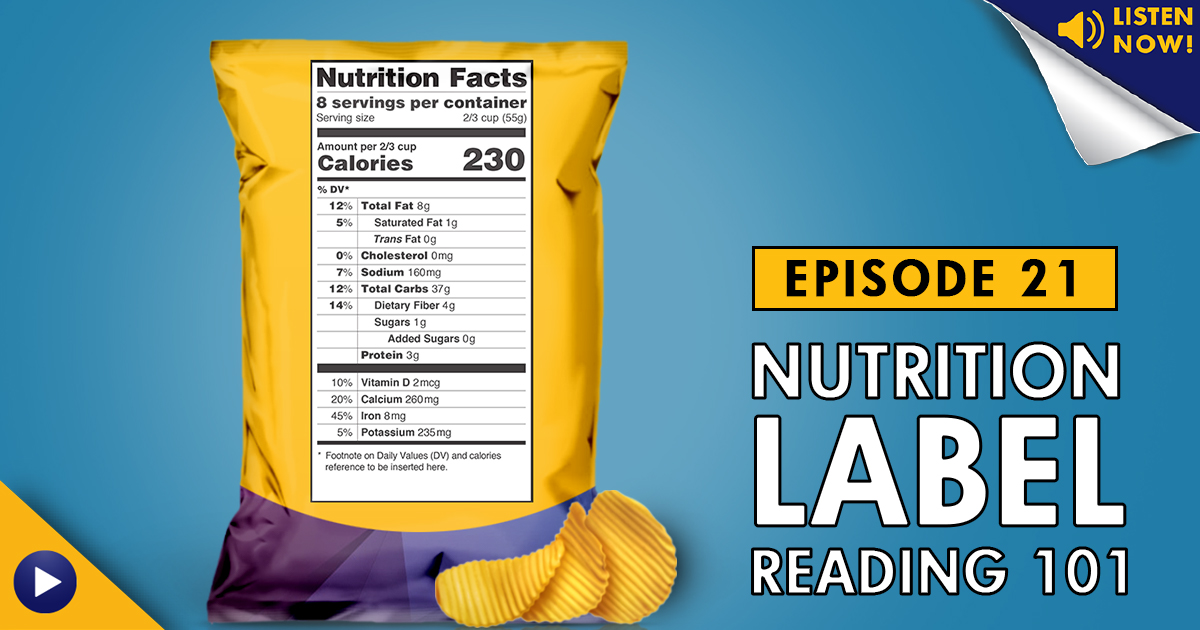
Welcome to the 21st episode of the Living Healthy Podcast, presented by LA Fitness.
On this episode of the Living Healthy Podcast, we have a listener favorite on the show, Dietitian Debbie, who helps us better understand nutrition labeling and we hear all about Andrew’s love for popcorn (and more importantly, his confusion about popcorn nutrition labels!)
How Are We Doing?
This podcast should not replace any exercise program or restrictions, any dietary supplements or restrictions, or any other medical recommendations from your primary care physician. Before starting any exercise program or diet, make sure it is approved by your doctor.
Intro
Begins at 0:01
“The History Lesson You Never Knew You Wanted” re: Nutrition Labels
Begins at 1:07
Dietitian Debbie Joins the Show
4:47
Why Are Nutrition Labels Important?
5:00
Nutrition Label – Serving Sizes
6:00
Caloric Food Tracking
8:15
Nutrition Label – Calories
10:05
Nutrition Label – Total Fat (Macronutrient #1)
11:20
Trans Fat and Saturated Fats – How Many Grams Are Too Much?
12:34
Why is Fat Known as a Macronutrient?
13:52
Nutrition Label – Cholesterol
14:30
Nutrition Label – Sodium (and Potassium)
15:43
Nutrition Label – Carbohydrates (Macronutrient #2)
17:38
Nutrient Label – Protein (Macronutrient #3)
18:46
Why is Protein So Important?
20:21
Nutrition Label – Vitamin and Mineral Section
21:05
Should Everyone Take a Daily Vitamin?
21:57
Nutrition Label – Footnote Disclaimer
24:07
Nutrition Label – Ingredients Section
25:14
Avoid These Unhealthy Ingredients
29:12
UH OH – Andrew’s Popcorn Rant
30:42
**MATT SAVES THE SHOW**
31:37
New Nutrition Labeling Laws Coming Soon
32:57
Show Wrap Up
36:23
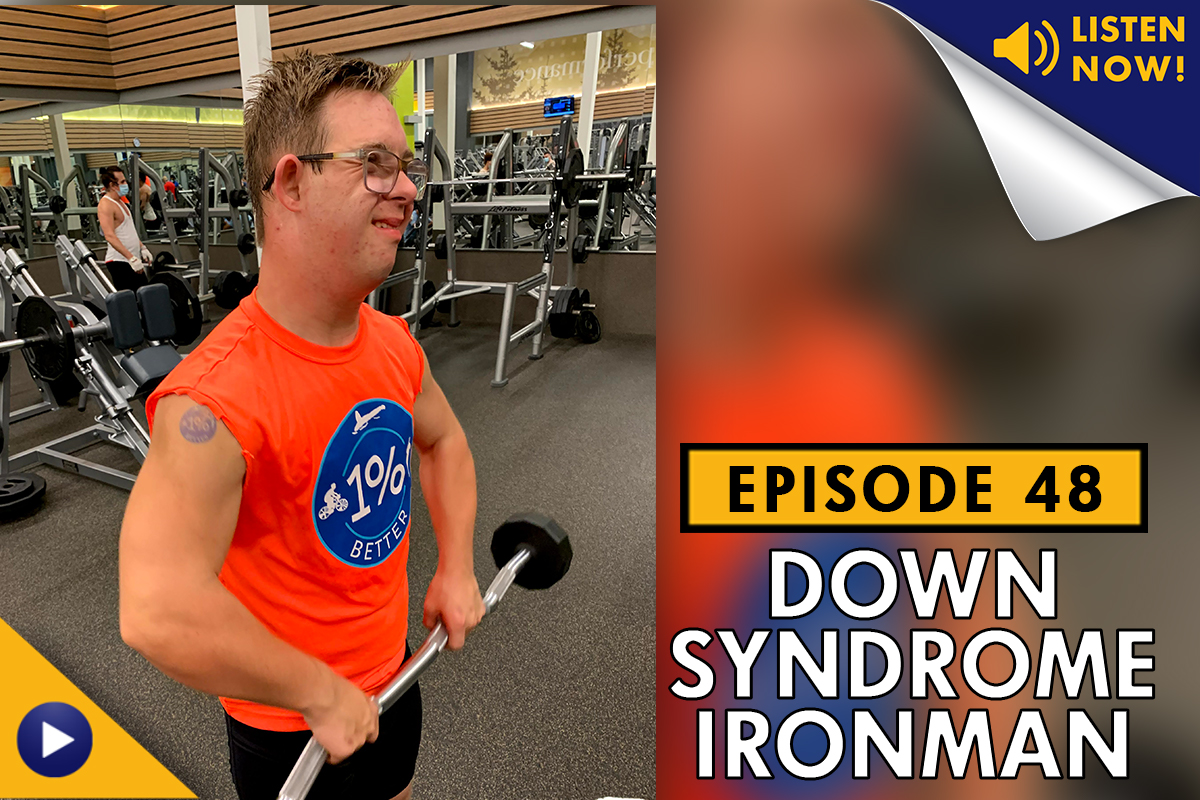
The Down Syndrome Ironman Chris Nikic attempts to be the first to complete an Ironman event with Down Syndrome. Welcome back to the Living Healthy Podcast! Today we’re going to be talking to an inspirational young man named Chris Nikic - The Down Syndrome...

Welcome to today's episode about "Your Relationship to Food." It's the 46th episode of the Living Healthy Podcast. On today's episode, we are discussing how you can honestly assess your relationship to food and how you can create a positive relationship to food...

We're "Trimming the Fat and Keeping the Muscle" on today's episode of the Living Healthy Podcast! On this episode of the Living Healthy Podcast, just in time for Thanksgiving, we learn about trimming or "cutting" the fat after you finish the bulking phase. This is...
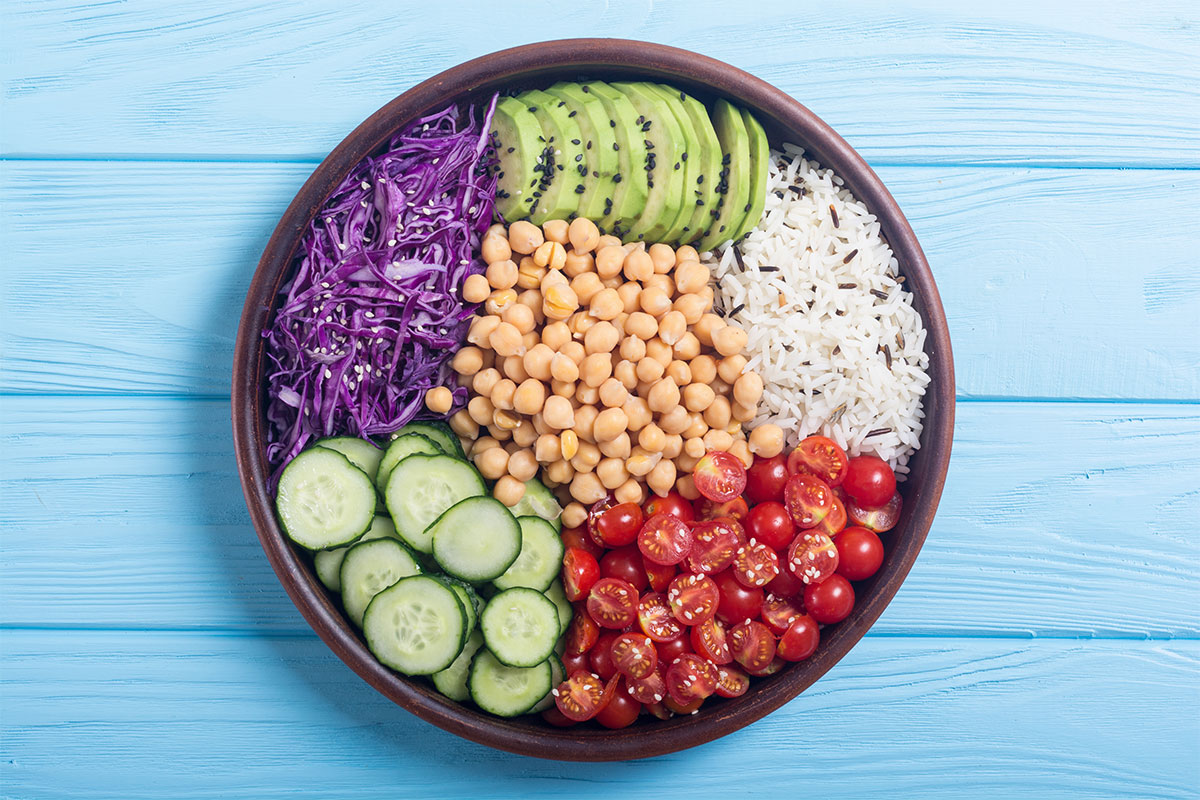
Hello, I am vegetarian and do not eat meat or eggs but do eat dairy products. Can you let me know the following?
Thanks for your help.
– Sunil J.
Here are your three-fold answers:
1. A well-balanced lacto-vegetarian diet can be sufficient to promote muscle growth and strength when paired with an appropriate workout plan. The bigger you are and the more you burn the more nutrition you need – but also the more you can eat! A sample 2,800 calorie day might look like the following. Also see our recent suggestions for meatless meals.
Nutrient analysis using www.FitDay.com by a Registered Dietitian Nutritionist = 127 gm Protein (16% calories). Findings were used along with RDN’s professional judgment.
2. Before strength training (assuming last meal was more than 3 hours prior) a small snack incorporating a carbohydrate with some protein, but little fat can fuel your workout and help prevent muscle protein breakdown. One example is rice or oat square cereal with non-fat milk and strawberries. Another would be noodles and chunky marinara with a soy meatball. After working out, replenish energy stores and promote muscle repair and rebuilding with a similar recovery snack within a half hour. Graham crackers with peanut butter and banana slices is an option.
3. Protein powder aids in providing variety and convenience to meals or snacks on the go. When mixed with fluid as a beverage, protein powder is more readily absorbed than a solid protein you’d need to chew and break down. A balance of soy, casein, and whey can offer a more sustained delivery of protein.
– Debbie J., MS, RD
This article should not replace any exercise program or restrictions, any dietary supplements or restrictions, or any other medical recommendations from your primary care physician. Before starting any exercise program or diet, make sure it is approved by your doctor.
Some questions have been edited for length and/or clarity.
Have a nutrition question? Our registered dietitian is ready to help!
Email nutrition@lafitness.com or submit your question below and it may be featured in an upcoming article!
Most comfort foods we turn to are heavily laden with fat, starch and calories. There are healthier ways to enjoy down-home classics by making a few tweaks.
Good nutrition is all about variety! Browse through our list of unusual fruits and veggies and give yourself a chance to try something new.
Does liberally salting your food help you pump more iron in the gym? Registered Dietitian, Debbie James, investigates the claims!