Warm Comfort Foods Made Healthy(ish)
Most comfort foods we turn to are heavily laden with fat, starch and calories. There are healthier ways to enjoy down-home classics by making a few tweaks.



I don’t understand the different types of olive oil. There is robust, extra virgin, virgin, refined, etc. Is one better for cooking? What about using as a dip for bread? Can olive oil be used in cooking? I know olive oil is supposed to be better for you, but I fear I’m using the wrong types of this oil in my cooking!

Olive oil provides the same calories from fat that other oils do, though its cardiovascular health benefit is in the favorable ratio of unsaturated fats. Olive oil’s high ratio of monounsaturated fat is linked to reduced blood LDL cholesterol which is associated with a lower risk of heart disease.
The terms you mention have to do with the processing of olives into oil. There are over 50 olive varieties – thank the Greek gods that their oils are not kept separate or it would get really confusing! Here’s a rundown of what the different olives oils are and how best to use them:
At present, the USDA’s National Nutrient Database doesn’t differentiate between the various types of olive oil and provides nutritional information for a singular standard reference “olive oil.”
References:
– Debbie J., MS, RD
This article should not replace any exercise program or restrictions, any dietary supplements or restrictions, or any other medical recommendations from your primary care physician. Before starting any exercise program or diet, make sure it is approved by your doctor.
Some questions have been edited for length and/or clarity.
 Have a nutrition question? Our registered dietitian is ready to help!
Email nutrition@lafitness.com or submit your question below and it may be featured in an upcoming article!

Most comfort foods we turn to are heavily laden with fat, starch and calories. There are healthier ways to enjoy down-home classics by making a few tweaks.

Good nutrition is all about variety! Browse through our list of unusual fruits and veggies and give yourself a chance to try something new.

Does liberally salting your food help you pump more iron in the gym? Registered Dietitian, Debbie James, investigates the claims!
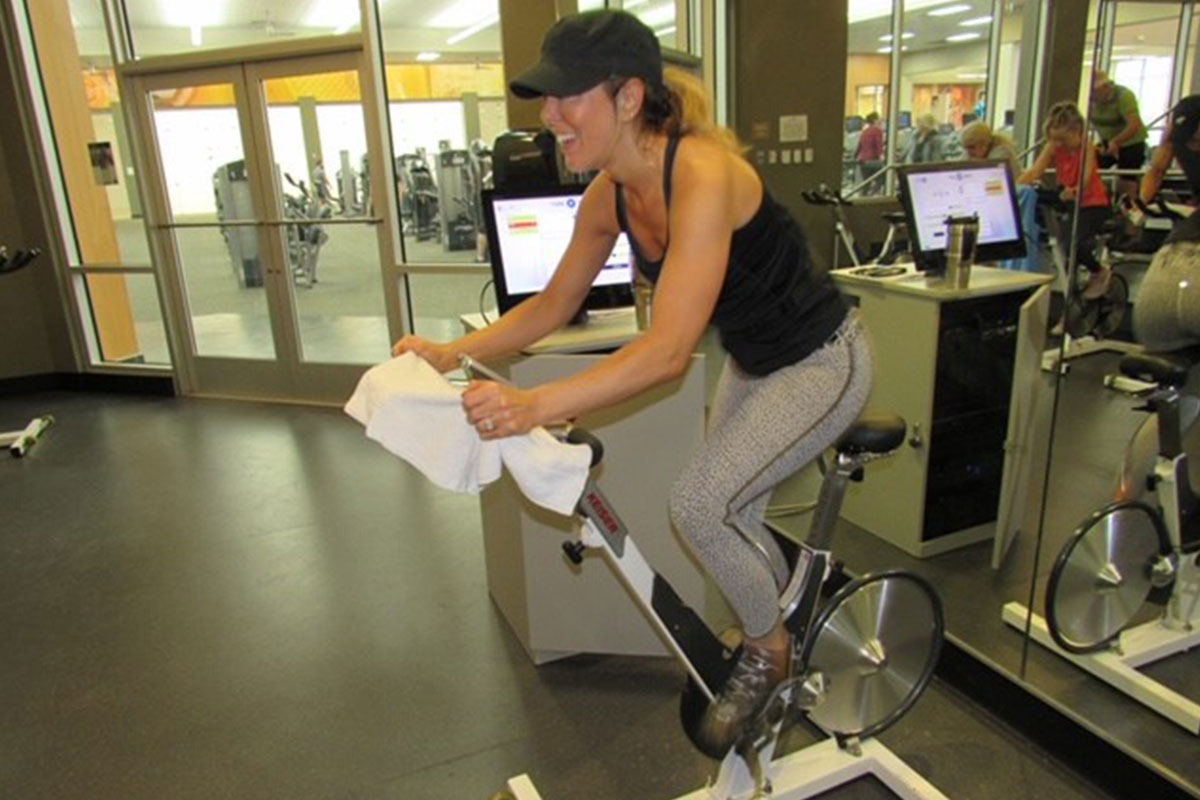
“Working out is truly the best medicine! There is not a pill out there that can make you feel as good as you do with regular workout sessions. So just do it! You will never regret working out. Classes make it fun and allow you to meet new people. We all feed off of one another in the class so bring your energy and join me!”
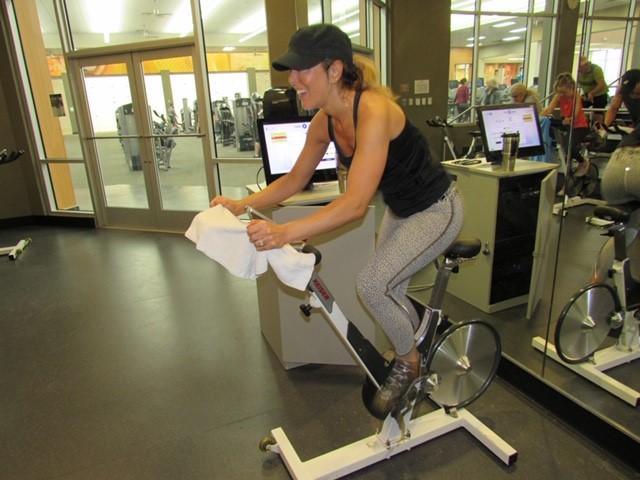
I currently teach 10 classes a week for LA Fitness, in following formats: Sculpt, Bodyworks Plus Abs, Cycle, Aqua Fit, and Senior Fitness. I love to teach a variety of formats because you get to meet a variety of people this way and interact with members of every age and fitness level. My current fitness goal is to feel good, and I do!
I started teaching for LA Fitness about 10 years ago, around the time that LA Fitness had opened in Michigan. LA Fitness was looking for instructors, so I began my AFAA group certification and was hired right after. Teaching has helped hold me accountable for my workouts. I look forward to going to work. It really is the best job in the world. To have 30+ members waiting for you and looking forward to “your” class is a great feeling. I often tell the members who are thanking me for motivating them that they also motivate me to be a better instructor for them!! So, I always thank them right back!
I have always worked out from a young age in my living room where I would do step aerobics from the TV. I danced at a studio for 6 years and did Poms [high school dance team] in high school. When I graduated high school I joined Vic Tanny, which then became Bally Total Fitness. I always took the classes when I could, with step being my favorite class.
Eventually, I got into running. I would run 20 to 30 miles a week before work or school or in the afternoon whenever I could fit it in. I earned my BA in psychology from Oakland University. I got married had two children and used my treadmill a lot. I came back to the gym when my treadmill broke. I joined a different gym and just ran a lot! Then, I started taking classes at Bally’s again, and shortly after my local Bally’s location was acquired by LA Fitness is when I went and became group certified with AFAA and began teaching at LA Fitness.
Teaching has brought my fitness to a new level of amazing! I have never had so much fun or felt so good! LA Fitness brings training workshops to our state at least once a year to train us in different formats, and they are always great and professional.
As for my diet, I am mostly vegetarian. I chose to stop eating meat when I was 19 years old. Although my decision to become vegetarian wasn’t primarily for health reasons, I do believe it helps me to stay at a good weight and feel great and healthy.


Some slight adjustments may have been made for clarity and/or grammatical purposes.
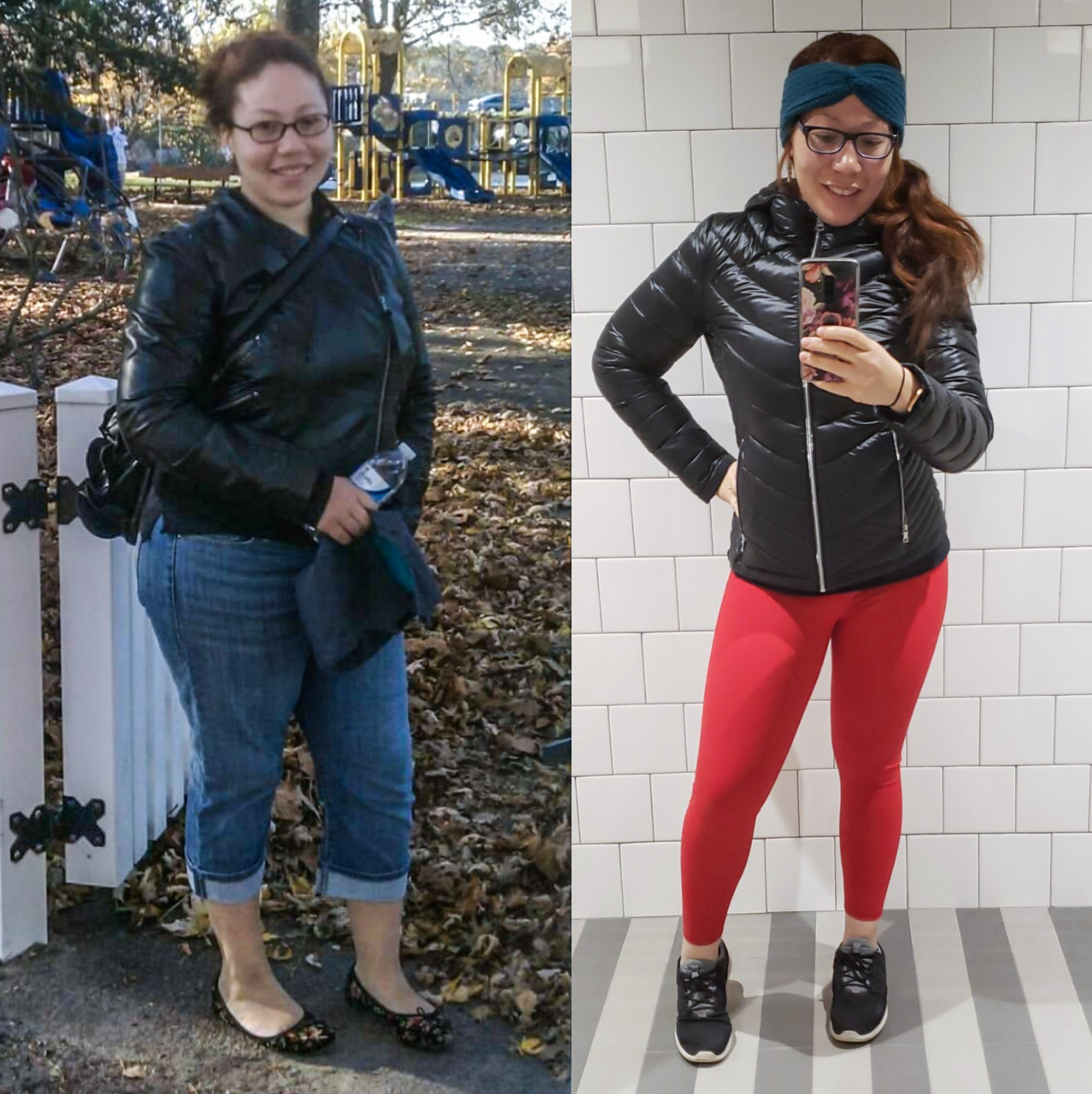
Waleska is a mom with 2 part-time jobs who had a love for chocolate. Despite the time constraints and sweet temptations, she lost over 60 pounds!
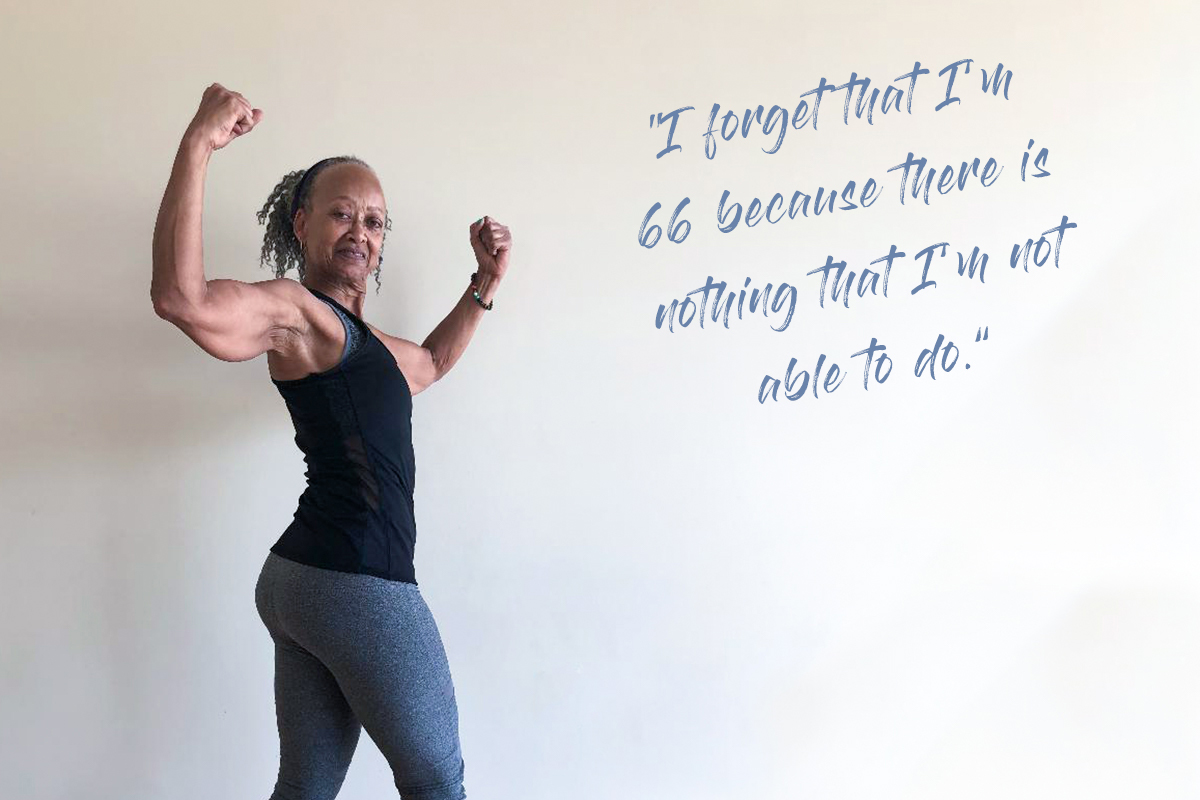
Many of us pair the idea of aging with decreased mobility and various aches. Yet, Patricia’s story shows us just how wrong that notion can be.

Ann shares how, despite back problems, strokes, and surgeries, she is well on her way to achieving her goal of losing 90 to 100 pounds!
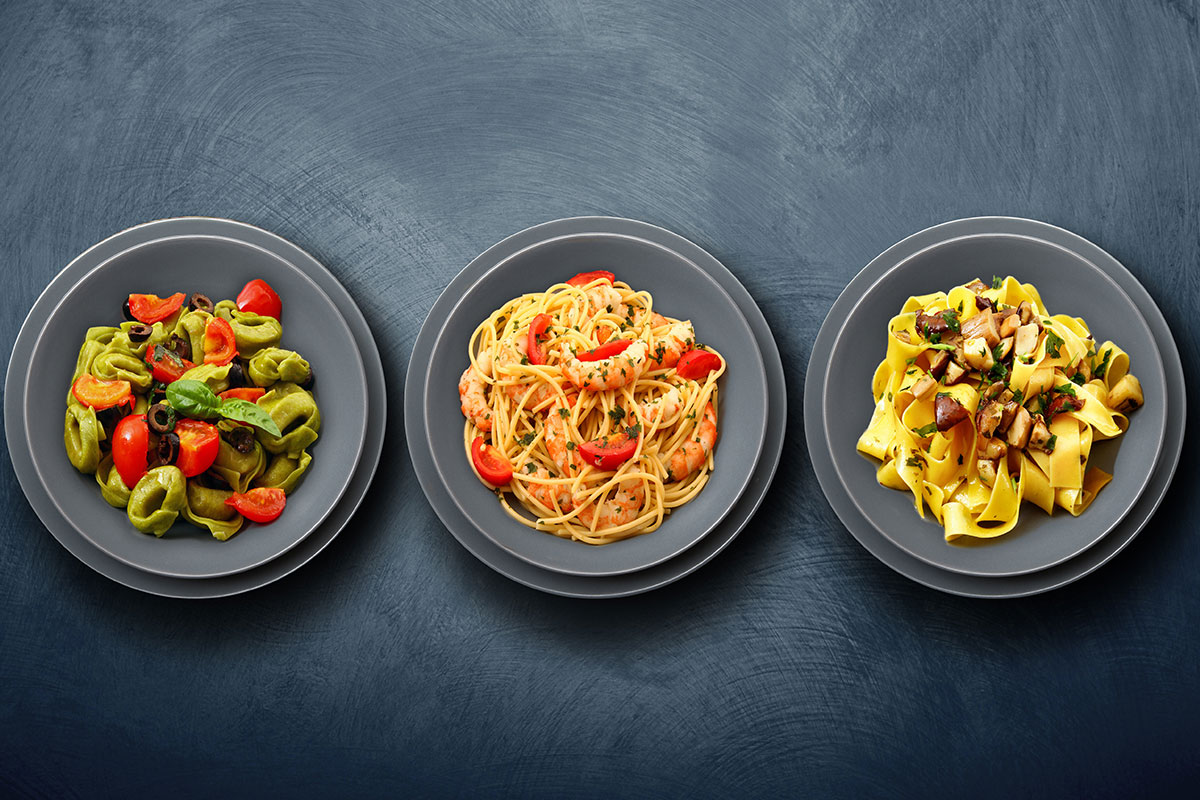
I have a question about starchy carbs. I was reading an article online that said to eat starchy carbs (i.e. brown rice, sweet potatoes) only on days when I lift weights or do cardio. It said to avoid them on rest days and stick with veggies for carbs on those days. What’s your opinion on this?
– James B.
Thanks for asking my opinion, James. There is no nutritional minimum for starches as a source, only for the carbohydrates they contain (at least 130 grams daily*). So, if a person can meet his/her carbohydrate needs – which may still be quite high on rest days – I’m all for maximizing vegetables along with fruit and milk products for carbs. Although it would provide lots of micronutrients, consuming 300 grams of carbohydrate only from vegetables would probably overwhelm your gastrointestinal system.
Starch (complex carbohydrate) from grains, tubers, legumes and seeds, and products made from them (like pasta, cereals, bread and fries) provides a concentrated source of extended energy suitable for physical activity. Although I follow the logic to reduce carbs on non-workout days, there is no evidence that replacing starches intermittently will benefit your performance or physique. Besides, you’re still physically active outside the gym, right? If you’re completely sedentary in bed all day but not sick, then feel free to skip them on your off days.
* Institute of Medicine, Food and Nutrition Board. Dietary Reference Intakes: energy, carbohydrates, fiber, fat, fatty acids, cholesterol, protein, and amino acids. Washington: National Academies Press; 2002
– Debbie J., MS, RD
This article should not replace any exercise program or restrictions, any dietary supplements or restrictions, or any other medical recommendations from your primary care physician. Before starting any exercise program or diet, make sure it is approved by your doctor.
Some questions have been edited for length and/or clarity.
Have a nutrition question? Our registered dietitian is ready to help!
Email nutrition@lafitness.com or submit your question below and it may be featured in an upcoming article!
Most comfort foods we turn to are heavily laden with fat, starch and calories. There are healthier ways to enjoy down-home classics by making a few tweaks.
Good nutrition is all about variety! Browse through our list of unusual fruits and veggies and give yourself a chance to try something new.
Does liberally salting your food help you pump more iron in the gym? Registered Dietitian, Debbie James, investigates the claims!

After finding out they have cancer, people want to know what’s happening to their body. They have questions about what their treatment options are, how likely those are to succeed, and what sort of side-effects they may encounter, to name a few. Many people are curious about exercise, and whether it can play a role in their cancer journey.
Physical activity and exercise can be a key part of someone’s cancer-control regimen. That’s one of the many answers that can be found in the NCCN Guidelines for Patients®—available for free at NCCN.org/patients—a series of understandable and informative books from the National Comprehensive Cancer Network® (NCCN®). That’s the same nonprofit organization responsible for the NCCN Clinical Practice Guidelines in Oncology (NCCN Guidelines®) which many doctors rely on for up-to-date, evidence- and expert consensus-based recommendations for high-quality cancer care.
According to Robert W. Carlson, MD, breast cancer oncologist and CEO of NCCN, “Studies have shown that staying physically active is one of the best ways for people who’ve been diagnosed with cancer to take special care of themselves before, during, and after treatment. However, it’s important that patients talk with their doctor or physical therapist about the type of exercise they’re considering, so they can make sure it will be safe for them. Physical activity and exercise recommendations should be tailored to individual abilities and preferences.”
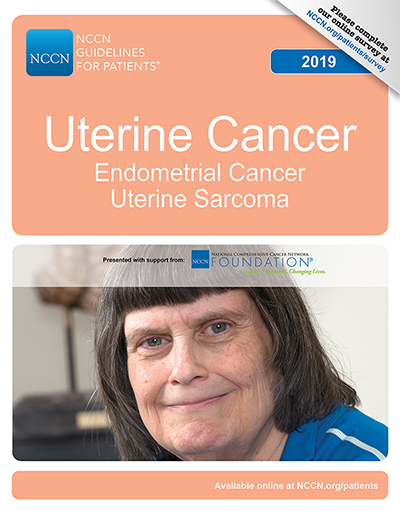
Uterine cancer survivor and advocate Colleen Johnson, PhD, knows a thing or two about individual abilities, and how to push herself beyond all limitations. When Colleen was first diagnosed with cancer at age 57, she was a self-described couch potato with an unhealthy BMI. Her first course of treatment involved major surgery, so she needed a few months of recovery before ultimately taking up running—a hobby that helped her to lose weight, get rid of diabetes, and take back control over her body. Colleen completed her first full marathon just 17 months after surgery. After that, she set her sights on ultra-marathons, and now runs at least one 100-miler every year to remain healthy while also raising awareness for uterine cancer.
“You have to find hope, somewhere,” Colleen said. “I found it in exercise and diet. In the beginning, I thought it was probably false hope, but I didn’t have anything to lose by trying it. I was amazed when it turned out to be true—exercise and weight loss really did help fight my cancer.”
Colleen is now featured on the cover of the NCCN Guidelines for Patients: Uterine Cancer, which can be read and downloaded for free at NCCN.org/patients. Her advocacy around this rarely discussed but increasingly common type of cancer—which is also known as endometrial cancer—inspired NCCN to include it in the growing library of patient guidelines, which also include Breast, Colon, Lung, Prostate, Stomach, and other cancer types accounting for approximately 88% of all cancer incidences in the United States.
Of course, running ultra-marathons isn’t for everyone. Swimming, jogging, biking, and even walking can get your heart rate pumping. Work with your doctor to customize your exercise routine to whatever fits best for your life. Some answers can only come from within, but free, reliable, and empowering information about cancer care is available—if you know where to look.

The Holiday Season can get stressful, so we may stick to a routine for the sake of easy planning. Try any of these 10 simple ideas to bring new life to your Thanksgiving celebrations.

By now, you may have seen some donation boxes at your local LA Fitness. If you haven’t been entirely sure what those boxes are all about, you’re in the right place!
Most comfort foods we turn to are heavily laden with fat, starch and calories. There are healthier ways to enjoy down-home classics by making a few tweaks.

Hi, I weigh 146 lbs. and have a small frame. I would like to put on muscle and get up to about 167 lbs. I am not a big eater and usually eat very small portions. I would like to know your recommendations for a diet.
– Sheldon S.
The situation you describe doesn’t leave a lot of room for options! I understand why you’ve reached out for advice. Increasing calories in a very limited volume can be quite challenging. Maximizing energy density can be done by 1) selecting rich foods, 2) through the addition of fats and sugars (Yep, you heard me say that correctly: fats and sugars), and by 3) power-packing.
1) Foods that are naturally energy-rich include nuts, nut butters, cheese, cream, oil, butter, dried fruit, nectars, traditional granola, tortillas, starchy vegetables, avocado, olives, coconut, bisque soups and chowders, salmon, beef liver, ice cream, and milkshakes. For packaged items, look for those that provide at least 300 calories per cup or 100 calories per ounce.
2) Anything that can be melted onto or into another food works! Ideas include cream in mashed potatoes, butter on noodles, pesto or avocado on sandwiches, cheese on casseroles, nut butter on toast, jam in yogurt, honey on fruit and mayonnaise on crackers. Nothing should be eaten plain if you are serious about gaining weight.
3) The concept of power-packing means to increase calories and protein without increasing volume. It involves replacing water content with higher calorie liquids. For example, fruit juice can be enriched by adding a cup of concentrate to each quart of liquid juice. For milk, add 2 Tbsp dry powdered milk to each cup fluid milk to gain 50 calories and 5 grams protein. Choosing oil-packed tuna over water-packed will give you over 100 calories more per 6 ounce can!
For meal and snack ideas, check out two sample weight gain menus from The University of Colorado, Colorado Springs.
Nutritional values obtained from the USDA’s National Nutrient Database for Standard Reference, Legacy Release. Findings were used along with RDN’s professional judgment.
– Debbie J., MS, RD
This article should not replace any exercise program or restrictions, any dietary supplements or restrictions, or any other medical recommendations from your primary care physician. Before starting any exercise program or diet, make sure it is approved by your doctor.
Some questions have been edited for length and/or clarity.
Have a nutrition question? Our registered dietitian is ready to help!
Email nutrition@lafitness.com or submit your question below and it may be featured in an upcoming article!
Most comfort foods we turn to are heavily laden with fat, starch and calories. There are healthier ways to enjoy down-home classics by making a few tweaks.
Good nutrition is all about variety! Browse through our list of unusual fruits and veggies and give yourself a chance to try something new.
Does liberally salting your food help you pump more iron in the gym? Registered Dietitian, Debbie James, investigates the claims!