From Craving Chocolate to Paving New Roads
Waleska is a mom with 2 part-time jobs who had a love for chocolate. Despite the time constraints and sweet temptations, she lost over 60 pounds!

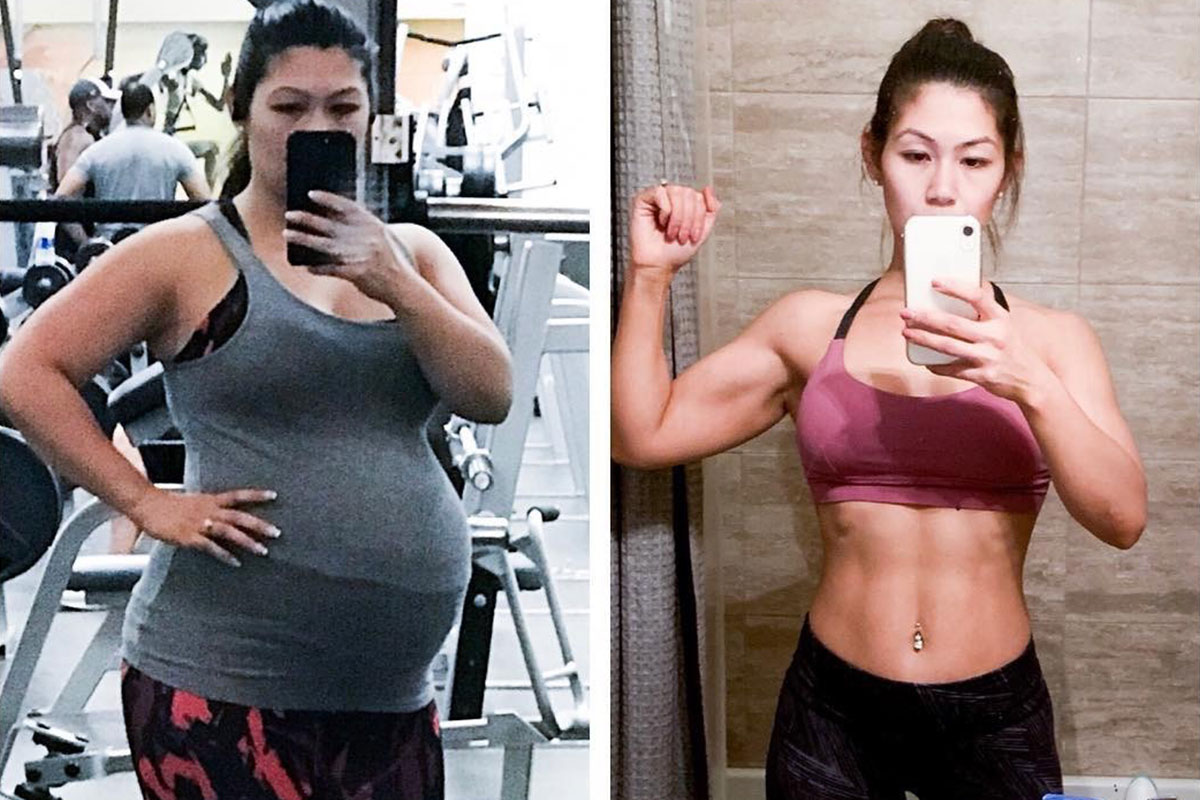
“Nothing worth having ever comes easy. There will be obstacles, nay-sayers and failures but with hard work and persistency success is possible.”
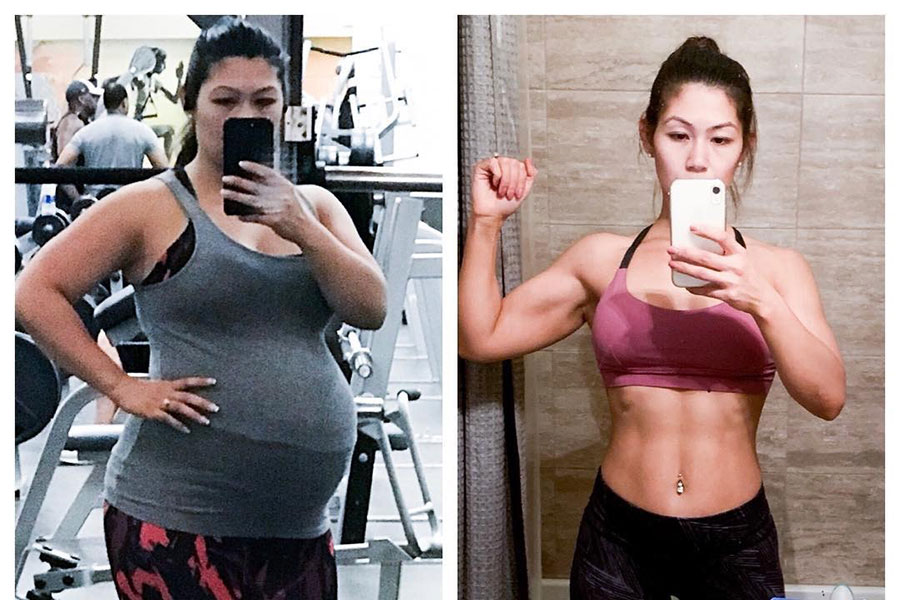
My name is Nastassja Williams. I switched over to LA Fitness from another big box gym after feeling ashamed and embarrassed after losing a lot of weight, only to gain it back a few months later. I was looking for a fresh start and LA Fitness was the perfect fit. I trained here in preparation for my wedding last year and for my entire pregnancy up until the day I gave birth. I like to think that staying active helped with my speedy 2.5-hour labor and delivery.
During pregnancy, even with working out and eating clean, I still gained 40 lbs. and was at my heaviest at 193 lbs.
After giving birth, I was determined to not only “get my body back” but to feel good inside and out and set an example for my daughters. I trained hard every day waking up at 4 am. In addition to being a full-time nurse practitioner, I am a wife and also the mother of a teenage daughter and newborn.
I am proud to say that I am 6 months postpartum, down 67 lbs., and have just competed in my first NPC bikini competition. The outpouring of love from family, friends, co-workers, strangers and postpartum mommies has been overwhelming and humbling.
I feel so compelled to share my story and let people know that anything is possible. I remember standing in the mirror one-week postpartum thinking that this would never be possible.
The most rewarding moment came last week when my teenage daughter woke up at 4 am and asked if she could join me at the gym then afterward said she had a good time and could we do it again. Now that moment right there made the ENTIRE journey worth it and I had the best workout ever.
My goal in life is to uplift and inspire the most important girls in my life – my daughters.
My fitness goal initially was to hit my pregnancy weight, then it changed to my ideal body weight of which I have now surpassed by 4 lbs.
My fitness goal now is to maintain. We all know that losing it is far easier than keeping it off. I try to set periodic goals for myself to prevent complacency. I have always wanted to participate in a triathlon. I plan to train for all aspects of that at LA Fitness.
My advice would be that nothing worth having ever comes easy. There will be obstacles, naysayers, and failures but with hard work and persistence, success is possible.
Disclaimer: Some slight edits may have been made for grammatical reasons and/or clarity.


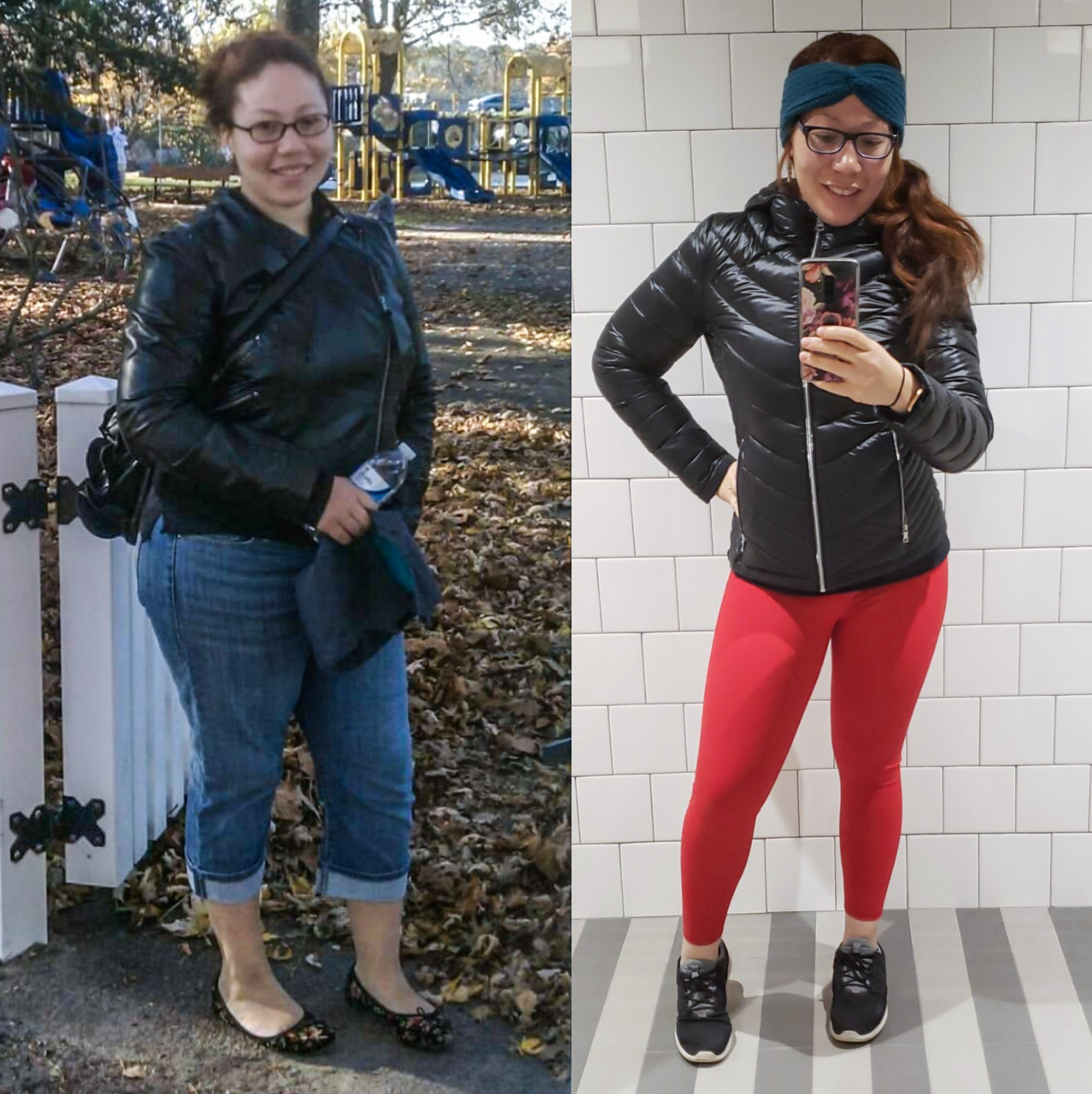
Waleska is a mom with 2 part-time jobs who had a love for chocolate. Despite the time constraints and sweet temptations, she lost over 60 pounds!
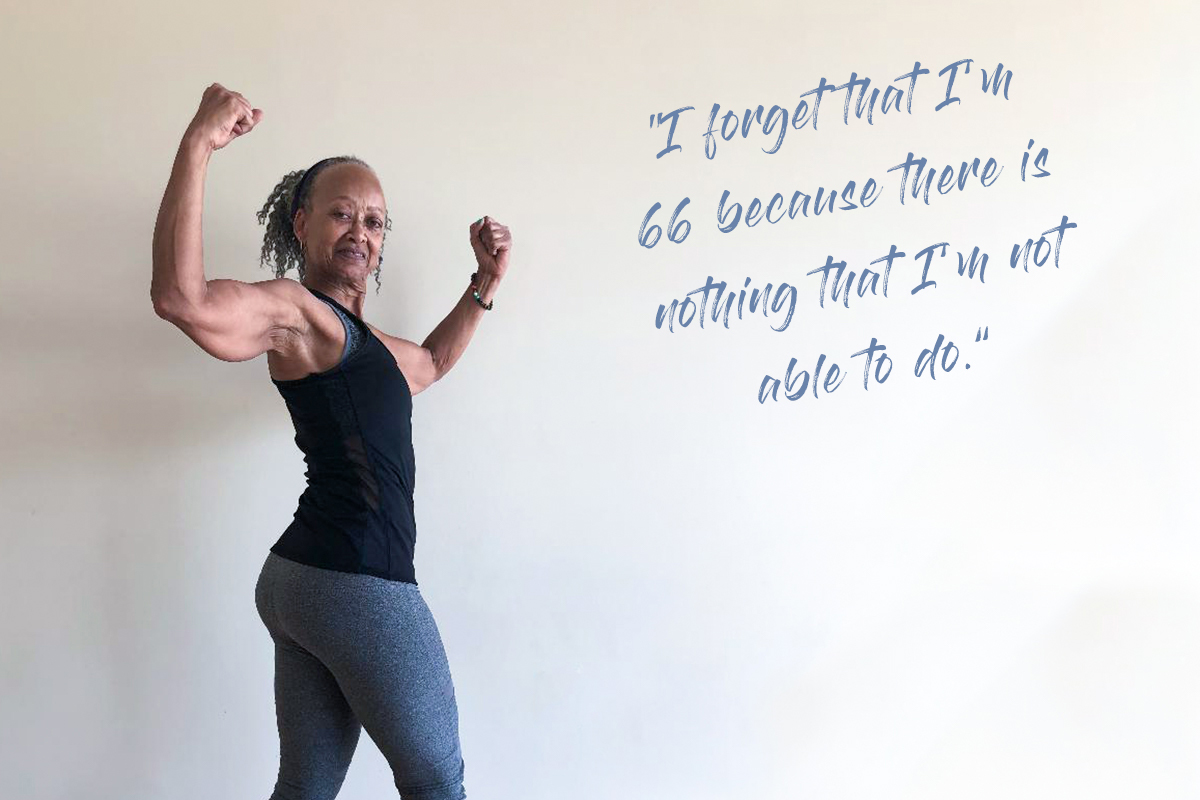
Many of us pair the idea of aging with decreased mobility and various aches. Yet, Patricia’s story shows us just how wrong that notion can be.

Ann shares how, despite back problems, strokes, and surgeries, she is well on her way to achieving her goal of losing 90 to 100 pounds!
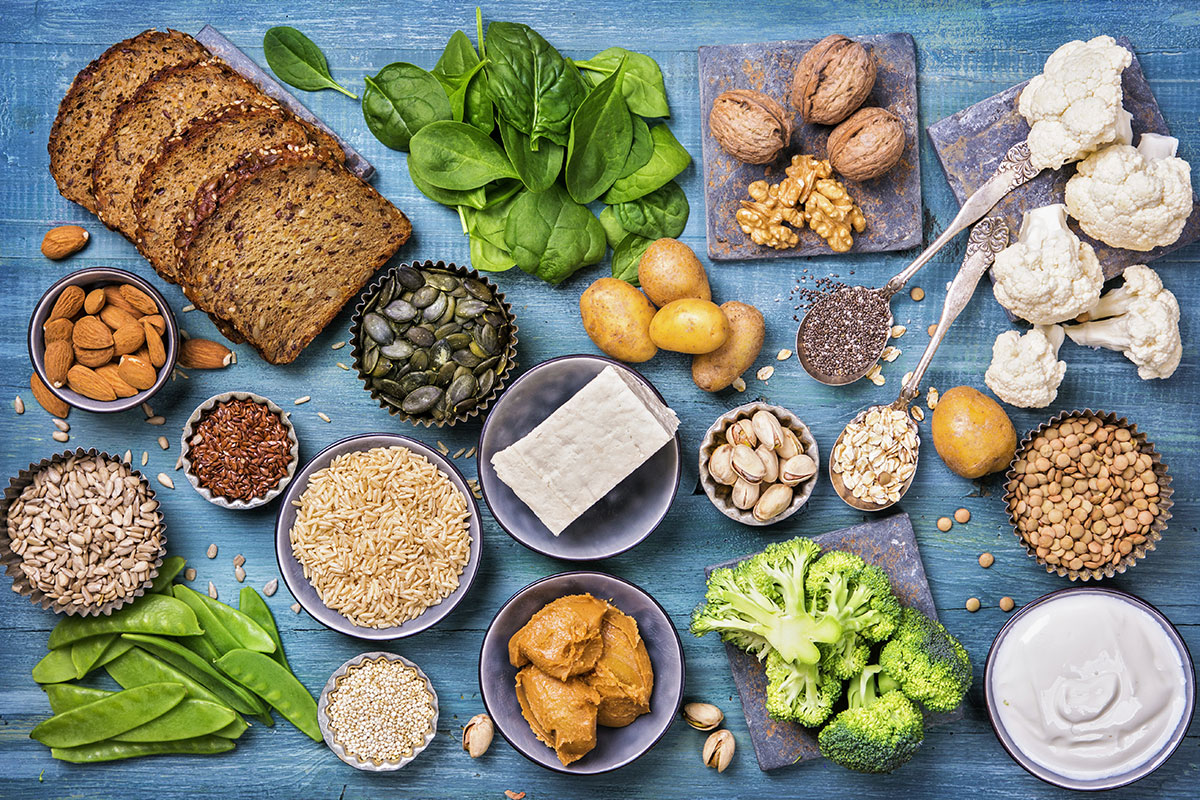

I am a raw vegan. I don’t eat any processed foods such as bread, pasta, crackers, etc. I also cook my food at a certain temperature (not over 120 degrees). I fast (for religious reasons) very frequently. Currently, I am fasting from 8am-8pm for the next two weeks. Goals: To lose weight. Maintain a consistent diet whether I’m on a fast or not.
– Cassandra D.

Hi Cassandra, if you’ve been following your raw vegan lifestyle and practicing fasting for some time, I’ll admit you have one up on me! I am no stranger to helping someone plan a nutritionally adequate raw vegan diet, but your situation is intriguing since you also want to lose weight while maintaining consistency around fasts.
It seems to me that achieving consistency, fasting or not, necessitates consuming the same volume of food daily/weekly but in the acceptable time parameters. Eating everything one would normally during the day but doing so before 8am and after 8 pm means two bigger meals. Certainly attainable if you really need to avoid the weight fluctuations that typically accompany fasting. Better that than overnight or end-of-fast binges that overcompensate for what’s missed!
We don’t provide personalized diet plans here, sorry. In addition, I would need to meet with someone one-on-one for individualized meal planning with the appropriate combinations and portions for her nutritional needs. A search at www.eatright.org/find-an-expert can locate an available Registered Dietitian Nutritionist specializing in vegetarian nutrition, although you may have to dig a bit deeper to find one that can help with your situation. Overall stick to the foods you’re comfortable with which I hope include a lot of leafy greens, sprouts, soaked grains, sprouted legumes, nuts/seeds, vegetables, and fruit, plus avocado, coconut, fermented foods, and cold-pressed oils. Of course, drinking a sufficient amount of permitted beverages during daylight hours while fasting is a must.
– Debbie J., MS, RD
This article should not replace any exercise program or restrictions, any dietary supplements or restrictions, or any other medical recommendations from your primary care physician. Before starting any exercise program or diet, make sure it is approved by your doctor.
Some questions have been edited for length and/or clarity.
 Have a nutrition question? Our registered dietitian is ready to help!
Email nutrition@lafitness.com or submit your question below and it may be featured in an upcoming article!

Most comfort foods we turn to are heavily laden with fat, starch and calories. There are healthier ways to enjoy down-home classics by making a few tweaks.

Good nutrition is all about variety! Browse through our list of unusual fruits and veggies and give yourself a chance to try something new.

Does liberally salting your food help you pump more iron in the gym? Registered Dietitian, Debbie James, investigates the claims!

Cue the Beach Boys music, grab your surfboard, and get ready for some sun-kissed skin and long summer nights!
Summer is just around the corner, and while most of us have been working hard to get beach body ready, it’s just as important to make sure our skin is summer sun-ready.
The sun’s ultraviolet (UV) rays can not only cause pain-inducing sunburns, but they can prematurely age the skin! This can leave behind wrinkles, a loss of skin elasticity, and reverse all the hard work you’ve put into maintaining a youthful appearance – but fear not. We have a solution.



Have fun this summer and use these tips to help protect you and your loved ones from unneeded sun damage.
How do you and your family and friends plan on spending your summer time? Share your comments with us in the section below!
References:

The Holiday Season can get stressful, so we may stick to a routine for the sake of easy planning. Try any of these 10 simple ideas to bring new life to your Thanksgiving celebrations.

By now, you may have seen some donation boxes at your local LA Fitness. If you haven’t been entirely sure what those boxes are all about, you’re in the right place!
Most comfort foods we turn to are heavily laden with fat, starch and calories. There are healthier ways to enjoy down-home classics by making a few tweaks.

I’m a type 1 diabetic. I need to work on my stomach. Should I eat a meal before attempting this or wait till I finish then eat my meal?
– rgates2940
I will have to rely on the famous phrase, “It depends.” When you’ve eaten last, what you ate, your last insulin dose and type, your current blood glucose level, and the expected walk/gym exercise intensity and duration will all dictate the best timing of your meal. Adding exercise to an otherwise presently stable day will draw energy, increase insulin sensitivity and promote blood sugar uptake into cells. Because diabetes mellitus type 1 responses to exercise include blood sugar lows, you should take proper precautions and be prepared to treat hypoglycemia.
Start recording your blood sugars before, during and after exercise so that you can better predict when you need a snack. Share your record with your endocrinologist (or healthcare professional) whose guidance regarding blood sugar management you should follow. You can also receive personalized medical nutrition therapy from a Dietitian who’s also a Certified Diabetes Educator for the exact volume and timing of your pre/post workout meals.
Sources:
– Debbie J., MS, RD
This article should not replace any exercise program or restrictions, any dietary supplements or restrictions, or any other medical recommendations from your primary care physician. Before starting any exercise program or diet, make sure it is approved by your doctor.
Some questions have been edited for length and/or clarity.
Have a nutrition question? Our registered dietitian is ready to help!
Email nutrition@lafitness.com or submit your question below and it may be featured in an upcoming article!
Most comfort foods we turn to are heavily laden with fat, starch and calories. There are healthier ways to enjoy down-home classics by making a few tweaks.
Good nutrition is all about variety! Browse through our list of unusual fruits and veggies and give yourself a chance to try something new.
Does liberally salting your food help you pump more iron in the gym? Registered Dietitian, Debbie James, investigates the claims!
Welcome to the 25th episode of the Living Healthy Podcast, presented by LA Fitness.
On this episode of the Living Healthy Podcast, we speak with LAF Personal Training Director, Tristen Alleman, and LAF Registered Dietitian, Debbie James, as they share their expert advice on how to gain weight the healthy way. This episode is for anyone that’s ever been curious about how they can add lean muscle, and increase body mass, without adding the unhealthy type of body weight. We approach this from both the fitness side of things and nutritional side, to help those struggling with weight gain, find a healthy and balanced way to do so with their training and nutritional routines.
How Are We Doing?
This podcast should not replace any exercise program or restrictions, any dietary supplements or restrictions, or any other medical recommendations from your primary care physician. Before starting any exercise program or diet, make sure it is approved by your doctor.
Introduction
Begins at 0:01
Introduction of LAF Personal Training Director, Tristen Alleman, and LAF Registered Dietitian, Debbie James
0:22
What Would Someone Want to Add on Weight or Muscle?
0:32
Do You Have to Increase Your Caloric Intake to Gain Weight?
2:36
How Does Strength Training Help Build Muscles?
4:50
What Foods Are Good to Eat on Cardio-Focused Work Out Days?
4:16
How Many Days Per Week Should You Strength Train?
7:02
Austin, Our Skinny Colleague, Joins the Show (and Talks Food and Lack of Weight Gain)
8:43
Can Everyone Benefit from Adding Muscle onto Their Body? Or Only Bodybuilders?
14:42
Are Supplements Good or Bad When It Comes to Bulking?
16:36
How Much Protein is Too Much Protein?
19:00
Can You Gain Weight and Bulk as a Vegetarian or Vegan?
20:01
Are Full-Fat Products Always the Best Option for Weight Gain and Bulking?
20:40
Why Are Women Afraid of Gaining Muscle?
22:23
Actionable Advice
24:38
Outro
26:06
The Down Syndrome Ironman Chris Nikic attempts to be the first to complete an Ironman event with Down Syndrome. Welcome back to the Living Healthy Podcast! Today we’re going to be talking to an inspirational young man named Chris Nikic - The Down Syndrome...

Welcome to today's episode about "Your Relationship to Food." It's the 46th episode of the Living Healthy Podcast. On today's episode, we are discussing how you can honestly assess your relationship to food and how you can create a positive relationship to food...

We're "Trimming the Fat and Keeping the Muscle" on today's episode of the Living Healthy Podcast! On this episode of the Living Healthy Podcast, just in time for Thanksgiving, we learn about trimming or "cutting" the fat after you finish the bulking phase. This is...