From Craving Chocolate to Paving New Roads
Waleska is a mom with 2 part-time jobs who had a love for chocolate. Despite the time constraints and sweet temptations, she lost over 60 pounds!

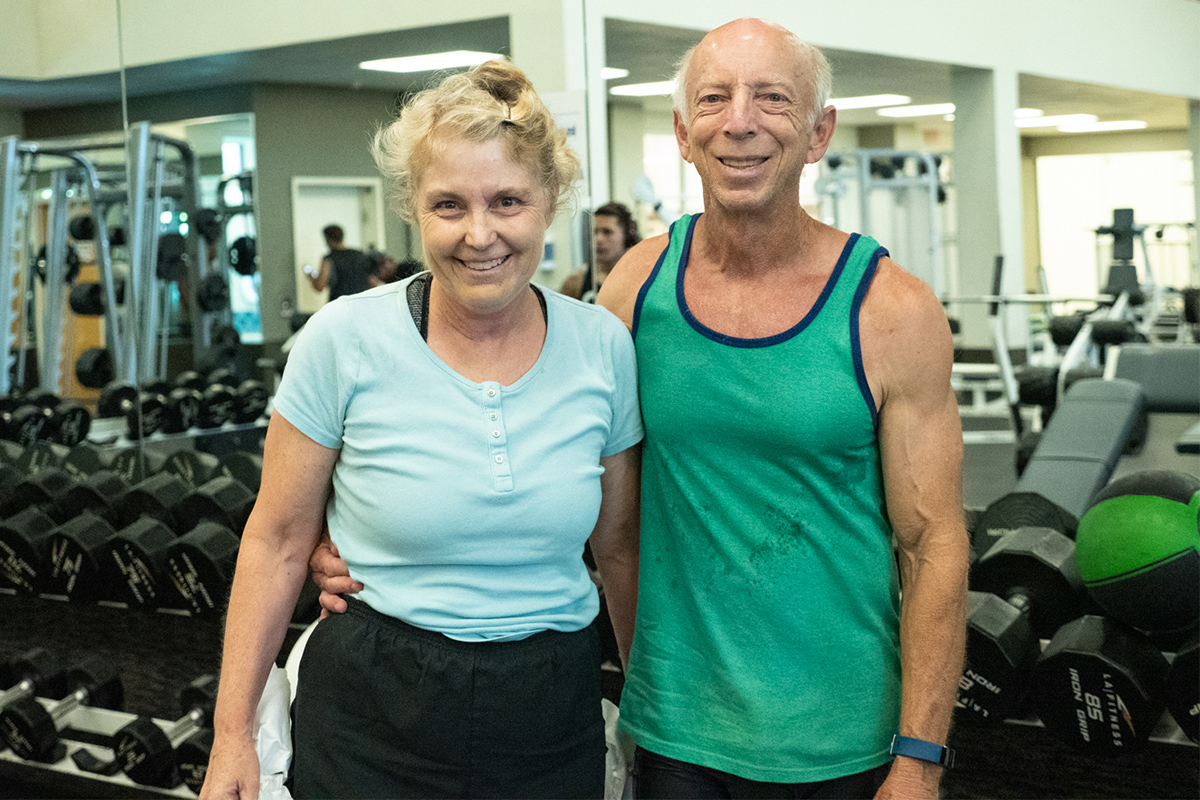
“If there is a fountain of youth, there’s a good chance it can be found (after a certain amount of sweating) within the walls of the gym.”
Paul and Karen have been members of LA Fitness for over 25 years and have lived an active lifestyle for even longer than that. We reached out to this inspiring couple to hear first-hand how they made fitness a priority and managed to maintain it as a lifelong standard.
Well before these two even met, they each enjoyed activities like swimming, jogging, cross-country running, and long bike rides in the city and by the river.
These weren’t any ordinary activities, however. Karen started swimming at age 6 and eventually joined her high school swim team, while Paul’s bike rides would typically be around 20 miles long!
In 1978, Paul was hit by a car on his bike ride home from work. He had his eyes set on a 10K that was merely a month from then, and though he had stopped running due to a cross country injury 7 years prior, he promised himself he would recover from the accident in order to run the 10K. He has been running ever since.

“Karen and I met at UCR where I had noticed her swimming and found out about a team triathlon coming up,” explains Paul. “She said she’d do the one-mile ocean swim in Baja on our team…We won that triathlon in 1982. Ever since, we have inspired each other to keep going and shared and traded our fitness ideas and commitments.”
Winning the triathlon was clearly only the beginning of a lifetime of setting and hitting fitness goals together, but it was never just about training for the races. Paul reminds us that together, they “have looked at fitness as a very important part of life in the very long run.”
“Probably the most unusual thing about both of us,” he says, “is that we both value health and fitness very highly and have for a long time, long enough ago that we can’t say when this commitment began.”
Over the years, Karen adopted some of Paul’s fitness routines, like lifting weights, and he adopted some of hers, like swimming. “In 1994, Karen had an opportunity to join LA Fitness (in Upland, CA) and she got me to join then too,” says Paul. “There was no LA Fitness near our home (in San Diego County) for another 8 years, but we used the Upland gym whenever possible, in hopes that someday one would open closer to us.”
To put this information into perspective, consider this very rough estimate: San Diego is about 116 miles from Upland. This means that in moderate California traffic, that drive can take over 2 hours!
To keep his exercise routine consistent, Paul continued to work out at UC Riverside. In the ‘70s, he took a weight class that utilized an old Universal all-in-one station. “My current routine may still have echoes of those early days,” he says.
“Later, when I had access to free weights and separate weight stations, I observed others and developed a routine that focused on my weaknesses and mixed up lifts so different muscle groups wouldn’t get overused. I added or modified lifts and the order I did things to get the most out of my time.”
When Karen graduated, she found a job and utilized her lunch times to swim or run. “Later, she attended various gyms (that are no longer in existence) near home when she had the chance. She has expanded and adjusted her weight program as well, finding a routine that fits her best.”

“Once our local LA Fitness opened in Vista, we were in heaven. Our formerly limited routine could be infinitely enlarged because of all the machines and range of weights and cardio equipment available. Karen found much more suitable machines for her and continues to add or adjust her program. I have done the same.”
At this point, Paul and Karen were able to add a core weight and a core cardio routine to their gym sessions. They complete their weight circuits twice a week and do various cardio workouts 4 days a week. “We don’t do cardio and weights on the same day,” clarifies Paul, because that would mean “we would have to reduce the intensity of both if we had to do both in one session.”
“Here is where we might be different than most people,” says Paul. “We like cardio and we push hard. We attend one spin class each week and run once a week. Karen likes the different elliptical machines and will use the pool, while I will go between the stationary bike, rowing machine, and elliptical machines.”
For the most part, Paul and Karen work out 6 times a week and have been doing so for years. Still, “we look forward to our trips to the gym as much as ever.”
As regular gym-goers, Paul and Karen have come to know many people at the gym who they’ve become close friends with over the years. “Even the maintenance guy at our gym often seeks us out to ask how the machines are doing,” Paul says.
“Having been doing fitness for so long, age has become a slight modifier as well. Neither of us can run or swim as fast as we could in our invincible 20s, but surprisingly we can do just about everything we ever have, with little change over time. We still challenge ourselves and will increase a weight every now and then. Karen and I do bench press together, and have fun encouraging each other (and now our sons, who also are members).”
If there was one thing these two enjoy most about working out, “it would probably be the satisfaction of knowing that we are doing the most important thing we can do to maintain a high level of health. We are evading a lot of problems people acquire as they get older mainly because we are serious about staying as fit as we can. If there is a fountain of youth, there’s a good chance it can be found (after a certain amount of sweating) within the walls of the gym.”
Perhaps a great advantage is in the fact that they share the same love for fitness and healthy living. “We have met a lot of people at the gym who wish their significant other was there with them,” explains Paul. “Without that encouragement it must be a lot harder to maintain what should be a lifelong commitment. We both willingly set aside the time to work out and understand how important it is for both of us.”
In addition to working out together, they also work out alone. They make sure to do what they individually need to do in the gym and will help each other on certain equipment throughout their exercise.
“If there could only be one piece of advice, it would be: Make fitness an essential part of life.
The unsaid corollaries of that statement would be ‘Don’t quit, ever!’ and ‘Do a lot of cardio, and a lot of sweating.’”
It may be easier said than done, but Paul and Karen have proven that despite injury, regardless of age, and with the support of like-minded support systems, maintaining an active lifestyle is possible and enjoyable! You just need to find what works for you and keep driving yourself forward.
Do you have an inspirational story you’d like to share with us? Email us at blog@lafitness.com for a chance to be featured in an upcoming post!
For length and clarity, minor edits – none of which alter the original or intended meaning – have been made to the quotes provided.
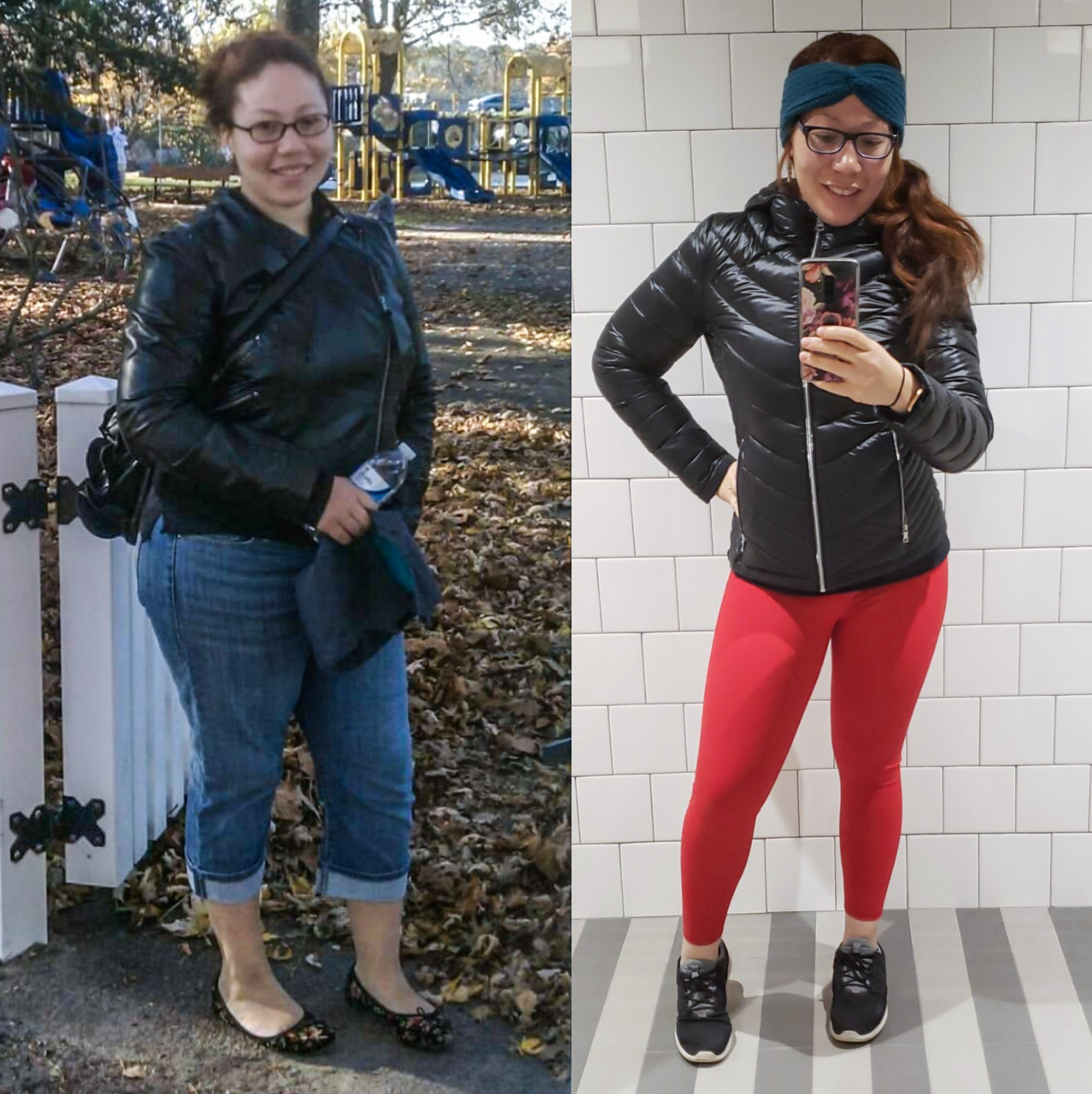
Waleska is a mom with 2 part-time jobs who had a love for chocolate. Despite the time constraints and sweet temptations, she lost over 60 pounds!
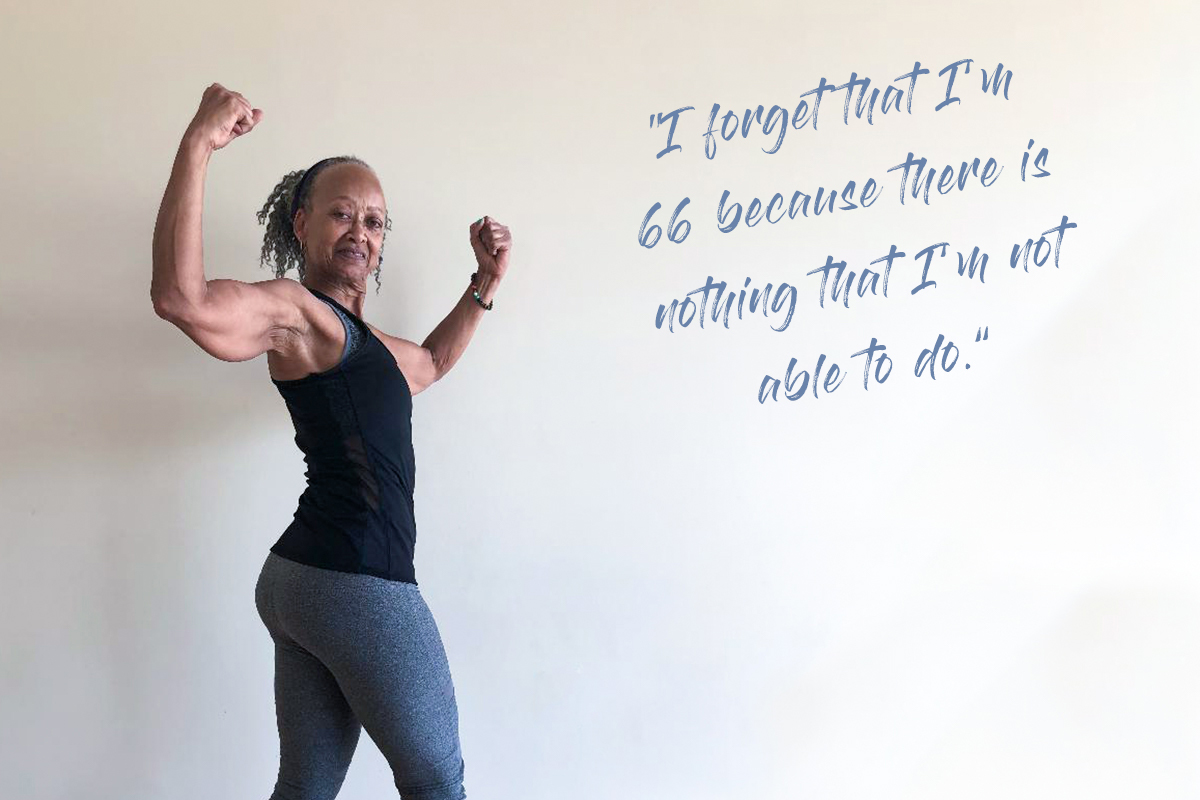
Many of us pair the idea of aging with decreased mobility and various aches. Yet, Patricia’s story shows us just how wrong that notion can be.

Ann shares how, despite back problems, strokes, and surgeries, she is well on her way to achieving her goal of losing 90 to 100 pounds!

Mason Jars became popular in 1858 when John Landis Mason invented an alternative for food preservation that was easier and more effective than the current methods.1
Before these versatile glass containers became used for everything from food storage to decorative flower vases, they were the hottest new design that simplified your kitchen creations.
The biggest innovations were the airtight lid that kept air, bacteria, and bugs out of your food, and the clear glass that allowed you to view the contents without having to break the seal.1
Today, these jars have more uses than we can count. In observation of National Mason Jar Day, we’re giving you a list of 10 ideas to put your mason jars to good use.

Nightlight
A simple string of lights can be bundled and placed inside a mason jar for a DIY nightlight. The result of this easy project is a warm household addition that is reminiscent of catching fireflies in a jar.
Don’t be fooled by the utility of a nightlight either! They can be great tools for better sleep because they disrupt your circadian rhythm less than a light of regular brightness.

Candle Holder
Use these jars without the lid to craft some rustic candle holders. All you need are a few tealight candles to take these jars from ordinary to beautifully functional.
Use them for a romantic evening in, as evening party decorations, or as accents on your holiday table setting.
Salads
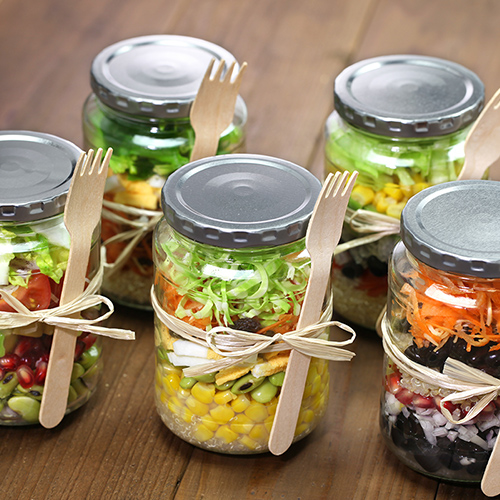
When building a salad in a jar, the results can be colorful and appetizing, but does it work? Our guess is that it can be helpful to have a glass jar, especially if you like to use acidic salad dressings. The glass won’t absorb and pass along the flavors to your next meal and the airtight seal can help keep your veggies fresh.
When putting together your ingredients, you’ll want to pour the dressing first and add your heaviest ingredients next. Beans, corn, and other non-absorbent ingredients help separate your dressing from lighter ingredients that can wilt. When it’s time to enjoy your creation, shaking the contents out into a bowl helps distribute the dressing across the contents.

Infused Water
Water is necessary for our bodies and for some reason we can be very good at depriving ourselves of it. Fortunately, someone decided it would be a good idea to infuse water with the fresh, crisp flavors of different fruits and herbs.
Now that we’ve been enlightened, we can enjoy the refreshing relief of a cool drink of water in dozens of flavorful ways. Mason jars are, again, a great way to infuse your water because they are compact and can also serve as your drinking glass.

Iced Coffee and Tea
Iced tea is made even simpler by using a mason jar because it can be prepared overnight. You can steep a tea bag in cold water, refrigerate it the night before, and it’ll be ready for your grab-and-go morning.
Cold brew coffee concentrate can be diluted with water and then mixed with cream, sugar, and any spices you like to customize your drink. This one may not taste the same if prepared the night before but using a glass mason jar is a fun way to show off your expert coffee making skills.
Oatmeal and Parfaits
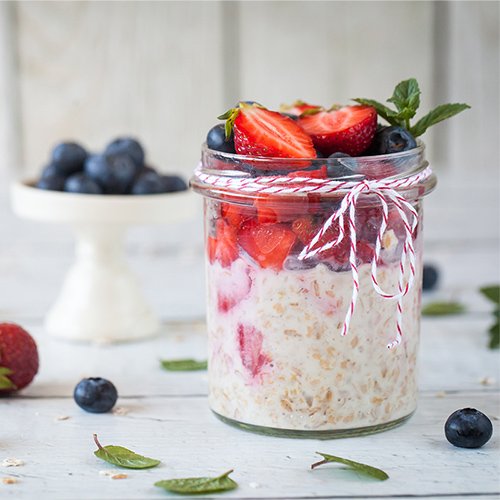
While we’re on the subject of overnight prep, overnight oats are another great option. Not only do they have a lot of great health benefits, you can take their flavor in so many different directions. You can also layer some fruit, yogurt, and granola for another tasty morning meal.
Preserves and Pickled Foods
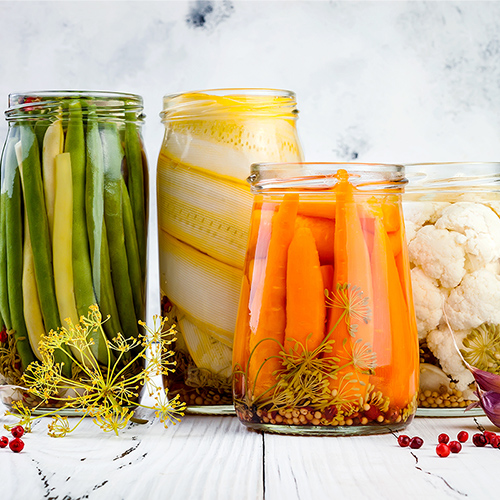
We can’t talk about mason jars and ignore what they were initially invented for. Take “homemade” to the next level and try making your own pickled fruits and vegetables, and toast-worthy jams.
If you “quick pickle,” you’re essentially soaking your chosen fruits or veggies in a mixture of vinegar, water, and salt. This method requires you to refrigerate the jars. To properly pickle, the process is more labor intensive and requires a lot of boiling, transferring, and testing. This step-by-step instruction by Epicurious can help you pickle pickles that can be stored up to 1 year without refrigeration.
Dry or Fresh Herbs and Spices
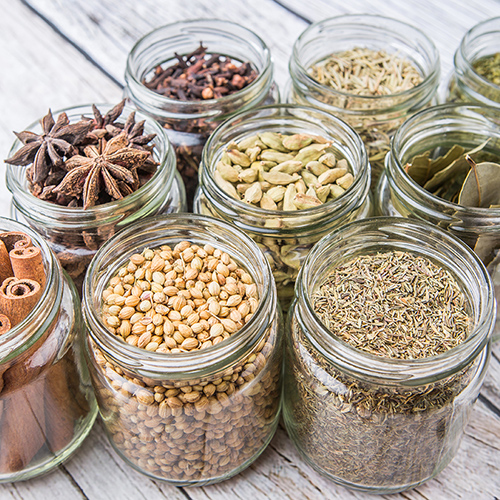
Dry herbs are great to buy in bulk because they will keep for a long, long time. Store them in small to medium sized mason jars to easily see what you have on hand and for simplified stacking in your pantry or cupboard.
You can also use the jars as mini planters where you can keep fresh herbs to grow in your kitchen. Be careful not to over water them because, as you know, mason jars don’t have holes for water drainage. You don’t want to risk root rot and you probably don’t want to try creating your own holes in the jar.
Nuts, Seeds, Rice, and Beans
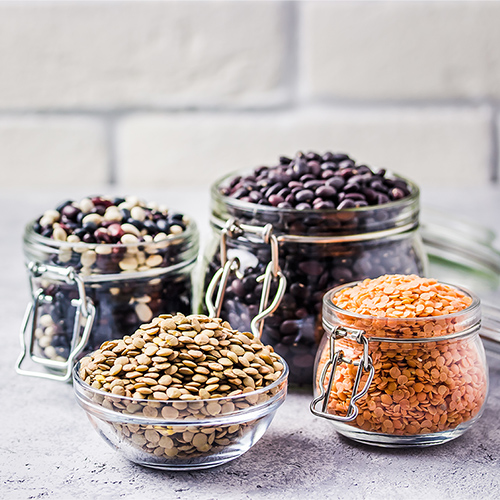
Preserve the crunch of nuts and seeds and the freshness of rice and beans by storing them in a mason jar. These can also be purchased in bulk, and if you’re trying to minimize your impact on the environment, you may already have reusable grocery bags. Make sure your grocery bags are available for your next shopping trip by storing your previous purchases in mason jars!

Original Gift Giving
Do you have a recipe everyone loves, and you’d like to gift the tasty treat without giving away your secret recipe? Assemble a festive mason jar complete with all the ingredients for your famous hot cocoa, brownies, cookies, or other baked good.
This works best when you have dry ingredients because you won’t need to refrigerate your gift. Making these yourself, as opposed to buying the store-bought versions, is also great because you can substitute high calorie ingredients and sugar for other components. You can still gift the flavors of the season but without compromising your own or the health-conscious lifestyle of your recipient.
For more snack time ideas for your mason jar, check out our dietitian’s suggestions to this reader’s question about energy-boosting snacks. To access our monthly blog post highlights, subscribe to our newsletter today!
Sources


I have a question about gut health. How good are probiotics and is it safe to take Acidophilus every day? How does it help the body? Is it better than taking a laxative? Thanks!
– Myra

I count lots of questions, so we’ll tackle them one at a time!
1. Probiotics’ benefit: True probiotic microorganisms are very beneficial, provided that they are in adequate amounts of verified strains shown to have effect. That means certain probiotic sources/foods are good1, while others might be duds whose bacterial colonies simply don’t form significantly stable populations in the human gut2. The term “probiotic” is often misapplied to products.
Positive effects on health may include immune stimulation, prevention of infection, promotion of regularity, relief of inflammatory bowel disease, cancer suppression, and modulation of brain activity, promoting mental wellness2,3. See www.USProbioticGuide.com for a list of commercial products and the level of evidence for their probiotic strains’ application in certain conditions.
2. Acidophilus safety: Lactobacillus acidophilus is a type of bacteria found in your intestines and in several fermented foods such as yogurt, keifer, sauerkraut and tempeh. As a supplement, daily consumption is considered generally safe1,4, but may contribute to constipation4 and other digestive complaints, so monitor for side effects.
3. Acidophilus effectiveness: L. acidophilus supplementation may protect against traveler’s diarrhea, have anti-fungal activity, and prevent bacterial UTI and vaginal infections3,4. Those wishing to take this probiotic in supplement form should find one with at least one billion CFUs per serving.
References:
– Debbie J., MS, RD
This article should not replace any exercise program or restrictions, any dietary supplements or restrictions, or any other medical recommendations from your primary care physician. Before starting any exercise program or diet, make sure it is approved by your doctor.
Some questions have been edited for length and/or clarity.
 Have a nutrition question? Our registered dietitian is ready to help!
Email nutrition@lafitness.com or submit your question below and it may be featured in an upcoming article!

Most comfort foods we turn to are heavily laden with fat, starch and calories. There are healthier ways to enjoy down-home classics by making a few tweaks.

Good nutrition is all about variety! Browse through our list of unusual fruits and veggies and give yourself a chance to try something new.
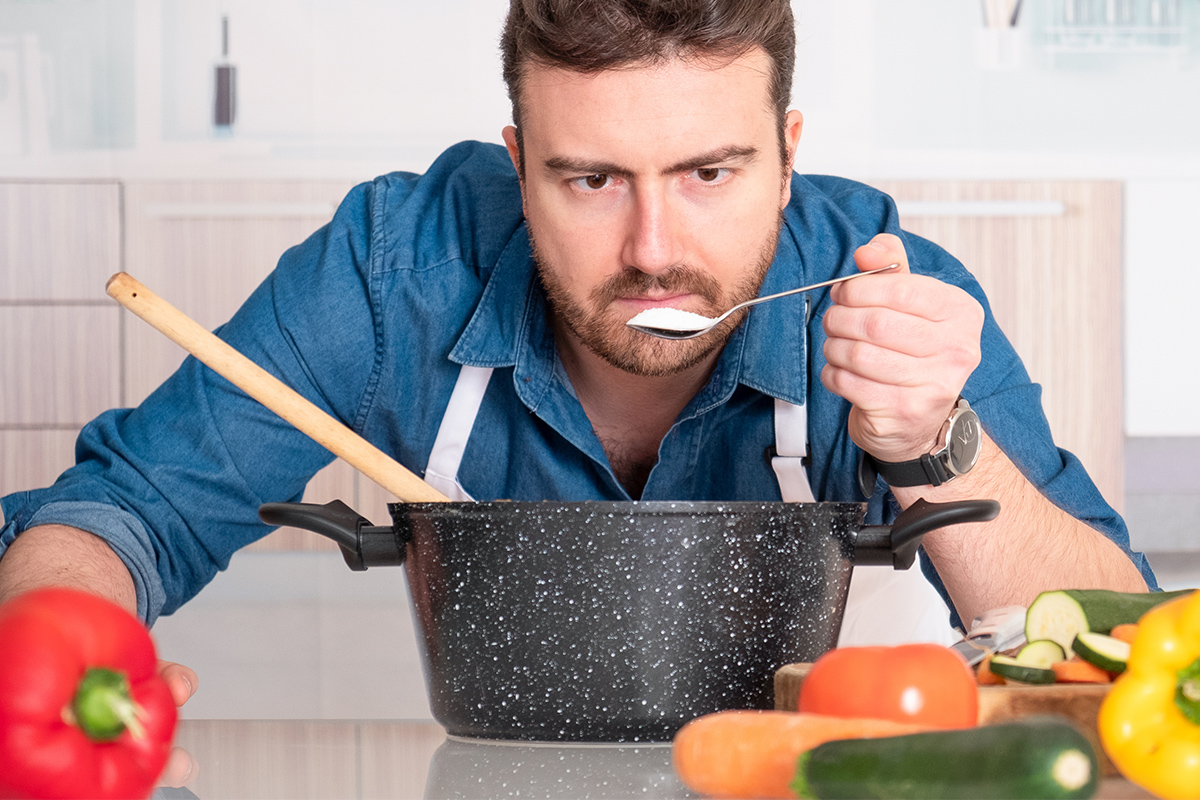
Does liberally salting your food help you pump more iron in the gym? Registered Dietitian, Debbie James, investigates the claims!


Body Mass Index (BMI) is an indicator of the amount of body fat for the average person. It’s used as a tool to identify if an adult is at a healthy weight and healthy body fat level.
Before we dive into BMI, let’s first review the benefits of maintaining a healthy weight:
These are just a few of the benefits of maintaining a healthy weight, but what does BMI have to do with your weight and what does it mean?
For years, BMI has been used by healthcare providers as a measurement to define if a person has too much body fat, and if so, whether it “presents a risk to health.”1
Since we know maintaining a healthy weight is beneficial for your health, let’s take a look at how to calculate body fat by just using your weight and height.
Calculation: Divide a person’s weight in pounds, by their height in inches. Divide the answer by height in inches. Multiply the answer by 703 (703 is the conversion factor to change units from metrics (meters and kilograms) to imperial (inches and pounds).
Example: Weight is 140lbs and Height is 5’7” or 67in
140lbs / 67in = 2.089
2.089 / 67in = .0311
.0311 x 703 = 21.9
BMI = 21.9

BMI is not a perfect measure and everyone’s body composition is different. BMI is a simple tool of weight-for-height and everyone’s height and weight varies. Therefore, this means BMI is not directly measuring body fat.
Muscle and bone are denser than fat, which means BMI is not accurately addressing body fat. If an athlete or a muscular person calculated their BMI, their BMI might be high because they have more muscle.
According to BMI calculations they would be considered overweight, however, they don’t have too much fat on their body. Since most people are not athletes, BMI might be a good gauge for body fat.

So, what does this mean for you? The World Health Organization states that a healthy BMI range for adults is between 18 and 24.9. Overweight range for BMI is between 25 and 29.9, and obesity range for BMI is 30 or higher.1 These BMI ranges in adults are the same for men and women, regardless of their age.
How should you use BMI? Use it as a gauge or a measure. Our very own LA Fitness Registered Dietitian has some helpful tips on lowering BMI; read about it here.
If you would like to take your health and body composition to the next level, let us help you achieve your goals with our Pro Results® certified personal trainers. Pro Results® trainers can help identify your personal fitness goals and design a customized workout plan to reach those goals.
When you make an appointment to start your fitness assessment, it will cover:
SOURCES

November 25th is the International Day for the Elimination of Violence Against Women.
As a health and fitness blog, our usual focus is on physical health, giving you the resources to feed your body in healthy ways and engage in heart and brain-healthy work outs. To a lesser but equally important extent, we also break into mental, social, and emotional health.
Today we touch each of these elements of total wellbeing by talking about what happens when women are exposed to violence. Not only is it a matter of physical safety, but a matter of psychological, emotional, and social welfare.
Observing this day affords us the opportunity to recognize a problem that affects an alarming number of women worldwide, and to express our solidarity with all victims of violence.

Consider that women who experience violence may need medical care and/or mental health services. Now consider that they may have children who witnessed or were affected in other ways by this violence who are now also in need of care to address trauma, behavior issues, and other potential concerns. This builds a harmful cycle of violence and trauma that can continue for generations.
In addition to perpetuating this cycle, violence against women is significant enough to have an impact on systems like healthcare and social services.
Looking strictly at the economic side of things, the impact on health and social services amounted to over $8.3 billion as a result of domestic violence in 2003.6

To help focus our discussion, we will narrow our attention down to domestic violence. It is not strictly violence within an intimate relationship but can also refer to violence within families.
Additionally, because it is not just women who are on the receiving end of domestic violence, we would like to offer information than can benefit everyone by looking into the signs and symptoms of a potentially toxic relationship.
According to PsychCentral, these are some of the potential indicators of psychological abuse within a relationship:
If you, or someone you know, needs help, you can browse through resources by state, here.
The National Coalition Against Domestic Violence offers more diverse resources, including information about the National Domestic Violence Hotline the National Dating Abuse Hotline, the National Sexual Assault Hotline, and the National Suicide Prevention Hotline, to name just a few.

Don’t blame the victim, even if they flat out say “It was all my fault.” Remember that signs of abuse often include feelings of guilt or responsibility for the situation. Instead, make sure they know it’s not their fault.
Be a safe space for them. Leave your judgement at the door and simply listen.
Offer to call a helpline with them.
Create a safety plan. A safety plan can consist of a meeting place, agreeing on a safe word, a specific number of phone calls to alert you that something is wrong, and more.
For more thought provoking posts, look for topics like our article on Mental Health Stigma or, help calm anxiety and ease stress by reading our 5-Minute Guided Relaxation post. To access our monthly blog post highlights, subscribe to our newsletter today.
SOURCES