Your Guide to Creating Your Own Meal Plan
Any good workout plan needs a good nutrition plan. We've compiled the best advice from our RDN, Debbie James, to help you construct your perfect meal plan.

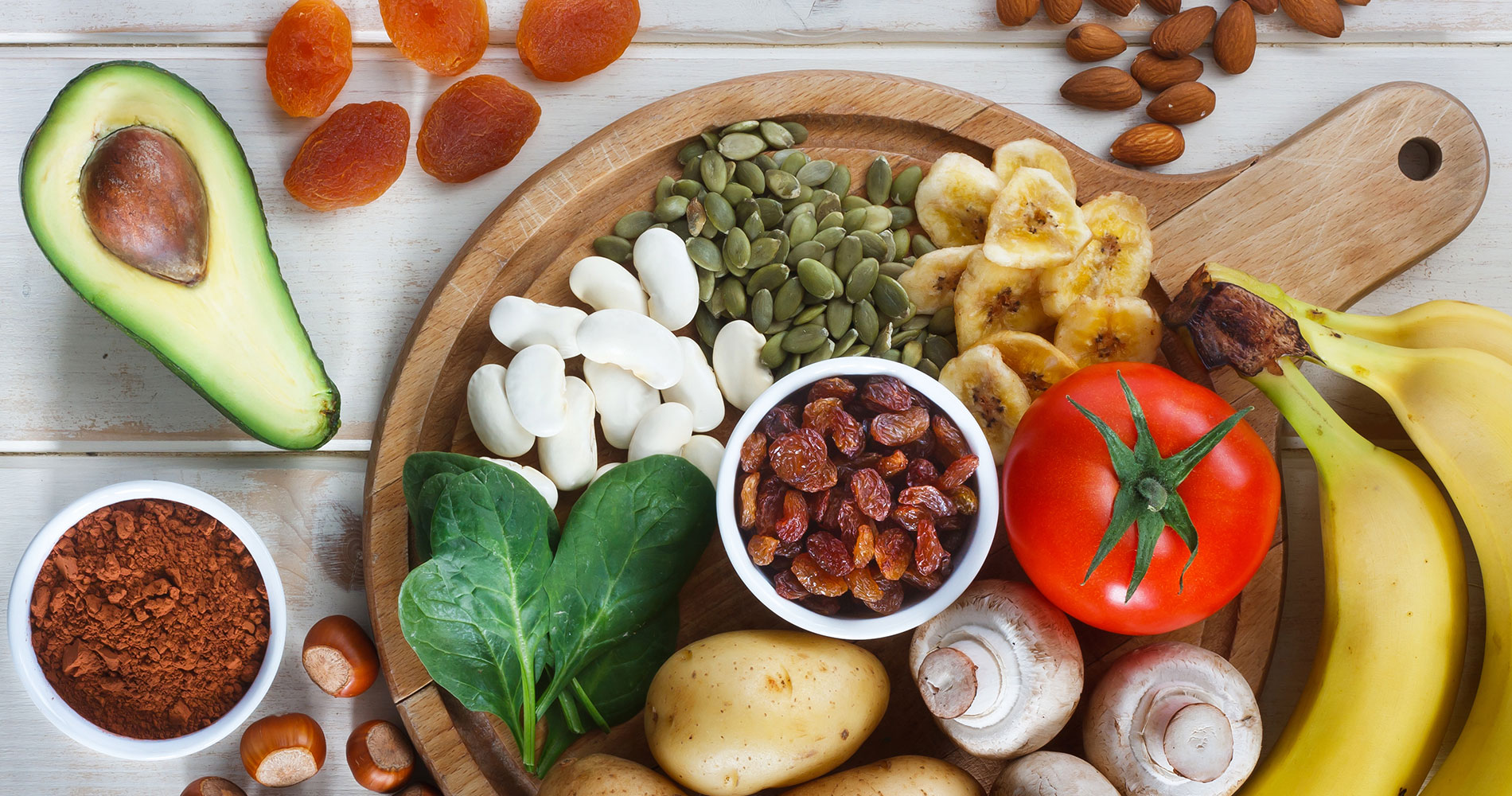

I have a potassium level of 6.0 and my doctor says I need to consult a nutritionist to fix my diet. I have a pretty simple diet day in and day out, coffee and a bagel with the cream cheese and lox for breakfast, a fresh salad with tomatoes, cucumber, radish, green onions and sour cream early afternoon, and a sandwich either with tuna salad or pastrami and V8 juice in the late afternoon. I don’t see how that can affect potassium level. I would appreciate your professional opinion on the subject. Thank you very much in advance.
– Leonard G.

While I can’t provide you individualized treatment recommendations through this forum, I will address a low-potassium diet for hyperkalemia in general. Always follow the advice of your physician. For personalized medical nutrition therapy, please visit a registered dietitian nutritionist. Find one through the Academy of Nutrition and Dietetics here.
The potential potassium content of a day’s intake with only 12 fl oz black coffee, 3 oz bagel, 2 oz lox, 2 tbsp cream cheese, salad (w/ tomato, cucumber, radish, green onion & 2 tbsp sour cream), tuna salad sandwich on wheat bread, and 12 fl oz V8 juice would be in the range of 1,500-2,000 milligrams, which is compatible with a low-potassium diet. Of course, your intake would be greater if your portions are greater.
Lists of high and low potassium foods are offered by the National Kidney Foundation. Look for areas you can reduce your intake further. Vegetable juice is listed as high potassium, whereas apple, kale, and celery are listed as low potassium. You could juice those three together for a lower potassium late afternoon drink.
– Debbie J., MS, RD
This article should not replace any exercise program or restrictions, any dietary supplements or restrictions, or any other medical recommendations from your primary care physician. Before starting any exercise program or diet, make sure it is approved by your doctor.
Some questions have been edited for length and/or clarity.
 Have a nutrition question? Our registered dietitian is ready to help!
Email nutrition@lafitness.com or submit your question below and it may be featured in an upcoming article!

Any good workout plan needs a good nutrition plan. We've compiled the best advice from our RDN, Debbie James, to help you construct your perfect meal plan.
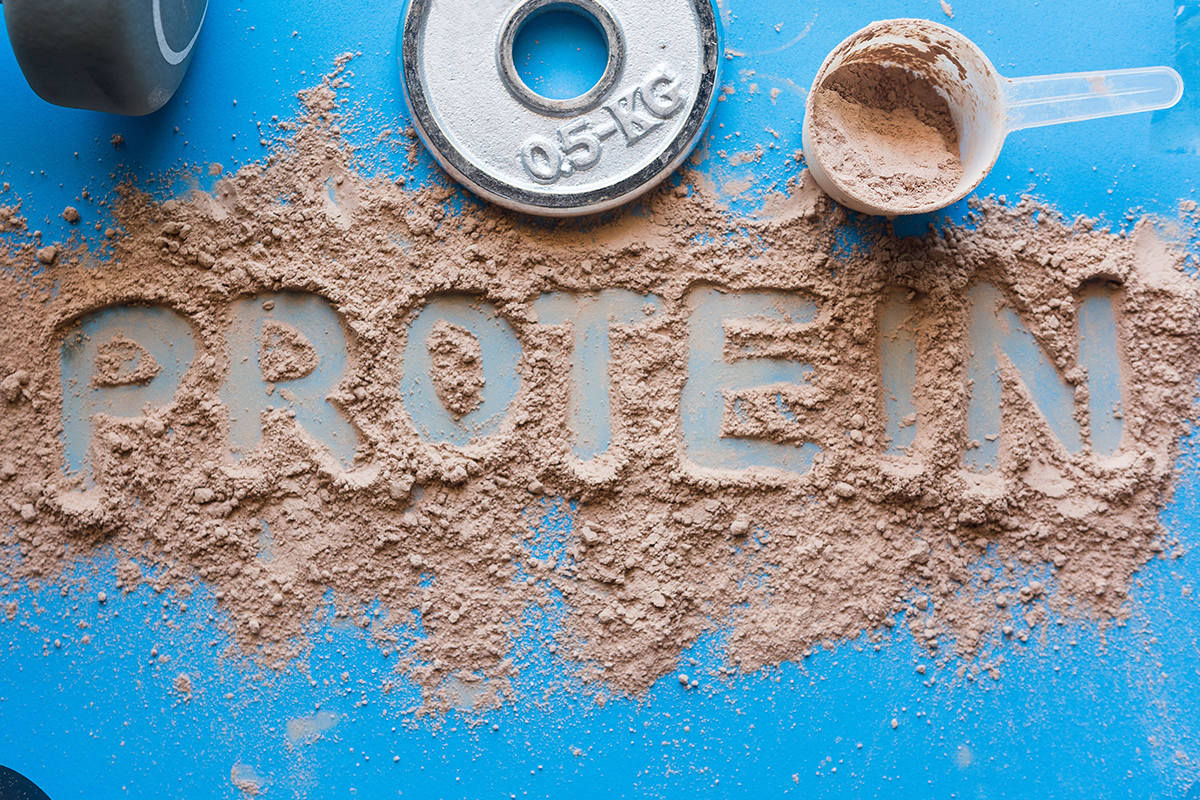
Debbie James, RDN, helps answer a reader’s question about how much protein is too much for the body to process.

Debbie James, RDN, helps answer a reader’s question on breakfast and working out.
Welcome to the 1st episode of the Living Healthy Podcast, presented by LA Fitness!
Welcome to the launch of the Living Healthy Podcast presented by LA Fitness! We’re excited to have you join us as we speak with experts in the fields of fitness and nutrition and share with you some incredible member stories. On this episode of Living Healthy, we talk with registered dietitian Debbie James and discuss the TOP 5 Myths of Nutrition that you may be surprised to learn about.
Timecard Markers

How Are We Doing?
This podcast should not replace any exercise program or restrictions, any dietary supplements or restrictions, or any other medical recommendations from your primary care physician. Before starting any exercise program or diet, make sure it is approved by your doctor.

On this episode of the LHP, we bring back a favorite to the show, LAF RDN, Debbie James! We talk all about one of everyone's guilty pleasures, fast food.

On this episode of the LHP, we speak with LAF, Personal Training Director, Mark Joseph de Guzman, who educates us on the importance of strength training.

On this episode of the LHP, we speak with Debbie James, RDN, and LAF Master Trainer, Heather Edson, on ways to stay healthy and fit this holiday season!
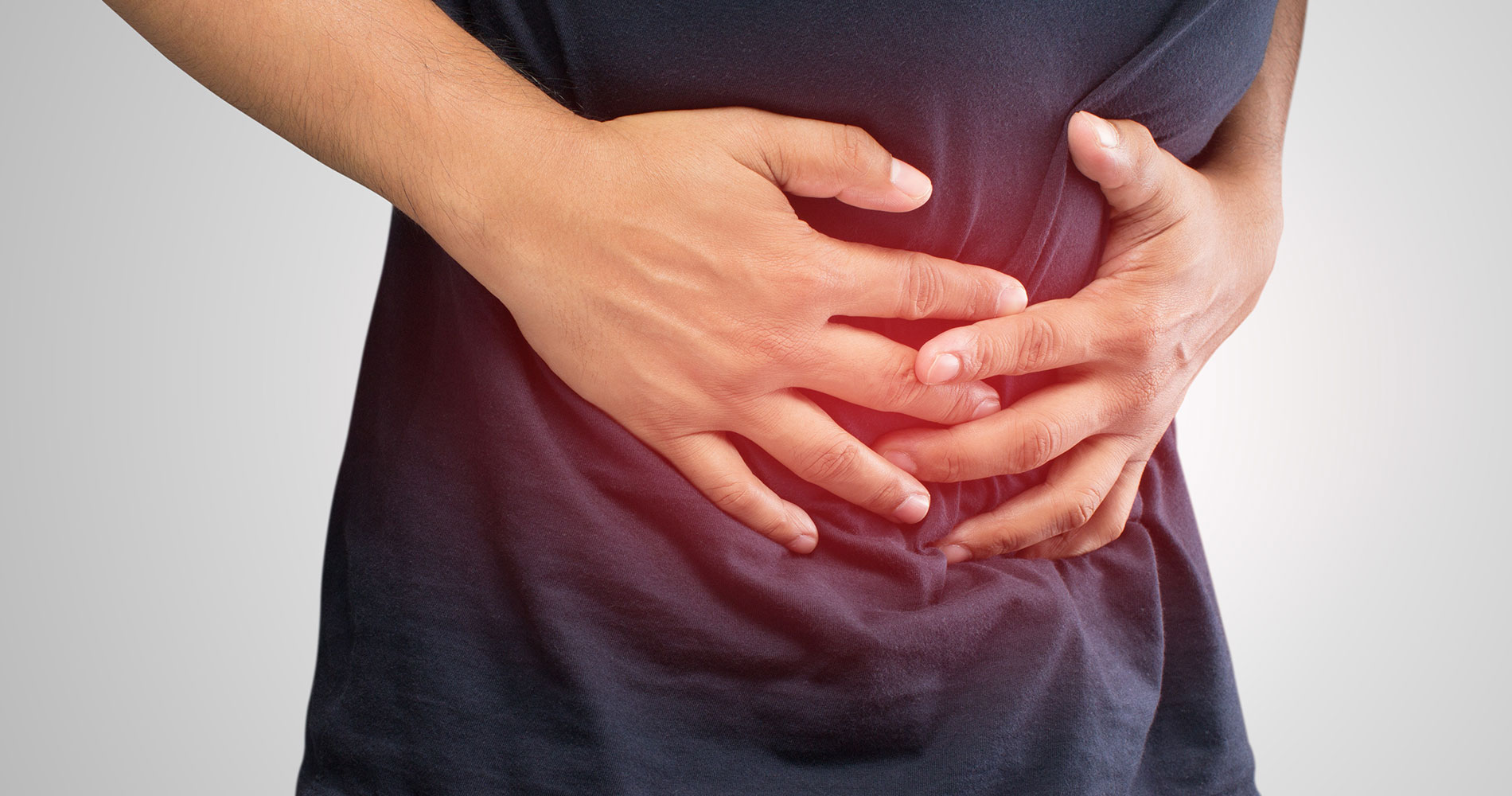
What causes inflammation?
– Sandra
Inflammation is a situation where localized tissues of the body are swollen after the immune system kicks into gear. Most conditions ending in “itis” reflect an inflammatory condition such as gastritis and tendonitis. For acute inflammation, the instigators are usually an injury or infection and the inflammatory response is a defensive mechanism that we need to begin healing. For chronic inflammation, the culprits might be autoimmune disease, arthritis, or persistent foreign pathogens, and the inflammatory response occurs over a number of months or years instead of ending when it should.
Nutritionally, some foods may play a role in the development of chronic inflammation, while others help to prevent or resolve it. According to the Arthritis Foundation, sugar, saturated fat, trans fat, omega-6 fatty acids, refined carbohydrates, monosodium glutamate (MSG), gluten and casein are all notable food ingredients that can cause inflammation1. The publication Medical News Today recently advised that fried foods, white bread, pastry, soda and sugary drinks, red meat, margarine, and lard are foods that aggravate inflammation2.
Knowing what to avoid is half the battle in preventing chronic inflammation. Including these foods in your diet may help reduce the risk of inflammation: olive oil, tomatoes, nuts, green leafy vegetables, fatty fish (such as salmon and mackerel), and fruit.
References:
– Debbie J., MS, RD
This article should not replace any exercise program or restrictions, any dietary supplements or restrictions, or any other medical recommendations from your primary care physician. Before starting any exercise program or diet, make sure it is approved by your doctor.
Some questions have been edited for length and/or clarity.
Have a nutrition question? Our registered dietitian is ready to help!
Email nutrition@lafitness.com or submit your question below and it may be featured in an upcoming article!
Any good workout plan needs a good nutrition plan. We've compiled the best advice from our RDN, Debbie James, to help you construct your perfect meal plan.
Debbie James, RDN, helps answer a reader’s question about how much protein is too much for the body to process.
Debbie James, RDN, helps answer a reader’s question on breakfast and working out.

I have heard much talk on the internet about the need for serious bodybuilders to take in nutrition steadily, especially protein. It is claimed that muscle growth slows and reverses at night after digestion completes and the body starts catabolizing for energy. Many suggest using a slow-digesting protein such as casein at night to feed muscles protein constantly and ward off catabolism. Is this shown to be effective? If so, are there any other ways to reduce catabolism at night?
– David G.
You posed a unique question, David! The body’s skeletal muscle not only dictates much of our circadian rhythm but also follows a day/night routine for repair and building. Research shows that muscle impacts the gene activity that regulates the utilization and storage of substrates (the macronutrients carbohydrate, fat, and protein)1. In other words, the skeletal muscle itself affects catabolic and anabolic processes over a 24-hour period, though this effect is not well understood.
Regardless of the time on the clock, you need to consume macronutrients post-exercise to promote positive muscle-protein balance. For evening exercisers, a recovery meal or shake becomes key before fasting overnight during sleep2. Over 6-8 hours, slower-digesting proteins have a similar effect on muscle protein synthesis as fast-digesting proteins do in the first 3 hours. So grandma was right about having a glass of warm milk before bed, as milk is 80% casein.
What about supplements/amino acids? Though certain essential amino acids stimulate muscle protein synthesis more than others, intact protein may result in a greater positive balance. This is partly because whole foods result in a greater insulin secretion. Muscles are highly insulin-sensitive for nutrient uptake and storage3. In summary, a meal containing protein is better than a straight supplement in the evening.
References
.
– Debbie J., MS, RD
This article should not replace any exercise program or restrictions, any dietary supplements or restrictions, or any other medical recommendations from your primary care physician. Before starting any exercise program or diet, make sure it is approved by your doctor.
Some questions have been edited for length and/or clarity.
Have a nutrition question? Our registered dietitian is ready to help!
Email nutrition@lafitness.com or submit your question below and it may be featured in an upcoming article!
Any good workout plan needs a good nutrition plan. We've compiled the best advice from our RDN, Debbie James, to help you construct your perfect meal plan.
Debbie James, RDN, helps answer a reader’s question about how much protein is too much for the body to process.
Debbie James, RDN, helps answer a reader’s question on breakfast and working out.
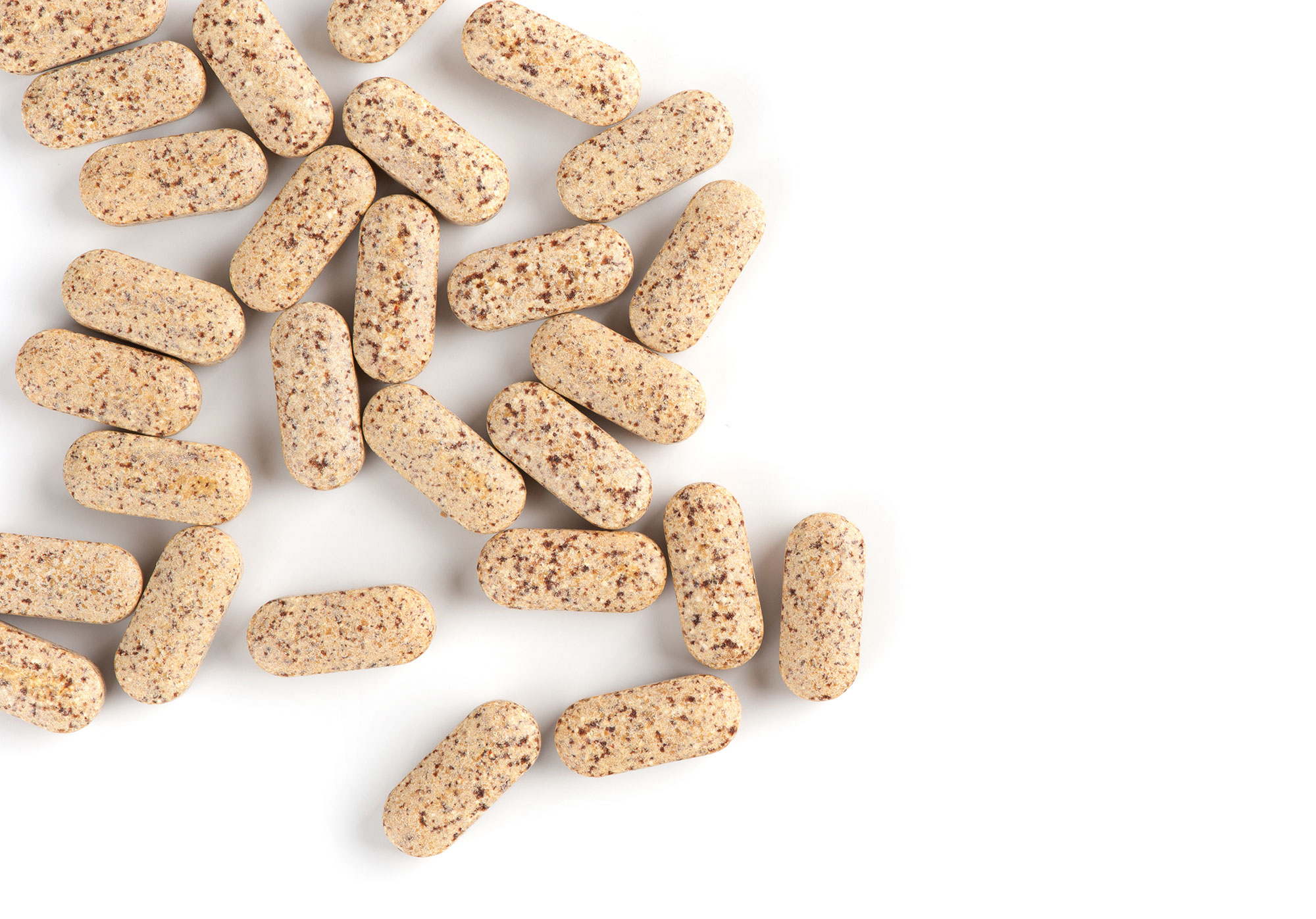
I am so confused about reading so much information on which multivitamin to take or not to take. Is there a multivitamin that you would recommend for a woman 50+ years older? I am in menopause and did look at a vitamin for women 50+ and older.
– Mary F.
I agree – there are so many brands for so many concerns! Age is one factor to consider. Diseases you’re at risk for are another aspect. What micronutrients* might be lacking in your diet is another. Menopausal women should focus on adequate B-complex vitamins, Vitamin D3, and magnesium. If you eat well, it’s possible you get enough of these from natural sources and fortified foods daily. But if you just want to cover the bases as an insurance, then a multivitamin/mineral that includes these would be fine. If your diet is all over the place with no consistency and poor nutrient quality, I’d go for a higher potency multivitamin/mineral. And if you’re taking other supplements that include vitamins or minerals (such as a calcium-enriched protein drink), you may want to adjust how much of those nutrients to target from your multi.
No matter the brand, I’d recommend splitting the tablets between morning and night for optimal utilization. More constant delivery best mimics how your body uses micronutrients throughout the day. It would also be the most cost-effectiven use of your supplement so you’re not losing (in urine) what you’ve paid for. I’d choose one with a USP Verified mark, which indicates the company has followed good manufacturing processes to ensure their product contains the micronutrient levels stated on the package.
*Phytonutrients, probiotics, coenzyme Q10 and omega-3s are not vitamins or minerals, and can be supplemented separately.
– Debbie J., MS, RD
This article should not replace any exercise program or restrictions, any dietary supplements or restrictions, or any other medical recommendations from your primary care physician. Before starting any exercise program or diet, make sure it is approved by your doctor.
Some questions have been edited for length and/or clarity.
Have a nutrition question? Our registered dietitian is ready to help!
Email nutrition@lafitness.com or submit your question below and it may be featured in an upcoming article!
Any good workout plan needs a good nutrition plan. We've compiled the best advice from our RDN, Debbie James, to help you construct your perfect meal plan.
Debbie James, RDN, helps answer a reader’s question about how much protein is too much for the body to process.
Debbie James, RDN, helps answer a reader’s question on breakfast and working out.