Fast Food and Your Body – Podcast Ep. 20
On this episode of the LHP, we bring back a favorite to the show, LAF RDN, Debbie James! We talk all about one of everyone's guilty pleasures, fast food.


Welcome to the 5th episode of the Living Healthy Podcast, presented by LA Fitness.
On this episode of Living Healthy, we’re covering high blood pressure, otherwise known as hypertension, and speak with experts in the field regarding this deadly silent killer.
How Are We Doing?
Introduction:
Begins at 0:01
MOS (Man on the Street):
Begins at 1:10
Introduction of Dr. Warren Johnston, Cardiologist and President of OC Division of AHA (American Heart Association) and Director of the Women’s Health Center at St. Joseph’s Hospital
Begins at 2:08
AHA New Guidelines:
Begins at 3:28
Marijuana Use and High Blood Pressure (HBP):
Begins at 5:40
The Silent Killer:
Begins at 8:10
At What Age Does High Blood Pressure Begin?
Begins at 8:38
What Causes HBP?
Begins at 9:33
Nutrition’s Role on High Blood Pressure/Introduction of Debbie James, RDN
Begins at 10:51
Physical Activity’s Role on High Blood Pressure/Introduction of Pro Results® Trainer, Morgan Connors
Begins at 15:01
Is HBP Really Life or Death?
Begins at 18:35
This podcast should not replace any exercise program or restrictions, any dietary supplements or restrictions, or any other medical recommendations from your primary care physician. Before starting any exercise program or diet, make sure it is approved by your doctor.

On this episode of the LHP, we bring back a favorite to the show, LAF RDN, Debbie James! We talk all about one of everyone's guilty pleasures, fast food.

On this episode of the LHP, we speak with LAF, Personal Training Director, Mark Joseph de Guzman, who educates us on the importance of strength training.
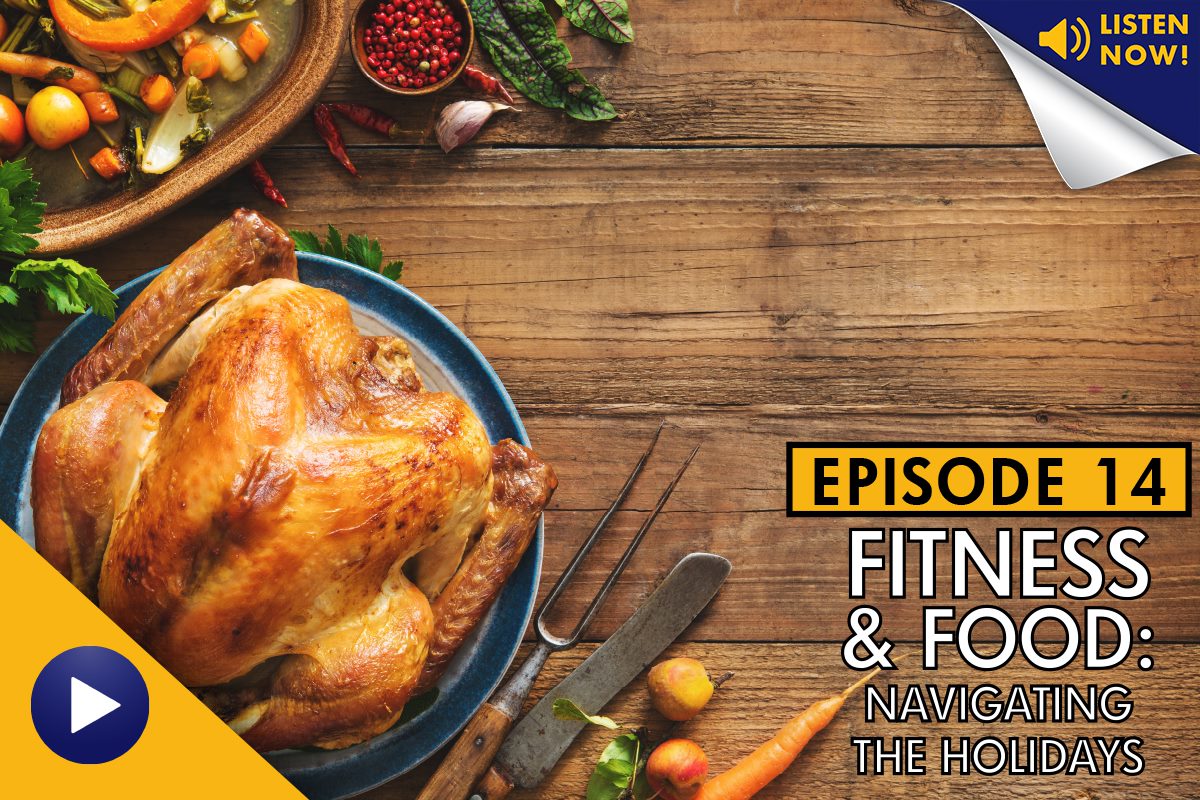
On this episode of the LHP, we speak with Debbie James, RDN, and LAF Master Trainer, Heather Edson, on ways to stay healthy and fit this holiday season!

Summer and sweat seem to go hand-in-hand. Longer days mean more exposure to the sun and the hotter temps can lead to dehydrated bodies.
Luckily, there are plenty of ways to avoid this and keep your body properly hydrated this summer (and year around).
We spoke with Dr. Ronald Navarro, Orthopedic Surgeon and Sports Medicine Specialist at Kaiser Permanente South Bay Medical Center, and got his take on why staying hydrated is so important.
Q: How much water do people need each day?
Dr. Ronald Navarro: The most agreed upon recommendation is to drink six or eight 8-ounce glasses of water every day. However, some adults may need more or less, depending on their overall health (certain illnesses and/or medications may affect this need), how much they exercise and the level of intensity, and how hot and dry the weather is.
Q: How many people on average, are dehydrated?
Dr. R.N.: Some polls have reported that up to 75% of Americans suffer from chronic dehydration. Anecdotally, we see the rate of dehydration be higher in the summer and fall when temperatures are higher and perspiration or sweating is more pronounced.

Q: On a micro level, why is hydration important?
Dr. R.N.: Water is a basic need for cellular health. Cells contain water and are surrounded by water. In dehydration, cell membranes become less permeable, hampering the flow of hormones and nutrients into the cell and preventing waste products that cause cell damage from flowing out.
Q: On a macro level, why is hydration important?
Dr. R.N.: When we exercise, our bodies cool off by sweating. As we perspire, we lose necessary body fluids. If we do not replace these fluids, we become dehydrated. This makes it difficult to sweat and cool down, which can result in a heat injury.

Understandably, water plays a huge role in keeping our bodies hydrated, healthy, and better functioning when we add some extra H2O to our daily diet.
But if you’re not a fan of chugging water throughout the day, there are other options available to you. Here’s a list of seasonal fruits and vegetables that help hydrate our body provided by Nadia Borchardt, Registered Dietician at Kaiser Permanente South Bay Medical Center.
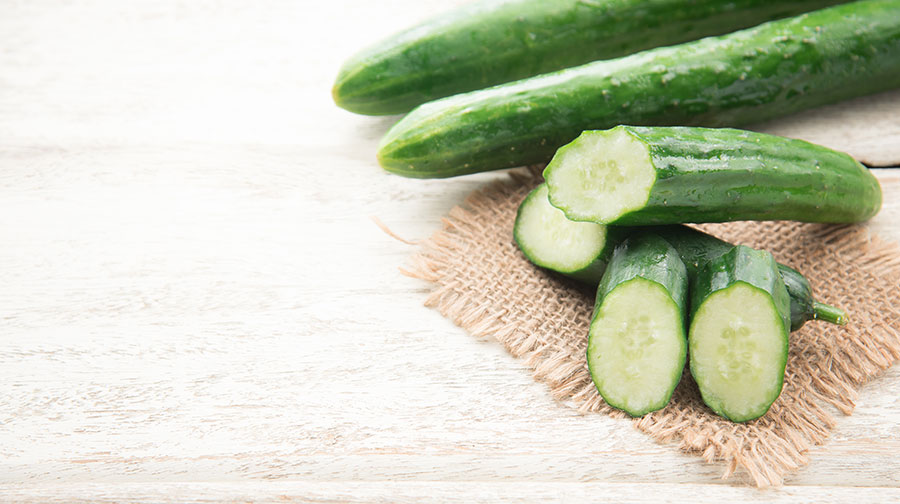
Cucumbers are about 97% water, making them the food with the highest water content. In addition to providing the body with hydration, they also aid in eliminating toxins from the body and are a great source of magnesium and potassium. You can enjoy them in salads or as a snack.
Watermelon is considered a food rich in nutrients and low in calories. About 95% of its content is water and it’s full of electrolytes, which helps prevent dehydration. In addition, watermelon contains a large amount of vitamins A, B6 and C, minerals and antioxidants. Watermelon contains the highest level of lycopene than any other fruit or vegetable. Lycopene is considered a powerful antioxidant that can help protect the body’s cells from harm.

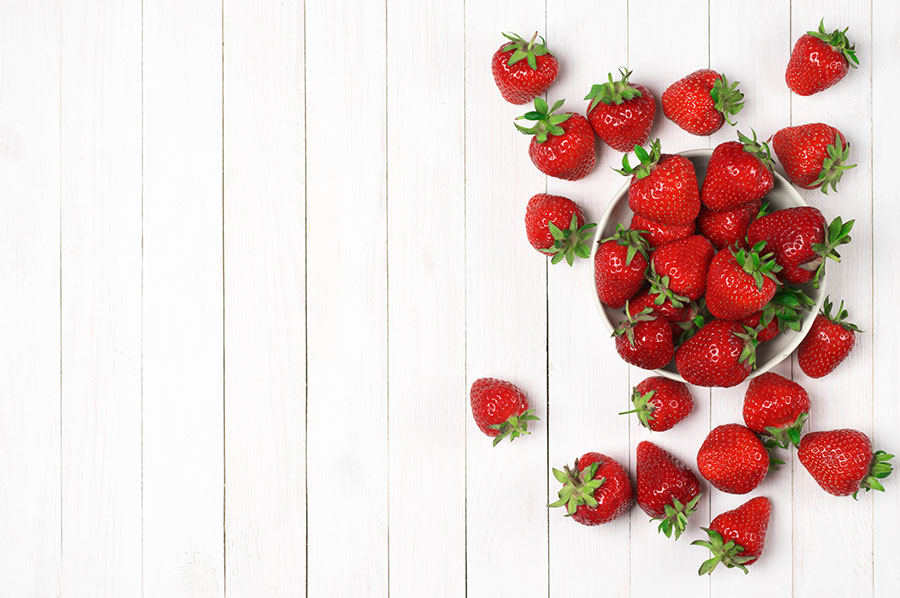
Strawberries are made of 92% water. They are low in calories and like other berries, are rich in antioxidants, vitamins B and C, calcium and potassium.
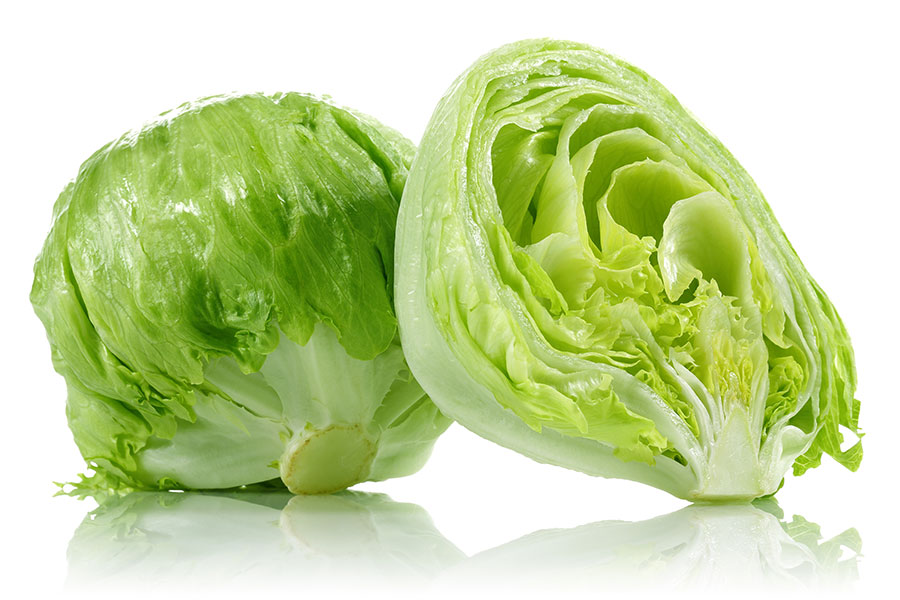
Iceberg lettuce is made of 96% water. Not only will it help quench our thirst, but it will also satiate our hunger.
Peaches contain approximately 88% water. They are rich in fiber, potassium, vitamin C and choline, all substances that support our heart health.

Spinach is about 92% water, making it especially beneficial in keeping you hydrated. Spinach is also rich in magnesium, potassium, and B-vitamins, all of which are known to increase energy.

Celery has a water content of about 95%. It also has natural salts that help to replenish levels of sodium, potassium, magnesium, calcium, phosphorus, iron and zinc in the body.

Questions provided by Mayra Suarez, Senior Media Relations Representative at Kaiser Permanente Southern California.
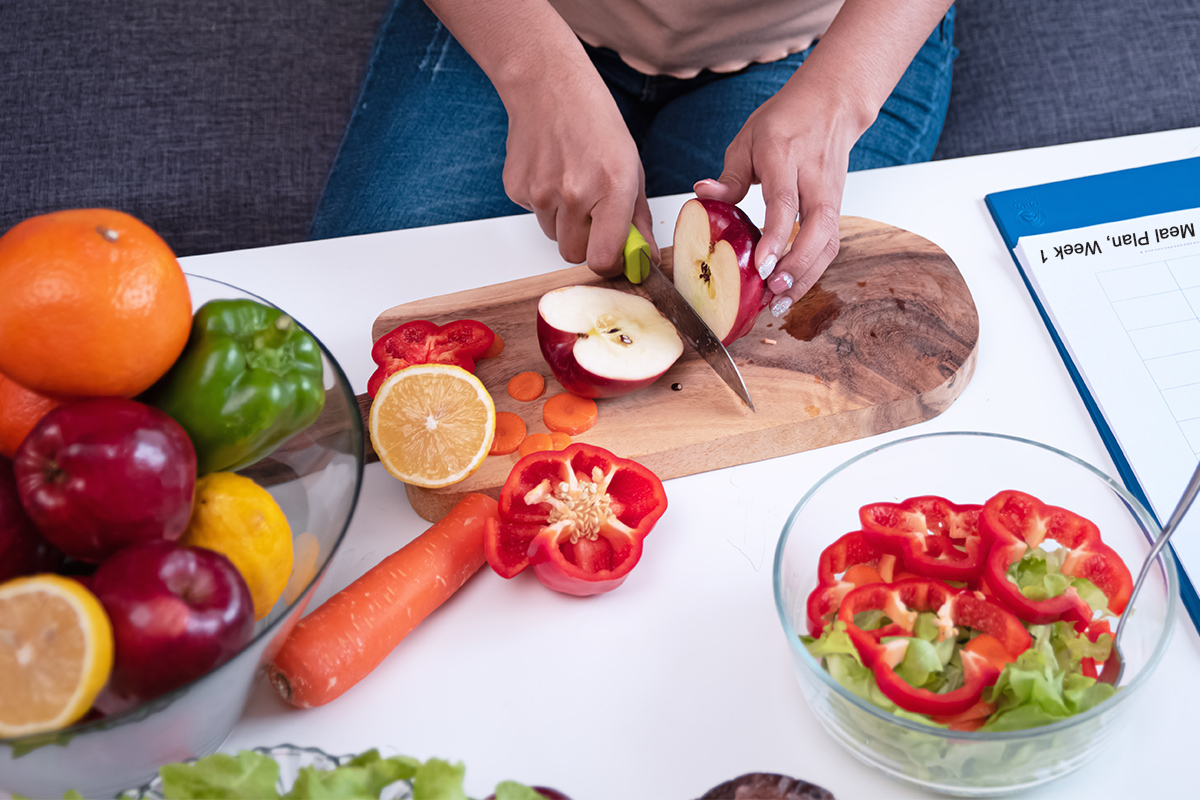
Any good workout plan needs a good nutrition plan. We've compiled the best advice from our RDN, Debbie James, to help you construct your perfect meal plan.

Debbie James, RDN, helps answer a reader’s question about how to eat healthily on vacation while still enjoying the local flavors.
Debbie James, RDN, helps answer a reader’s question about nutrition advice for muscle gain and healthy body weight.
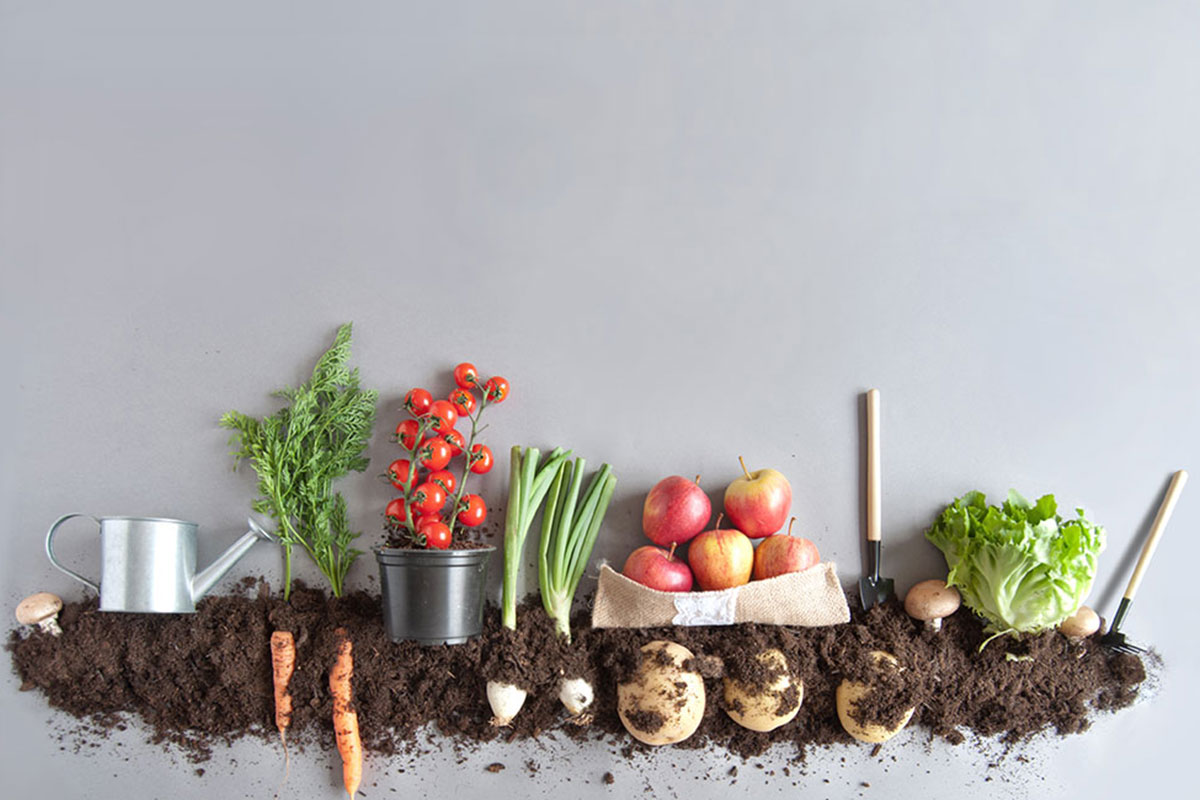
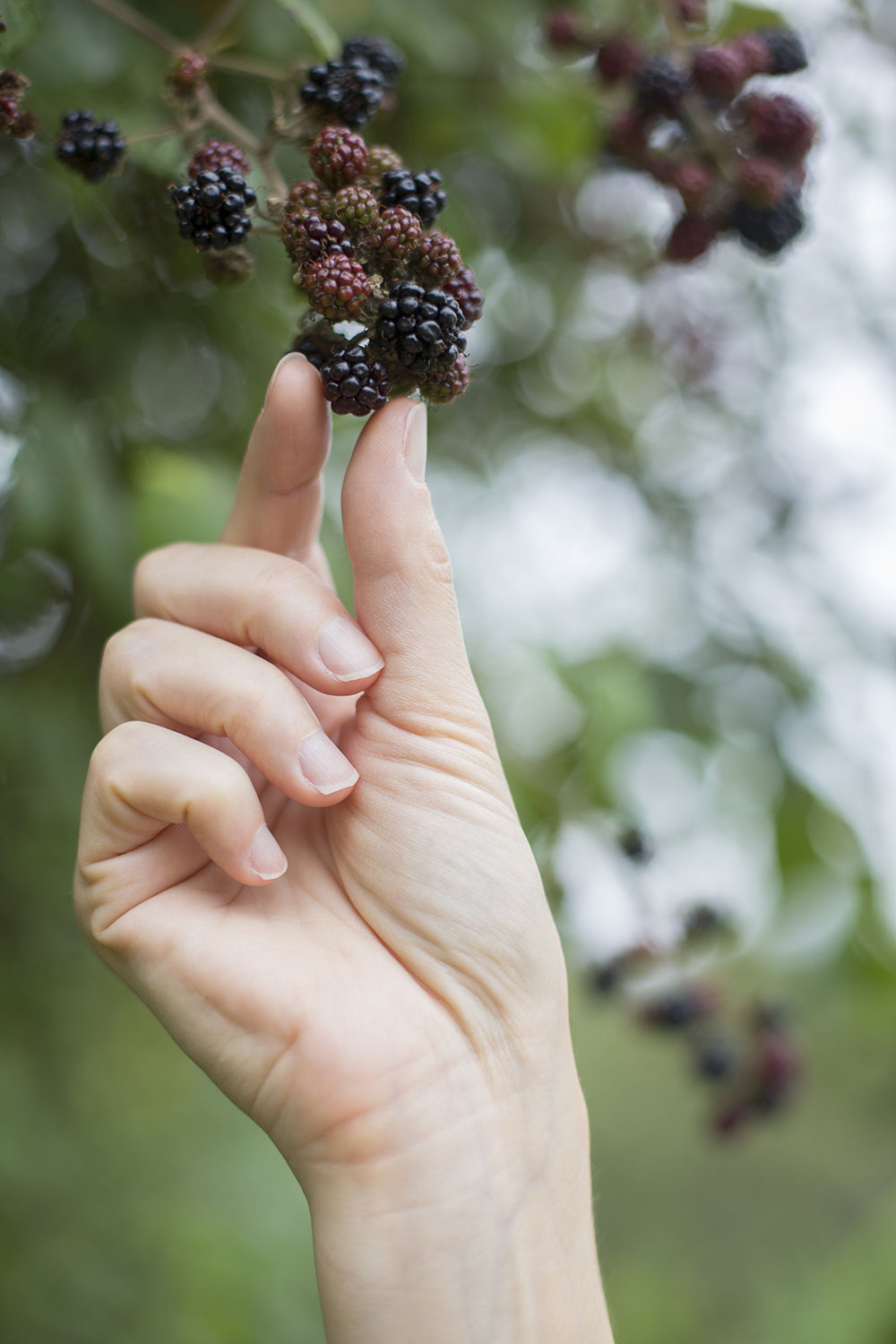
When I was a kid, we picked wild blackberries from a nearby field, took them home, rinsed them under water and popped them into our mouths. No worries about pesticides, genetic modification or added wax. The only things we had to watch out for were bugs. They feed off plants just like we do, and produce is no exception. I remember tiny caterpillars creeping along a stalk of celery or burrowed into an apple. And some are so good at hiding between folds of lettuce or florets of broccoli, you’d never know they were there. Gross or natural?
You’ve got to expect some infestation across all types of produce grown in all areas of land if you only let them rely on their own defenses, such as in organic farming. Bugs on produce generally aren’t harmful. On the other hand, spiders that feed on those bugs can be. Black widows have been spotted on grapes! Of course, you wouldn’t eat one, but in handling the fruit you could be bitten. Due to our agricultural processes and quality control, we are lucky enough to have plentiful supplies of quality organic produce that we usually don’t need to worry about other pathogens from contaminated crops.
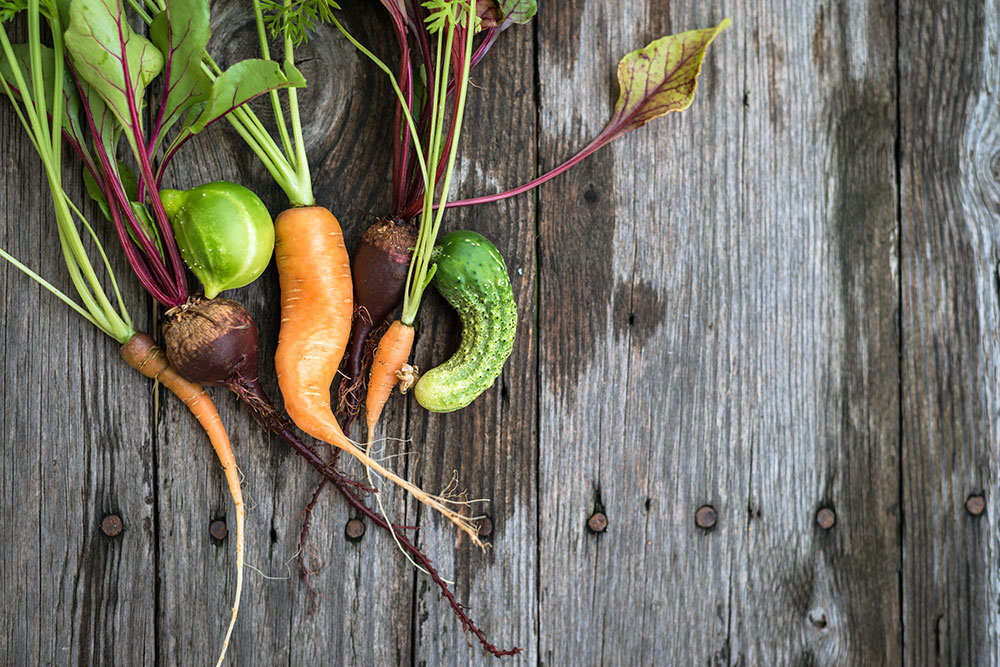
Sometimes, those wild blackberries were uneven and lumpy or irregular in size. In the summer, when they were ripe, we were allowed to climb up a neighbor’s tree and pick some cherries. There were always a few that were conjoined, eliciting “eew” and “yay/bonus/double!” at the same time. The vegetables at the one farmer’s stand-in town included those that were spotted, discolored or just weirdly shaped. We nicknamed some “Misfit Mushrooms” and “Awful Eggplant”. They were still quite edible though. What I’m trying to convey is that natural produce with blemishes or deformity aren’t always pretty and can be downright ugly.
With the modern concern of food waste, there is a movement to use all of an available crop. Search the hashtag #UglyProduce and you’ll see what’s usually rejected by major grocers that can be salvaged. There’s actually a market for less-than-perfect fruits and vegetables! A California company ships boxes of such produce to customers in major cities on the west coast and Illinois. A major grocery chain in France offers a discount on its “inglorious fruits and vegetables.” Organic produce may or may not be ugly, but it’s certainly more prone to natural genetic diversity and environmental exposure.
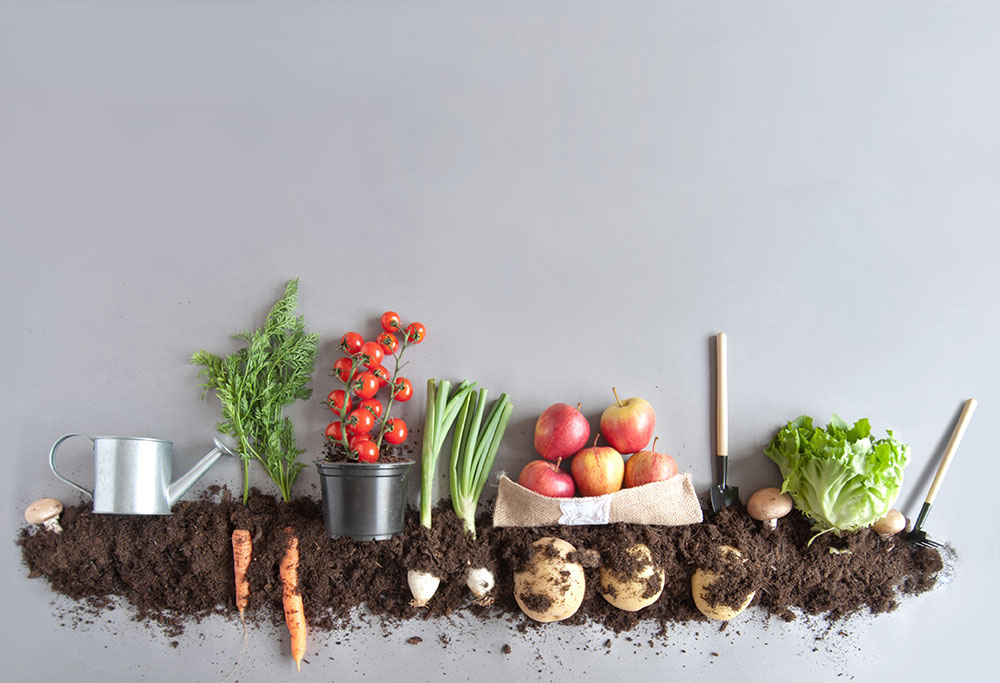
The good news about organic produce is that you won’t get food grown with synthetic pesticides, herbicides, or fertilizers, or derived from genetic bioengineering. The USDA Pesticide Data Program summary for 2016 indicates that pesticide residue was present in 77% of fruit and vegetable commodity (high-consumption) samples, though 99% were below the tolerance levels allowed by the EPA. The criteria for carrying the USDA Organic Seal mandate that organic fruits and vegetables are grown in accordance with the National Organic Program regulations. To certify and carry the Certified Organic seal from CCOF, it’s required to follow similar organic standards.
According to Consumer Reports’ special report “Pesticides in Produce” eating produce that is organic lowers your personal exposure to pesticides and has a myriad of other health benefits. It may be tougher on your wallet, however. Before you decide to spend up for pricier organic options, be sure you’re getting the benefit of at least 5 servings of fruits and vegetables daily.
Whether organic or conventional, remember to WASH OFF YOUR PRODUCE under running water for 10-20 seconds before enjoying! Bye bye creepy crawlies, hello clean.
Note: Some organic produce isn’t certified if the farm opts not to go through the process and pay for the certifications and inspections, or the grower produces a very small amount of organic crop.

Any good workout plan needs a good nutrition plan. We've compiled the best advice from our RDN, Debbie James, to help you construct your perfect meal plan.
Debbie James, RDN, helps answer a reader’s question about how to eat healthily on vacation while still enjoying the local flavors.
Debbie James, RDN, helps answer a reader’s question about nutrition advice for muscle gain and healthy body weight.


I’m 67 years old and weigh 208 pounds. I would like to lose a lot of weight. I’m a diabetic and take insulin 4 times a day. I can’t afford the trainers at LA Fitness. Any advice would be appreciated.
– Candace B.

Ask your endocrinologist for a referral to a certified diabetes educator (CDE®) which may be covered under a health insurance plan. These specialists help you understand how medication, exercise and diet all play a role in weight and blood sugar control and can provide advice tailored to you.
In general, I will say that regular exercise helps lower blood sugar so that less insulin may be needed. It’s like training your cells and tissues to be more metabolically active and efficient. In combination with a mild to moderate reduction of intake and shift to lower glycemic load (blood sugar response) meals, an increase in exercise should induce weight loss. Raw, unprocessed fruit, legumes, popcorn, non-starchy vegetables and whole grain products tend to be lower glycemic carbohydrate foods. By switching to these in managed portions and incorporating nuts, lean meats and healthy fats, you can lower the glycemic load of a meal.
The American Diabetes Association is a host of information on meals, recipes and fitness tips. Check out their resources at www.diabetes.org. In addition, www.diabetes.ca and www.diabetesaustralia.com.au are credible sources offering nutrition and healthy living resources in English.
– Debbie J., MS, RD
This article should not replace any exercise program or restrictions, any dietary supplements or restrictions, or any other medical recommendations from your primary care physician. Before starting any exercise program or diet, make sure it is approved by your doctor.
Some questions have been edited for length and/or clarity.
 Have a nutrition question? Our registered dietitian is ready to help!
Email nutrition@lafitness.com or submit your question below and it may be featured in an upcoming article!
Any good workout plan needs a good nutrition plan. We've compiled the best advice from our RDN, Debbie James, to help you construct your perfect meal plan.
Debbie James, RDN, helps answer a reader’s question about how much protein is too much for the body to process.
Debbie James, RDN, helps answer a reader’s question on breakfast and working out.
I have trouble with overeating. I find it difficult to control myself when other people are eating unhealthy foods such as chips, pastries, pizza and fast food. My brother invites me to potlucks and there are foods there that I know I cannot control myself with. Also, my mom invites me to eat at fast food restaurants. Whenever I eat those foods, at the moment I feel good, but then 20 minutes later (or when I find out that I gained weight), I feel guilty and frustrated. I’m tired of going through the same cycle over and over again. I want to be free from that cycle and gain new healthy habits that I can manage myself, such as having willpower and control. Anything that would be helpful.
– Gema N.V.
Kudos to you for acknowledging a weakness and reaching out for help. You should have the health and nutrition your body deserves. All of the advice and education I could provide here would not in itself lead you to healthier habits, however. Willpower and self-control regarding food are really about your relationship and beliefs about food. You need to examine those (the “why”) before you can move forward (the “how”).
Keep in mind that if you have been dieting or restricting yourself, it is common to over-consume when given the opportunity. You mentioned accepting invitations from a couple of family members, so I understand the difficulty in separating yourself from those environments. However, you are responsible for what goes in your mouth and how much. Bringing your own food (even to share) may be a solution to join them while maintaining a healthy intake.
A support group or self-help guide are good options for delving into how you think about food, your body, and your nutrition, and what certain foods or eating situations may represent to you. If you are feeling trapped in a cycle of binging and guilt, consider finding an eating disorder specialist who can help you reduce feelings of shame, increase self-acceptance and steer you to a better path.
“As I began to love myself I freed myself of anything that is no good for my health – food, people, things, situations, and everything that drew me down and away from myself. At first I called this attitude a healthy egoism. Today I know it is ‘Love of Oneself’.“ — Charlie Chaplin, 1959
– Debbie J., MS, RD
This article should not replace any exercise program or restrictions, any dietary supplements or restrictions, or any other medical recommendations from your primary care physician. Before starting any exercise program or diet, make sure it is approved by your doctor.
Some questions have been edited for length and/or clarity.
Have a nutrition question? Our registered dietitian is ready to help!
Email nutrition@lafitness.com or submit your question below and it may be featured in an upcoming article!
Any good workout plan needs a good nutrition plan. We've compiled the best advice from our RDN, Debbie James, to help you construct your perfect meal plan.
Debbie James, RDN, helps answer a reader’s question about how much protein is too much for the body to process.
Debbie James, RDN, helps answer a reader’s question on breakfast and working out.