Member Spotlight | Meet Female Stuntwoman and Mom, Danielle G. – Part 1
Life doesn’t always go according to plan, and sometimes that’s for the better. LA Fitness member, stuntwoman, and new mom Danielle G. shares her story of fitness triumph.


What are your current fitness goals?
My number one fitness goal, now and always, is to keep my autoimmune disease under control. Additionally, it is always a goal of mine to live a healthy and well-balanced lifestyle. I like to find the balance between enjoying my time in the gym and enjoying other activities, like eating out and having popcorn at the movies or a hot dog at a baseball game. It is so important to me to maintain a long-term and sustainable healthy lifestyle. Being too restrictive with my diet does not work for me!
How has training helped shape/change your fitness lifestyle?
Training has changed my mind, body, and soul! I remember how uncomfortable I felt in my body before I began my fitness journey, and before I started lifting weights. I hated the way I looked and I had to change my outfit 500x before leaving the house because I couldn’t stand the way I looked in my own clothes. Through weight training and proper nutrition, I have been able to shape a body that I truly love and enjoy. This has absolutely transformed my mindset. I am more self-confident and comfortable in my own skin. This transformation not only has an impact on my relationship with myself but also has leaked over into other aspects of my life, such as my job and relationships with others.

Left: July 2017 | Right: July 2018

What got you to join LA Fitness? How has it influenced your life?
I had tried different things to try to get in shape and lose weight in my young adult life, from Weight Watchers to diet pills. None of these options worked for me because they were not sustainable long-term. The turning point for me was my diagnosis with an autoimmune disease, Sjogren’s (SHOW-grins) Syndrome in March of 2017. Autoimmune disease is a condition in which the body mistakes its own healthy cells as foreign invaders and attacks them. In my case, Sjogren’s Syndrome mainly affects the moisture-producing glands, such as the nose, mouth, and eyes. I was 23 years old and the doctors told me I had to be on medication for the rest of my life. Fearing the implications of what a long-term medication might do to me, I started seeking out holistic treatment options. First and foremost, I researched foods, proper nutrition and how I could use food to heal. I eliminated gluten and dairy from my diet to see how I would respond. Although I wasn’t eating those “unhealthy” options, I still struggled to lose weight because I didn’t know much about general nutrition and hadn’t learned proper portion control. Within two weeks without dairy, my cystic acne disappeared. I knew that I was on to something with food for healing and eating for health. I reintroduced gluten successfully, with no issues. When I reintroduced dairy, my stomach was very upset and my acne returned. I am still eating a dairy-free diet to this day. It was such an empowering experience to get to know how my body responds to certain foods.
Around the same time, my boyfriend and I decided to join LA Fitness in hopes of getting into shape. We realized we had put on some “relationship weight” in our first year together, but it wasn’t until we started actually getting into the gym that we realized how bad it had gotten. Between his knowledge of weight training and my knowledge of nutrition at that point, we began to learn and share with one another. We decided to start tracking our macronutrient intake and weighing out our foods. It was during this time that we learned the proper portion sizes for our bodies and the nutritional value of different food options. It was the perfect combination and it started to actually work. I have lost a total of 30 pounds and my boyfriend lost a total of 75 pounds, leaving us with over 100 pounds lost between us!
If you could give others one piece of advice, what would it be?
My biggest piece of advice would be to be patient with yourself and stay committed to your overall health. It’s not just about how you look, it’s about how you feel in your body, and how your body is functioning. By staying committed for the long haul, you will experience sustainable, long-term health and fitness. There are no quick fixes. Just keep going to the gym, keep fueling your body with healthy and nourishing options and the rest will follow.
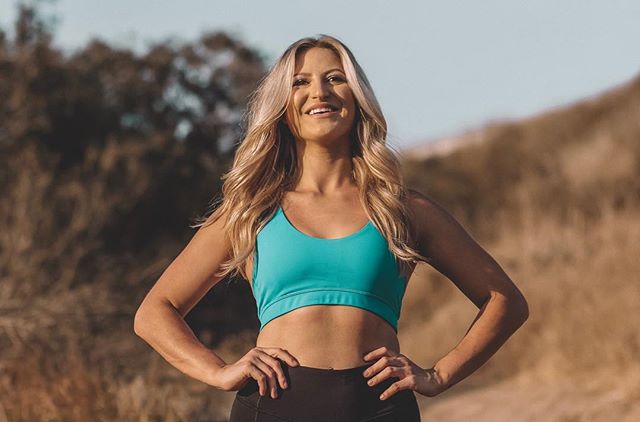
IG: @summersenna
Life doesn’t always go according to plan, and sometimes that’s for the better. LA Fitness member, stuntwoman, and new mom Danielle G. shares her story of fitness triumph.
Meet Summer S., LA Fitness Member and fitness advocate whose journey to better health and fitness truly began after she was diagnosed with an autoimmune disease.

On this episode of the LHP, we speak with Master Trainer Geoff Fox and get his advice on persevering even when you feel like quitting.


About 1 in 8 U.S. women will develop invasive breast cancer over the course of their lifetime.1 That equates to about a 12.5% chance that this issue will personally affect your life and an even greater chance that you will know someone diagnosed with this terrible disease.
Breast cancer is the most common cancer in women worldwide2 – but men aren’t immune to it. In fact, about 1 in every 1,000 men will develop breast cancer sometime over the course of their life.3
One of the terrifying factors about this disease is that “about 85% of breast cancers occur in women who have no family history of breast cancer”4, which is why it’s super important to schedule preventative screenings to help catch the disease early on.
Risk factors increase with age, which is why it’s recommended that women begin getting mammograms done annually starting at age 40.5
If caught early enough, there is an 80-90% survival rate, which falls drastically to 24% when diagnosed at a more advanced stage.6
Regular exercise has been linked to a 10-20% lowered breast cancer risk in postmenopausal women.7
And the great thing about exercise is that about 2.5 hours per week can lower your overall cancer risk.8 It doesn’t even have to be intense exercise, in fact, something as seemingly simple as a 30-minute walk a day “may lower risk by about 3 percent.”9
According to an article posted on BreastCancer.org, “more and more research is showing that exercise can reduce the risk of breast cancer coming back (recurrence) if you’ve been diagnosed.”10 So, not only does exercise help pre-diagnosis, but it can help post-diagnosis as well.
Check out an interview we did with LA Fitness group fitness instructor Ilke E.W., two-time breast cancer survivor, who shared with us what her battle with breast cancer was like and what you should know about the disease here.
Regular exercise has been linked to a 10-20% lowered breast cancer risk in postmenopausal women.7
And the great thing about exercise is that about 2.5 hours per week can lower your overall cancer risk.8 It doesn’t even have to be intense exercise, in fact, something as seemingly simple as a 30-minute walk a day “may lower risk by about 3 percent.”9
According to an article posted on BreastCancer.org, “more and more research is showing that exercise can reduce the risk of breast cancer coming back (recurrence) if you’ve been diagnosed.”10 So, not only does exercise help pre-diagnosis, but it can help post-diagnosis as well.
Check out an interview we did with LA Fitness group fitness instructor Ilke E.W., two-time breast cancer survivor, who shared with us what her battle with breast cancer was like and what you should know about the disease here.
Q: How did fitness play a role in your life when going through treatment? Post-treatment?
In order to cure my stage 2 Breast cancer, I had to go through 5 months of chemotherapy followed by a double mastectomy and reconstruction surgeries. Before treatment, I was very physically active teaching 5-7 Zumba® and Yoga classes per week and swimming almost every day, but because of my low energy levels and other side effects of the chemo, I had to almost completely give up exercise during the treatment. I have two small children that I had to take care of, and I was saving my energy, so I could take my two-year-old son to the park every day and doing other chores (grocery shopping, etc.) My exercise got limited to taking short walks a few times a week and doing some yoga. I’ve regained my energy after my treatment was completed, and I started swimming again, taking long walks, doing Pilates, Yoga and weight training. That helped me to regain my strength and to get even more energy. The best part was coming back to teaching my beloved Zumba® classes and I can’t even explain how much joy I felt when I could teach my classes again.
Q: What role does nutrition play when going through treatment?
I had to follow a special diet after every chemotherapy session. My appetite was down, and I was eating less than I did before the treatment. Good thing was that I did not have to completely restrict myself to any of the foods. My main focus was to maintain a balanced diet full of healthy proteins, vegetable, and fruit. I tried to limit sugar and alcohol as much as possible.
Q: Does breast cancer run in your family?
Even though my breast cancer was caused by BRCA-2 gene mutation, it does not run in my family.

Q: How did you handle the news?
Getting diagnosed with stage 2 breast cancer at the age of 34 came to me as a complete shock. This does not run in my family and I never knew I had BRCA-2 gene mutation. I’ve always been healthy and physically active. It was very hard to face and to accept the diagnosis; I felt like my whole world turned upside down. The worst part was that for the first 2 weeks after the diagnosis, I was not even sure what stage my cancer was at and how far it had spread. The doctors knew it was at least stage 2 since the cancer had already spread to the lymph node under my right arm. I was praying for it to be just stage 2, and not 4. My son was 1 year old at that time and I was still breastfeeding him when this happened. Saying I was overwhelmed with the diagnosis would be an understatement. Meeting with my oncologist for the first time and learning that my cancer had not spread further than stage 2 helped to lift my spirits up and provided a big relief. I was able to put my negative emotions aside and felt fortunate to have discovered my cancer early enough. I was very optimistic when starting chemotherapy.
Q: What advice would you give to those who are currently going through breast cancer treatment? Advice for the friends and family of someone struggling with the disease?
My advice for anyone going through this – try to stay positive and optimistic – no matter what stage you are at and no matter what your diagnosis is. I know it is not easy to be optimistic and positive during this difficult time – but you should still try. Do not let yourself ever feel defeated by the disease. Believe in yourself – and the day will come when you will be healthy and happy again. If you ever feel like you are the only one going through this – go online and find a forum or a blog or seek assistance through your medical provider and join the group at the medical center. Talking to others who are or were going through the same thing helps tremendously. I was lucky that my friends had given me phone numbers of two other ladies who have gone through this and was successfully treated. If you even need to talk – my email is irynadjomins@gmail.com.
Do not let yourself get depressed. Take a walk outside, meditate, talk to your friend or family members, try to do things you like as much as you can even if you don’t feel like it – do anything you can to bring positivity into your life. Make peace with the fact that your life might be different from what you’ve expected and continue doing things that you love. If you don’t feel well physically and can no longer enjoy exercise – find other things to do – like reading spiritual books or watching movies. Yoga and meditation helps a lot with improving mood and relieving anxiety. Don’t be afraid to talk to your friends, family and your doctor about your fears and concerns. It’s okay to be afraid and it is okay to talk about it.
Try to focus on your life one day at the time and not to think about the future or the final outcome. Family and friends played such an important role in my life during the treatment – I am grateful that my husband, my two children and my family and friends were there for me during that difficult time. Their presence and support helped me so much to stay positive. If your friend or a family member is currently fighting the disease – do your best to be there for them as much as you can. You can help significantly just by listening, talking, sending a note, or simply by asking them how they feel and letting them know that you are thinking about them during this difficult time… You can also offer to help with chores and/or with taking care of children – so they have more time to rest or to do things they like. I know it is not easy to see your friend or family member going through this, and you can feel helpless at times – but you can still help just by being there for them and letting them know that they can always count on you.
Sources:

Any good workout plan needs a good nutrition plan. We've compiled the best advice from our RDN, Debbie James, to help you construct your perfect meal plan.

Debbie James, RDN, helps answer a reader’s question about how to eat healthily on vacation while still enjoying the local flavors.
Debbie James, RDN, helps answer a reader’s question about nutrition advice for muscle gain and healthy body weight.
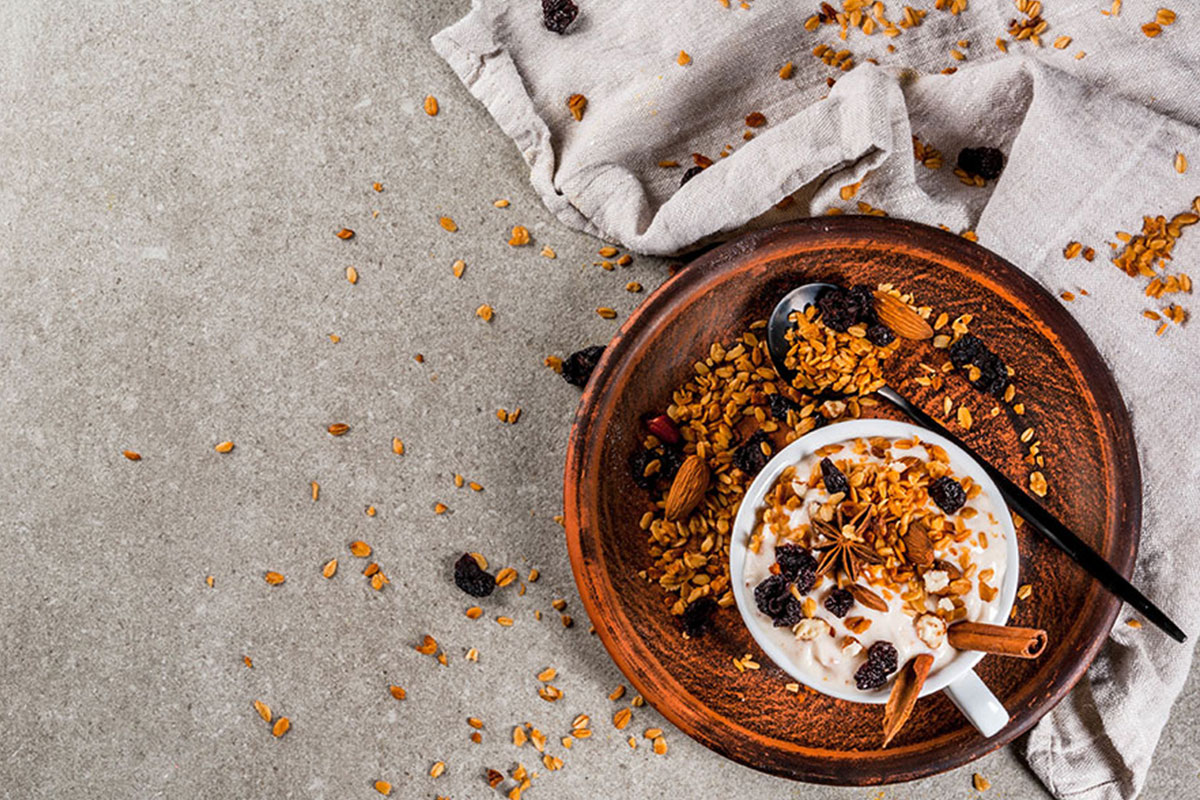
If you ask any fitness maven walking (or more likely running) down the street, they will immediately condemn the idea of “fasted cardio”, referring to the method of not eating before a workout in order to burn and lose body fat. They will tell you it is ineffective and potentially dangerous, and then probably start describing the simply seasoned chicken breast or protein-packed omelet (depending on what time of the day it is) they chowed down before they laced up their sneakers.
In order to get the full benefits of exercise, you need a healthy and balanced diet. Whether you’re hiking outdoors or sweating it out in a spin class, the right foods before and after a workout provide you with more energy and aid your body in recovering faster.
The best food pre-workout is going to be packed with carbohydrates and proteins. Carbs are your muscles’ main energy source and protein helps to improve your muscles’ growth and recovery. You want to avoid eating too much fat before a workout as that will cause you to feel more sluggish and heavy, although healthy fats like avocado have been shown to be a good source of fuel for moderate-to-low intensity workouts. Ideally, you’ll want to eat 2-3 hours before a workout, so that your body has time to digest. Good sources of protein pre-workout include:

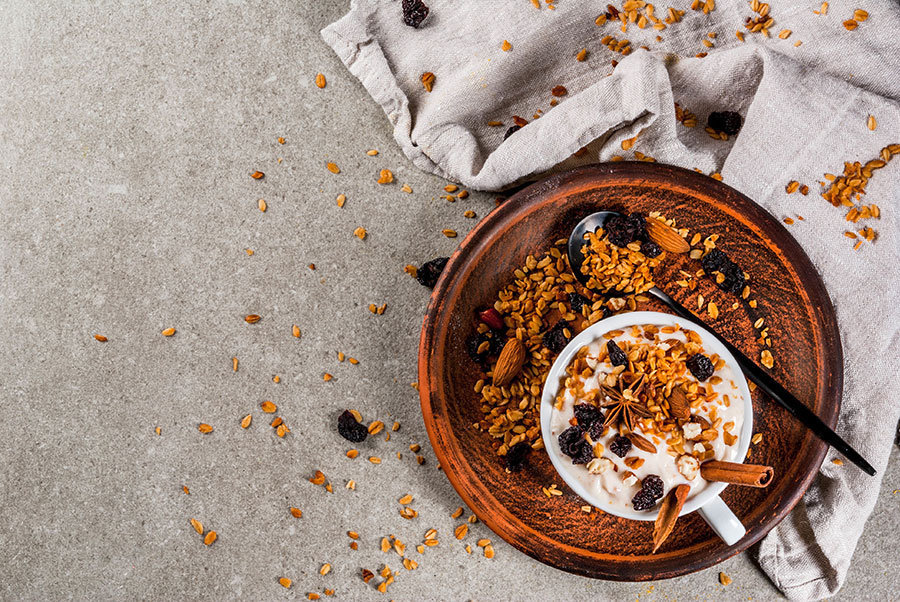


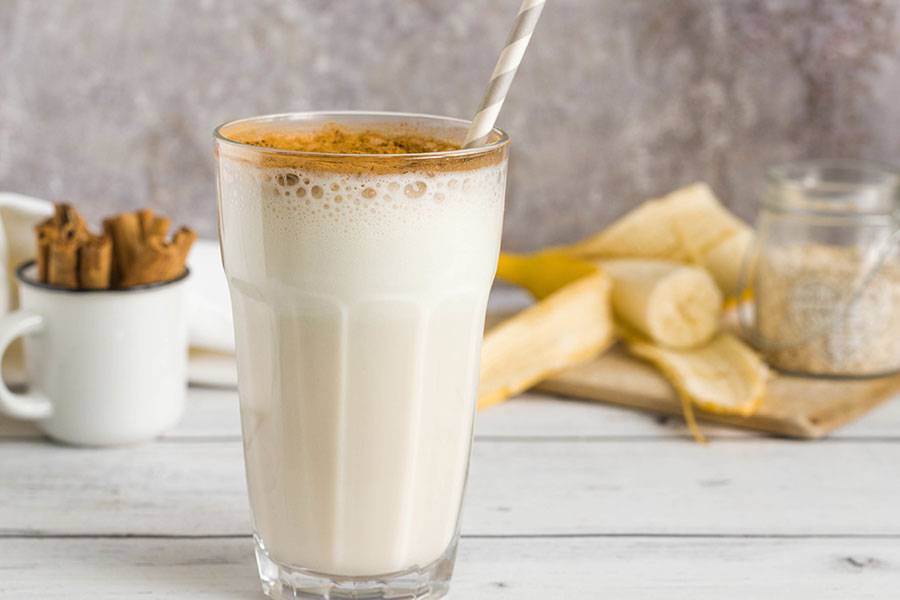

As your pre-workout time ticks down, eating a meal that contains mainly carbs and some protein is ideal to ensure digestion. Simple carbs like bananas, dried fruit, and fruit smoothies with a dash of protein powder provide a quick energy boost for a 30-60 minute workout, whereas complex carbs are slow releasing energy sources and have a slower metabolism rate.
Sources of carbs include:
Many of these foods can double up as energy sources post- workout as well. Complex carbs and proteins are a necessary foundation as the body rebuilds itself post workout. Proteins are key to help repair and rebuild muscle tissue. It’s recommended to eat your post-workout snack/meal within 30 minutes after the treadmill slows to a stop. And of course, make sure you are replenishing fluids to further help your recovery. So, get cooking, get running, happy workout and bon appétit!
Any good workout plan needs a good nutrition plan. We've compiled the best advice from our RDN, Debbie James, to help you construct your perfect meal plan.
Debbie James, RDN, helps answer a reader’s question about how to eat healthily on vacation while still enjoying the local flavors.
Debbie James, RDN, helps answer a reader’s question about nutrition advice for muscle gain and healthy body weight.
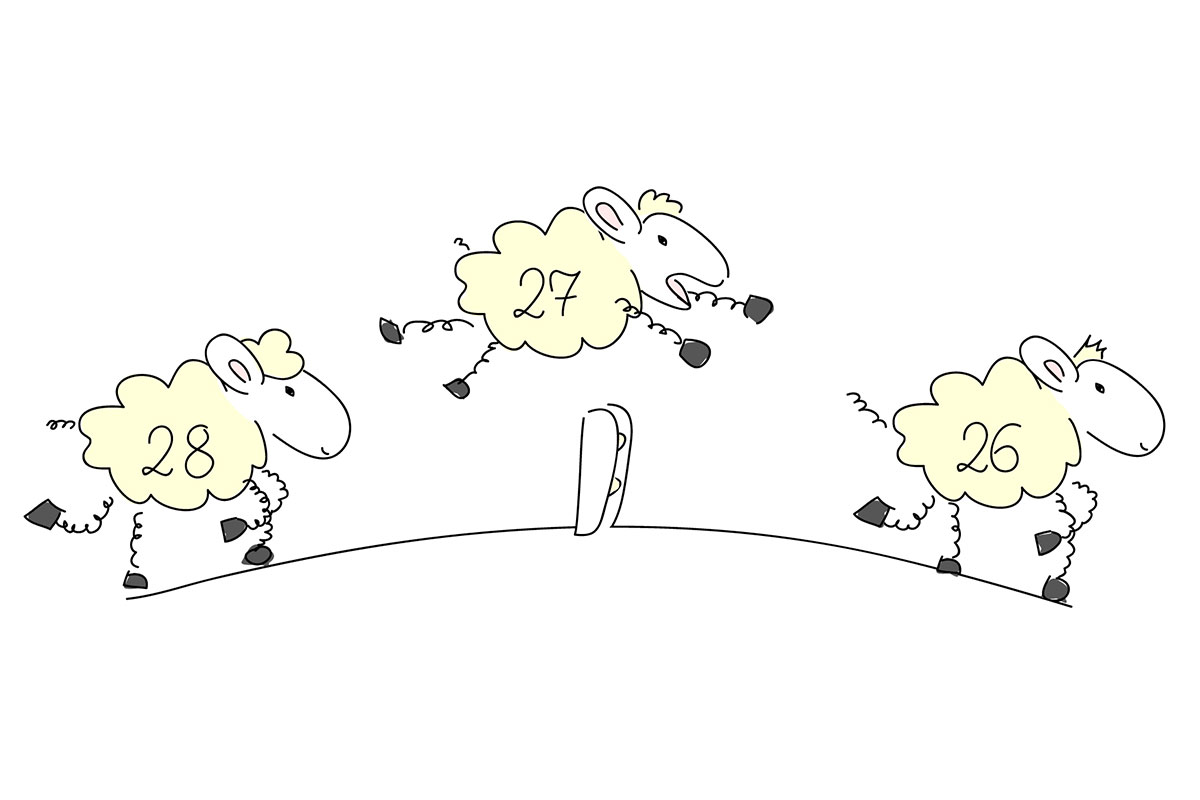

Nighttime approaches, but the Sandman does not. You lay in bed, eyes focused on the ceiling, or perhaps your phone. You set the phone down. Close your eyes. One sheep, two sheep, three sheep, four… no luck.
You’ve been feeling drained, stressed, and unhealthy – maybe your poor sleep habits are to blame.
We reached out to Babak Saedi, MD, and Director of Sleep Medicine at Kaiser Permanente in West Los Angeles, to help us better understand the connection between sleep and weight.
This is what he shared:
Sleep plays a critical role for our physical and emotional health. Without it, we lack the energy necessary to get through the day. Sleep deprivation impacts our immune system, making us more susceptible to illness; it affects our mood and stress levels; it also increases our risk for heart disease. Plus, not getting enough sleep is linked with a number of chronic diseases and conditions, including diabetes, obesity, and depression. While almost everyone feels sleepy in the daytime now and then, sleep debt can affect our concentration and reaction time, becoming the cause of serious problems like car crashes and work-related accidents. Poor sleep is also linked to increased pain perception and a degraded quality of life.
Adults need seven to eight hours of sleep and kids – depending on their age – need between eight to eleven hours.
In order for us to achieve any health or fitness goal, we must make sleep a priority. Whether we want to maintain or lose weight, gain muscle mass, perform better or simply feel better, getting enough high-quality sleep is key to reaching our weight and fitness goals.
If you’re tired, you have less energy. Even if you can get yourself to workout, the intensity of that workout isn’t the same as when you’re well rested, and as a result, you burn less calories.
You’re more likely to eat more and consume extra calories from high fat and high sugar foods to cover the energy cost of staying awake.
Lack of sleep impacts our hunger (ghrelin) and satiety (leptin) hormones. It also causes a spike in our cortisol levels, signaling our body to conserve energy to fuel our waking hours.
It affects our body’s ability to properly respond to insulin signals. Excess insulin increases the storage of fat in fat cells and prevents fat cells from releasing fat for energy.
Lack of sleep slows the production of growth hormone, which can make it more difficult for your body to build muscle mass.

1. Take a hot shower 1-2 hours before bedtime.
2. Make your sleeping environment comfortable. The temperature, along with light and noise should be controlled to make the bedroom conducive to sleeping. It’s also important to choose a comfortable and supportive mattress and pillow.
3. Go to bed only when sleepy. Once in bed, if you cannot fall asleep after 20 minutes, leave the bedroom for another room. After getting up, it’s important to remain calm, which means avoiding bright-lights or engaging in activities that will lead to more alertness (including chores or games on the computer, phone or tablet). Return to bed once you feel sleepy. Until then, stay out of the bedroom.
4. Limit bedroom activities to only sleeping and intimacy. Avoid watching television, using electronics, playing games or studying while in bed. Also, avoid clock watching. All of these activities increase alertness and make it difficult to fall asleep.
5. Avoid eating or drinking right before going to bed. Eating a late dinner or snacking before going to bed can activate the digestive system and keep you awake. Eating before bedtime can also worsen acid reflux or heartburn symptoms. Avoid drinking too much before bedtime because it can cause the need to urinate frequently throughout the night.
6. Avoid smoking, caffeinated beverages, alcohol and other stimulants. The effects of caffeine, alcohol, and nicotine can last several hours after use, which cuts into sleep time. Caffeine can cause difficulty falling asleep and frequent awakenings, while alcohol is known to create a non-restful night’s sleep and frequent urination.
7. Avoid daytime naps. It is important to establish and maintain a regular sleep and wake-up pattern. Napping during the day, especially after 2 p.m., makes it difficult to fall asleep at bedtime. If one must take a nap during the day, it should be early, around midday, and should only last about 20 minutes.
8. Exercise regularly. Regular exercise can improve sleep quality and duration. However, avoid exercising close to bedtime because it can have a stimulating effect on the body. Try to finish exercising at least three hours before it’s time to sleep.
9. Wake up the same time each day. Waking up the same time every day regardless of how much sleep you’ve had helps to regulate your internal clock (circadian rhythm) and predict your bedtime. Try to keep the same sleep and wake-up time on work/school and non-working/school days, especially if you are a shift-worker.
10. Set aside time to plan. If you find that you lay in bed thinking about tomorrow, consider setting aside a time at night to review the day and make plans for the next day. The goal is to avoid doing these things while trying to fall asleep. It may also be helpful to make a to-do list.
11. Reduce Stress. Aim for two hours of relaxation time before bedtime. There are a number of relaxation therapies and stress reduction methods to relax the mind and body before going to bed. You may want to take a warm bath, do some light reading, listen to white noise or relaxing audio tapes, do some deep breathing exercises or practice meditation.
Responses and tips above provided by Babak Saedi, MD, and Director of Sleep Medicine at Kaiser Permanente in West Los Angeles. Questions provided by Mayra Suarez, Senior Media Relations Representative at Kaiser Permanente Southern California.
Any good workout plan needs a good nutrition plan. We've compiled the best advice from our RDN, Debbie James, to help you construct your perfect meal plan.
Debbie James, RDN, helps answer a reader’s question about how to eat healthily on vacation while still enjoying the local flavors.
Debbie James, RDN, helps answer a reader’s question about nutrition advice for muscle gain and healthy body weight.
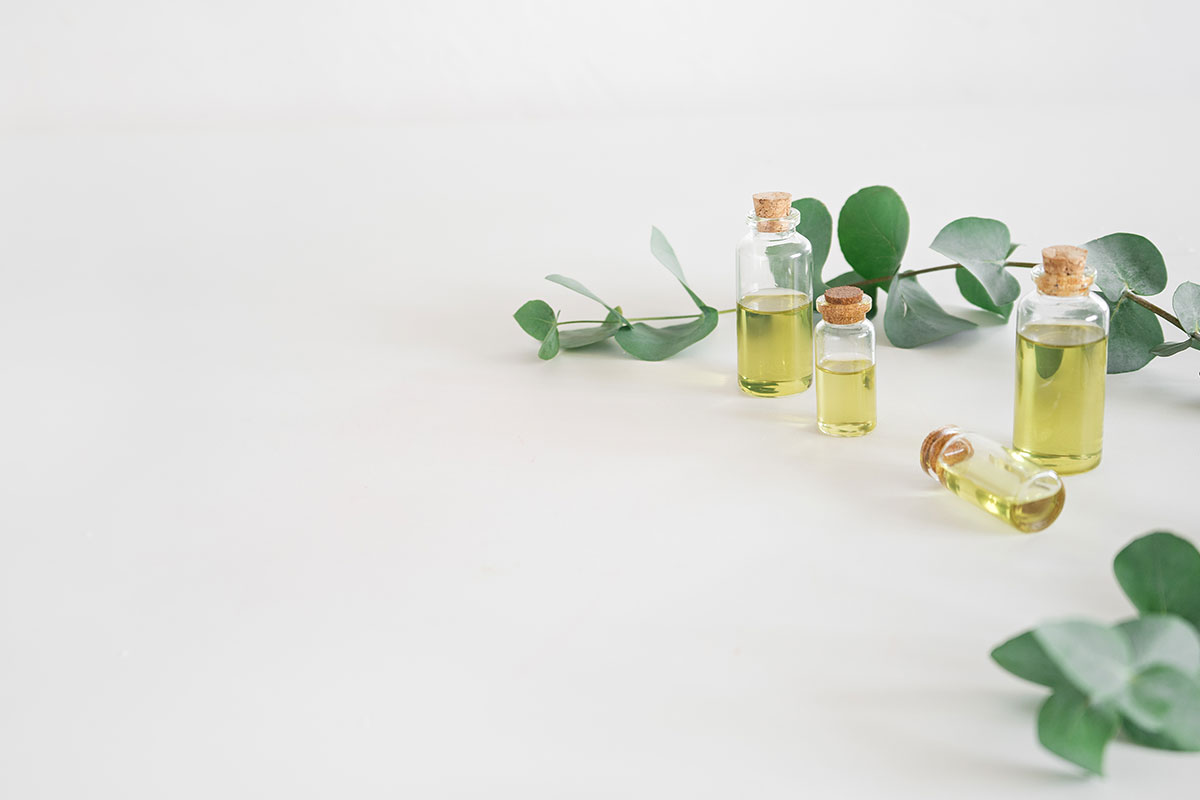

Does camphorated oil burn fat?
– Margaret

Camphor is an insoluble, waxy, flammable, white or transparent solid with a strong aroma (typically from Asian evergreen trees or basil) that is used in skin balms and liniments.
You may get a different answer from a company or person promoting sales of it, but nutritionally camphor oil has NO proven effect on weight status, metabolism or body fat. Oral intake is not recommended as side effects include mouth and throat burning, nausea and vomiting. Ingestion of camphor can lead to coma and death.
Note that in the 1980s, “camphorated oil” (20% camphor in cottonseed oil) was removed from the US market because of safety concerns. Use of products containing more than 11% camphor is not recommended. Diluted camphorated oils are only for topical or aromatic use in the treatment of infections, cold/cough, and respiratory disorders, sleeplessness, skin conditions, pain and swelling.
Resources:
– Debbie J., MS, RD
This article should not replace any exercise program or restrictions, any dietary supplements or restrictions, or any other medical recommendations from your primary care physician. Before starting any exercise program or diet, make sure it is approved by your doctor.
Some questions have been edited for length and/or clarity.
 Have a nutrition question? Our registered dietitian is ready to help!
Email nutrition@lafitness.com or submit your question below and it may be featured in an upcoming article!
Any good workout plan needs a good nutrition plan. We've compiled the best advice from our RDN, Debbie James, to help you construct your perfect meal plan.
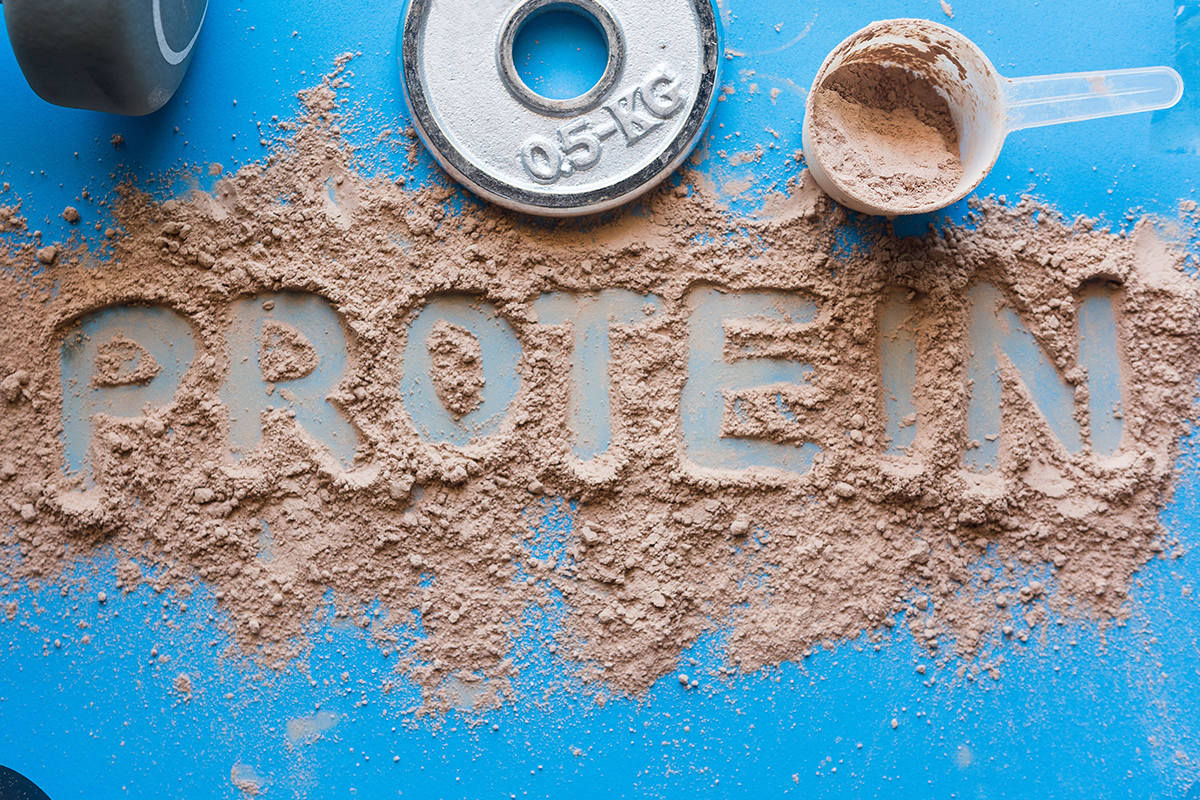
Debbie James, RDN, helps answer a reader’s question about how much protein is too much for the body to process.
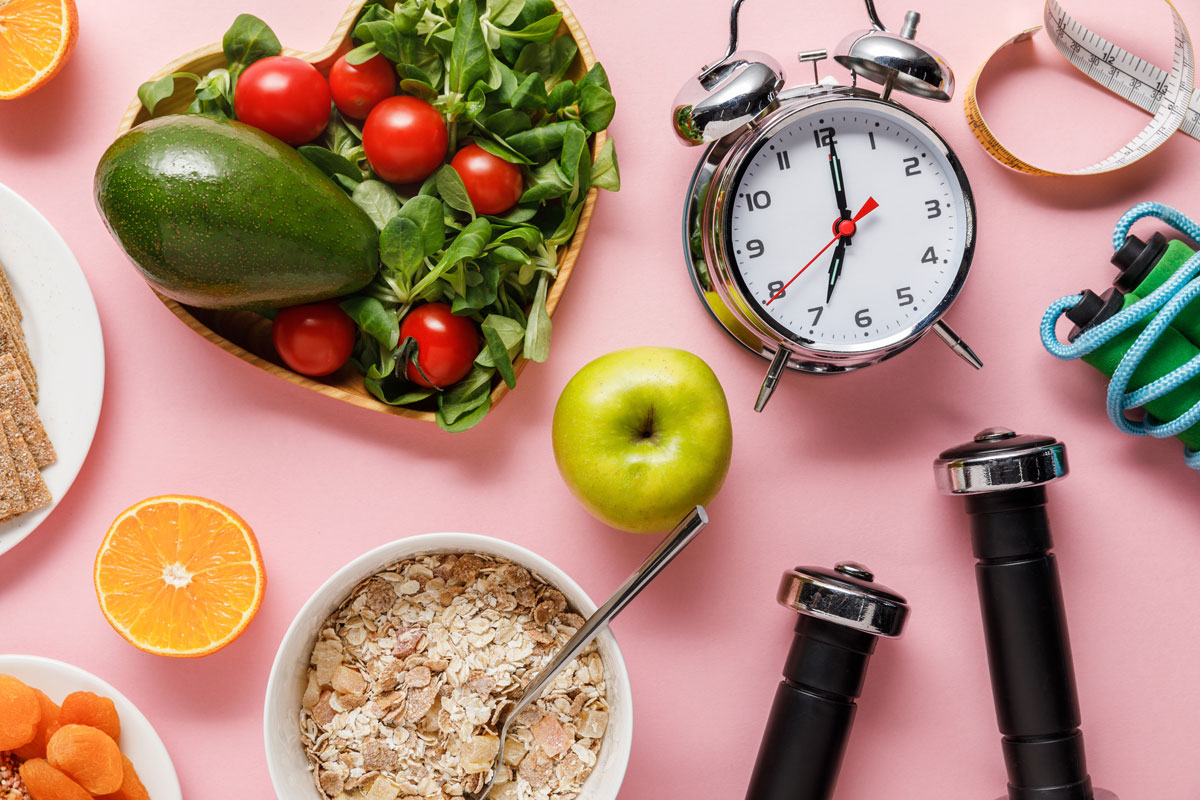
Debbie James, RDN, helps answer a reader’s question on breakfast and working out.