


AAT – Ep. 14: How Long Until I See Results?

AAT – Ep. 14: How Long Until I See Results?

Ask A Trainer: Featured Question of the Week

In today’s world we’re used to instant, unfortunately, that’s not how weight loss works. We sit down with Pro Results® trainer, Kayla V. who discusses what you should really be focusing on when looking for results.

Do you have a fitness question? Ask one of our certified Pro Results® trainers here! Your question may be featured in an upcoming Ask Our Trainer video.**

6 + 11 =

**Selected submissions will be featured on the LA Fitness blog and possibly other LA Fitness digital media entities & websites. By making a submission, you hereby grant LA Fitness a non-exclusive, perpetual, worldwide, irrevocable license to use and make copies of the contents of such submission for any purpose and in any medium whatsoever, and you hereby waive and relinquish any copyright or other intellectual property right you may have in the contents of such submission and your right to pursue any claim for LA Fitness’s violation of those intellectual property rights.


Recommended 'Ask A Trainer' Videos

Multivitamin Recommendations | Q+A

Multivitamin Recommendations | Q+A

Question:

I am so confused about reading so much information on which multivitamin to take or not to take. Is there a multivitamin that you would recommend for a woman 50+ years older? I am in menopause and did look at a vitamin for women 50+ and older.

– Mary F.

Answer:

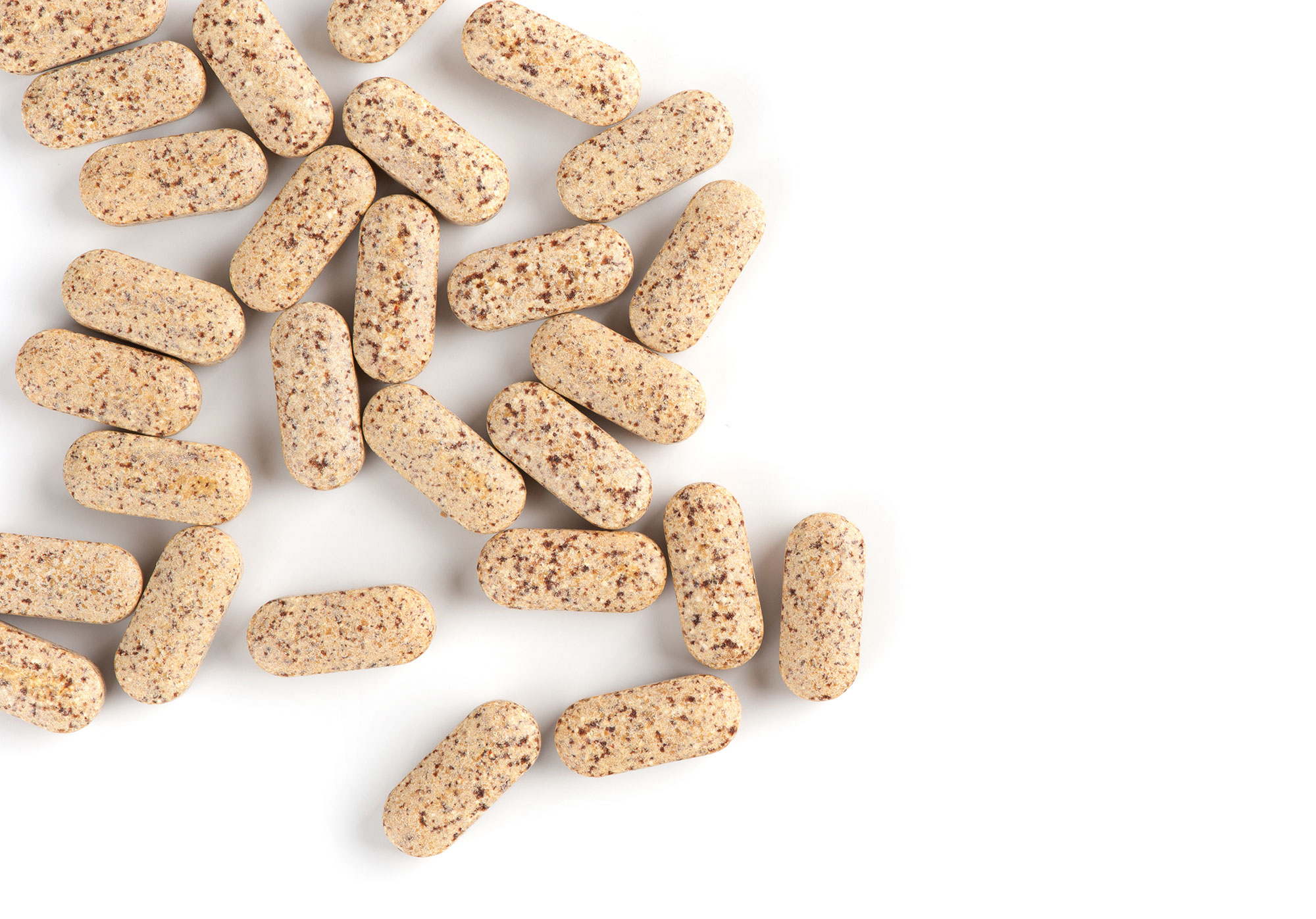
I agree – there are so many brands for so many concerns! Age is one factor to consider. Diseases you’re at risk for are another aspect. What micronutrients* might be lacking in your diet is another. Menopausal women should focus on adequate B-complex vitamins, Vitamin D3, and magnesium. If you eat well, it’s possible you get enough of these from natural sources and fortified foods daily. But if you just want to cover the bases as an insurance, then a multivitamin/mineral that includes these would be fine. If your diet is all over the place with no consistency and poor nutrient quality, I’d go for a higher potency multivitamin/mineral. And if you’re taking other supplements that include vitamins or minerals (such as a calcium-enriched protein drink), you may want to adjust how much of those nutrients to target from your multi.

No matter the brand, I’d recommend splitting the tablets between morning and night for optimal utilization. More constant delivery best mimics how your body uses micronutrients throughout the day. It would also be the most cost-effectiven use of your supplement so you’re not losing (in urine) what you’ve paid for. I’d choose one with a USP Verified mark, which indicates the company has followed good manufacturing processes to ensure their product contains the micronutrient levels stated on the package.

*Phytonutrients, probiotics, coenzyme Q10 and omega-3s are not vitamins or minerals, and can be supplemented separately.

– Debbie J., MS, RD

This article should not replace any exercise program or restrictions, any dietary supplements or restrictions, or any other medical recommendations from your primary care physician. Before starting any exercise program or diet, make sure it is approved by your doctor.

Some questions have been edited for length and/or clarity.


Ask our Dietitian

Have a nutrition question? Our registered dietitian is ready to help!
Email nutrition@lafitness.com or submit your question below and it may be featured in an upcoming article!

15 + 11 =


Recommended Reading - Q+A

Help With Yo-Yo Dieting | Q+A

Help With Yo-Yo Dieting | Q+A

Question:

I am struggling to achieve any kind of weight loss. I have yo-yoed with any diet I have been on, losing a few pounds and then gaining it completely back and then some. I just need some sort of guidance on what’s an achievable weight loss plan for a young 25 year old male. I am tired of the poor sleep, lack of motivation, breathing difficulties and overall fatigue I am facing because of my weight. BMI is 29 and as a medical student who is 2 years from becoming a doctor, a total embarrassment for my patients. I feel like a hypocrite educating patients on the importance of losing weight when I myself struggle. Any help would be appreciated.

– Kazi

Answer:

I applaud your resolve to improve your health both for yourself and as a role model for patients. Any specific diet suggestions I might have would be like throwing any antibiotics at an unknown infection. You need to identify the cause of your weight issues so you can employ the correct intervention. So… it sounds like you rebound with the diets you’ve tried. Why is that? Sometimes people cite lack of time or money as an issue causing them to revert to old habits. Other times people may not feel worthy and self-sabotage or comfort eat. Preparing healthy foods takes effort – it has to be a priority. YOU have to be a priority.  As you are currently suffering from some weight-related issues, now is the time to act before your BMI further increases.

My whole-hearted and professional opinion is that you need to find something that excites you that you’ll stick with. Seek out whatever physical activity you consider fun! I have seen people doing yoga on paddle boards on a lake in Minnesota. Think outside of the box for what you can include that isn’t just because you are “on a diet.” Same goes for foods. If salads aren’t your game, look for recipes to incorporate more fresh produce in unique ways. Maybe a tropical smoothie or an authentic stir-fry. Start with small improvements to the areas you know are a problem – desserts? alcoholic beverages? dining out? Tackle one item a week to gain success. Losing even 5 pounds to start may improve your breathing and fatigue. Feeling better should be your own positive feedback loop that no external motivation can provide.

– Debbie J., MS, RD

This article should not replace any exercise program or restrictions, any dietary supplements or restrictions, or any other medical recommendations from your primary care physician. Before starting any exercise program or diet, make sure it is approved by your doctor.

Some questions have been edited for length and/or clarity.


Ask our Dietitian

Have a nutrition question? Our registered dietitian is ready to help!
Email nutrition@lafitness.com or submit your question below and it may be featured in an upcoming article!

7 + 12 =


Recommended Reading - Q+A

Snacks to Keep You Feeling Full | Q+A

Snacks to Keep You Feeling Full | Q+A

Question:

Hello, I am a 25-year-old female who is a full-time student. I work out 3 times per week. I enjoy munching and crunching while I study, and always seem to be hungry. I was wondering what kinds of healthy snacks I can buy at the store? I must say that I have a hard time with portion control and am looking for something low in calories. I was eating a lot of nuts but seemed to gain weight with them.

– Tanya

Answer:

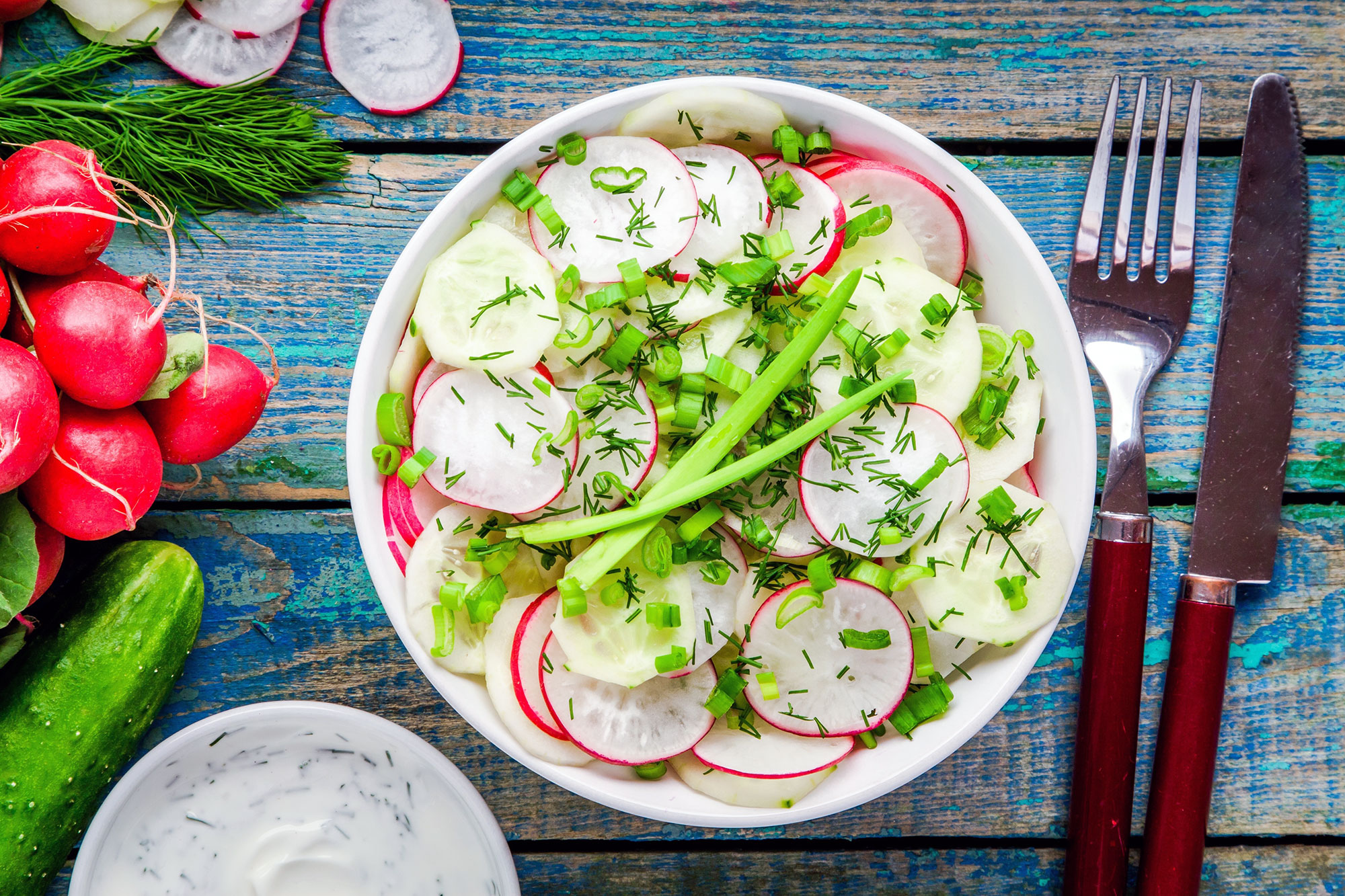
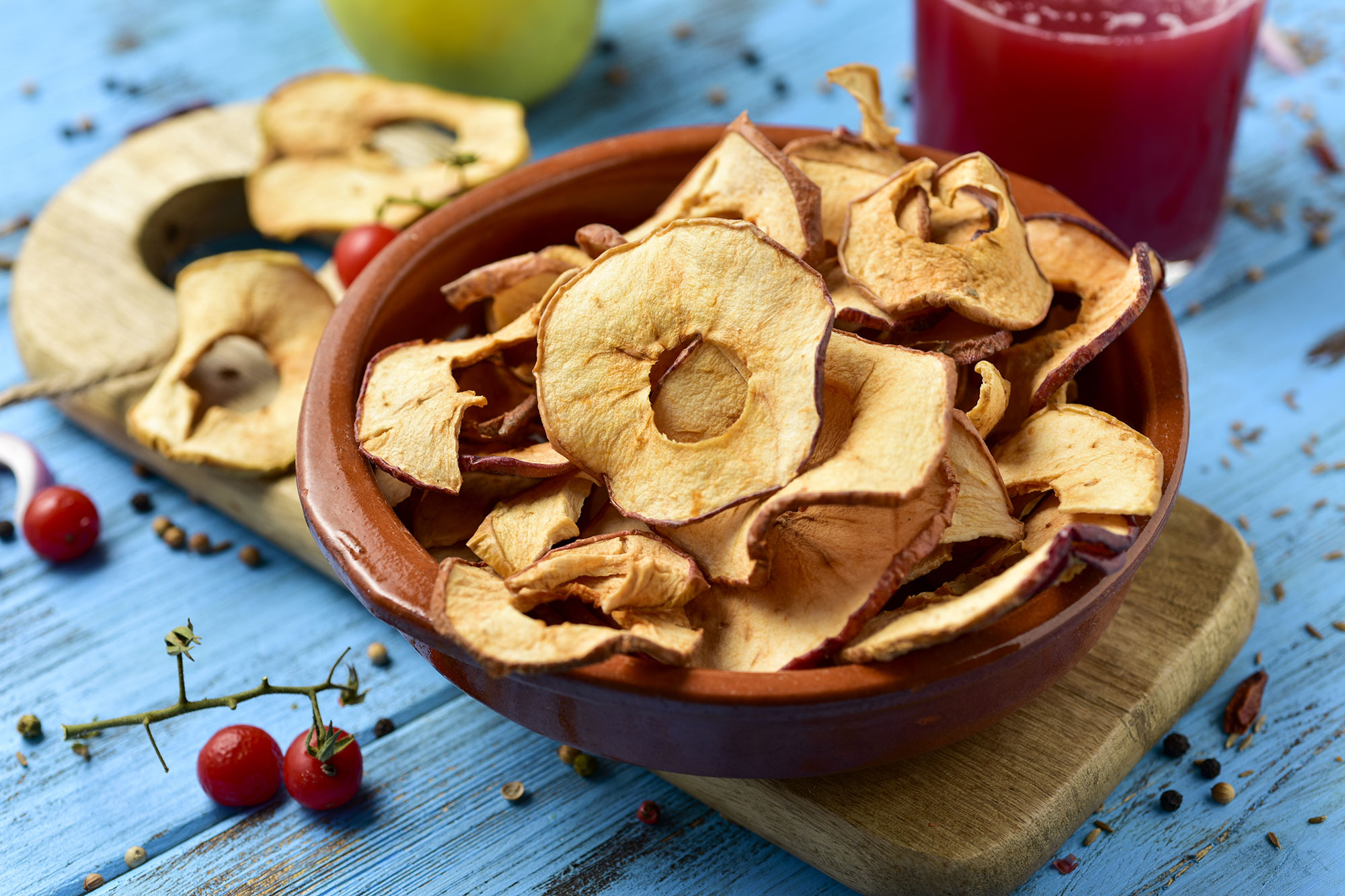
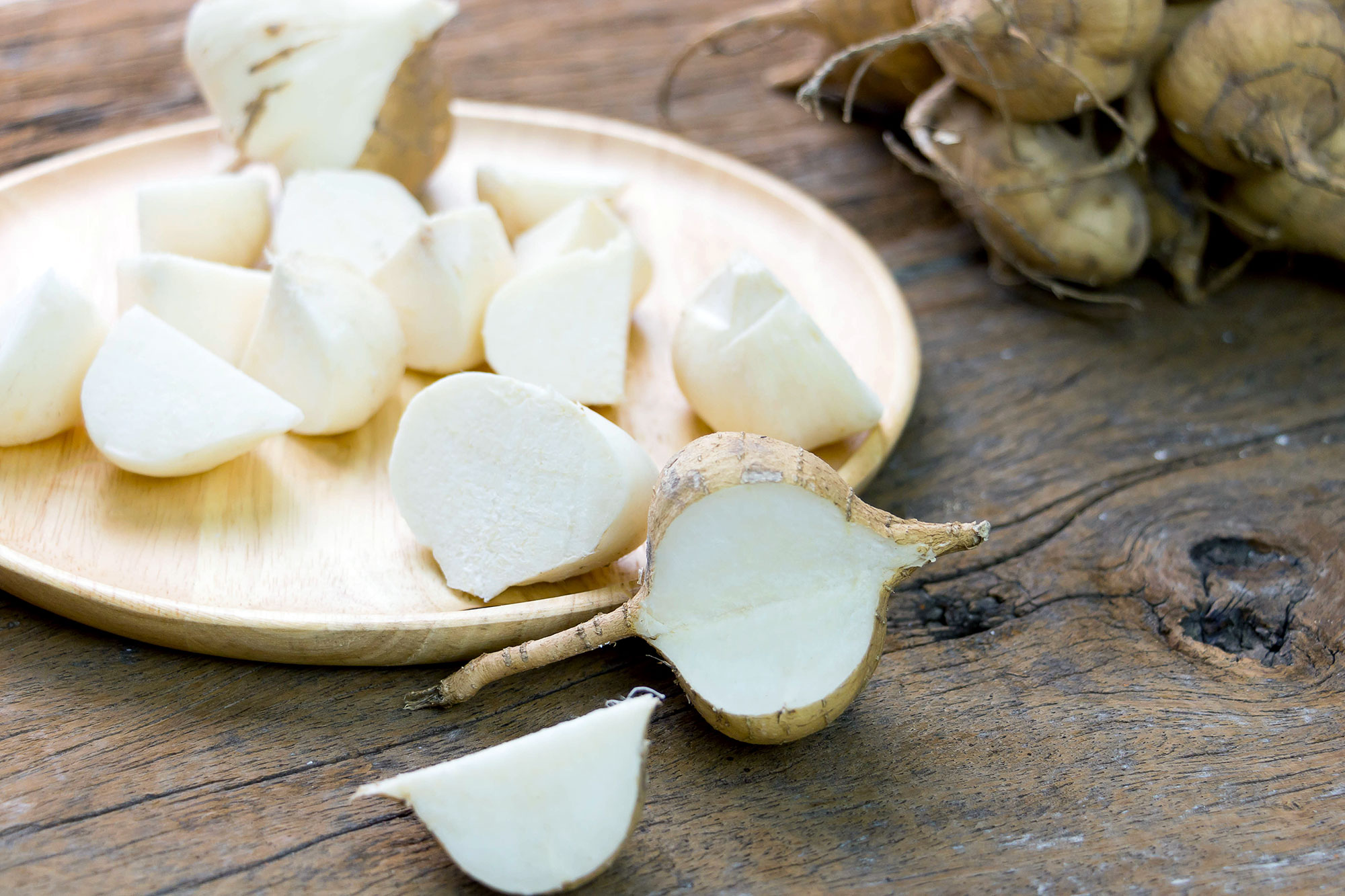
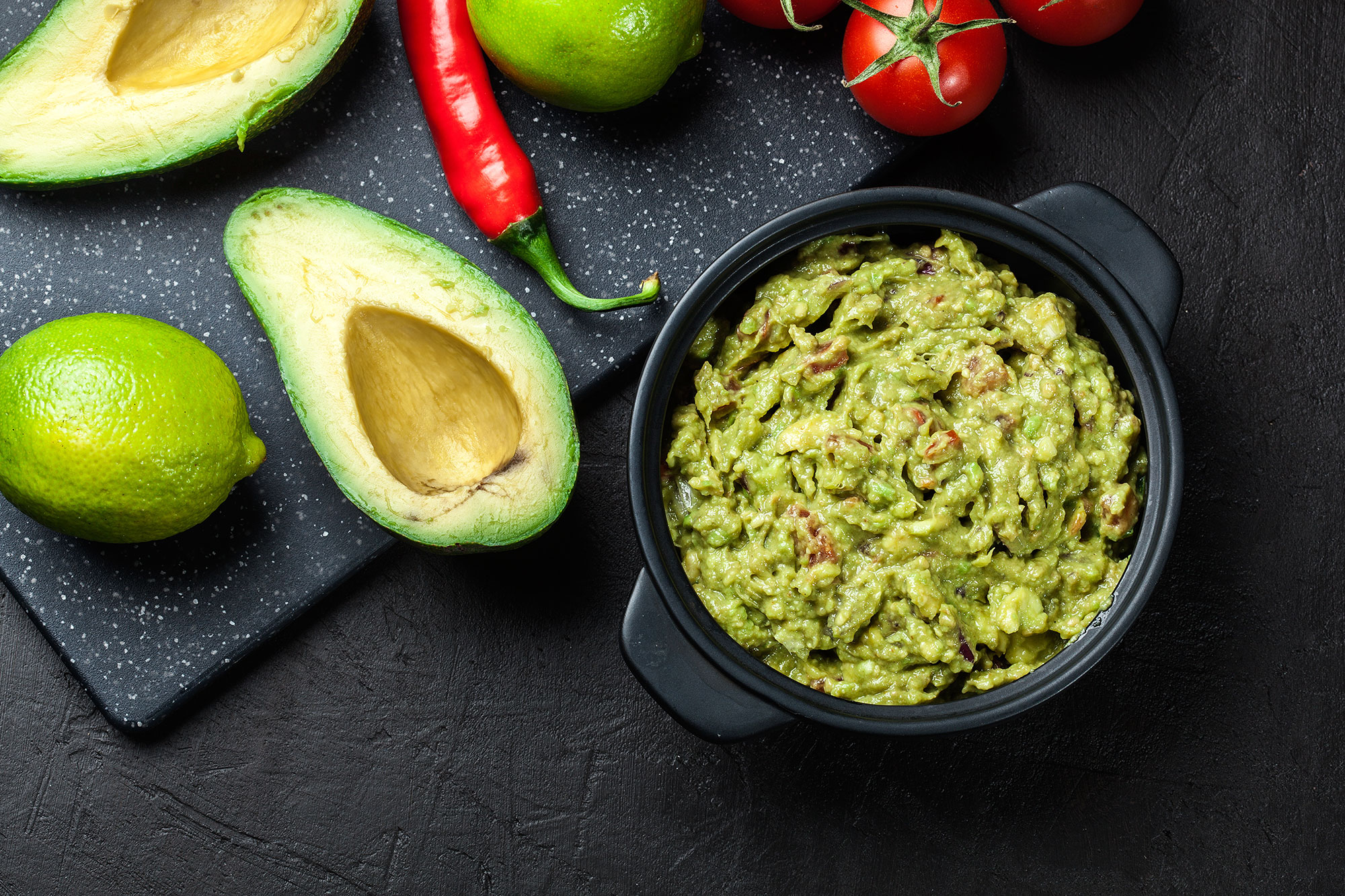
Frequent hunger may be a sign of either too few calories or, in your case, not enough volume. Filling the stomach triggers the vagus nerve that tells your brain you’ve eaten enough. A handful of nuts doesn’t provide the same amount of bulk that the following items do. Good low-calorie crunchy foods will fill you up better. Some examples include celery, carrots, jicama, radish, cucumber, sugar snap peas, bell pepper, apples, freeze dried fruit, air-popped popcorn, and rice cakes.  Adding a little dense energy (such as hummus, guacamole or cottage cheese) for satiety may be ideal. These combinations may provide a longer-lasting feeling of fullness.

– Debbie J., MS, RD

This article should not replace any exercise program or restrictions, any dietary supplements or restrictions, or any other medical recommendations from your primary care physician. Before starting any exercise program or diet, make sure it is approved by your doctor.

Some questions have been edited for length and/or clarity.


Ask our Dietitian

Have a nutrition question? Our registered dietitian is ready to help!

Email nutrition@lafitness.com or submit your question below and it may be featured in an upcoming article!

7 + 10 =


Recommended Reading - Q+A

What Causes Low Iron Levels?

What Causes Low Iron Levels?

Iron’s Role in the Body

The main function of iron is to carry oxygen in the blood to every cell in the body.

Common Symptoms of Iron Deficiency1

  1. Pale skin
  2. Extreme exhaustion
  3. Hair loss
  4. RLS (Restless Leg Syndrome)
  5. Swollen tongue
  6. Pica – Developing a craving for “non-food substances, such as clay, dirt, or chalk.”2
  7. Frequent infections

What causes Iron Deficiency?

When your body lacks iron, it cannot produce enough of the oxygen-carrying red blood cells needed to maintain a healthy body. When the body lacks the proper amount of these cells, it can result in anemia, which can cause the body to feel tired and weary.

Iron-Rich Foods

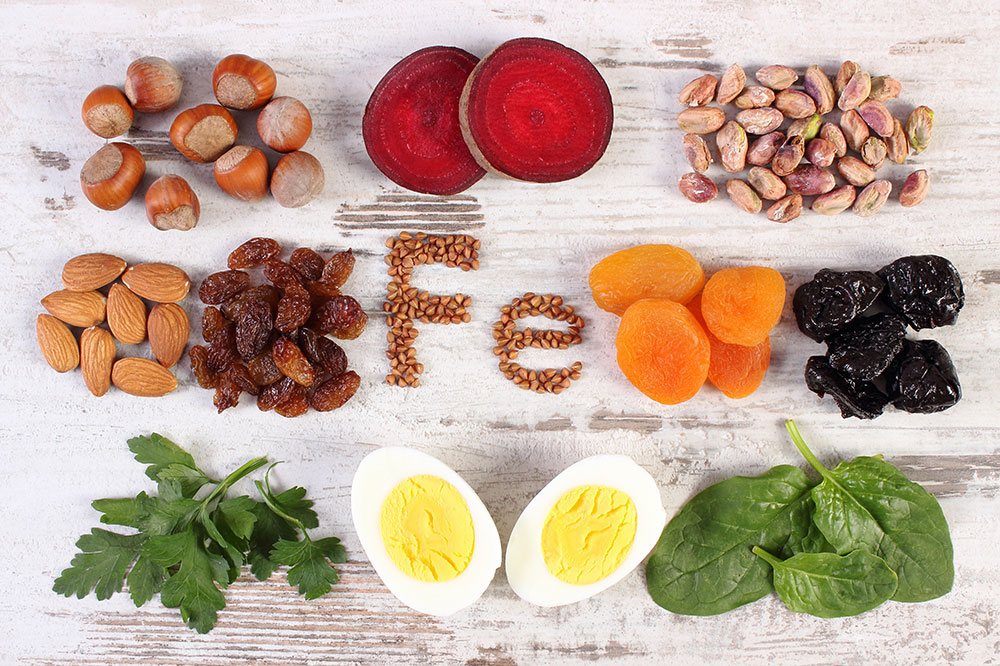
Some iron-rich foods include, but are not limited to3:

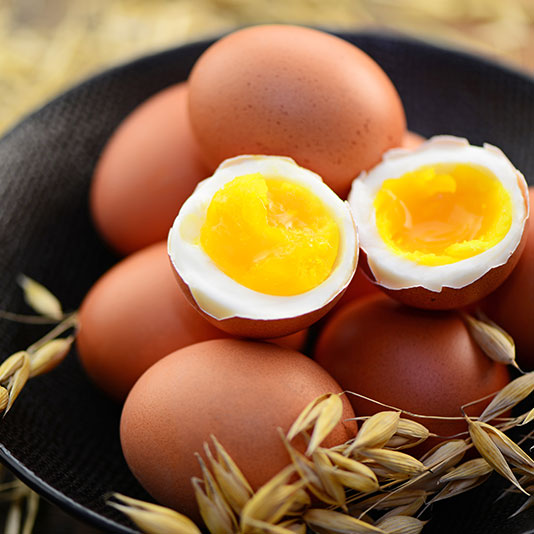
  • Eggs, specifically egg yolks
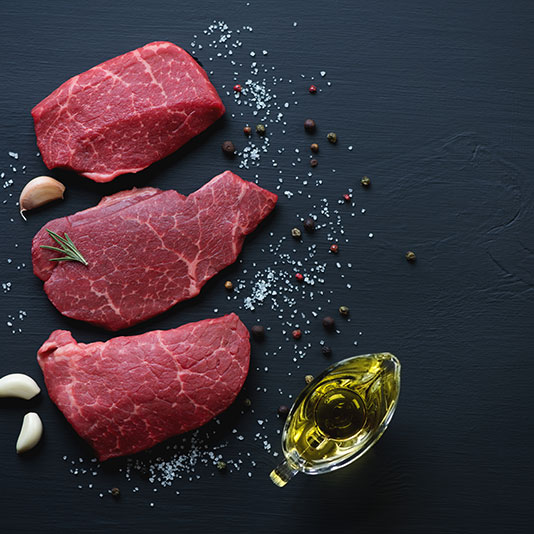
  • Red meat
  • Poultry
  • Pork
  • Oysters
  • Mussels
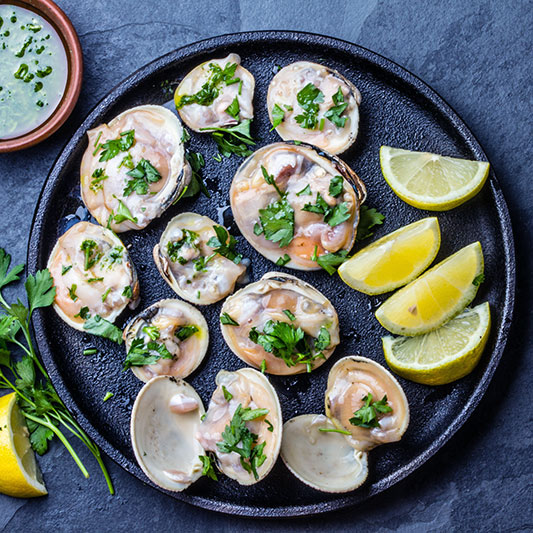
  • Clams
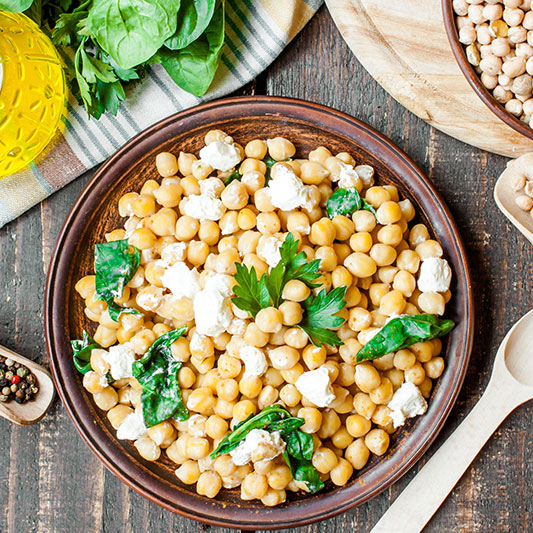
  • Chickpeas
  • Fortified breakfast cereals
  • Pumpkin seeds
  • Soybeans
  • Black beans
  • Lentils
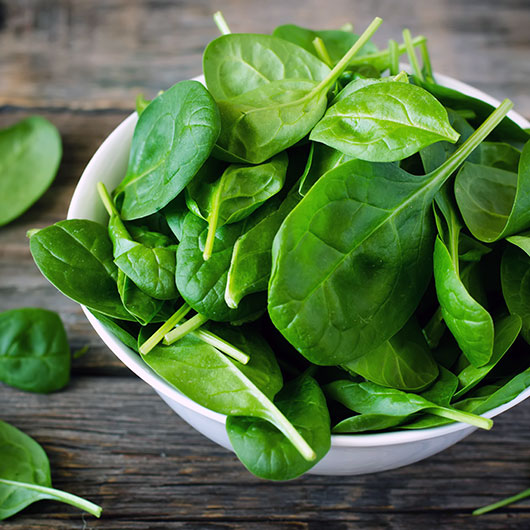
  • Spinach
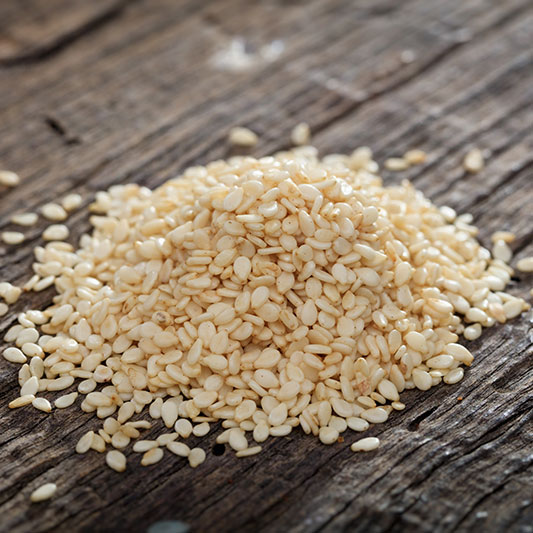
  • Sesame seeds

The Two Types of Iron

Heme Iron – This type of iron is derived from animal sources, whereas

Non-heme Iron – Is derived from plant sources.

Proper Iron Levels

The normal hemoglobin range is generally defined as 13.5 to 17.5 grams (g) of hemoglobin per deciliter (dL) of blood for men and 12.0 to 15.5 g/dL for women. The normal ranges for children vary depending on the child’s age and gender.4

Exercise & Anemia

While some men and women who exercise at a vigorous level may be more prone to developing anemia (due to level of fitness and intensity), exercise can generally IMPROVE the distribution of red blood cells in the body and help fight off the symptoms of anemia.

Stay healthy at LA Fitness, find a club near you by clicking here.

This article is not meant to be construed as medical device. Consult with your doctor before engaging in a new fitness or nutritional regime. If you suspect you or a loved one is iron deficient, consult with your physician to discuss proper care and treatment.

Sources:

  1. Welch, Ashley. “7 Unusual Signs of Iron Deficiency.” EverydayHealth.com, Everyday Health, 25 Oct. 2017, everydayhealth.com/news/unusual-signs-iron-deficiency/.
  2. Ibid
  3. Images, Getty, et al. “10 Healthy Foods That Are Great Sources of Iron.” EverydayHealth.com, 11 Sept. 2017, everydayhealth.com/pictures/foods-high-in-iron/.
  4. “Iron Deficiency Anemia.” Mayo Clinic, Mayo Foundation for Medical Education and Research, 11 Nov. 2016, mayoclinic.org/diseases-conditions/iron-deficiency-anemia/diagnosis-treatment/drc-20355040.

Recommended Reading