Full, Healthy, Nutritious Meals | Q+A

Full, Healthy, Nutritious Meals | Q+A

Question:

So I just started working out again. I’ve struggled with anorexia for thirteen plus years, but been in a pretty solid recovery for about two. From listening to an eating disorder about food, to having to gain mass amounts of weight in treatment, to just trying to maintain where I am…it’s been a crazy road of trying to figure out how best to treat my body with food. I have maintained a weight of about 115-117 for a while now (I’m 5’6″ and 25 years old). I guess my question is…how do I do this? What are examples of full, healthy, nutritious meals? I’m not looking to bulk up, but looking to gain strength. I suppose I’m just hoping someone can point me in the right direction. Sorry this question was all over the place, and thank you for sticking through it!

– Carly T.

Answer:

Thank you for your question, Carly! You don’t have to search far for examples of balanced meals for a healthy diet. Any meal can be adapted to your food preferences or tailored up/down in energy depending on preparation and condiments. No rules just a guideline — for lunch and dinner, start with vegetables, protein and starch as the base, plus a spoonful of fat. Add dairy or fruit as desired.

Don’t worry about portions and calories, just what looks and tastes great together! Go for seasonal produce, a variety of foods and colorful choices.

Here are some top picks for full meals:

  • Roasted chicken, potatoes and green beans.
  • Vegetable and cheese lasagna with a side salad.
  • Curried tofu and vegetables with rice.
  • Pork loin chop, mashed potato and steamed veggies.
  • Teriyaki beef stir-fry.
  • Noodles, salmon and broccoli.
  • BBQ pork, corn on the cob and coleslaw.
  • Ham and bean soup with cornbread.
  • Mango shrimp avocado tostada, add black beans.

Roasted chicken, potatoes and green beans.

Vegetable and cheese lasagna with a side salad.


Curried tofu and vegetables with rice.


Pork loin chop, mashed potato and steamed veggies.


Teriyaki beef stir-fry.


Noodles, salmon and broccoli.


BBQ pork, corn on the cob and coleslaw.


Ham and bean soup with cornbread.

Mango shrimp avocado tostada, add black beans.

Don’t worry about portions and calories, just what looks and tastes great together! Go for seasonal produce, a variety of foods and colorful choices

– Debbie J., MS, RD.

Disclaimer: This post is provided as general information only, and is not meant to be used as a substitute for professional medical advice, diagnosis or treatment. If you suspect your eating may be disordered, consult with a physician.


Ask our Dietitian

Have a nutrition question? Our registered dietitian is ready to help!

Email nutrition@lafitness.com or submit your question below and it may be featured in an upcoming article!

12 + 5 =


Recommended Reading - Q+A

AAT – Ep. 13: Strength Training or Cardio First?

AAT – Ep. 13: Strength Training or Cardio First?

Ask A Trainer: Featured Question of the Week

New to the gym or just unsure where to begin? We speak with Pro Results® trainer Kayla V. who helps answer the age old question – does strength training or cardio come first?

Do you have a fitness question? Ask one of our certified Pro Results® trainers here! Your question may be featured in an upcoming Ask Our Trainer video.**

2 + 10 =

**Selected submissions will be featured on the LA Fitness blog and possibly other LA Fitness digital media entities & websites. By making a submission, you hereby grant LA Fitness a non-exclusive, perpetual, worldwide, irrevocable license to use and make copies of the contents of such submission for any purpose and in any medium whatsoever, and you hereby waive and relinquish any copyright or other intellectual property right you may have in the contents of such submission and your right to pursue any claim for LA Fitness’s violation of those intellectual property rights.


Recommended 'Ask A Trainer' Videos

How Much Protein is Needed Per Day? | Q+A

How Much Protein is Needed Per Day? | Q+A

Question:

I’m a 180 lb. guy looking to skinny up and build muscle. Lifting a bunch lately. Running a bit. How much protein should I eat in grams per day?

– Kenneth B.

Answer:

Depending on your age and height, your estimated daily protein needs for your goals look to fall in the 90-115 gram range. That’s about 1.1-1.4 gm/kg. As you progress with regular intense training, upwards of 1.6 gm/kg (131 gms) may be needed.  Whether you lose fat or gain muscle also has to do with your total calories. If you’re undereating severely, you’ll need more protein. If your calories are beyond adequate, less protein is used for muscle development.

In addition to the amount of protein, you should focus on the quality of your protein and nutrient timing. Fatty sources of protein like sausage, cheese and regular ground beef contribute too many calories. Poultry breast, fish, loin and round cuts of beef/pork, beans and eggs are lean or medium-fat protein sources more likely to help you get thinner. Gulping down a 16 oz steak at once will not load muscles adequately. Instead, consume about 30 grams of protein per sitting, including breakfast. For supplements, a whey, casein, soy protein blend is ideal for longer-lasting protein delivery to working muscles.

– Debbie J., MS, RD

This article should not replace any exercise program or restrictions, any dietary supplements or restrictions, or any other medical recommendations from your primary care physician. Before starting any exercise program or diet, make sure it is approved by your doctor.

Some questions have been edited for length and/or clarity.


Ask our Dietitian

Have a nutrition question? Our registered dietitian is ready to help!

Email nutrition@lafitness.com or submit your question below and it may be featured in an upcoming article!

4 + 3 =


Recommended Reading - Q+A

Proper Water Temperatures for 13 Everyday Tasks

Proper Water Temperatures for 13 Everyday Tasks

Much like Goldilocks trying to find the perfect temperature of porridge, many of us struggle with finding just the right temperature of water to use. Those temperatures often vary from activity to activity. While some people enjoy hot showers, others prefer cold ones. Some wash their fruits and veggies in lukewarm water, while others use cold water. It bids the question – are there certain water temperatures we should be using for certain tasks? We did the research.

Never second-guess water temperatures again. Check out the following activities and corresponding recommended water temperatures.

Showering + Washing Your Hair

Who doesn’t love a nice hot shower, with the steamy warmth of water cascading over you and warming you up from head-to-toe? The trouble is that hot showers (anything above 99 degrees1) can dry out your skin and leave your hair feeling brittle! The hot water can also strip your skin of natural oils and may trigger inflammation2. The solution to this isn’t necessarily to opt for a cold shower either. In fact, anything below the average temperature of 96 degrees can harness negative effects of its own. This means that you’re left with a healthy, happy, medium – warm, with a cold rinse at the end of your shower3, which is what you should aim for.

Drinking Water

Over the years, there has been quite a debate over whether it’s best to drink room temperature water or cold water. Well, the fact of the matter is, each side has its benefits. Here’s why:

Benefits of Drinking Warm Water

  • Our core body temperature typically sits at 98 degrees. When we feel hot after working out or being in hot temperatures, our body craves cold water. However, drinking cold water to cool off may actually have the opposite effect, causing our body to work harder to “normalize” the temperature of the water, resulting in raising our body temperature.4 In this situation, drinking room temperature water may be best.
  • Having some tummy trouble? Warm water has been found to help aid in digestion by flushing fats out and promoting healthy bowel movements,5 unlike its cold water counterpart which can harden fats consumed around the inner wall of our intestines and may cause constipation.6
  • Warm water has also been known to help ease cramping and indigestion symptoms.7
  • Looking to detox? Drinking hot water may help.8 Hot water can help cause the body to sweat which helps flush out toxins and aids in the detox process.

Benefits of Drinking Cold Water

  • Before you completely discount drinking cold water, it does have its benefits. For example, when the body is working hard trying to warm up after cold water is consumed, this causes he body to burn more calories9, which isn’t necessarily a bad thing.
  • Quite simply: many people agree that cold water tastes better. It’s crisp, refreshing and thirst-quenching. If you find yourself struggling to drink the recommended 8 cups a day10 you may want to try giving cold water a shot.

Washing the Dishes

The hotter, the better! The water temperature should be uncomfortable for bare hands (invest in some rubber gloves to protect your hands when washing). Ideally, the water temperature should be at 110 degrees Fahrenheit11 to help kill bacteria and assist in cutting through tough built up grease.

Dishwasher Temperature

According to GE Appliances, “Water entering the dishwasher must be at least 120 degrees Fahrenheit and not more than 150 degrees Fahrenheit for the best cleaning and to prevent damage to the dishes.”12

Bathing Your Baby + Washing Your Dog

When you have something as precious as a newborn baby, you want to do everything in your power to take care of it. So, when it comes to bath time, what temperature is just right? According to an article put out by the Mayo Clinic, they suggest aiming for bath water around 100 F (38 C) and ensuring the room is comfortably warm too.13

Does this mean man’s best friend should be bathed in the same temperature water too? Pets are sensitive to hot and cold water, so to avoid the shock value, keep the water temperature at a lukewarm level.14 This will help ensure a comfortable experience for them and may even increase the effectiveness of the shampoo.15

Brushing Your Teeth

Cold water seems like the preferred way to go, but if you have sensitive teeth, lukewarm water may help with that. This one is really up to personal preference, so go for what feels most comfortable to you! However, Richard H. Price, a spokesman for the American Dental Association, did warn about water being too warm, potentially softening toothbrush bristles.16

Watering Plants

Have you ever thought the reason your outdoor and indoor houseplants kept dying was simply that you were born without a green thumb? Think again. Premature plant death is often caused by over-watering, but when you do need to water your plants, what temperature should the water be? Try allowing the water to reach room temperature before watering your greens.17

!! TIP: “Allowing tap water to warm up to room temperature also allows water additives to evaporate or settle out in the water. These additives can cause the browning of plant leaf tips. The prolonged use of water from a softener usually results in poor plant growth.”18

Washing Your Hands

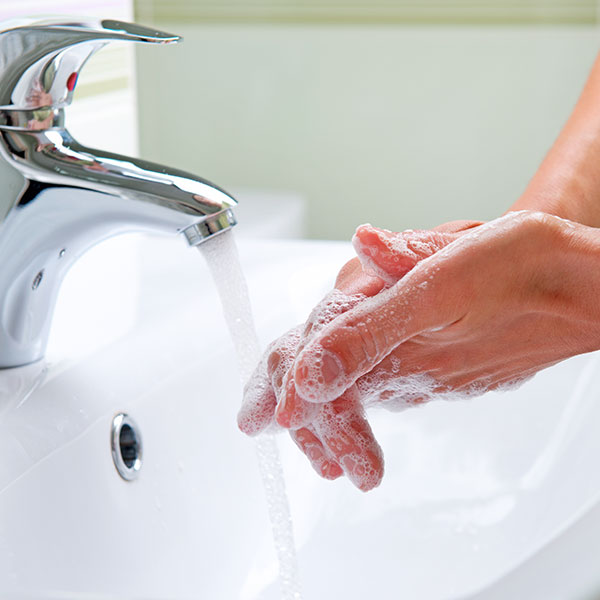
Administration guidelines for food and restaurant establishments recommend that plumbing systems should deliver water at 100 degrees Fahrenheit. However, in a recent article published in Time Magazine, researchers at Rutgers University “found no significant difference in cleaning power between water that was 60, 79 or 100 degrees Fahrenheit.”19 The real takeaway here is to make sure to always wash your hands!

Washing Clothes

Hot water is best left for whites and heavily dirtied clothes, but a word for the wise: hot water may shrink, fade and even damage some fabrics.20 Make sure that you’re reading fabric labels to ensure you won’t be ruining the clothing.

Warm water is best when washing knits, jeans, and other man-made fibers.21 Most clothes can be washed in warm water (roughly 90 degrees Fahrenheit) without significant shrinking or fading occurring.

As for cold water washing, leave that for dark, bright colors, and delicates.22 However, when washing with cold water you may need to pre-treat or pre-soak clothes if they are heavily soiled.

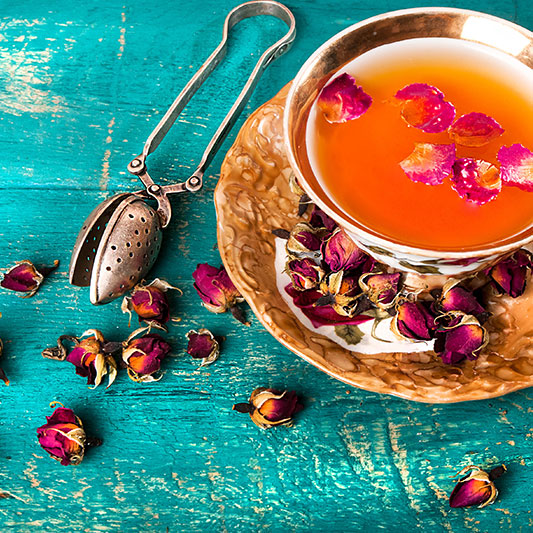
Brewing Teas

White Tea

White tea should be brewed at a low temperature, so as not to burn the tea leaves. A helpful tip would be to use water once tiny bubbles have formed on the bottom of the pan.23

Green Teas

Much like white tea, it’s best to brew green teas at a lower temperature as well. This can help prevent a bitter or grassy flavor from overpowering your tea.24 A tip offered by The Spruce online suggests waiting until tiny bubbles have formed on the bottom of the pot and begin rising to the surface of the pot.

Oolong Tea

Time to turn up the heat. For oolong tea, a higher temperature will not damage the tea. It’s suggested that brewing between 190 to 200 degrees Fahrenheit is the sweet spot.25 Bubbles should be slightly larger in size as opposed to brewing white or green tea, with a good amount of steam escaping the pot.

Black Tea

Depending on the type of black tea you are drinking, either moderate and high temperate water may be used. For more delicate black teas, brew as you would an oolong. For heavier black teas, it is fine to bring the temperature up to just under a boil.26 You will notice large bubbles and plenty of steam.

Pu-erh Tea

Boil, baby, boil! It’s suggested that pu-erh tea should be brewed with fully boiling water.

Herbal

Depending on the plants being used, the water temperature for brewing herbal tea varies widely.27 Check what’s best for your specific herbal tea in order to yield best results.

Brewing Coffee + Espresso

Straight from the National Coffee Association themselves, your brewer should maintain a water temperature between 195 to 205 degrees Fahrenheit for optimal extraction.” Cold water can result in under-extracted coffee, which may cause the coffee to taste flat. On the other hand, brewing too hot can impact the quality taste of the coffee.28

As for brewing that special shot of espresso, there are multiple claims that various temperatures are “best” for securing that perfect espresso shot. There doesn’t seem to be enough evidence to prove one temperature outshines another, so go rogue, espresso lovers of the world.

Cooking

Baking Bread

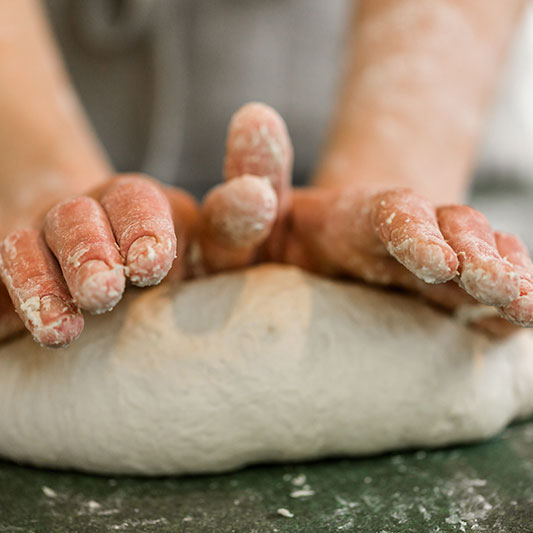
Time to bake the bread before you start breaking it. When activating the yeast for the bread, make sure that it is done so in 120 to 130 degree Fahrenheit water. Anything over 130 degrees can kill the yeast, and anything lower than 120 degrees can make the dough hard to work with.28

Thawing Meats

According to the United States Department of Agriculture, cold water thawing is a completely acceptable way to thaw meat as long as you follow a few safety guidelines. Completely submerge the bag of meat in cold tap water, changing out the water every 30 minutes to keep it cold and allowing the meat to continually thaw.29

Mopping Floors

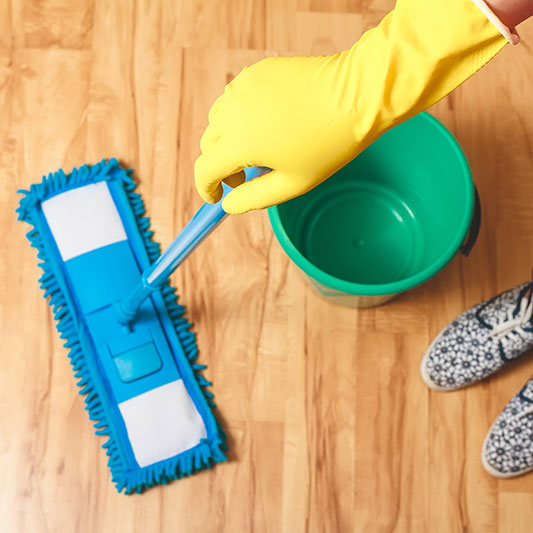
Cold water is said to work best for mopping floors, because cold water dries slower and evenly on the floor’s surface, which may help prevent smears and streaks from forming.30

Washing Produce

When washing fruits and veggies, the water should be no more than 10 degrees colder than the produce.31 As long as you make sure you’re scrubbing and sufficiently cleaning the produce in hand, tap water should be an efficient way to get produce clean and ready to prep/consume.

Sources:

  1. Almanza, Aubrey. “The Healthiest Temperature for Your Shower.” Reader’s Digest, 21 Nov. 2016, rd.com/health/wellness/healthiest-temperature-shower/.
  2. Ibid
  3. Ibid
  4. “Are You Drinking Water at the Right Temperature?” Guided Mind, www.guidedmind.com/blog/are-you-drinking-water-at-the-right-temperature.
  5. Ibid
  6. Ibid
  7. Ibid
  8. Ibid
  9. Ibid
  10. Gunnars, Kris. “How Much Water Should You Drink Per Day?” Healthline, Healthline Media, 18 Aug. 2016, www.healthline.com/nutrition/how-much-water-should-you-drink-per-day.
  11. “Kitchen Sanitation: Dishwashing Best Practices.” com, www.universalclass.com/articles/business/kitchen-sanitation-dishwashing.htm.
  12. Dishwasher Correct Water Temperature, products.geappliances.com/appliance/gea-support-search-content?contentId=18924.
  13. “A Parent’s Guide to Newborn Baths.” Mayo Clinic, Mayo Foundation for Medical Education and Research, 25 Oct. 2016, mayoclinic.org/healthy-lifestyle/infant-and-toddler-health/in-depth/healthy-baby/art-20044438?pg=2.
  14. “PetMD, LLC.” PetMD, www.petmd.com/dog/grooming/evr_multi_bath_time_fun.
  15. “20% OFF Drs. Foster and Smith Brand Products   Shop Now ›.” Doctors Foster and Smith, drsfostersmith.com/pic/article.cfm?articleid=735.
  16. Ray, C. Claiborne. “The Truth About Brushing.” The New York Times, The New York Times, 29 Apr. 2013, nytimes.com/2013/04/30/science/should-we-use-hot-water-to-brush-our-teeth.html.
  17. Watering Houseplants, ag.ndsu.edu/hort/info/inform/indoor/water.htm.
  18. Ibid
  19. “Why You Should Wash Your Hands in Cold Water.” Time, Time, time.com/4800412/wash-hands-cold-water/.
  20. “Washer Water Temperature Guide.” WASH Laundry, 17 July 2014, washlaundry.com/residents/laundry-tips/temperature/.
  21. Ibid
  22. Ibid
  23. “Find the Right Water Temperature for Brewing Any Type of Tea.” The Spruce, www.thespruce.com/how-to-brew-tea-water-temperatures-766316.
  24. Ibid
  25. Ibid
  26. Ibid
  27. Ibid
  28. “The Perfect Water Temp For…Everything!” Prevention, 11 Feb. 2016, prevention.com/health/healthy-living/the-best-water-temperature-for-everything/slide/9.
  29. “FSIS.” The Big Thaw, www.fsis.usda.gov/wps/portal/fsis/topics/food-safety-education/get-answers/food-safety-fact-sheets/safe-food-handling/the-big-thaw-safe-defrosting-methods-for-consumers/CT_Index.
  30. HARO Quality flooring – Hamberger Flooring GmbH & Co. KG., Rosenheim, Germany. All rights reserved. “HARO – FAQ – Find out How to Mop Your Floor without Streaks and Smears by Using Clean & Green – Hamberger Flooring GmbH & Co. KG.” HARO Quality Flooring – Hamberger Flooring GmbH & Co. KG., Rosenheim, Germany. All Rights Reserved., www.haro.com/gb/accessories/care_accessories/faq.php.
  31. https://extension.colostate.edu/docs/pubs/foodnut/09380.pdf

Recommended Reading

Snacks to Help Keep Hunger at Bay | Q+A

Snacks to Help Keep Hunger at Bay | Q+A

Question:

What are some snacks that I can eat throughout the day to keep my body from eating itself? I have a high metabolism and I get hungry very quickly

– Joseph E.

Answer:

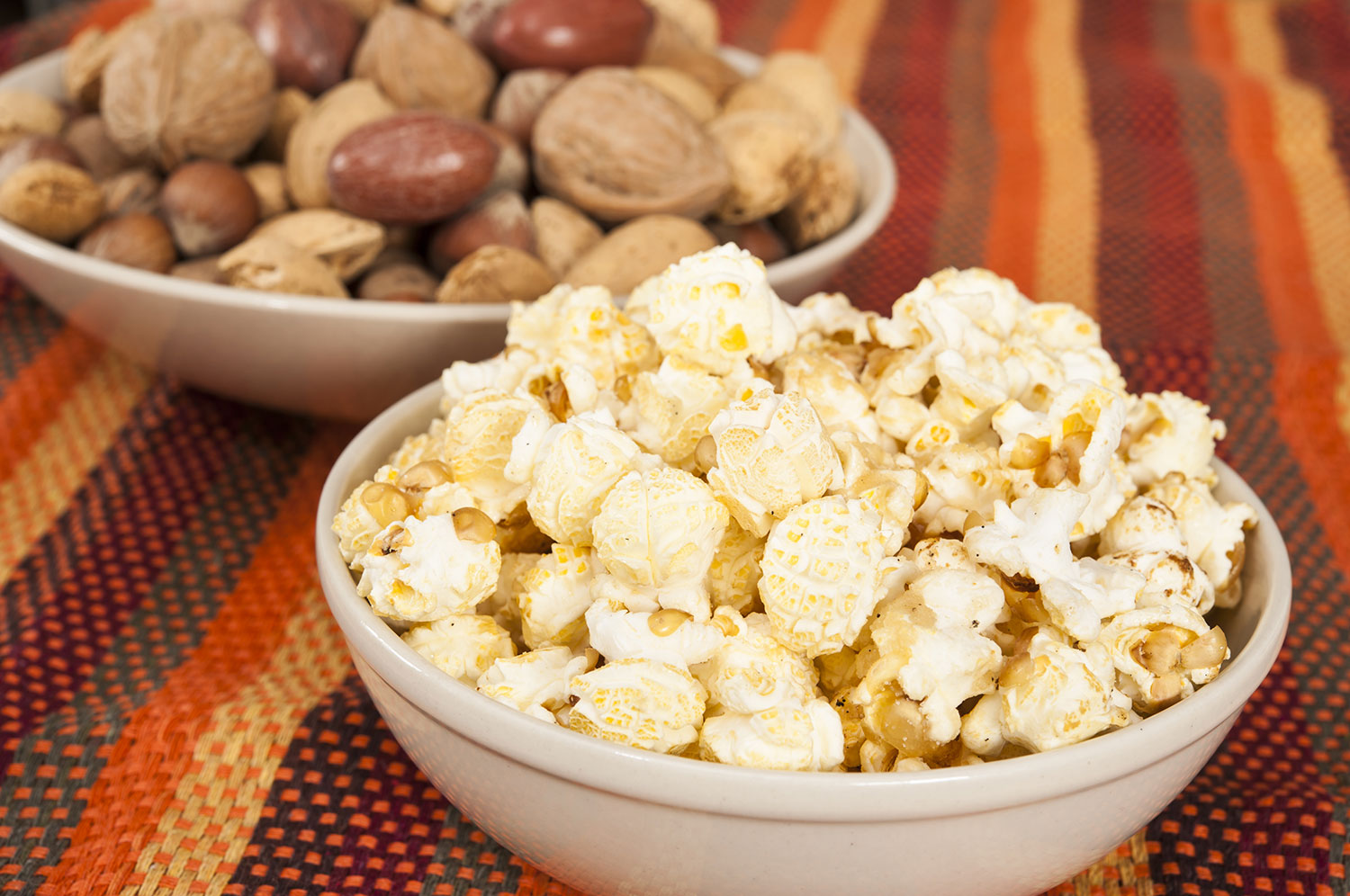
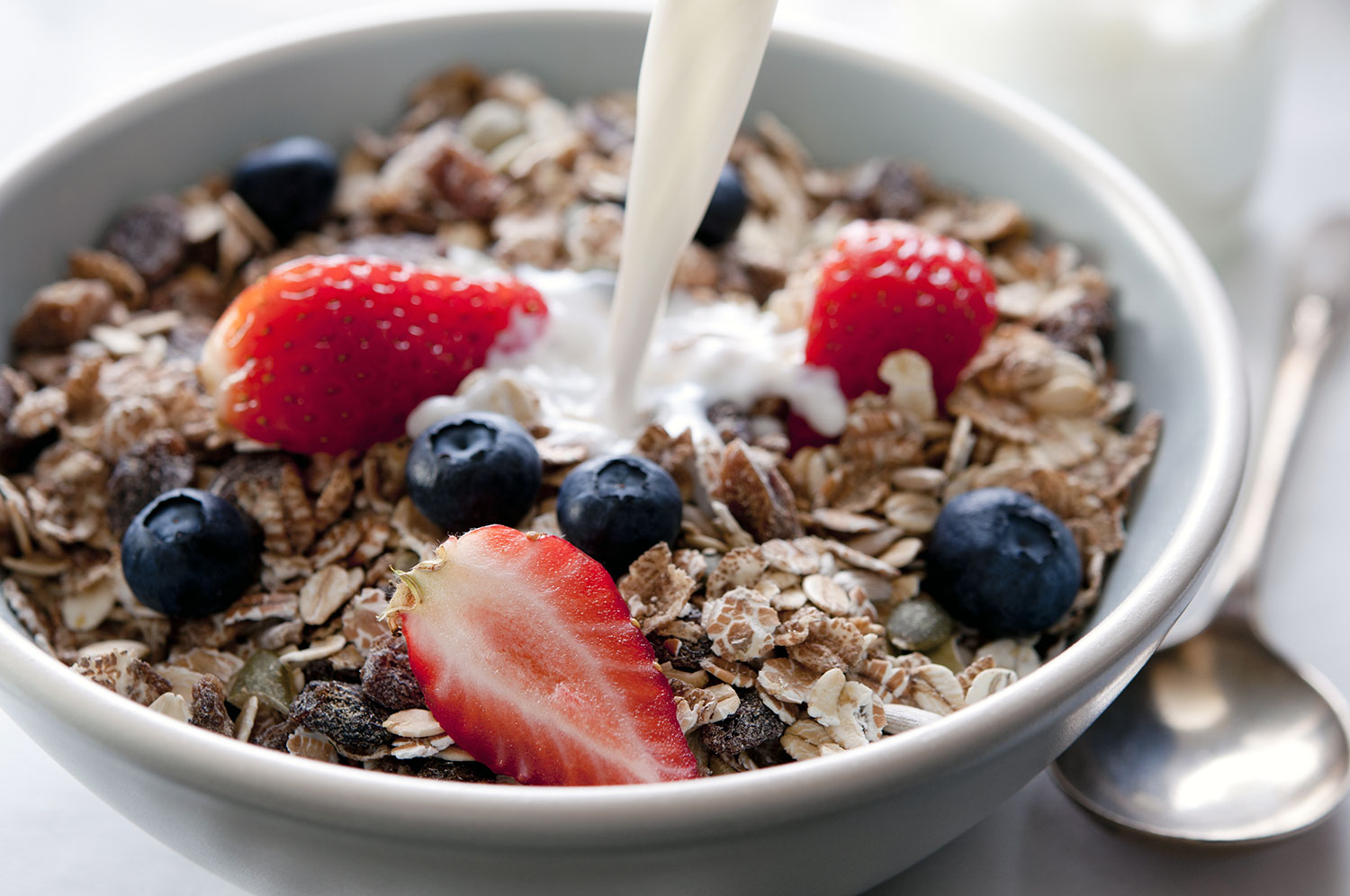
To really address recurring hunger, snacks will need to have both energy density and volume. This is sort of a contradiction unless you consider pairing foods. Protein and fiber are added bonuses for long-term satisfaction. Take nuts and popcorn for example; one has over 100 calories in an ounce with decent protein, while the other gives only 100 calories in 3 cups plus fiber. A perfect match. Consider a bowl of granola + milk, with a side of melon. Try other combos like cheese and rice crackers, peanut butter and celery, or hummus and carrots.

Another option are fatty vegetables. Soy nuts and fried snap peas are easy finger foods with a savory appeal like potato chips. Edamame can be prepared hot or cold, salted or not. Avocado as guacamole with bell pepper strips or baked whole-grain crackers is an appetizer turned snack for anytime.

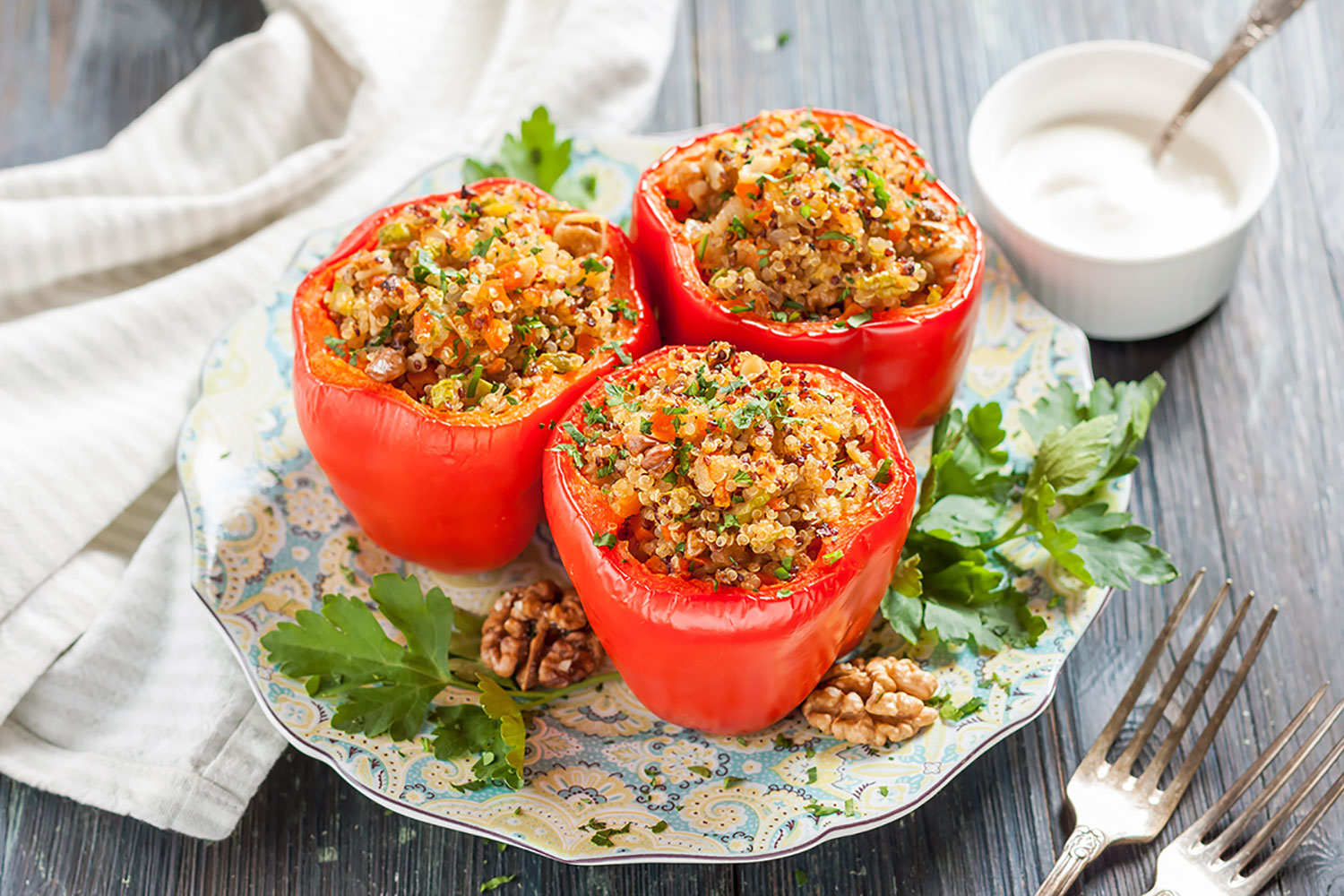
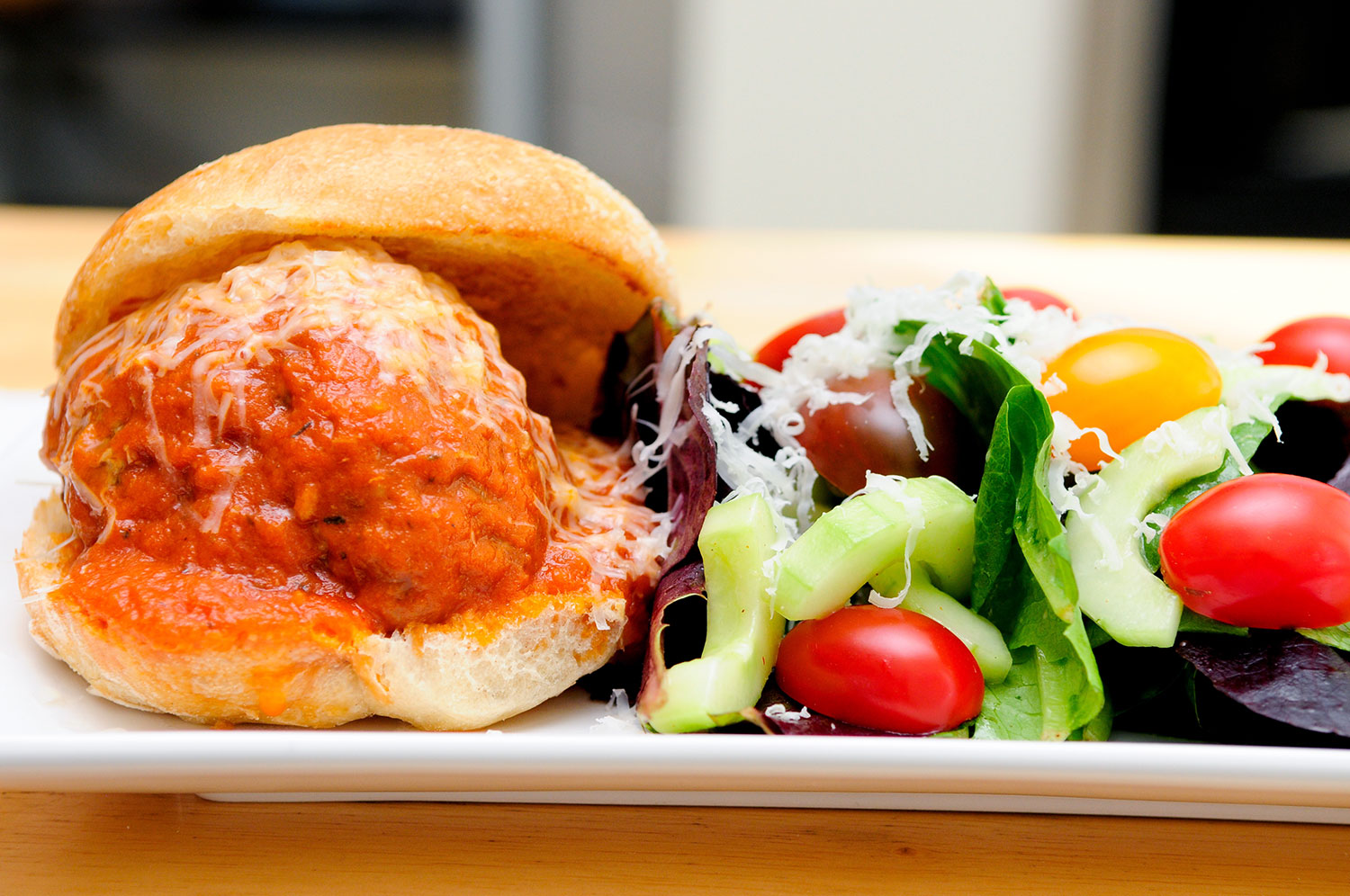
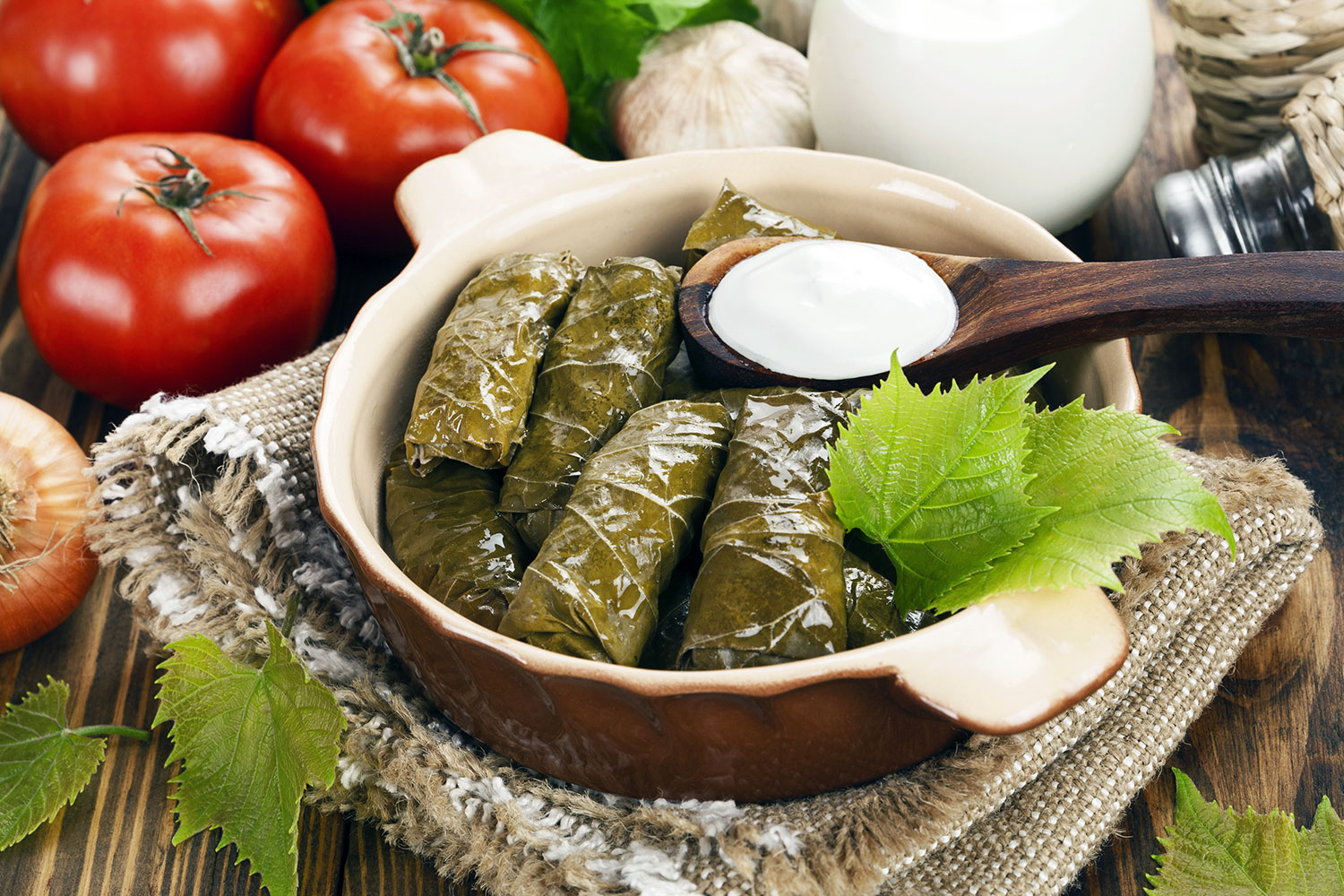
Think outside the box of traditional snacks. Leftovers and mini-meals make great snacks too! A stuffed pepper, a couple meatball sliders or a few dolmas might foot the bill.

– Debbie J., MS, RD

This article should not replace any exercise program or restrictions, any dietary supplements or restrictions, or any other medical recommendations from your primary care physician. Before starting any exercise program or diet, make sure it is approved by your doctor.

Some questions have been edited for length and/or clarity.


Ask our Dietitian

Have a nutrition question? Our registered dietitian is ready to help!

Email nutrition@lafitness.com or submit your question below and it may be featured in an upcoming article!

10 + 3 =


Recommended Reading - Q+A