The 5 Types of Yoga You Have to Try: Let’s Take a Mindful Minute

The 5 Types of Yoga You Have to Try: Let’s Take a Mindful Minute

“Yoga takes you into the present moment, the only place where life exists.” – Anonymous
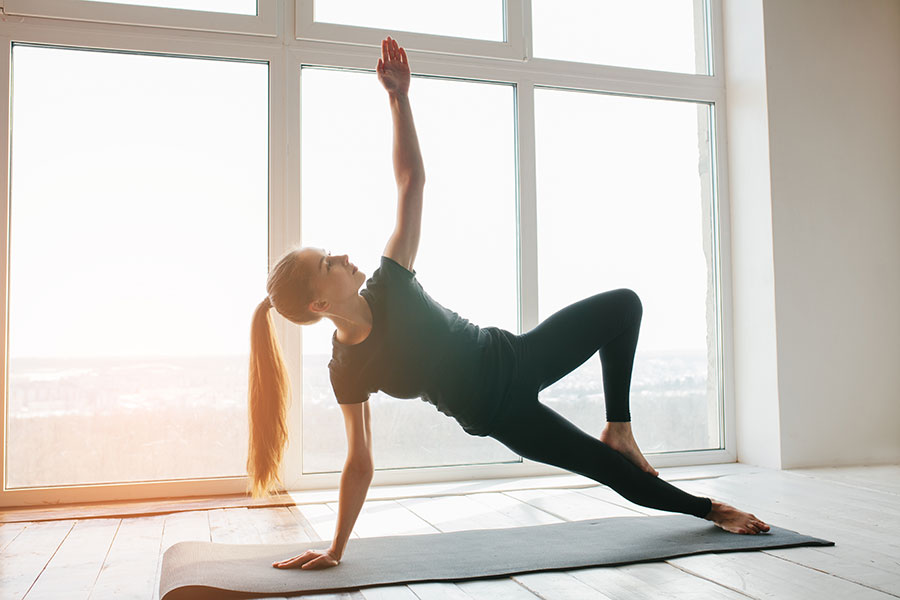
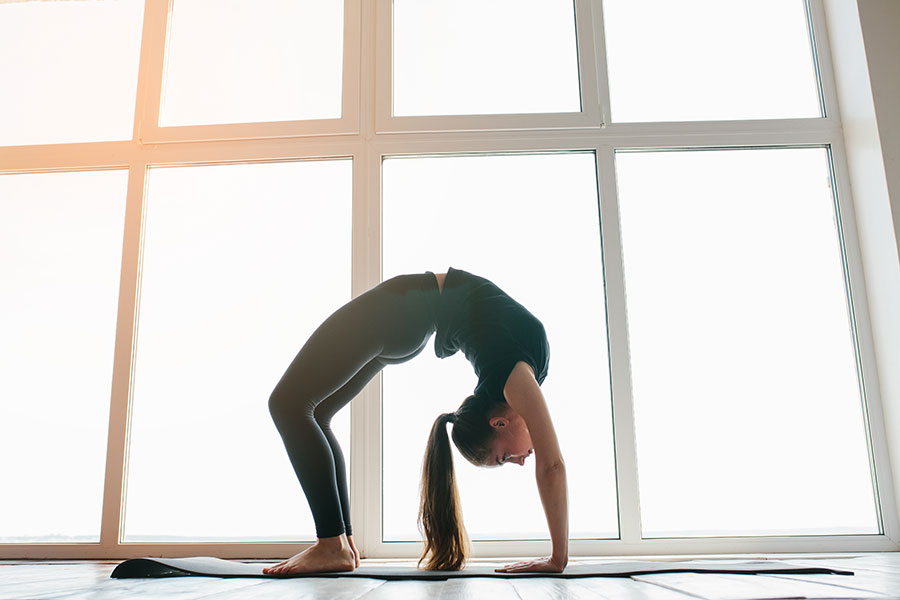
For a complete body, mind, and soul transformation, Yoga is all-inclusive. This healthy lifestyle workout both strengthens and brings relaxation to your overall body. Having originated approximately 5,000 years ago in India, this age-old practice continues strong today.
Some describe Yoga as a science, while others praise it as a way to combine the physical realm with the spiritual realm. Whichever way you choose to see it, one thing is certain: Yoga is here to stay.
But, what is Yoga exactly?
According to the Art of Living, Yoga is all about “harmonizing the body with the mind and breath through the means of various breathing exercises, yoga poses (asanas) and meditation.”1
If you’re new to this form of fitness, don’t be intimidated – the necessities needed for Yoga are pretty basic.
Here are a few tips for the new Yogis out there:
  1. When it comes to clothing, body-fitting, comfortable clothing works well.
  2. Yoga requires a lot of fluid body movements, so try to wear clothing that doesn’t constrict you in any way. Women typically opt for leggings and a somewhat form-fitting top, while men usually wear shorts, however loose pants work just as well.
  3. No shoes or socks are required for classes.
  4. As for a Yoga mat, LA Fitness offers complimentary mats for members to use during yoga. If you prefer to bring in your own, that is perfectly fine too!

The Health Benefits of Yoga 

The health benefits of Yoga are astounding. Research has proven that Yoga can help reduce the symptoms of depression and anxiety, aid in improvement of chronic back pain, help lower blood sugar and speed nerve impulses in those suffering from diabetes, boost energy, mood, have positive effects on those battling obesity, heart disease and cancer – amongst many others.2 It’s amazing how such a gentle workout approach can be so beneficial to our bodies.

Below is a list of five different styles of Yoga that are an absolute must-try for Yoga enthusiasts.

1. Bikram Yoga For Healing
Bikram Yoga is a form of Yoga that involves repeating the same set of 26 poses in set cycles over a 90-minute time frame. As taken from the official Bikram Yoga site, this style is meant to “work every part of the body, to give all the internal organs, all the veins, all the ligaments, and all the muscles everything they need to maintain optimum health and maximum function.”3 Bikram style yoga is often grouped together with hot yoga, due to the fact that these classes take place in a hot room, either at or above body temperature.
2. Yin Yoga For Relaxation
Imagine Yin Yoga as a slower-paced version of basic yoga. Now before you think this sounds boring, it’s actually quite challenging, while still bringing relaxation to your body. Yin Yoga requires its students to hold postures, or asanas, for longer periods of time. This is supposed to target the deeper tissues of the body rather than the superficial tissues alone. It’s not uncommon for poses to be held 3 to 5 minutes at a time, sometimes even as long as 20 minutes. The poses for this style yoga are similar in form to one meditating.
3. Iyengar Yoga For Strength and Stamina
Iyengar Yoga is a form of Hatha yoga that was developed by Yoga Master B.K.S. Iyengar. It corrects alignment of all parts of the body and establishes a sense of well-being. The precision of each pose assists in building strength, stamina, balance, and flexibility. If you’re a fan of varied exercise, this style may be for you, given that no routine is ever exactly the same. This method is all about developing better attention to detail.
4. Bhakti Yoga For Love
This yoga practice may be for love, but not in the traditional romantic way we may first come to think of. Bhakti is one of the major six branches of yoga, which focuses on cultivating a love and devotion toward a personal god. Bhakti Yoga is also known as the path to self-realization. It’s a form of yoga that is recommended for those who feel they are in touch with their emotions. It’s the path of the heart and devotion. The ultimate goal of practicing Bhakti Yoga is to reach a state of pure bliss.
5. Ashtanga or Power Yoga For Weight Loss
Astanga Yoga is a type of yoga is based on eight principles: Yama (moral codes), Niyama (self-purification and study), Asana (posture), Pranayama (breath control), Pratyahara (sense control), Dharana (concentration), Dhyana (meditation), and Samadhi (absorption into the Universal). Power Yoga is an offshoot of Astanga Yoga, which uses the same poses, just sped up! If you’re looking for an intense workout that will leave you feeling good and full of sweat, you may want to give this style a try.

LA Fitness + Yoga

Feeling inspired to get your Yoga fitness on? LA Fitness has you covered. Find a Yoga class at a location near you by clicking, here. And for those of you seeking a different take on traditional yoga, consider trying out Yogabeat® and watch yourself dance gracefully throughout a series of varying poses while burning off those pesky calories.

In honor of National Yoga Month, invite a friend to join you to try out a LA Fitness Yoga class by sending them a guest pass here!

Sources: 

  1. “Yoga.” Art of Living (Global), www.artofliving.org/us-en/yoga.
  2. Link, Rachael. “13 Benefits of Yoga That Are Supported by Science.” Healthline, Healthline Media, 2017, www.healthline.com/nutrition/13-benefits-of-yoga.
  3. “Home.” Bikram Yoga®, www.bikramyoga.com/.

Recommended Reading

Sugar Content of Jamaica Tea

Sugar Content of Jamaica Tea

Question:

I have been drinking a lot of Jamaica tea with a little Splenda. Does the tea have a sugar content? I have seen conflicting articles when I Google it. Thanks.

– Antonio D.

Answer:

Tea brewed from the dried petals of the hibiscus flower (also known as Jamaica or Roselle) is a pleasant ruby red, almost cranberry juice-like color, not to be confused with African rooibos tea.

According to the USDA’s National Nutrient Database for Standard Reference, Legacy Release: brewed hibiscus tea has 0 grams carbohydrate per 8 fluid ounces, no caffeine and contains trace minerals. By contrast, a cup of the raw flower petals has 6.5 grams carbohydrate.

If you brew your own or obtain it unsweetened, there should be no sugar in your Jamaica. However, prepared hibiscus/Jamaica teas sold at a coffee shop/restaurant or in the drink aisle at a store may be sweetened with sugar.

– Debbie J., MS, RD

This article should not replace any exercise program or restrictions, any dietary supplements or restrictions, or any other medical recommendations from your primary care physician. Before starting any exercise program or diet, make sure it is approved by your doctor.

Some questions have been edited for length and/or clarity.

Ask our Dietitian

Have a nutrition question? Our registered dietitian is ready to help!

Email nutrition@lafitness.com or submit your question below and it may be featured in an upcoming article!

13 + 13 =


Recommended Reading - Q+A

Fruits to Help with Weight Loss

Fruits to Help with Weight Loss

Question:

I’ve been eating just fruit for lunch each day. Can you please recommend the best fruits to eat for weight loss?

– Lisa

Answer:

My first recommendation would be to consume more than just fruit if you eat only 3 meals and breakfast is not ample. On the other hand, if you eat heartily in the morning with snacks between meals, then you might get by on a fruit-only lunch.

Almost all fresh* fruits (save avocados, olives & coconuts) are pure carbohydrates with very little protein or fat. So, they may not sustain you for long. They do offer an abundance of fiber, vitamins/minerals, and water content, though. I would encourage you to balance your fruit only lunch with some nuts, seeds or even a hard-cooked egg for a little protein and fat.

While the nutritional content varies among fruits, there aren’t particular ones that promote weight loss, per se. Melons and strawberries are more calorie-dilute than some others, while cherries, grapes, and bananas are considered dense. Anything that takes a while to chew means you’ll consume less of it, so apples with the skin on and pomegranate arils may be better choices.

For further answers regarding fruit consumption click here and here.

*Dried and canned fruits are a no-no for dieters!

– Debbie J., MS, RD

This article should not replace any exercise program or restrictions, any dietary supplements or restrictions, or any other medical recommendations from your primary care physician. Before starting any exercise program or diet, make sure it is approved by your doctor.

Some questions have been edited for length and/or clarity.

Ask our Dietitian

Have a nutrition question? Our registered dietitian is ready to help!

Email nutrition@lafitness.com or submit your question below and it may be featured in an upcoming article!

6 + 8 =


Recommended Reading - Q+A

How Nutrition and Exercise Affect the Body

How Nutrition and Exercise Affect the Body

We’ve heard time and time again that eating healthy and exercising does wonders for our bodies, but to what extent? See how maintaining a nutritious diet and hitting the gym lead to good health.

Benefits of Healthy Eating

Eating healthy presents many physical benefits such as preventing cancer, improving your immune system, and maintaining blood pressure levels. Upping your fruit and vegetable intake and eating enough calories throughout the day ensure you stay energized and control your weight.

But what’s considered a nutritious diet? A balance of protein, fats, and carbohydrates which, in addition to making you energized, leads to tissue growth and repair, bone strength, and healthy digestion.

It’s also important to eat foods with significant nutrients like Vitamin C, B vitamins, and iron. Vitamin C builds collagen, a protein essential to the healing of skin tissue; B vitamins lead to the creation of amino acids, which create muscle tissue; and iron encourages cells to grow and function. Foods containing these nutrients include fruits, vegetables, fish, and meats like chicken or turkey.

Make sure you’re also getting enough calcium, a nutrient that keeps your bones and teeth strong, and vitamin D, which properly absorbs the calcium. Stick to foods like cheese, seeds, yogurt, and lentils and beans.


Benefits of Exercise

Aim for 150 minutes a week of moderate exercise or 75 minutes of vigorous exercise. Like good nutrition, exercising can also control weight, combat diseases (like heart disease) improve your mood, boost energy, and help you sleep better.

There are many studies on the benefits of exercise. One, by The National Center for Biotechnology Information, showed that six weeks of regular exercise reduced feelings of fatigue for 36 people who had persistent fatigue.

Looking for a clearer and brighter complexion? An active lifestyle can help with that, too. Regular exercise helps your body produce more antioxidants, stimulate blood flow, and decrease the appearance of aging.

There are many exercises out there, but if you want to benefit your entire body, perform total body workouts. These consist of exercises that target all of your muscle groups at once. Total body workouts burn calories faster, increase strength, and build more muscle. If you’re a beginner, sign up for classes at a local gym and you’ll get stronger in no time.


Recommended Reading

Increasing Fat Loss Without Impacting Performance

Increasing Fat Loss Without Impacting Performance

Question:

I have spent the past year working out five days a week doing both HIIT (2-3 days of the week) and strength training. I have had a lot of success with changing my shape, dropping 1.5 pant sizes and building muscle, but the process is slow. I still have body fat that I want gone. I have been reading some about the Keto diet, but don’t want to lose anything from my ability to perform and have heard mixed things about that diet. I eat pretty clean already and always have. Are there dietary changes that are key to increasing fat loss but don’t impact performance? Or should I just be patient with the process?

– Laura E.

Answer:

When you mention performance, what comes to mind is athletic competition or workout effectiveness. In either case, weight loss should ideally be tackled off-season or before the critical performance time. As it sounds like that is not your intended situation, there is no guarantee that while you are creating a caloric deficit your workouts won’t suffer.

Since you state that you eat clean already, I’d look to volume and timing of your meals and snacks for the greatest effect. Supporting your workouts with proper hydration, pre-workout snacks, and recovery nutrition is paramount. Don’t skimp in the few hours preceding and after exercise. Curbing intake at other times, particularly before bedtime and on rest days, would be the approach I’d recommend. Portions may be deceiving and appetite tends to increase with exercise, so watch not only the volume on your plate but how much goes in your mouth. An additional 100 calorie reduction equates to another lost pound per month.

Of course, if there are ‘extras’ in your diet like alcoholic beverages or sweets (even if organic), giving up on those will only benefit your performance and fat loss goals.

– Debbie J., MS, RD

This article should not replace any exercise program or restrictions, any dietary supplements or restrictions, or any other medical recommendations from your primary care physician. Before starting any exercise program or diet, make sure it is approved by your doctor.

Some questions have been edited for length and/or clarity.

Ask our Dietitian

Have a nutrition question? Our registered dietitian is ready to help!
Email nutrition@lafitness.com or submit your question below and it may be featured in an upcoming article!

13 + 4 =


Recommended Reading - Q+A