Foods That Promote Hydrated and Glowing Skin

Foods That Promote Hydrated and Glowing Skin

Question:

What are some foods that help keep the skin looking more hydrated and glowing?

Answer:

It takes the entire physiological nutrition process for ingested food to affect the exterior of your body from the inside. A proper diet and good skin care should keep your dermal layers in top shape.

The first step is not surprising – stay hydrated! Drink plenty of water throughout the day. Next, choose foods high in unsaturated fats, like nuts, avocado, and salmon. The omega-3 fatty acids found in salmon reduce inflammation and keep skin healthy and bright.1 Avocado also contains biotin which combats dry skin.1 Finally, include sources of supportive nutrients. Cantaloupe melon and sweet potato contain vitamin A which helps maintain epidermal glow.Turmeric spice is full of antioxidants, making it great to nourish skin and promote elasticity.2  Higher intake of vitamin C rich foods (citrus, strawberries, broccoli) is associated with less age-related dryness.3

In addition to eating your way to better skin, you can apply good nutrition directly to your derma! Topical food picks for the surface of your face include:

  • Mask: 1 Avocado + 2 Tbsp plain yogurt + 1 Tbsp oil + 1 Tbsp honey4
  • Soak: Buttermilk-dipped washcloth
  • Massage: Pureed papaya
  • Peel: Whipped egg white + tsp coconut oil + tsp lemon juice5
  • Mist: Liquid from straining boiled, peeled and diced cucumber & lime

References:

  1. 9 Things You Should Be Eating Regularly If You Want Glowing Skin, by Lauren Valenti. marieclaire.com. March 30. 2017. Accessed 11.26.2018.
  2. 8 Foods for Glowing Skin. Keri Glassman. https://nutritiouslife.com Accessed 11.26.2018
  3. Beauty From the Inside Out: Improving your diet or taking supplements may lead to younger-looking skin. American Academy of Dermatology aad.org February 3, 2015. Accessed 11.26.2018
  4. 8 Skin-Transforming Face Masks You Can Make Out of Food, by Irma Elezovic. Allure.com. January 3, 2017. Accessed 11.26.2018
  5. 3 DIY Egg White Face Masks for Dry, Normal and Oily Skin, by Deeksha Sarin. https://food.ndtv.com. March 28, 2018. Accessed 11.26.2108

– Debbie J., MS, RD

This article should not replace any exercise program or restrictions, any dietary supplements or restrictions, or any other medical recommendations from your primary care physician. Before starting any exercise program or diet, make sure it is approved by your doctor.

Some questions have been edited for length and/or clarity.

Ask our Dietitian

Have a nutrition question? Our registered dietitian is ready to help!

Email nutrition@lafitness.com or submit your question below and it may be featured in an upcoming article!

11 + 11 =


Recommended Reading - Q+A

What’s Up with Delayed Onset Muscle Soreness?

What’s Up with Delayed Onset Muscle Soreness?

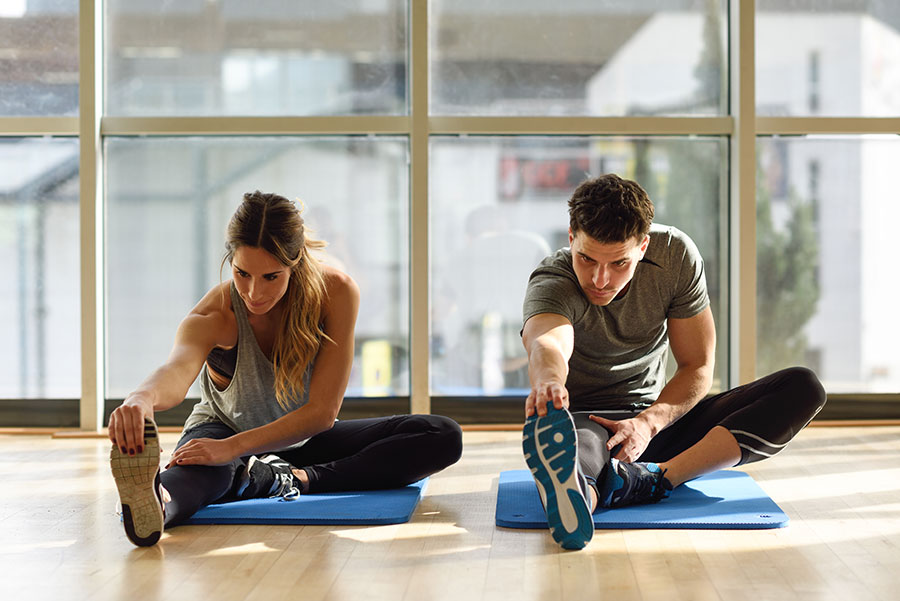
Why do muscles sometimes hurt right away and other times up to 48 hours afterward? Delayed Onset Muscle Soreness (DOMS) is something every gym goer experiences, but it can affect everyone differently. DOMS is a common result of physical strain put on the muscles and the microscopic tears, or damage, done to the muscle fibers. This “damage” done to the muscles is extremely beneficial in helping with muscle growth and building strength, but it can cause some discomfort.

While no one likes to be in pain, the slight aches are a good indication that your body is benefiting from the new workout routine. When your body adjusts to the exercise, you’ll experience less pain, but this may be a sign it’s time to switch to a new exercise routine in order to keep your muscles guessing and not getting used to doing the same movements. A shock to the system will help increase muscle awareness and help contribute to continued muscle growth.

Minor discomfort is considered normal, but if your aches and pains are preventing you from doing everyday tasks, this could be an indicator that you’ve strained a muscle too far. In that case, focus on another muscle group in order to give your sore muscles enough time to heal. A good way to help prevent muscle soreness (or at least minimize it) is to properly stretch after each workout session. Some articles on the benefits of stretching can be found here and here.

Additional ways to help the body recover from DOMS is ice, rest, pain medication, massage, heat, and of course, stretching.1 Some people may even benefit from a post-workout cooldown, which would be about 10 minutes of light cardio, followed by stretching. This works because “when muscle temperature is increased, blood flow increases, bringing fresh oxygen and healing nutrients to the injured site.”2 It’s also important that you switch up the muscle groups you’re targeting at the gym, in order to build overall muscle and avoid over trained muscles. This is where injury can occur.

What if you don’t experience soreness after a workout? Well, that doesn’t necessarily mean that you’re not working out hard enough. Different body types handle pain and exercise differently. It could just mean that you’re one of the lucky ones not experiencing as much inflammation as others might. Another way to help decrease DOMS is staying properly hydrated.3 Drinking enough water helps prevent dehydration and assists with circulation.

What are your tips for helping combat DOMS? Leave your suggestions in the comments below. 

Sources:

  1. Sarnataro, Barbara Russi. “Sore Muscles? Don’t Stop Exercising.” WebMD, WebMD, www.webmd.com/fitness-exercise/features/sore-muscles-dont-stop-exercising.
  2. Ibid
  3. Zickl, Danielle. “Is Muscle Soreness Really a Sign Of an Effective Workout?” Men’s Health, Men’s Health, 30 July 2018, www.menshealth.com/fitness/a19542200/what-is-delayed-onset-muscle-soreness/.

Recommended Reading

15 Meatless Monday Recipes

15 Meatless Monday Recipes

Question:

I just started participating in no-meat-Mondays. What are some well-balanced vegetarian based meals I can eat (breakfast, lunch, dinner)?

Answer:

What a fun step toward a healthy-for-you and better-for-the-planet diet!

Here is a month’s worth of options for your Meatless Mondays:

Breakfast

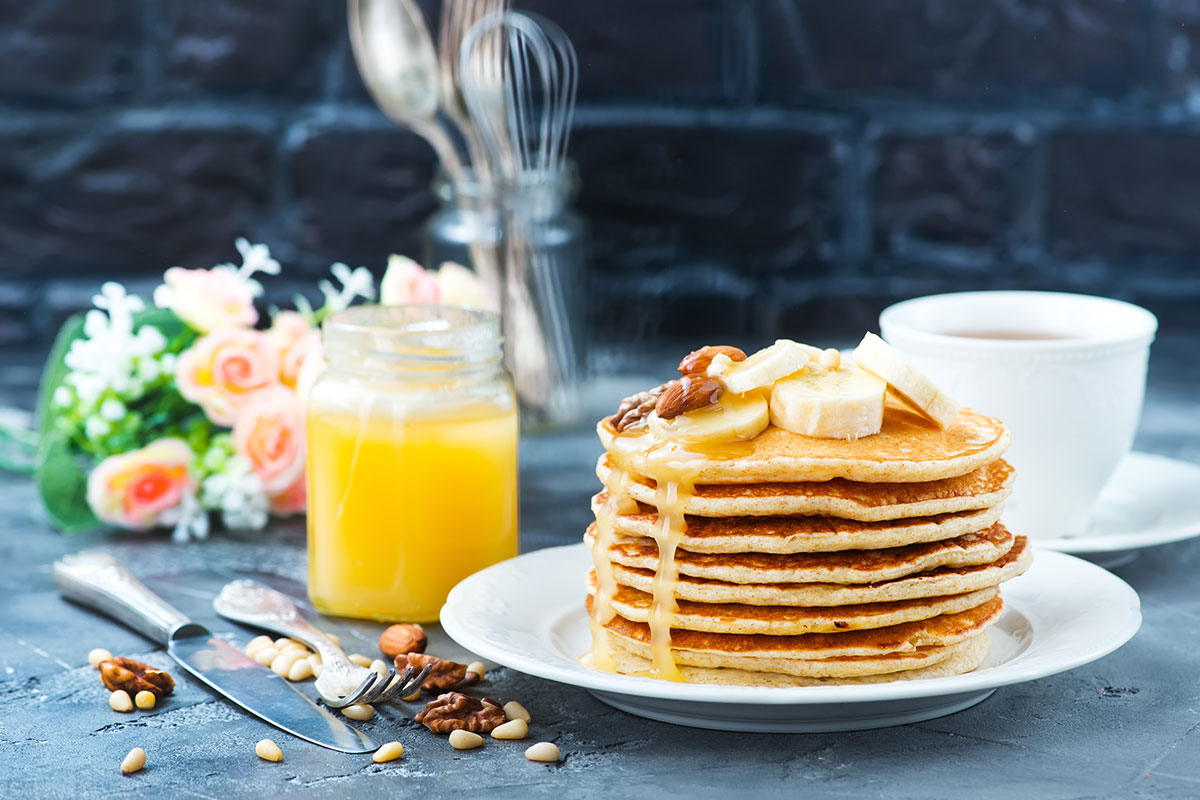
  • Whole wheat pancakes with nut butter and banana. Pea milk.
  • Avocado toast with cucumber and basil. Pineapple. Soy milk.
  • Bean burrito with salsa. Orange. Almond milk.
  • Tofu scramble with spinach, mushroom and red pepper. Peach. Coconut milk.
  • Oatmeal, nut and dried fruit porridge. Rice milk.

Lunch

  • Pasta salad with peas, pine nuts, and tomato. Apple.
  • Wild rice soup with mushrooms and carrot. Roasted chickpeas. Plum.
  • No-meat bean chili with cornbread muffin. Melon.
  • Tofu coconut curry with cabbage, carrot, and peppers. Kiwi.
  • Gnocchi with pesto. Spinach salad w/ sliced almonds and berries.

Dinner

  • Twice baked potatoes with vegan cheese. Broccoli.
  • Black bean fajitas with onion and bell pepper. Whole wheat tortilla.
  • Hoisin tofu lettuce wraps with carrot and green onion. Ramen noodles.
  • Roasted vegetable thin crust pizza with vegan cheese.
  • Butternut squash and apple bake (or puree for soup). Pumpkin seeds. Kale chips.

Choices inspired by PETA vegan recipes.

– Debbie J., MS, RD

This article should not replace any exercise program or restrictions, any dietary supplements or restrictions, or any other medical recommendations from your primary care physician. Before starting any exercise program or diet, make sure it is approved by your doctor.

Some questions have been edited for length and/or clarity.

Ask our Dietitian

Have a nutrition question? Our registered dietitian is ready to help!

Email nutrition@lafitness.com or submit your question below and it may be featured in an upcoming article!

3 + 12 =


Recommended Reading - Q+A

AAT: Ep. 35 – Workouts for Strengthening the Back

AAT: Ep. 35 – Workouts for Strengthening the Back

Ask A Trainer: Featured Question of the Week

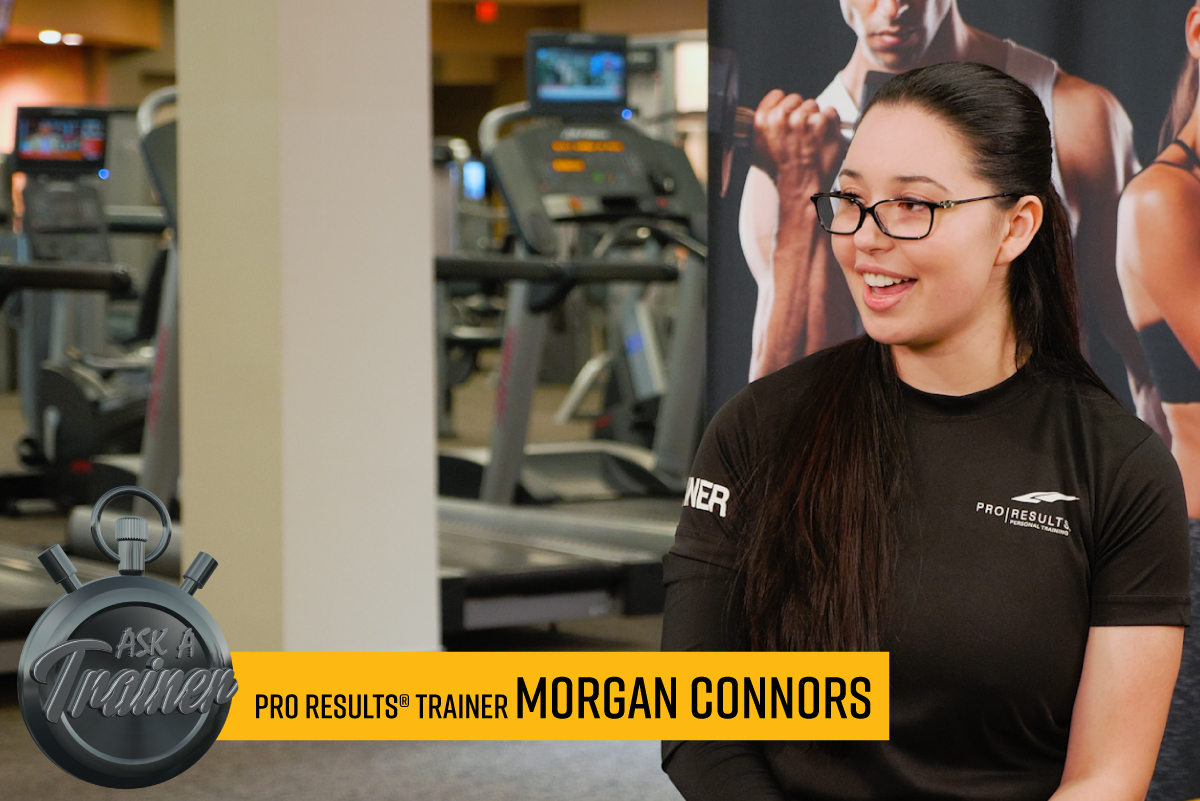
On this episode of ‘Ask A Trainer’ we speak with LA Fitness Pro Results® trainer Morgan C., and get her expert advice on which exercises help strengthen the back. 


Do you have a fitness question? Ask one of our certified Pro Results® trainers here! Your question may be featured in an upcoming Ask Our Trainer video.**

13 + 2 =

**Selected submissions will be featured on the LA Fitness blog and possibly other LA Fitness digital media entities & websites. By making a submission, you hereby grant LA Fitness a non-exclusive, perpetual, worldwide, irrevocable license to use and make copies of the contents of such submission for any purpose and in any medium whatsoever, and you hereby waive and relinquish any copyright or other intellectual property right you may have in the contents of such submission and your right to pursue any claim for LA Fitness’s violation of those intellectual property rights.


Recommended 'Ask A Trainer' Videos

Are Protein Supplements Necessary?

Are Protein Supplements Necessary?

Question:

Are protein supplements necessary if you already consume a lot of protein naturally?

Answer:

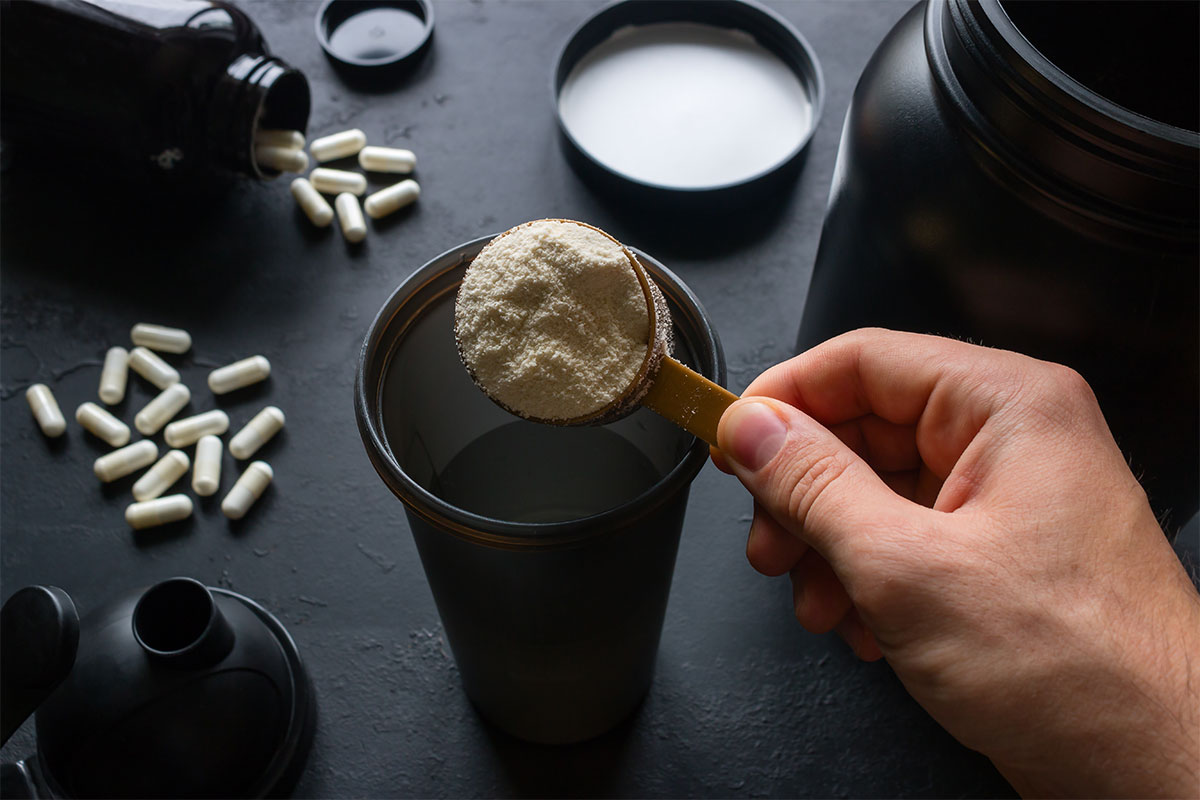
Supplements are intended to fill the gaps missing from dietary intake, whether from food choices or impaired digestion/absorption. If your protein consumption is already high (> 1 gm/kg per body weight) then protein supplements are generally unnecessary. Many people still choose to include supplements instead of real food due to time, cooking or refrigeration restraints. The protein in certain supplements may be concentrated or isolated, but most supplemental protein is part of a bar or meal replacement shake with significant carbohydrates, fat or other nutrients. Consider the whole product when choosing a protein supplement.

– Debbie J., MS, RD

This article should not replace any exercise program or restrictions, any dietary supplements or restrictions, or any other medical recommendations from your primary care physician. Before starting any exercise program or diet, make sure it is approved by your doctor.

Some questions have been edited for length and/or clarity.

Ask our Dietitian

Have a nutrition question? Our registered dietitian is ready to help!

Email nutrition@lafitness.com or submit your question below and it may be featured in an upcoming article!

8 + 14 =


Recommended Reading - Q+A