Are Supplements Really Necessary to Be Successful in the Gym?

Are Supplements Really Necessary to Be Successful in the Gym?

During my time as a writer for LA Fitness, my knowledge of nutrition, fitness, and health topics has grown considerably. As a certified personal trainer, I usually feel comfortable sharing my insights on fitness topics. Yet, there are still questions that I need help answering. My latest query is this:

Are supplements really necessary in order to be successful in the gym?

Personally, I do not take any supplements, and I live a very active lifestyle both inside and outside of the gym. Instead, I choose to focus on maintaining a fairly balanced diet. I choose to eat foods that help fuel me while also allowing myself some “cheat days” – which I know some people disagree with – however, that’s what works best for me.

Because everyone is wired differently, my approach may not be what works for you. When it comes to creating a personalized fitness or nutrition plan, it’s best to speak with a personal trainer or registered dietitian. However, supplements are one of those things that I have found very confusing to educate myself on, mainly because I think of them like vitamins and I get my vitamins naturally, rather than taking a vitamin supplement.

Needless to say, I wanted to reach out to a few experts on the matter.

The Trainer


“Supplements are the elephant in the room when it comes to the gym scene. The first thing you should always do is to check with your physician and have them do the proper testing to see if you have any deficiencies. Depending on those results or documented family history, you may need to add certain vitamins or mineral supplements to your daily caloric intake. A common example would be pregnant women, who typically get put on prenatal vitamins along with additional iron supplements as they go through their pregnancy. However, if your diet consists of the proper amount of lean meats, fruits, and vegetables, most people should be in a position where additional supplements are not needed to keep up with the individual’s active lifestyle.

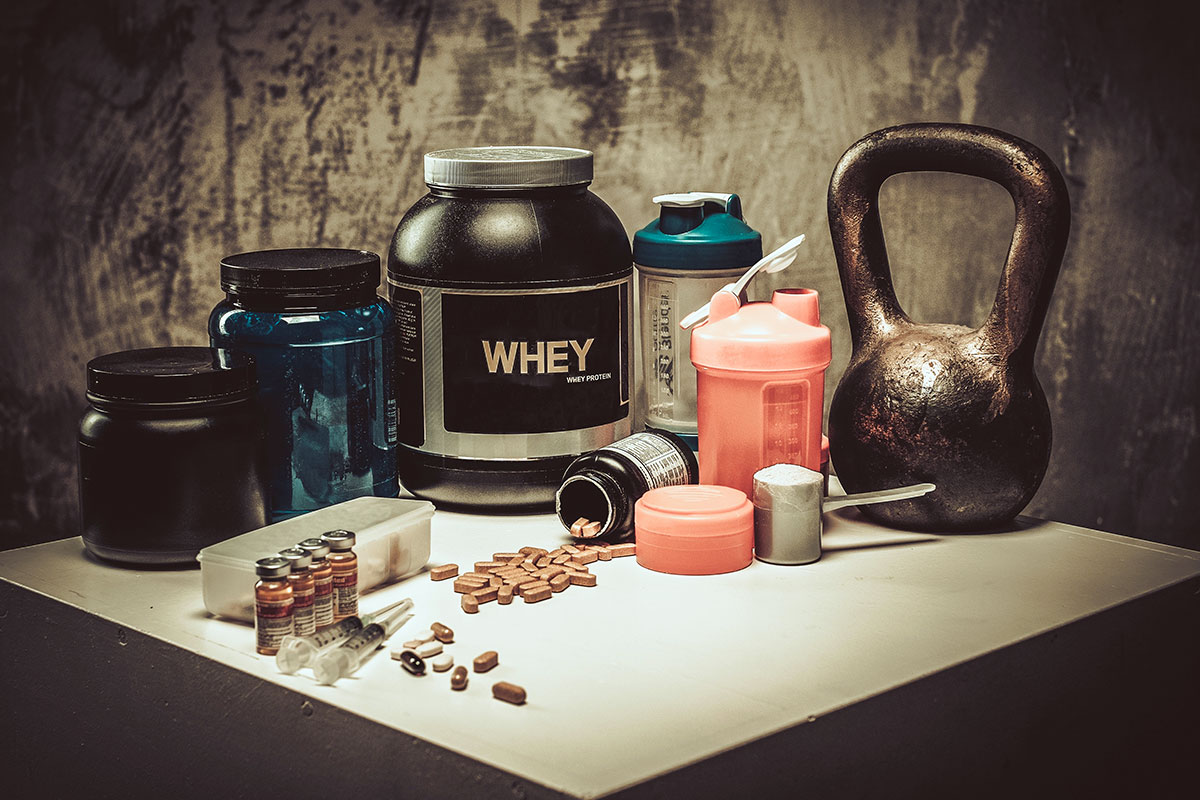
The more commonly thought of supplements in our gym world are the performance-enhancing types, such as steroids, creatine, and other performance-enhancing drinks, pills, or injections. While these supplements have been documented to show immediate improvements in one’s overall strength and performance gains, they traditionally result in long term negative effects such as hormonal deficiencies. I never recommend any member or client take these types of supplements unless they have been prescribed by their doctor. For instance, these supplements are sometimes prescribed by surgeons as part of the rehabilitation program after undergoing some kind of major surgery where the supplement will aid in the rapid growth and strength of muscles, which aids in the healing process. Again, these supplements should be avoided as much as possible, generally speaking. You can get all the ‘amp’ and ‘steam’ you need from a proper diet.” – LA Fitness Master Trainer, Geoff Fox

The Dietitian 


“Just as you can get in a good workout without ever lifting up a free weight or stepping on a treadmill, you can get good exercise performance without having to take supplements. A sound diet balanced in nutrients with good hydration supports general exercise goals for non-athletes just fine. Now, healthy adults that are already fit and toned, who fuel right and would like to take it to the next level may benefit from that extra push a sports supplement can provide. They might utilize creatine, glutamine or a protein powder high in branched-chain amino acids to start. Also, caffeine can be a boost to those training for endurance.” – Debbie James, RDN

The Doctor 


“Supplements are a highly unregulated area with few randomized, placebo-controlled trials to warrant their effectiveness. For supplements in which we do have good quality data, they have been found to rarely live up to the hype. Furthermore, we want to be cautious and consider what medications one is taking because supplements can sometimes interact and change the effectiveness of medication. Always follow the directions of your doctor, particularly when it comes to taking supplements when you’re also taking medications. The big concern around supplements is that the label may not always reflect what is in the product.  When it comes to “being successful at the gym”, everyone is looking for the edge. The thought is that supplements may help in getting to the goal faster. However, healthy eating and exercise should not be a goal but a lifestyle. Habits are what create lasting change and success. Unfortunately, there are no shortcuts in this journey. At Kaiser Permanente, we believe the key to healthy living is to sleep more, move more, stress less and consider increasing how many greens you eat, such as a plant-based diet. That’s it. This is what research has repeatedly shown to optimize our health.”  – Sean Hashmi, M.D., nephrologist and adult weight management lead, Kaiser Permanente Woodland Hills Medical Center

The Results


From our three experts, it looks like the overall answer is that supplements are not necessary in order to be successful in the gym, but they could be helpful for certain people, depending on your fitness lifestyle and goals.

However, supplements can be dangerous if you’re taking the wrong type. So, before you choose to take any supplement, be sure to fully understand what’s in it and how it affects your body.

A healthy diet combined with a balanced nutrition plan should give you the nutrients and energy you need to build a healthy body for yourself. However, this generalized advice may not apply to those with certain medical conditions, so always follow the recommendations of your doctor.


Recommended Reading

Portion Control is Essential

Portion Control is Essential

Question:

I am trying to lose 10 pounds. What would you suggest eating every day for breakfast and dinner? I have tried multiple things like oatmeal, rice, and chicken, etc. I think my problem is that I eat too many calories during the day.

– Aubrey H.

Answer:

You’re requesting suggested breakfasts and dinners to eat repeatedly day-in and day-out, though your stated problem seems to be you eat too much during the day. If your schedule and environment don’t allow you to plan or prepare for a balanced lunch or to prevent mindless snacking, that is something you need to address! Controlling the start and conclusion of your day makes sense for now.  I always recommend a variety of foods for the most optimal nutrition as only one combination won’t provide all the nutrients required on limited calories.

That said, oats are a great beginning and offer a myriad of ways to be served – just think of the toppings! They can be served spiced with cinnamon and apples or nutty with chia seeds, honey, and sliced almonds. Oats are filling and may help you desire less food later. Choose a heartier steel cut or stone-ground oats for more whole grain fiber.

Chicken is a good choice to base your dinner around as well. It can easily be incorporated into pasta primavera, fajitas, or stir-frys. Almost every way beef, pork or fish can be served, chicken can take a similar form. Thoughts of barbequed chicken, baked homemade breaded tenders, and grilled skewered chunks come to mind. There are probably chicken recipes to last you all year without repeating!

Balancing the rest of your breakfast and dinner with other meal components (food groups) is essential for health. It’s important to remember that no matter what you choose, portions matter. If your appetite is not a reliable guide, try drinking more water before meals.

– Debbie J., MS, RD

This article should not replace any exercise program or restrictions, any dietary supplements or restrictions, or any other medical recommendations from your primary care physician. Before starting any exercise program or diet, make sure it is approved by your doctor.

Some questions have been edited for length and/or clarity.

Ask our Dietitian

Have a nutrition question? Our registered dietitian is ready to help!
Email nutrition@lafitness.com or submit your question below and it may be featured in an upcoming article!

13 + 13 =


Recommended Reading - Q+A

Help with Carb Intake Needed

Help with Carb Intake Needed

Question:

I need help with my carbs, please. I only allow 45 gm of carbs at each meal.

– Laura B.

Answer:

You are in company with other people who may need to count carbohydrates, often for blood sugar management. The focus would be on low glycemic choices. For a limit of 45 grams carbohydrate per meal you could roughly plan on 25 gm from grain/starch, 10 gm from fruit or milk, and 10 gm from non-starchy vegetables. Remember that use of certain condiments will necessitate corresponding reduction from your food total.

Here’s one example providing approx. 45 gm carbohydrate meals:

  • Breakfast: 8 oz. plain Greek yogurt, ¾ C raspberries, 1 medium white potato and ½ C peppers & onion as potatoes O’Brien (Tbsp oil)
  • Lunch: ½ C rice pilaf, fish fillet, 2 Tbsp tartar sauce, 1 pineapple ring, 1 C green beans
  • Dinner: 5” corn cob, 1 C broccoli, grilled chicken, grilled peach half, 6 fl. oz. milk

Analysis on www.FitDay.com by a Registered Dietitian Nutritionist = 135 gm total carbohydrate (42 breakfast, 47 lunch, 42 dinner) in 1850 calories. Findings were used along with RDN’s professional judgment.

– Debbie J., MS, RD

This article should not replace any exercise program or restrictions, any dietary supplements or restrictions, or any other medical recommendations from your primary care physician. Before starting any exercise program or diet, make sure it is approved by your doctor.

Some questions have been edited for length and/or clarity.

Ask our Dietitian

Have a nutrition question? Our registered dietitian is ready to help!

Email nutrition@lafitness.com or submit your question below and it may be featured in an upcoming article!

8 + 5 =


Recommended Reading - Q+A

The Best Foods to Consume Pre-Resistance Training

The Best Foods to Consume Pre-Resistance Training

Question:

What are the best foods to consume pre-resistance training?

– Steve S.

Answer:

Since resistance exercise is largely an anaerobic activity, you will burn mostly carbohydrates for energy during your training bout. ‘Ready’ carbohydrates will fuel you and prime your muscles’ insulin pump to prepare for protein synthesis with your recovery meal. Choose low fat, low fiber carbohydrates such as pasta, white rice, pretzels, non-grainy crackers, most cereals, bread, skinless sweet potato, cooked carrots, tomatoes, bananas, melons, strawberries, oranges, and unsweetened applesauce.

You’ll want to incorporate easily digestible protein such as egg whites, skinless chicken/turkey breast, deli-sliced lean meat, tuna, tofu, casein, and soy or whey protein concentrate. If you have a sensitive stomach you might consider peptides (partially broken-down proteins) considered more bio-available, but they are not beneficial for most people. A branched-chain amino acid (BCAA) enriched protein powder could benefit, as BCAAs may preserve muscle glycogen stores and reduce the amount of protein breakdown.

Four examples of pre-training mini-meals are:

  1. rice or oat square cereal, non-fat milk, strawberries
  2. noodles & chunky marinara, turkey meatball
  3. ½ steamed sweet potato, chicken tenderloin
  4. banana, graham crackers, hard-cooked egg whites

– Debbie J., MS, RD

This article should not replace any exercise program or restrictions, any dietary supplements or restrictions, or any other medical recommendations from your primary care physician. Before starting any exercise program or diet, make sure it is approved by your doctor.

Some questions have been edited for length and/or clarity.

Ask our Dietitian

Have a nutrition question? Our registered dietitian is ready to help!

Email nutrition@lafitness.com or submit your question below and it may be featured in an upcoming article!

7 + 3 =


Recommended Reading - Q+A

Does Love Really Affect the Heart?

Does Love Really Affect the Heart?

Ah, love. Is there anything more freeing than the feeling of being completely, utterly, and hopelessly in love? When suddenly, the world seems calmer, colors seem brighter, and you just can’t hide the smile that stays stuck to your face. True love is pretty wonderful because it makes us the best version of ourselves – and often, the best version of ourselves makes others want to be the best version of themselves. It’s an ooey-gooey cheesy feeling that is truly amazing.

Reflecting upon how good love makes us feel inside, we reached out to American Heart Association volunteer John A. Osborne, MD, PhD, the director of Preventive Cardiology at State of The Heart Cardiology in Dallas, TX to understand if these feel-good feelings actually affect the heart.

Dr. Osborne, is this true, does love really have an effect on the heart?

Absolutely!  As anyone who has ever been in love (or read about it) knows!  It not only makes one’s heart “pitter-patter” and makes us feel wondrous, it may actually be good for your heart health!  When you are in love (and feel loved), one’s blood pressure responds to that peace and calm and may translate to lower blood pressure.  High Blood Pressure is the most common form of cardiovascular disease and affects about one-half of US adults.  If this “silent killer” is not identified, treated, and controlled, it could take between 5 to 7 years off the average lifespan!  In fact, those who are married or in long -term supportive relationships live longer and have better recoveries if they do encounter heart problems.  Patients who have a good social support system had better recoveries and survival rates after bypass surgery than those who did not.  This survival benefit also extends to our four-legged friends as well!  Don’t forget about them on Valentine’s Day either!

What about the opposite – can you really die of a broken heart?

The short answer is yes!  Only in the 1980s was this described in the medical literature, although for centuries that concept of “dying from a broken heart” has been well described in literature, operas, plays, and, most recently, movies!  It is called “Takotsubo Cardiomyopathy” and is more common in women and looks like a typical heart attack, but in this case, there are no blockages in the blood vessels unlike how the vast majority of heart attacks occur.  It is felt that a sudden, massive release of catecholamines (the stress hormones such as epinephrine, norepinephrine, and other stress hormones) can cause severe vasoconstriction of the blood vessels to the heart and cause a heart attack, heart damage, heart failure, and even sudden death!   Fortunately, if diagnosed properly and with appropriate medical care, the damage can be prevented, and our heart can heal itself with time and medications.

What are some ways you can make your heart feel happier and stronger?

A good diet (the Mediterranean Diet was voted, yet again, the best overall diet in 2019) and regular exercise along with a no tobacco lifestyle are the foundations for excellent cardiovascular and all-around health.  A small amount of dark chocolate – with its blood pressure lowering anti-oxidants, flavonols, and catechins, and best of all shared with your loved one(s) – can’t hurt!  The AHA has a great app to help with this called “My Cardiac Coach” that is available for your smartphone and large number of resources on the web at www.heart.org.

Responses above provided by American Heart Association volunteer, John A. Osborne, MD, Ph.D., the director of Preventive Cardiology at State of The Heart Cardiology in Dallas, TX. 


Recommended Reading