Answer:
I’m so glad you reached out! It can be overwhelming navigating thousands of food choices and not knowing where to start. Try following these steps to begin:
For overall wellness, increasing vegetable intake is usually step one. Veggies are low-calorie and high nutrient-dense foods that you can eat a multitude of ways – as an entrée, side dish, snack, raw, juiced, oven-baked, and pureed in soup or sauce. For an equivalent 100 calories from starch or animal meat/milk, you can get nearly an equal amount of protein from vegetables. Aim for 3-5 vegetables daily.
Step two would be to choose the healthiest foods in other groups – raw fruit, whole grain products, lean meats, and plant fats. Examples would be a whole apple vs. applesauce, baked potato vs. French fries, baked fish vs. fish sticks, and avocado vs. cheese. You don’t need a formal education to identify wholesome choices, though reading labels can help you determine which choice within a food group is lowest in calories, fat or sugar, based on your personal health goals.
Next, balance food groups to get the nutrients you need by making ¾ of your intake from vegetables, grains, beans, fruit and nuts/seeds, remaining ¼ from animal sources. Shifting from a ham & cheese 3-egg omelet to a spinach & mushroom 1-egg scramble in a whole wheat tortilla with salsa exemplifies this balance.
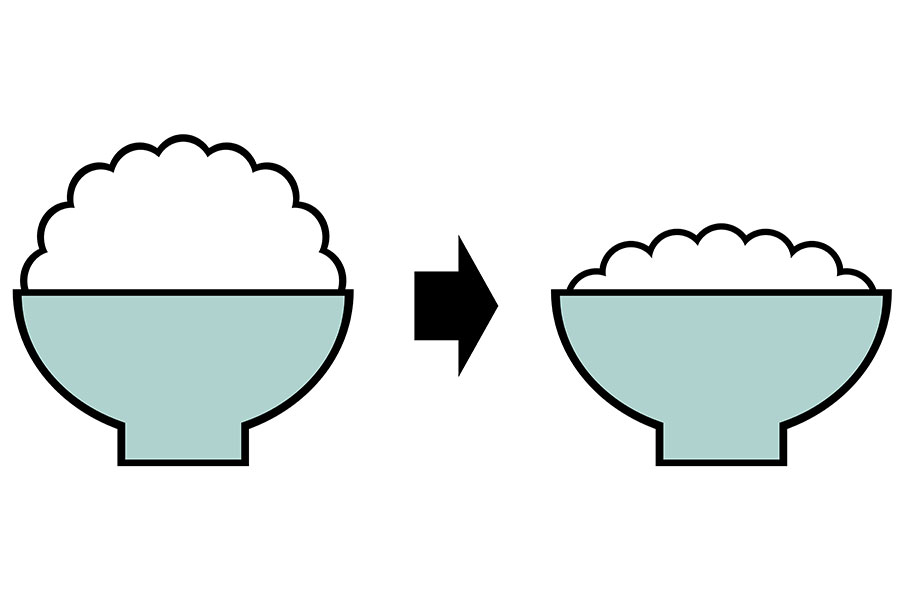
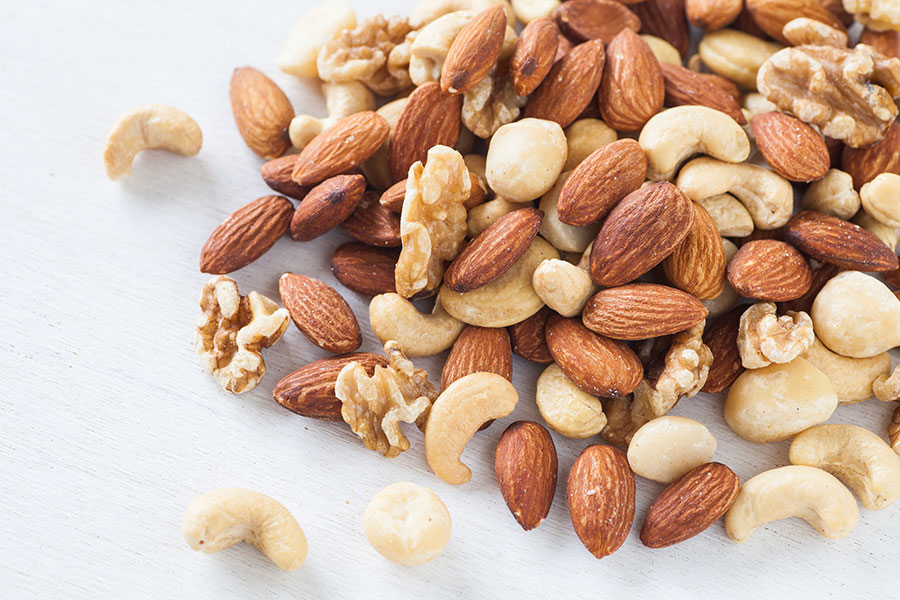
Portion control is step four. You need to pay attention to the actual amount you eat! A couple tablespoons of unsalted nuts are adequate, a bowlful is too much. A few ounces of pork tenderloin are good, a half-pound is excessive.
That’s enough to get you started without getting too detailed or bogged down in ‘food rules’ that can de-motivate you. Keep following us for helpful nutrition and healthy living advice!
– Debbie J., MS, RD







 Have a nutrition question? Our registered dietitian is ready to help!