Fitness and Travel: How to Stay Healthy While Vacationing

Fitness and Travel: How to Stay Healthy While Vacationing

Your bags are stuffed to the brim with all of your favorite travel essentials: extra sunscreen, that summer outfit you’ve been saving since last year, and beachwear you’ve spent all winter getting summer-body ready for. It’s safe to say that you’re mentally checked out from pressing work responsibilities and ready to soak up the sun on warm sandy beaches, drinking a surplus of tropical refreshments and putting away your micro scale for your summer adventure!

As a freelance writer and model, my work demands that I be on call and be very mobile. At any given moment I can be asked to pick up and go, and that can range from just about any location, with no guarantee that I will have access to a nearby LA Fitness.

The great news is that you don’t have to let your commuting or upcoming travel plans get in the way of your fitness goals and progress! You might actually see added benefits to working out while traveling because you are subconsciously telling your mind that fitness is everywhere I am, not solely in the confines of the gym! Remember, it’s all about integrating fitness as a lifestyle not solely a destination for producing results.

Granted, in comparison to a weekly regiment, these workouts are a bit more “relaxed” in intensity, but hopefully, with these easy tips, you too can maintain the progress you’ve worked so hard to reach pre-vacation season!

Tips for increasing fitness during travel:

1. Skip the Uber.

If conditions are safe and you have time to spare, save the cab fare and take a nice stroll in the area. Not only will you acquire major steps towards your daily step-goals, but you will simultaneously be able to take in and explore the city or perhaps coastal regions of your vacation time.

I have been able to experience far more on foot when traveling than relying on the convenience of public transportation. So, at any opportunity, plan ahead, wear your comfy shoes, and get those steps in!

2. Indoor Workouts

Whether you are stuck inside your hotel room/Airbnb due to poor weather conditions or you aren’t familiar with the area, working from your “home-away-from-home” might be your only resort for added physical activity.

No worries here, a 15-30-minute full body HIIT blast can do just the trick!

Mini HIIT Blast Circuit:
(Repeat 2-5 times depending on your fitness level)

  • 25 squats
  • 20 reverse lunges
  • 15 triceps dips
  • 10 burpees
  • 5 pushups
  • *1-minute plank
  • 5 pushups
  • 10 burpees
  • 15 side lunges
  • 20 mountain climbers
  • 25 squats
  • *1-minute plank*Use resistance bands to give your body an extra challenge.

3. Working out under the radar.        

We get it, you’re on vacation. This is the time when you can completely sign-off from those at home responsibilities and break away from the mundane routine of every-day-life. The last thing you want to do is give yourself the chore of having to carve out time for a workout when truth be told, you would much rather sink your toes in the exfoliating warm sandy beaches.

Remind yourself that fitness can be experienced in many diverse and creative ways. You can swim, go horseback riding, hike, surf, go dancing, or boogie board and burn some calories while having fun. When we make fitness a part of the experience, it becomes more welcoming and less demanding to our physique!

4. Pack with intention.

What’s in my fitness travel bag:
Travel fitness essentials
•Tennis shoes
•Jump rope
•Resistance bands (1-3)
•Disks

Whether at home or island hopping, one thing you can always control is what you’re putting in your body as much as what you’re doing with your body on vacation. Enjoy what may seem like never-ending cheat meals and not counting calories or sticking to your macros. You’re on vacation—embrace it! While you’re enjoying the fruits of your labor, upping the hydration is the golden rule of all golden rules!

Consider that your body is probably working overtime in a week of relaxing and fun, so when you can— hydrate, hydrate, hydrate! If you have access to fresh citruses like lemon, limes, grapefruit or oranges, increased electrolytes and vitamin C will help replenish cells, relax muscles and keep that summer glow working from the inside out!

Wherever your travels take you, if you can’t find an LA Fitness nearby or much room in your suitcase for all your gym gear, know that your goals don’t have to start or stop solely on the convenience of your gym accessibility. Living well and doing well is based on intention and wherever you decide to take it!

To find an LA Fitness near you, click here.

Recommended Reading

Work Out Day Meal Recommendations

Work Out Day Meal Recommendations

Question:

I am a 60-year-old male in fairly good shape. I’m lean with 16 to 17% body fat. I am in the gym three times a week, usually after work for about two hours each day. I start with 15 min. of cardio and I do abs every day between sets. I have a GNC protein shake for breakfast every day, oatmeal at 10am, salad for lunch, and on work out days I use a C4 pre-workout and a GNC Performix Shake post-workout. I then have a salad with lots of vegetables for dinner. I try very hard to limit sugar, carbs, and red meat.

I see improvements in my workout strength. I see definition improvements (no bulking) but the last little fat around the tummy remains. I started at 210 lbs. 6 years ago. I have been running around 170 to 175 lbs. for about 4 years now. The body fat number is staying around 17%.

What should I eat for lunch before working out? And what should I eat for dinner after I work out? And what should I eat on non-workout days?

– Larry B.

Answer:

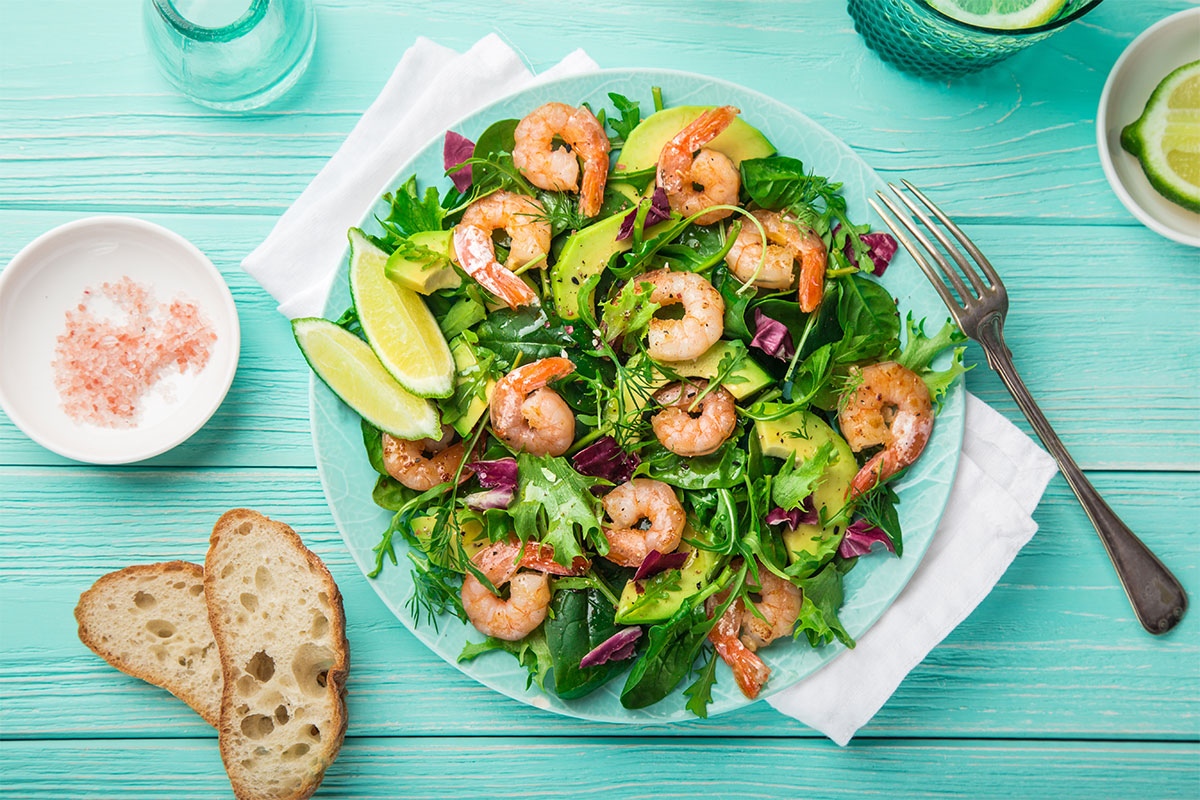
Kudos on your consistent power workouts! I would recommend that on your workout days your lunch salad include a legume, lean protein and healthy fat in addition to the greens since you have several hours to fuel before exercise. For example, choose one* from each column:

Greens

Legume

Lean Protein

Healthy Fat

Other Veggies x2

Spinach

Edamame

Chicken Breast

Avocado

Tomato, Carrot

Kale

Chickpeas

Shrimp

Olives

Artichoke, Broccoli

Mesclun

Black Beans

Tuna

Diced Walnuts

Cucumber, Radish

Leaf Lettuce

Kidney Beans

Turkey Breast

Sliced Almonds

Celery, Red Onion

Cabbage

Cannellini Beans

Salmon

Pepitas

Bell Pepper, Beet

At dinner, I’d suggest including a starchy vegetable such as corn, yam or butternut squash and tofu or low-fat cheese to prop up your evening salad after exercise. You can maintain your normal eating regimen on non-workout days through a solid breakfast to replace the protein shake is advised. Just keep to the same calorie level.

Here are four options:

  1. a nonfat plain Greek yogurt with berries
  2. nonfat cottage cheese with pineapple
  3. egg whites with mushrooms, spinach, and salsa
  4. soy sausage patties with melon.

– Debbie J., MS, RD

This article should not replace any exercise program or restrictions, any dietary supplements or restrictions, or any other medical recommendations from your primary care physician. Before starting any exercise program or diet, make sure it is approved by your doctor.

Some questions have been edited for length and/or clarity.

Ask our Dietitian

Have a nutrition question? Our registered dietitian is ready to help!
Email nutrition@lafitness.com or submit your question below and it may be featured in an upcoming article!

5 + 15 =


Recommended Reading - Q+A

NAMI (National Alliance on Mental Illness) – Podcast Ep. 24

NAMI (National Alliance on Mental Illness) – Podcast Ep. 24


Welcome to the 24th episode of the Living Healthy Podcast, presented by LA Fitness.

On this episode of Living Healthy, we speak with Rachel Robins, Manager of PR and External Relations at NAMI (National Alliance on Mental Illness). LA Fitness has partnered for its second year with NAMI to help bring awareness to mental health throughout the month of May. 

Please visit http://lafitnesscares.com/mental-health-awareness/ for more information. 

You can also read more about Rachel Robins Mental Health Spotlight story by clicking here

How Are We Doing? 


This podcast should not replace any exercise program or restrictions, any dietary supplements or restrictions, or any other medical recommendations from your primary care physician. Before starting any exercise program or diet, make sure it is approved by your doctor.


Timecard Markers – NAMI – Podcast Ep. 24

Intro     

Begins at 0:01     

Rachel Robins, Manager of PR and External Relations at NAMI, joins the show     

Begins at 0:30    

How Fitness Has Impacted Rachel’s Life 

0:43 

A Background on NAMI (National Alliance of Mental Illness) 

1:36 

What Mental Health Means to NAMI 

2:40 

The Rise of Mental Health Awareness 

3:50 

The #WhyCare? Campaign 

5:15   

How Exercise Helps with Mental Health 

5:46 

Stigmatized Thoughts About Mental Illness – And How to Fix This  

7:04 

Using Inclusive Language 

8:06 

NAMI Walks 

9:12 

Where Can People Go for Help – NAMI Helpline (1-800-950-6264) 

10:20 

How You Help A Friend or Family Member with a Mental Health Condition  

13:17 

Mental Healthcare 

15:20 

How to Get Involved with NAMI – Donations and Where They Go 

17:13 

Actionable Advice 

19:54 

Outro   

20:22 


Recommended Podcast Episodes 

Do You Have High Blood Pressure? Find Out with This New Online Interactive Tool

Do You Have High Blood Pressure? Find Out with This New Online Interactive Tool

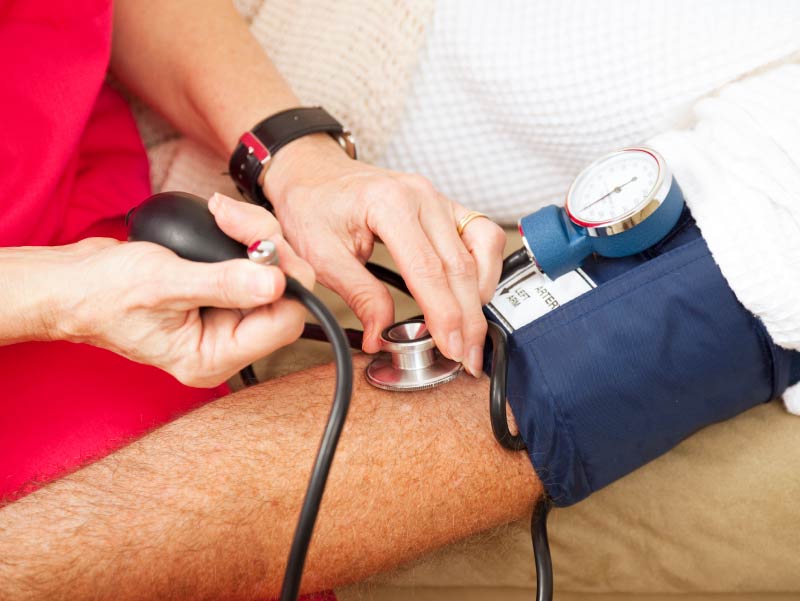
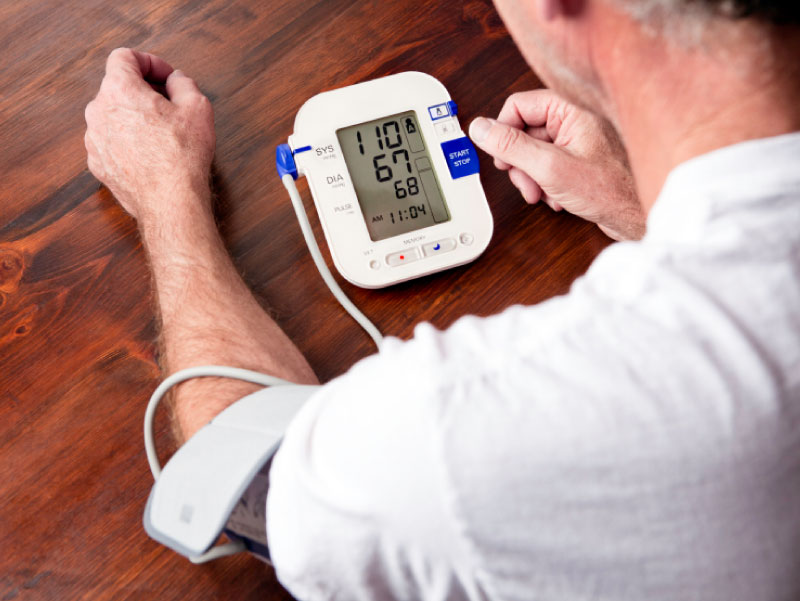
Nearly half of the adults in the U.S. have high blood pressure. This means that you or someone close to you has a blood pressure reading at 130/80 or higher.

It wasn’t always this way – just a couple of years ago 1 in 3 Americans had high blood pressure instead of nearly 1 in 2.

So why the change? Does this mean we’re getting less healthy?

It’s quite the opposite. Based on years of scientific study, the change means we’re actually more aware of the effects of elevated blood pressure.

Two years ago, the definition of high blood pressure changed from 140/90 to 130/80 (technically 130+ or 80+, but we’re keeping it simple here). The result is that more people became classified as having high blood pressure. It doesn’t mean that thousands of people became ill overnight, though. It means we want people to know that high blood pressure is serious, and that it can begin damaging your blood vessels and organs at lower levels than previously thought, particularly if you don’t act to keep your numbers from rising.

It’s worth noting that blood pressure tends to rise naturally as we age, so it typically hasn’t been on the health radar for people under age 45. However, with the new definition, an important health alert was sent to people in their 20s and 30s to pay attention to their blood pressure levels. Among men aged 20 -44, the rate of high blood pressure nearly tripled. Among women in that age range, it doubled.

The American Heart Association has created an interactive tool that can help you not only identify your health risk according to your blood pressure level, but also provide notes on what actions you can take to ensure it stays at, or gets to, a healthy level. You can check it out at www.heart.org/BPlevels.

Making changes that matter can have a significant impact on your blood pressure levels. In fact, most of those who suddenly find themselves with high blood pressure under the new definition will be given a “prescription” for lifestyle changes – not medicine – that can lower their pressure.  Even for those who do require medication to control their levels, lifestyle changes help those meds work better and can even help you stay on lower doses. Some examples of a lifestyle change prescription include:

Physical activity:

  • 90 – 150 minutes per week of aerobic activity can drop your top blood pressure number (called systolic pressure) by 5-8 mmHg.
  • 90 – 150 minutes per week of dynamic resistance exercise can drop your systolic blood pressure 4 mmHg

 A healthy diet:

  • Eating a diet rich in fruits and vegetables, whole grains, and low-fat dairy, such as the DASH eating plan can drop your systolic pressure up to 11 mmHg.

 Sodium (i.e. salt):

  • Reducing your salt intake by about 1000 mg per day has a similar effect on systolic pressure as increasing aerobic activity – dropping it about 5 mmHg.

 Weight loss:

  • For about every 2 pounds lost, your systolic pressure could drop 1 mmHg.

The benefits of lifestyle change can add up quickly. Many of the same lifestyle prescriptions that lower blood pressure also reduce the risk of other dangerous conditions such as diabetes, high cholesterol, and heart disease. Eating a healthy diet, maintaining a healthy weight, and getting regular physical activity can help you lead a healthier and longer life!

Article contributed by Sondra DePalma, DHSc, PA-C, Cardiology, PinnacleHealth Cardiovascular Institute, Harrisburg, PA

American Heart Association Volunteer

Disclaimer: Some slight edits may have been made to the article’s original copy for grammatical reasons and/or clarity. 


Recommended Reading

Understanding Portion Control Better

Understanding Portion Control Better

Question:

Please help me better understand portion control. How much is too much versus too little? Is there a chart to help explain the differences between men and women? Does age and weight matter? Are there ways to make portion controlling easier?

Answer:

Controlling portions is a way to manage volume of food served and thus consumed. There is no specific way that is the best, just as there is no perfect serving for all people of any one particular food. A standard portion is a means to compare the nutritional content of different foods, e.g. “a half-cup of ice cream versus a half-cup of popcorn…”

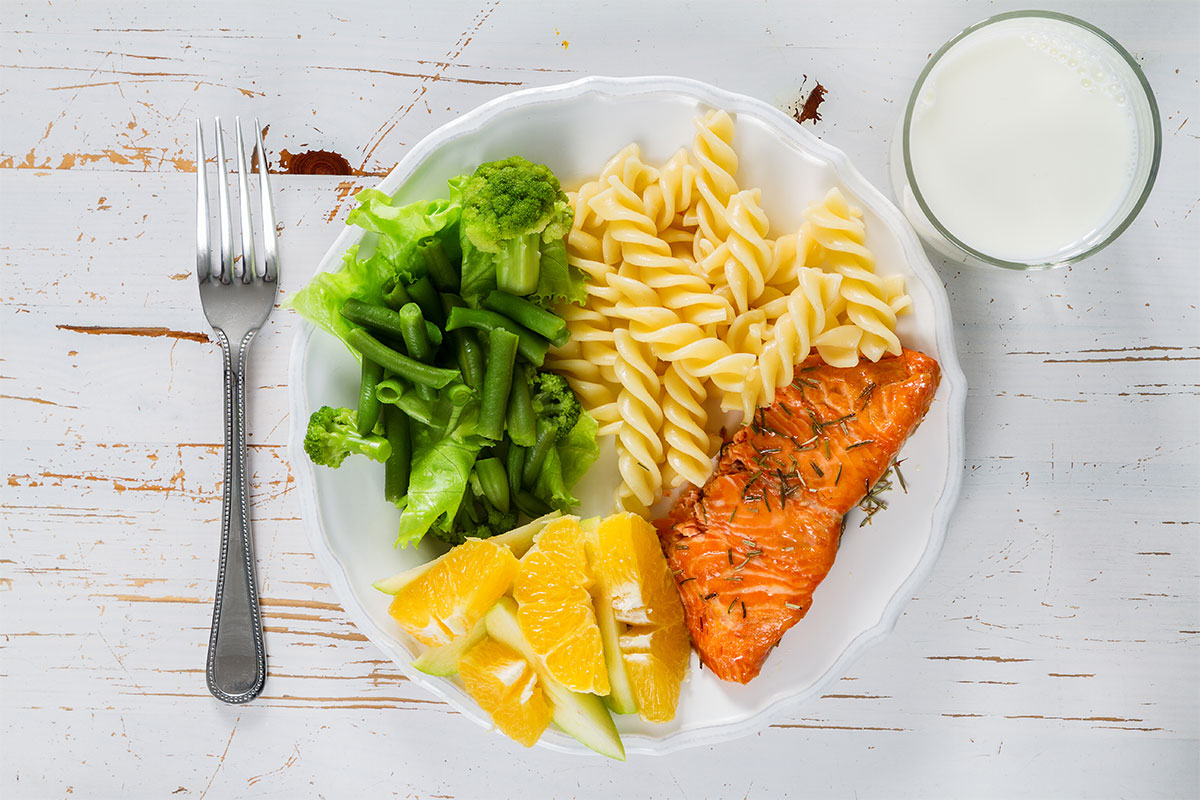
The approach I recommend is a combination of a) the American Institute for Cancer Research’s “New American Plate” which has a greater proportion of plant foods than a typical diet and b) serving sizes adjusted for energy needs as suggested by MyPlatePlan. The key is to know your total caloric requirement first! This takes into account gender, age and weight.

Here are some common portion sizes provided in terms of measure with a corresponding way to “eyeball” the relative portion size in order to help you identify what portions look like. You can also practice by using your scale to weight various foods and then attribute a way to gauge that portion size by using objects such as your hands and fingers. See the examples below.

Bread, Cereal, Rice and Pasta (commonly 1-3 per meal)

  • 4” pancake or waffle = serving size 1   pancake = width just covers palm of adult hand
  • Bread = serving size 1 slice (1 oz.) = standard sandwich slice of bread
  • Pasta, rice, cooked cereal = serving size ½ Cup = size of a custard cup or ½ baseball

Vegetables (goal: 2-3 per meal)

  • Chopped vegetables (raw non-leafy) = serving size ½ Cup = size of a custard cup or ½ baseball
  • Raw leafy vegetables = serving size 1 Cup = 1 baseball or fist of an average adult

Meat and Protein (commonly 1-3 per meal)

  • Nuts = serving size 1/3 Cup = level palmful for average adult
  • Lean meat, poultry, seafood = serving size 1 oz. = size of adult thumb
  • Peanut butter = serving size 2 Tablespoons = size of a ping-pong ball
  • Beans, cooked = serving size ¾ Cup = size of a tennis ball

Fats and Oils (limit to 1 per meal)

  • Butter, margarine or oil = serving size 1 teaspoon = 1 pat or size of a half-dollar
  • Cream cheese = serving size 1 oz. = size of two dominoes
  • Mayonnaise or dressing = serving size 1 Tablespoon = top portion of adult thumb
  • Sour cream or reduced = serving size 2 Tablespoons = size of a ping-pong ball
  • calorie salad dressing

Fruit (commonly 2-3 per day)

  • Dried fruit = ¼ Cup = 1 golf ball
  • Canned, chopped or cooked = serving size ½ Cup = size of a custard cup or ½ baseball
  • Fresh fruit = serving size 1 medium or ½ large = 1 tennis ball or ½ softball
  • Berries or grapes = serving size 1 Cup = 1 baseball or fist of an average adult

Milk, Cheese and Dairy products (commonly 1-3 per day)

  • Natural hard cheese = serving size 1½ oz. = 9-volt battery or 1-inch cube
  • Cottage cheese = serving size ½ Cup = size of a custard cup or ½ baseball

– Debbie J., MS, RD

This article should not replace any exercise program or restrictions, any dietary supplements or restrictions, or any other medical recommendations from your primary care physician. Before starting any exercise program or diet, make sure it is approved by your doctor.

Some questions have been edited for length and/or clarity.

Ask our Dietitian

Have a nutrition question? Our registered dietitian is ready to help!
Email nutrition@lafitness.com or submit your question below and it may be featured in an upcoming article!

5 + 2 =


Recommended Reading - Q+A