

Question:
Please help me better understand portion control. How much is too much versus too little? Is there a chart to help explain the differences between men and women? Does age and weight matter? Are there ways to make portion controlling easier?

Answer:
Controlling portions is a way to manage volume of food served and thus consumed. There is no specific way that is the best, just as there is no perfect serving for all people of any one particular food. A standard portion is a means to compare the nutritional content of different foods, e.g. “a half-cup of ice cream versus a half-cup of popcorn…”
The approach I recommend is a combination of a) the American Institute for Cancer Research’s “New American Plate” which has a greater proportion of plant foods than a typical diet and b) serving sizes adjusted for energy needs as suggested by MyPlatePlan. The key is to know your total caloric requirement first! This takes into account gender, age and weight.
Here are some common portion sizes provided in terms of measure with a corresponding way to “eyeball” the relative portion size in order to help you identify what portions look like. You can also practice by using your scale to weight various foods and then attribute a way to gauge that portion size by using objects such as your hands and fingers. See the examples below.
Bread, Cereal, Rice and Pasta (commonly 1-3 per meal)
- 4” pancake or waffle = serving size 1 pancake = width just covers palm of adult hand
- Bread = serving size 1 slice (1 oz.) = standard sandwich slice of bread
- Pasta, rice, cooked cereal = serving size ½ Cup = size of a custard cup or ½ baseball
Vegetables (goal: 2-3 per meal)
- Chopped vegetables (raw non-leafy) = serving size ½ Cup = size of a custard cup or ½ baseball
- Raw leafy vegetables = serving size 1 Cup = 1 baseball or fist of an average adult
Meat and Protein (commonly 1-3 per meal)
- Nuts = serving size 1/3 Cup = level palmful for average adult
- Lean meat, poultry, seafood = serving size 1 oz. = size of adult thumb
- Peanut butter = serving size 2 Tablespoons = size of a ping-pong ball
- Beans, cooked = serving size ¾ Cup = size of a tennis ball
Fats and Oils (limit to 1 per meal)
- Butter, margarine or oil = serving size 1 teaspoon = 1 pat or size of a half-dollar
- Cream cheese = serving size 1 oz. = size of two dominoes
- Mayonnaise or dressing = serving size 1 Tablespoon = top portion of adult thumb
- Sour cream or reduced = serving size 2 Tablespoons = size of a ping-pong ball
- calorie salad dressing
Fruit (commonly 2-3 per day)
- Dried fruit = ¼ Cup = 1 golf ball
- Canned, chopped or cooked = serving size ½ Cup = size of a custard cup or ½ baseball
- Fresh fruit = serving size 1 medium or ½ large = 1 tennis ball or ½ softball
- Berries or grapes = serving size 1 Cup = 1 baseball or fist of an average adult
Milk, Cheese and Dairy products (commonly 1-3 per day)
- Natural hard cheese = serving size 1½ oz. = 9-volt battery or 1-inch cube
- Cottage cheese = serving size ½ Cup = size of a custard cup or ½ baseball
– Debbie J., MS, RD
This article should not replace any exercise program or restrictions, any dietary supplements or restrictions, or any other medical recommendations from your primary care physician. Before starting any exercise program or diet, make sure it is approved by your doctor.
Some questions have been edited for length and/or clarity.
Ask our Dietitian
 Have a nutrition question? Our registered dietitian is ready to help!
Email nutrition@lafitness.com or submit your question below and it may be featured in an upcoming article!
Recommended Reading - Q+A
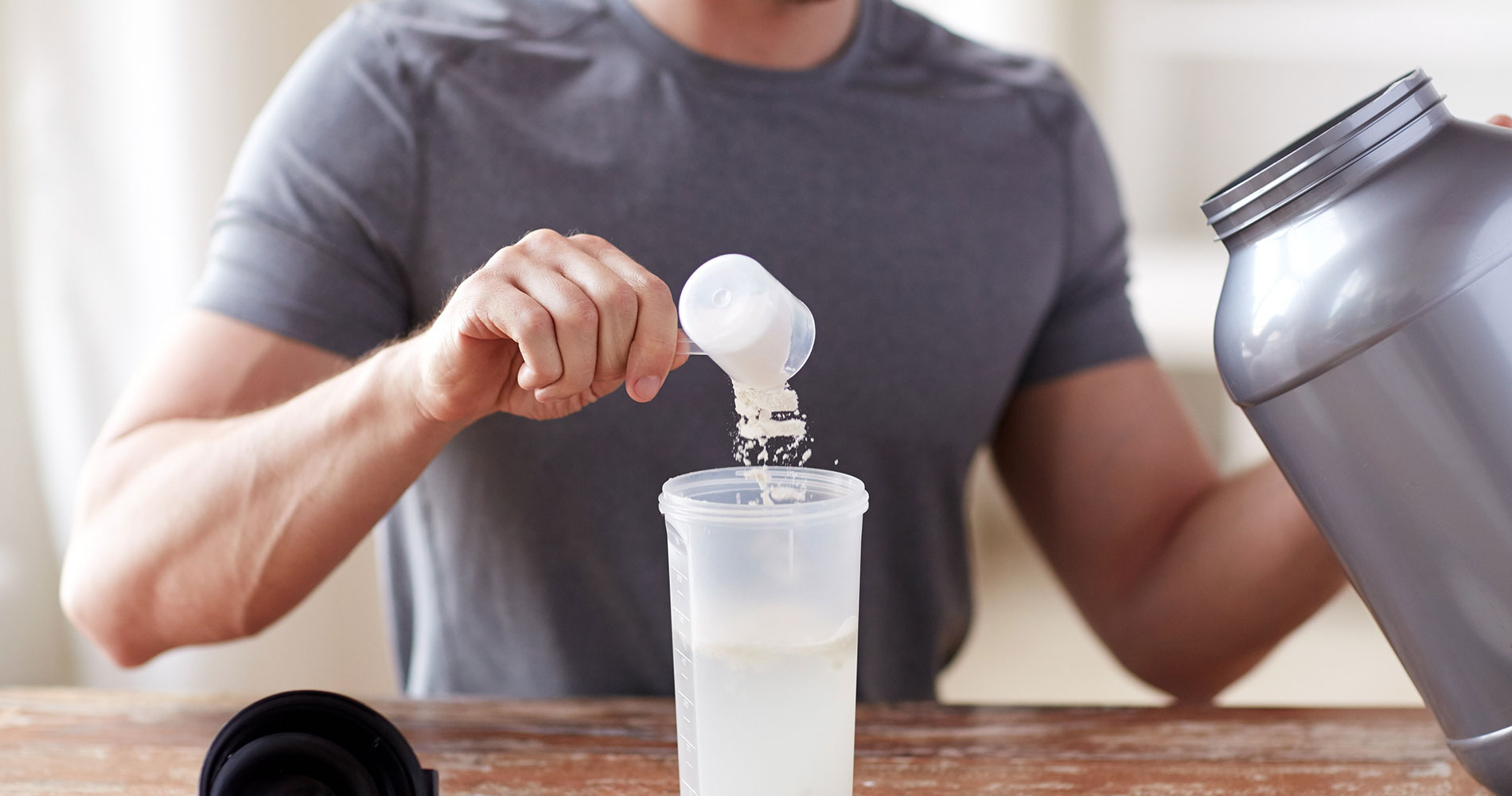
What to Know about Protein Powder and Supplements
Navigating the world of protein powders and supplements can indeed feel daunting, with countless options lining store shelves and online marketplaces. As you consider adding a scoop to your post-workout smoothie or exploring new ways to boost your nutrition, it’s...

Healthy Smoothie Recipes
Cue the sound of a revving engine… running your blender at home can bring goodness with that whirring noise! Creating your own smoothies is a great way to get in some nutrients and plant phytochemicals you otherwise wouldn’t during the day. It allows you to prepare...

Debunking Diet Myths
With so many sources offering nutrition advice, it’s hard to know what’s true. Even factual information can become distorted by the time it reaches you. Like a game of telephone, the message often changes as it’s passed along. Here, we debunk 5 common diet myths to...