How to Lose Weight on a Vegetarian Diet | QA

How to Lose Weight on a Vegetarian Diet | QA

Question:

I want to follow a daily routine which will help me reduce weight. Currently, I am 129 lbs. I want to reduce it to 120 lbs; however, I am a vegetarian. I don’t eat eggs or meat. Please help. 

– Swapna A.

Answer:

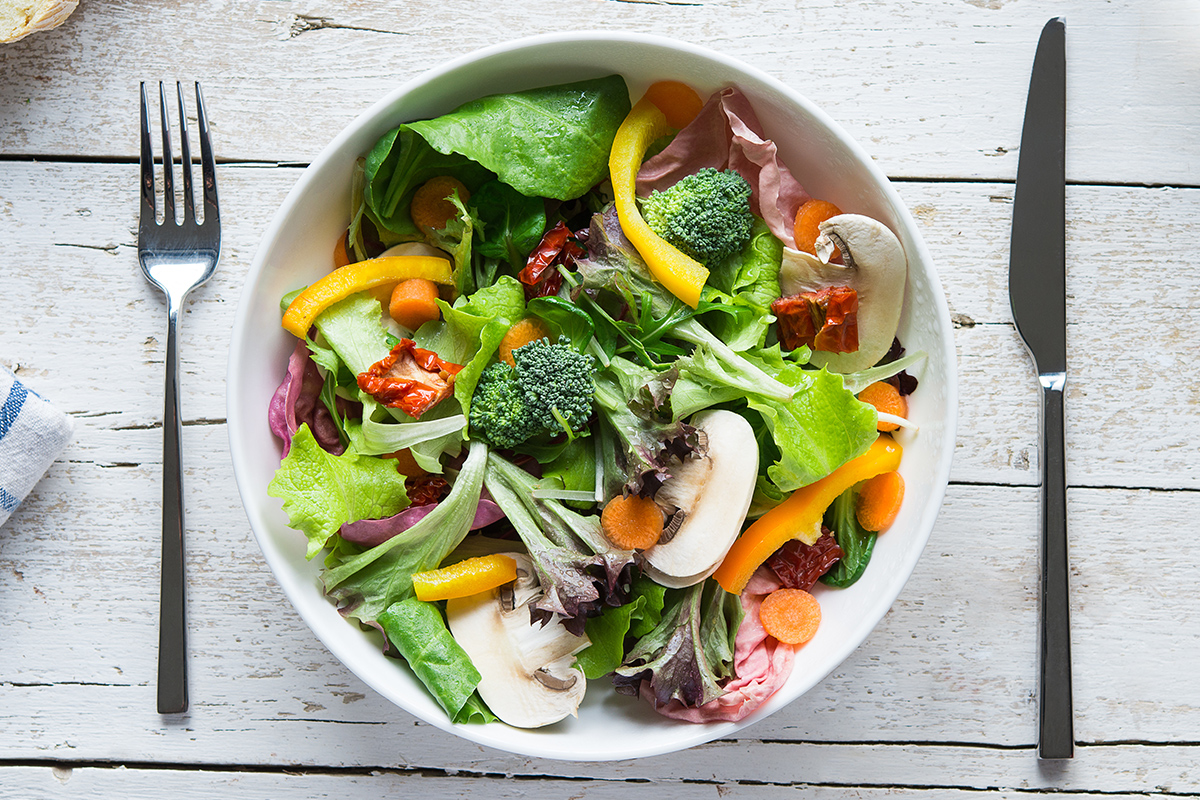
Vegetarian diet or not, the same rules apply for reducing body fat to lose weight: eat less than you burn. Where vegetarians may have trouble is with concentrated sugars (in foods like smoothies, cereals, fruit bars) and excess fats (hidden oils in boxed/frozen foods). Restricting intake of processed foods while focusing on whole plant foods will ensure you control the amount of sugar and fat consumed. Basically, choose foods you need to chew! 

Consider a healthy vegetarian dish of lentils, mushroom, onion, chopped spinach, olive oil and carrot over sweet potatoes. Despite the correct balance of carbohydrates, fats and protein you still need to deal with volume. Do you fill a 10-inch plate, 20 oz. bowl or only a cup? Portion control is important, no matter the diet you follow. Just cutting back 50 calories a day can promote a 5-pound weight loss over a year.  

I wouldn’t advise a daily menu repeated over and over because you need a variety of produce, legumes, nuts and seeds to meet micronutrient requirements and provide beneficial phytochemicals. But, you can start with a few days mapped out for you! EatingWell® has a decent vegan 7 day 1200 calorie plan. For a week’s worth of lacto-ovo Indian meal suggestions, check out this traditional plan from Healthline. Also read the Living Healthy blog’s Ask Our Dietitian post How to Lose Fat as a Vegan for more meal and snack options. 

– Debbie J., MS, RD

This article should not replace any exercise program or restrictions, any dietary supplements or restrictions, or any other medical recommendations from your primary care physician. Before starting any exercise program or diet, make sure it is approved by your doctor.

Some questions have been edited for length and/or clarity.

Ask our Dietitian

Have a nutrition question? Our registered dietitian is ready to help!

Email nutrition@lafitness.com or submit your question below and it may be featured in an upcoming article!

7 + 9 =


Recommended Reading - Q+A

Good carbs vs bad carbs
Debunking Diet Myths

Debunking Diet Myths

With so many sources offering nutrition advice, it’s hard to know what’s true. Even factual information can become distorted by the time it reaches you. Like a game of telephone, the message often changes as it’s passed along. Here, we debunk 5 common diet myths to...

Safely Reducing Your Calorie Intake for Weight Loss | QA

Safely Reducing Your Calorie Intake for Weight Loss | QA

Question:

Hi, I wanted to ask a question about dieting. What is the lowest number of daily calories for an adult woman (34 years old, 5’6”, 140 lbs.) that is safe but will also allow for weight loss? I’ve been even eating 1,200 or so per day, but I’m not sure if that’s accurate. Thanks!

– Jess S.

Answer:

First off, 140 pounds for a height of 5’6” makes your BMI 22.6, within a healthy range (18.5-24.9). In general terms, 1,200 calories for women and ,1500 calories for men have long been used as minimum recommended intake levels. Even at these amounts it’s difficult to meet vitamin and mineral requirements unless one’s diet is exceptionally nutrient-rich and balanced. 

Using personalized estimates based on standardized equations is more predictive of actual needs. Using your age, height, weight and gender, your calculated base energy requirement, called basal metabolic rate (BMR), is 1,352-1,376 calories daily*. Your body composition, genetics and physiology, among other factors, determine your true metabolic rate which may be higher or lower than estimated. 

It’s not advised to reduce intake to BMR minimum very long for successful fat loss. Restricting intake to that level creates such an energy deficit that lean mass starts to break down for fuel. The scale may show a weight drop – often significant – from the water released as stored glycogen is used to fill the energy gap. Neither of these conditions foster fat burning or improve body composition.  

My best advice is to increase physical activity which will help retain lean mass and allow you to get sufficient nutrients from a more generous diet. There’s a lot of nutrition you can pack into 150 calories of wholesome foods. A yogurt parfait or bowl of crunchy popcorn is worth a half hour of dancing, recreational biking or swimming in my book! 

*based on MifflinSt. Jeor and WHO equations. 

Suggested further reading: 

Resting Metabolic Rate: Best Ways to Measure It – And Raise It, Too https://www.acefitness.org/certifiednewsarticle/2882/resting-metabolic-rate-best-ways-to-measure-it-and/ 

Calories Burned in 30 Minutes For People of Three Different Weights https://www.health.harvard.edu/diet-and-weight-loss/calories-burned-in-30-minutes-of-leisure-and-routine-activities 

– Debbie J., MS, RD

This article should not replace any exercise program or restrictions, any dietary supplements or restrictions, or any other medical recommendations from your primary care physician. Before starting any exercise program or diet, make sure it is approved by your doctor.

Some questions have been edited for length and/or clarity.

Ask our Dietitian

Have a nutrition question? Our registered dietitian is ready to help!
Email nutrition@lafitness.com or submit your question below and it may be featured in an upcoming article!

5 + 2 =


Recommended Reading - Q+A

Good carbs vs bad carbs
Debunking Diet Myths

Debunking Diet Myths

With so many sources offering nutrition advice, it’s hard to know what’s true. Even factual information can become distorted by the time it reaches you. Like a game of telephone, the message often changes as it’s passed along. Here, we debunk 5 common diet myths to...

Fruits and Veggies – Part 2 – Podcast Ep. 32

Fruits and Veggies – Part 2 – Podcast Ep. 32


Welcome to the 32nd episode of the Living Healthy podcast, presented by LA Fitness.

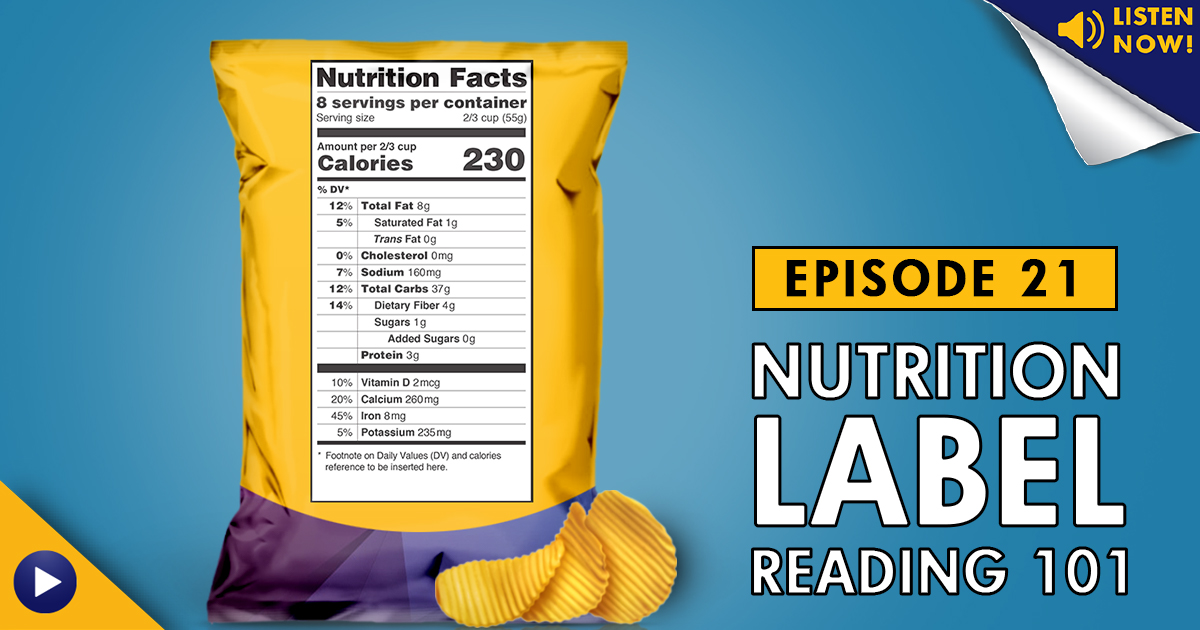
On this episode of the Living Healthy Podcast, we continue our discussion with Debbie James, RDN, to dish out the details on super-fruits and veggies. We talk about how to incorporate more into your daily diet, whether they can help you bulk up or trim down, and how you can actually alter your taste buds so they taste better!

Listen in now!

How Are We Doing? 


This podcast should not replace any exercise program or restrictions, any dietary supplements or restrictions, or any other medical recommendations from your primary care physician. Before starting any exercise program or diet, make sure it is approved by your doctor.

Timecard Markers – Fruits and Veggies, Part 2 – Podcast Ep. 32   

Intro 

0:01 

Brittany’s Story 

0:34 

Jumping into Part 2 with Debbie James, RDN 

3:41 

Are There Certain Fruits/Veggies That Help You Bulk Up or Lose Weight? 

2:54 

Is it Better to Eat Locally Sourced Fruits and Veggies? 

4:38 

Is There a Better Time of Day to Eat Fruits and Veggies to Bulk Up? 

5:48 

Which Ones Are the Super-Fruits and Super-Veggies? 

8:03 

Can You Change Your Taste buds to Like Veggies? 

10:00 

Are There Any Tips to Get Kids to Eat Veggies? 

12:00 

Cooking with Olive Oil versus Coconut Oil 

15:11 

Does Juicing Hold Long-Term Benefits? 

17:05 

Actionable Advice 

18:20 

Outro 

19:24 


Recommended Podcast Episodes 

How to Enjoy the Tastes of Italy Without Destroying Your Diet | QA

How to Enjoy the Tastes of Italy Without Destroying Your Diet | QA

Question:

I’m headed to Italy for two weeks on vacation. While I want to indulge a bit on wine, pasta, and pizza, I don’t want to lose all the gains I have made. What is your advice for a calorie responsible, yet delectable, Italian vacation?

– Jim J.

Answer:

  • Italian food can be the model of a Mediterranean diet if it includes fresh vegetables, fish, fruit and nuts.

    Here are my tips for traveling or dining out Italian-style:

    • Look for primavera dishes and those with frutti di mare (seafood) or beans.
    • Limit cured meats like pancetta, prosciutto, and bacon.
    • Keep wine intake close to the amount you consume at home. It’s possible to taste a variety of wines without having a full 6 fl. oz. glass of each!
    • Skip the bread before/with meals, except for regional items (e.g., Pane Toscano, Coppia Ferrarese, or Pane di Segale).
    • For pasta, eat small portions while indulging in specialty sauces and toppings.
    • Keep cheese as a flavoring and topping, not the main ingredient. Sorry, lasagna!

    The point is to only “spend” your calories on something that’s unique for that venue. In buona salute!

– Debbie J., MS, RD

This article should not replace any exercise program or restrictions, any dietary supplements or restrictions, or any other medical recommendations from your primary care physician. Before starting any exercise program or diet, make sure it is approved by your doctor.

Some questions have been edited for length and/or clarity.

Ask our Dietitian

Have a nutrition question? Our registered dietitian is ready to help!
Email nutrition@lafitness.com or submit your question below and it may be featured in an upcoming article!

15 + 4 =


Recommended Reading - Q+A

Good carbs vs bad carbs
Debunking Diet Myths

Debunking Diet Myths

With so many sources offering nutrition advice, it’s hard to know what’s true. Even factual information can become distorted by the time it reaches you. Like a game of telephone, the message often changes as it’s passed along. Here, we debunk 5 common diet myths to...

Diabetes and a Sweet Tooth for Fruit | QA

Diabetes and a Sweet Tooth for Fruit | QA

Question:

I am a 65 year old male. I weigh 295 pounds with borderline diabetes (A1c 6.2). I love watermelon because it hydrates and satisfies my sweet tooth. Can I eat too much watermelon?

– Joseph H.

Answer:

Of course, you can eat too much of anything, even food with natural sugars! Watermelon is a more dilute fruit — its high water content (90%!) means less sugar per volume compared with other fruits. A single serving of watermelon at 2/3 cup (100 grams) provides only 7.6 gm carbohydrate. Eat a few servings and you’re back to a higher sugar intake.

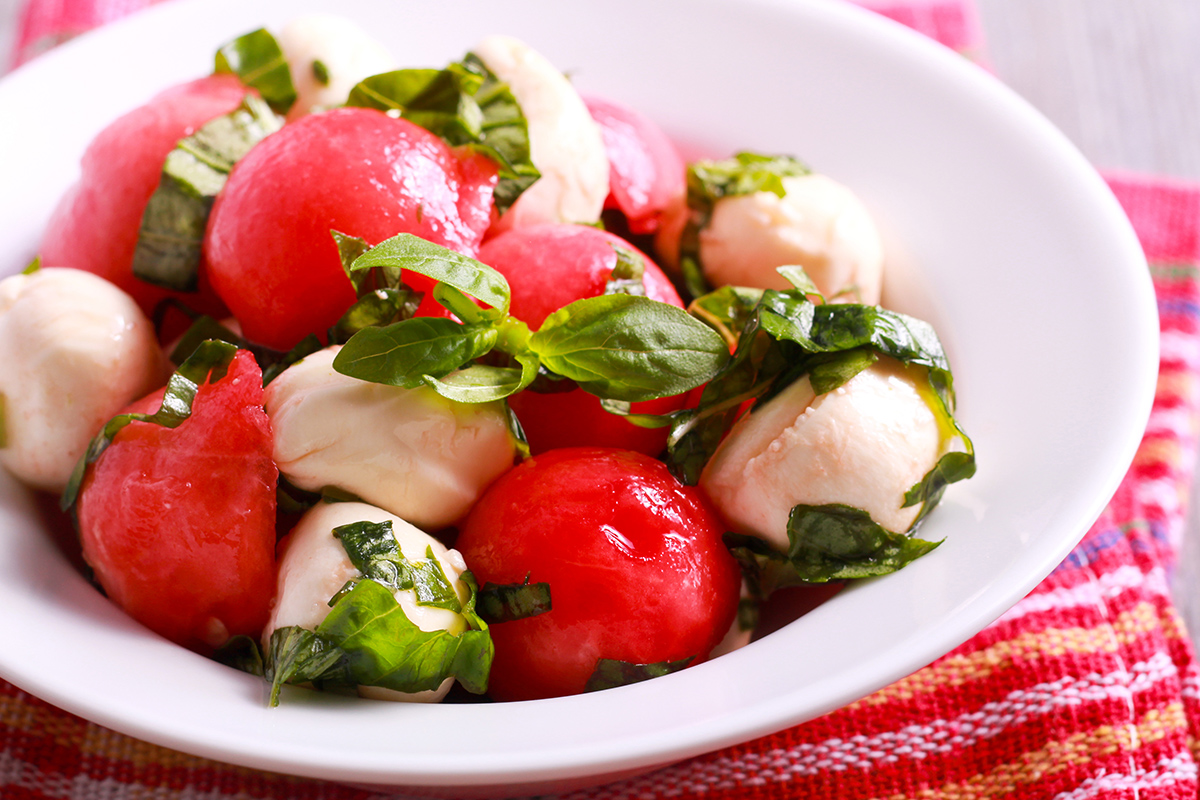
Besides just focusing on controlling the sugar load, you should also consider balancing meals and snacks. It’s possible to modify the digestion/absorption speed of the fruit you eat. Consuming fat and protein (or fiber) with simple carbohydrates acts to slow digestion and absorption, thereby blunting the rise in blood sugar response. Example: add part-skim mozzarella, olive oil, basil & balsamic vinegar for a watermelon caprese salad.

Keep in mind your total calories, so reducing portions of fat and protein elsewhere in the day may be needed.

See our previous answers regarding fruit: Which Fruits Contain the Most Sugar, Which Fruits are Best to Eat and Do I Need to Limit Fruit.

Resources:

  1. Basic Report: 09326, Watermelon, raw. National Nutrient Database for Standard Reference, Legacy Release. USDA. https://ndb.nal.usda.gov/ndb/foods/show/09326 Accessed 9.3.2019
  2. Best Snacks for People with Type 2 Diabetes by Zawn Villines. Medical News Today. https://www.medicalnewstoday.com/articles/317094.php  Updated April 5, 2019. Accessed 9.3.2019
  3. Healthy Eating With Diabetes: Your Menu Plan by WebMD. https://www.webmd.com/diabetes/head2toe-15/diabetes-meal-plan February 13, 2017. Accessed 9.3.2019

– Debbie J., MS, RD

This article should not replace any exercise program or restrictions, any dietary supplements or restrictions, or any other medical recommendations from your primary care physician. Before starting any exercise program or diet, make sure it is approved by your doctor.

Some questions have been edited for length and/or clarity.

Ask our Dietitian

Have a nutrition question? Our registered dietitian is ready to help!

Email nutrition@lafitness.com or submit your question below and it may be featured in an upcoming article!

6 + 14 =


Recommended Reading - Q+A

Good carbs vs bad carbs
Debunking Diet Myths

Debunking Diet Myths

With so many sources offering nutrition advice, it’s hard to know what’s true. Even factual information can become distorted by the time it reaches you. Like a game of telephone, the message often changes as it’s passed along. Here, we debunk 5 common diet myths to...