10 Ways to Take Advantage of the Increasing Daylight

10 Ways to Take Advantage of the Increasing Daylight

Spring is rapidly approaching and, with it, those longer days of sunshine! With the exception of Hawaii, a large majority of Arizona, and a handful of U.S. territories like Puerto Rico and Guam, the clock will shift forward by one hour this Sunday, March 8th 

With more daylight, you can do a lot more with your evening hours. To enjoy that benefit, you’ll have to exchange your crisp blue morning for a darker one. Here are some tips for how to adjust to the darker morning, and how to make the most of your longer evening. 

Your Sleep Schedule

Your sleep schedule is getting thrown off again, when it seems you’ve only just gotten used to the new routine. Your circadian rhythm regulates your alertness or sleepiness, and it accomplishes this by assessing the light levels in your environment. Because your mornings will now be darker, you may notice greater difficulty with waking up. You might also have more trouble getting sleepy as your usual bedtime approaches because it won’t get dark until later.  

Turn on some lights when your alarm goes off in the morning to help you feel more awake and be mindful of the time in the evening so you can give yourself time to wind down before bed. 

Take Advantage of the Extra Evening Light 

The best thing about extra light in the evening, is that you can actually tackle your to-do list. With the extra daylight, these items no longer have to wait for the weekend. 

  1. Clean Out the Rain Gutters: If you have your own house, you’ve probably needed to clean these out at some point. You probably also know how dangerous it can be to do this job while it’s dark. Use your judgment to determine whether it’s best do this before or after the April showers.
  2. Do Some Gardening: Unless you really love nighttime critters, it’s a good idea to do your gardening in the daytime. You’ll have a better sense of the bigger picture you’re creating and also better gauge color and plant sizes.   
  3. Food Prep: Sometimes we just can’t get to this on the weekends. A little extra daylight can help give you that boost of energy you need to tackle this one on a weeknight! 
  4. Laundry: Mid-week laundry sessions can help you make up for the times you’ve let things pile up. Just like with food prep, the extra light can keep you energized during this monotonous chore.  
  5. Get Dusting: Natural light can help you see where the dust has been collecting. Take the opportunity to wipe off dusty surfaces and sweep or mop the floors. With allergy season looming, you’ll be glad you did! 

Add More Fresh Air to Your Week 

Your to-do list isn’t the only thing that can benefit from extra daylight. You can finally enjoy the outdoors again as the weather warms. Here are some ways to add a little more fresh air to your week. 

  1. Go for a Jog, a Walk, or a Cycling Session: Not only is it safer to do this in daylight, it’s also a perfect time for evening exercise. Once summer weather arrives, the day’s heat can make evening workouts far less enjoyable. If you’re accustomed to early morning exercise, make sure you wear bright, reflective clothing because the darker morning will make you less visible. 
  2. Go Out to Watch the Sunset: After a long day, you’ll actually have time to make it out to a good spot to catch the sunset. Don’t waste that opportunity! 
  3. Enjoy Your Dinner Outside: If you live in a part of the country that’s already serving up picnic weather, take your dinner outdoors and banish those wintertime blues. 
  4. Build Something: It’s not fun when you’re sanding, painting, or staining your project in artificial light and later realize it looks nothing like what you expected. Use your precious daylight to work on projects that need a bit of extra care.  
  5. Pause for Playtime: Take your pet to the park or give them some much deserved love and attention at home! Or, enjoy some time with friends or family that isn’t focused on homework or chores. 

How will you use your extra daylight? Share your thoughts in the comments below! Stay in-the-know on trending health and nutrition topics and subscribe to our newsletter to receive monthly highlights from the Living Healthy Blog! 

Calculating Macros on a Plant-Based Diet | QA

Calculating Macros on a Plant-Based Diet | QA

Question:

Hi my name is Alex, I am a 22yearold male, about 5’5 in height, and I weigh about 123 pounds. I recently have changed my diet from regular eating to plantbased food which seems to give me more energy and better sleep. I was curious about how many macronutrients I should be getting and how many calories I should eat. I work out about 5-6 times a week, do cardio first for about 20-30 minutes, and then do about 45-60 minutes of intense cardio and weightlifting.   

Thank you, 

– Alex 

Answer:

Using a predictive energy calculation* it seems your total energy expenditure (TEE) falls in the range of 2600-2800 calories per day based on resting energy need + physical activity where the PA factor is 1.27 for active men. To determine macronutrient amounts, you could allocate 50-60% of energy to carbohydrates, 15-20% to protein and the remaining 20-35% to fat given your exercise level and reliance on plant foods. From 2700 calories and the midpoint of each macro range, this would calculate to about 370 gm Carb., 122 gm Prot., and 81 gm Fat daily. 

Your macronutrient needs and goals shouldn’t really change much based on the source of your food. However, switching to eating all plants (strictly vegan) may mean getting fewer micronutrients if not done properly. So amping up your consumption of iron, zinc, magnesium and calcium may necessitate an adjustment in diet to increase plant sources of those minerals. Please see the Institute of Medicine’s Dietary Reference Intake tables of vitamins and minerals for your micronutrient intake targets. 

*TEE for men = 864 − 9.72 × age (years) + PA × [(14.2 x weight (kg) + 503 × height (meters)] 

Equation source: 

Gerrior S, Juan W, Basiotis P. An easy approach to calculating estimated energy requirements. Prev Chronic Dis [serial online] 2006 Oct [date cited]. Available from: http://www.cdc.gov/pcd/issues/2006/ 
oct/06_0034.htm
. Accessed 1.24.2020 

– Debbie J., MS, RD

This article should not replace any exercise program or restrictions, any dietary supplements or restrictions, or any other medical recommendations from your primary care physician. Before starting any exercise program or diet, make sure it is approved by your doctor.

Some questions have been edited for length and/or clarity.

Ask our Dietitian

Have a nutrition question? Our registered dietitian is ready to help!

Email nutrition@lafitness.com or submit your question below and it may be featured in an upcoming article!

6 + 3 =


Recommended Reading - Q+A

Good carbs vs bad carbs
Debunking Diet Myths

Debunking Diet Myths

With so many sources offering nutrition advice, it’s hard to know what’s true. Even factual information can become distorted by the time it reaches you. Like a game of telephone, the message often changes as it’s passed along. Here, we debunk 5 common diet myths to...

Your Guide to Creating Your Own Meal Plan

Your Guide to Creating Your Own Meal Plan

Any good workout plan needs a good nutrition plan. Over the years, we’ve learned a lot from our registered dietitian, Debbie James. Today, we’re compiling pieces of her best advice to help you construct your perfect meal plan. 

How to Build Your Own Meal Plan 

Many of our readers want to know what they should be eating for weight loss, for healthy weight gain, for muscle gain, and more. To help simplify your search for the right answer, look no further than the article: How to Create a Meal Plan. 

Here, you will find Debbie’s step-by-step process to construct a nutrition plan that meets your desired calorie count and macronutrient content. Because you’re making it yourself, you can easily tailor your “menu” to include only the foods you will actually eat. Paired with examples of how to follow each step, and tips for success, this article is a great place to start building your nutrition plan. 

If, before getting started, you’d like some general information on carbs, fats, and proteins, you can read her post: Let’s Talk About the Basics. 

Healthy Meal Options and Sample Plans 

As you put together your meal plan, you’ll be looking for ideas. What are examples of healthy pairings? Should you go for protein or complex carbs? What are healthy substitutions for foods you’re trying to cut-out? Fortunately, Debbie has explored these types of questions as well. 

In her post on Healthy Suggestions for Breakfast, Lunch, and Snacks, Debbie offers a breakdown of potential meals that are about 750 calories each.  

Another post on Breakfast and Lunch Options on the Go offers some sample meals that come in at about 600 calories each. 

Depending on what your daily caloric needs are, you can add, remove, or swap items with healthy alternatives from the list you made in the first step of creating your meal plan. Keep in mind that sample meal plans are not meant to be repeated every day. The hope is that you will follow the structure but switch up your food choices so you can benefit from the nutritional content in your various food choices. 

Customizing Your Plan 

Vegan – For vegan meals, tasty options abound. Not only does Debbie talk about Vegan Breakfasts, she offers possible food combinations to give any meal more variety and provides readers with a list of the top vegan sources of protein. 

Vegetarian – What if your meal plan is leaning towards vegetarian? Here, Debbie lists some high protein and low carb vegetarian foods that you can work into your meal plan. You’ll also find her response to questions about How to Lose Weight on a Vegetarian Diet or How to Gain Healthy Weight on a Vegetarian Diet. 

Low-Carb – If you’re trying to go low carb, you might be interested in this piece on Cauliflower Substitutions, the most recent craze in terms of rice and dough alternatives. Or, perhaps you want to know about the Best Time of Day to Eat Starchy Carbs. Yup, there’s a piece on that too! 

Nutritious Snacks

Snacks are also on our radar when we’re structuring our food for the day. They keep us from getting too hungry before our next meal and can help keep us feeling full and energized throughout the day. What you choose to put on your snack list, however, is just as important as what goes into your meals. Debbie’s Super Snacking Guide offers a nice breakdown of what you should aim for when putting together your snacks. 

If you still need some more ideas or feel like your options are limited by your dietary restrictions, you may find her answer to this reader’s question helpful. It offers some insight into healthy substitutions for sugary and salty snacks. Other answers share which snacks will keep hunger at bay and which can help boost your energy. We haven’t forgotten about our readers with gluten sensitivities or intolerances. This list on Gluten-Free Snacks can help guide your decision-making as well.

TMI?

If this all sounds like just a little too much to read, you can listen to Debbie’s advice in many of our podcasts. Some relevant topics you might enjoy include:  

How to Never Fail at a Diet Again 

How to Meal Prep the Right Way 

What You’ve Been Wanting to Know About Fad Diets (Paleo, Keto, and More) 

How to Read a Nutrition Label 

Do You Have a Nutrition Question?  

Your nutrition questions are always welcome and Debbie is ready to help! Simply email nutrition@lafitness.com or submit your question online and it may be featured in an upcoming article! To access our monthly blog post highlights, subscribe to our newsletter, today! 

Regaining Weight in Older Adulthood | QA

Regaining Weight in Older Adulthood | QA

Question:

My wife is 86. She has lost a lot of weight. How do I get her weight back? Are there any super foods in terms of calorie count? Are there any additives, like whey powder, that can help her gain weight? She always says she can’t eat another bite! I give her Nutrament and ice cream to get some calories in her, but this is liquid. She has been given an appetite enhancing pill (Dronabinol 2.5 mg) but it has not shown any effect.

– John

Answer:

Thanks for reaching out John. Glad that you are on top of her nutrition and have sought medical attention first. Certainly, there are very high calorie foods to incorporate I’ll address below. However, I must say in my experience with geriatric nutrition and long-term care residents, the body’s ability to process and assimilate the calories consumed is often the limiting factor. There may be impairments anywhere from gut digestion and absorption to cellular uptake and utilization. 

You’re right to focus on solid foods as weight gain supplements should be given between meals not as a replacement. Nutrament by the way, is marketed as an energy drink for active persons and it’s half sugar1! [360 Cals, 10 g Fat, 47 g Sugar, 16 g Protein] If you’re trying to stay away from medical weight gain supplements, then a comparable 12 fl. oz. of Carnation Instant Breakfast High Protein2 would be more suitable (330 Cals, 9 g Fat, 18 g Sugar, 22 g Protein).  

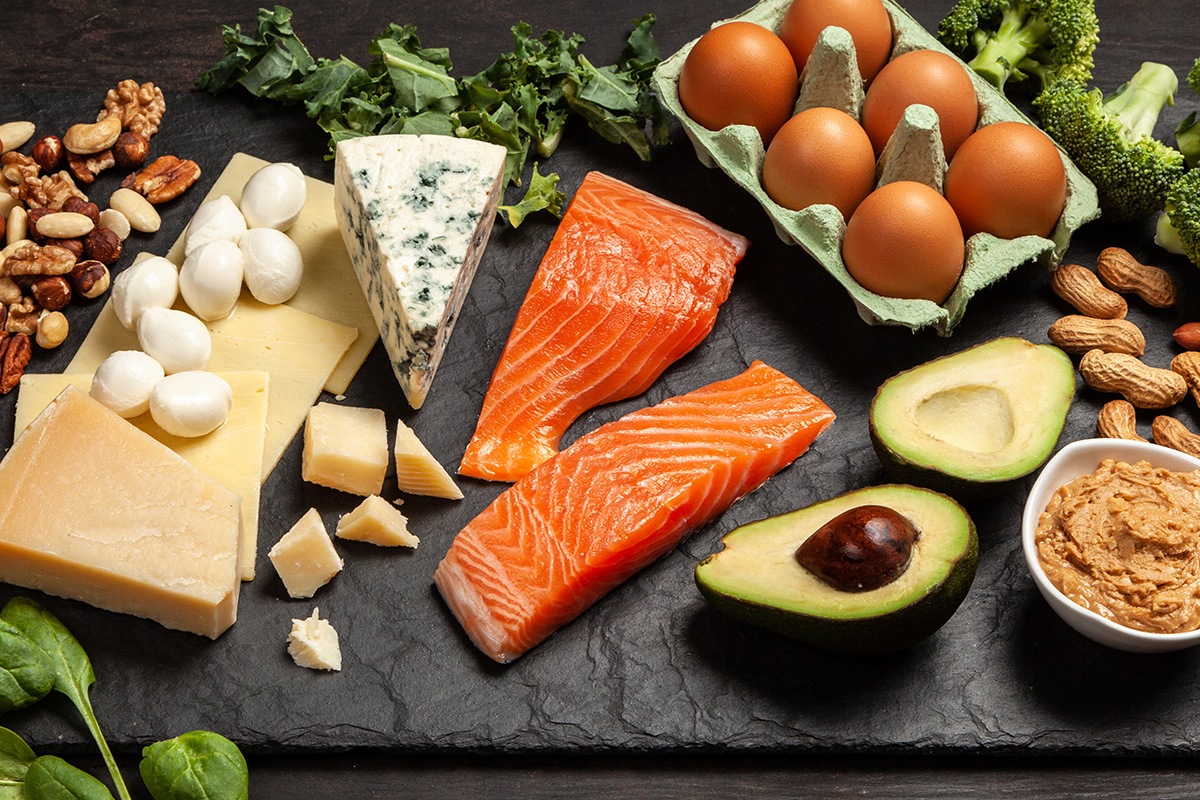
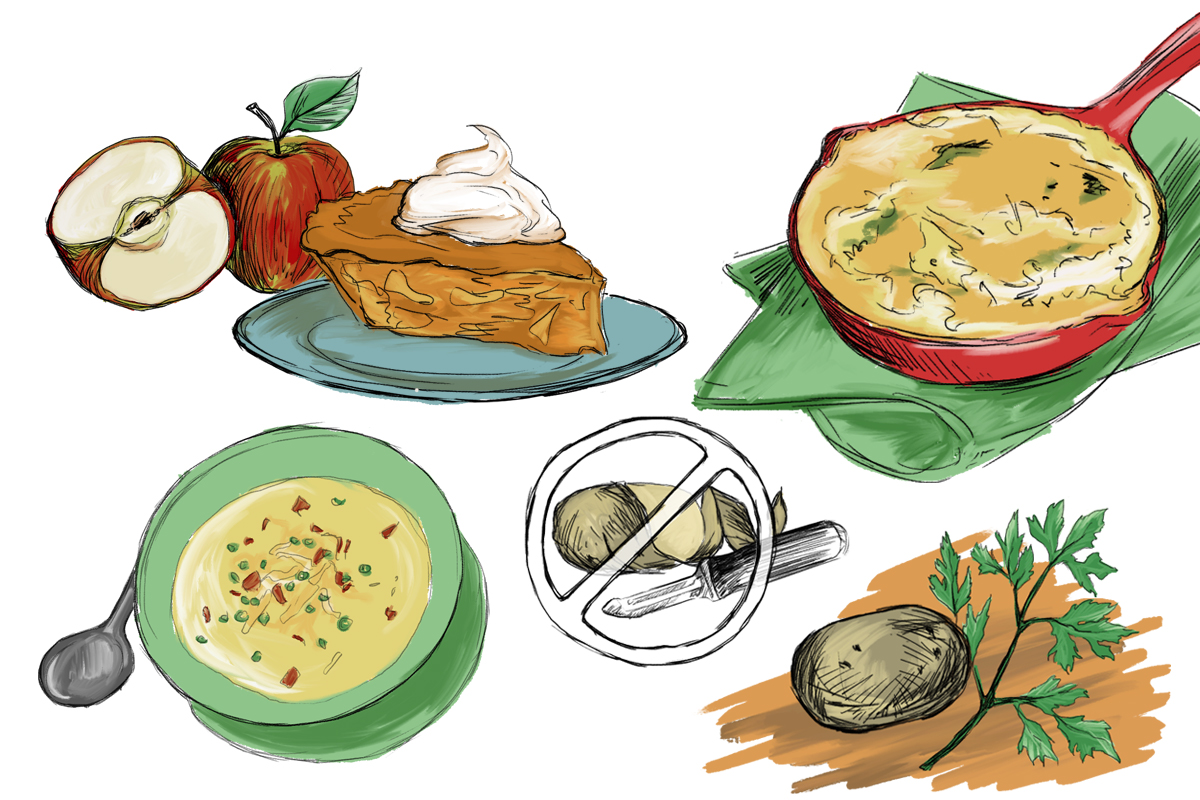
Cheese, avocado, fatty fish (salmon, trout, sardines, herring), full-fat yogurt, nut butters, olives and coconut (meat and milk, not the water) are the richest in calories. Incorporating eggs, beans, olive oil, potatoes and whole-grain starches will provide additional protein and energy. Meal and snack suggestions include: eggs benedict, pudding, nachos with guacamole, mashed potatoes, potatoes au gratin, pumpkin mousse, yogurt + fruit smoothies, shepherd’s pie, avocado on toast, peanut butter on crackers, bisques and chowders, olive tapenade with crostini, granola, and trail mix. 

Several condiments can be used to supplement additional calories and protein, such as: syrups, gravies, cheese sauces, creams, spreads, butter, icing/frosting, honey, jelly/jam, pesto, tahini, hummus, and tamari. Use these to coat, cover, top and soak into the main foods (e.g. whipped cream and maple syrup on French toast).  Additional food preparation tips are available from the Institute on Aging, the Dietitians of Canada, and the Cleveland Clinic.  

Regarding medications24: Dronabinol has been available for three decades and is effective for stimulating appetite in the majority of elderly HIV and cancer patients who take it, although some don’t respond to it. The liquid solution form is showing promise over the capsule form for a quicker onset of action. For people experiencing loss of weight and lack of appetite in the absence of conditions like HIV or cancer, Megace is the drug typically prescribed, though it has limited effectiveness. 

References: 

  1. “Nutrament Home Page.” Nutrament Home Page, Harvest Hill Beverage Company, 2019, www.nutrament.com/. Accessed 10.21.2019

  2. “Carnation Breakfast Essentials® High Protein Ready-to-Drink.” Carnation Breakfast Essentials®, Société Des Produits Nestlé S.A., 2019, www.carnationbreakfastessentials.com/products/carnation-breakfast-essentials-high-protein-ready-drink. Accessed 10.21.2019

  3. Wilson MM, Philpot C, Morley JE. Anorexia of aging in long term care: is dronabinol an effective appetite stimulant?–a pilot study. The Journal of Nutrition Health and Aging. 2007 Mar-Apr;11(2):195-8. 

  4. Badowski ME, Yanful PK. Dronabinol oral solution in the management of anorexia and weight loss in AIDS and cancer. Therapeutics and Clinical Risk Management. 2018;14:643–651. Published 2018 Apr 6.

  5. Persons RK, Nichols W. Should we use appetite stimulants for malnourished elderly patients? The Journal of Family Practice. 2007 September;56(9):761-762 doi:10.2147/TCRM.S126849 

– Debbie J., MS, RD

This article should not replace any exercise program or restrictions, any dietary supplements or restrictions, or any other medical recommendations from your primary care physician. Before starting any exercise program or diet, make sure it is approved by your doctor.

Some questions have been edited for length and/or clarity.

Ask our Dietitian

Have a nutrition question? Our registered dietitian is ready to help!
Email nutrition@lafitness.com or submit your question below and it may be featured in an upcoming article!

8 + 13 =


Recommended Reading - Q+A

Good carbs vs bad carbs
Debunking Diet Myths

Debunking Diet Myths

With so many sources offering nutrition advice, it’s hard to know what’s true. Even factual information can become distorted by the time it reaches you. Like a game of telephone, the message often changes as it’s passed along. Here, we debunk 5 common diet myths to...

Homemade Salad Dressings 101

Homemade Salad Dressings 101

Growing up, I looked forward to making our own Italian dressing with a packet of zesty herb mix, oil and vinegar and shaking it up in a plastic-lidded glass cruet from Good Seasons. Easy enough for a kindergartener to do! Now, I still prefer the taste of my own dressings to the store-bought ones, either refrigerated or on the shelf. 

Fresh is also healthier, not to mention cheaper. No chemical preservatives, artificial colors or flavors, excessive sodium or sugar. Make your own salad dressing so tasty, you’ll want to take it everywhere! …okay, so maybe just to restaurants and potlucks. Still, a custom dressing that only has in it what you want sounds good enough for every salad venue. 

Creating your own basic blend takes little time and effort, even for beginners. Moving on to crafting more unique flavored dressings means following established recipes rather than trial-and-error. Here, we give you the rundown of what it takes to make a simple vinaigrette, with two additional dressing styles, plus tips for the best results. 

Base Ingredients 

oil – extra virgin olive, avocado, flaxseed, grapeseed, safflower, soybean, etc. (coconut oil solidifies) 

acid – vinegar (apple cider, red wine, white wine, balsamic, etc.) or lemon juice 

sweet – agave syrup or honey 

savory – garlic, onion, mustard or Worcestershire 

spice – salt & pepper  

Optional Ingredientssesame oil, lime, orange juice, ginger, dried herbs (basil, dill, tarragon), buttermilk, grated Parmesan cheese, horseradish, avocado, cilantro, parsley, and so much more 

Equipment needed: measuring cup, measuring spoons, bowl, whisk, wide-mouth cruet, or sealed jar/bottle. Optional ingredients may require knife & cutting board or food processor. 

Time needed: Just 5 minutes for a basic recipe with dried herbs, 10-15 minutes for those with 10+ ingredients or fresh herbs to chop. 

Awesome 8-ingredient DIY Dressings

Staple Vinaigrette best with spinach, arugula, or mesclun 

1/3 cup extra virgin olive oil 

1/4 cup red wine vinegar 

1 tablespoon lemon juice 

1 tablespoon agave syrup  

1 tablespoon Dijon mustard 

1 tablespoon finely chopped fresh basil 

1 teaspoon minced garlic 

pinch of salt & pepper, to taste 

  • Whisk together in bowl 
  • Suggested additions: tarragon; lemon-thyme

Creamy Ranchbest with iceberg, romaine or radicchio lettuce

1/3 cup buttermilk 

1/2 cup nonfat sour cream or plain yogurt 

1 tablespoon white wine vinegar 

1 tablespoon finely chopped fresh parsley 

1 teaspoon dried dill weed 

1 teaspoon onion powder  

1/2 teaspoon garlic powder 

pinch of salt & cracked pepper, to taste 

  • Whisk together in bowl 
  • Suggested additions: dried chives; Worcestershire 

Vegan Green Goddess best with leaf lettuce, endive or kale; also good on bowl meals 

1 avocado 

3 tablespoonsextra virgin olive oil 

3 tablespoons apple cider vinegar 

1/4 cup water 

3/4 cup packed fresh basil leaves 

1/2 cup chopped green onion 

1/4 cup chopped fresh parsley 

2 garlic cloves 

  • Blend all in food processor 
  • Suggested additions: lime & cilantro together; cayenne pepper

1 cup of dressing yields about eight 2-tablespoon servings. 

For peak flavor, allow blends to sit at least 30 minutes for ingredients to meld. 

Keep refrigerated in airtight container for up to 5 days. 

Do’s and Don’ts 

Don’t: Counteract tartness by adding more agave syrup or honey – it’s extra sugar. 

Don’t: Overseason your dressing without tasting it first, as that could ruin the finished product. 

Don’t: Pre-dress your leafy salad more than ½ hour before you’ll serve it or the oil (& vinegar) may wilt the delicate tender greens.  

Don’t: Store mixed vinaigrette at room temperature as the oils can turn rancid over time.  

Do: Enhance your salad with natural sweetness from cranberries, mandarin slices or strawberries.  

Do: Add salt (up to 1/4 tsp.) and pepper (up to 1/8 tsp.) bit by bit until desired flavor is reached.  

Do: Consider adding an emulsifier (like prepared mustard, honey, or tomato paste) to vinaigrettes, which helps keep  oil from directly coating leaves. 

Do: Refrigerate any unused dressing (all kinds) and allow to come to room temperature, then shake up before reuse.