10 Surprising Food Combinations You’ll Love

10 Surprising Food Combinations You’ll Love

Aaah, the pairing of two foods that harmoniously go together like peanut butter & jelly, or macaroni & cheese, both pleasing to the soul and the palate. Kudos to the first person to combine each of those classics, BTW. Here, we offer our suggestions of more unusual tasty duos that work into a healthy diet. Most items are basic grocery staples that you can find at the corner market. Warning – taste buds beware of surprise!


01.

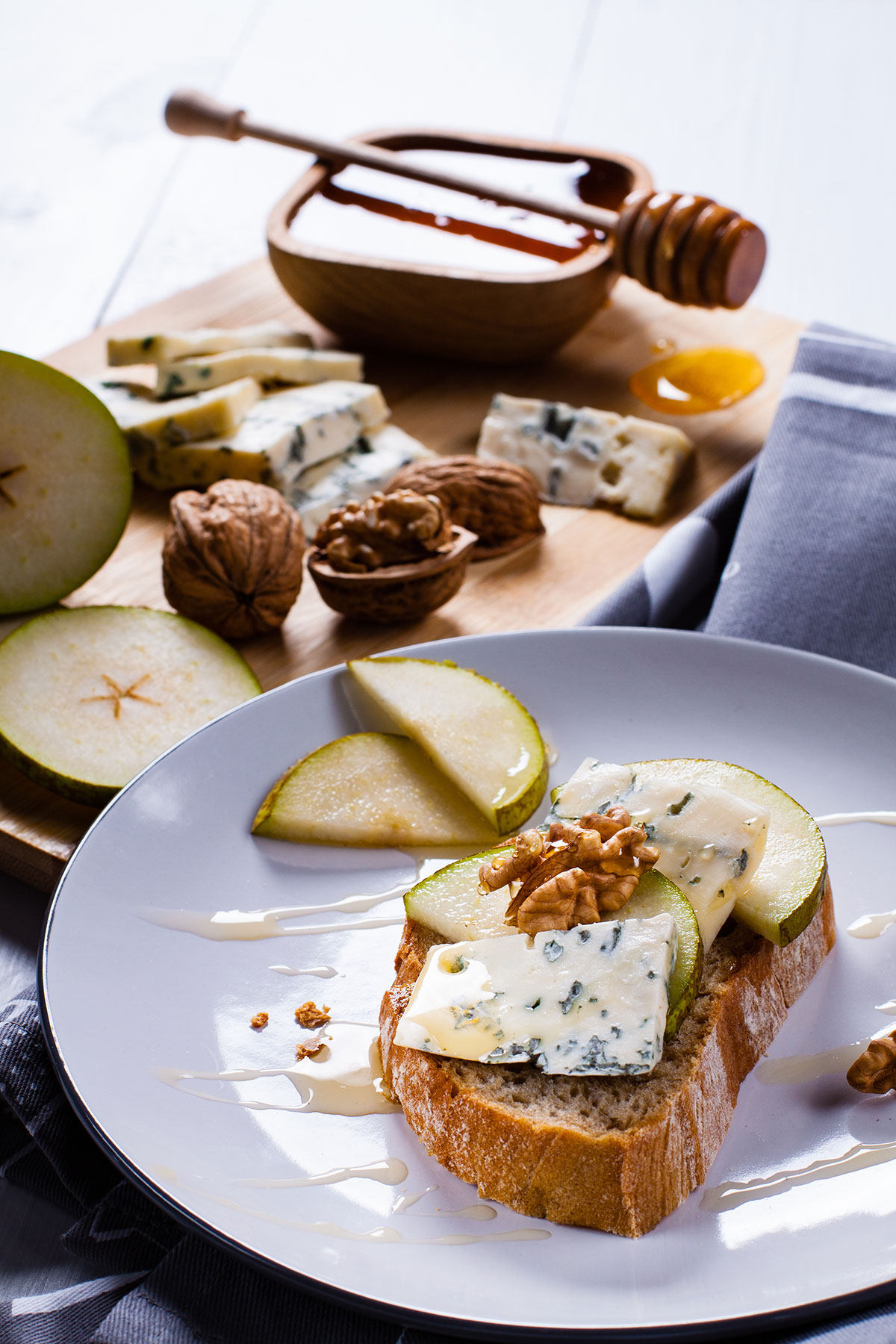
Blue Cheese & Pear   

The slightly bold sharpness of blue cheese balances the mild sweet acidity of pear for a hearty and robust combo.

Examples: Anjou pear, crumbled blue cheese and chopped walnut salad drizzled with honey. Roasted bosc pear halves filled with Stilton, cranberries and slivered almonds. Bartlett pear and gorgonzola flat bread pizza with arugula.

02.

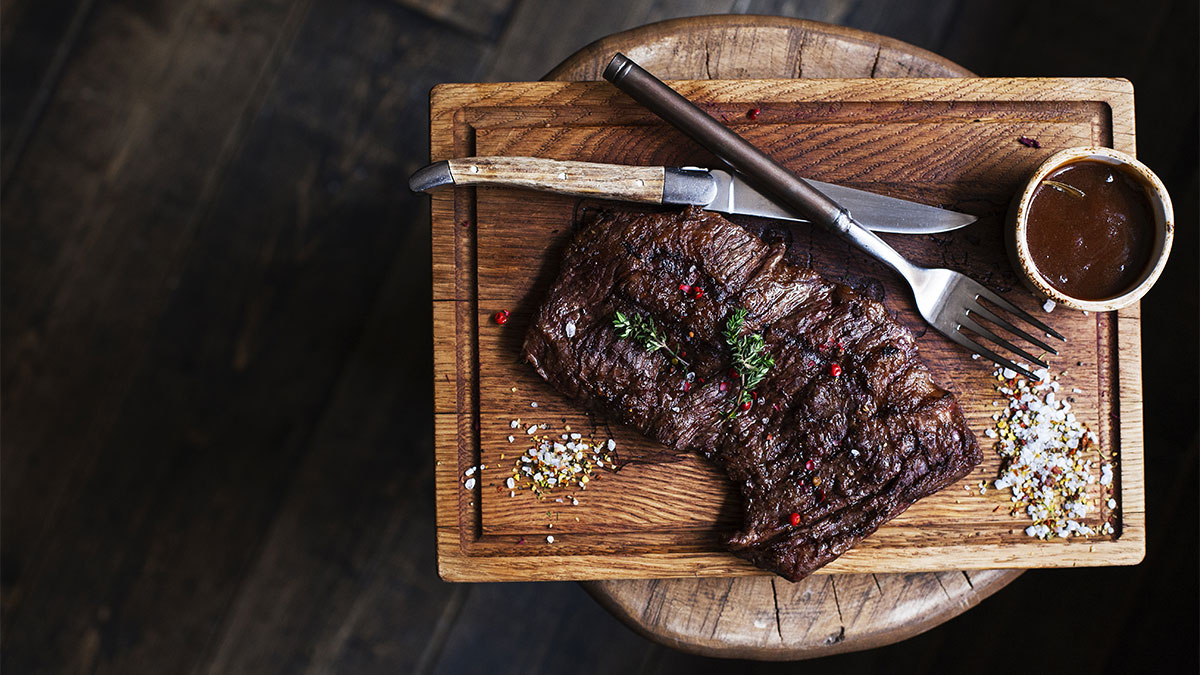
Coffee & Meat

Coffee adds a rich earthy tone to meat, plus it contains natural acids that tenderize. Coffee accentuates the savory flavor of meat while balancing the pepper, chiles and sugars common in meat recipes.

Examples:  Fresh coffee grounds and spice dry-rubbed pork loin chops. Add a shot of espresso to lean ground beef chili for a punch. Skirt steak marinated in chilled strong coffee overnight.

03.

Eggs & Green Veggie 

Breakfast marries dinner in this combination of protein, fiber and vitamins that can serve as a dish its own right.

Examples: Spinach and poached egg atop 7-grain toast w/ feta. Soft-cooked egg and potato-zucchini hash. Scrambled egg and asparagus with whole wheat noodles.

04.

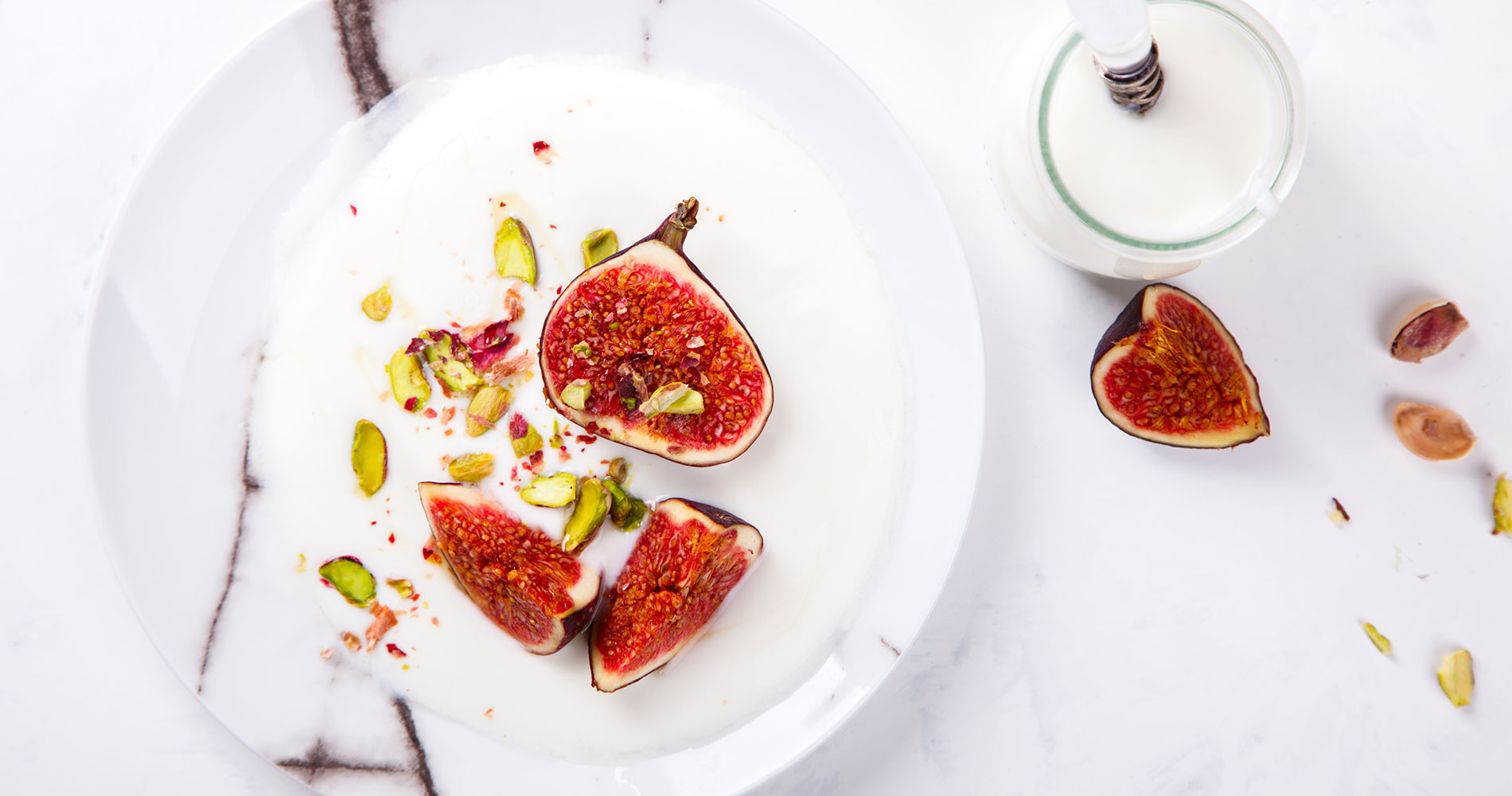
Figs & Pistachios       

This match made in heaven jazzes up plain old bread or crackers and soft cheese for a filling snack with WOW appeal!

Examples: Diced figs and pistachios mixed with honey atop warm brie on a baguette. Fig jam with goat cheese and pistachios atop toast rounds. Fig halves filled with ricotta cheese and toasted pistachios, served with crackers.

05.

Peanuts & Chilies  

The heat and crunch from this duo add boldness to plain/mild items like tofu and starches. The intense spicy flavors fade while the satiety of peanuts last.

Examples: Peanut butter and sriracha sauce on a side dish of noodles.  Finely diced peanuts and jalapeno with cayenne over a scoop of brown rice.

06.

Pomegranate & Meat


The sweet-tart aspect of pomegranate plus the umami flavor of meat make for excellent sweet and savory entrées.

Examples: Glaze roasted chicken with reduced pomegranate juice. Beef chuck roast braised with pomegranate juice and dry red wine.

07.

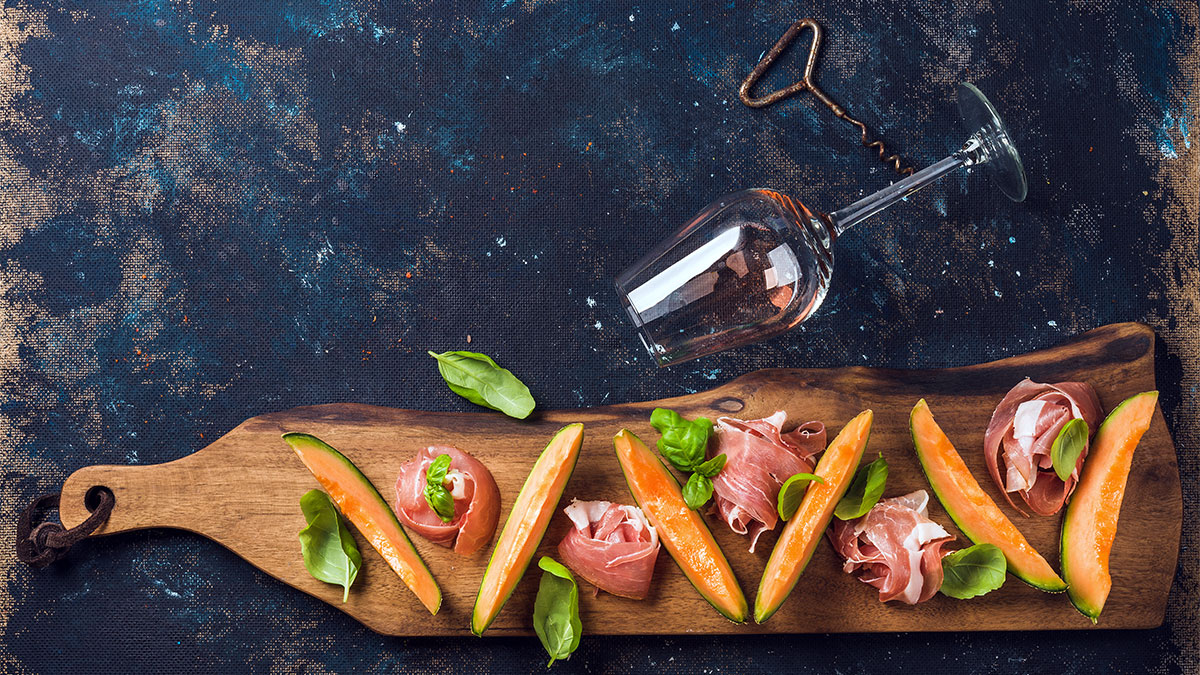
Prosciutto & Melon 

Another sweet and savory blend that is a flavorful snack on its own or an addition to green salads.

Examples: Prosciutto wrapped honeydew slices with mint leaves. Caprese-style stacks of prosciutto, cantaloupe and mozzarella slices with basil leaves drizzled with balsamic vinegar.

08.

Sauerkraut & Cheese


The creaminess of cheese with the bite of sauerkraut make for a tangy pair with crunch.

Examples:  Grilled Swiss cheese and sauerkraut on rye sandwiches. Layered al dente egg noodles, shredded part-skim mozzarella and sauerkraut, baked as a casserole. Quesadillas made with low-fat cheddar, well-drained sauerkraut and thin Granny apple slices.

09.

Strawberry & Tomato

These vitamin C packed fruits are light and refreshing. Strawberries subtly enhance the sweetness of tomatoes.

Examples: Strawberry and heirloom tomato salad tossed with basil and lemon juice. Strawberry tomato gazpacho. Roasted tomato halves topped with strawberry slices, fresh tarragon and oregano, drizzled with apple cider vinegar.

10.

Vinaigrette & Fish


The acidity and herbs from vinegar-based sauces (plus fat from the oil) make for tender, flavorful fish.

Examples: Vidalia onion vinaigrette over seared or pan-fried tilapia and halibut. Citrus vinaigrette works with stronger fish like tuna or swordfish. Soy vinaigrette on chilled leftover salmon.


Recommended Reading

Good carbs vs bad carbs
Debunking Diet Myths

Debunking Diet Myths

With so many sources offering nutrition advice, it’s hard to know what’s true. Even factual information can become distorted by the time it reaches you. Like a game of telephone, the message often changes as it’s passed along. Here, we debunk 5 common diet myths to...

Am I Drinking Too Much Water? | Q+A

Am I Drinking Too Much Water? | Q+A

Question:

I drink approximately 10 glasses of water a day.  Do I need to supplement my water with electrolytes and if I don’t add anything to my water am I washing out nutrients drinking so much water?

– Carmela M.

Answer:

Your reported water intake may be excessive if you are also drinking a lot of other beverages. If it’s your only fluid intake, then 10 glasses of plain water are fine, assuming you are an active, healthy adult with no medical conditions. True water overload that dilutes blood electrolytes (a serious situation called hyper-hydration or water intoxication) is rare and comes from downing gallons of water in a short period of time.

Thirst is a weak indicator of your hydration status. Better yet, check your urine color. Optimal is a pale yellow like the area circled in the image below:

LA Fitness, LAF, nutrition, QA, Ask Our Dietitian, ask our nutritionist, am I drinking too much water, daily water intake, LA Fitness ask a dietitian, daily water intake

You shouldn’t need to add electrolytes to your water or worry about flushing out micro-nutrients if you’re generally in this range. A clear or barely perceptible yellow reflects dilute urine, while an amber color is a sign of dehydration.

– Debbie J., MS, RD

This article should not replace any exercise program or restrictions, any dietary supplements or restrictions, or any other medical recommendations from your primary care physician. Before starting any exercise program or diet, make sure it is approved by your doctor.

Some questions have been edited for length and/or clarity.


Ask our Dietitian

Have a nutrition question? Our registered dietitian is ready to help!

Email nutrition@lafitness.com or submit your question below and it may be featured in an upcoming article!

8 + 9 =


Recommended Reading - Q+A

Good carbs vs bad carbs
Debunking Diet Myths

Debunking Diet Myths

With so many sources offering nutrition advice, it’s hard to know what’s true. Even factual information can become distorted by the time it reaches you. Like a game of telephone, the message often changes as it’s passed along. Here, we debunk 5 common diet myths to...

Gluten Intolerance and Fiber | Q+A

Gluten Intolerance and Fiber | Q+A

Question:

I am gluten intolerant and also need to make sure I have enough fiber in my diet. I have some restrictions also to nuts and seeds.  I am really struggling with determining a healthy lower calorie diet. Any tips?

– Debbie K.

Answer:

As gluten is a protein found in grains, you should look to fruits, vegetables and legumes for the fiber you need. Produce is also low-calorie (except avocados), so it is well-suited for a restricted diet. Here are some of my fibrous favorites to work into your week:

  • Oatmeal (certified gluten-free) with berries or dried fruit.
  • Chili with beans, onions, tomatoes and peppers — a great meal for all, vegetarian or not.
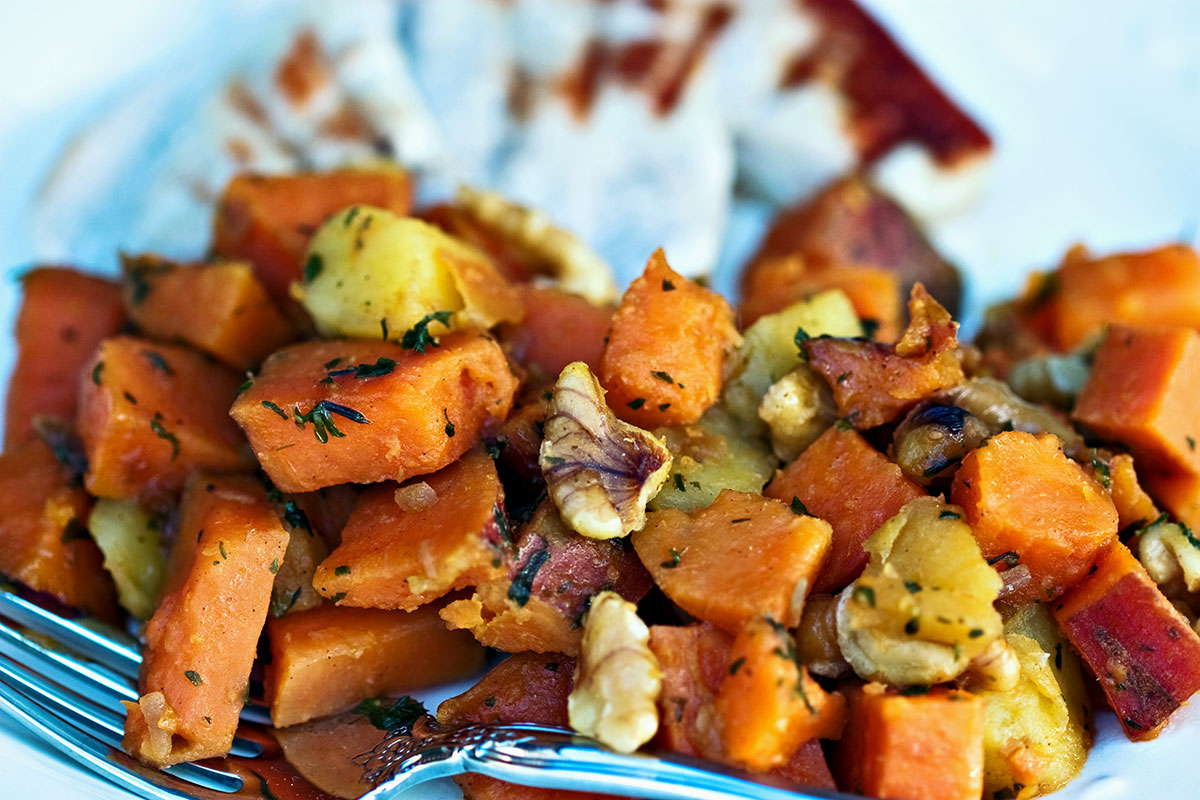
  • Roasted sweet potato cubes (leave skin on) with garlic & rosemary or cinnamon & ginger.
  • Superfood salad with shredded cabbage, kale, Brussels sprouts, and carrots, sprinkled with cranberries.
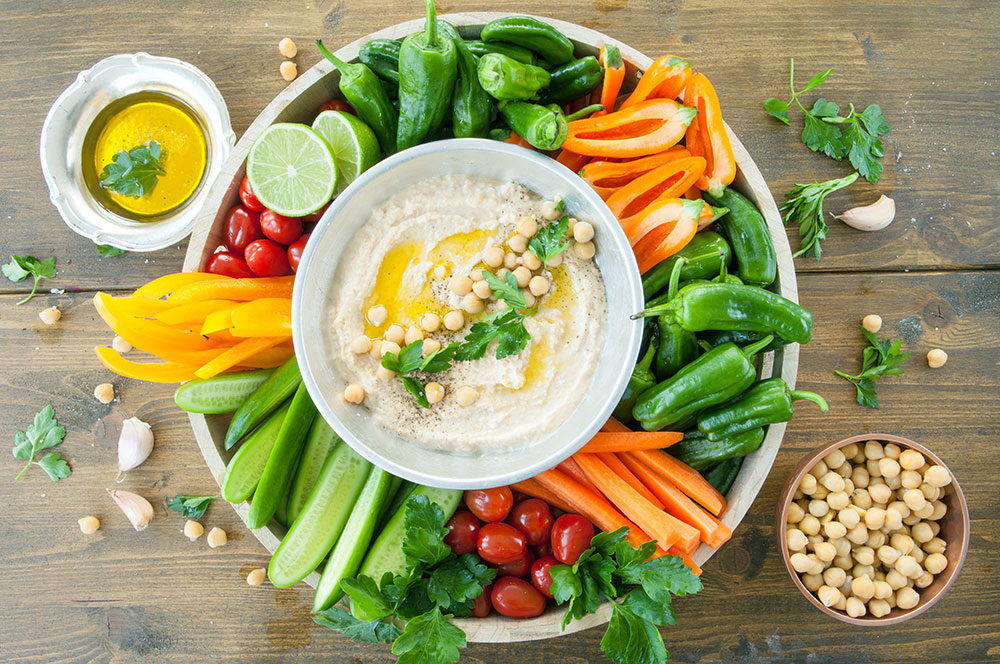
  • Homemade hummus with celery, carrot, bell pepper strips and broccoli florets.
  • Black bean and corn salad with cherry tomatoes and red onion.
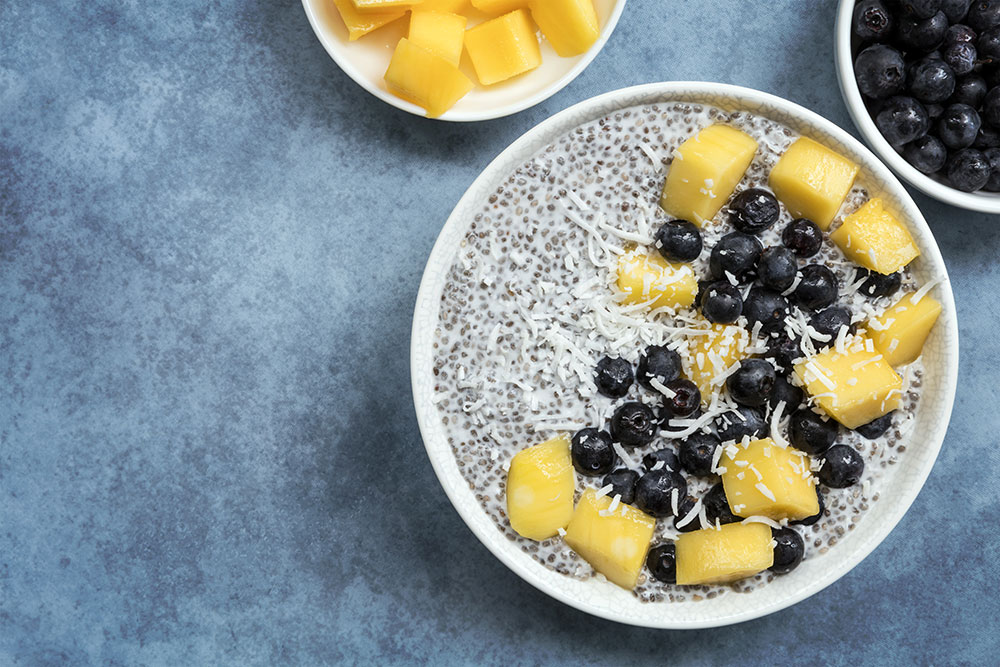
  • If tolerated, a chia seed pudding made with soymilk or a nut milk as an alternative to a dairy dessert.

– Debbie J., MS, RD

This article should not replace any exercise program or restrictions, any dietary supplements or restrictions, or any other medical recommendations from your primary care physician. Before starting any exercise program or diet, make sure it is approved by your doctor.

Some questions have been edited for length and/or clarity.


Ask our Dietitian

Have a nutrition question? Our registered dietitian is ready to help!

Email nutrition@lafitness.com or submit your question below and it may be featured in an upcoming article!

9 + 9 =


Recommended Reading - Q+A

Good carbs vs bad carbs
Debunking Diet Myths

Debunking Diet Myths

With so many sources offering nutrition advice, it’s hard to know what’s true. Even factual information can become distorted by the time it reaches you. Like a game of telephone, the message often changes as it’s passed along. Here, we debunk 5 common diet myths to...

Have You Heard About the Ketogenic Diet Using Exogenous Ketones? | Q+A

Have You Heard About the Ketogenic Diet Using Exogenous Ketones? | Q+A

Question:

I have been hearing also about a ketogenic diet using exogenous ketones. I’m 63 years old, 5’4″ and weigh 170. I joined LA fitness two weeks ago and I’m working with a trainer. My goals are weight loss and strength training. I’ve been doing (and I’m committed to) about 45 minutes of cardio 3-5 times per week and weight training 3 days a week. I am in fairly good health with well controlled mild hypertension as my only health concern. Any information you could provide or direct me to would be appreciated.

– Susan D.

Answer:

I had to do a little research on this one, Susan, but I am glad to be kept on my toes! For our other readers: exogenous ketones are those ingested as supplements as opposed to those produced by the body (called endogenous). The intended goal of dietary-induced ketosis is for the body to use ketones, or fat-derived compounds, as an alternative fuel source instead of carbohydrates for certain body systems.

An outside source of ketones, such as beta-hydroxybutyrate (BHB), in the absence of glycogen depletion, will only produce a short-term state of ketosis lasting a few hours. So you’d need to keep taking the product to get an effect prolonged enough to be significant. You could end up spending well over $100/month – ideal for the supplement company!

Money Down The Drain

During forced ketosis, the body regulates ketone production by shutting down the liver’s production of endogenous ketones and getting rid of excess ketones through urinating.

The use of such ketones (and therefore the bulk of research) has been for its effects on Alzheimer’s, cancer, epilepsy and elite athletic performance. Little is known to establish exogenous ketone use for weight loss. In fact, on PubMed.gov, I could not find one study that directly observed exogenous ketone administration and reduction in body weight. Lots of bits of information that might lead one to assume this would be the case, but no evidence to support such a theory.

My advice – You’d likely be better served by consuming natural caffeine sources to help prolong your cardio workouts for increased fat burning. Coffee won’t break the bank, either!

– Debbie J., MS, RD

This article should not replace any exercise program or restrictions, any dietary supplements or restrictions, or any other medical recommendations from your primary care physician. Before starting any exercise program or diet, make sure it is approved by your doctor.

Some questions have been edited for length and/or clarity.


Ask our Dietitian

Have a nutrition question? Our registered dietitian is ready to help!

Email nutrition@lafitness.com or submit your question below and it may be featured in an upcoming article!

9 + 2 =


Recommended Reading - Q+A

Good carbs vs bad carbs
Debunking Diet Myths

Debunking Diet Myths

With so many sources offering nutrition advice, it’s hard to know what’s true. Even factual information can become distorted by the time it reaches you. Like a game of telephone, the message often changes as it’s passed along. Here, we debunk 5 common diet myths to...

Is Breakfast Really the Most Important Meal of the Day?

Is Breakfast Really the Most Important Meal of the Day?

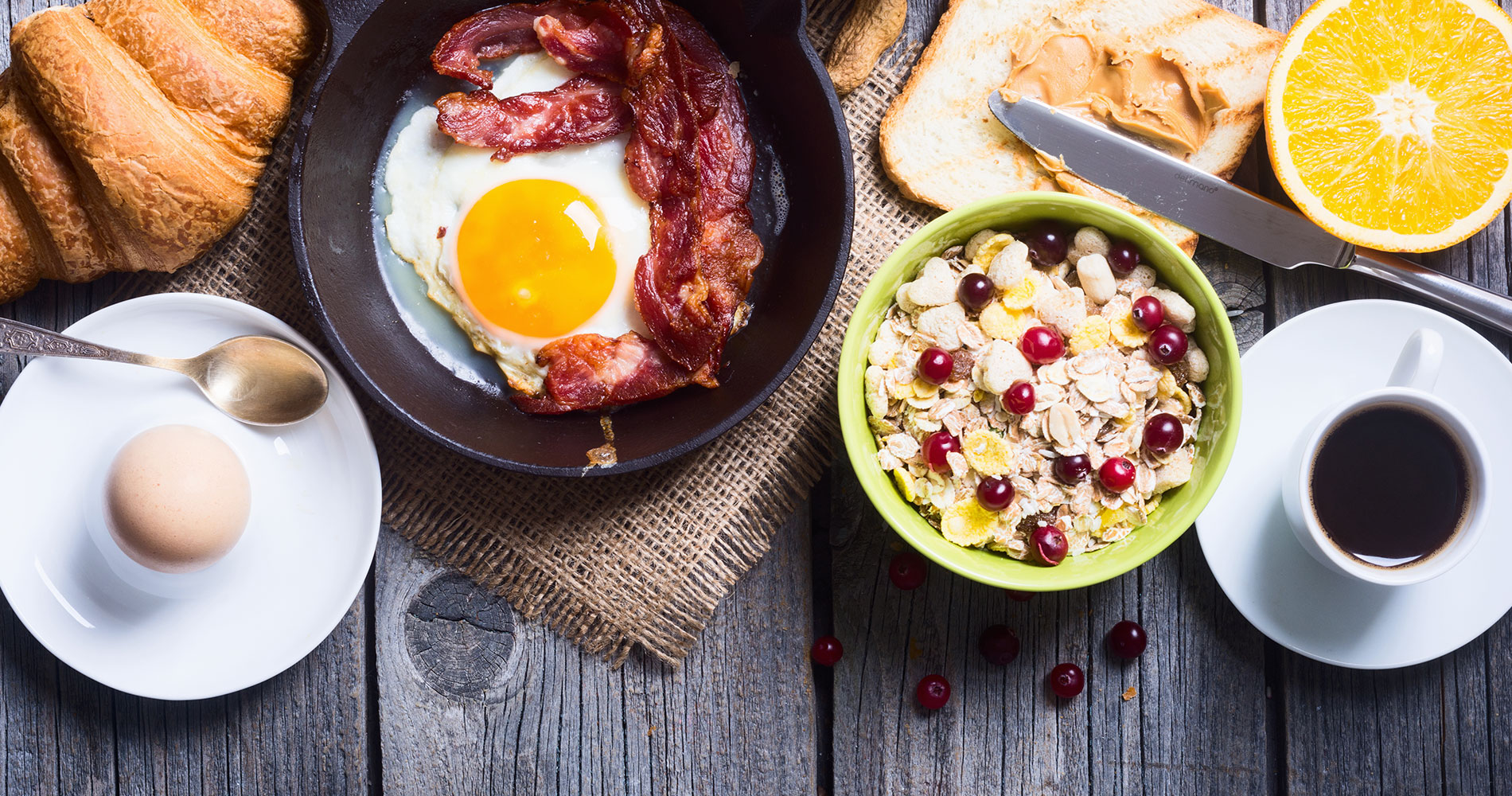
Close your eyes and picture this: the lustrous crackling of bacon in a cast iron pan, the sizzle of pancakes on a hot buttered grill, the alluring aroma of freshly brewed coffee… ahhh.

There is something about a full, balanced breakfast that just starts the day off on the right foot – but is breakfast really necessary? Some of us opt out of an early morning meal in exchange for a heavier lunch or dinner; however, this could have negative effects on the body.

Studies have shown that eating breakfast can help promote1:

  • Good health
  • Better memory and concentration
  • Lower levels of “bad” LDL cholesterol
  • Lower chances of getting diabetes, heart disease, and being overweight

With so many health benefits, making sure to eat breakfast seems like a no-brainer, right? Yet, many of us are in a rush with the morning hustle and bustle to make the time to properly fuel our bodies. Skipping your morning munchies could leave your body feeling sluggish and lacking the energy it needs to keep you feeling focused throughout the day. Not only that, but skipping the first meal of the day may cause you to overeat later and that’s where the extra calories start sneaking up on you!

Here’s the catch though… having too big of a breakfast can actually do more harm than good. A study referenced on WebMD suggested that “people who had large breakfasts ate more during the day.”2 This may leave you thinking to yourself, should I eat breakfast then or skip it? Well, think of it this way. Food is fuel for our bodies. Think of the stomach as a tank for providing the ‘fuel’ our bodies need to properly function. The type of fuel you put into your tank is going to drastically affect the power you get out of it.

!! Tip: Stick with complex carbs, protein, fruit and/or vegetables, ideally paired with a calcium source.

Grabbing a donut on the way into work or opting for a quick packaged pastry with your morning coffee, may taste good in the moment. However, those empty calories are going to burn off quickly and leave your body dragging. Our registered dietitian, Debbie J., offers some healthy, well-balanced breakfast suggestions to swap in as a replacement for that morning treat.

  • Vegetarian: whole grain toast topped with 1/4 avocado, fried egg and roma tomato slices
  • Vegan: steel cut oatmeal with nuts, berries, cinnamon, dairy-free milk
  • Omnivore: Canadian bacon, whole wheat waffle and diced peaches or strawberries
  • Gluten-free: potatoes O’Brien, black bean & tomato salsa, 1/2 grapefruit

The Results

In yet another study published in the journal Obesity, researchers recruited 93 overweight women and put them on a 12-week long prescribed diet.3 All of the women participating in the study consumed a total of 1,400 healthy calories a day. The only difference was that half the group ate their largest meal at breakfast, while the other half ate their largest meal at lunch or dinner.

The results were significantly different! The group who ate their biggest meal at breakfast lost two and a half times the amount of weight as their counter group.4 The same group noticed improvements in belly fat, hunger levels, and fasting blood sugar levels! These noticeable differences seem to trend across multiple studies conducted on the benefits of breakfast.

A Message From the AHA

The American Heart Association even issued a statement noting that “planning and timing meals and snacks, such as not skipping breakfast and allocating more calories earlier in the day, might help reduce cardiovascular disease risk.”5 People who choose to forego breakfast, about 20 to 30% of U.S. adults6, are “more likely to are more likely to be obese, have inadequate nutrition, show evidence of impaired glucose metabolism or be diagnosed with diabetes.”7

Our Thoughts

So, is breakfast really the most important meal of the day? Yes and no. More important than simply eating breakfast before starting your day is paying attention to what type of calories you’re consuming and focusing on balanced and controlled portioning. If you consume most of your calories during the morning, make sure to have a smaller meal for lunch and dinner. Having a larger meal in the morning may also help burn off more calories due to the fact that you have more time to be active before heading to bed.

Our advice? Go ahead and make time for breakfast, because a body lacking fuel is going to be less productive than a body energized with the nutrients necessary for a healthy day.

This article should not replace any exercise program or restrictions, any dietary supplements or restrictions, or any other medical recommendations from your primary care physician. Before starting any exercise program or diet, make sure it is approved by your doctor.


Recommended Reading

Good carbs vs bad carbs
Debunking Diet Myths

Debunking Diet Myths

With so many sources offering nutrition advice, it’s hard to know what’s true. Even factual information can become distorted by the time it reaches you. Like a game of telephone, the message often changes as it’s passed along. Here, we debunk 5 common diet myths to...