Warm Comfort Foods Made Healthy(ish)
Most comfort foods we turn to are heavily laden with fat, starch and calories. There are healthier ways to enjoy down-home classics by making a few tweaks.

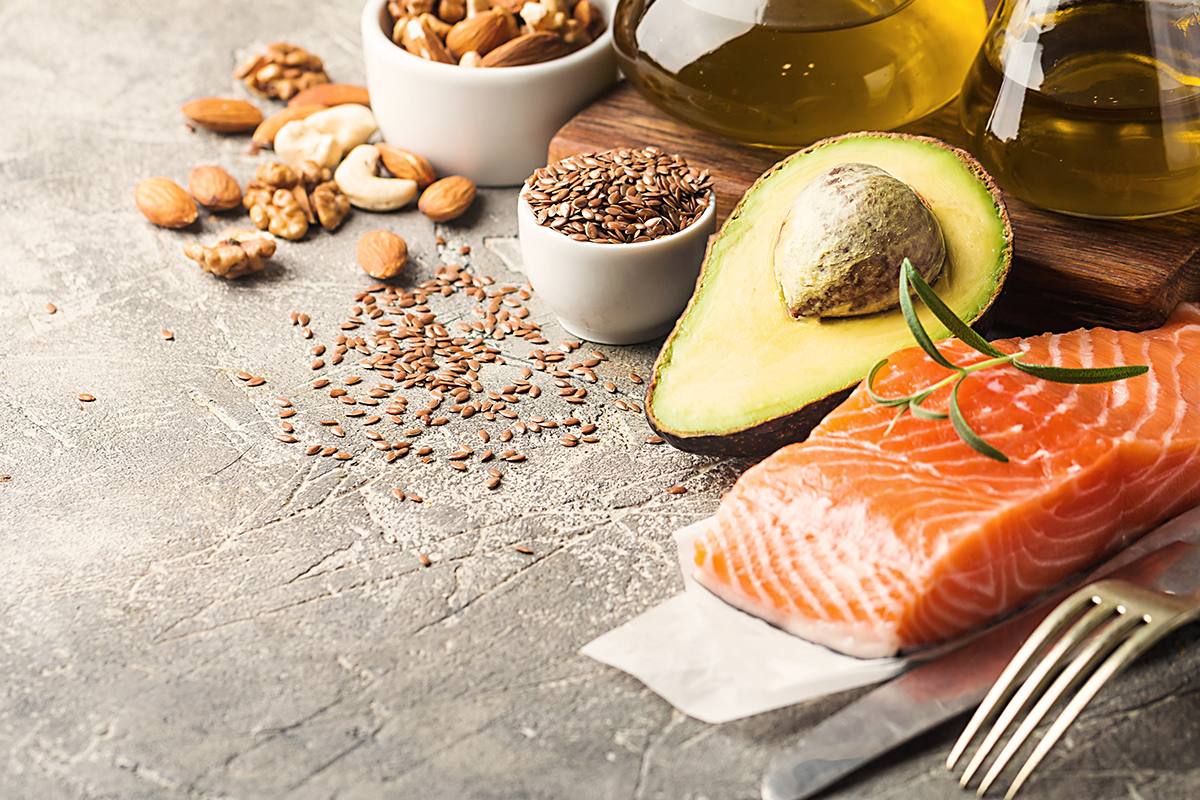

No matter how much exercising and dieting I do, I can’t get rid of a small “spare tire” I’ve had for years. Is there something I can do nutritionally to help burn off that fat?
– David H.
Hi, What are the foods you recommend that can reduce belly fat (subcutaneous fat) and give a flat belly? Thanks.
– Karthik K.
What foods are the best to eat to get rid of your belly fat and keep it off?
– Shawn R.

We are asked these questions a lot! Scan for previous Living Healthy blog articles on the topic and you’ll find no less than twenty. For those already at a healthy body weight or with only a few pounds to lose, fat around the midsection and abdomen seems to resist all efforts at reduction.
Though you can’t target belly fat with specific foods or exercises, fine tuning your diet and workout program can help you lose weight and tone all over. Exercise including moderate intensity work at least 30 minutes per day plus strength training helps control weight and fight abdominal fat, both subcutaneous and visceral (around the organs).
For diet, the goal is to reduce foods that are readily converted to fat and focus on those that require greater work to metabolize. Doing so reduces both actual fat storage and the signals/prompts that cause it to happen, such as insulin. …As long as your overall caloric intake is less than your expenditure, of course!
Sources:
– Debbie J., MS, RD
This article should not replace any exercise program or restrictions, any dietary supplements or restrictions, or any other medical recommendations from your primary care physician. Before starting any exercise program or diet, make sure it is approved by your doctor.
Some questions have been edited for length and/or clarity.
 Have a nutrition question? Our registered dietitian is ready to help!
Email nutrition@lafitness.com or submit your question below and it may be featured in an upcoming article!
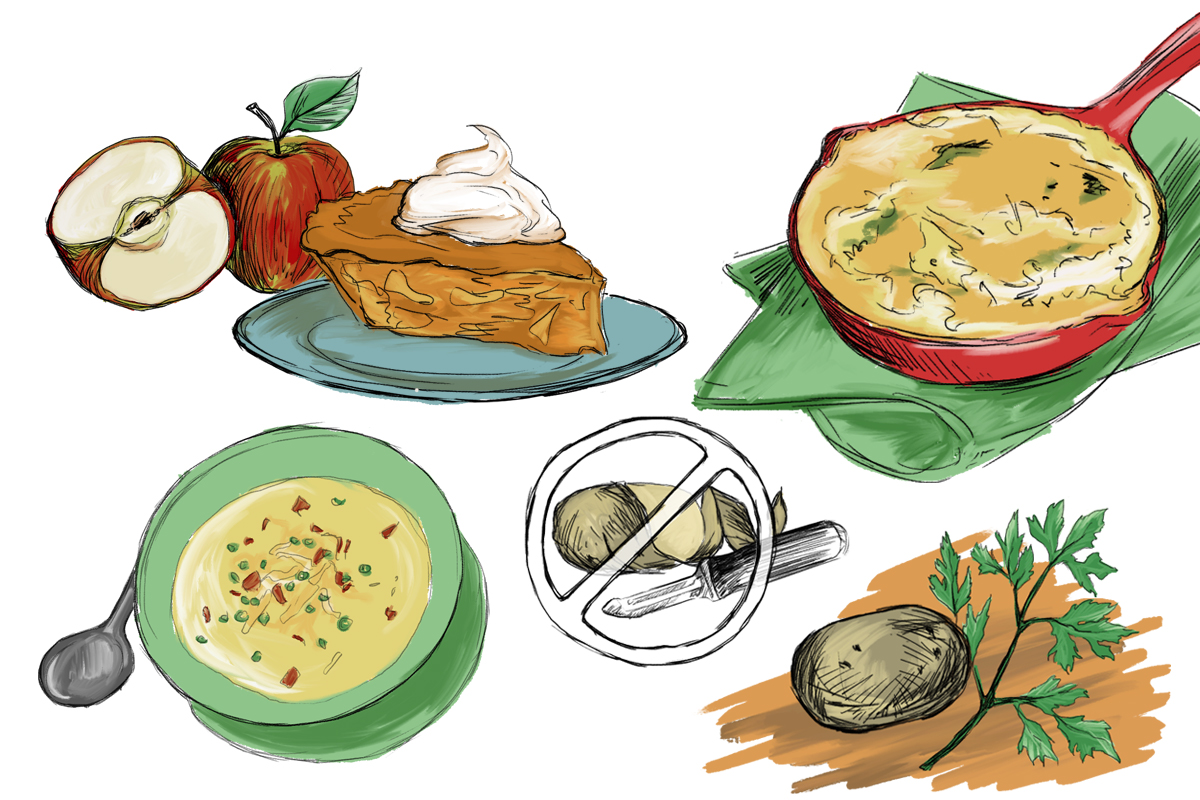
Most comfort foods we turn to are heavily laden with fat, starch and calories. There are healthier ways to enjoy down-home classics by making a few tweaks.
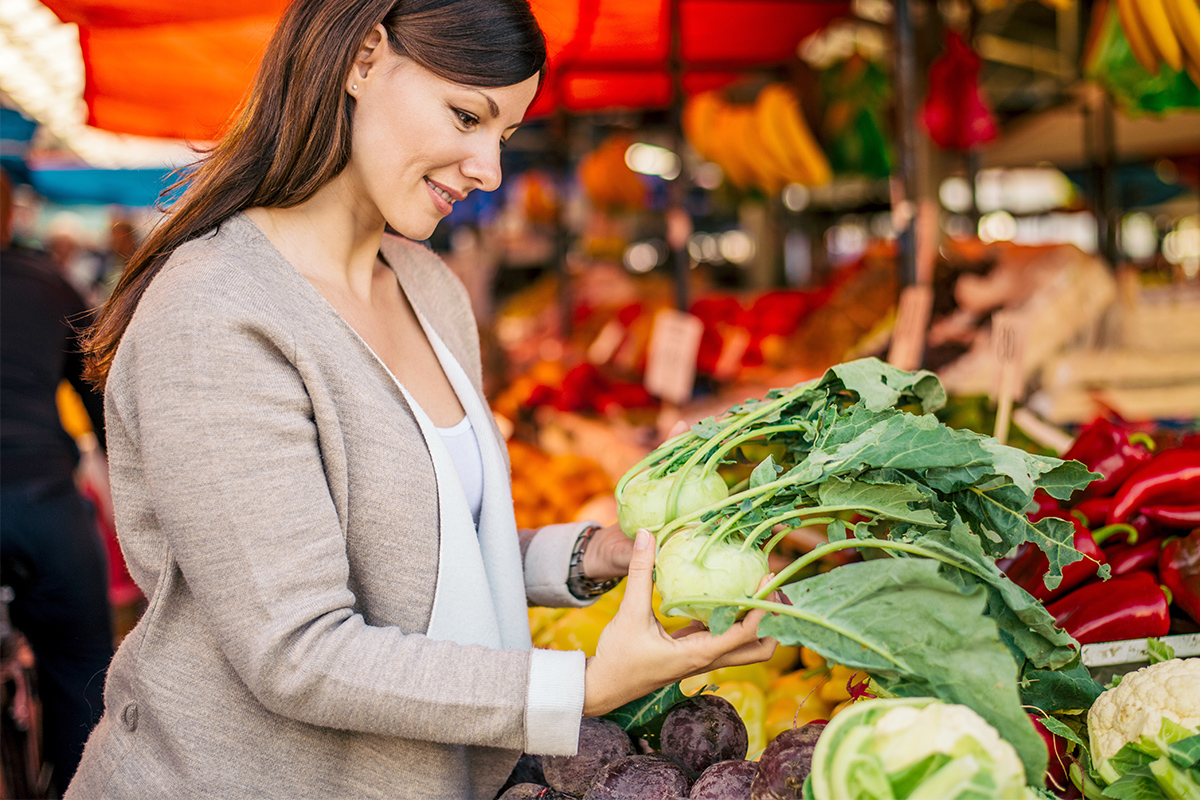
Good nutrition is all about variety! Browse through our list of unusual fruits and veggies and give yourself a chance to try something new.

Does liberally salting your food help you pump more iron in the gym? Registered Dietitian, Debbie James, investigates the claims!
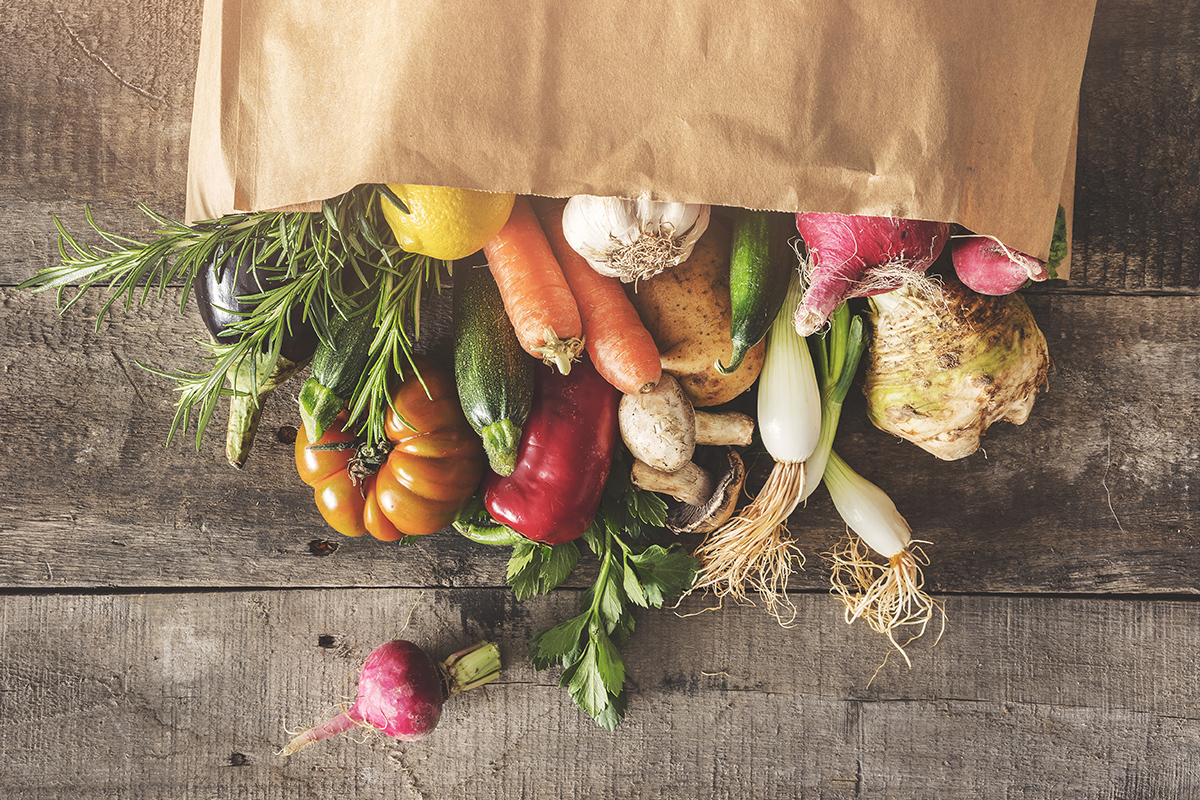
Today is World Food Day! With over 2,000,000 farms across the U.S., we produce, export, and consume a lot of food! In 2015, about 48.5 billion pounds of red meat was produced. In 2014, grain production came out to approximately 442.4 million metric tons.
With all this production comes a lot of waste; 62.5 million tons of wasted food each year, to be more specific. We’re not even considering the waste that comes from actual production, from packaging, and from transporting all this food.
As an individual, you can easily and effectively help reduce food waste. Here are some ways that you can make a positive impact.

Reduce Wasted Food

01.
It can be hard to remember when you made that casserole in the back of your fridge. Create your own labels so you remember when you cooked and to avoid throwing good food out prematurely.
02.
Create your own labels for store-bought foods as well, particularly if the expiration date is already difficult to see. This is also a great idea if you tend to store certain foods without the packaging it came in.
03.
Make your grocery shopping trips smaller and more frequent instead of buying large quantities of food less frequently. If you must buy something in bulk, split it up into smaller containers that you can freeze for later use.

04.
Eat before you shop. We’ve all fallen victim to the hungry shopping-spree that ended with a shopping cart full of items we never intended to buy. Even a light snack before you hit the store can help you make more conscious decisions.
05.
Try to commit to cooking more at home. If you like to meal prep and you make a big batch of food, freeze some of it so you don’t get tired of eating the same thing. This should keep it from sitting around in your fridge too long.
06.
Instead of throwing away leftovers, re-purpose them to make an entirely different meal. This article from Taste of Home can give you some ideas on how to make leftovers shine.
07.
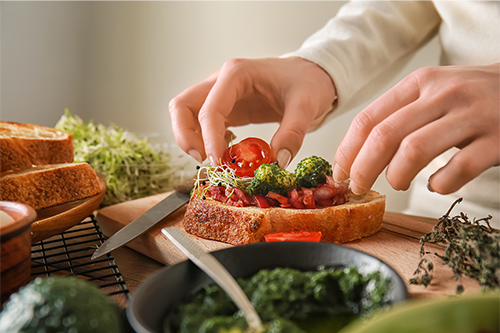
To help ward off spoilage, wrap fruits and veggies in a paper towel or toss a napkin into the storage container. This absorbs moisture which will help keep produce fresher longer. If you’re worried about wasting trees, try tree-free products or use regular kitchen towels.
08.
Don’t toss it just yet! The “Best By” or “Use By” date just means your food will taste the best and be the freshest up to a certain date. It doesn’t necessarily mean it will be spoiled once that date has passed! The USDA explains that “with [the] exception of infant formula…if the date passes during home storage, a product should still be safe and wholesome if handled properly until the time spoilage is evident.”1
Make Ecologically Sustainable Choices

01.
Try your best to minimize trash. You may live in a state that has banned single-use grocery bags, but if you don’t, consider reusable grocery bags for your next shopping trip. You can go a step further and bring reusable bags or lightweight containers for buying produce and bulk beans, rice, nuts, etc.
02.
Buy sustainably sourced seafood and choose varieties that are more abundant. For example, choose Mackerel, Tilapia, Catfish, Mussels, Clams, or Oysters over less abundant species like Tropical Prawns, Swordfish, Atlantic Salmon, or Shark. 2
03.
Eat less meat or commit to buying from local sources. Buying local reduces the carbon footprint caused by packaging, shipping, and other transportation. This also goes for fruits and veggies. If you can, stick only to what’s in-season.

04.
Try composting! Believe it or not, food takes a long time to decompose in a landfill. This is because there is actually very little dirt, oxygen, and very few of the microorganisms that help with decomposition.3 Composting at home is great for the health of your soil and will help you grow your own produce.
05.
If you haven’t invested in a reusable water bottle, this is a great move for your health and for the environment. It’s a reminder to keep hydrated and a way to keep unnecessary plastic out of landfills. You can do the same with straws and cutlery and replace plastic with some reusable and portable alternatives.
For more food and nutrition topics, check out the Meal Prepping 101 Guide or this Super Snacking Guide. To access our monthly blog post highlights, subscribe to our newsletter today!
Sources:
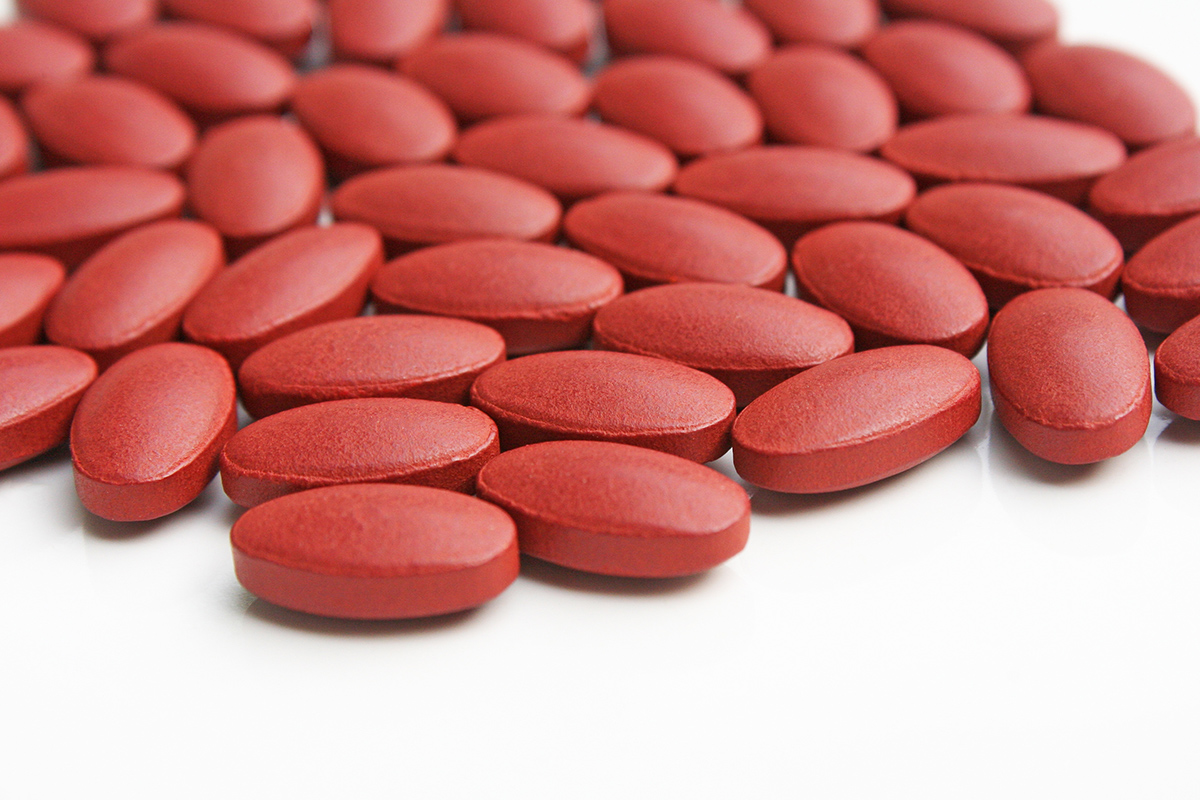
If you are vegetarian, do you have to take iron tablets to compensate?
Do you recommend any other foods or fruits? I drink a lot of milk (1% organic) and take the following pills daily:
1. Move Free Ultra Triple Action
2. ‘C’ Vitamin 500 mg.
3. MSM 1000mg
4. Calcium 600 mg
5. Multivitamin Silver Centrum for men +50
I am 81 years old and have a slight knee problem. Please let me know if you have any other recommendations.
– Michael J.
Your current nutrient supplements do not provide any iron (also known as ferrous sulfate, ferrous gluconate, ferrous fumarate). If you consume a good amount of non-heme iron from plant sources such as vegetables like spinach, beans, nuts, and fortified grain products, it’s possible to meet your daily iron need without supplementation. The Recommended Dietary Allowance for vegetarian adults over 50 years of age is 14.4 milligrams of iron per day, which is 1.8 times higher than for people who eat meat.
Vitamin C helps absorb iron so you should take it with your richest iron meal. Your calcium supplement, on the other hand, reduces the availability of iron so take it at another time of day. Consult with your doctor if you’re concerned about anemia.
The Vegetarian Resource Group offers sample high-iron menus and a discussion with sample menu for seniors. Unless you have specific symptoms, complaints or health conditions, there is no need to focus on a particular food. I’d recommend a diet rich in legumes, grains, green vegetables, nuts, seeds, fruit with 2-3 dairy servings if you wish. Choose whole foods and limit processed foods, added sugar and alcohol.
– Debbie J., MS, RD
This article should not replace any exercise program or restrictions, any dietary supplements or restrictions, or any other medical recommendations from your primary care physician. Before starting any exercise program or diet, make sure it is approved by your doctor.
Some questions have been edited for length and/or clarity.
Have a nutrition question? Our registered dietitian is ready to help!
Email nutrition@lafitness.com or submit your question below and it may be featured in an upcoming article!
Most comfort foods we turn to are heavily laden with fat, starch and calories. There are healthier ways to enjoy down-home classics by making a few tweaks.
Good nutrition is all about variety! Browse through our list of unusual fruits and veggies and give yourself a chance to try something new.
Does liberally salting your food help you pump more iron in the gym? Registered Dietitian, Debbie James, investigates the claims!

“Consistency is key; Changes do not happen overnight so do not give up. Start with small changes outside the gym…little changes turn into big results.”
Nick’s weight loss journey began with the 8-month birthday of his son. He changed his workout and eating habits over the course of the last year and managed to lose over 100 pounds!
His motivation came partly from witnessing the success of others who have lost as much weight and more. So, if your goal seems too ambitious and you’re plagued with self-doubt, Nick’s story will show you that with consistency and commitment, big results are possible.
“I decided to make a healthy lifestyle a choice when my son became 8 months old and I was too tired to interact and play with him. I knew that if I wanted to be strong enough to provide for my wife and son, something needed to change.
At that same time, I found a channel on YouTube called BrixFitness where I saw that a man had lost 150 pounds. I thought to myself, if he can do it, I can too. The next day I went and got a membership at LA Fitness. A week later, I showed up to the gym at 5am and I have been going at 5am, 5 days a week for the last year.”

“I have made many eating and drinking changes which have helped drive my progress in the gym, and I am seeing major results. I am more conscious of the labels on the food I eat along with the portions. I even started measuring and weighing my food.”
If Nick could give others a piece of advice, he would tell them that “Consistency is key. Changes do not happen overnight so do not give up. Start with small changes outside the gym like drinking diet soda versus regular soda or eating a protein bar instead of a candy bar. Little changes turn into big results.”
Nick started this journey at 332 pounds and, as of today, he is currently 230 pounds. With his primary focus on weight training and diet over the course of the last year, his plan is to continue that and start integrating more Cardio and Core sessions to continue shaping his body.
He says that his “ultimate fitness goal is to do one pull up as [he has] never done one in [his] entire life.” We’re rooting for you Nick!
Do you have an inspirational story you’d like to share with us? Email us at blog@lafitness.com for a chance to be featured in an upcoming post!

For length and clarity, minor edits – none of which alter the original or intended meaning – have been made to the quotes provided.
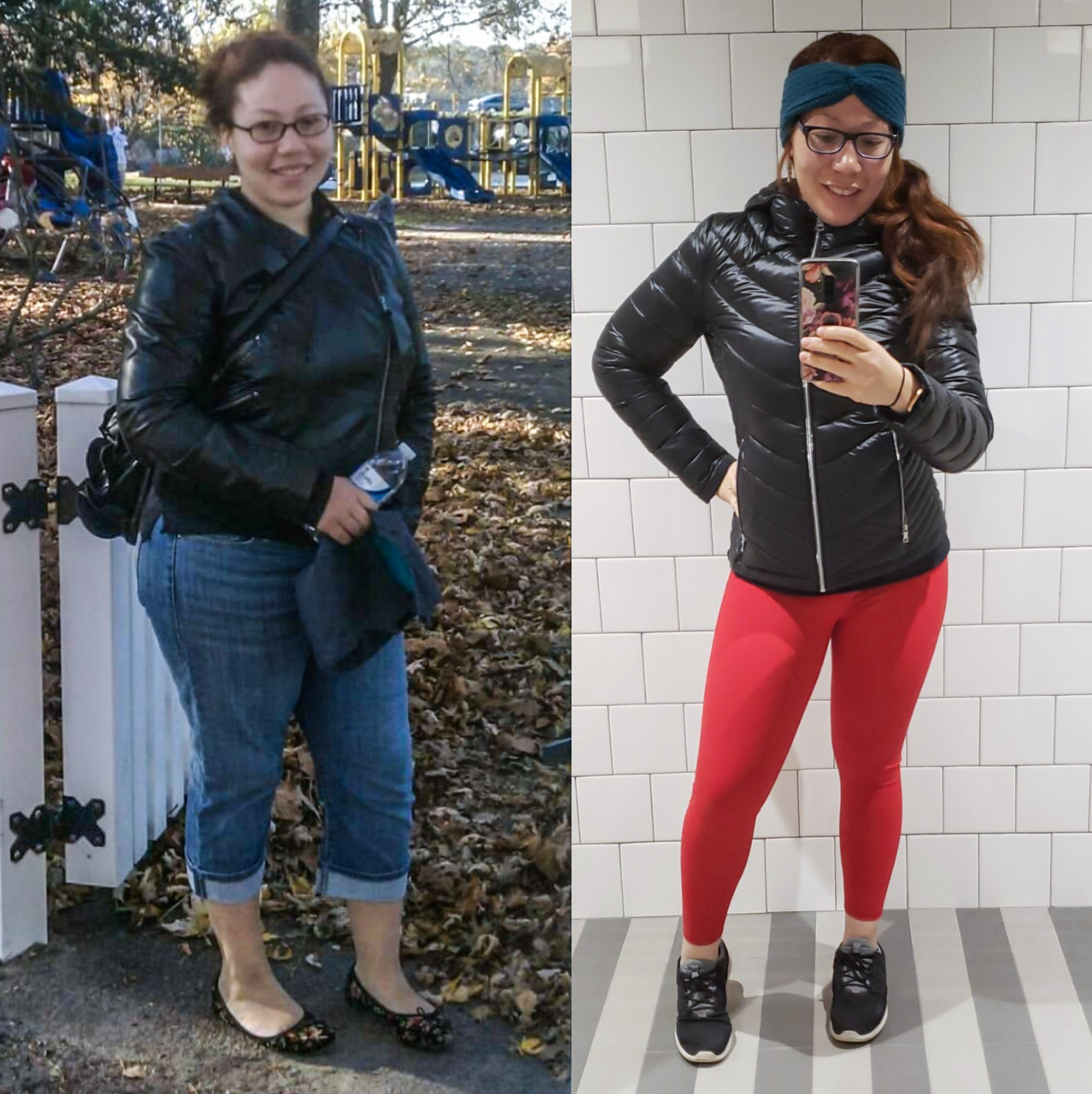
Waleska is a mom with 2 part-time jobs who had a love for chocolate. Despite the time constraints and sweet temptations, she lost over 60 pounds!

Many of us pair the idea of aging with decreased mobility and various aches. Yet, Patricia’s story shows us just how wrong that notion can be.

Ann shares how, despite back problems, strokes, and surgeries, she is well on her way to achieving her goal of losing 90 to 100 pounds!
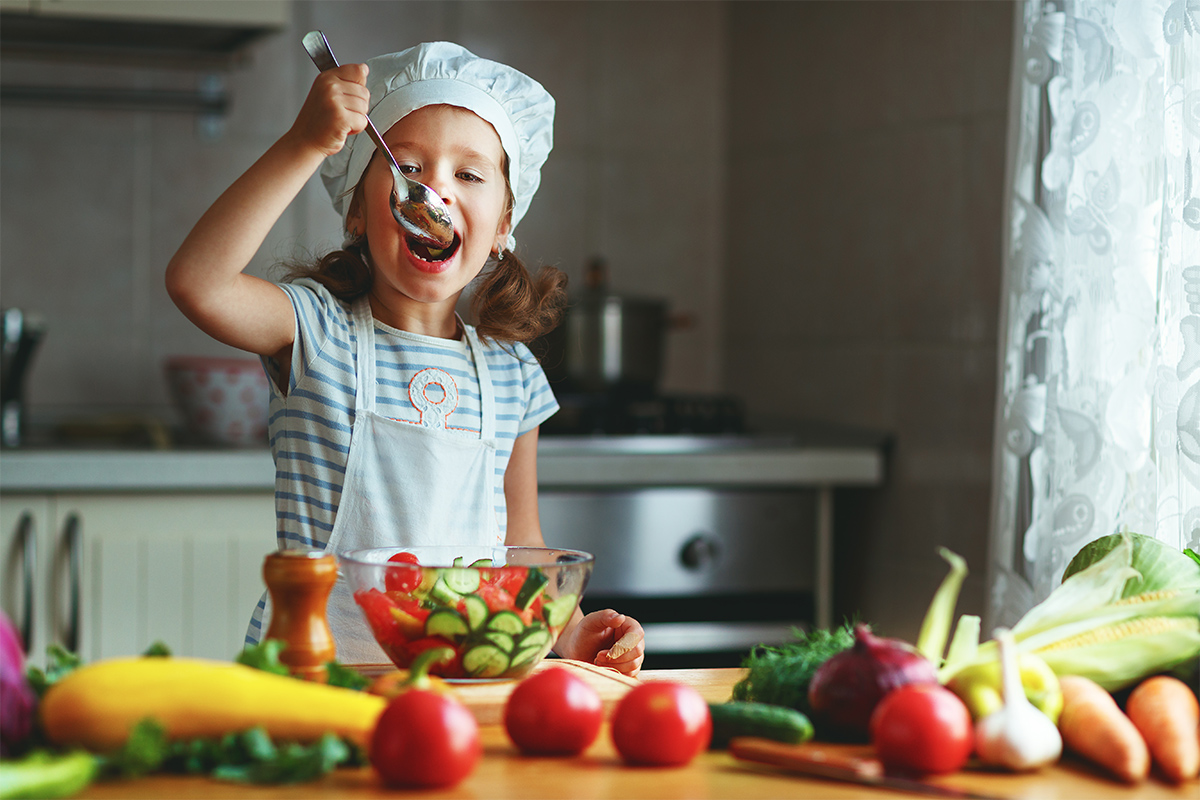
We’ve all heard the outburst “I’m not hungry!” when a healthy meal is placed in front of an obviously low-fueled child. [And why, oh why, does this particularly happen after ordering an expensive dish or preparing a labor-intensive meal followed by said child eating half a loaf of bread?] Children certainly can be poor eaters, no doubt. With patience and creativity, parents can turn that into “Peas please, Mom!”
It all starts in infancy when the innate taste preference for sweet flavor (bitter foods were toxic in human history) is met with a bounty of fruity baby food; followed by edible treats from Grandma’s kitchen making their way into toddler hands. No wonder getting little ones to eat decent solid food can be challenging. It’s said that it may take 15 times of introducing a new food item before a child will eat it!
If your kiddo seems to eat the same thing day in and out, you may not need to worry. Food jags are generally okay lasting anywhere from a couple of weeks to a couple of months. Continue to offer nutritious choices and a child will eventually eat when they are hungry enough. Remember, feeding your child is about nourishment. If you engage in a battle of the wills, your child’s attitude toward food in general may lean toward the negative and his or her long-term nutrition may lose out.
Let’s talk about the elephant in the kitchen – vegetables. Children are known for eschewing them from their plates and failing to consume the recommended number of servings (see highlight/box below). Only a handful of veggies satisfy children’s preference for sweet, namely: carrot, corn, sweet potato/yam, tomato and acorn squash. We could write an entire blog just addressing ways to get your kid to eat more vegetables, but here we’ll name a few.
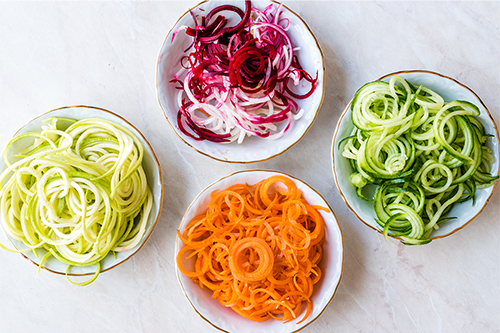
It may be the look. Who said they had to be served in leafy salad or in a naked cooked pile on the plate? Make it fun and appealing! Shred or spiralize vegetables to serve as a topping for sandwiches, burgers, pasta and more. Combine diced vegetables as ‘confetti’ with rice, quinoa or couscous.

Texture aversions present an opportunity to find ways of preparing foods in another manner with an acceptable mouthfeel. Slimy hot okra might be replaced by breaded okra bites. Stringy or leafy vegetables may be pureed into smoothies, soups or sauces. Freeze dried or lightly fried vegetable chips work well in lunch boxes.
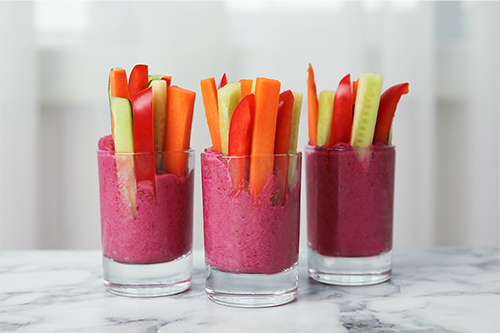
Don’t forget about between meal eating. Snacks are necessary for continued energy and offer a valuable time for additional nutrients, especially for small bellies that can only get so much at mealtime. Serve beet-blended pink hummus with crackers or pita bread.
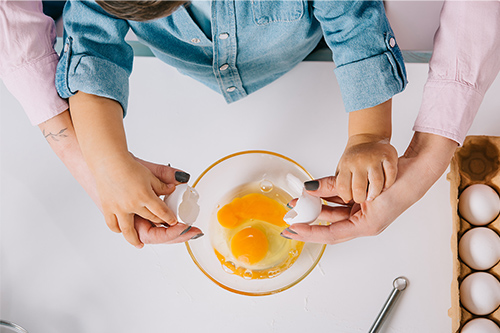
Involve Kids in Food Prep
To increase interest in food, try to get kids involved in cooking or at least preparing a few meals here and there. Children are more likely to try the fruits of their labor than if food is just presented to them. A four–year–old can scoop and stir, a six year old can pour and peel, an eight year old can measure and assemble, while a ten year old can cut and become more confident in advanced tasks. Children like to feed themselves, so finger-friendly foods assure independence at mealtime. To help promote a desire to eat, make sure kids aren’t full of empty calorie foods before meals — keep sweets and treats at a minimum.

Older children often make their own food decisions about what to buy from the school cafeteria or buy from vending machines and drive-through. There’s a reason why teens are stereotyped for their greasy fast food choices, soda and pizza consumption. In a way, adolescents are exerting their freedom from rules and parental control.
On the flip side, too much attention and focus on healthfulness of food can lead to dieting and an unhealthful preoccupation with nutrition among teenagers. Set clear expectations on how spending cash is to be used. It’s best to be a good role model, following habits and behaviors that demonstrate healthy choices, starting early when children are young.
At any stage of childhood, parents should consult with a healthcare professional if their child’s growth is no longer on trend for them individually. For specific eating behaviors and nutritional concerns, look for a Registered Dietitian who is a board–certified specialist in pediatric nutrition, designated by the CSP credential.
Recommended daily vegetable servings*
| Children | 2-3 years old | 1 cup |
| Children | 4-8 years old | 1-1.5 cups |
| Girls | 9-13 years old | 2 cups |
| Boys | 9-13 years old | 2.5 cups |
| Girls | 14-18 years old | 2.5 cups |
| Boys | 14-18 years old | 3 cups |
Cup vegetable equivalents (1 cup = 1 baseball or fist of an average adult)
| 1 cup | Tomato and other vegetable juices |
| 1 cup | Broccoli, Carrots, Green beans and other cooked chopped vegetables |
| 1 cup | Pumpkin and other winter squash |
| 1 cup | Peas, Corn and other starchy vegetables |
| 1 cup | Celery, Peppers, Cucumber and other raw crunchy vegetables |
| 2 cups | Spinach and other raw leafy greens |
*Reference: Daily Vegetable Table. USDA. www.choosemyplate.gov/vegetables July 18, 2019. Accessed 9.6.2019