
Energy Needs & Caloric Intake | Q+A

Energy Needs & Caloric Intake | Q+A

Question:

I am asking about approximate caloric intake. I am a 5’3″ female and weigh about 150, highly active with workouts (5-6 times per week, 45 minute workouts. Cardio + strength training). I do not think I am currently eating enough, which is hindering my progress. My goal is to lose weight. What is your recommendation according to the information above?

– Amy

Answer:

Your body size and described workouts would predict that your energy needs are in the range of 1800 – 2000 calories per day for weight loss. Remember that what those calories are comprised of is as important as the amount of calories you consume. Be sure that the bulk of what you eat during the day will support your activity and exercise, meaning fuel up earlier and not at night.

Rather than just counting calories, you should consider how to distribute those calories between carbohydrates, fats, and protein. These macronutrients could be the difference between being hungry or satisfied and retaining muscle or losing it as you lose weight. The goal would be to get enough lean protein, complemented with healthy fat, then the remainder as complex carbohydrates. For you, about 75-85 grams protein, 65-75 grams fat, and 210-230 grams carbohydrate should suffice.

Here’s what a sample day might look like for the above nutrient values:

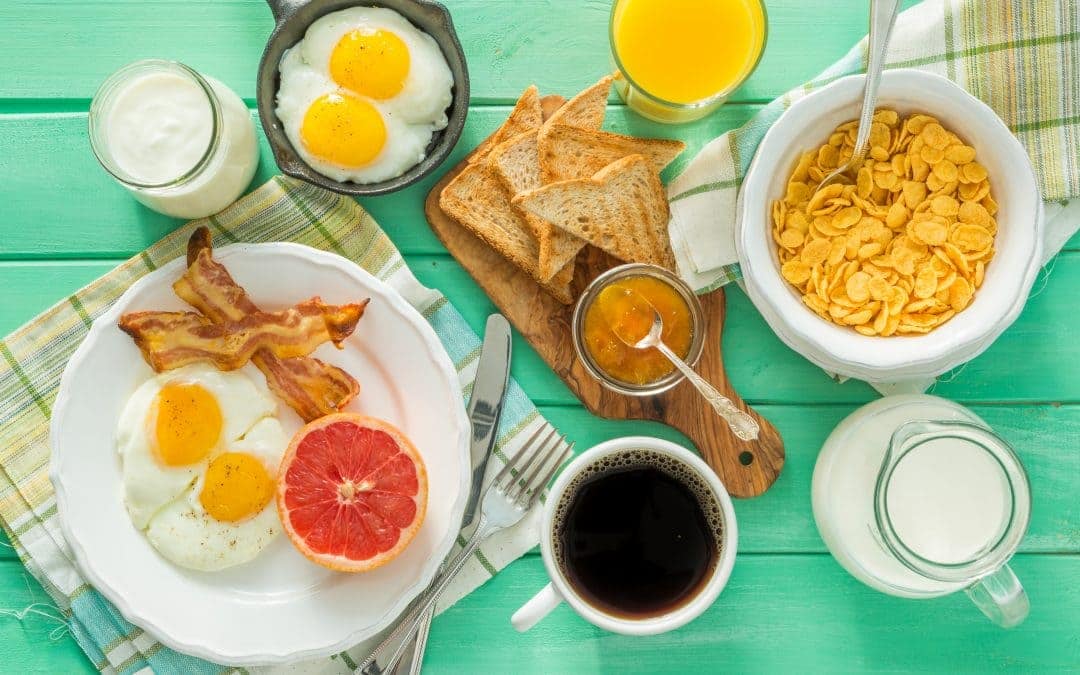
Breakfast – 1 Cup bran cereal, 1/2 Cup low-fat milk, 1 grapefruit and 1 fried egg

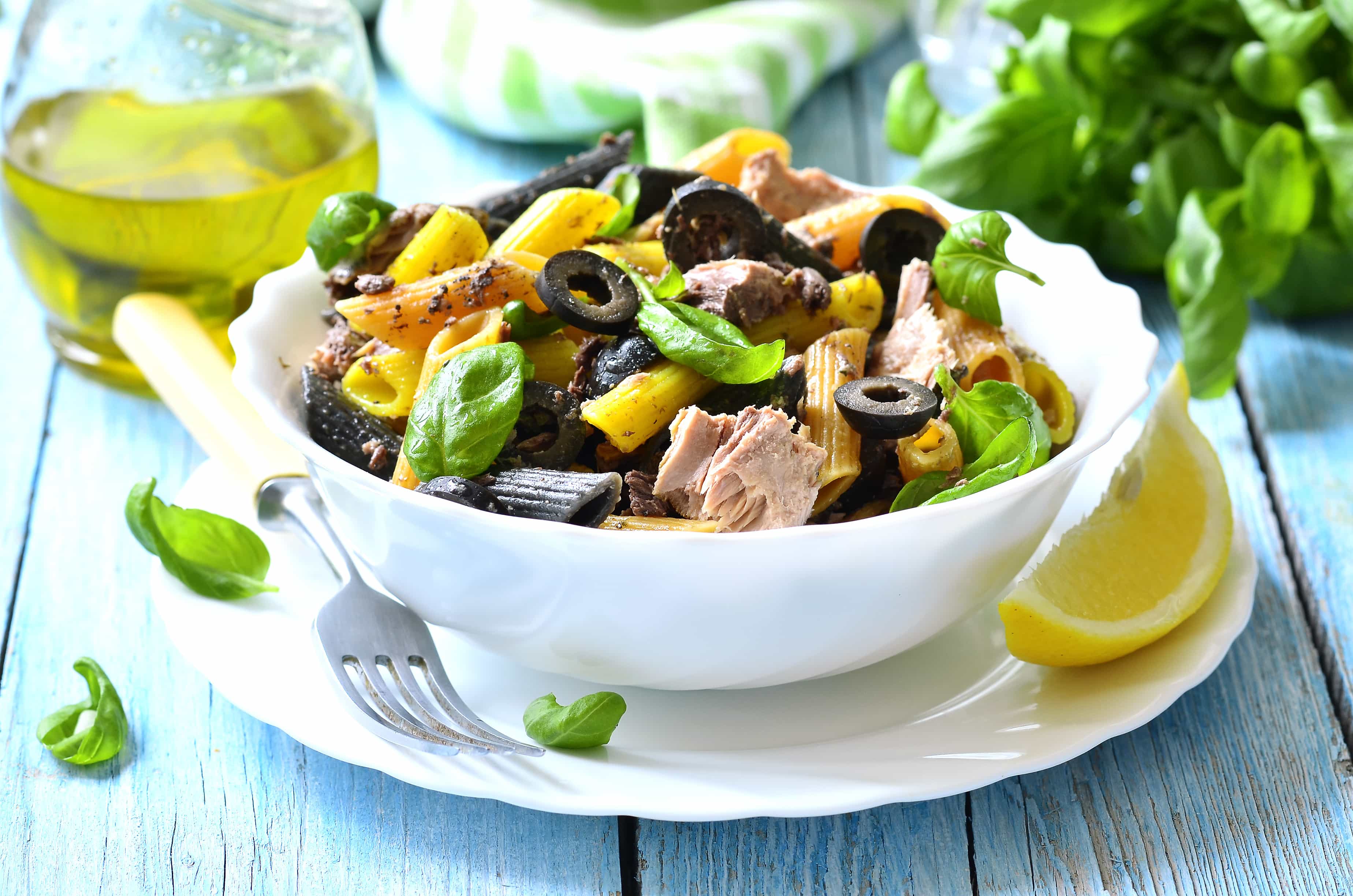
Lunch – 4 oz. tuna salad, 4 rye crisp crackers, large dark green salad, 2 Tbsp. of oil-based dressing

Dinner – 1 small skinless chicken breast, 1 Cup of broccoli, 1 Cup of corn, 1 tsp margarine

3 Snacks –

1 large apple with 2 Tbsp. of peanut butter

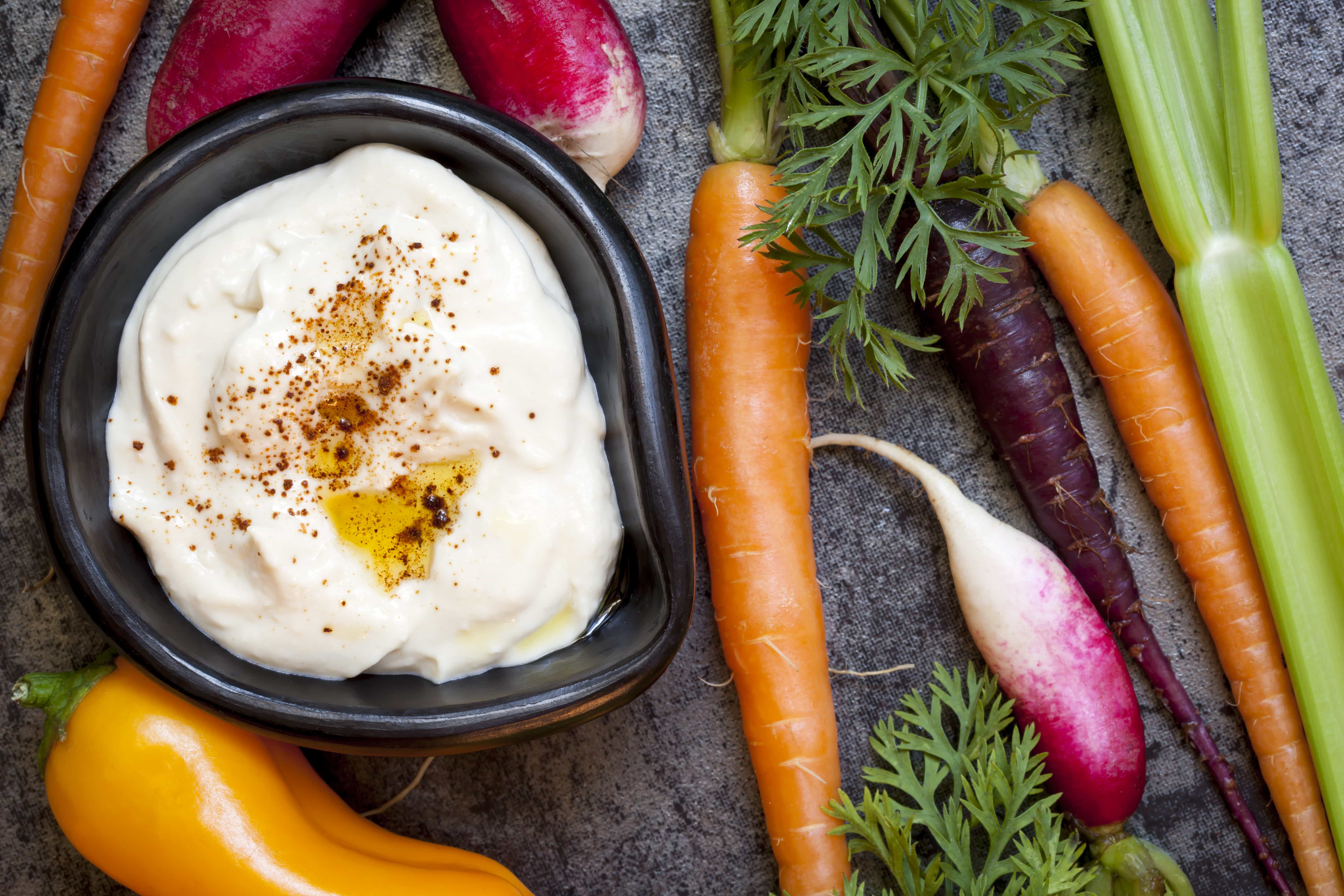
1 carrot + 1 celery with 2 Tbsp. of hummus

6 oz. plain low-fat yogurt with 1 C berries + 1 Tbsp. crushed almonds

– Debbie J., MS, RD

This article should not replace any exercise program or restrictions, any dietary supplements or restrictions, or any other medical recommendations from your primary care physician. Before starting any exercise program or diet, make sure it is approved by your doctor.

Some questions have been edited for length and/or clarity.

LA Fitness Living Healthy subscribe button

Want more? SUBSCRIBE to receive the latest Living Healthy articles right in your inbox!

Ask our Dietitian

Have a nutrition question? Our registered dietitian is ready to help!

Email nutrition@lafitness.com or submit your question below and it may be featured in an upcoming article!

8 + 5 =

Recommended Reading

How Laughter Improves Your Health

How Laughter Improves Your Health

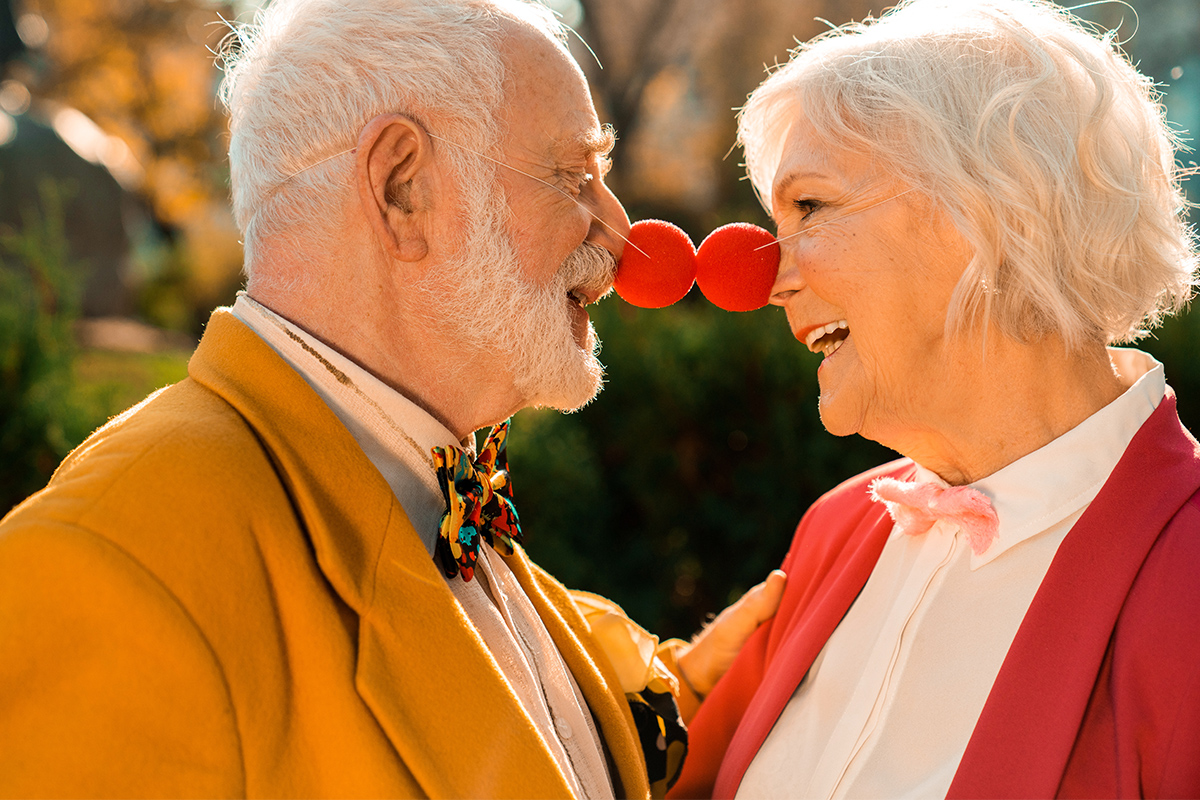
Laughter can encourage blood flow, heighten your immunity, increase your intellectual performance, and even improve your quality of sleep.

Member Spotlight | Do What You Love

Member Spotlight | Do What You Love

Baby Steps

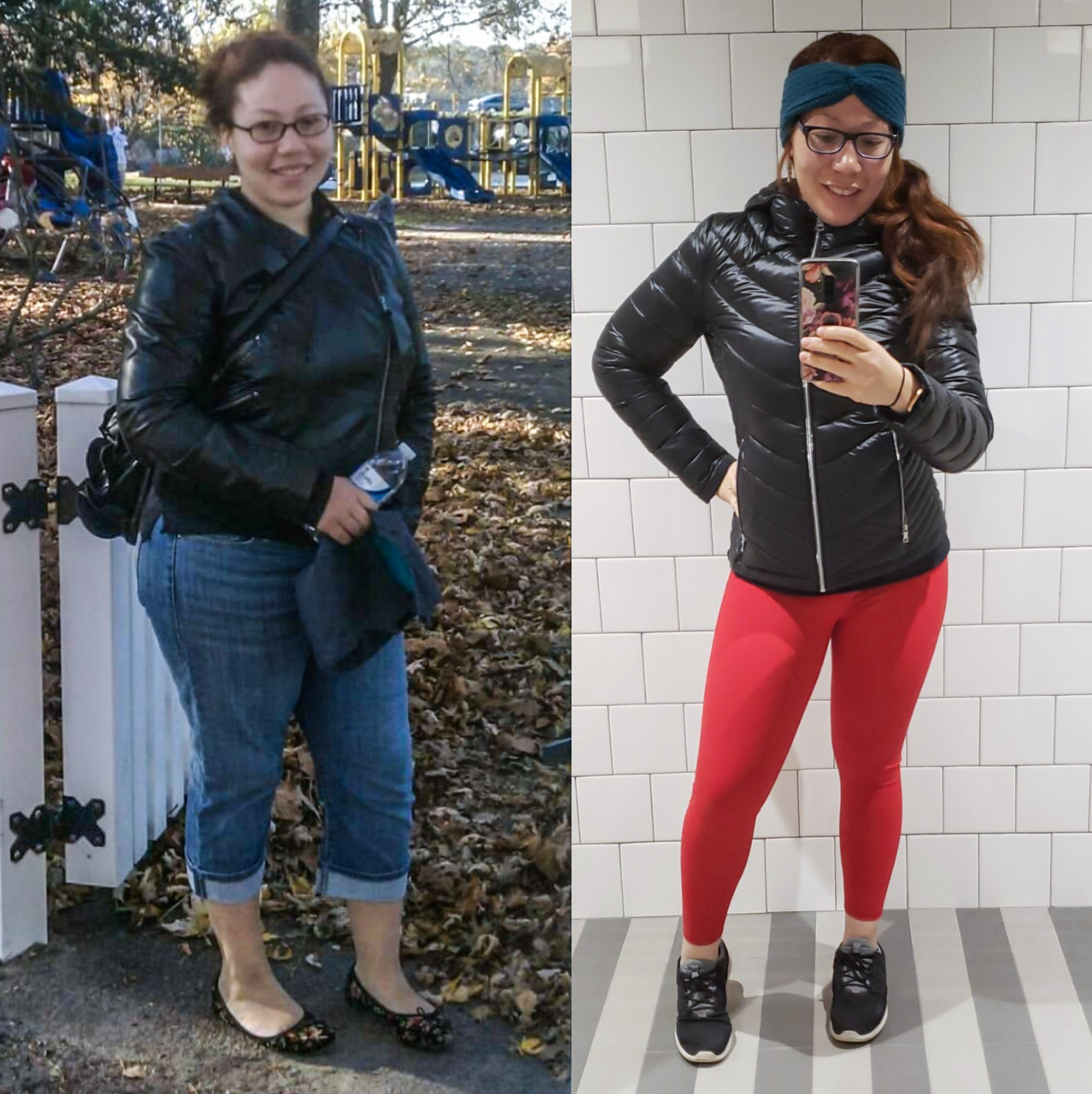
Coming out of high school, Sylvana M. of Rancho Cucamonga, CA, didn’t quite feel like herself. She felt as if her body “had been stuffed into a tight shell and [she] just didn’t fit.” Weighing in at 156 pounds, and standing at roughly 5’6″, she wanted to feel comfortable in her own skin again. Unsure of where to begin, she started adding walks to her daily routine and watching YouTube fitness tutorials. She cut her calorie count down to 1,000/day and began running. Not before long, the weight slowly started to come off – until she plateaued.

May 2013

May 2013

May 2013

May 2013

A New Horizon

Sylvana realized that she wasn’t eating the right amount of calories for what her body needed, and admits that her exercise routine was at times, inconsistent. After years of trial-and-error, with varying diet and exercise routines, she came across a bodybuilding website that seemed to help. She started noticing that she was gaining muscle, but with that, came a good amount of fat due to poor dieting.

“I was [consuming] whatever I wanted, full pints of ice cream, bottles of wine, medium fries – and it was showing,” shared Sylvana. With that, the familiar feeling of not fitting into her own skin began to come back. She started feeling insecure and lethargic, and with that, decided something had to be done. In June of 2015, Sylvana walked into an LA Fitness and was determined to make a lasting change.

“I was never the ‘fit’ girl. No one ever ran to me with questions or to seek advice in the gym. But I’m getting there! I’ve lost 10 pounds since last May (2016) and my confidence has soared. Not just from how I look, but how I feel. I know what I put into my body and I know what I put into my workouts. My body is mine and I finally feel at home in it.”

Sylvana M.

LA Fitness Member

Her original fitness goal was to lose fat, with the intent to become “bikini ready”. However, since first joining LA Fitness, Sylvana shared that she has gained a lot of perspective on what makes her truly happy and comfortable in her own skin. She realized that for her, it wasn’t the way she looked or a goal number on the scale, but how exercise made her feel inside. Although, she did joke that losing over 20 pounds wasn’t a horrible side effect of her newfound exercise routine.

Her goals today are a lot more strength driven. She hopes to become better at burpees, improving her sprint speed on the treadmill, while also tackling pistol squats and pull-ups. She appreciates that her newer goals are not as aesthetically centered, but instead, more focused on how she’s pushing her body into becoming stronger than ever.

Tasty Talk 

Having made strong advances in her fitness routine, Sylvana understood that it was only half the battle. In order to achieve her overall goals, she was going to have to adjust her eating habits too. While diet varies from person-to-person, Sylvana noticed that what worked for her was increasing her veggie and lean protein intake, while completely cutting out dairy, and drastically decreasing her intake of junk foods and red meat. She has noticed a remarkable difference in her body’s health since she made those changes.

A Word of Advice

“My one piece of advice to others on their fitness journey, or just starting out, would be to do what you love. I tried so hard to like spin classes and 6 AM jogs when I started out because I believed those to be the best workouts. But I found it difficult to get myself out of bed knowing that’s what I had to look forward to. I’ve found that I love weightlifting and interval body-weight exercise (like push-ups and jumping squats and even burpees) and that’s what gets me excited to hit the gym! Find what works for you and work it!”

Sylvana M.

LA Fitness Member

BEFORE – July 2016

AFTER – February 2017

Where Is She Now?

Sylvana continues to work out and eat healthily and credits her boyfriend for helping push her to get out of her sweatpants and into the gym. While Sylvana doesn’t have a trainer, she does appreciate the encouragement from her boyfriend, who oftentimes works out with her at the gym. (Multiple studies have shown that working out with a partner can better increase the chances of you reaching your fitness goals, read more here).


Recommended Reading

Commit to Fit | Member Spotlights

Commit to Fit | Member Spotlights

Commit to Fit

Do you have a fitness goal? Let us know here! To learn more about Commit to fit, click here.

Goals, Commitments, Community

These are our most recent members who have committed to their fitness goals.

Carlie B.

Carlie is training for her first fitness competition! We wish you the best of luck!

Kathleen M., Cathy R., Terri M.

Friends who workout together, stay together. Looking great ladies, keep up the hard work!

Denise A.

Denise is committed to becoming fit – and it shows when she works out with her trainer!


Recommended Reading

The Happiness Factor: How Happiness Affects Health

The Happiness Factor: How Happiness Affects Health

Are you happy?

Believe it or not, happiness may help improve your health and extend your life.

The correlation between happiness and health is significant in many ways. Studies have shown that it’s not just necessarily adopting the attitude of ‘don’t worry, be happy’ that helps promote better health.  Rather, those who display certain “positive psychological attributes, such as happiness, optimism and life satisfaction,”1 may have an easier time maintaining healthy habits. Some examples include eating a well-balanced diet, exercising and getting adequate rest.

“Happiness is not something you postpone for the future; it is something you design for the present.”

Jim Rohn

American entrepreneur, author and motivational speaker

You may find yourself thinking, that sounds great, but some people are just naturally happy – what about the rest of us? If you find that you’re not as naturally inclined to happiness as others, you may not be entirely wrong. Dr. Laura Kubzansky, professor of social and behavioral sciences at Harvard University, suggests that certain psychological states such as anxiety or depression—or happiness and optimism—are forged by both nature and nurture. These traits are 40-50% heritable, which means that certain individuals may indeed be born with a genetic predisposition toward them. However, the amazing part about those numbers is that it leaves a lot of room to maneuver.2 In other words, there is still an opportunity to truly be happy even if you aren’t genetically predisposed to be.

While happiness varies from person to person, the following are some methods that may help increase an individual’s sense of happiness, contentment and overall sense of well-being:

  1. Live in the moment.
  2. Spread kindness.
  3. Smile.
  4. Engage in a physical activity.
  5. Accomplish something.

“Be happy for this moment. This moment is your life.”

Omar Khayyam

Poet

Living in the moment is one of the most important things to remember if you want to choose a life of happiness. Being present and not allowing your mind to wander off and worry about future stresses may help ease anxiety and help you better appreciate the now. Another factor that can help promote happiness is spreading kindness. If you do something good for others, it may help you feel good inside. Smiling can also help promote a sense of cheer by activating muscles that can actually trick your brain into thinking you are happy. In addition to smiling, engaging in a multitude of physical activities, like swimming laps, going for a run, enjoying a hike, or playing a game of racquetball, could help make us feel happier, because different forms of exercise aid in the production of feel-good hormones, like serotonin and dopamine.

Lastly, accomplish something. This is vital. Accomplishing a task or goal of any sort, large or small—like going to the gym 3 days in a row, or crossing off everything on your to-do list—can make us feel good inside. According to Psychology Today, “progress on our goals makes us feel happier and more satisfied with life (our subjective well-being, SWB, increases).”3 This is because it gives us a sense of purpose and helps improve our self-esteem. Of course, other acts may help increase happiness too, and the payoff may vary from person-to-person. Certain shared traits exhibited by “happy people” include focusing on the positive and being optimistic, picking themselves back up when they fall, living in the moment, caring about other people’s happiness, displaying acts of selflessness, not comparing themselves to others, and displaying mature defenses (e.g. future-mindedness, humor and the ability to delay gratification).

How does happiness affect health?

Happiness can protect your heart. 

  • Various studies conducted have shown that happiness helped lower the heart rate and blood pressure in participants studied.4

Happiness may strengthen your immune system.

  • Specifically, laughing can have positive effects on the body. According to an article published by WebMD, laughing helps “curb the levels of stress hormones in your body and boosts a type of white blood cell that fights infection.”5

Happiness could help combat stress. 

  • Stress causes the body to produce higher levels of the stress hormone cortisol. In a study conducted, “where participants rated their happiness more than 30 times in a day, researchers found [that] the happiest participants had 23 percent lower levels of the stress hormone cortisol than the least happy, and another indicator of stress—the level of a blood-clotting protein that increases after stress—was 12 times lower.”6  So, if you want to help combat stress, try engaging in activities that -make you happy.

Happy people sometimes have fewer aches and pains.

  • Similar to the previous studies, in another study a group rated “their recent experience of positive emotions, then (five weeks later) how much they had experienced negative symptoms like muscle strain, dizziness, and heartburn since the study began. People who reported the highest levels of positive emotion at the beginning actually became healthier over the course of the study, and ended up healthier than their unhappy counterparts.”7 This study suggests that those exhibiting a more positive outlook may be subject to fewer aches and pains.

Happiness helps combat disease and disability. 

  • Various studies analyzing individuals of different backgrounds and age groups have shown that those who displayed positive emotions were less likely to be frail or develop health issues in later years.8

Happiness may help lengthen our lives. 

  • A fascinating study used nuns as a test group, where researchers studied their autobiographical essays they had written decades earlier. What the researchers noticed was that those who had expressed “feelings like amusement, contentment, gratitude, and love […] lived a whopping 7-10 years longer than [those] least happy.”9 Of course, you don’t have to be a nun to experience these benefits. Another study in 2011 followed 4,000 adults, ages 52-79, and monitored how happy, excited and content they were multiple times in a single day. At the conclusion of the study, “happier people were 35 percent less likely to die over the course of about five years than their unhappier counterparts.”10

Recommended Reading

Clean Eating: Salad Dressing Choices | Q+A

Clean Eating: Salad Dressing Choices | Q+A

Question:

Are there any clean commercial salad dressings that don’t have soybean oil or other bad oils? I also want a better mayo sub.

– Judy Y.

Answer:

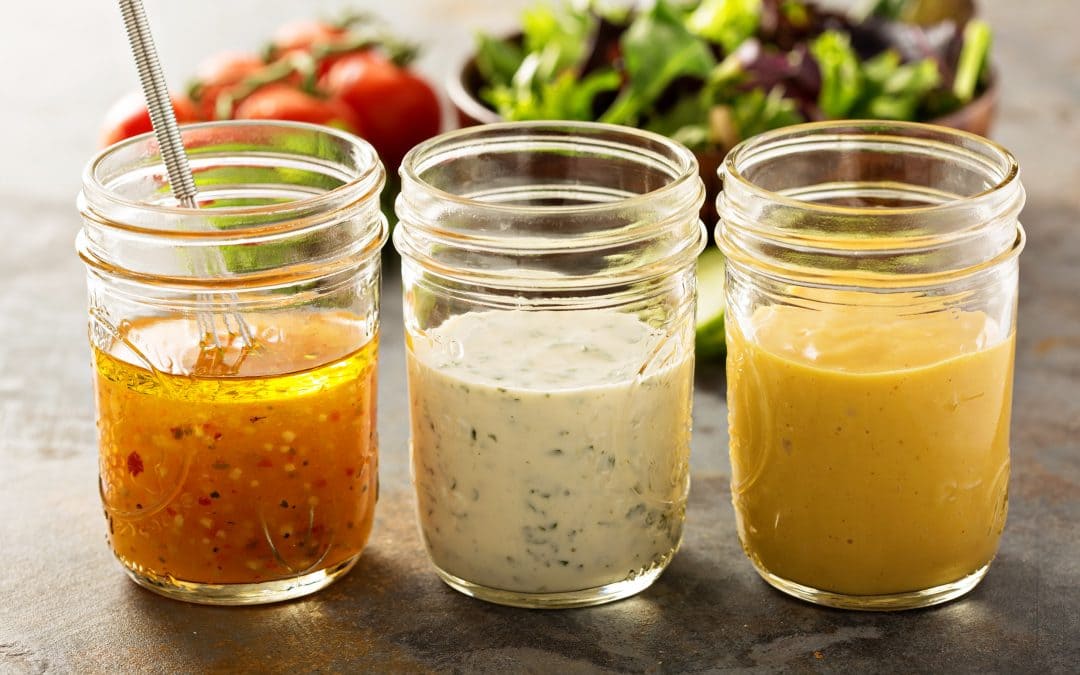
The only 100% clean (raw or minimally processed) salad dressing would be to mix your own oil, vinegar and seasoning at the time of use. This is the way my family did it in the 80’s, with a spice mix in a glass shaker. Now you can get an organic, low-sodium spice mix or use an herb mix to do the same.

For a single serving, mix about 1 Tbsp. oil and 2 tsp vinegar in a small container with a tight lid by shaking vigorously. For lighter flavors use vegetable or canola oil and rice wine vinegar. For robust flavor use olive oil and red wine vinegar. Soybean oil has a fatty acid profile (high in polyunsaturates) similar to cottonseed or safflower oil  and is fine to use. Mix in 1 tsp of an herb seasoning blend. I like Italian Seasoning, Herbes de Provence or Lemon Herb mixes with no sodium added.

For a creamy dressing, I suggest substituting Greek yogurt and/or pureed avocado to avoid the harmful saturated fat from the cream used in traditional versions. Check out this recipe from the March/April 2011 issue of Eating Well magazine:

  • ½ ripe avocado
  • ¾ cup packed fresh cilantro
  • ½ cup nonfat plain yogurt
  • 2 scallions, chopped
  • 1 clove garlic, quartered
  • 1 tablespoon lime juice
  • ½ teaspoon sugar
  • ½ teaspoon salt

Blend all ingredients together in a food processor or blender until smooth.

Makes 16 Tablespoons at 16 calories each; 1 g fat (0 g sat); 0 mg cholesterol; 2 g carbohydrates (0 gm fiber, 1 g sugar); 1 g protein; 80 IU vitamin A; 2 mg vitamin C; 18 mg calcium; 0 mg iron; 8 mcg folate; 80 mg sodium; 61 mg potassium.

While I’d recommend hummus in place of mayonnaise on sandwiches, for tuna, pasta and potato salads you’ll need a mayo substitute that mimics the white, creamy original. If you’re looking for a mayo substitute without eggs or soybean oil, you’ll need to find one with grapeseed oil or coconut oil, which will often include rice as a binder. Vegetarian mayonnaise substitutes are still processed products, most with preservatives.  In the refrigerated section you might find preservative-free versions, which last about 2 weeks.

– Debbie J., MS, RD

This article should not replace any exercise program or restrictions, any dietary supplements or restrictions, or any other medical recommendations from your primary care physician. Before starting any exercise program or diet, make sure it is approved by your doctor.


Recommended Reading - Q+A