Why am I Gaining Weight Despite Diet and Exercise? │ QA
If you’re careful with your nutrition, working out weekly, and still experiencing problems with your weight, take a moment to read this QA.

Debbie J., MS, RD contributed this article –
We’re on a mission to help Augie Nieto’s nonprofit charity find a cure for ALS (amyotrophic lateral sclerosis), which is a debilitating neurodegenerative disease that can impact anyone. Augie was diagnosed with ALS over 10 years ago and established Augie’s Quest to help find a cure for ALS. For over 5 years, LA Fitness has held an annual fundraiser each February to raise funds for Augie’s Quest. This year’s fundraiser, Action for ALS, will be on Saturday, February 25.
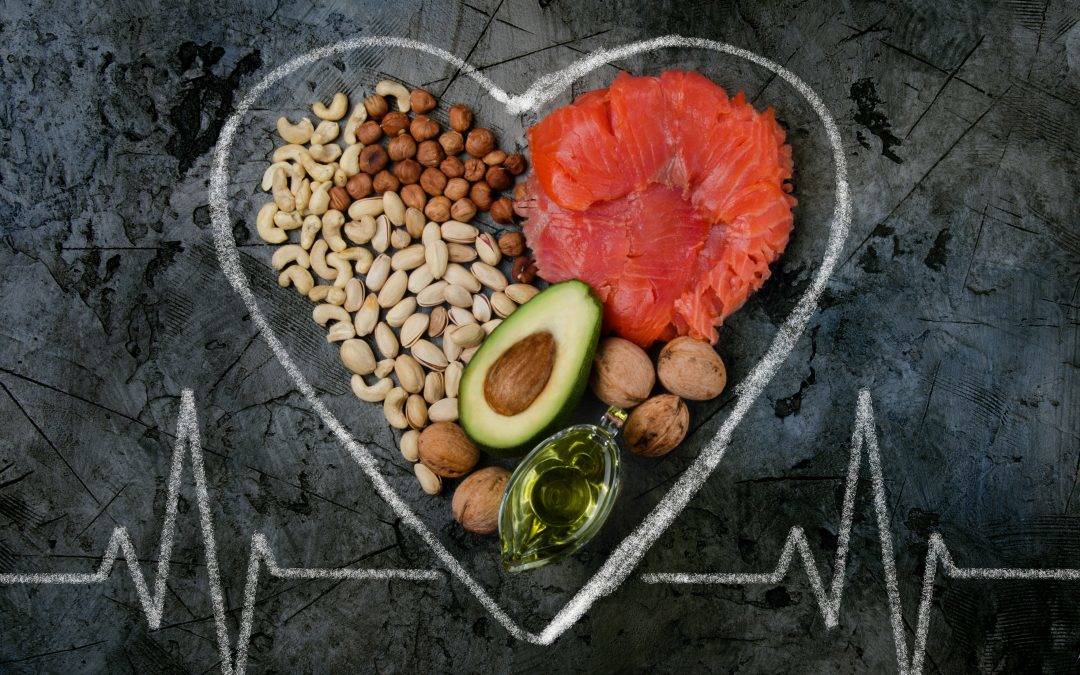
To stay committed to healthy eating & help improve his longevity, Augie focuses on a nutritious diet that includes extra virgin olive oil and good fats. Choosing the best types of fat is indispensable for your heart health and weight management.
You may have heard that a high intake of saturated fat, trans fat and dietary cholesterol raise the risk of cardiovascular disease. But did you know, recent studies show that consuming unsaturated fat as the predominant form of dietary fat, combined with adequate omega-3 fats, actually protects your heart from coronary artery disease1? The impact is even greater in combination with a plant-based diet low in salt and sugar2 and in conjunction with an abundance of fruits, vegetables, and whole grains as the main forms of carbohydrates1.


Substituting saturated and trans fats with unsaturated fats lowers LDL (bad) cholesterol production by the liver, meaning less potential for artery-clogging plaque. Keeping the “pipes clear” with healthy fats and adequate fiber is only one piece of the puzzle. Preventing damage to the epithelial cells lining the vascular wall and avoiding high blood pressure are also critical to avoiding stroke and heart attack. Unsaturated fats do both. In particular, olive oil’s polyphenols have anti-inflammatory and anti-oxidant functions3 to protect epithelial cells.
The Mediterranean diet, of which olive oil is the predominant fat source, is associated with increased longevity3 as well as reduced risk of cardiovascular diseases, improved health, lower mortality, and prevention of cancer and age-related cognitive decline as Parkinson’s and Alzheimer’s. Olive oil has bioactive compounds that alter cells’ gene expression, including those active in pathways of the aging process. In short, cells and tissues live better, longer.
Changing the fat that you eat may also change your body fat. While weight loss is multi-factorial, studies indicate that a high monounsaturated fat diet induces more weight loss compared to one with high saturated fat4. Why so? Olive oil, largely comprised of unsaturated fat, also contains phenolic compounds which have been shown to positively affect insulin sensitivity3 and therefore blood sugar control. These benefits are metabolically beneficial and that translates to better fat burning.

Use healthy unsaturated fats to your advantage, and your body will thank you in the long run!
This article should not replace any exercise program or restrictions, any dietary supplements or restrictions, or any other medical recommendations from your primary care physician. Before starting any exercise program or diet, make sure it is approved by your doctor.
References:

If you’re careful with your nutrition, working out weekly, and still experiencing problems with your weight, take a moment to read this QA.

Blood sugar control isn’t easy. These are Debbie’s top recommendations for how to address weight control with Type II Diabetes.

It's easier to work hard when you’ve got a game plan. Here are some options to help keep you moving until the last second of your workout!