Why am I Gaining Weight Despite Diet and Exercise? │ QA
If you’re careful with your nutrition, working out weekly, and still experiencing problems with your weight, take a moment to read this QA.


Leg day and chest day and arm day… oh my! When you’re making it a priority to get your body feeling and looking its greatest, you may find yourself pushing harder than ever to achieve your goals. However, all work and no rest can do the body more harm than good. When you’re putting in the extra time and commitment, don’t waste those epic workouts and tough dietary restrictions by overexerting your body. By not allowing the body enough adequate rest and recovery time, a string of unhealthy issues could start to ensue.
Consider the benefits of rest days below:
Things to consider:

Tip Takeaway: Don’t worry about taking a day off, “in general, it takes your body almost two weeks of non-activity before you start losing a noticeable amount of your progress or performance level”.2 How do you choose to spend your rest days? Share in the comments below!
Sources:

If you’re careful with your nutrition, working out weekly, and still experiencing problems with your weight, take a moment to read this QA.

Blood sugar control isn’t easy. These are Debbie’s top recommendations for how to address weight control with Type II Diabetes.

It's easier to work hard when you’ve got a game plan. Here are some options to help keep you moving until the last second of your workout!
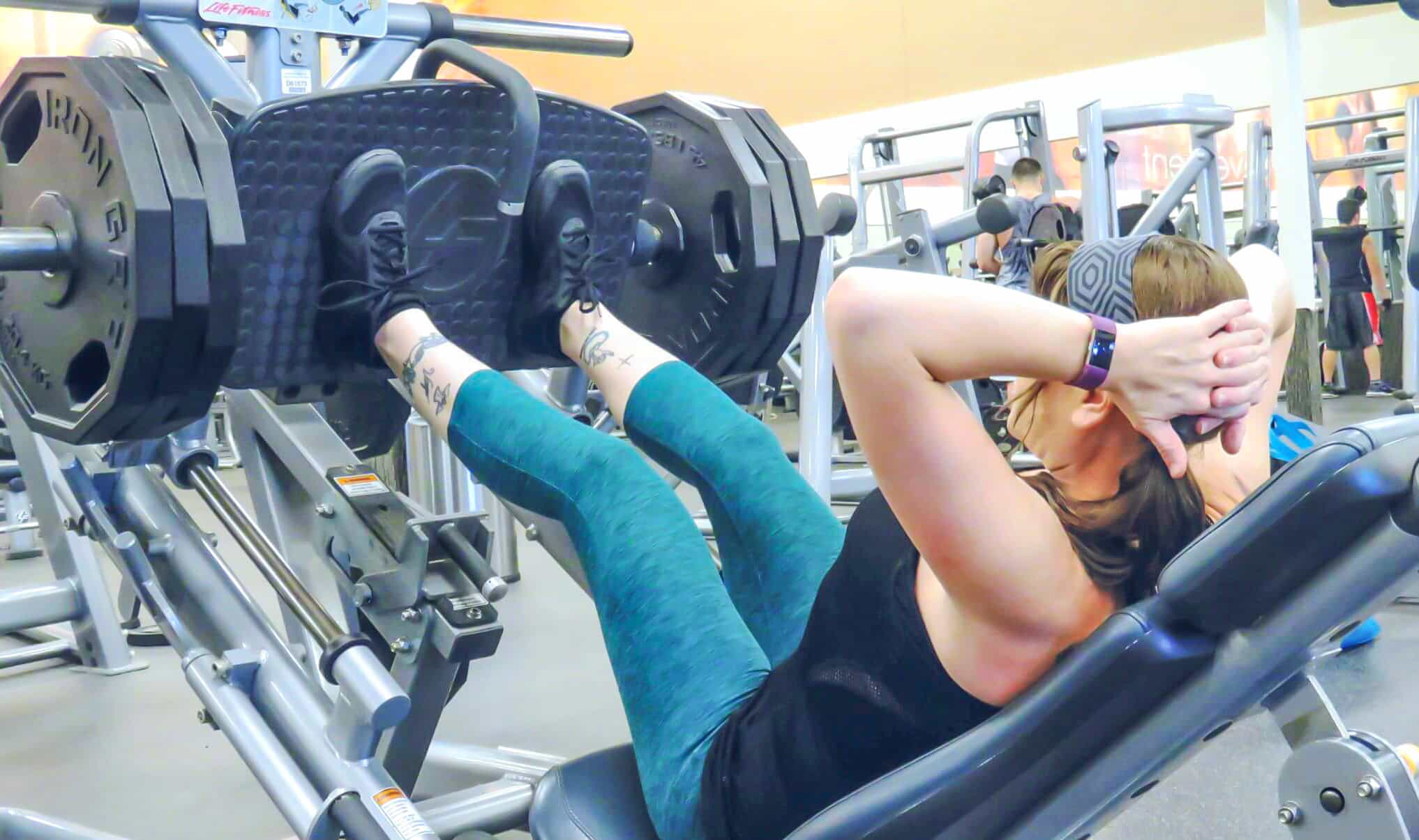
“Always find time to take care of yourself no matter what, because you can’t take care of someone else if you’re running on empty and not healthy yourself.”
Struggles are a part of life, and for Kelly G. of Hennepin County, Minnesota, she has learned to fight through them for herself and her sons. Having struggled with weight since puberty, Kelly decided to join LA Fitness in 2014, after years of wanting to become healthier. In middle school and high school, Kelly was teased for being a bit larger than her classmates. She stood at 5’4” and weighed in at 180 lbs. From there, her weight slowly increased through adulthood, especially after having her children. The most she remembered weighing was 215 lbs., and she knew then that something had to be done.


The problem was that Kelly would get on a fitness kick and begin to lose some weight, but then something would happen that would set her back, or she’d feel lazy, stop working out and then feel miserable. She noticed that she tended to binge eat whenever she was stressed. She recognized this as a problem, and began to change her ways. She got on a positive health kick in May 2014, which inspired her to join LA Fitness. She was working out, eating healthier, feeling good and even began losing some weight – until she received some of the worst news possible. Her oldest son had been diagnosed with an aggressive form of Alveolar rhabdomyosarcoma cancer.
The cancer had already spread to his lymph nodes, sending Kelly into a tail spin of emotions, stress and depression. She stopped working out. She stopped taking care of herself. And she fell back into stress eating. Her son went through 42 weeks of chemotherapy and had 28 sessions of radiation. His last chemo appointment fell on Kelly’s birthday. It was on that day, in September of 2015, that Kelly decided if her son could fight through cancer like a champ, then she could fight to get healthy too.
During her son’s cancer treatments, Kelly had gained 30 lbs. She was miserable and in pain. Her feet hurt, her back ached all the time, and she weighed the most she ever had. Kelly shared the physical pains she was experiencing with her doctor, who told her very bluntly to lose 20 lbs. and then see if her feet were still hurting. She was a bit shocked at how up front he was, but with no sugar coating, it helped Kelly get on a mission. She wanted to get healthy not just for herself, but for her sons.
Kelly started taking advantage of her LA Fitness membership again and got really strict with her nutritional choices. Her determination to succeed superseded the obstacles she found herself facing in the past. Each day she strived to get healthier than the day before. In the past year and a half, Kelly has lost 80 lbs. by eating a low-carb diet and working out five to six days a week. At almost 40 years old, Kelly now weighs less than she did in middle school and high school, and she’s feeling much better. Kelly strives to do better each day and has since gained a new appreciation for life. Her advice to others is to “always find the time to take care of yourself no matter what, because you can’t take care of someone else if you’re running on empty and not healthy yourself.” Kelly hopes to lose another 5 to 10 pounds and add some additional muscle definition. Judging from how far she’s come, there’s no doubt she’ll reach her goals and then some!
This article is not meant to be construed as medical advice. Results will vary. Consult with your physician before starting a new fitness or nutritional routine.
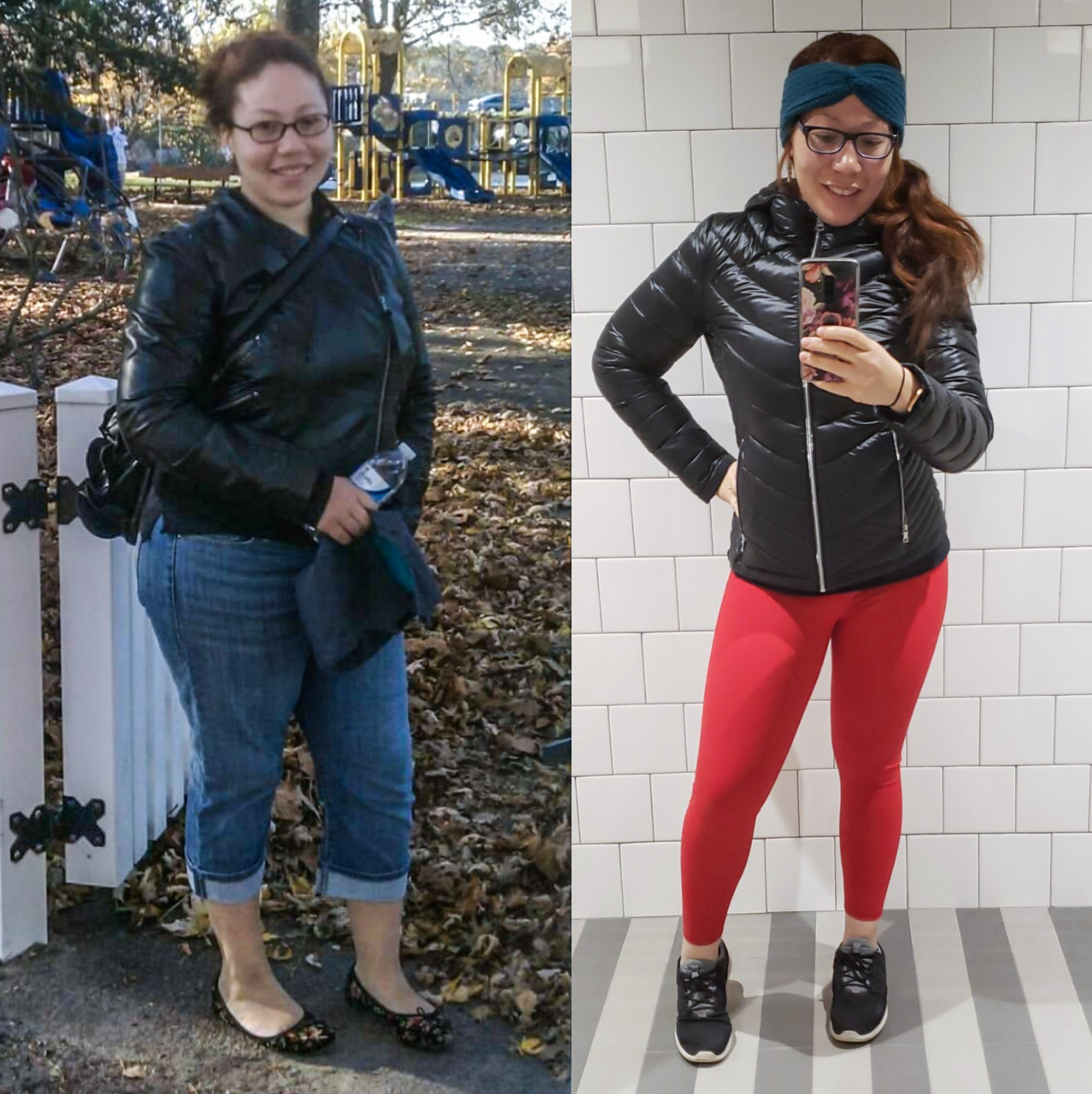
Waleska is a mom with 2 part-time jobs who had a love for chocolate. Despite the time constraints and sweet temptations, she lost over 60 pounds!
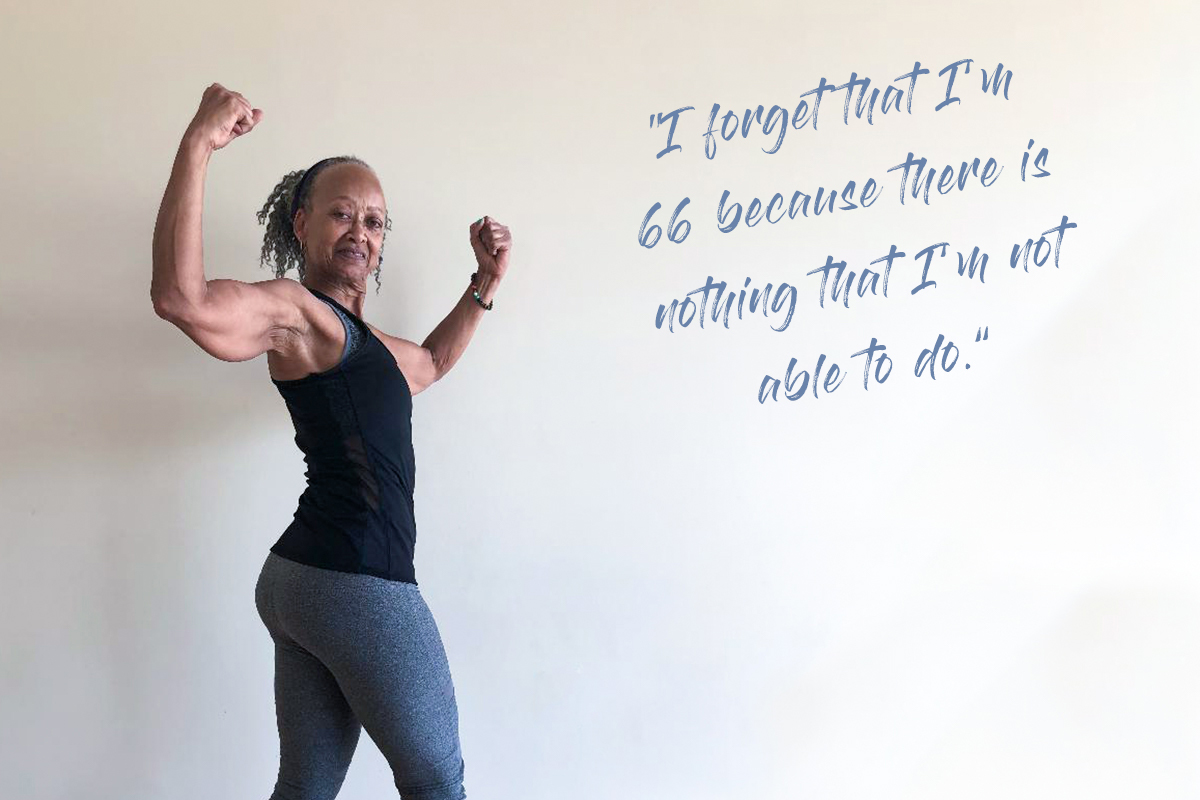
Many of us pair the idea of aging with decreased mobility and various aches. Yet, Patricia’s story shows us just how wrong that notion can be.

Ann shares how, despite back problems, strokes, and surgeries, she is well on her way to achieving her goal of losing 90 to 100 pounds!

Whether you’re new to fitness or a seasoned vet, most likely you once experienced the feeling of walking into a gym and not knowing where to begin. With all the various cardio and weight equipment, how do you know where to start? Is it with cardio? How many days a week should you weight train? What type of training is right for your body? A lot of questions tend to flood the mind and can oftentimes scare people away from returning to the gym. Let’s break things down a bit, starting with: what is vertical training vs. horizontal training?
Vertical training can be viewed as anything that involves ascension (i.e. rising/climbing), whether actual or simulated. Examples of vertical training could be climbing on the Stairmaster, an inclined walk or run on the treadmill, or mountain climbing.


Horizontal training, on the other hand, refers to exercises that would keep your form parallel to the ground. Some typical exercises include using the rowing machine, running (without incline), or working out on a stationary bike.


Now that you know the differences– which form of training is best?
If you guessed both, you are correct. Neither is necessarily “better” for you than the other. It’s up to personal preference and which part of the body you are looking to train. Some machines may better benefit those recovering from an injury, while others training specific skills or for a competition may want to use others. The best thing to do before questioning what type of training is right for you or getting overwhelmed by all of your options is this: come up with a clear and defined list of goals.
Knowing your goals may seem pretty obvious, but it’s a lot more than simply knowing you want to lose weight, or you want to get stronger. Break down your overall goal into smaller ones. If you want to lose weight, ask yourself where you want to lose the weight. Is it from the stomach area? Maybe you want to tone your arms? Knowing the muscles you would like to strengthen will help you narrow down which machines to use and what type of exercise you should be engaging in.
If you have your “baby goals” written down, but you’re still unsure where to begin, it’s perfectly acceptable to ask for help. More often than not, people enjoy helping others who are looking to better themselves. Making your health a priority is an admirable goal, and many share that goal. Everyone starts somewhere, so ask a friend or fellow gym-goer how to use a machine you’re unsure of. Better yet, ask an employee to help you out. If extra assistance is needed, consider signing up for personal training to get a deeper, more personalized plan for you.
Once the “scariness” of the gym goes away, you will be surprised how much easier going seems to be. Don’t be afraid to try new machines, attempt a new class or make a new friend. As author Jack Canfield once put it, “everything you want is on the other side of fear.” So, where will you begin? Is vertical training better than horizontal? In the battle between the two, both win. Train the way that best fits you, and watch all you can accomplish!
If you’re careful with your nutrition, working out weekly, and still experiencing problems with your weight, take a moment to read this QA.
Blood sugar control isn’t easy. These are Debbie’s top recommendations for how to address weight control with Type II Diabetes.
It's easier to work hard when you’ve got a game plan. Here are some options to help keep you moving until the last second of your workout!


Stress and cortisol. They seem to go hand in hand. Why? Well, cortisol, typically known as the “stress hormone” is released when our bodies go into a state of fight-or-flight. This response can also result from physical or psychological stress. When our bodies are experiencing a stressor, our adrenal glands, located above the kidneys, discharge cortisol. Cortisol floods our bodies with glucose, giving our bodies an immediate source of energy.
That doesn’t seem too bad, does it? It’s just energy after all.
The problem is, under constant stress our bodies can start elevating cortisol levels. This results in glucose being consistently pumped throughout our bodies, which can lead to increased blood sugar levels.1 If you’ve ever found yourself wondering why you’re not losing that stubborn belly fat, your cortisol levels could be a contributing factor because “cortisol can mobilize triglycerides from storage and relocate them to visceral fat cells (those under the muscle, deep in the abdomen).”2 That stored fat hiding under muscle is what causes stubborn belly fat.
But, before giving cortisol a bad name, remember that it’s there for a reason. Proper levels of cortisol can help regulate blood pressure, assist with anti-inflammatory responses, help with blood sugar maintenance, and aid in proper glucose metabolism and proper immune function.3 All-in-all, that pesky little stress hormone on its own isn’t all that bad and other factors can play a part in stress and weight gain.
Outside factors can also play a part in weight gain. Working long hours, having a busy schedule, and rushing from one appointment to another can limit the amount of time you have to exercise, which is needed to help boost health. Aside from not exercising, if you’re stressed and always in a rush, chances are you’re opting for more fast food choices. When you’re not the one preparing your meal, you’re not in control of what’s going in it. Fast food can generally be both high in sugars and fats, so opt for at-home dining to prevent weight gain.
Helpful Ways to Combat Stress
The Mayo Clinic suggests the following strategies to help with stress management4:
There is no secret way to live a stress-free life. Stress is simply a part of it, but it doesn’t have to be the whole of it. Learn and practice healthy ways to manage your stress, and you may notice less of a struggle with your overall health and weight. If you still feel like extra assistance is needed to help you achieve your ideal body weight or if your stress levels feel unmanageable, speak with your physician or another medical professional and see if there may be additional or alternative solutions that would work best for you.

Sources:
If you’re careful with your nutrition, working out weekly, and still experiencing problems with your weight, take a moment to read this QA.
Blood sugar control isn’t easy. These are Debbie’s top recommendations for how to address weight control with Type II Diabetes.
It's easier to work hard when you’ve got a game plan. Here are some options to help keep you moving until the last second of your workout!
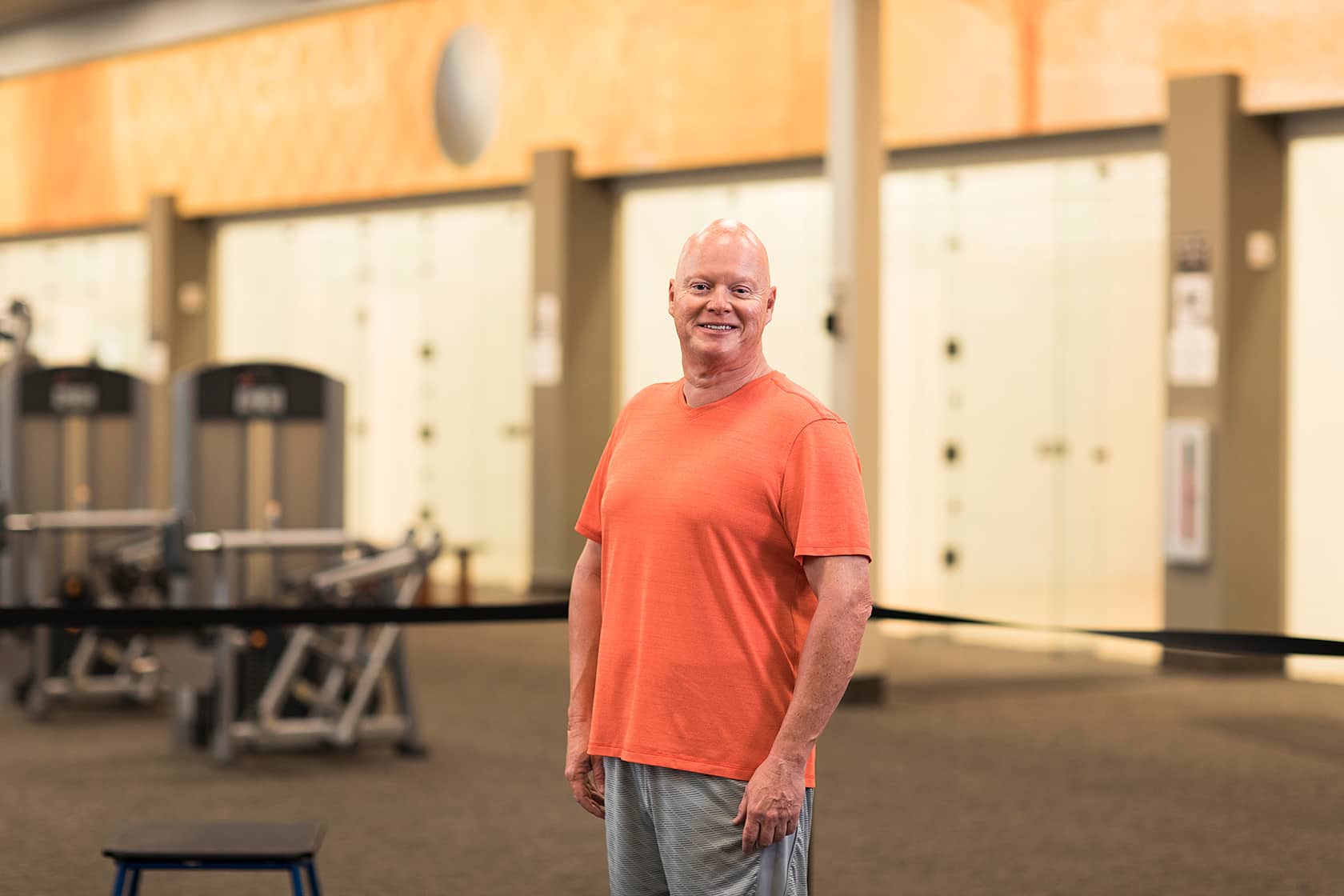
“I finally came to the conclusion that a trainer was less expensive than a funeral.”
Randy B. of San Marcos, CA joined LA Fitness 6 years ago as he was nearing the golden age of 50. His sudden proactive attitude spawned from a troubling family health history. His father died at the young age of 52 from heart failure and diabetes, and his grandfather passed away at age 50, also from heart-related issues. With Randy’s own age suddenly nearing that seemingly fateful number, he made the decision to change his lifestyle and make fitness a priority. At the encouragement of friends already training with Pro Results® personal trainer Brandon W., Randy followed suit and started training with Brandon W. at LA Fitness three times a week.
Due to his job as a retail manager, which involves a lot of time spent at the computer or in the car, Randy started noticing that he was experiencing shoulder issues, and shared what was happening with his trainer Brandon. Brandon immediately began working on methods to help strengthen Randy’s shoulders, chest and back to help improve these issues. Since switching up his training routine, Randy shared that “the work Brandon has done has also had a major impact on my posture which has eliminated any back pain.” Even though Randy will be undergoing shoulder surgery soon, he notices the exercises he’s been doing have helped improve his strength, which his doctor says will help with the recovery.
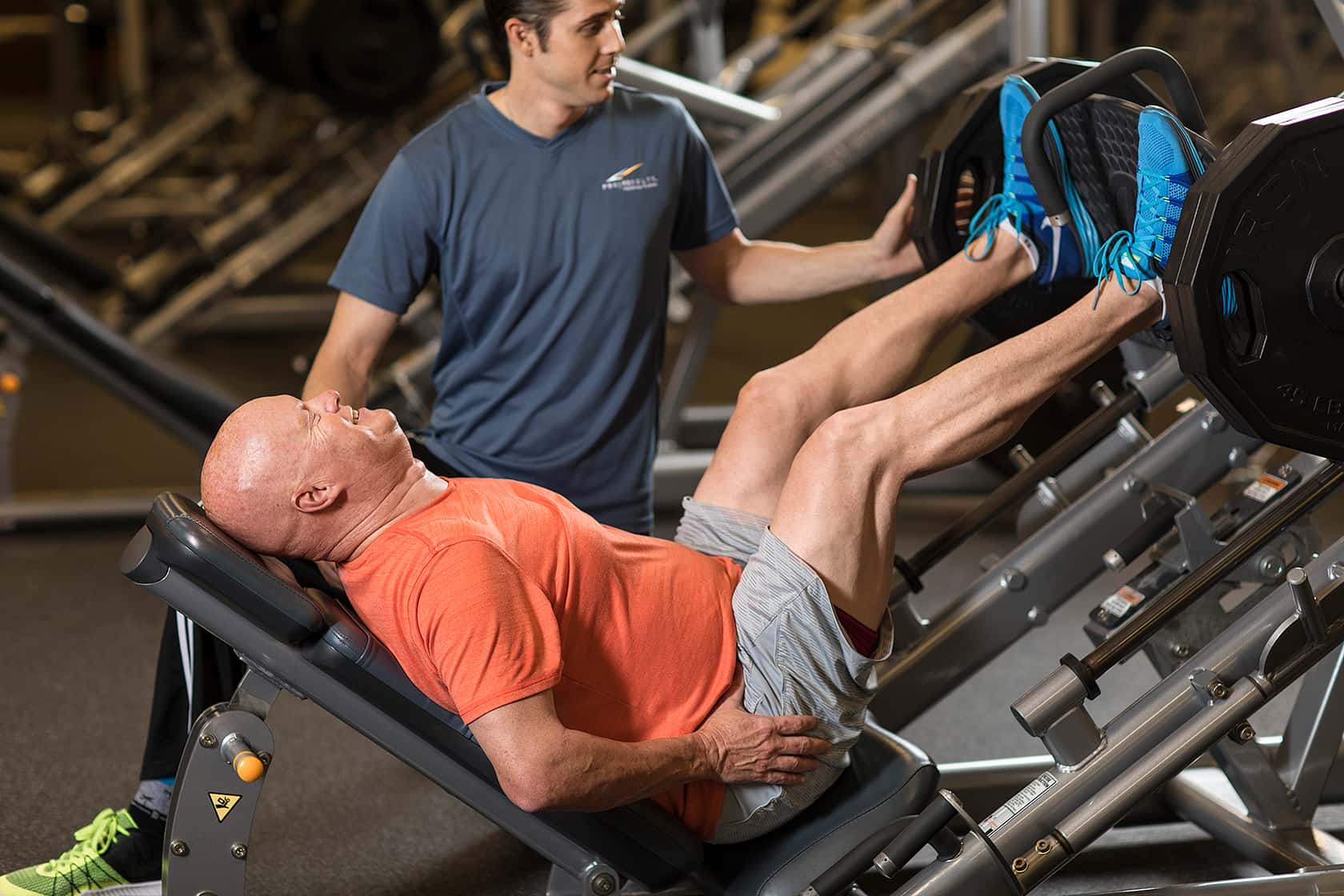

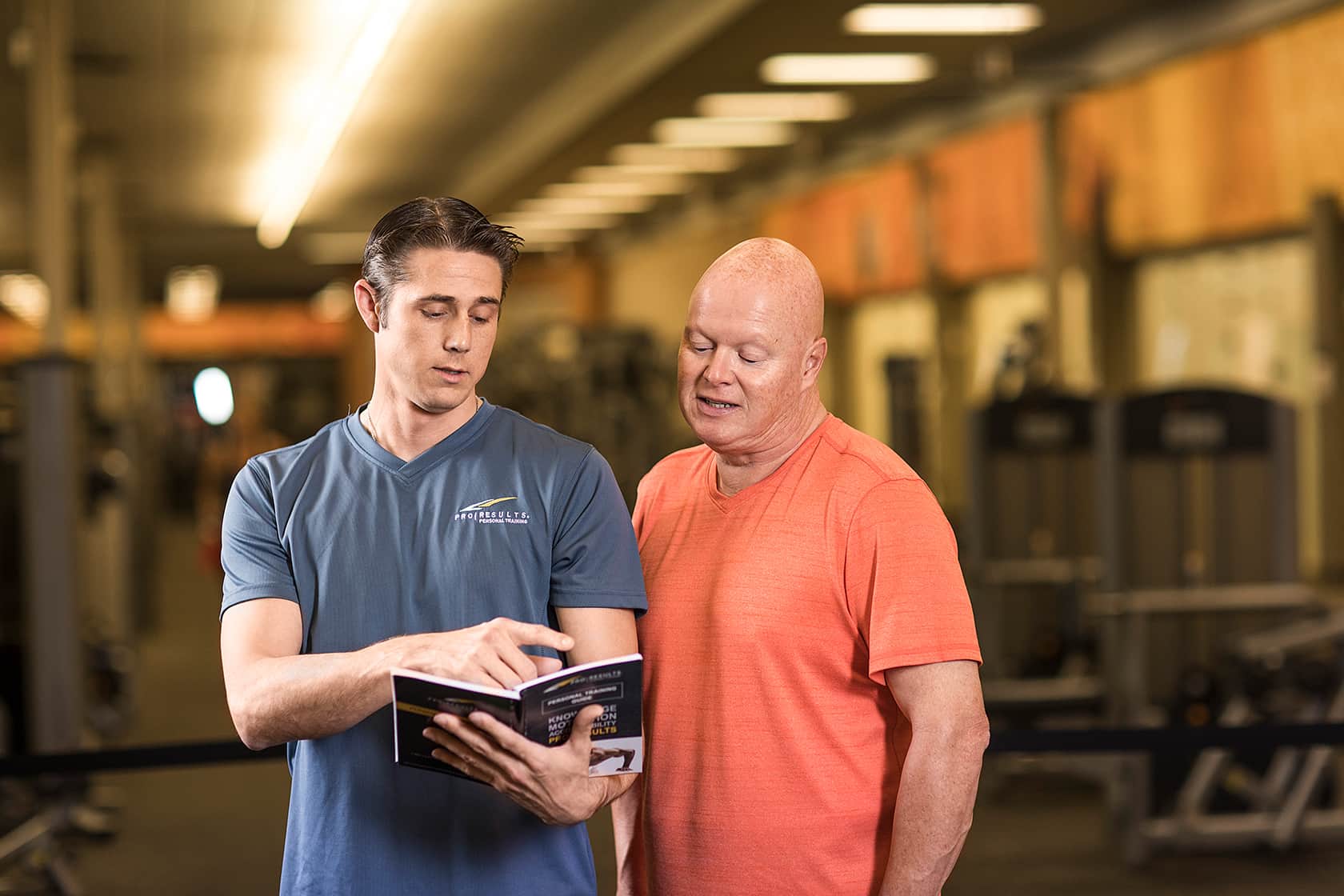
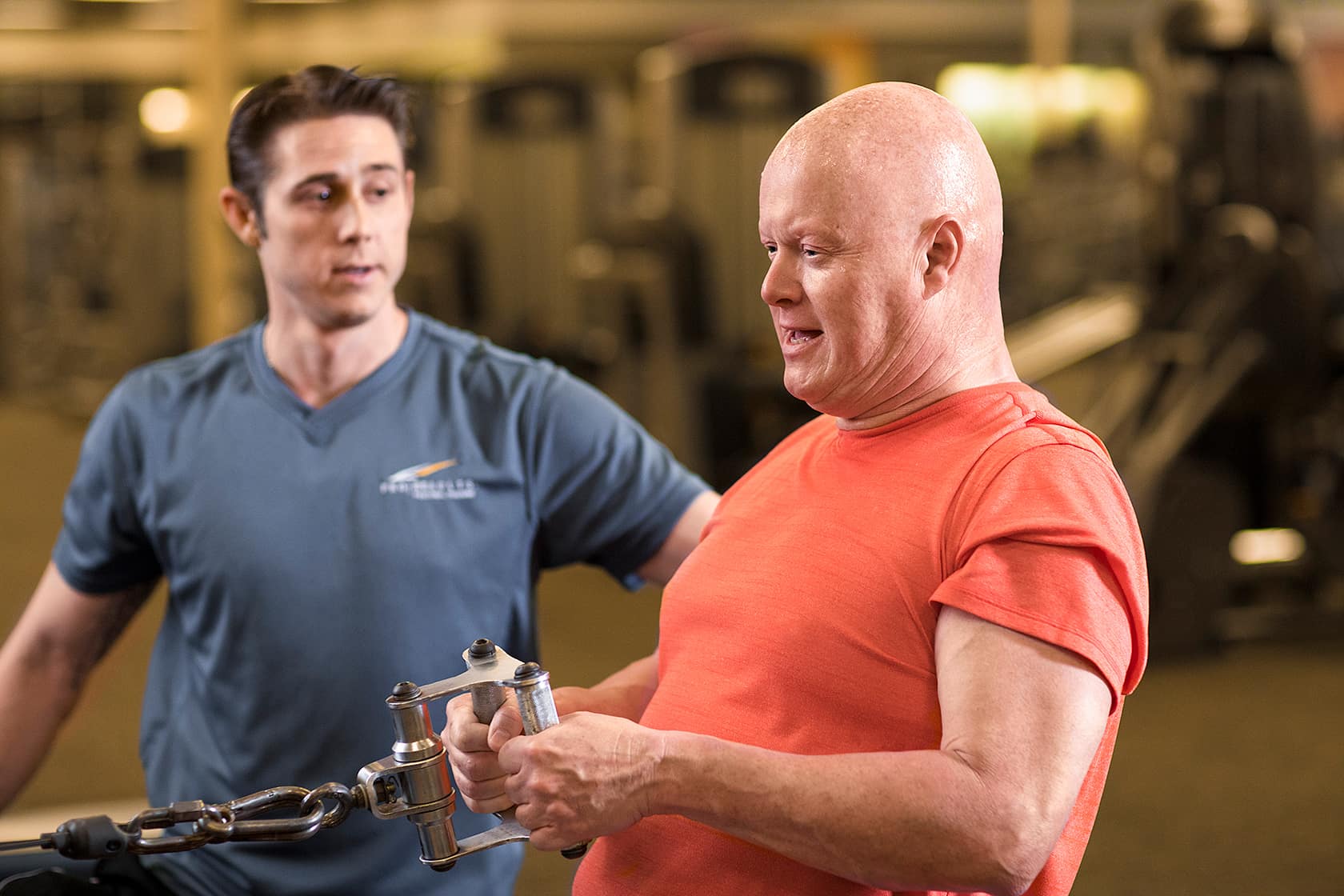


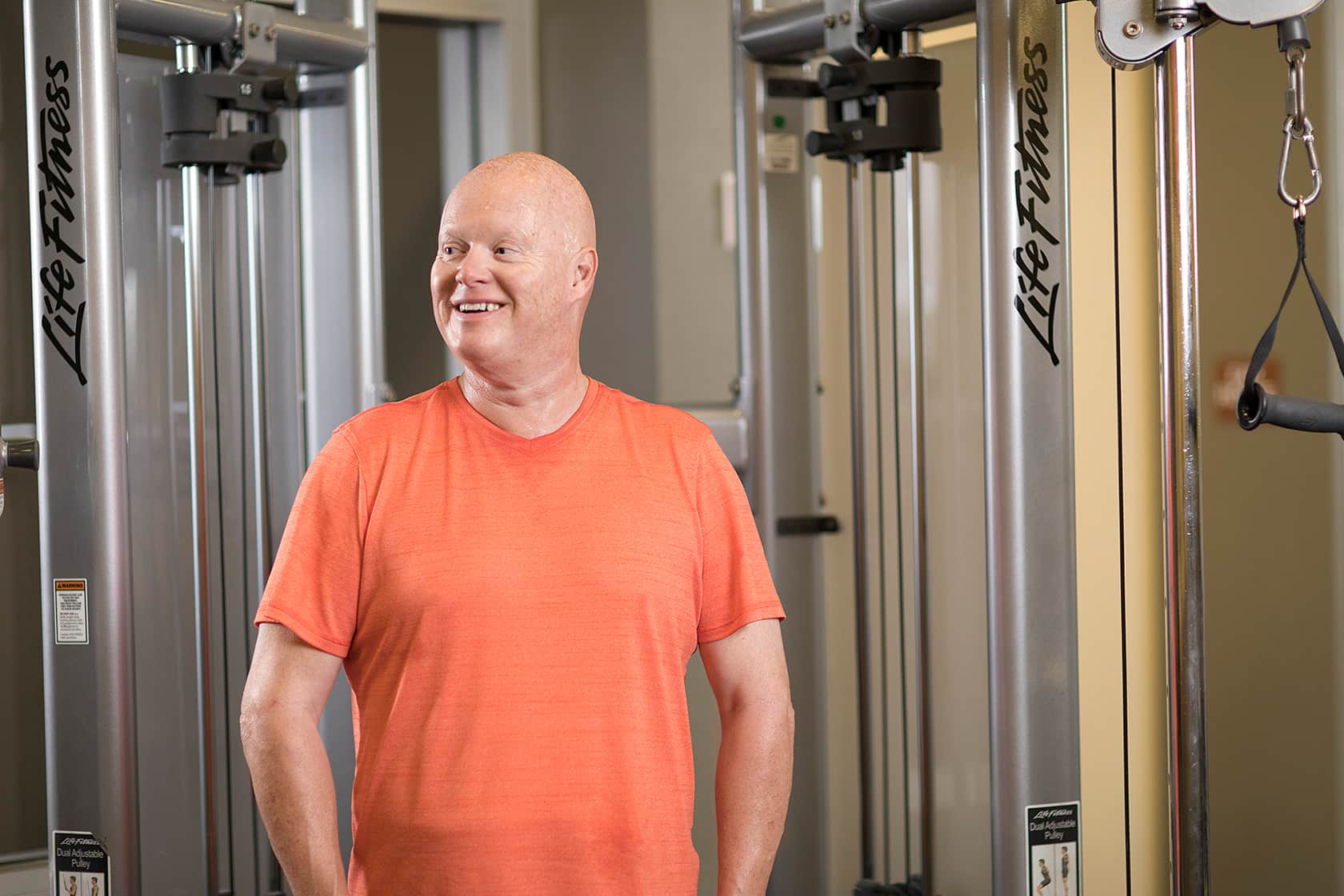
“I finally came to the conclusion that a trainer was less expensive than a funeral. While personal training may seem expensive, it has such a positive impact on your overall results and thus your overall health, that it really can change your quality of life,” shared Randy B. When Randy first started personal training, his original goals were to lose 25 pounds, work on general strengthening and to improve his overall cholesterol. Since starting the Pro Results® program and working with Brandon W., Randy has lost 55 lbs., lowered his blood pressure and cholesterol, and increased his overall strength and energy levels!
Today Randy’s goals are to maintain his weight, continue strength training, and improve both his flexibility and cardio. He credits his success to his trainer Brandon W., who inspires him by always being persistent on follow up, talking him through the functionality of what they are doing, and explaining how it will help Randy better perform in life. Randy shared that his conversations with Brandon are focused on asking questions about what he does—what he does well and also where he struggles. Brandon then tailors Randy’s training to help him meet his specific goals.
Aside from the fitness building duo team of Randy and Brandon, Brandon introduces his clients to each other and encourages them to work together and help hold each other accountable. Randy expressed that “it builds a total gym training family [and] support group which keeps all of us going.” Not only that, but having others around you working towards similar goals can help spark, and rev up, that competitive spirit. Having a healthy and encouraging group of friends can help you push yourself to be better, even on the days where going to the gym may seem tiring. As for Randy, he plans to continue staying active and eating healthy so that he can live a long, happy and healthy life.
Are you ready to take control of your health? Learn more about Pro Results® today.
Results will vary. Consult with your doctor before starting a new exercise program. Pro Results® personal training services are subject to additional fees and a separate agreement.

Waleska is a mom with 2 part-time jobs who had a love for chocolate. Despite the time constraints and sweet temptations, she lost over 60 pounds!
Many of us pair the idea of aging with decreased mobility and various aches. Yet, Patricia’s story shows us just how wrong that notion can be.
Ann shares how, despite back problems, strokes, and surgeries, she is well on her way to achieving her goal of losing 90 to 100 pounds!