Warm Comfort Foods Made Healthy(ish)
Most comfort foods we turn to are heavily laden with fat, starch and calories. There are healthier ways to enjoy down-home classics by making a few tweaks.



Hi, I weigh 146 lbs. and have a small frame. I would like to put on muscle and get up to about 167 lbs. I am not a big eater and usually eat very small portions. I would like to know your recommendations for a diet.
– Sheldon S.

The situation you describe doesn’t leave a lot of room for options! I understand why you’ve reached out for advice. Increasing calories in a very limited volume can be quite challenging. Maximizing energy density can be done by 1) selecting rich foods, 2) through the addition of fats and sugars (Yep, you heard me say that correctly: fats and sugars), and by 3) power-packing.
1) Foods that are naturally energy-rich include nuts, nut butters, cheese, cream, oil, butter, dried fruit, nectars, traditional granola, tortillas, starchy vegetables, avocado, olives, coconut, bisque soups and chowders, salmon, beef liver, ice cream, and milkshakes. For packaged items, look for those that provide at least 300 calories per cup or 100 calories per ounce.
2) Anything that can be melted onto or into another food works! Ideas include cream in mashed potatoes, butter on noodles, pesto or avocado on sandwiches, cheese on casseroles, nut butter on toast, jam in yogurt, honey on fruit and mayonnaise on crackers. Nothing should be eaten plain if you are serious about gaining weight.
3) The concept of power-packing means to increase calories and protein without increasing volume. It involves replacing water content with higher calorie liquids. For example, fruit juice can be enriched by adding a cup of concentrate to each quart of liquid juice. For milk, add 2 Tbsp dry powdered milk to each cup fluid milk to gain 50 calories and 5 grams protein. Choosing oil-packed tuna over water-packed will give you over 100 calories more per 6 ounce can!
For meal and snack ideas, check out two sample weight gain menus from The University of Colorado, Colorado Springs.
Nutritional values obtained from the USDA’s National Nutrient Database for Standard Reference, Legacy Release. Findings were used along with RDN’s professional judgment.
– Debbie J., MS, RD
This article should not replace any exercise program or restrictions, any dietary supplements or restrictions, or any other medical recommendations from your primary care physician. Before starting any exercise program or diet, make sure it is approved by your doctor.
Some questions have been edited for length and/or clarity.
 Have a nutrition question? Our registered dietitian is ready to help!
Email nutrition@lafitness.com or submit your question below and it may be featured in an upcoming article!
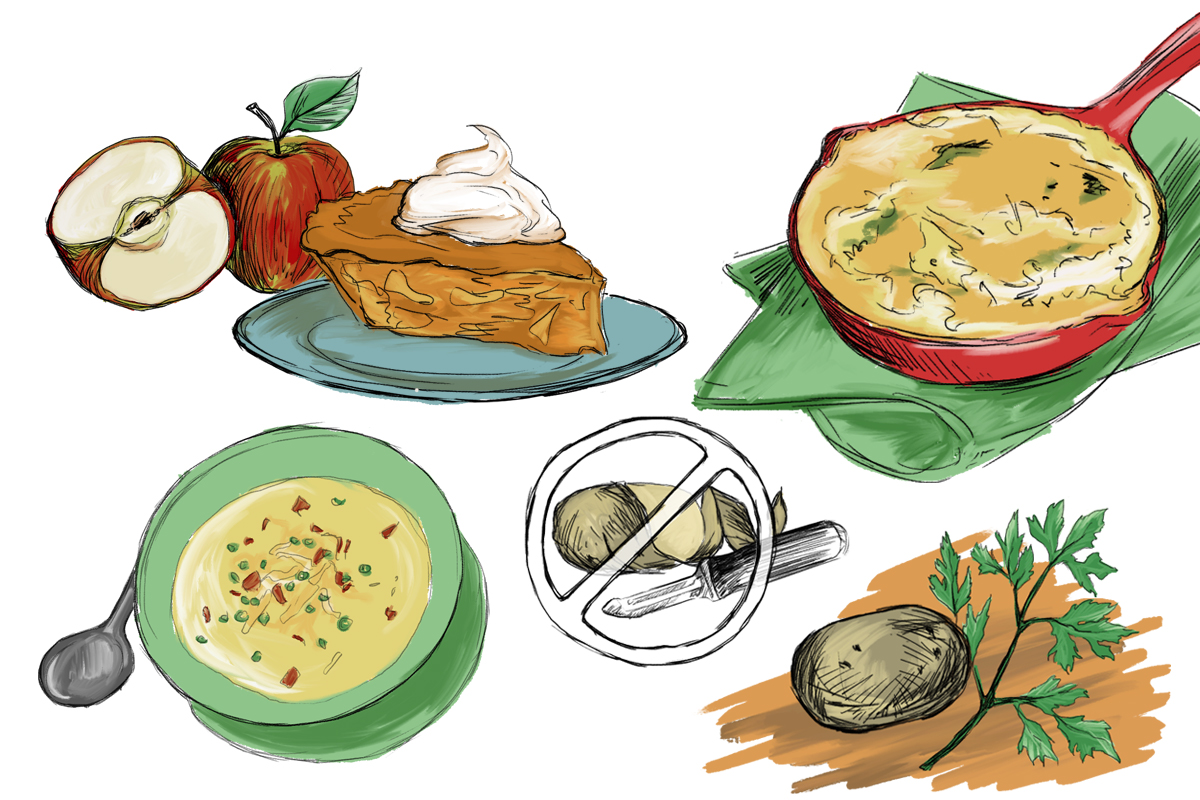
Most comfort foods we turn to are heavily laden with fat, starch and calories. There are healthier ways to enjoy down-home classics by making a few tweaks.

If you’re a parent, it’s likely you have some picky eaters on your hands. Our Registered Dietician, Debbie James, gives you the scoop on healthy eating for your kids and teens.
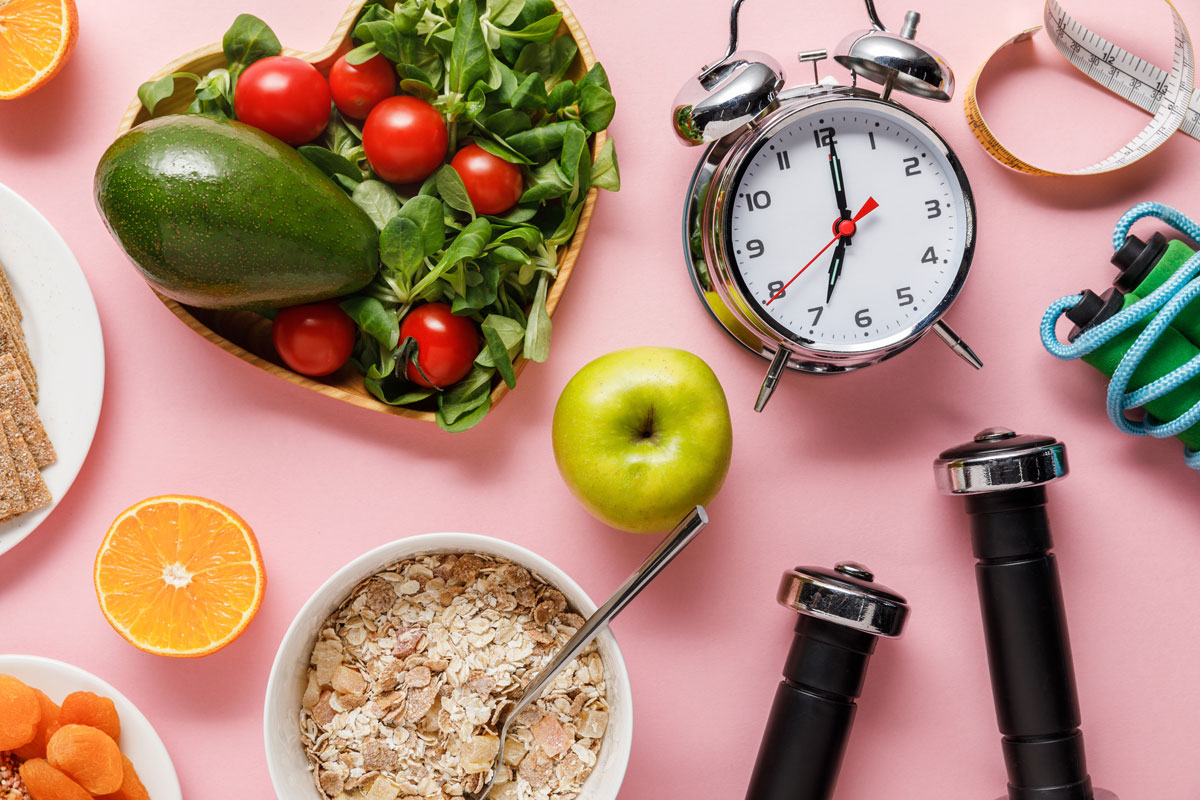
Debbie James, RDN, helps answer a reader’s question on breakfast and working out.
Growl… Like a little thorn in the lion’s paw, no one likes to have their eating plan thrown sideways by a simple hunger pang. Even the most well-planned meals and snacks can be set off course if your body needs more energy that day. When your belly is sending messages you can hear, it’s time to listen up! Hunger can quickly turn into reckless appetite, and if you let hunger signals go unabated for too long you may overeat later.
How to keep your calories down then? Try these lower glycemic index foods that promote satiety with their volume or nutrient density: (Serving sizes suggested below are approx. 150 calories.)

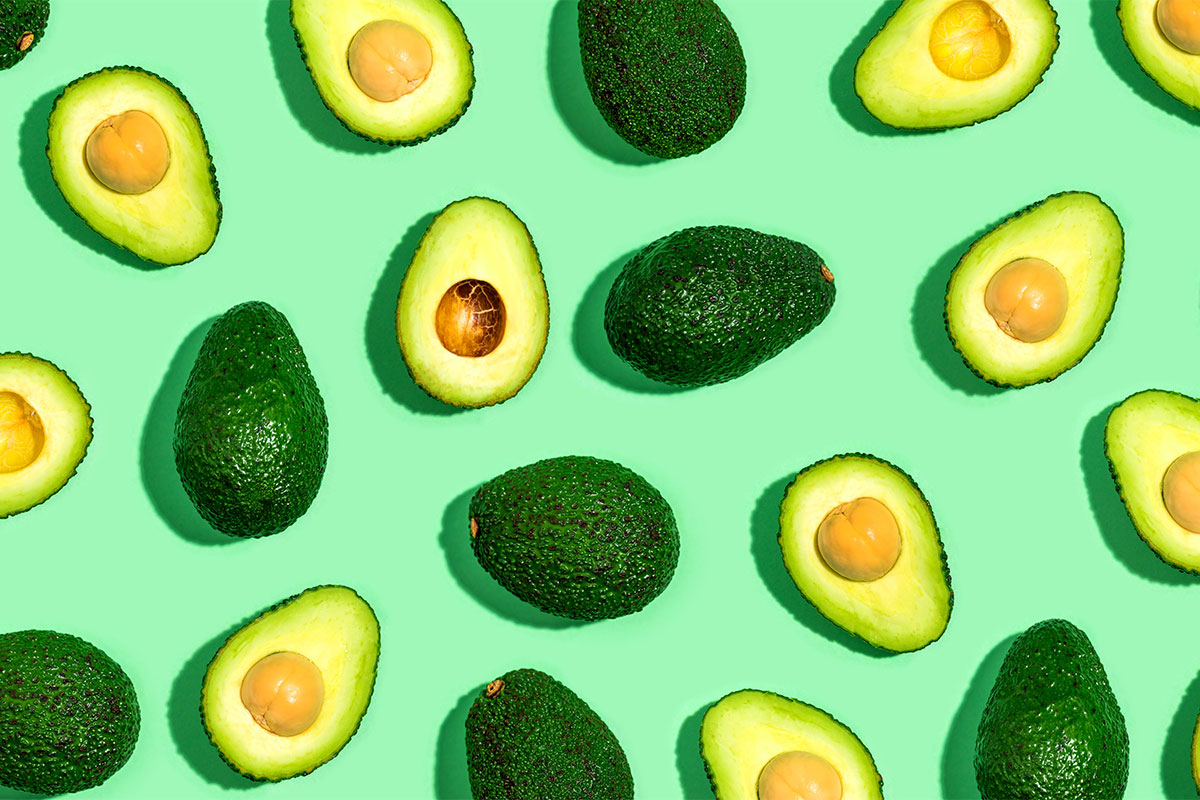
AVOCADO – Top pick to solve tummy rumbles. The fat from this fruit is heart-healthy, plus you get a good amount of fiber, Vitamin K and potassium with each ½ avocado.
Tip: Rub cut avocado half with lime juice to keep from browning.

NUTS – These little gems are chock full of unsaturated fat with a decent amount fiber per one ounce serving. They require a bit of chewing which slows your eating pace, plus their density is sure to stick to your ribs.
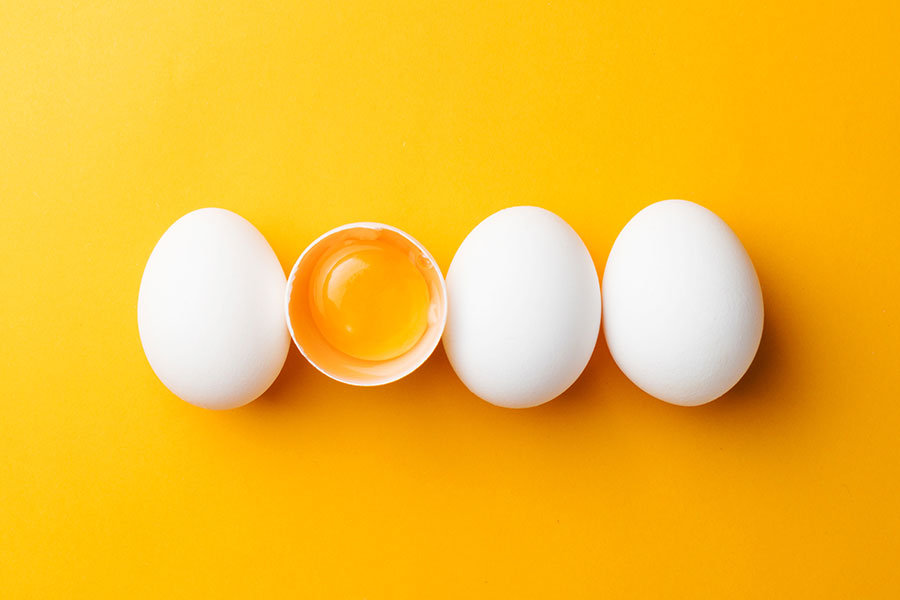
EGG – A harmonious balance of complete protein, fat, and vitamins gives eggs the ability to stand alone as a snack. Just 2 hard-cooked eggs have more protein than does a ¼ cup of tuna salad.
Tip: Repurpose a rinsed to-go drink cup with a lid to hold a couple shell-on eggs. Place your peelings inside to discard stink-free.
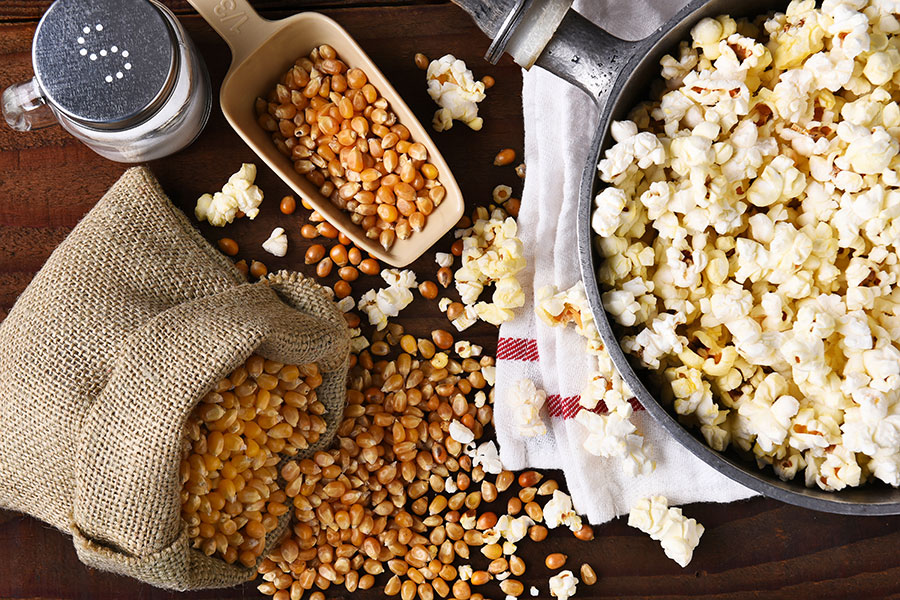
FRESH POPCORN – Not to be confused with anything yellow from a bag, freshly popped corn kernels with a sprinkle of salt and spray of butter-flavored oil is light and refreshingly warm & crisp. A three-cup serving of this finger food distracts for minutes, plus it’s a good source of fiber.

BROTH BASED SOUP – Watery liquids satisfy thirst which can often be mistaken for hunger. Soups are generally low-calorie, especially if vegetable based. An ample bowl of savory chicken noodle, minestrone or cucumber gazpacho is a good choice to forestall creeping appetite.
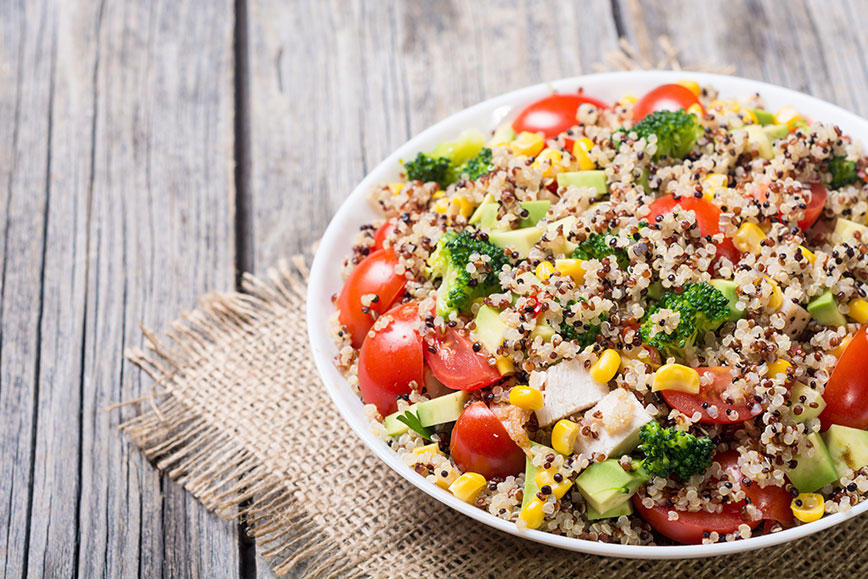
HEARTY SALAD – A chopped vegetable salad (small amount of lettuce okay) topped with quinoa, sliced almonds, chickpeas or corn plus a drizzle of oil-based dressing make for a tummy-filling solution. The chewing factor that slows your eating doesn’t hurt!

GREEK YOGURT or COTTAGE CHEESE – These protein-rich dairy choices also solve the hankering for something cool or creamy without reaching for ice cream. A one cup serving of plain plus a couple tablespoons diced fruit provides an excellent amount of calcium.
Most comfort foods we turn to are heavily laden with fat, starch and calories. There are healthier ways to enjoy down-home classics by making a few tweaks.
If you’re a parent, it’s likely you have some picky eaters on your hands. Our Registered Dietician, Debbie James, gives you the scoop on healthy eating for your kids and teens.
Debbie James, RDN, helps answer a reader’s question on breakfast and working out.

I am a 5’7″, 225 lb. male and I just started going to LA Fitness as I am trying to lose weight. I am trying to do this alone, but I need some nutrition advice. I am going to the gym for 6 days a week, doing 30-45 minutes of cardio every day and some weight training, but I would like to know how to eat right. I would like some tips on how to eat properly. Can you give me any advice that would help me lose the weight fast or at a steady pace?
– Jeremy L.
Welcome, Jeremy! Bravo on your consistency working out. Some people’s appetites increase with greater exercise à energy deficits from physical activity may be neutralized by compensatory intake. That means you may be eating more than you think. You may want to consider portion control as a first step to eating right. Look for areas you can cut back on volume. Order smaller servings or split meals to allow for leftovers. The idea isn’t to reduce drastically and cause hunger but to pare down consumption up to 25 percent. Once your intake is at a level to just satisfy you, then turn to improving your food choices. See our previous post The 3 Pronged Attack for Weight Loss – DIET for examples of proper eating plans.
– Debbie J., MS, RD
This article should not replace any exercise program or restrictions, any dietary supplements or restrictions, or any other medical recommendations from your primary care physician. Before starting any exercise program or diet, make sure it is approved by your doctor.
Some questions have been edited for length and/or clarity.
Have a nutrition question? Our registered dietitian is ready to help!
Email nutrition@lafitness.com or submit your question below and it may be featured in an upcoming article!
Most comfort foods we turn to are heavily laden with fat, starch and calories. There are healthier ways to enjoy down-home classics by making a few tweaks.
If you’re a parent, it’s likely you have some picky eaters on your hands. Our Registered Dietician, Debbie James, gives you the scoop on healthy eating for your kids and teens.
Debbie James, RDN, helps answer a reader’s question on breakfast and working out.
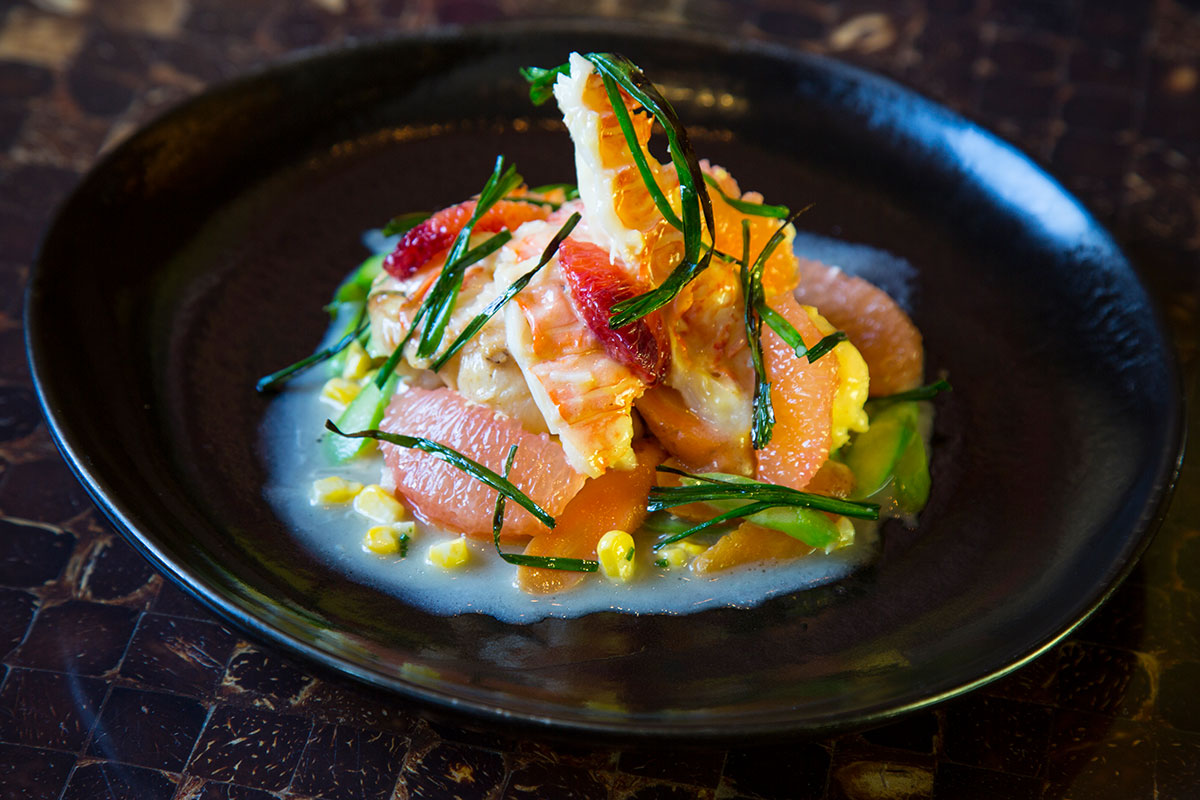
“Cooking to me means creating the most flavorful cuisine by acquiring the best local ingredients, and letting nature speak through culinary artistry.”

Photography provided by: The Palms Hotel & Spa

Essensia is located at the following location:
Distance to closest LA Fitness: 0.8 miles to Connecticut Ave. LA Fitness
Essensia is located at The Palms Hotel & Spa, 3025 Collins Avenue, Miami Beach, FL 33140.
Open Daily
For reservations, menu, and additional details, please visit thepalmshotel.com/dining/essensia-restaurant.

Photography provided by: The Palms Hotel & Spa

For the Poached Floridian Lobster
For the Orange Saffron Butter (Yield 1 qt)
Poached Floridian Lobster
Step 1: In a stock pot blanch the lobster tails for 5 minutes in boiling water and shock in ice water to stop cooking and set aside
Step 2: Cut mushrooms and asparagus into bite-sized pieces.
Step 3: In a medium sauté pan bring it to medium high heat and sauté the mushrooms for 1 minute then add the corn and asparagus cook the veggies until translucent and split onto 2 plates.
Step 4: Split the lobster tail in half keep the shell on and heat up the lobster in the saffron butter sauce slowly don’t boil the sauce and place on top of the veggies.
Step 5: Garnish the dish with the orange segments and the scallions.
Orange Saffron Butter
Step 1: Reduce orange juice until glaze.
Step 2: Add heavy cream and reduce until thick.
Step 3: Add saffron.
Step 4: On low heat add butter slowly while whisking to make a beurre blanc (emulsion).
Step 5: Add honey and salt to taste.
Featured Recipes
Award-winning Chef, Danny Grant of Chicago’s etta, shares a light and healthy recipe you can easily whip up just in time for your next summer potluck!
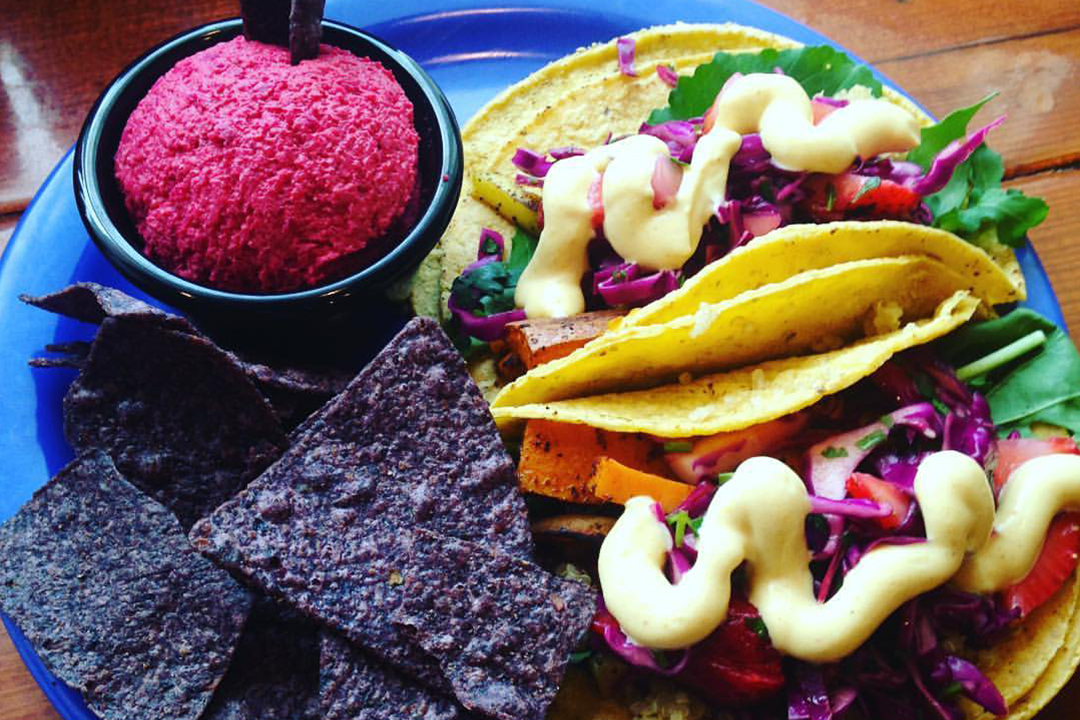
Chef Ryan Toll, of The Wild Cow, shares his vegan-friendly recipe with us for Sweet Potato and Black Beans Tacos. Whip this up quickly for tonight!
Chef de Cuisine, Ilde Ferrer, of Essensia at The Palms Hotel & Spa in Miami, FL, shares a delicious Butter Poached Floridian Lobster recipe with Living Healthy.
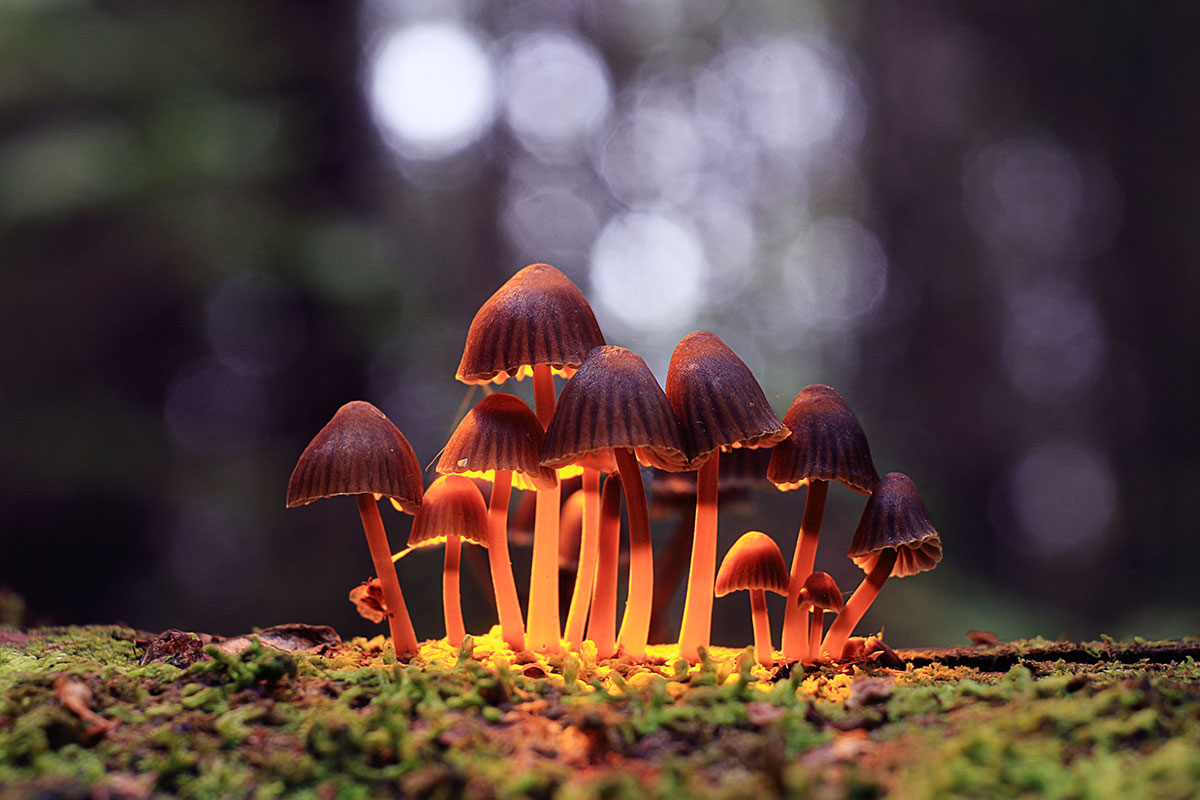

MUSHROOMS can be deadly! They have gills but aren’t fish (obviously), they aren’t vegetables and can hardly be considered “plants” – without roots, leaves, flowers or seeds. What are they, then? They’re part of the fungi kingdom. Don’t worry, culinary mushrooms from the produce aisle in grocery stores are cultivated and safe to consume1, unlike some of the wild mushrooms picked up during foraging. Here are three reasons why you shouldn’t avoid the mysterious living organisms known as mushrooms:
Mushrooms contribute to a plant-based diet high in nutrients2, though content varies based on mushroom variety. They are low in fat and calories, high in carbohydrates, fiber, protein3 (by calories), B vitamins, phosphorus, potassium, as well as magnesium, selenium, copper, and Vitamin D. Mushrooms are the only “plant” that provides a natural source of vitamin D, from the conversion of ergosterol to D2 or D4 when exposed to ultraviolet light (look for “UV-treated” on the label). Shiitake and morel varieties naturally contain more vitamin D than other mushrooms typically consumed by Americans4. To offer protein equal to that from an ounce of meat, it takes about two cups of white button mushrooms – a significant quantity that contributes to fullness and decreased hunger but provides only 42 calories.
Though hundreds of mushrooms have medicinal and disease-fighting properties1,3, Japanese varieties notably contain the most phytochemicals (naturally occurring plant chemicals)2. Oyster mushrooms contain antioxidants such as selenium and L-ergothioneine, which provide protection to cells against free radical damage2. These compounds are fortunately resistant to cooking2. King trumpet (aka. king oyster) also contains statins shown to reduce blood lipids2.
Additionally, white and brown beech, shiitake and maitake mushrooms contain beta-glucan fiber2 which may help lower insulin resistance, blood cholesterol, and risk of obesity5. Mushroom beta-glucans may not affect glucose absorption, but they could decrease the glycemic response by up to 25%5. Portobellos can lower glycemic responses when consumed with food1. Japanese studies of isolated beta-glucans from mushrooms show promise to boost the immune response to fight cancer cells3,5 and may help prevent the recurrence of hormone-dependent breast cancers1,3.

Mushrooms offer umami, the 5th basic taste after sweet, salty, bitter and sour. The darker the mushroom the more umami it contains, and cooking intensifies this flavor1,2. Mushrooms are known for their unique earthy flavor and chewy, meaty texture1. White button mushrooms are milder than their darker counterparts, crimini (aka “baby bellas”) which are immature portobello mushrooms3. Dried versions of most types have super-concentrated flavor and make great additions to soups, sauces, and stocks.
Mushrooms are great for trimming meat in dishes or used as a stand-out ingredient in stir-fries (shiitake best) or raw salads (enoki best)1. For those who have a palate issue with them on their own, finely dicing mushrooms to match the consistency of meat then blending into traditional recipes alongside ground meat, makes them more tolerable1. To cut back on meat you can use finely diced mushrooms as replacement for half the ground beef in tacos, lasagna, meatballs/loaves, burgers, and pasta sauce1.
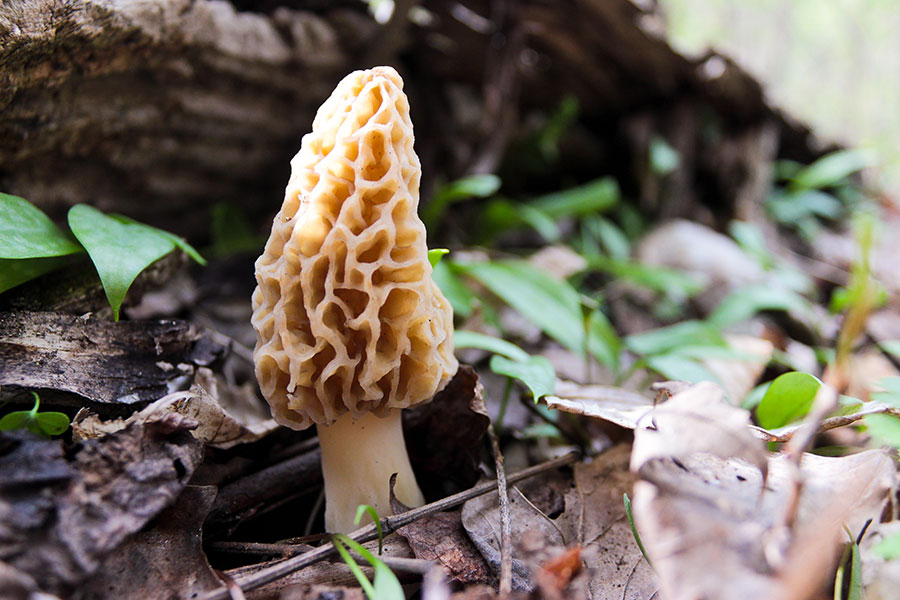


MYCOPROTEIN is a mold member of the fungi family. Wait, what? We are told to avoid mold on foods because it is dangerous! Approved in 2001 by the FDA as a Generally Recognized As Safe (GRAS) food, mycoprotein is grown in large fermentation vats. Mycologists have studied the safety of the mold strain used and determined it produces an almost undetectable less than 0.5 parts per million mycotoxins in production6.
Mycoprotein is high in fiber and protein (12% protein by weight) and contains all essential amino acids in concentrations similar to egg6. Due to its stringy nature, it is predominantly used as a meat substitute, though modified mycoprotein can also be used as a fat replacer in dairy products or as a grain replacement in cereals.
As with all foods, some people may be intolerant or allergic (rare) to mycoprotein. Such cases have prompted the nonprofit Center for Science in the Public Interest to request that the FDA revoke mycoprotein’s GRAS status. If you are looking for a non-soy, non-dairy vegetarian protein source then you might consider mycoprotein. On the other hand, if you are looking for natural ‘clean’ foods, then these highly engineered mycoprotein products are not for you.
In summary, there are benefits to mushrooms including some that other plants can’t provide, while mycoprotein’s only value seems to be as a meat replacer. Now that you’re armed with details about each, don’t let edible fungi haunt you!
References:


The gills on the underside of portobello caps have an unpleasant chalkiness and, therefore, should be scraped away with a spoon before grilling. Olives and feta cheese tend to be salty so keep that in mind when seasoning to taste.
Serves 4 as a side dish
Nutrient Analysis per serving: Calories: 180; Total fat: 13 g; Sat fat: 3 g; Cholesterol: 5 mg; Sodium: 470 mg; Total carbohydrate: 11 g; Dietary fiber: 2 g; Sugars: 6 g; Protein: 7 g
Recipe Credit: Mushrooms — A Unique Ingredient Taken From Forest Floor to Kitchen Door. Bryan Roof. Today’s Dietitian, Aug 2012; 14(8); 74
Most comfort foods we turn to are heavily laden with fat, starch and calories. There are healthier ways to enjoy down-home classics by making a few tweaks.
If you’re a parent, it’s likely you have some picky eaters on your hands. Our Registered Dietician, Debbie James, gives you the scoop on healthy eating for your kids and teens.
Debbie James, RDN, helps answer a reader’s question on breakfast and working out.