Warm Comfort Foods Made Healthy(ish)
Most comfort foods we turn to are heavily laden with fat, starch and calories. There are healthier ways to enjoy down-home classics by making a few tweaks.

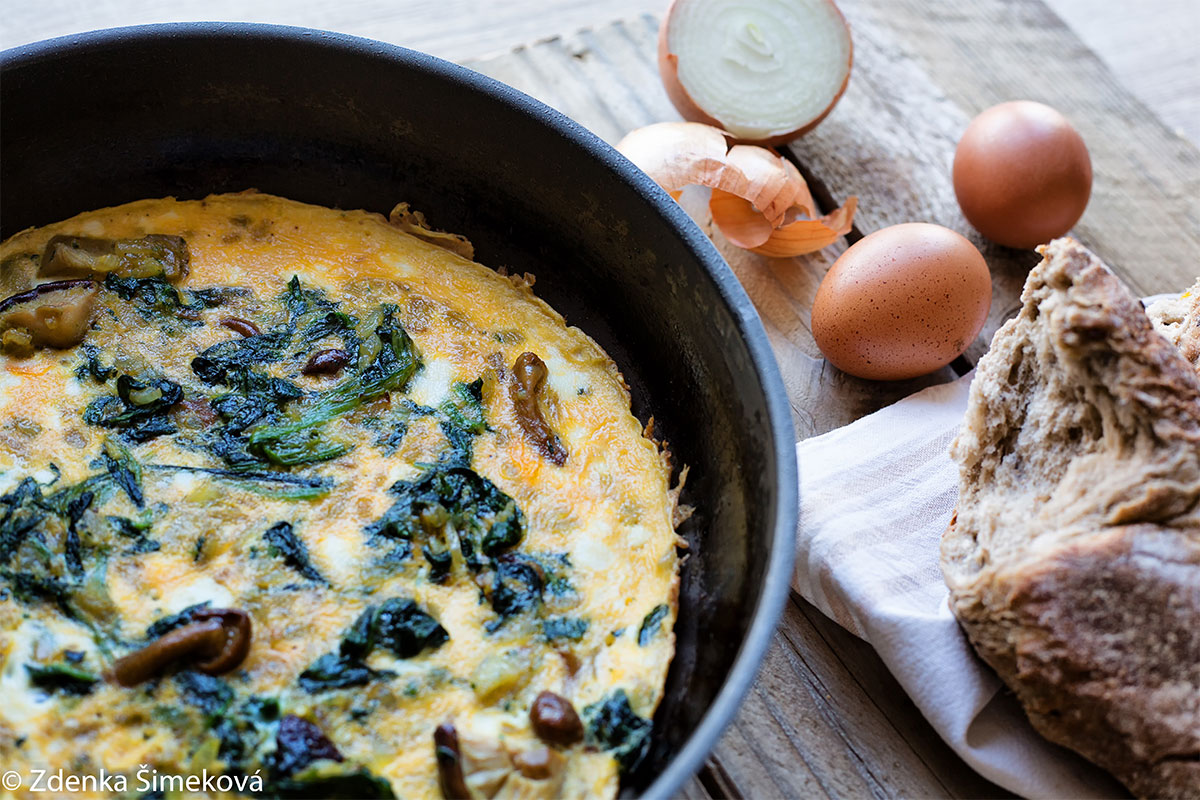

Hi. I am trying to lose weight. Could you please give me examples of 4 ounces of protein and 1 ounce of green vegetables? Grilled chicken and broccoli every day isn’t appealing long term. Also, what would some snacks with 15 grams of protein be? Thanks.
– Mike S.

Here are some examples per your request:
| Protein equivalent to 4 oz meat/poultry | Green Vegetable | Snacks | |
| 1 can of chili beans + 1 oz. cheese | peppers (+onion, tomato) | ½ C. hummus, crudités, pita chips | |
| 2 eggs + 4 whites | spinach (+mushroom) | ½ C. cottage cheese (+pineapple) | |
| 8 oz. plain Greek yogurt | cucumber salad (+onion, tomato) | 2 Tbsp. peanut butter, celery, raisins | |
| salmon or halibut | asparagus (+garlic) | 1.5 oz. jerky (+watermelon) | |
| ahi tuna | mixed salad greens (+avocado) | ½ C. tuna salad (+crackers) | |
| pork tenderloin | green beans (+red pepper) | 1.5 oz. [50 gm] zone-type bar | |
| beef eye of round | zucchini (+ cherry tomato) | 2 oz. [1/2 C.] almonds (+apple) | |
| chicken breast | kale slaw (+cabbage, carrot) | small bean & cheese burrito | |
| turkey breast | Brussel sprouts | hard cooked egg + 3 C. popcorn |
– Debbie J., MS, RD
This article should not replace any exercise program or restrictions, any dietary supplements or restrictions, or any other medical recommendations from your primary care physician. Before starting any exercise program or diet, make sure it is approved by your doctor.
Some questions have been edited for length and/or clarity.
 Have a nutrition question? Our registered dietitian is ready to help!
Email nutrition@lafitness.com or submit your question below and it may be featured in an upcoming article!
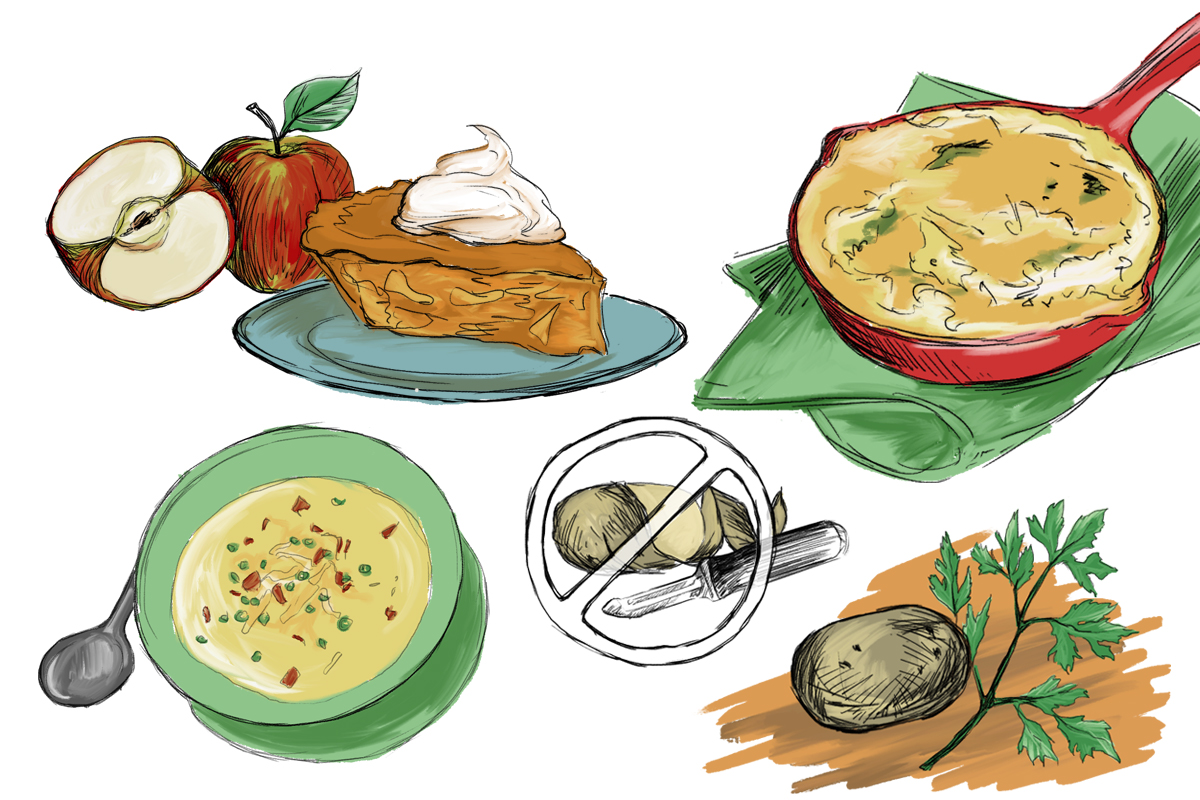
Most comfort foods we turn to are heavily laden with fat, starch and calories. There are healthier ways to enjoy down-home classics by making a few tweaks.

If you’re a parent, it’s likely you have some picky eaters on your hands. Our Registered Dietician, Debbie James, gives you the scoop on healthy eating for your kids and teens.
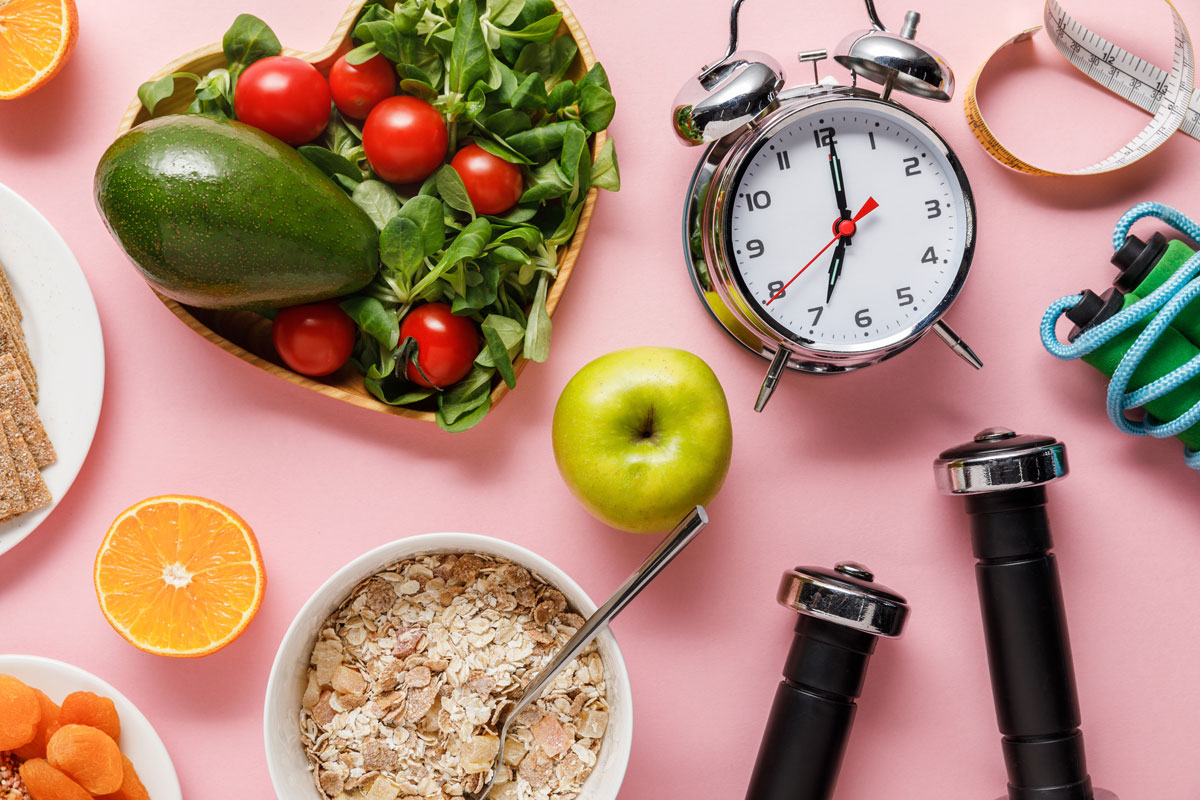
Debbie James, RDN, helps answer a reader’s question on breakfast and working out.
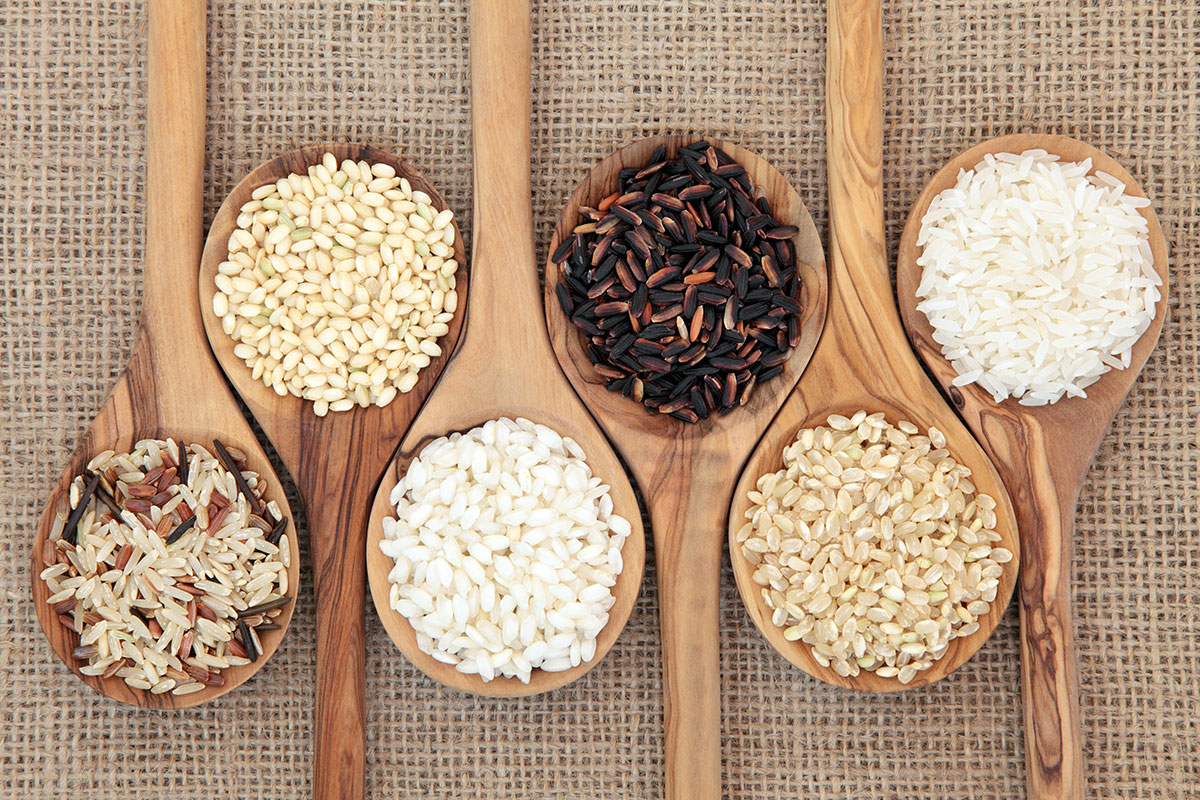
Which rice do you think is the best for all around nutrition, whether you are trying to gain mass or lose weight?
– Allen C.
A particular food’s nutritional value can be interpreted many ways. What you consider to be most nutritious might be the most nutrient dense, highest calorie or healthiest (preventing disease) food. With respect to your question regarding weight change, a single food item plays a small part in an overall varied diet.
See our answer to a similar question last year: Brown Rice vs. White Rice – Which is Healthier? | Q+A
There are nearly 40,000 varieties of rice! My top picks for packing a nutrition punch are wild rice, brown rice, red rice and black rice. Their nutrient and phytochemical content varies as does their speed/completeness of digestion. Method of preparation can affect the starch breakdown and glycemic index, which play a role in satiety and therefore caloric intake. The less processed the better – I’d take fresh cooked white rice over a can of wild rice soup any day. Organically grown rice is less likely to have arsenic and would, therefore, be healthier, though it won’t affect weight directly.
Keep in mind the likelihood of cooking & incorporating these rice types into your preferred dishes and your willingness to try new recipes. If you don’t end up eating it, there is zero nutrition.
– Debbie J., MS, RD
This article should not replace any exercise program or restrictions, any dietary supplements or restrictions, or any other medical recommendations from your primary care physician. Before starting any exercise program or diet, make sure it is approved by your doctor.
Some questions have been edited for length and/or clarity.
Have a nutrition question? Our registered dietitian is ready to help!
Email nutrition@lafitness.com or submit your question below and it may be featured in an upcoming article!
Most comfort foods we turn to are heavily laden with fat, starch and calories. There are healthier ways to enjoy down-home classics by making a few tweaks.
If you’re a parent, it’s likely you have some picky eaters on your hands. Our Registered Dietician, Debbie James, gives you the scoop on healthy eating for your kids and teens.
Debbie James, RDN, helps answer a reader’s question on breakfast and working out.


Photo credit: Katherine Parske
If you think Italian cooking is only carb and calorie loaded, think again. We spoke with Chris Disney, Director of Operations for Picazzo’s Healthy Italian Kitchen and learned a thing or two about how healthy eating doesn’t have to mean sacrificing flavor or enjoyment of your meal. Check out the QA with Chris below and then make Picazzo’s delicious Chocolate Avocado Mousse recipe for dessert tonight!
Q: Italian food is known for being very carb-heavy. While this isn’t necessarily a bad thing, a lot of our readers are looking for ways to work on their nutrition to become their best healthy (and fit) selves – what makes the food at Picazzo’s so healthy?
Chris Disney: Healthy is such a broad term- for some of our guests, it means a gluten-free diet, while for others it means following a vegan diet or just eating “clean” foods. For us, it is offering something for each specific diet where our guests can be confident knowing that they are not filling their bodies with hormones, antibiotics, pesticides, genetically modified organisms or artificial preservatives. We have many guests that have food allergies, digestive problems, cancers, diabetes and many other struggles or have made conscious decisions to live a vegan lifestyle and we offer these individuals a dining experience with choices that fit their specific needs. For example, we offer 99% of our menu gluten-free, while offering a completely separate vegan menu that has over 40 different menu items available.
Q: What are some of your favorite ingredients to work with? Why those?
CD: I actually like root vegetables a lot. They are so versatile; they can be braised, roasted, grilled or baked. They can be served hot or cold and they hold up very well. Right now our menu has an herb-roasted sweet potato that is great and we are also adding golden beets into the mix very soon. I also really like using fresh herbs- cilantro, rosemary, thyme, basil- they all have such flavor and aroma and bring a freshness to any recipe.
Q: On your website, you define what a “healthitarian” is, would you mind sharing with our readers?
CD: We have so many guests with different dietary needs from eating gluten-free to vegan to organic. The one thing they all have in common is that they all focus on their health in one way or another, so we decided to define what that meant and become ambassadors of the movement to live, eat and be healthy. Our definition of what a Healthitarian is, is:
HEALTH • I • TAR • I • AN
/helth-ə-ˈter-ē-ən/
[noun]
Q: What are the “Dirty Dozen” and “Clean 15”?
CD: The Dirty Dozen and Clean 15 is a produce list that outlines the 12 most pesticide-heavy fruits and vegetables as well as the fruits and vegetables that are considered to be the cleanest. Generally, the items that are more porous and exposed will absorb the most pesticides, while items that have rinds or natural barriers give the flesh protection from absorbing large amounts of pesticides. This guideline is helpful to those who want to avoid conventional produce but may not want to pay a higher premium or cannot obtain 100% organic items.
Q: How does balancing a healthy diet and healthy lifestyle impact your way of life?
CD: Balancing a healthy diet and lifestyle is important for me since I am always on the go. I oversee 5 restaurants and my wife and I have three young kids that are 5, 3 and 8 months old so it becomes difficult to sit down and eat a healthy prepared meal, especially on a regular schedule, for all meal periods. In the restaurants, you are constantly taste-testing your product and don’t realize how much grazing you do in just quality checks. I have to be conscious and plan ahead about my choices to avoid the “auto-pilot” of eating whatever is convenient and instead, plan on having healthier snacks available like a banana, granola, yogurt or simply grape tomatoes. It is the same way with physical activity- it has to be planned and prioritized for it to happen.
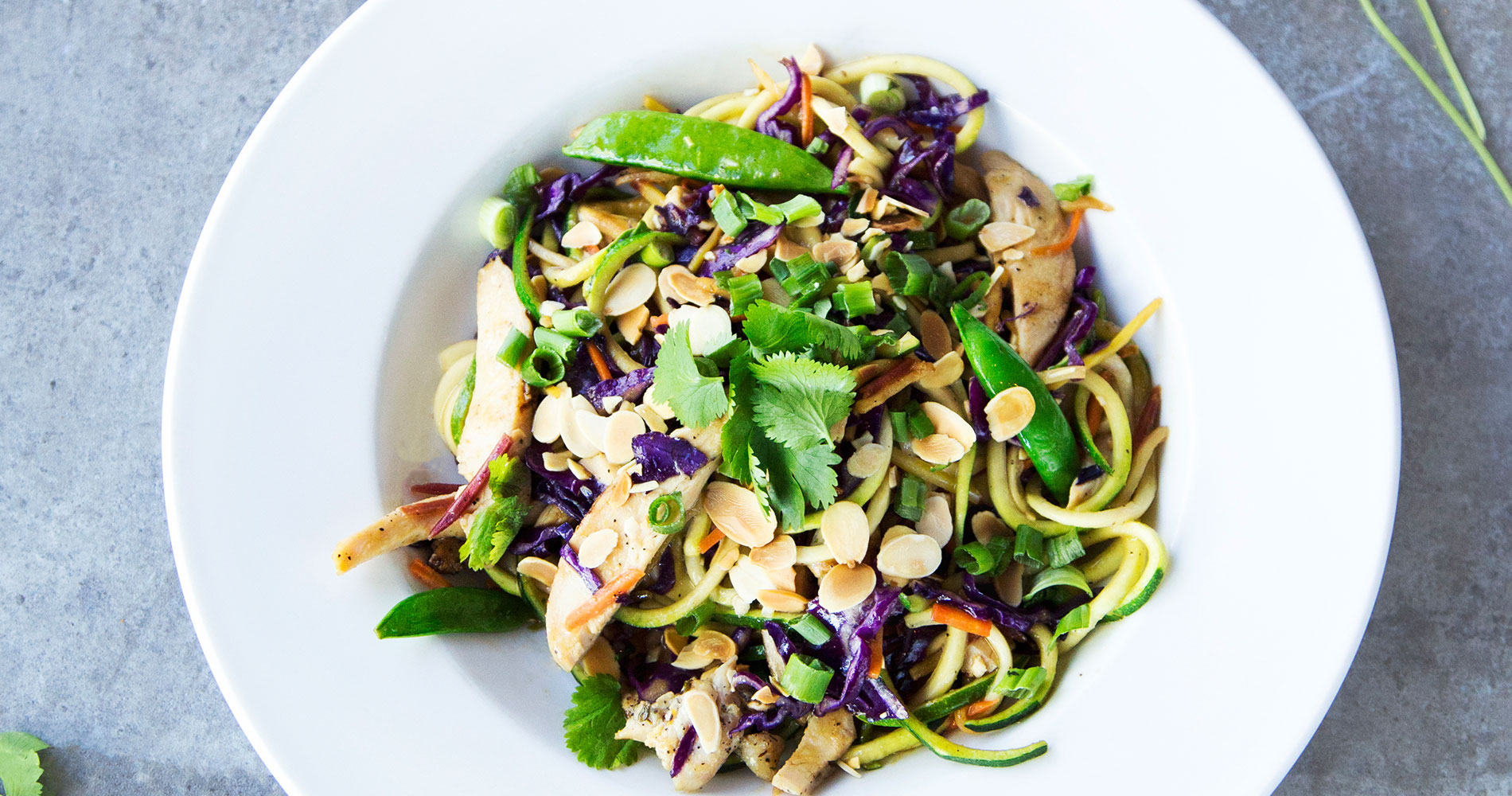


Photography by: Katherine Parske
Picazzo’s is located at the following locations:
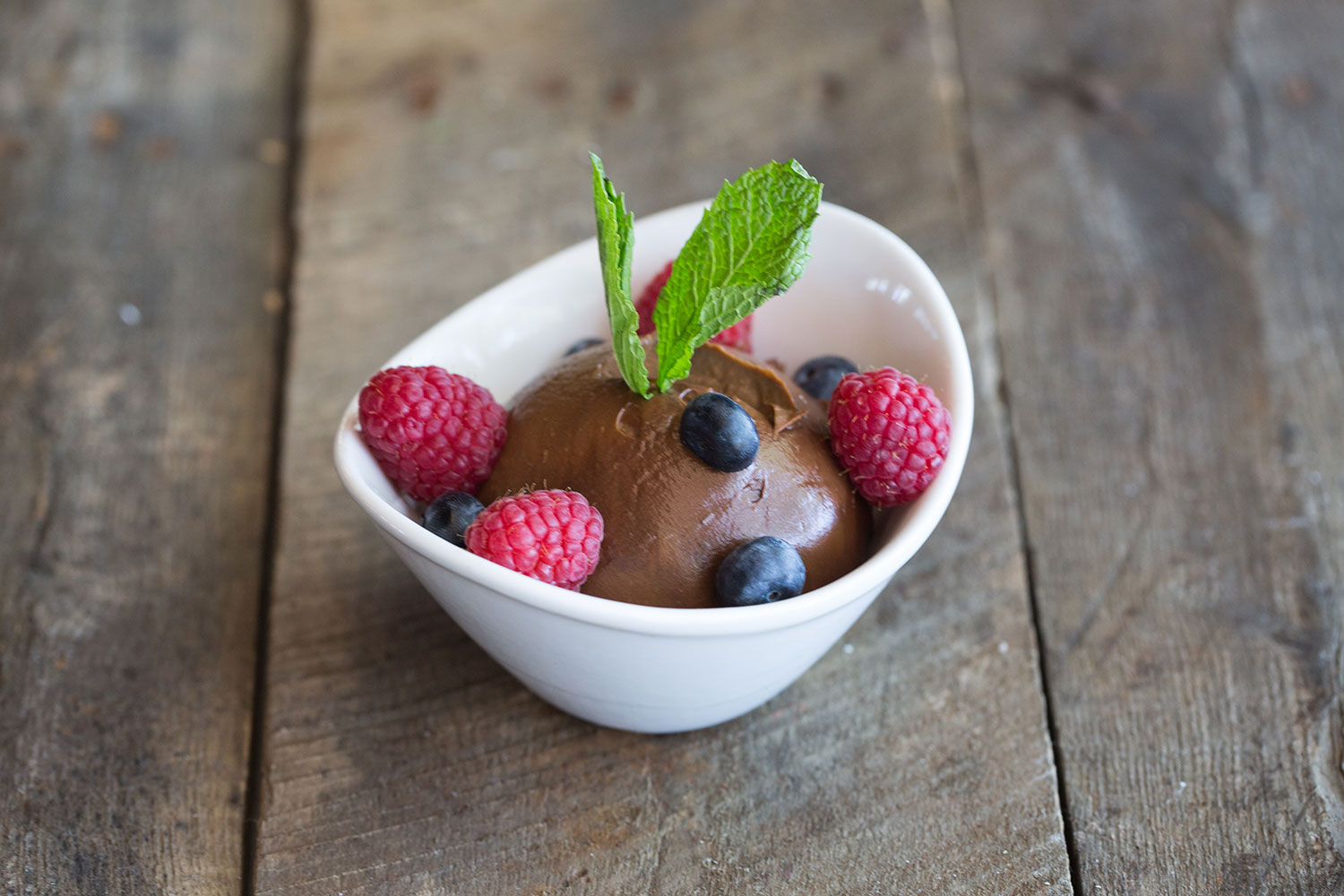
Photo credit: Grace Stufkosky
Step 1: Blend all ingredients in a food processor (or traditional/immersion blenders will work too) until a smooth and creamy texture is present.
Step 2: Enjoy.
Featured Recipes
Award-winning Chef, Danny Grant of Chicago’s etta, shares a light and healthy recipe you can easily whip up just in time for your next summer potluck!
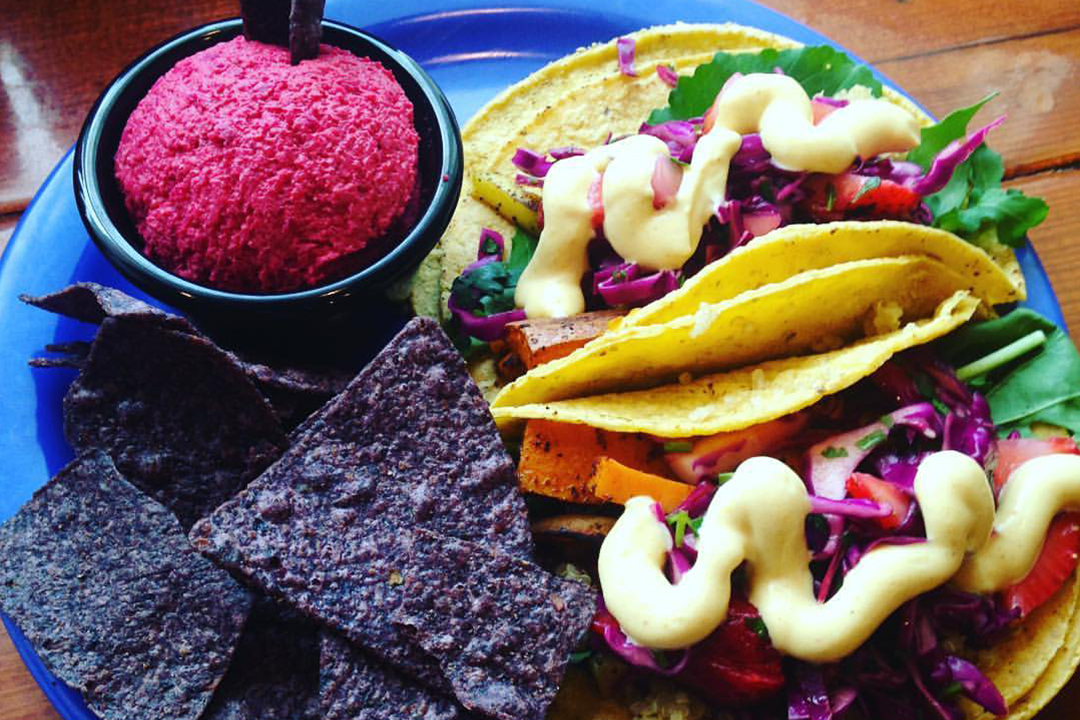
Chef Ryan Toll, of The Wild Cow, shares his vegan-friendly recipe with us for Sweet Potato and Black Beans Tacos. Whip this up quickly for tonight!
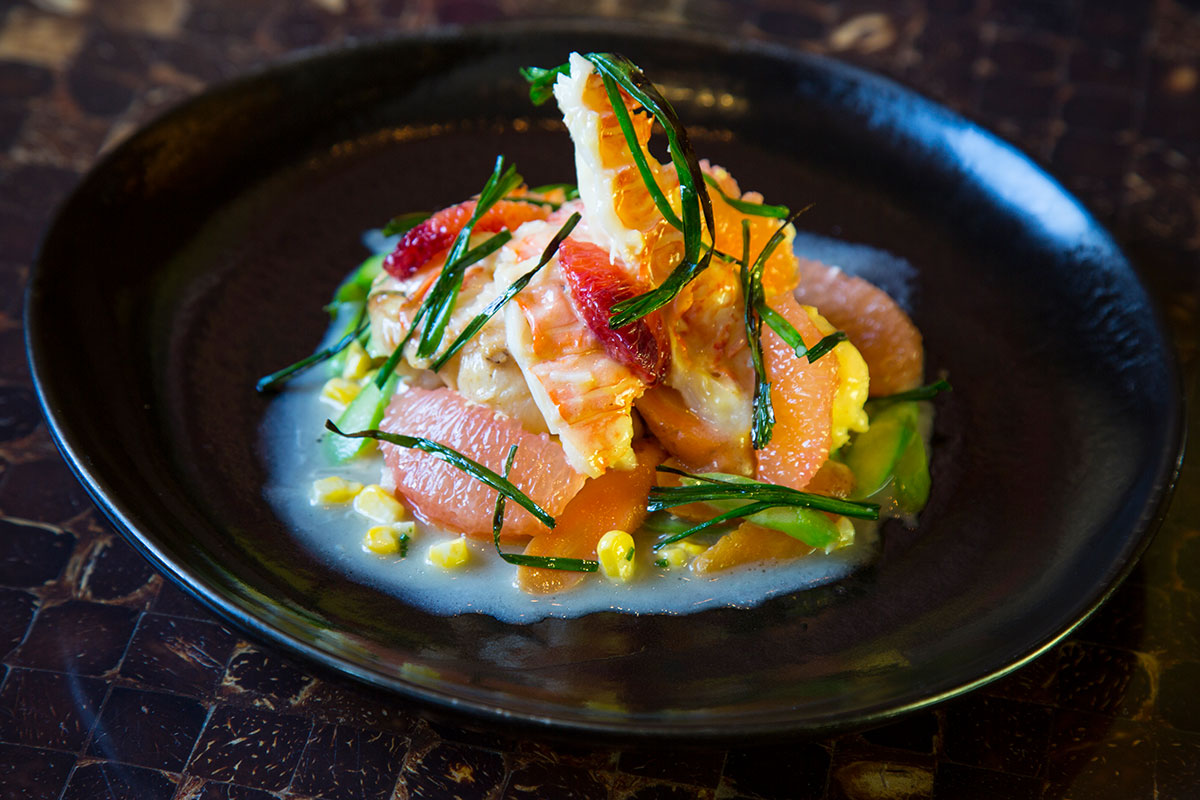
Chef de Cuisine, Ilde Ferrer, of Essensia at The Palms Hotel & Spa in Miami, FL, shares a delicious Butter Poached Floridian Lobster recipe with Living Healthy.

Imagine your life as a movie, with you as the star and the choices you make ultimately determine the closing credits. That’s what life is after all, right? It’s made up of decisions you ultimately choose. You’re the star of the show, and your friends and family are there cheering you on for success.
But every great movie has its antagonist(s), the bad guy, the something or someone holding you back from reaching your ultimate goal. This may seem scary, but guess what this makes you? The protagonist! The leading character in your own narrative. You’re the hero, the one who determines the acts of your life.
So, ask yourself this – what choices am I going to make today that will write the next page of my life’s story?
Your best life will not be without its challenges, and in order to face these obstacles head-on, it’s important to remember that having the right physical and mental mindset is of the utmost importance.
Villains come in many forms. Today, our focus is on nutrition killers. Cue the menacing music, shut the blinds, and listen closely, because knowing what to look out for just might save your life.

For decades, breakfast has been hailed as the most important meal of the day, so shouldn’t something as instrumental in laying the groundwork for the rest of the day’s progress be given adequate attention? Even superheroes need their superfoods and we’re here to let you know of some of the seemingly healthy breakfast options that are secretly wolves in sheep clothing.
Cereal and Granola
Seamlessly innocent but loaded with sugar. Even options labeled as ‘high-fiber’ or ‘whole grain’ doesn’t discount the fact that most morning cereals and granola aren’t as healthy as they let on. For those who are gluten intolerant, watch out for inflammation trouble and skin breakouts. Sugar can also have this effect on the body. Not to mention spiking blood sugar levels and leaving you feeling sluggish after the sugar rush wears off. Think of overly processed and high sugar meals as your body’s kryptonite.


Healthier Alternative: Try an apple with some peanut butter and a handful of almonds instead. The apple will help give your body a healthy dose of energy from its naturally occurring sugar, and peanut butter and almonds add protein. Thirsty? Keep those bones strong with a glass of calcium-rich milk (or almond milk if you’re lactose intolerant). Now you’re ready to take on the day!
The allure of hot golden crisp French fries, the crunch of salty potato chips… the thought alone is drool-worthy, but at what cost?
Chips, Fries & Popcorn
Calling out all chips – blue corn chips, veggie chips, multi-grain chips, and baked potato chips! Much like ice cream or other indulgent snacks, they seem to always be there in a time of need. The cravings for sweet and salty snacks is common for most, but can easily be replaced with healthier alternatives that provide that sweet or salty fix we’re craving (see below!)
The trouble is that most chips contain trans fats that can increase cholesterol levels, leading to an increase in coronary heart disease. If you’re thinking blue corn chips, multigrain chips, veggie chips or otherwise are healthier for you, we hate to burst your bubble, but they’re not. Calorie, fat and sodium counts are still going to be at elevated levels and lacking the true nutrition your body needs to stay properly fueled.
Fries, along with other fried foods, are oftentimes cooked in harmful oils and trans fats. When foods are baked or fried at high temperatures, a carcinogen called acrylamide is produced, which has been shown to increase cancer risk in mice. However, more studies need to be done on how this carcinogen affects humans.1 Our suggestion? It’s probably best to steer clear of greasy fried foods.
Sadly, microwaved popcorn is also another ostensibly healthy snack that actually isn’t so healthy. There are three main culprits that cause this: 1) carcinogens (there’s that word again), otherwise thought of as cancer-causing free radicals; 2) perfluorochemicals (PFCs) which help make the bags more greaseproof and also have been linked to thyroid disease, ADHD, and other illnesses, and lastly; 3) diacetyl, another cancer-causing chemical (found in the artificial fats).
Phew. That’s a lot of health negatives, not to mention the excessive amounts of sodium! Pop your own kernels to negate a lot of these issues.


Healthier Alternative: If you’re craving something sweet to snack on, make your own yogurt parfait with Greek yogurt, fresh fruit, nuts, and cacao! Looking for something more on the salty side? Try olives with cheese, pickles or whole wheat crackers topped with cottage cheese or a mixed olive spread!
Life gets busy, days fly by, and sometimes it feels like there aren’t enough hours in the day to focus on healthy eating. This is normally when fast food seems like the quickest and easiest option when rushing around to get things done – but don’t take the easy option! Remember, you’re the hero of your life’s movie and heroes never take the easy way.
“Healthy” Fast Foods
Let’s break it down. Sure, fast food burgers are generally assumed to be unhealthy, and for those looking to lower their caloric intake or choose a healthier option, they may turn instead to a fast food salad, veggie burger, veggie pizza, veggie omelet, turkey burger, or grilled portabella sandwich instead (just to name a few). These are not always a better choice.
These marketed “healthier options” are usually pre-made, cooked in oils or butter, and can contain “hidden” calories found in added dressings, toppings or seasonings they are prepared with. There are ways, however, to help combat these issues. Ask for dressings on the side, have your meal prepared without butter or salt, and ask to have your burger or sandwich made protein-style (wrapped in lettuce without a bun).
Plot Twist: The drive-through isn’t your only enemy.

It’s important to note that this includes fast frozen dinners and sometimes canned products too. Yes, the grocery store does have its version of “drive-through” foods. Frozen diet dinners are usually packed with preservatives, loaded with sodium and contain few veggies. Have you ever wondered why a frozen meal just doesn’t quite taste as good as a home-cooked meal? That’s because it’s not fresh.
Canned products like soups and beans can seem healthy, but we think you’re noticing a theme here… beware of these seemingly healthy products! When shopping always read the ingredients list to check for sodium, sugar, and carbs, and take into consideration the serving size. A product may seem healthy, but if it contains 3 servings and you eat the entire thing you have to remember to multiply the nutrition facts by three (as an example).
A word to the wise, good things take time.
Healthier Alternative: Make your own “fast foods” at home! Sunday night meal prep means you can make your foods in advance, pay attention to what you’re putting into your dishes, and then pre-package (or even freeze) your meals ahead of time for the rest of the week. Less money spent on eating out, a healthier body, and the proud accomplishment that comes with making a smarter choice. You go, you.
Fruit is healthy, right? Right? Not always. Fruit juices, dried fruit, smoothies, fruit cocktail, and fruit snacks can be loaded with added sugars! Seems strange, doesn’t it? Fruit is already naturally sweet so why add even more sugar? Too much sugar can lead to a countless number of diseases, obesity, cardiovascular disease and diabetes.
When fruits are taken out of their original states, a lot of times this means what you’re eating or drinking doesn’t have the same nutritional value as eating the fruit whole on its own. Dried fruits usually have added ingredients to help with self-life and spoilage. Fruit juices are often not even 100% fruit juice and can contain artificial flavors and added sugars.
Smoothies are tricky because they can be healthy if made yourself at home and with the right healthy ingredients, but if purchased elsewhere, they can often be loaded with unhealthy base ingredients and again, added sugars. Fruit cocktails are kept in a sugary syrup that does nothing good for the body and fruit snacks pale in comparison to eating the real thing.
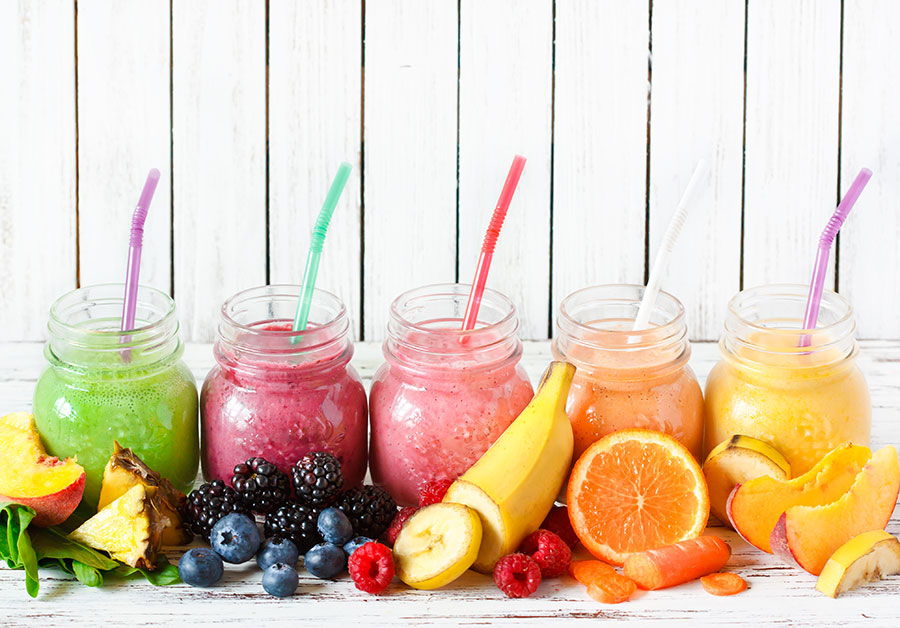
Healthier Alternative:
Breads get a bad rap. Are they really bad for you? Yes and no. What is bad for you are the breads that add no real nutritional value to your diet or the breads that add way too many calories to your meal.
Wraps and Croutons
There is no lack of the types of tortilla wraps you can choose from. From sun-dried tomato, to spinach, to whole wheat, they seem healthy but depending on their size, added proteins, fillers, and sauces, your calorie count can easily exceed a healthy value.
As for croutons, they may seem small and harmless but they offer no added nutritional benefit for the body. It’s an easy way to add on calories to otherwise healthy salads. If you’re missing the crunch they bring to the dish, try swapping them out for nuts or crunchy veggies instead.

Healthier Alternative: If you don’t want to completely give up your relationship with bread, try opting for 100% whole wheat sandwich thins or use cracks instead. Another option is to use smaller tortillas for wraps and save yourself the extra calories, or you can always split your sandwich or wrap in half and enjoy the rest later!
Sports drinks, energy drinks, diet drinks, tea drinks, flavored soymilk, protein shakes, and sodas – all of these are not water and not the greatest for you.
Sports drinks are mainly a combination of water (good), electrolytes (not bad) and sugar (yikes). For athletes performing high-intensity training, they might benefit from the electrolytes and sugar to help replenish the sodium and sugars they’ve depleted during their workout. However, most people do not need these types of drinks and are best to replenish with all-natural water instead.
Energy drinks should be a definite no-go. Most energy drinks on the market are not FDA approved because they are marketed as dietary supplements, rather than a conventional food or beverage which fall under the authority of the FDA. Without knowing exactly how these drinks are affecting your body, or the ingredients in them, again opt for water instead. It’s the one thing your body absolutely needs after a major sweat-sesh.

Diet sodas and regular sodas are usually made up of artificial ingredients, flavorings, and high levels of sodium. Even drinks that boost about zero calories, zero sugar, and zero sodium should still raise a red flag. Diet drinks use alternative sweeteners that could do long-term damage on the body. Drinkers of diet sodas have also been found to eat more calories after consuming a diet beverage2.
Good news! Tea drinks can be healthy! It’s the tea beverages with added sugars, sodium and artificial flavorings that are the ones to stay away from.
Sugar seems to be the reoccurring theme of what makes certain beverages less than ideal. For example, flavored soymilk can contain so much added sugar that it acts as more of a dessert than a regular everyday drink. Opt for original soymilk if you prefer it over whole milk. Regular soy milk can help provide the body with protein and potassium and be low in cholesterol.3
Take caution with protein shakes. While protein is essential to helping build muscle and keeps our bodies strong, the wrong type of protein drink could be highly processed and filled with sugar. Make sure you know exactly what ingredients you’re consuming before mixing up your next protein shake!
Breads get a bad rap. Are they really bad for you? Yes and no. What is bad for you are the breads that add no real nutritional value to your diet or the breads that add way too many calories to your meal.
Healthier Alternative: The healthiest option is always water. Our bodies need it to live. If regular water gets too boring for you, try infusing it with cucumber or orange slices. There are also carbonated flavored waters on the market which can help satisfy if it’s the fizz you’re missing.
Light salad dressings, flavored fat-free yogurts, low-fat muffins, reduced-fat peanut butter – they all sound great but don’t let their labels deceive you. Many times, when the fat is pulled out of a product that means a less healthy alternative is being added in its place to make up for the lack of flavor. This could mean you end up eating chemicals, artificial sweeteners and excess amounts of sugar or sodium that your body doesn’t need.
Even gluten-free or organic labeled food items can be unhealthy if they are junk foods. Sorry – there is just no way to make those tasty cheats healthy, even if they are gluten-free or all organic (sigh).
Margarine also falls into this category because contrary to popular belief, it’s not all that healthy. Marketed as cholesterol-free and as a healthy alternative to butter, it’s actually much higher in trans-fat compared to butter, which can elevate cholesterol levels and do damage to blood vessel walls.4 If you’re looking to stay away from both butter and margarine, try supplementing with olive oil instead.
Breads get a bad rap. Are they really bad for you? Yes and no. What is bad for you are the breads that add no real nutritional value to your diet or the breads that add way too many calories to your meal.
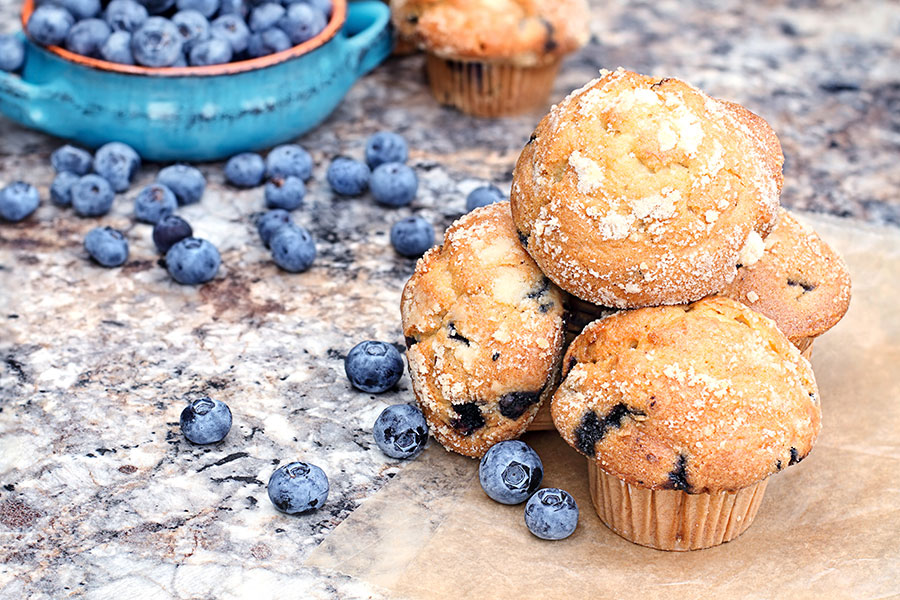
Healthier Alternative: Sometimes it’s OK to indulge in the all-natural, full-fat products. Our bodies do need a healthy balance of fats after all. Just make sure not to overdo it!
Sources:
Most comfort foods we turn to are heavily laden with fat, starch and calories. There are healthier ways to enjoy down-home classics by making a few tweaks.
If you’re a parent, it’s likely you have some picky eaters on your hands. Our Registered Dietician, Debbie James, gives you the scoop on healthy eating for your kids and teens.
Debbie James, RDN, helps answer a reader’s question on breakfast and working out.
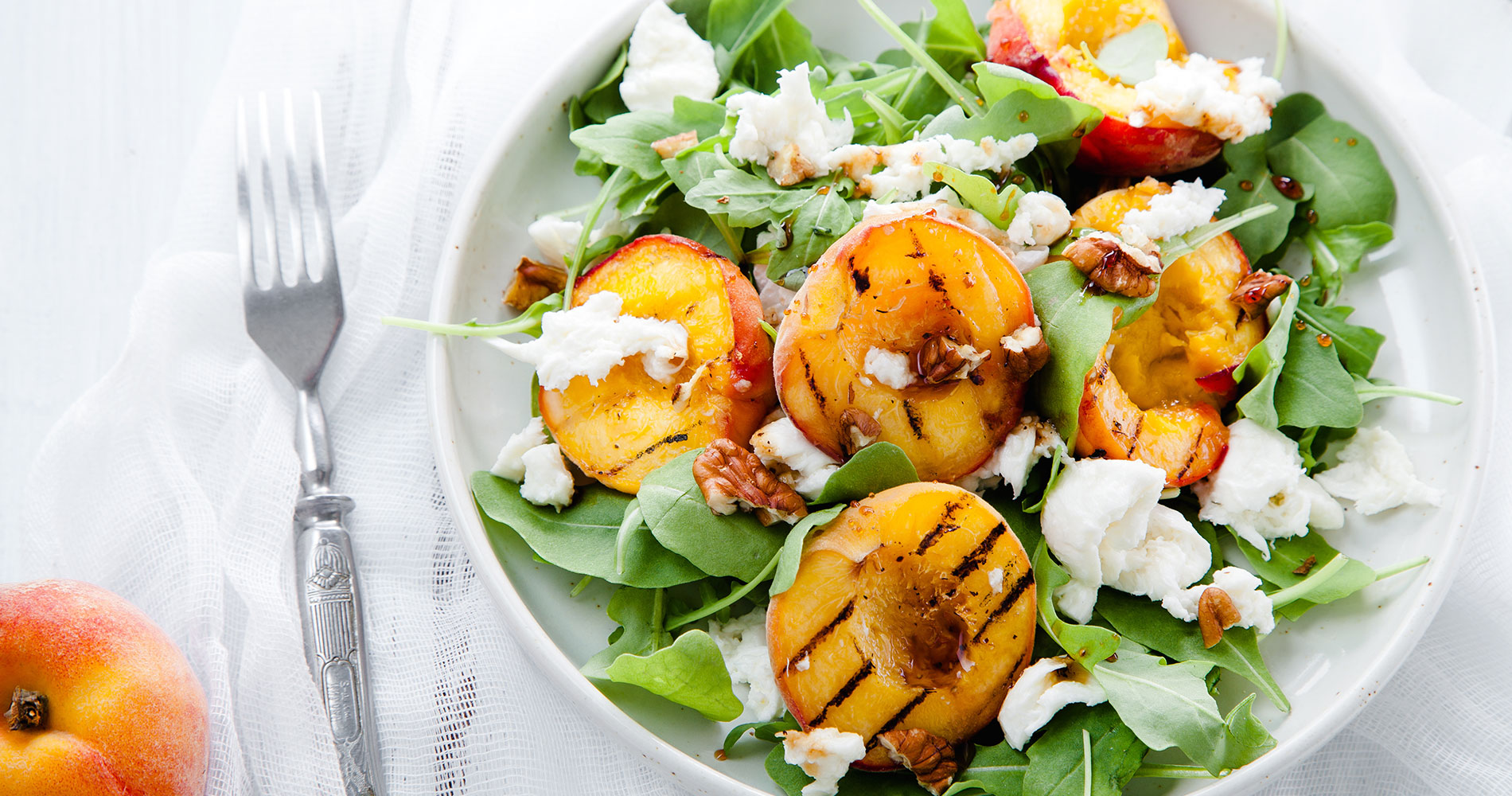
I am 54 and I am 6’3″ and weigh 365 pounds. I have been strength training for 4 months with the help of a trainer. I need some guidance as to what to eat to lose weight. My training has been building muscle and strength but not much weight loss. I don’t always have much flexibility for dinner in what my wife cooks but I do control breakfast and lunch. I wonder if I am eating too many carbs and not enough protein. I could use suggestions for healthy breakfast, lunch, and snacks.
– Tom O.
Given your anthropometrics, age and an assumed exercise routine of 2-3x per week, your anticipated energy needs for weight loss are in the range of 3,500-4,000 calories per day. That may seem like a lot, but it’s just as possible you are maintaining with more as it is you’re maintaining with fewer calories. Your calculated resting metabolic rate (RMR) is close to 2,600 calories and you should consume that amount at minimum daily. To start, I’d take the mid-point of about 3,000 calories (half way between RMR and lower range of total energy needs) to work with.
Saving 1/3 of that figure for your evening eating gives us 2,000 calories to work with. I’d suggest dividing that between 2 meals of 750 calories each and 2 snacks of 250 calories each. Your goal isn’t to count calories exactly, but to eat a volume of healthy foods that represent those amounts.
Here are some meals and snack suggestions for you:
750 Calories
Option #1
Option #2
Option #3
Option #4
250 Calories
Option #1
Option #2
Option #3
Option #4
– Debbie J., MS, RD
This article should not replace any exercise program or restrictions, any dietary supplements or restrictions, or any other medical recommendations from your primary care physician. Before starting any exercise program or diet, make sure it is approved by your doctor.
Some questions have been edited for length and/or clarity.
Have a nutrition question? Our registered dietitian is ready to help!
Email nutrition@lafitness.com or submit your question below and it may be featured in an upcoming article!
Most comfort foods we turn to are heavily laden with fat, starch and calories. There are healthier ways to enjoy down-home classics by making a few tweaks.
If you’re a parent, it’s likely you have some picky eaters on your hands. Our Registered Dietician, Debbie James, gives you the scoop on healthy eating for your kids and teens.
Debbie James, RDN, helps answer a reader’s question on breakfast and working out.