Nutritional Advice for Those with PCOS | Q+A

Nutritional Advice for Those with PCOS | Q+A

Question:

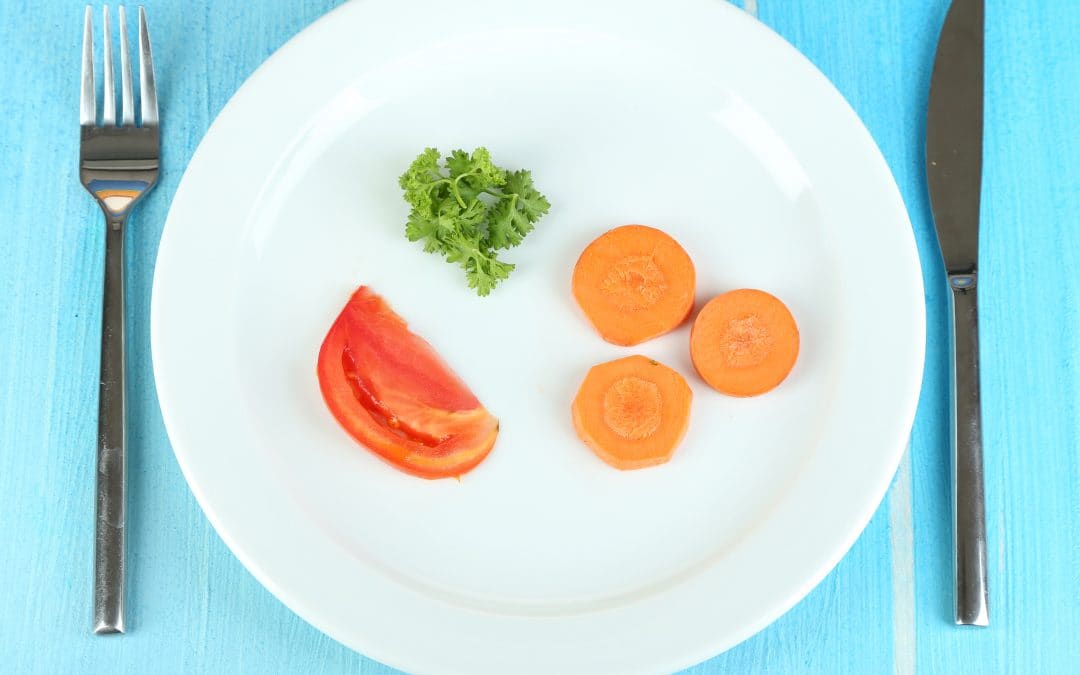
I have Polycystic Ovarian Syndrome (PCOS) and have issues losing weight. I am 5’5″ and currently weigh 210lbs. I am interested in knowing what types of food I should eat and what types I should avoid.

– Cali D.

Answer:

As you may know, polycystic ovary syndrome may not cause you to have elevated insulin blood sugar levels, but the hormone disorder is often related to this condition. Losing weight often helps improve PCOS.

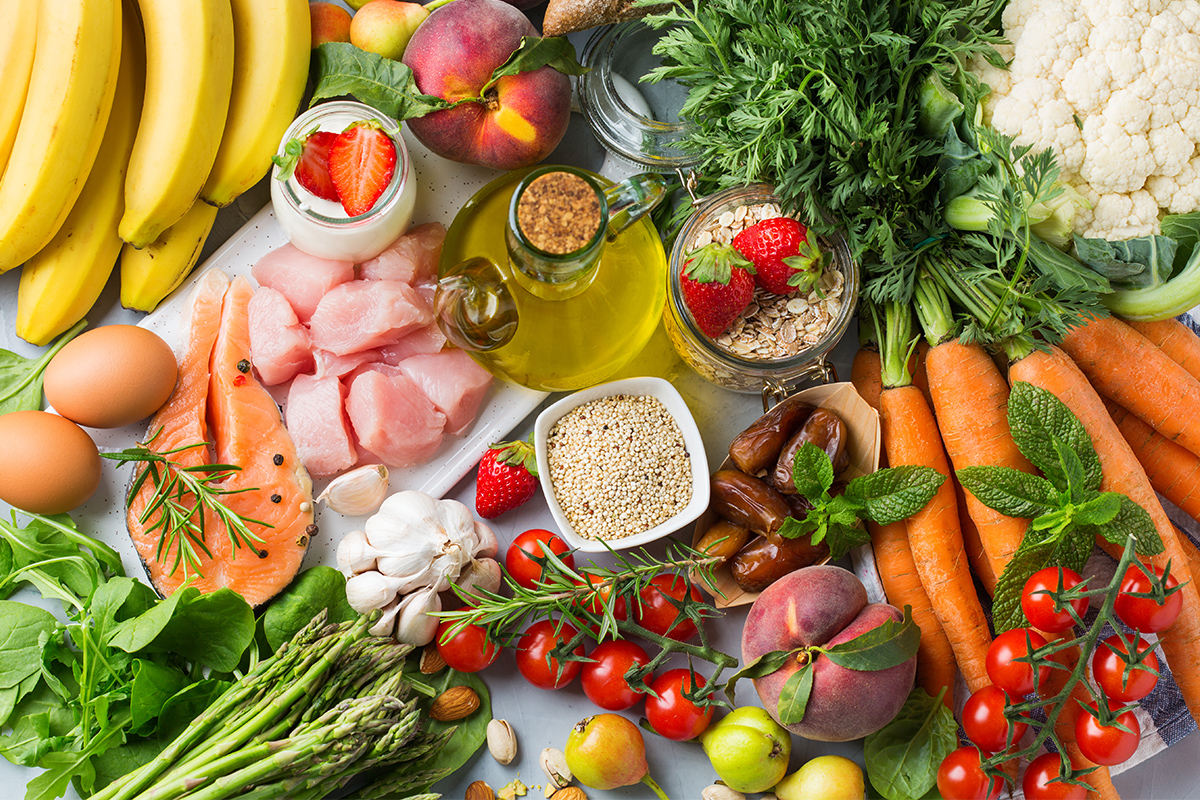
Sugars and refined starches (like white bread and pasta) should be managed. Keep them to a quarter of your plate. An example would be to have fajitas with only 2 corn tortillas, then eat the remainder with your fork. For stir-frys, opt for brown rice and have only 1 fork full for every 2 of meat and vegetables. Whole grains like oats, quinoa, wheat berries and corn on the cob are better choices than baked goods or processed potato products. For example, have oatmeal instead of waffles and fresh baked sweet potato instead of tater tots.

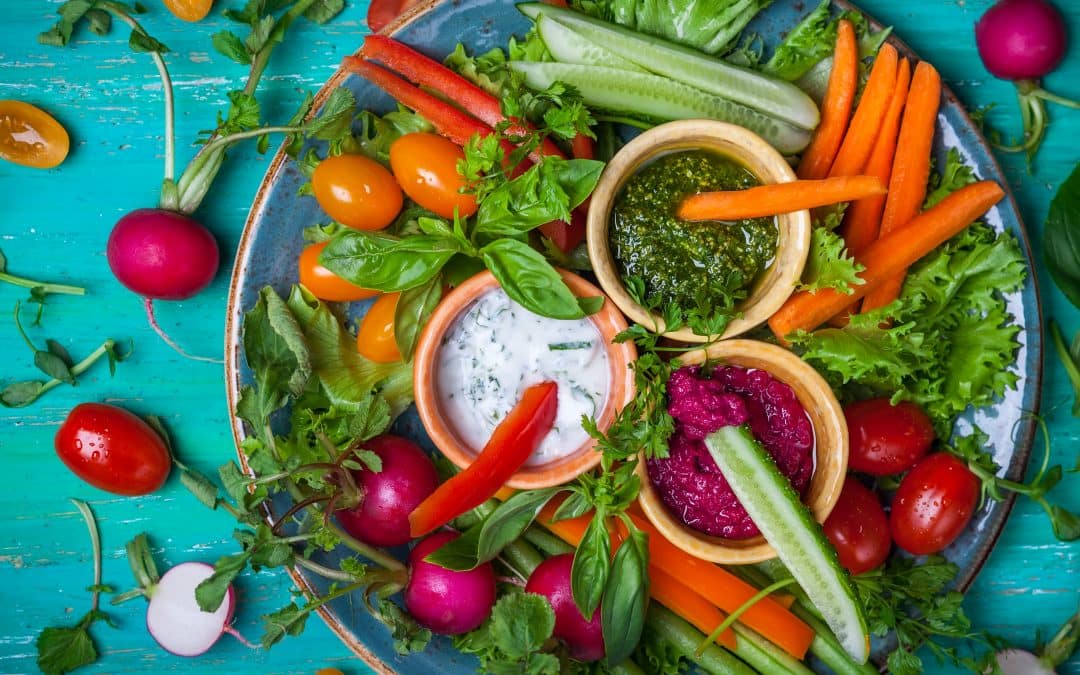
You can’t go wrong filling up on vegetables… aim for about half your plate every time you eat! The dense nutrients, low calories, high fiber and plant proteins in veggies can help with both insulin control and weight loss. In addition to typical meal sides, add veggies to breakfast (beet ginger smoothie, anyone?) and snacks (try homemade kale chips). Also include lean proteins, fruits, nuts, beans, and low-fat dairy to round out the remainder of your meals.

Your weight loss struggle is understandable. Besides focusing on the food choices above, pay attention to calories and when/why you eat. Only eat when truly hungry, stop when satisfied, and cleanse your palate to deter you from dessert/extras. Perhaps shift more of your intake to earlier in the day when you are more likely to burn it.

– Debbie J., MS, RD

This article should not replace any exercise program or restrictions, any dietary supplements or restrictions, or any other medical recommendations from your primary care physician. Before starting any exercise program or diet, make sure it is approved by your doctor.

Ask our Dietitian

Have a nutrition question? Our registered dietitian is ready to help!

Email nutrition@lafitness.com or submit your question below and it may be featured in an upcoming article!

1 + 1 =

LA Fitness Living Healthy subscribe button

Want more? SUBSCRIBE to receive the latest Living Healthy articles right in your inbox!

Recommended Reading

Bulking on a Clean Diet | QA

Bulking on a Clean Diet | QA

Registered Dietitian, Debbie James, helps answer a reader’s question about how to put on muscle while eating a clean diet.

Elimination Diets – Podcast Ep. 38

Elimination Diets – Podcast Ep. 38

The Elimination Diet is not what it sounds like! We’re sitting down with Debbie James, RDN, to bring you what you need to know about this interesting diet!

Am I Eating Too Little? | Q+A

Am I Eating Too Little? | Q+A

Question:

I am a 40 year old male, I currently weigh 260lbs. I have a desk job but I am very active otherwise outdoors and I have started going back to the gym for weight training M-F during my lunch hours and also do 30-40 minutes of cardio 3x a week, in addition to a 6 mile hike and a 10 mile bike ride the other 2 days. On the weekends I am very active usually backpacking or hiking. My goal is to get back down to a healthy 225. I am currently 31% body fat. I use MyFitnessPal to track my calories. My typical day is usually under 1800 calories; I eat pretty healthy consisting of an average of 35% carbs, 25% fat and 40% protein. My goal isn’t necessary to gain huge mass, I would like to maintain my muscle (and get stronger, not necessarily bigger), and drop my fat. My question is, am I eating too little? Since I put myself on an eating schedule, I don’t feel like I am starving myself. I have only been at this routine for the last 10 days or so, and I don’t really expect to see immediate results, but my goal is around 2 lbs. per week. Any help would be greatly appreciated.

– Jason N.

Answer:

At first glance, your caloric intake does seem a bit low for the amount of activity you’re engaged in. However, if you are satiated after meals and aren’t lacking energy as the day progresses, you may be eating enough. Losing 2 pounds per week does take quite a caloric deficit — approximately 7000 calories per week! By eating smart, not more/less, you can maintain your muscle mass while you lose fat weight.

By my calculation, you’re getting at least 150 gm carbohydrate, so you’re meeting your base need there. Your protein intake equates to about 1 gram per pound of fat-free mass, the maximum you’re likely to put to use. Fat provides 450 of your daily calories (50 grams), which is not ample but sufficient. You should be able to maintain your described caloric breakdown as long as you see progress.

Additionally, I’d recommend that you support those workouts by consuming the bulk of your intake in the hours surrounding your physical activity. So if you’re exercising in the morning, eat more then and less at night. Keep up your fiber and fluid intake, as these help you to feel full when volume is down.

– Debbie J., MS, RD

This article should not replace any exercise program or restrictions, any dietary supplements or restrictions, or any other medical recommendations from your primary care physician. Before starting any exercise program or diet, make sure it is approved by your doctor.

LA Fitness Living Healthy subscribe button

Want more? SUBSCRIBE to receive the latest Living Healthy articles right in your inbox!

Ask our Dietitian

Have a nutrition question? Our registered dietitian is ready to help!

Email nutrition@lafitness.com or submit your question below and it may be featured in an upcoming article!

6 + 8 =

Recommended Reading

Bulking on a Clean Diet | QA

Bulking on a Clean Diet | QA

Registered Dietitian, Debbie James, helps answer a reader’s question about how to put on muscle while eating a clean diet.

Elimination Diets – Podcast Ep. 38

Elimination Diets – Podcast Ep. 38

The Elimination Diet is not what it sounds like! We’re sitting down with Debbie James, RDN, to bring you what you need to know about this interesting diet!

Low Carb Food Choices | Q+A

Low Carb Food Choices | Q+A

Question:

My doctor has me on a pre-surgery low carb diet. Do you have any recipes for low carb cooking or low carb eating out ideas?

– Steve G.

First, always follow your doctor’s orders regarding your prescribed allowance for carbohydrates. My trusted recipe sources are Cooking Light, Eating Well, Epicurious and Harvard’s The Nutrition Source. Recipes should have the nutrients per serving and specify how many servings the recipe yields. Suggested ones to try:

  • Vegetable omelet
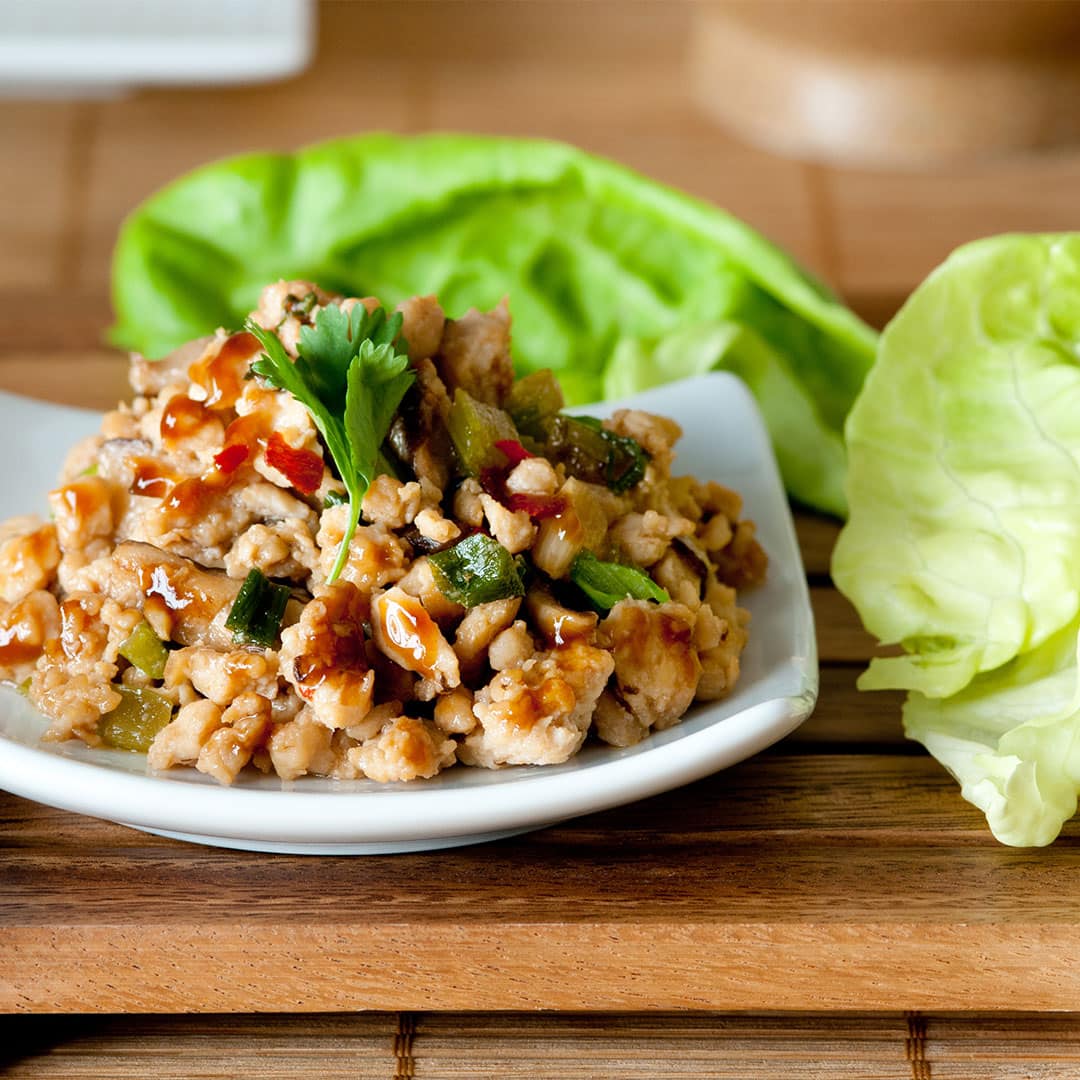
  • Chicken lettuce wraps
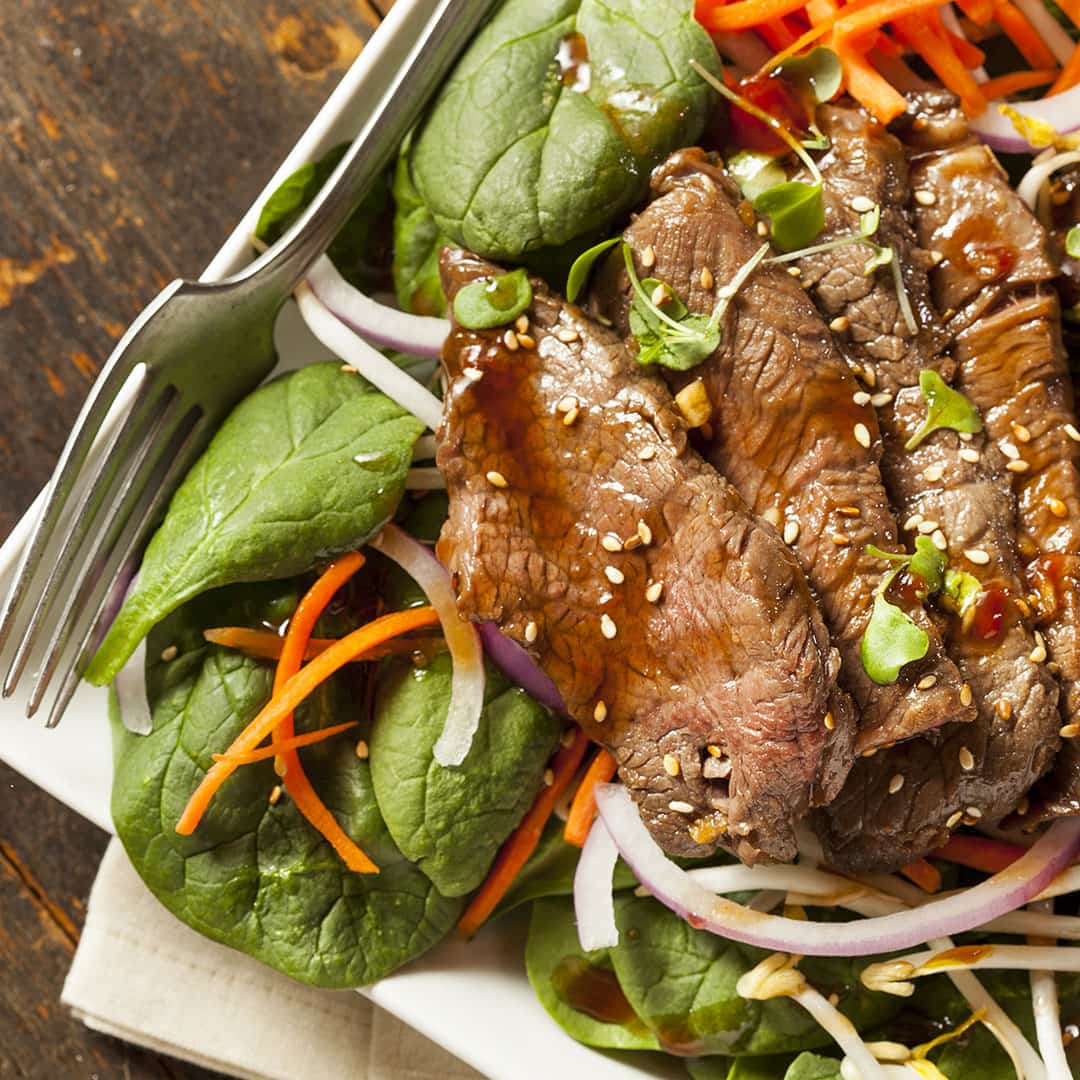
  • Thai pork salad (no noodles)
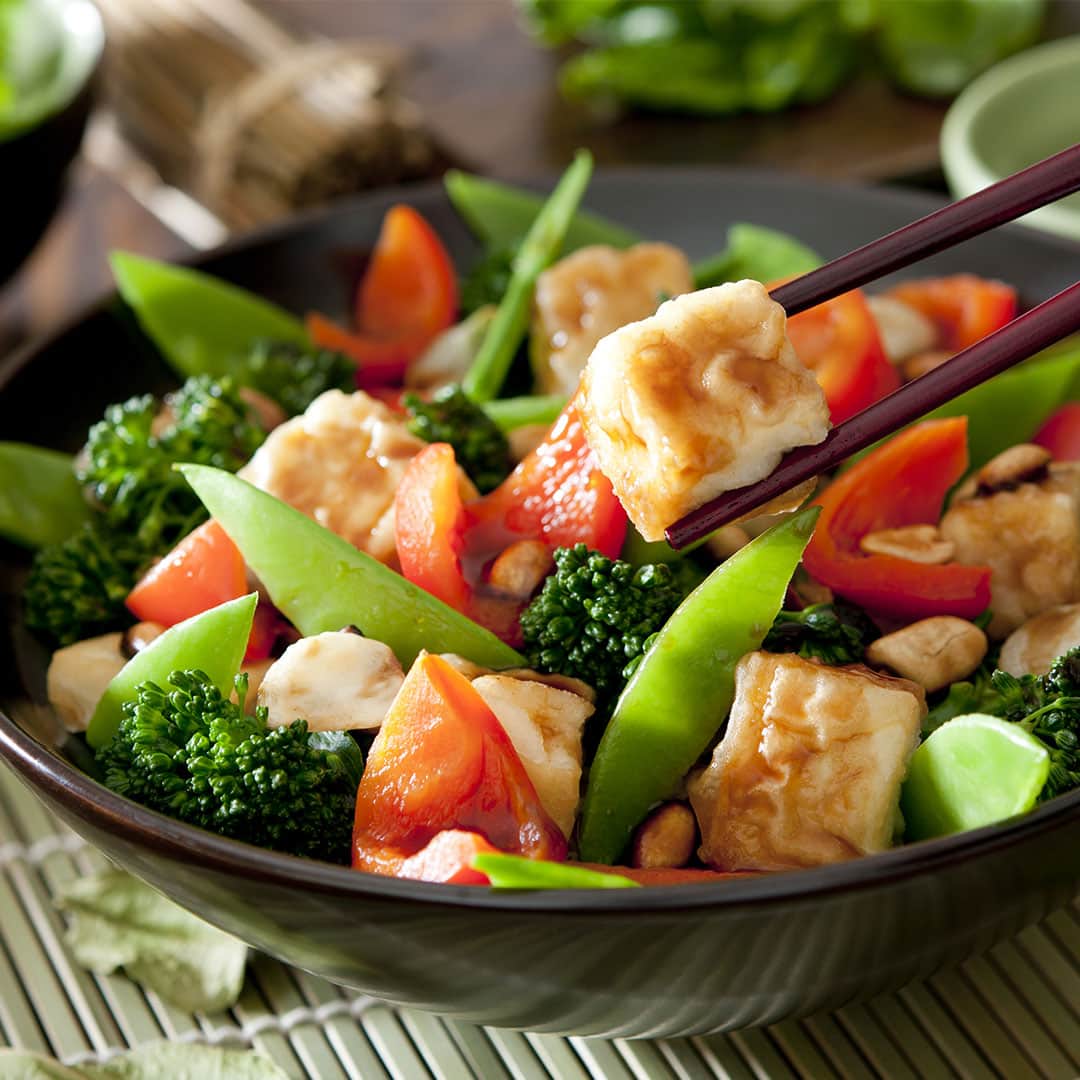
  • Tofu & vegetable stir fry
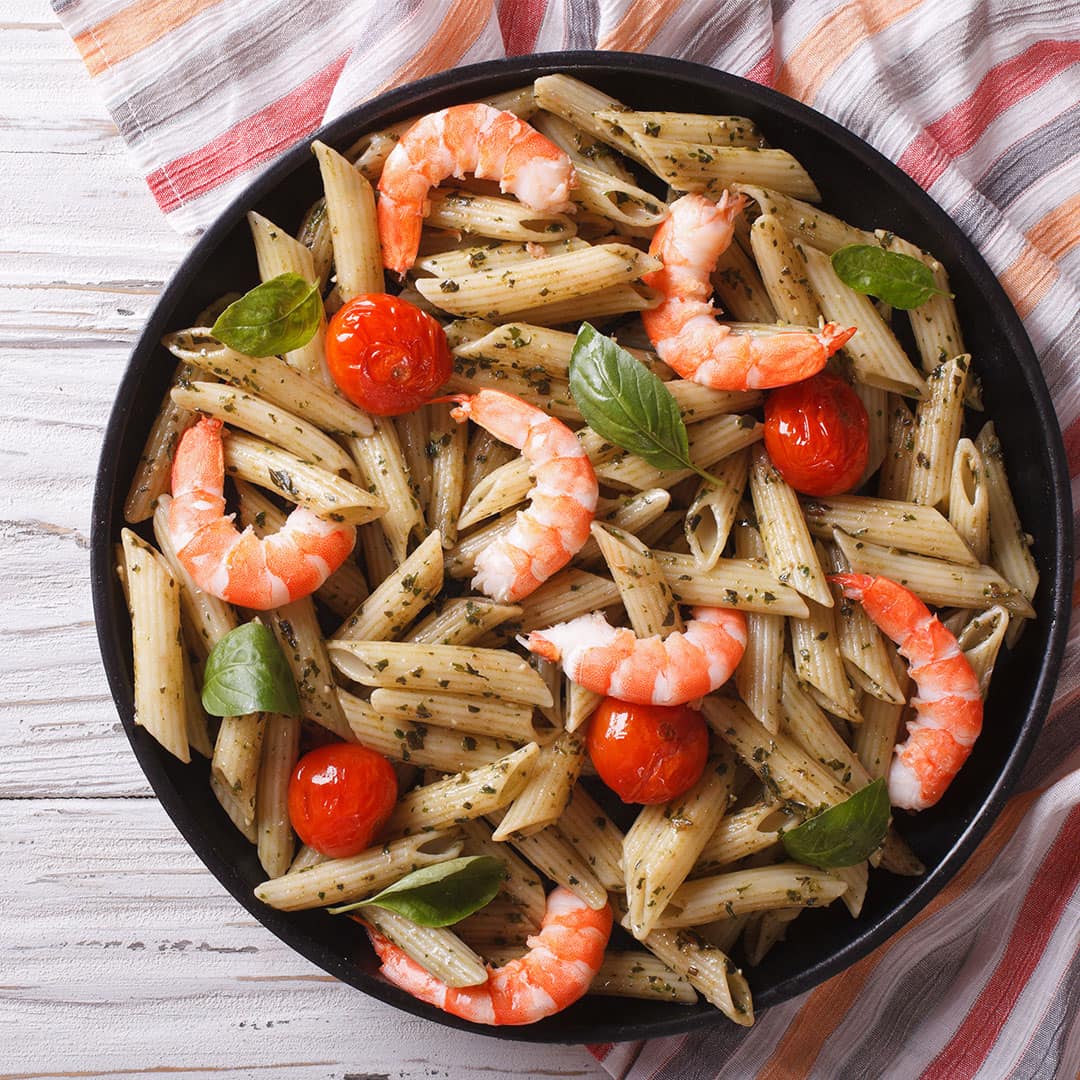
  • Shrimp vegetable pesto
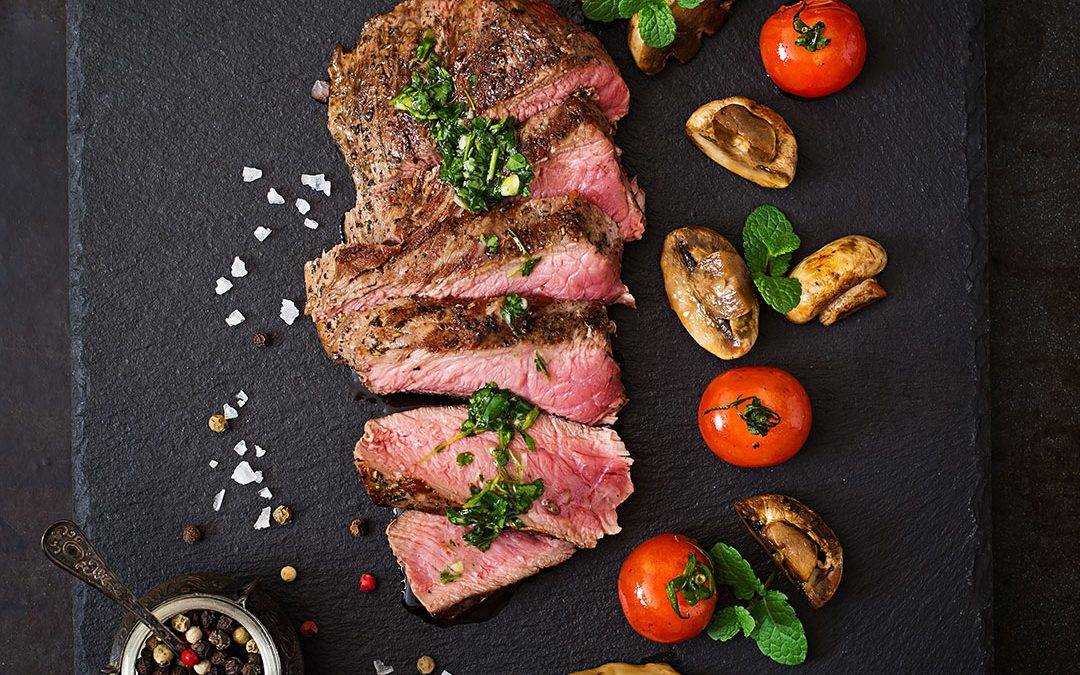
  • Steak Diane & mushrooms
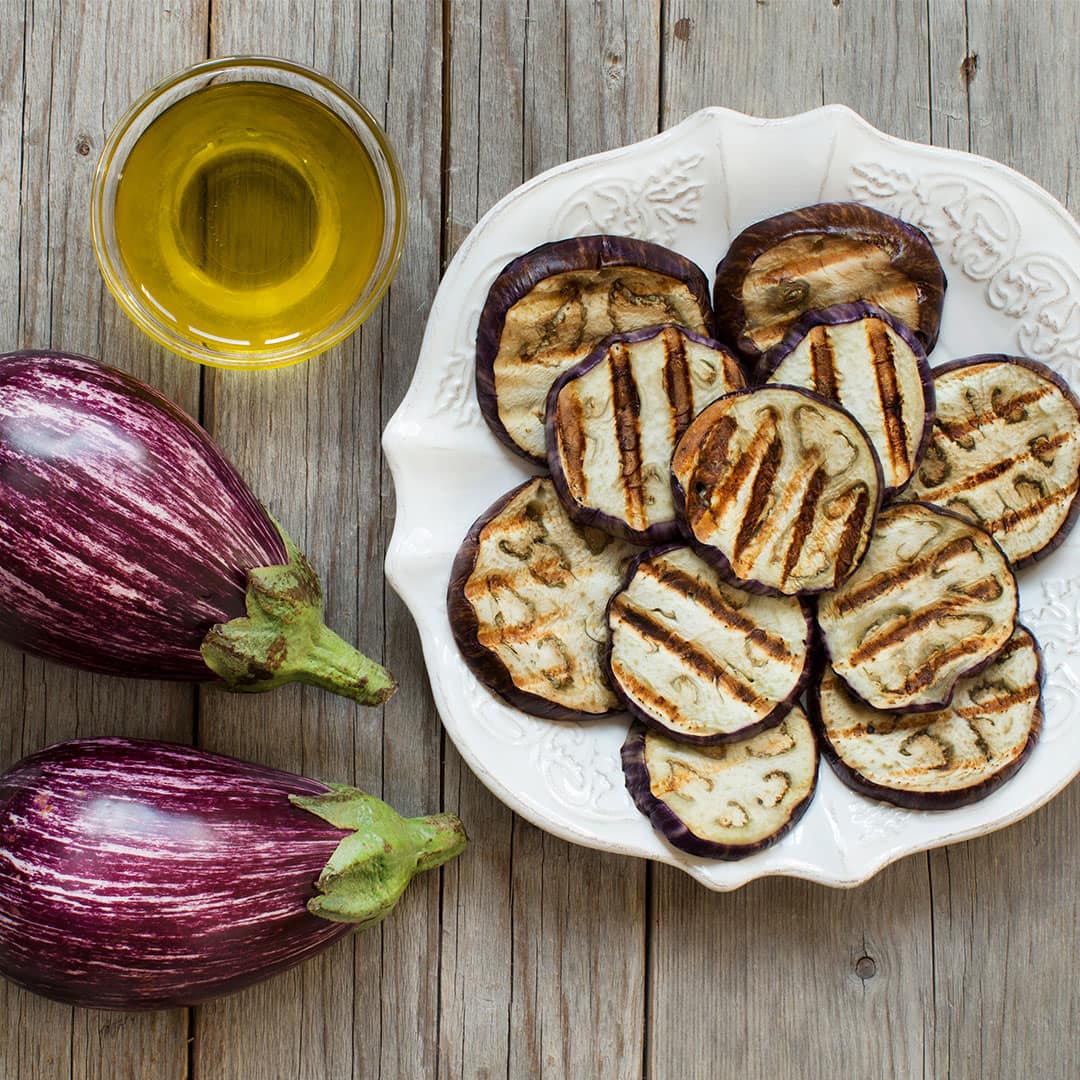
  • Roasted eggplant & peppers
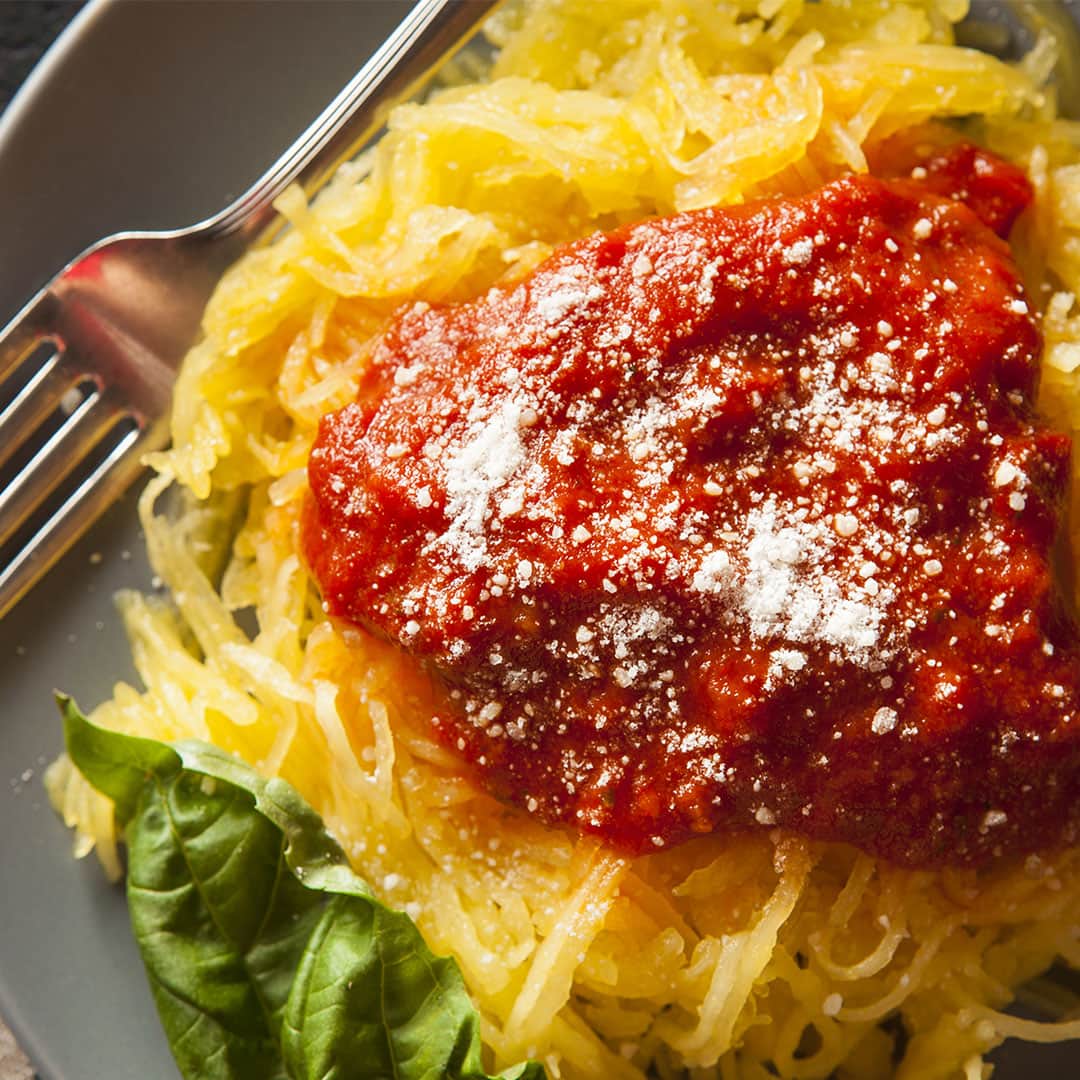
  • Spaghetti squash lasagna
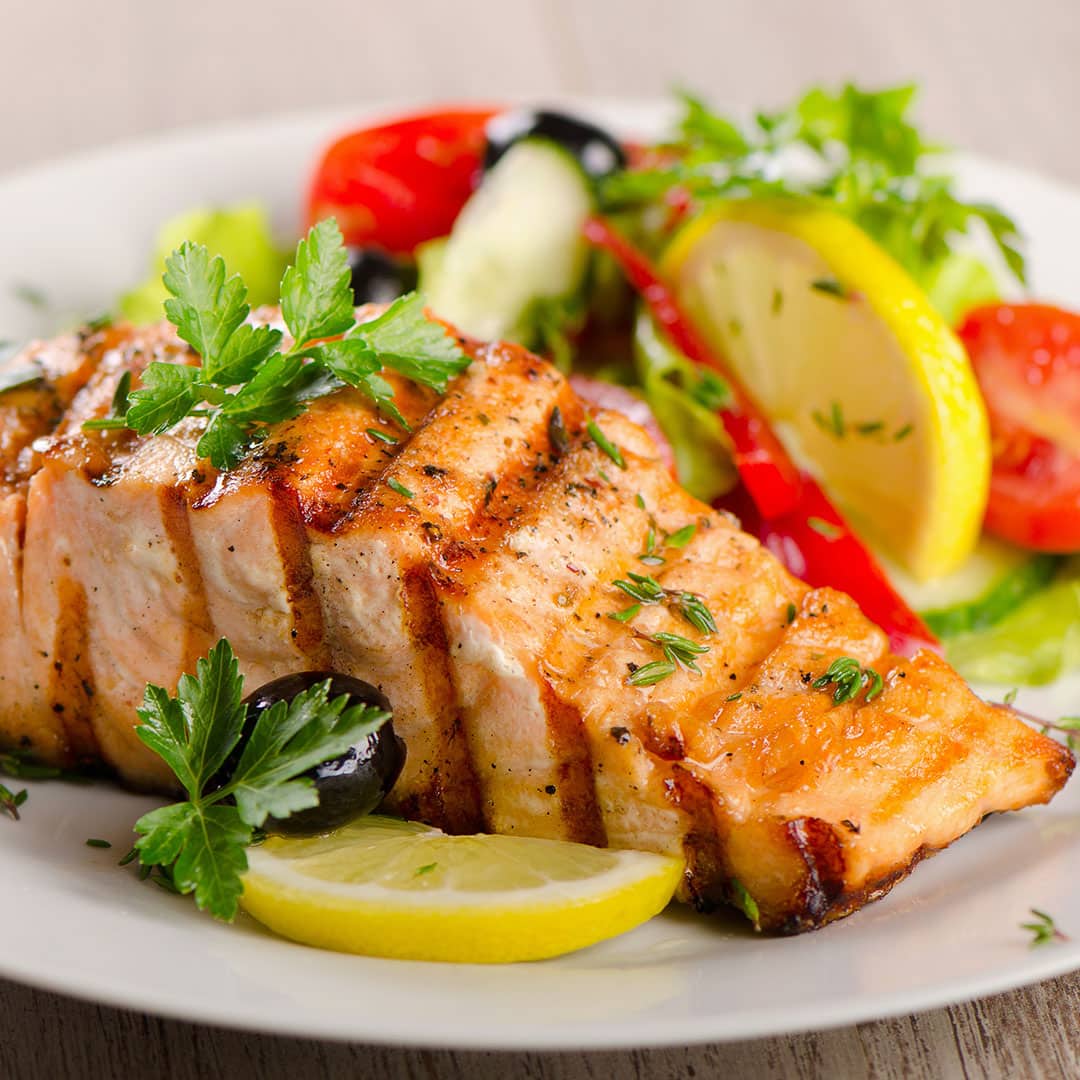
  • Miso-ginger grilled salmon

When eating out, look for the vegetable or protein to be listed in the entrée title, not potato/pasta/rice, etc. Ask for vegetable substitutions in place of the starch side dish, such as salad or steamed broccoli. Avoid anything breaded. Inquire about sauces and dressings to determine if they’re made with concentrated sugars. A garnish of high-fiber beans such as lentils on a dish is fine, but skip any croutons or tortilla strips on salad.

– Debbie J., MS, RD

This article should not replace any exercise program or restrictions, any dietary supplements or restrictions, or any other medical recommendations from your primary care physician. Before starting any exercise program or diet, make sure it is approved by your doctor.

LA Fitness Living Healthy subscribe button

Want more? SUBSCRIBE to receive the latest Living Healthy articles right in your inbox!

Ask our Dietitian

Have a nutrition question? Our registered dietitian is ready to help!

Email nutrition@lafitness.com or submit your question below and it may be featured in an upcoming article!

15 + 15 =

Recommended Reading

Bulking on a Clean Diet | QA

Bulking on a Clean Diet | QA

Registered Dietitian, Debbie James, helps answer a reader’s question about how to put on muscle while eating a clean diet.

Elimination Diets – Podcast Ep. 38

Elimination Diets – Podcast Ep. 38

The Elimination Diet is not what it sounds like! We’re sitting down with Debbie James, RDN, to bring you what you need to know about this interesting diet!

How to Eat Healthy When Dining Out

How to Eat Healthy When Dining Out

Whether you’re traveling or simply going out for the night, plan to stick to your diet routine at restaurants. Since you have less control when someone else is preparing your food, you’ll need to be diligent about selecting the right items and controlling portions.

Here are some tips to keep you on track:

1. Select a suitable restaurant. Casual or full service, you’ll want to make sure your destination has options that fit your eating plan. Unless it’s a salad bar, skip all-you-can-eat buffets which prompt guests to fill up and take more than they need. Shared plates or tapas style restaurants are fine with a group so long as you order a couple of vegetable dishes.

See our article Dietitian Suggestions for Healthy Fast Food Options for drive-thru advice.

2. Peruse the menu ahead of time. Look at menu options online and make a decision before going to a restaurant where the atmosphere and aroma might lead you astray. Perhaps keep your favorite restaurants’ to-go menus at the ready to browse at a moment’s notice. If you can’t see the choices ahead of time before arriving, pause and take a moment to really look at the full menu.

3. Notice key descriptors. Look for clues that less fat was used in cooking such as grilled, poached baked or roasted proteins. Avoid crispy or breaded items that are probably fried. Savory listings may be higher in sodium. And it goes without saying that rich, decadent and indulgent descriptors are red flags for high calories!

4. Order carefully. You have a better chance to stick to your plans if you aren’t influenced by what others are having, so order first. Take note of side dishes offered elsewhere on the menu, so you can ask for healthier substitutions.

5. Skip the extras. You’ve been eating well up to this point, right? So you don’t need the bread, rolls or tortilla chips brought to the table. You can even ask the server not to leave any. If your table mates want you to indulge in appetizers and desserts, politely decline, unless it’s strictly fruit or vegetables.

6. Limit portions. One strategy is to ask for take-home box to be brought when your meal is served. Place half your food inside and put it aside. Skip the free refills, which make it tempting to ‘get your money’s worth,’ or you might pay a far higher price in extra calories and have difficulty maintaining your weight. Savor your food by chewing slowly, and you’ll find it’s easier to eat less.

LA Fitness Living Healthy subscribe button

Want more? SUBSCRIBE to receive the latest Living Healthy articles right in your inbox!

This article should not replace any exercise program or restrictions, any dietary supplements or restrictions, or any other medical recommendations from your primary care physician. Before starting any exercise program or diet, make sure it is approved by your doctor.

Pre Workout Nutrition Advice for Type 2 Diabetes | Q+A

Pre Workout Nutrition Advice for Type 2 Diabetes | Q+A

Question:

What are some of the best foods to eat before you work out if you’ve been diagnosed with Type 2 Diabetes?

– Dionne D.

Answer:

Those with Type 2 Diabetes usually have normal digestion and absorption, whereas their cellular uptake of sugars from the blood is hindered. Your body’s individual response to carbohydrates may be different than others’. That said, it’s safe to say that large volumes of carbs, especially simple sugars are a bad idea. You’ll want to stick to smaller portions of easily-digested carbohydrates or have complex carbohydrates earlier in the day to allow for their metabolism and to provide needed fuel to working muscles.

Consider some of the following suggested pre-workout snacks (assuming full meal was 3+ hours ago):

An hour before

  • Rye crisps thinly spread with nut butter and topped with apple slices
  • Half a turkey sandwich
  • Cup of Greek yogurt with berries and sliced almonds
  • Hummus with raw veggies and whole wheat crackers

or

30 min before

  • Mix protein powder in milk for instant shake
  • Handful of gold-fish crackers
  • Frozen sugar-free pudding pop
  • Half toasted English muffin with margarine

If you take insulin, be sure to check your blood sugar level and adjust your intake accordingly to anticipate the effect from your workout. Pack a juice box in your gym bag or locker to have on hand in case your blood sugar level drops.

– Debbie J., MS, RD

This article should not replace any exercise program or restrictions, any dietary supplements or restrictions, or any other medical recommendations from your primary care physician. Before starting any exercise program or diet, make sure it is approved by your doctor.

LA Fitness Living Healthy subscribe button

Want more? SUBSCRIBE to receive the latest Living Healthy articles right in your inbox!

Recommended Reading

Bulking on a Clean Diet | QA

Bulking on a Clean Diet | QA

Registered Dietitian, Debbie James, helps answer a reader’s question about how to put on muscle while eating a clean diet.

Elimination Diets – Podcast Ep. 38

Elimination Diets – Podcast Ep. 38

The Elimination Diet is not what it sounds like! We’re sitting down with Debbie James, RDN, to bring you what you need to know about this interesting diet!

Ask our Dietitian

Have a nutrition question? Our registered dietitian is ready to help!

Email nutrition@lafitness.com or submit your question below and it may be featured in an upcoming article!

14 + 4 =