
How Can I Make My Own Breakfast Bar? | Q+A

How Can I Make My Own Breakfast Bar? | Q+A

Question:

I’d like to make my own ‘breakfast bar’ to eat in the morning on the car-ride to the gym to play racquetball. Sweet is OK, but most of the manufactured ones have chocolate and that is a little hard to swallow at 5am. Doc says I need to watch/lower my carb intake so I need to be conscious of that too. Even purchasing them at the wholesale club is costly, so would love to be able to make my own. Any proven recipes you can share?

– Jerrey S. Fell

Answer:

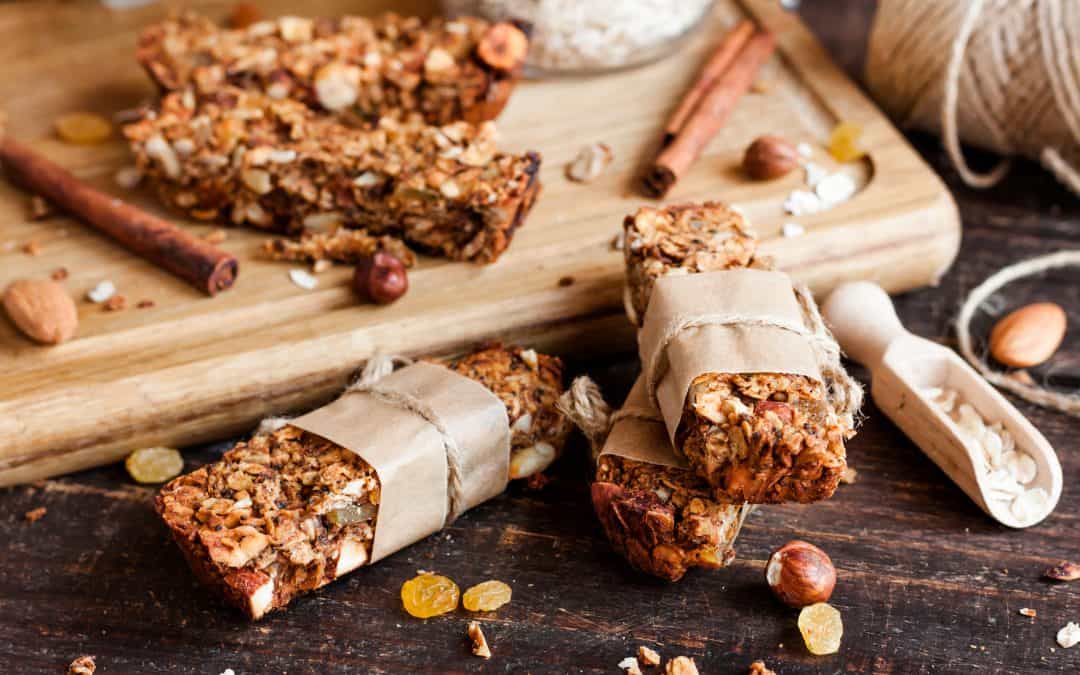
While I’ve only made my own bar once, I’d rely on reviews for taste and acceptability. Nutritionally, it sounds like you’d like a meal replacement vs. an energy bar or protein bar. For the base sweet component, mashed bananas are easiest, but using ground dates and/or dried coconut also makes for a sturdy bar. Oats or puffed rice are good starches to use for bulk without a pasty texture that flour would give. A nut butter or protein powder will balance out the carbohydrates. Buying mainstream ingredients in bulk then properly storing the remainder will keep your costs down. Generally, store bought bars cost $1 per ounce.

Here’s a great option without chocolate:

In a food processor combine 1 C nuts, 1 C shredded coconut, ½ C wheat germ, and 2 ripe bananas. Transfer to bowl and mix in 1 C whole wheat flour, 1 C oats, 1 C vanilla Greek yogurt, 2 beaten eggs, tsp. cinnamon and tsp. baking soda. Spread evenly in greased rectangular baking pan. Bake in 350o F oven for 20 minutes or until light golden brown; cut into 12 bars. Let cool completely before removing from pan. Each 227 Calories, 10.5 gm Fat , 27 gm Carb, 9 gm Protein.

For more of a granola flavor without baking:

Blend 1 C peanut butter, 1/2 C honey with mixer until mixed thoroughly. Adding a little at a time, mix in 1/2 C dry powdered milk and 1/3 C vanilla soy protein powder. Stir in 2 C puffed rice, 1/3 C finely diced dried fruit and 1/3 C finely diced nuts. If dough is too sticky, add more powdered milk. Press firmly into a wax paper lined pan until flat, about a half inch thick. Cool in fridge until solid and slice into 12 bars. Each 239 Calories, 13 gm Fat, 25 gm Carb, 9.5 gm Protein. Use a low carb protein powder to reduce carbohydrates.

– Debbie J., MS, RD

This article should not replace any exercise program or restrictions, any dietary supplements or restrictions, or any other medical recommendations from your primary care physician. Before starting any exercise program or diet, make sure it is approved by your doctor.


Ask our Dietitian

QA_icon

Have a nutrition question? Our registered dietitian is ready to help!

Email nutrition@lafitness.com or submit your question below and it may be featured in an upcoming article!

15 + 3 =

LA Fitness Living Healthy subscribe button

Want more? SUBSCRIBE to receive the latest Living Healthy articles right in your inbox!

Which Fruits Are Best to Eat? | Q+A

Which Fruits Are Best to Eat? | Q+A


Question:

My doctor alerted me this past week that my blood glucose level is borderline pre-diabetes. I already eat what I consider to be a fairly healthy diet, limiting added sugars as much as possible. My question is, when it comes to eating fruit, which ones are good for me and which are not? I like to have a banana and berries in my steel-cut oats many mornings, and several nights a week I will eat a fruit mix of red grapes and fresh-cut pineapple, honeydew, cantaloupe and watermelon.

-Gary S.


Answer:

All fruits are good for you if you keep portions in check. Chances are that other factors might also be pushing up your blood glucose level. Perhaps your overall carbohydrate volume is high or you’re not getting as much fiber as you think. If you’re over 40 and have a history of being overweight, your sensitivity to insulin could be reduced.

Whatever the reason, it’s good that you’re limiting added sugar. The next step is to spread your complex carbohydrates throughout the day and balance them with lean protein or healthy fat at the same meal. Bumping up your activity will also help to burn any extra fuel consumed. Doing these two things should result in lower overall blood glucose levels.

In regards to fruit specifically, look first at the volume you’re eating. Because fruit is refreshing, light and sweet, it’s easy to eat a large quantity before getting full. Twenty grams of carbohydrate from fruit at a sitting is a good amount to enjoy without overwhelming your system with natural fructose sugar. This serving would be equal to about: 1 C. berries, a small 6” banana, 2 C. melon, a 2.5” diameter apple or pear, ¾ C. grapes, 2 medium plums or kiwi, 1 large orange, or 18 sweet cherries. From your description of multiple fruits consumed at once, I’d suspect your portions are nearly double this amount.

Granted, some fruits are higher in sugar than others. But it’s what you eat with them that will create the overall effect on your blood glucose. A fresh apple with peanut butter will not spike blood sugar as much as the same grams of carbohydrate from canned pineapple by itself. Adding cottage cheese to the pineapple will blunt the rise in blood glucose. Munching on grapes instead of popcorn will peak your blood glucose unless you pair the grapes with something like a couple of hard-cooked eggs.

For a breakdown of various fruits’ sugar content, see our previous article Which Fruits Contain the Most Sugar? More on the subject found here: Is it true that I need to limit my fruit consumption because fruits are high in sugar and carbohydrates?

– Debbie J., MS, RD

This article should not replace any exercise program or restrictions, any dietary supplements or restrictions, or any other medical recommendations from your primary care physician. Before starting any exercise program or diet, make sure it is approved by your doctor.


Ask our Dietitian

QA_icon

Have a nutrition question? Our registered dietitian is ready to help!

Email nutrition@lafitness.com or submit your question below and it may be featured in an upcoming article!

11 + 13 =

LA Fitness Living Healthy subscribe button

Want more? SUBSCRIBE to receive the latest Living Healthy articles right in your inbox!
How Can I Meet My Fitness Goal with Meal Planning? | Q+A

How Can I Meet My Fitness Goal with Meal Planning? | Q+A


Question:

I am asking for help with calculating my macro goals and with meal planning (when, how much and what to eat)?

Thanks!

-Michelle V.


Answer:

Consistency

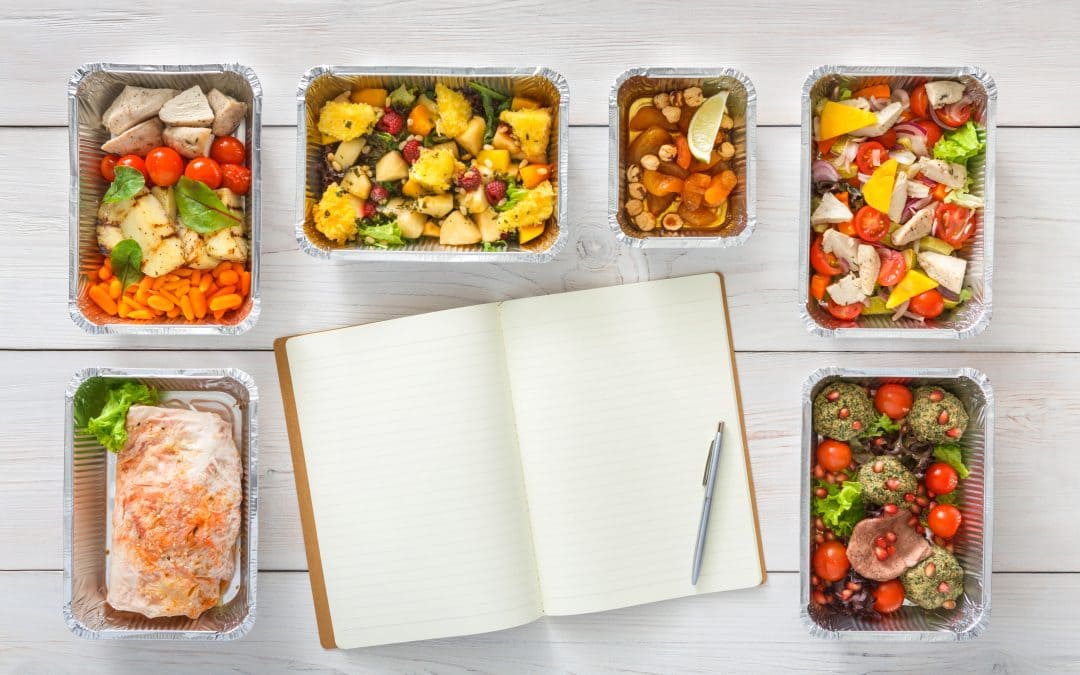
After 20 years as a Registered Dietitian it is my humble professional option that you need to tackle consistency in your meals before you attempt to aim for specifics. If cooking isn’t your thing, you need to be a savvy shopper to get healthy prepared foods and stock up on mini-meals and snacks for your alternating schedule. What are you willing to fix? What foods are best suited to bringing to work?

Meal Ideas

Frozen skillet meals can be enhanced with fresh ingredients on hand — only one pan to clean, plus leftovers! For portable meals, consider a cold vegetable/pasta/protein dish from the service deli counter at your grocer. Think outside the box of what’s typical “breakfast” fare. A bowl of chili with a piece of cornbread at 8 am might wrap up your waking/working hours before daytime sleep. Write out some ideas for the week and shop accordingly.

As far as building lean tissue on your lean frame, focus on adding 200-300 calories on the days you work out, divided equally between pre- and post-training. Wrapping your head around this small quantity is simpler and may be more effective than trying to pinpoint each macronutrient gram in an entire day’s worth of eating. 150 calorie snacks to support workouts include:

2 C. kale chips or light microwave popcorn (1/3 bag)

1/2 apple with tablespoon peanut butter

1/4 C. hummus with crudités

1 scrambled egg with diced ham and broccoli

Mini pizza: 1/2 English muffin + tomato sauce + shredded mozzarella

For personalized assistance you can find a nutritional professional near you, use the “Find An Expert” feature from The Academy of Nutrition and Dietetics.

-Debbie J., MS, RD


This article should not replace any exercise program or restrictions, any dietary supplements or restrictions, or any other medical recommendations from your primary care physician. Before starting any exercise program or diet, make sure it is approved by your doctor.

Ask our Dietitian

QA_icon

Have a nutrition question? Our registered dietitian is ready to help!

Email nutrition@lafitness.com or submit your question below and it may be featured in an upcoming article!

8 + 2 =

LA Fitness Living Healthy subscribe button

Want more? SUBSCRIBE to receive the latest Living Healthy articles right in your inbox!
Suggested Articles

Which Fruits Contain the Most Sugar? | Q+A

Which Fruits Contain the Most Sugar? | Q+A


Question:

My doctor said that I was a borderline diabetic, and that I need to cut down on some of the fruit I was eating at breakfast.  The fruits I am eating are: strawberries, red grapes, cantaloupe, watermelon, pineapple, apple, banana, cherries (in season).  I need to know the sugar content of each fruit or which fruit has the most sugar.

-Charlie C.


Answer:

Consider that if the serving is larger, you could get more sugar from any one of the fruits you’ve listed. Even with two amounts of fruit with the same weight, the sugar content varies due to density differences, or the amount of water and fiber contained in each fruit. A typical portion* of each fruit differs, as we’re accustomed to eating a certain amount. While you’re focusing on the sugar, you also need to consider the total carbohydrate as it all contributes to blood sugar.


For an equal volume of 1 cup of sliced fresh fruit, from highest to lowest sugar content:

  • Red grapes – 104 calories, 27 gm Carb, 23 gm sugar
  • Cherries (sweet) – 97 calories, 25 gm Carb, 20 gm sugar
  • Banana – 134 calories, 34 gm Carb, 18 gm sugar
  • Pineapple – 74 calories,   20 gm Carb, 14 gm sugar
  • Cantaloupe – 52 calories,   13 gm Carb, 12 gm sugar
  • Apple (w/skin) – 57 calories,   15 gm Carb, 11 gm sugar
  • Watermelon – 46 calories,   11 gm Carb, 9 gm sugar
  • Strawberries – 53 calories,   13 gm Carb, 8 gm sugar


* By serving size, based on usual consumption patterns:

  • 3” apple – 95 Cals,   25 gm Carb, 19 gm sugar
  • 1/16 watermelon —     86 Cals,  22 gm Carb, 18 gm sugar
  • 15 cherries – 77 Cals,   20 gm Carb, 16 gm sugar
  • 3/4” pineapple ring – 79 Cals,   21 gm Carb, 5 gm sugar
  • 1 medium banana — 105 Cals, 27 gm Carb, 14 gm sugar
  • 15 grapes – 51 Cals,   13 gm Carb, 11 gm sugar
  • 10 large strawberries – 58 Cals, 14 gm Carb, 9 gm sugar
  • 1/8 large cantaloupe – 35 Cals,   8 gm Carb,   8 gm sugar

CHERRIES have the most sugar in them comparatively, as they appear in the top 3 of each list.  And the only fruit in the bottom 2 of each comparison with the lowest sugar — STRAWBERRY!

-Debbie J., MS, RD 


All nutritional values taken from the USDA National Nutrient Database for Standard Reference Release 28

This article should not replace any exercise program or restrictions, any dietary supplements or restrictions, or any other medical recommendations from your primary care physician. Before starting any exercise program or diet, make sure it is approved by your doctor.

Ask our Dietitian

QA_icon

Have a nutrition question? Our registered dietitian is ready to help!

Email nutrition@lafitness.com or submit your question below and it may be featured in an upcoming article!

15 + 4 =

LA Fitness Living Healthy subscribe button

Want more? SUBSCRIBE to receive the latest Living Healthy articles right in your inbox!
Suggested Articles

What are the Best Foods to Eat Before & After a Workout? | Q+A

What are the Best Foods to Eat Before & After a Workout? | Q+A


Question:

I was wondering what are the best foods to eat before and after a workout. Also, is it bad if you work out late at night consistently (10 PM- Midnight)?

-Jesus S.


Answer:

Working out late at night is not a bad way to get your exercise if you get adequate restful sleep. Optimal eating before and after a workout is all relative to the timing, quantity and quality of the rest of your meals. After a complete meal one might not feel ready to work out for 2-3 hours, after the food has mostly emptied the stomach. If one hasn’t eaten in over 4 hours, a quick snack before working out is needed for best performance. Let’s suppose a couple of scenarios to answer your first question…


6 pm evening workout, before 7:30 dinner:

Hitting the gym after work usually means on an empty stomach if lunch was at noon or 1 pm. The fix is a 4-5 pm snack containing protein and complex carbohydrates of approx. 200-300 calories, depending on your goals. There are several options that suit these needs:

Apple + string cheese

2 oz. protein/energy bar (such as Rise®, Builder’s®, Larabar ALT, Macrobar, Detour SimpleTM,  Balance® to name a few)

Half a homemade turkey sandwich

Fruited Greek yogurt cup + 2 graham cracker squares

1 cup cooked soybeans

After this workout you’d need to eat dinner right away (within 30 minutes). If there will be a delay, have a small recovery drink or a single-serve package of chocolate milk before you leave the locker room.


10 pm evening workout, after 7 pm dinner:

Letting your dinner settle before exercise is important not only for gut comfort, but also to allow the nutrients to fully get to your muscles. A pre-workout snack is not needed. If you feel a little depleted, perhaps an energy sports drink will perk you up. After your workout you don’t need much before bed, but enough to encourage muscle repletion and growth. Consider one of these options:

Bowl of hearty soup

1 cup mixed cottage cheese & fruit

Handful of baked pita chips + hummus to dip

1-2 hard boiled eggs + a soft pretzel

Read our previous answer to eating for late night exercise by clicking here.

This article should not replace any exercise program or restrictions, any dietary supplements or restrictions, or any other medical recommendations from your primary care physician. Before starting any exercise program or diet, make sure it is approved by your doctor.

Ask our Dietitian

QA_icon

Have a nutrition question? Our registered dietitian is ready to help!

Email nutrition@lafitness.com or submit your question below and it may be featured in an upcoming article!

5 + 12 =

LA Fitness Living Healthy subscribe button

Want more? SUBSCRIBE to receive the latest Living Healthy articles right in your inbox!

Suggested Articles