Plant Protein Advice for Seniors

Plant Protein Advice for Seniors

Question:

I am in my 60s. I was having a conversation with someone who has become a vegan since becoming a senior. He states that we seniors no longer need the protein from meats. He believes that our bodies do better when we receive our proteins from other sources other than animals. Is there truth to this?

– John D.

Answer:

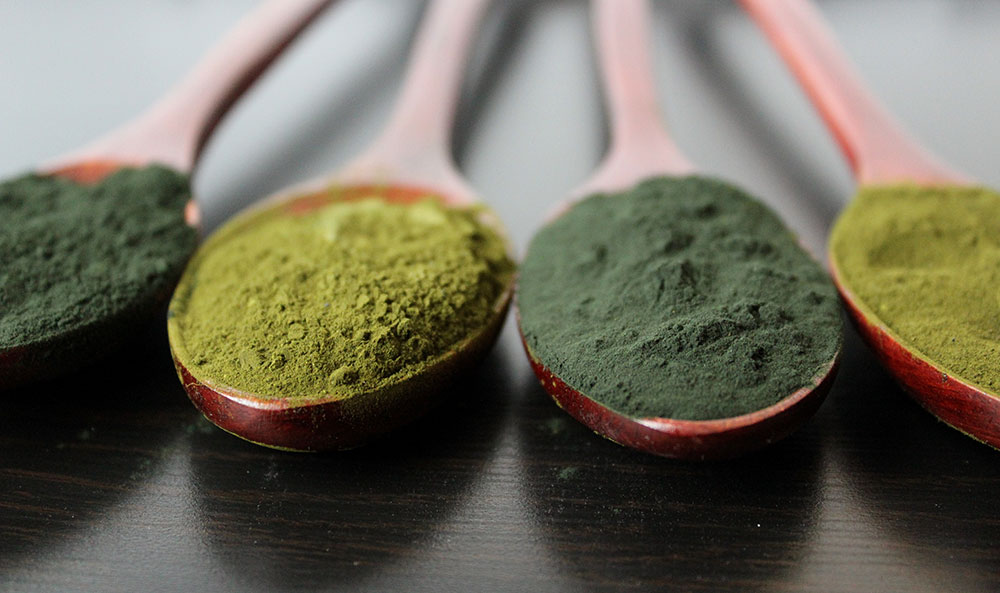
To maintain muscle mass and strength (which begin to decline in one’s 50s), older adults need a protein-rich diet. Because of a decline in protein digestion with age (see italicized below), protein needs for seniors are higher than those of other adults (1.0 gm/kg vs. 0.8 gm/kg). Some evidence supports that plant proteins contribute more to muscle strength, while animal protein helps preserve mass.*

While animal protein sources boast more B-12, vitamin D, heme-iron, and zinc, plant proteins are by far healthier in the long run. With a diet rich in plant proteins, there’s a lower incidence of cancer, reduced inflammation, lower risk of heart disease, improved insulin sensitivity, and the list goes on! With plant protein, you get fiber and phytonutrients from the whole food source instead of saturated fat and cholesterol with animal proteins.

Regardless of protein source, intake should be spread throughout the day and protein included with each meal.

Digestion of protein is dependent on mechanical breakdown and gut enzymes. Stomach acids are needed to unravel the proteins into peptide strands so that enzymes in the small intestine can cleave them into individual amino acids for absorption. Both stomach acid and enzyme production tend to decline with age, making protein digestion less efficient.

*Higher Protein Intake is Associated with Higher Lean Mass and Quadriceps Muscle Strength in Adult Men and Women. S Sahni, et al. The Journal of Nutrition July 2015. Vol. 145 (7):1569-75. https://doi.org/10.3945/jn.114.204925

– Debbie J., MS, RD

This article should not replace any exercise program or restrictions, any dietary supplements or restrictions, or any other medical recommendations from your primary care physician. Before starting any exercise program or diet, make sure it is approved by your doctor.

Some questions have been edited for length and/or clarity.


Ask our Dietitian

Have a nutrition question? Our registered dietitian is ready to help!

Email nutrition@lafitness.com or submit your question below and it may be featured in an upcoming article!

5 + 9 =


Recommended Reading - Q+A

Hot Food Trends You Should Definitely Look Into

Hot Food Trends You Should Definitely Look Into

Plant protein

Move over tofu and soymilk! Vegetarian foods have long been on specialty shelves but now more conventional foods are incorporating plant proteins, in all things from egg substitute and yogurt, to bratwurst and sausage. Ingredients like seitan, tempeh, lentils, pea protein, rice protein, mung bean, fava bean, and vegan protein powders are making their way into mainstream foods. It is no secret that replacing animal protein with plant protein can improve blood sugar control in diabetes1, lower cardiovascular disease risk2, and reduce the risk of various cancers3,4. Plus, vegetarian and plant-based diets are associated with lower body weight5.

Air fryers

As an alternative to conventional frying in oil, these countertop convection (fan-powered circulated hot air) ovens can produce a similar crispy texture, color and flavor with substantially lower fat content6. French fries and chicken nuggets that are deep fried do rate higher in crispness, mouth feel and acceptance, though6,7.  Air-fryer outcome is good if instructions are followed properly for lightly breaded foods cooked in small batches, but the process is slower than deep frying6. If you’re really craving a fried food taste, you can still lightly brush food with oil before cooking. If you need to crisp wet battered items or prepare party-size quantities, an air-fryer won’t do the job.

Root-to-stem cooking

This no waste, whole food approach is not new, but restaurants and chefs are offering more culinary guidance to consuming fully edible plant parts. By utilizing all the parts of your produce – the leaves, stems, rinds, stalks, and skins – you get a boost of nutrition and flavor. Plus, it’s cost-effective and environmentally conscious.  Here are some tips to embrace more of your produce:

  • Wash or scrub potatoes, carrots, cucumber, and apple thoroughly instead of peeling.
  • Revive wilted vegetables by cutting near the base and submerging in cool water for 20 minutes.
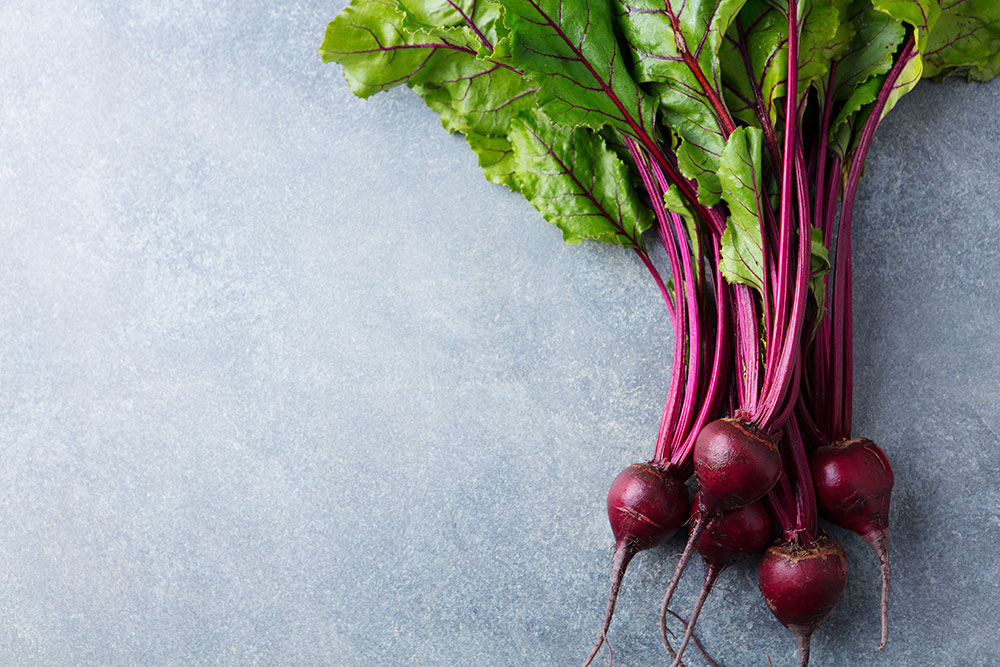
  • Blanch the leafy tops of carrots, radish, turnip and beets to use in salads.
  • Chard stems can be diced and sautéed to give crunch to cooked leaves.
  • Blenderize the cut ends of cooked string beans and add to a green smoothie.
  • Broccoli stalks can be shredded for slaw.
  • Pickle watermelon rinds for a creative chutney or summer side dish.
  • Cabbage and cauliflower cores can be chopped and saved for soups.
  • If you must peel bruises or remove brown spots, use these trimmings in a compost bin.

Edible essential oils

!! Recommended to avoid

Unlike flavor extracts, essential oils are not intended for ingestion. Though the FDA indicates they are generally recognized as safe in commonly used amounts (approx. doses in the range of 1 to 3 drops, 1 to 3 times per day), you should only use food grade essential oils orally with the expertise of a professional. They are highly concentrated and can cause damage internally if administered without expert dilution, even those based on culinary ingredients (cinnamon, ginger, oregano, wintergreen). The International Federation of Aromatherapists doesn’t recommend the ingestion of essential oils. The Alliance of International Aromatherapists (AIA) also doesn’t endorse oral therapeutic use of essential oils “unless recommended by a healthcare practitioner trained at an appropriate clinical level.8

This article should not replace any exercise program or restrictions, any dietary supplements or restrictions, or any other medical recommendations from your primary care physician. Before starting any exercise program or diet, make sure it is approved by your doctor.


Sources:

  1. Effect of Replacing Animal Protein with Plant Protein on Glycemic Control in Diabetes: A Systematic Review and Meta-Analysis of Randomized Controlled Trials. Viguiliouk E, Stewart SE, Jayalath VH, et al. Nutrients 7(12): 9804-9824. doi:10.3390/nu7125509.
  2. Plant protein and animal proteins: do they differentially affect cardiovascular disease risk? Richter CK, Skulas-Ray AC, Champagne CM, Kris-Etherton PM. Advances in Nutrition Nov 13; 6(6): 712-28. doi: 10.3945/an.115.009654.
  3. Recommendations for Cancer Prevention: Eat more of a variety of vegetables, fruits, whole grains and legumes such as beans. “Basing our diets on plant foods… can reduce our risk of cancer.” American Institute for Cancer Research www.aicr.org
  4. Guidelines on Nutrition and Physical Activity for Cancer Prevention Feb. 2017 “Eat a healthy diet, with a focus on plant sources.” American Cancer Society www.cancer.org
  5. A plant-based diet for overweight and obesity prevention and treatment. Turner-McGrievy G, Mandes T, Crimarco A. Journal of Geriatric Cardiology May; 14(5): 369-374. doi: 10.11909/j.issn.1671-5411.2017.05.002.
  6. A Comparative Study of the Characteristics of French Fries Produced by Deep Fat Frying and Air Frying. Teruel MdR, et al. Journal of Food Science Vol 80 (2): E349–E358. doi:10.1111/1750-3841.12753
  7. Effect of Preparation Methods on Total Fat Content, Moisture Content, and Sensory Characteristics of Breaded Chicken Nuggets and Beef Steak Fingers. Yoon HR, et al. Family and Consumer Sciences Research Journal Vol 28 (1): 18–27. doi:10.1177/1077727X99281002
  8. Aromatherapy Safety. “Internal Use Statement” Alliance of International Aromatherapists https://aia.memberclicks.net/aromatherapy-safety

Recommended Reading

Cheese Substitutes

Cheese Substitutes

Question:

How do I cut out cheese in my diet? Almost every dish is cheese, grains, and meat. How can I get that flavor in a healthier way?

– David N.

Answer:

I agree that typical American fare is heavy in the cheese department. You’re right that it seems to be everywhere. What goes in your mouth is under your control, though. Peel off that slice! Or better yet, ask for a substitute like avocado, pesto or sundried tomato spread. If the cheese is melted in, you’ll have to find an alternative item altogether (e.g. marinara sauce instead of alfredo sauce, roasted potato instead of potatoes au gratin).

The flavor of cheese is unique because of the enzymes utilized and the particular dairy source (cow, goat, sheep). The creamy mouthfeel is largely attributable to the fat content, which you can get from vegan alternatives. A soy or nut-based cheese substitute works well in combination with prominent flavors like smoked turkey and arugula on toasted rye.

One simple single ounce of sandwich cheese has 100-120 calories and 6-10 grams of fat. Compare that with the 600+ calories and 30+ grams of fat from two slices of large cheese pizza or 2 cups of macaroni and cheese. Turn away from these cheese-based dishes period. When using cheese as a topping or flavor enhancement, opt for the strongest dry cheese for the most flavor punch, as it requires much less volume and saves calories and fat. Avoid cheese flavoring powder though, as it is high in salt and artificial color.

– Debbie J., MS, RD

This article should not replace any exercise program or restrictions, any dietary supplements or restrictions, or any other medical recommendations from your primary care physician. Before starting any exercise program or diet, make sure it is approved by your doctor.

Some questions have been edited for length and/or clarity.


Ask our Dietitian

Have a nutrition question? Our registered dietitian is ready to help!

Email nutrition@lafitness.com or submit your question below and it may be featured in an upcoming article!

6 + 6 =


Recommended Reading - Q+A

Member Spotlight | From Broken Foot to Completing the Chicago Marathon

Member Spotlight | From Broken Foot to Completing the Chicago Marathon

At the young age of 29, Lewis C., of Atlanta, GA, feared he may never walk properly again. After a tough tumble down a flight of stairs, Lewis was confined to crutches for a week and a boot for 7 weeks, after learning he had broken his fifth metatarsal in his right foot. He was unable to walk, let alone work out. Being confined to having his foot elevated 12 hours a day, Lewis was quickly gaining weight and noticed his overall demeanor began to change. It was a long, and rough, 7 weeks.

Maybe it was being confined indoors, maybe it was the lack of exercise– whatever it was, something ignited in Lewis over these 7 weeks. With a broken foot, and a rough recovery, Lewis decided he was going to run the Chicago Marathon in celebration of his 30th birthday. Lewis was determined to not let the injury define him or make him lose sight of his fitness goals. After all, he had always been committed to fitness in his adult life and was active in sports like swimming and track when in high school.

The Training Begins

After a sufficient recovery period, Lewis began his training program in June of 2017, five months after his foot injury had occurred. Lewis  knew he needed a place to train and realized the incredible resources offered at his local LA Fitness. With the proper equipment he was able to condition his legs, core and overall body for the race. He paired indoor and outdoor running, along with the assistance of his LA Fitness coach, Lisa, and was able to get the job done in an unbelievable 18 week training period.

Lewis successfully crossed the finish line in Chicago, Illinois, on October 9th 2017.


An Interview with: Lewis C.

Q: Have you always been in shape? 

Lewis C.: Like most people I have had weight fluctuations due to inconsistent eating habits brought on by a job in the airline industry with variable hours. Since 2007, I had more or less worked out 5-6 days a week and do my best to take protein supplements regularly. It’s what keeps me sane, I have to get a workout in and LA Fitness has been the best gym experience I have had since I joined in 2016. I have been to and worked at many other health clubs and the resources included in the LA Fitness membership are vast. I didn’t know it until I really needed people to help me execute the extensive cardio conditioning required for training for your first marathon at age 29.

Q: Have you learned anything about yourself since joining LA Fitness?

LC: Yes. That it’s OK to not know something and ask somebody for help. LA Fitness has staff and members from all walks of the active world: former athletes, current ones, trainers, beginners, body builders, etc. that all have a perspective and voice you can use as a resource and pool to get new fitness ideas, completely change your life, and smash the snot out of goals you never thought possible. I never dreamed I would actually go through with running the Chicago Marathon last October until I finally just paid the registration and bought marathoner shoes.

Also, I think people think running a marathon is an individual sport. It is really a team sport, which I learned, as I had to rely and lean on all different perspectives and advice and change my way of thinking. That’s where LA Fitness is more than just a gym to me; it’s a blackboard where new and dynamic fitness goals are conceived and executed.

Q: How has living an active lifestyle changed your life?

LC: I have had great health and happiness in my 30 years, which I think is primarily due to my staying active. I am the kind of person who needs structure and a tangible goal to reach and a place where I can ask questions of like-minded people. My father always taught me “to be one, ask one”. This is where the structured training plan of a marathon challenged me and a place like LA Fitness nurtured my curiosity and helped shepherd me through the process.


Future Goals

Lewis is back to training 6 days a week in an effort to be in his best shape by summer 2018. With travelling also on the horizon for Lewis, including a trip to Budapest in May, and Shanghai in July, with his best friend Michael, Lewis joked that since he’ll be in a lot of pictures he looks to “LA Fitness to keep [him] camera ready 24/7.”

Lewis’ next big fitness goal is to complete an Ironman race by his 40th birthday.

A Special Message 

Lewis would like to recognize his LA Fitness trainer Lisa, and member services representative, Yolanda, who Lewis credits as the reason he joined LA Fitness.

This article should not replace any exercise program or restrictions, any dietary supplements or restrictions, or any other medical recommendations from your primary care physician. Before starting any program or diet, make sure it is approved by your doctor.

Member responses have been edited for length and clarity.


Recommended Reading

AAT – Ep. 20: What Are the Best Exercises for Hips?

AAT – Ep. 20: What Are the Best Exercises for Hips?

Ask A Trainer: Featured Question of the Week

LA Fitness Pro Results® Personal Trainer, Kayla V., shares some insider trainer tips on the best exercises to help strengthen the hips.


Do you have a fitness question? Ask one of our certified Pro Results® trainers here! Your question may be featured in an upcoming Ask Our Trainer video.**

10 + 9 =

**Selected submissions will be featured on the LA Fitness blog and possibly other LA Fitness digital media entities & websites. By making a submission, you hereby grant LA Fitness a non-exclusive, perpetual, worldwide, irrevocable license to use and make copies of the contents of such submission for any purpose and in any medium whatsoever, and you hereby waive and relinquish any copyright or other intellectual property right you may have in the contents of such submission and your right to pursue any claim for LA Fitness’s violation of those intellectual property rights.


Recommended 'Ask A Trainer' Videos