Is Peanut Butter a Good Source of Protein?

Is Peanut Butter a Good Source of Protein?

Question:

Is peanut butter a good source of protein (1 tablespoon & 1/2 banana) or just too much fat? What type of cheese has the best protein and least amount of fat? I know I need fat in my diet, but I get that from animal protein and hummus.

– Anne F.

Answer:

Peanut butter is richer in fat than it is protein by two-fold! It’s comparable to other nut spreads like almond paste, cashew butter and sesame butter. Soynut butter is only slightly higher in protein and lower in fat. A typical 2 tablespoon serving of any is a “good source” of protein, providing at least 10% of a reference daily intake of 60 grams. There are certainly lower-fat proteins (eggs, cottage cheese, extra lean ham, soy sausage) though they don’t spread on a banana.

To answer your second question, cheese is a little better in its protein to fat ratio, with the best regular-fat ones being 2½:1 cottage cheese, 4:3 fresh Parmesan, 1:1 provolone and 1:1 mozzarella. Any cheese made with skim milk will have less fat and reduced and low-fat cheeses are plentiful. I’d recommend avoiding non-fat solid cheeses with their added stabilizers and sodium, not to mention their poor texture.

*nutrient values per USDA National Nutrient Database for Standard Reference Legacy Release, April 2018

– Debbie J., MS, RD

This article should not replace any exercise program or restrictions, any dietary supplements or restrictions, or any other medical recommendations from your primary care physician. Before starting any exercise program or diet, make sure it is approved by your doctor.

Some questions have been edited for length and/or clarity.

Ask our Dietitian

Have a nutrition question? Our registered dietitian is ready to help!

Email nutrition@lafitness.com or submit your question below and it may be featured in an upcoming article!

11 + 1 =


Recommended Reading - Q+A

Foods That Help Curb Hunger

Foods That Help Curb Hunger

Growl… Like a little thorn in the lion’s paw, no one likes to have their eating plan thrown sideways by a simple hunger pang. Even the most well-planned meals and snacks can be set off course if your body needs more energy that day. When your belly is sending messages you can hear, it’s time to listen up! Hunger can quickly turn into reckless appetite, and if you let hunger signals go unabated for too long you may overeat later.

How to keep your calories down then? Try these lower glycemic index foods that promote satiety with their volume or nutrient density: (Serving sizes suggested below are approx. 150 calories.)

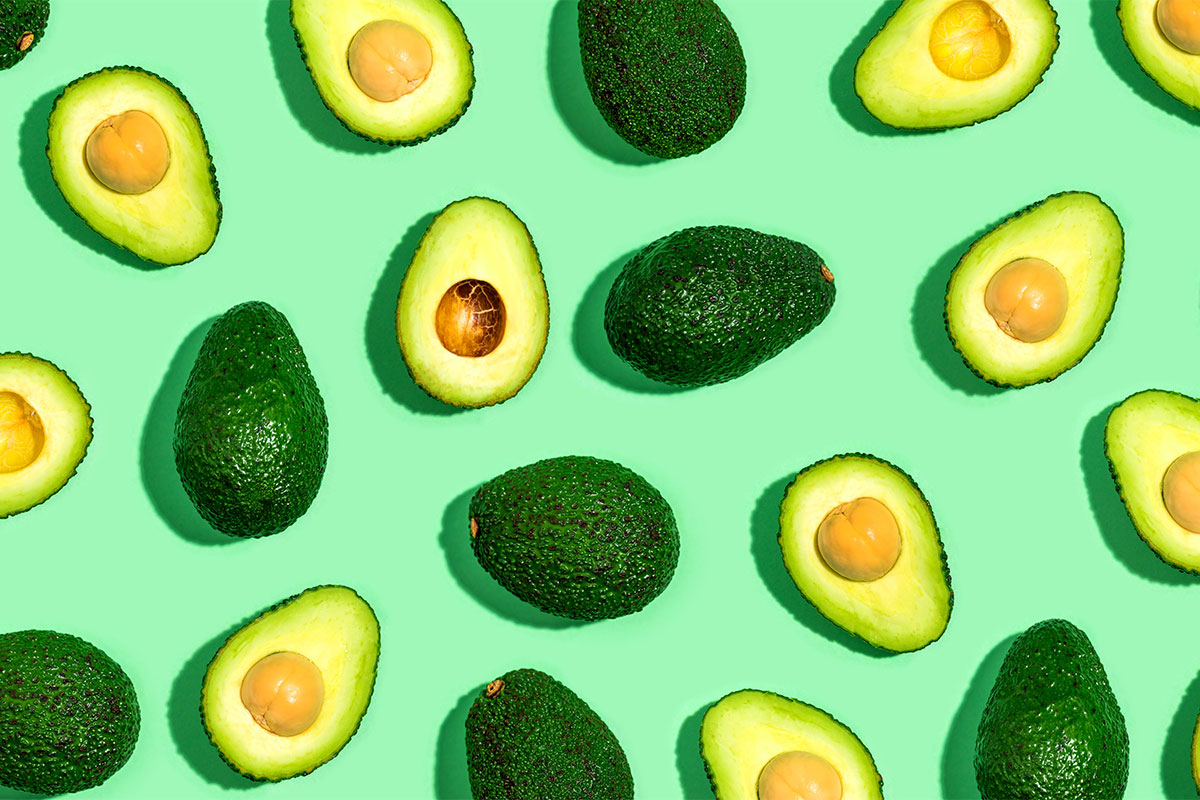
AVOCADO – Top pick to solve tummy rumbles. The fat from this fruit is heart-healthy, plus you get a good amount of fiber, Vitamin K and potassium with each ½ avocado.

Tip: Rub cut avocado half with lime juice to keep from browning.

NUTS – These little gems are chock full of unsaturated fat with a decent amount fiber per one ounce serving. They require a bit of chewing which slows your eating pace, plus their density is sure to stick to your ribs.

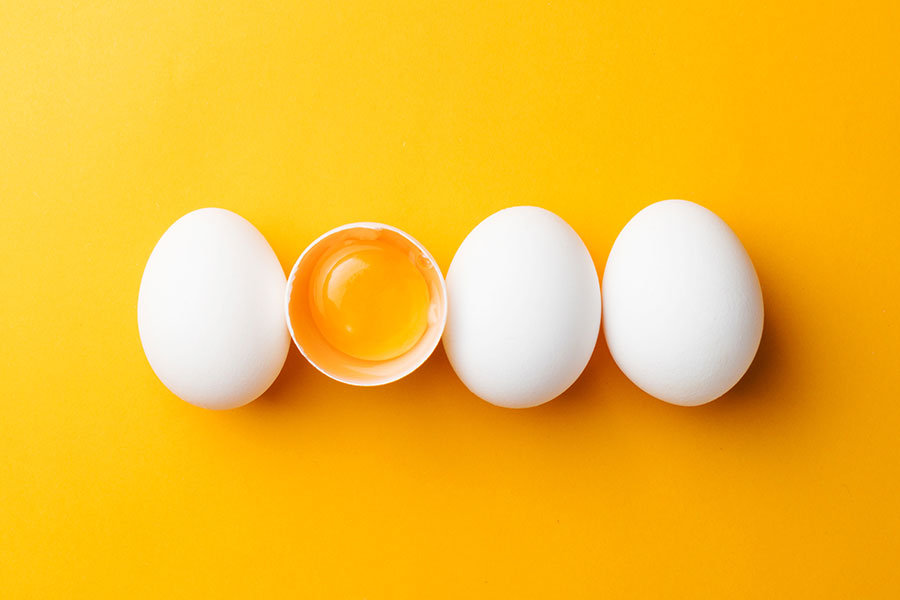
EGG – A harmonious balance of complete protein, fat, and vitamins gives eggs the ability to stand alone as a snack. Just 2 hard-cooked eggs have more protein than does a ¼ cup of tuna salad.

Tip: Repurpose a rinsed to-go drink cup with a lid to hold a couple shell-on eggs. Place your peelings inside to discard stink-free.

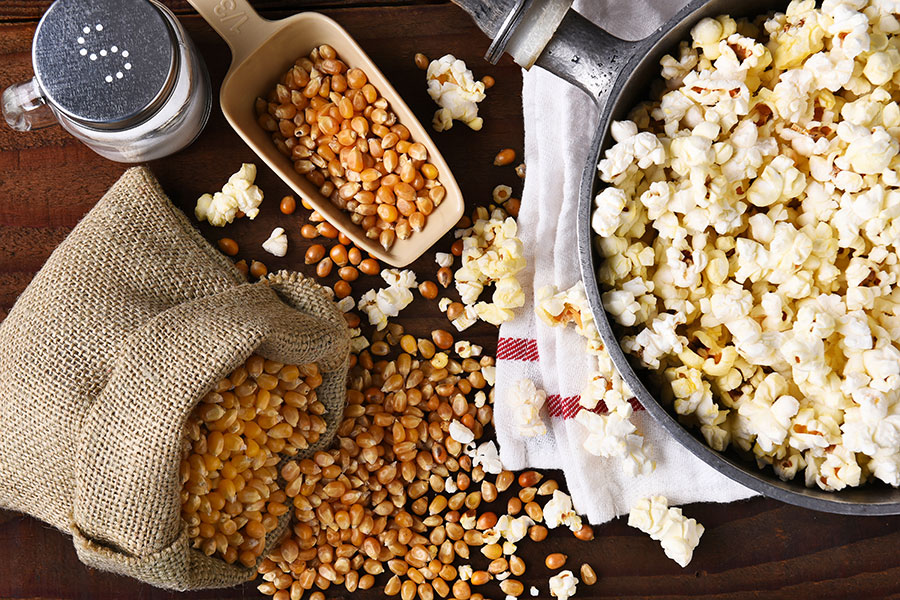
FRESH POPCORN – Not to be confused with anything yellow from a bag, freshly popped corn kernels with a sprinkle of salt and spray of butter-flavored oil is light and refreshingly warm & crisp. A three-cup serving of this finger food distracts for minutes, plus it’s a good source of fiber.

BROTH BASED SOUP – Watery liquids satisfy thirst which can often be mistaken for hunger. Soups are generally low-calorie, especially if vegetable based. An ample bowl of savory chicken noodle, minestrone or cucumber gazpacho is a good choice to forestall creeping appetite.

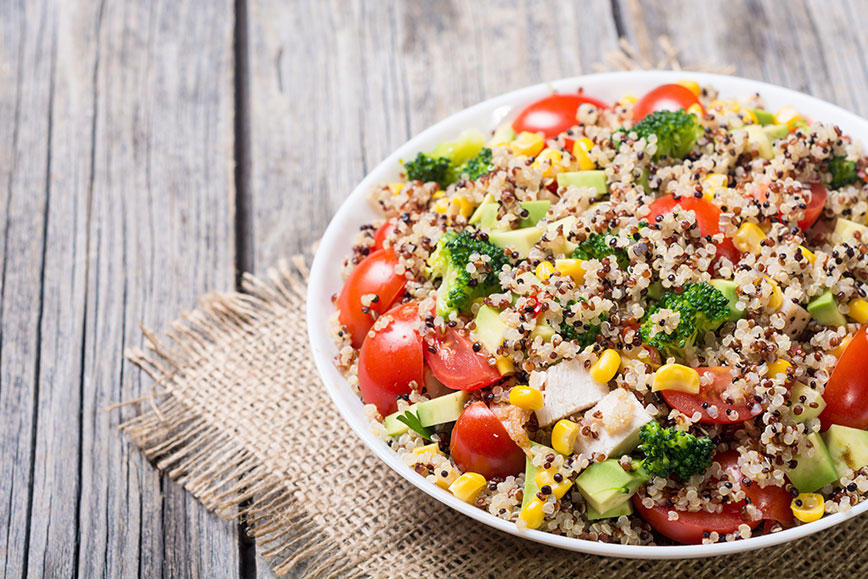
HEARTY SALAD – A chopped vegetable salad (small amount of lettuce okay) topped with quinoa, sliced almonds, chickpeas or corn plus a drizzle of oil-based dressing make for a tummy-filling solution. The chewing factor that slows your eating doesn’t hurt!

GREEK YOGURT or COTTAGE CHEESE – These protein-rich dairy choices also solve the hankering for something cool or creamy without reaching for ice cream. A one cup serving of plain plus a couple tablespoons diced fruit provides an excellent amount of calcium.


Recommended Reading

Low Carb Vegetarian Food Options

Low Carb Vegetarian Food Options

Question:

I am a low-carb vegetarian. What should I eat before and after workouts?

– JC Thomas Jr.

Answer:

I can see why you reached out, JC! At first glance, there’s certainly a conflict between low-carb and plant-based eating. For vegans, the reliance for protein is heavily on carbohydrate-rich beans. But since you limit carbohydrates it gets trickier to meet protein needs. Depending on the amount of carbohydrate you allow, you should be able to work in legumes daily, though not necessarily for pre/post workout. There are more protein options from seafood and dairy if you perhaps are pescatarian, lacto-vegetarian or ovo-vegetarian.

What are vegetarian things I can eat that contain a lot of protein?

Anything that is suitable for mealtime can be incorporated into pre-workout or recovery snacks. Surrounding your workouts, I’d say to opt for starch or vegetables with accompanying nuts or seeds, and to sacrifice fruit carbohydrate. You can incorporate vegan protein supplements at these times as well. To keep calories up, you need more volume/portions and should incorporate fats throughout the rest of the day.

Here’s a list of some vegetarian foods with limited carbohydrate (<5 grams per serving) *:

  • Almond butter – 1 Tbsp
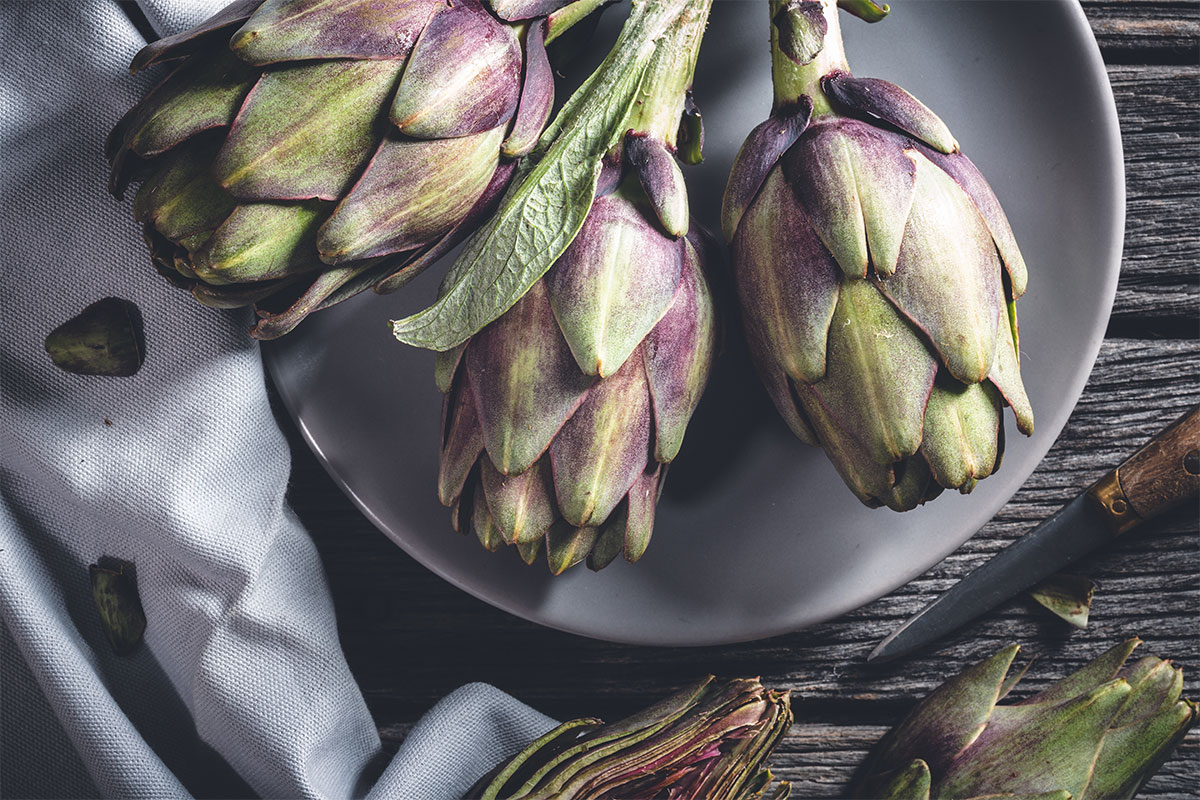
  • Artichoke hearts – ½ cup
  • Asparagus – 1 cup
  • Avocado – 1/4 fruit
  • Broccoli – 1 cup flowerets
  • Cashew butter – 1 Tbsp
  • Eggplant – 1 cup
  • Hazelnuts or filberts – 1 ounce
  • Mushrooms – 1 cup
  • Nopales – 1 cup
  • Olives – 10 large
  • Pecans – 1 ounce
  • Salad dressing (most regular) – 2 Tbsp
  • Tahini – 2 Tbsp
  • Tempeh – 50 gms
  • Zucchini – 1 cup

and vegetarian foods with very low carbohydrate (<2 grams per serving) *:

  • Cabbage – 0.5 cup
  • Celery – 1 large stalk
  • Collard greens, kale, lettuce, spinach or Swiss chard – 1 cup
  • Cucumber – 0.5 cup
  • Oils or margarine – any amount
  • Sprouted alfalfa or radish seeds – 1 cup
  • Tomatillo – 1 medium

*per USDA National Nutrient Database for Standard Reference Legacy Release, April 2018.

– Debbie J., MS, RD

This article should not replace any exercise program or restrictions, any dietary supplements or restrictions, or any other medical recommendations from your primary care physician. Before starting any exercise program or diet, make sure it is approved by your doctor.

Some questions have been edited for length and/or clarity.

Ask our Dietitian

Have a nutrition question? Our registered dietitian is ready to help!

Email nutrition@lafitness.com or submit your question below and it may be featured in an upcoming article!

6 + 8 =


Recommended Reading - Q+A

Member Spotlight | Having a Ball On and Off the Court

Member Spotlight | Having a Ball On and Off the Court

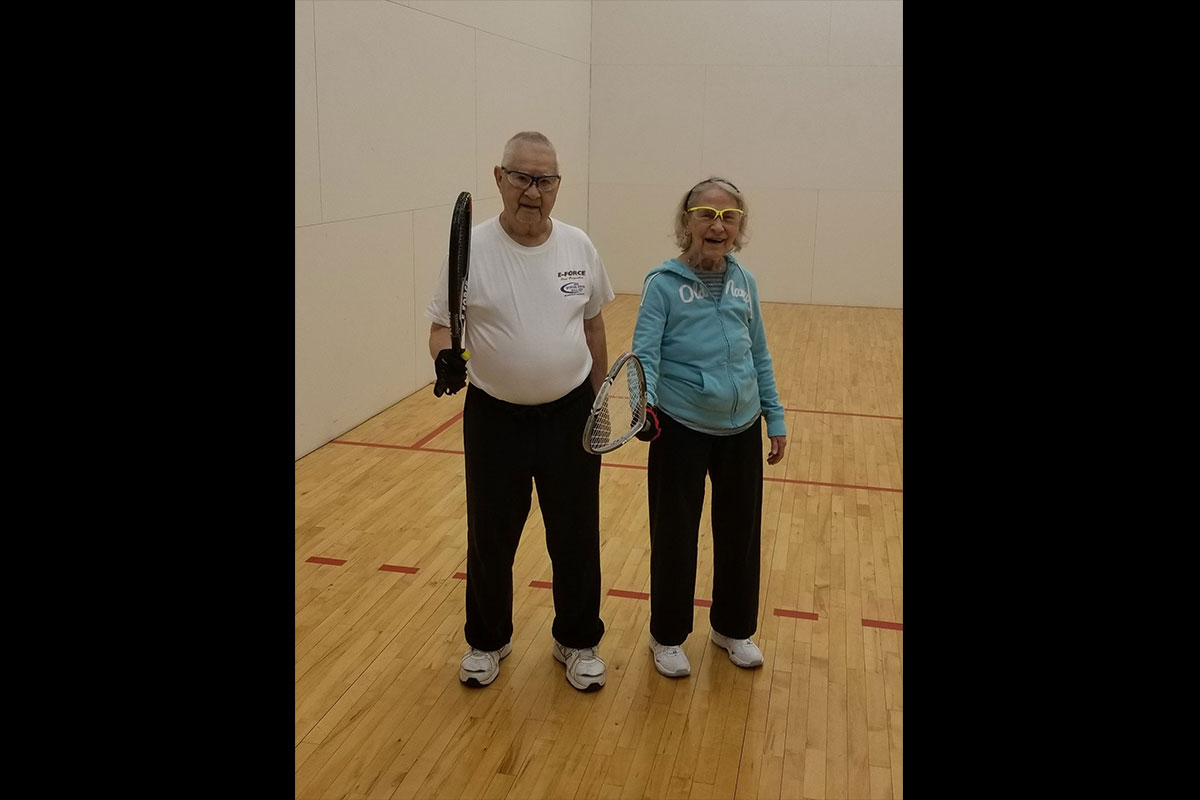
APPLE VALLEY, Minn. — For the past three decades, Jerry and Marilyn Hoagland have been playing racquetball together.

“Sometimes we get on the court when we haven’t been having a very good time at home,” Marilyn said. “Then we get here, and it’s all gone.”

Every Tuesday night, you can find the pair at the LA Fitness in Apple Valley, a place where they have become revered.

“They’re inspiring,” LA Fitness racquetball coordinator Scott Rosenburg said. “They run hard every single Tuesday.”

At 88 and 87 years young, the Hoaglands haven’t shown any signs of slowing down.

“I wanted to play until I was 100,” Jerry said. “Maybe I will.”

When Jerry and Marilyn aren’t facing each other, you can find them beating opponents more than half of their age.

“Guys don’t like to be beat by an old lady,” Marilyn said.

It started just for fun, but it’s now become a necessity for this couple of 58 years.

“It’s a lifesaver for me right now,” Marilyn said. “This is what keeps me alive. The exercise and doing it on a regular basis.”

But it’s more than just exercise or even fun for that matter.

Racquetball for the Hoaglands, is proof that couples who play together really do stay together.

“We shake hands afterward,” Jerry said. “Sometimes she doesn’t shake my hand, but usually she does.”

Reposted with permission by KARE 11 NBC. Original story written by Ryan Shaver. 


Recommended Reading

What to Eat for Rapid Weight Loss

What to Eat for Rapid Weight Loss

Question:

I currently weigh 270 lbs. and I’m looking to lose at least 70 lbs. I’m trying to lose at least 5 lbs. per week. What should I eat and how much?

– Niesha G.

Answer:

Your specific diet for rapid weight loss would need to be developed one-on-one with a dietitian, preferably in conjunction with a medical professional. I can say that we’ve addressed similar requests in the past – and the answer is different for each unique person.

Though it’s certainly plausible the scale could drop 5 pounds each of the first few weeks, it’s likely most of that weight would be water loss. Unless you are burning an extra 2,000 calories (a week’s worth of exercise!) daily there wouldn’t be an energy deficit great enough to promote fat burning to that extent.

So… I’d say to focus on your first 10-15-pound reduction by reducing portions, eliminating fried foods, alcohol, and sweets. For structure, you could follow a moderate diet plan providing no fewer than 1,500 calories a day. Whether it’s Mediterranean style, lower carbohydrate, high fiber or 6 mini-meals, adhering to a regimen for a couple of months forces you to plan, shop and prepare for everything you eat.

Here’s just one sample 1,500 calorie day of familiar American foods to get your started*:

  • Breakfast
    • 1 Cup bran flake cereal, 1 Tbsp. almonds, ½ Cup 1% milk, 2 scrambled eggs, ½ grapefruit
  • Lunch
    • 3 oz. grilled chicken breast, ½ Cup coleslaw, 1 cob corn
  • Dinner               
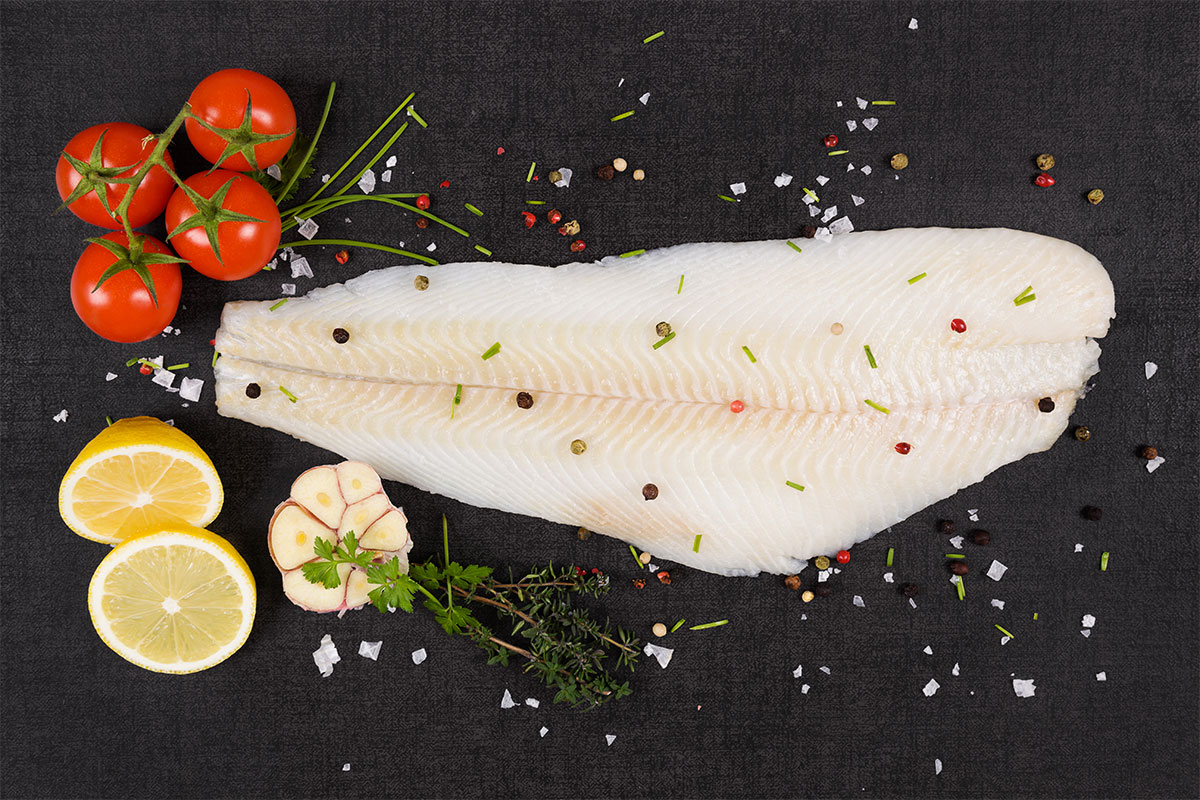
    • 3 oz. halibut, 1 Cup green beans, 1 Cup wheat noodles
  • Snacks
    • 3 Cup light popcorn
    • 1 C. plain low-fat yogurt + ½ C. berries

Analysis on www.FitDay.com by a Registered Dietitian Nutritionist = 28% Protein, 28% Fat, 44% Carbohydrate, 25 gm Fiber * Findings were used along with RDN’s professional judgment.

– Debbie J., MS, RD

This article should not replace any exercise program or restrictions, any dietary supplements or restrictions, or any other medical recommendations from your primary care physician. Before starting any exercise program or diet, make sure it is approved by your doctor.

Some questions have been edited for length and/or clarity.

Ask our Dietitian

Have a nutrition question? Our registered dietitian is ready to help!

Email nutrition@lafitness.com or submit your question below and it may be featured in an upcoming article!

4 + 13 =


Recommended Reading - Q+A