Raw Vegan Fasting

Raw Vegan Fasting

Question:

I am a raw vegan. I don’t eat any processed foods such as bread, pasta, crackers, etc. I also cook my food at a certain temperature (not over 120 degrees). I fast (for religious reasons) very frequently. Currently, I am fasting from 8am-8pm for the next two weeks. Goals: To lose weight. Maintain a consistent diet whether I’m on a fast or not.

– Cassandra D.

Answer:

Hi Cassandra, if you’ve been following your raw vegan lifestyle and practicing fasting for some time, I’ll admit you have one up on me! I am no stranger to helping someone plan a nutritionally adequate raw vegan diet, but your situation is intriguing since you also want to lose weight while maintaining consistency around fasts.

It seems to me that achieving consistency, fasting or not, necessitates consuming the same volume of food daily/weekly but in the acceptable time parameters. Eating everything one would normally during the day but doing so before 8am and after 8 pm means two bigger meals. Certainly attainable if you really need to avoid the weight fluctuations that typically accompany fasting. Better that than overnight or end-of-fast binges that overcompensate for what’s missed!

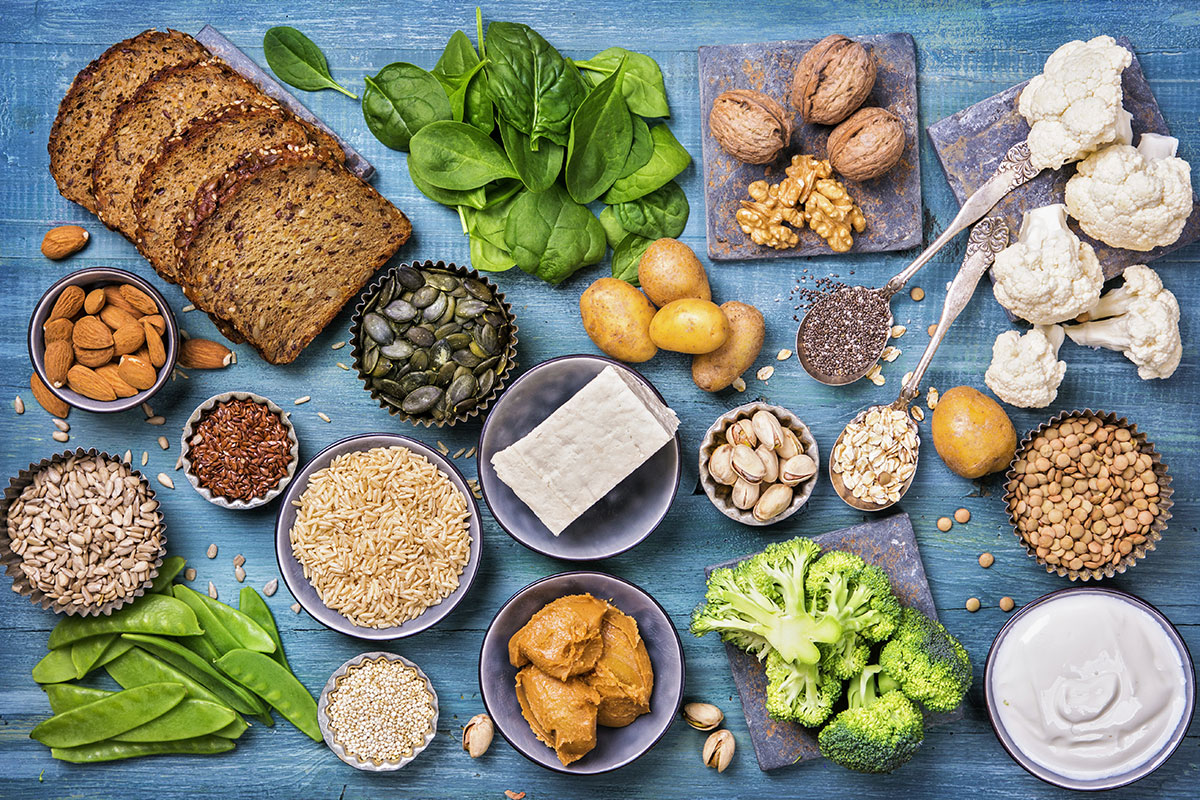
We don’t provide personalized diet plans here, sorry. In addition, I would need to meet with someone one-on-one for individualized meal planning with the appropriate combinations and portions for her nutritional needs. A search at www.eatright.org/find-an-expert can locate an available Registered Dietitian Nutritionist specializing in vegetarian nutrition, although you may have to dig a bit deeper to find one that can help with your situation. Overall stick to the foods you’re comfortable with which I hope include a lot of leafy greens, sprouts, soaked grains, sprouted legumes, nuts/seeds, vegetables, and fruit, plus avocado, coconut, fermented foods, and cold-pressed oils. Of course, drinking a sufficient amount of permitted beverages during daylight hours while fasting is a must.

– Debbie J., MS, RD

This article should not replace any exercise program or restrictions, any dietary supplements or restrictions, or any other medical recommendations from your primary care physician. Before starting any exercise program or diet, make sure it is approved by your doctor.

Some questions have been edited for length and/or clarity.

Ask our Dietitian

Have a nutrition question? Our registered dietitian is ready to help!

Email nutrition@lafitness.com or submit your question below and it may be featured in an upcoming article!

12 + 12 =


Recommended Reading - Q+A

Protect Your Skin This Summer with These 10 Tips

Protect Your Skin This Summer with These 10 Tips

Cue the Beach Boys music, grab your surfboard, and get ready for some sun-kissed skin and long summer nights!

Summer is just around the corner, and while most of us have been working hard to get beach body ready, it’s just as important to make sure our skin is summer sun-ready.

The sun’s ultraviolet (UV) rays can not only cause pain-inducing sunburns, but they can prematurely age the skin! This can leave behind wrinkles, a loss of skin elasticity, and reverse all the hard work you’ve put into maintaining a youthful appearance – but fear not. We have a solution.

10 Tips to Save Your Skin from Sun Damage

  1. Sunscreen. Yup, this is probably the most common knowledge of them all, but how do you know which SPF to use? A higher sun protection factor (SPF) (think SPF 30 and above) will generally better help prevent sunburn and protect against skin cancer.
  2. UVA vs. UVB. There are two different types of sun rays that can cause skin damage, long wave ultraviolet A (UVA) and short-wave ultraviolet B (UVB). UVA rays can penetrate deep into the skin’s thickest layer, while UVB rays usually burn the top layers of the skin. Make sure you’re using a sunscreen that protects against both UVA and UVB rays (30+).
  3. Check out your shadow. Have you heard of the Shadow Rule? If your shadow is shorter than you the sun’s rays are typically at their strongest, so you should try to find shade to avoid excess skin damage.
  4. WARNING: Did you know that some medications directly interact with direct sunlight? These medications can include certain types of antibiotics, anti-inflammatory medication, antifungals, blood pressure meds, and chemotherapy drugs. Not sure if your prescription makes the list? Check out the label on your medicine bottle. There should be a prominently displayed caution, if necessary.
  5. Cover up. We understand that you want to soak in those sweet warm rays (and hey, a tan wouldn’t be too bad either), but you may want to accessorize that bikini or swim trunks with a hat, sunglasses, or additional clothing. These extra pieces can help protect your body from damaging rays. And, don’t forget to wear sunglasses with lenses that have a high level (99% to 100%) UV protection to provide extra safety for your eyes and the surrounding skin around them.
  6. Beware water and sand. Yes, it’s summertime, so chances are you’re not going to avoid the beach altogether but be wary about too much time exposed to the water and sand. These surfaces can reflect the sun’s rays which can lead to a lobster-like sunburn. Not fun for anyone.
  7. Reapply. Sunscreen is not a one-and-done type of protection plan. For optimum protection, WebMD suggests reapplying at least every 80 minutes or sooner if you’re swimming or sweating a lot. And with the hot weather, we’re guessing you will be.
  8. Check the time. Did you know that the sun’s UVB rays are the strongest between 10AM and 4PM? Try to limit your time in the direct sunlight during these hours.
  9. Rub, don’t spray. Spray sunscreens are great, but if you don’t take the time to fully rub in the sunscreen you could be missing areas of your body that you thought you had covered. Not to mention that you may also be left with streak lines that will become noticeable if areas around the line burn from lack of sun protection.
  10. Invest in a Sun Sensor. Did you know there are sun sensors out on the market that you can easily stick onto your skin and they measure your exposure to the sun? These super helpful little stickers let you know via a connected app when you should find some shade and tracks your exposure to UV over time. Check out this article from Allure to see what they suggest.

Have fun this summer and use these tips to help protect you and your loved ones from unneeded sun damage.  

How do you and your family and friends plan on spending your summer time? Share your comments with us in the section below!

References:

  1. Bauer, Amber. “10 Tips for Protecting Your Skin from the Sun.” Cancer.Net, 30 July 2018, cancer.net/blog/2015-07/10-tips-protecting-your-skin-sun.
  2. “How To Protect Your Skin From the Sun.” WebMD, WebMD, www.webmd.com/melanoma-skin-cancer/how-to-choose-susncreen#1.
  3. Rosenstein, Jenna. “7 Ways to Protect Your Skin From the Sun.” Allure, Allure, 8 Aug. 2016, www.allure.com/gallery/how-to-protect-your-skin-from-the-sun.

Recommended Reading

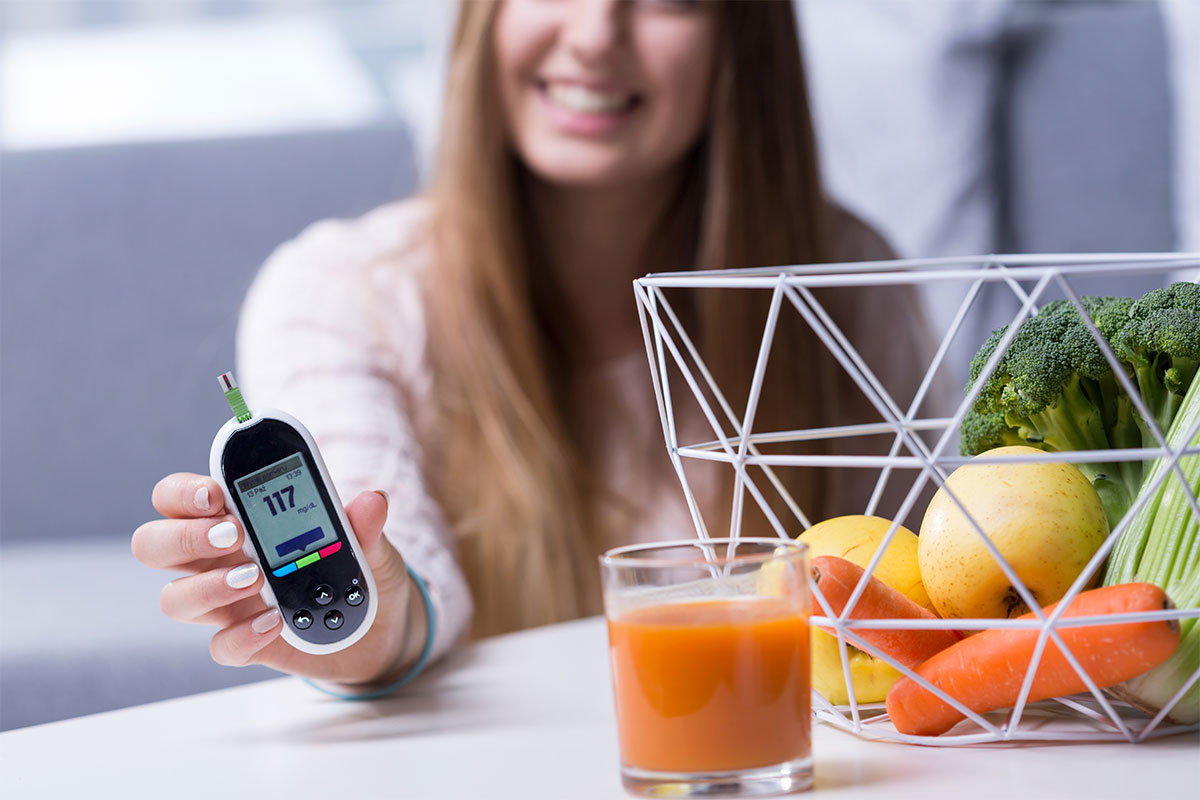
Meal Timing for Type 1 Diabetics

Meal Timing for Type 1 Diabetics

Question:

I’m a type 1 diabetic. I need to work on my stomach. Should I eat a meal before attempting this or wait till I finish then eat my meal?

– rgates2940

Answer:

I will have to rely on the famous phrase, “It depends.” When you’ve eaten last, what you ate, your last insulin dose and type, your current blood glucose level, and the expected walk/gym exercise intensity and duration will all dictate the best timing of your meal. Adding exercise to an otherwise presently stable day will draw energy, increase insulin sensitivity and promote blood sugar uptake into cells. Because diabetes mellitus type 1 responses to exercise include blood sugar lows, you should take proper precautions and be prepared to treat hypoglycemia.

Start recording your blood sugars before, during and after exercise so that you can better predict when you need a snack. Share your record with your endocrinologist (or healthcare professional) whose guidance regarding blood sugar management you should follow. You can also receive personalized medical nutrition therapy from a Dietitian who’s also a Certified Diabetes Educator for the exact volume and timing of your pre/post workout meals.

Sources:

    1. http://www.diabetes.org/food-and-fitness/fitness/exercise-and-type-1-diabetes.html
    2. https://www.jdrf.org/blog/2013/02/21/dont-sweat-it-exercise-and-type-1-diabetes/

– Debbie J., MS, RD

This article should not replace any exercise program or restrictions, any dietary supplements or restrictions, or any other medical recommendations from your primary care physician. Before starting any exercise program or diet, make sure it is approved by your doctor.

Some questions have been edited for length and/or clarity.

Ask our Dietitian

Have a nutrition question? Our registered dietitian is ready to help!

Email nutrition@lafitness.com or submit your question below and it may be featured in an upcoming article!

4 + 8 =


Recommended Reading - Q+A

How to Gain Healthy Weight – Podcast Ep. 25

How to Gain Healthy Weight – Podcast Ep. 25


Welcome to the 25th episode of the Living Healthy Podcast, presented by LA Fitness.

On this episode of the Living Healthy Podcast, we speak with LAF Personal Training Director, Tristen Alleman, and LAF Registered Dietitian, Debbie James, as they share their expert advice on how to gain weight the healthy way. This episode is for anyone that’s ever been curious about how they can add lean muscle, and increase body mass, without adding the unhealthy type of body weight. We approach this from both the fitness side of things and nutritional side, to help those struggling with weight gain, find a healthy and balanced way to do so with their training and nutritional routines.

How Are We Doing? 


This podcast should not replace any exercise program or restrictions, any dietary supplements or restrictions, or any other medical recommendations from your primary care physician. Before starting any exercise program or diet, make sure it is approved by your doctor.


Timecard Markers – How to Gain Healthy Weight – Podcast Ep. 25

Introduction 

Begins at 0:01    

Introduction of LAF Personal Training Director, Tristen Alleman, and LAF Registered Dietitian, Debbie James 

0:22 

What Would Someone Want to Add on Weight or Muscle? 

0:32 

Do You Have to Increase Your Caloric Intake to Gain Weight? 

2:36 

How Does Strength Training Help Build Muscles? 

4:50 

What Foods Are Good to Eat on Cardio-Focused Work Out Days? 

4:16  

How Many Days Per Week Should You Strength Train? 

7:02 

Austin, Our Skinny Colleague, Joins the Show (and Talks Food and Lack of Weight Gain) 

8:43 

Can Everyone Benefit from Adding Muscle onto Their Body? Or Only Bodybuilders? 

14:42 

Are Supplements Good or Bad When It Comes to Bulking? 

16:36 

How Much Protein is Too Much Protein? 

19:00 

Can You Gain Weight and Bulk as a Vegetarian or Vegan?  

20:01 

Are Full-Fat Products Always the Best Option for Weight Gain and Bulking? 

20:40 

Why Are Women Afraid of Gaining Muscle? 

22:23 

Actionable Advice   

24:38 

Outro 

26:06 


Recommended Podcast Episodes 

Snacks to Help Boost Energy

Snacks to Help Boost Energy

Question:

I’m a snacker, consistently snacking throughout the day. What are some snacks that would help boost my energy and that are actually good for me?

– Anjelica V.

Answer:

Snacking and grazing are suitable ways to consume your daily intake, providing the choices are good ones and you compensate with smaller meals. I’d suggest snacks in the 100-200 calorie range based on whole foods, with an occasional small energy/protein bar as backup. Good energy-boosting snack choices are:

  • hummus, whole wheat pita bread, carrots
  • hard cooked egg topped chopped salad in a jar
  • tuna, whole grain crackers, celery
  • a cup of hearty soup (less than 10 g fat, at least 5 g protein)
  • edamame
  • high fiber cereal, milk, kiwi
  • plain Greek yogurt, berries, coconut flakes
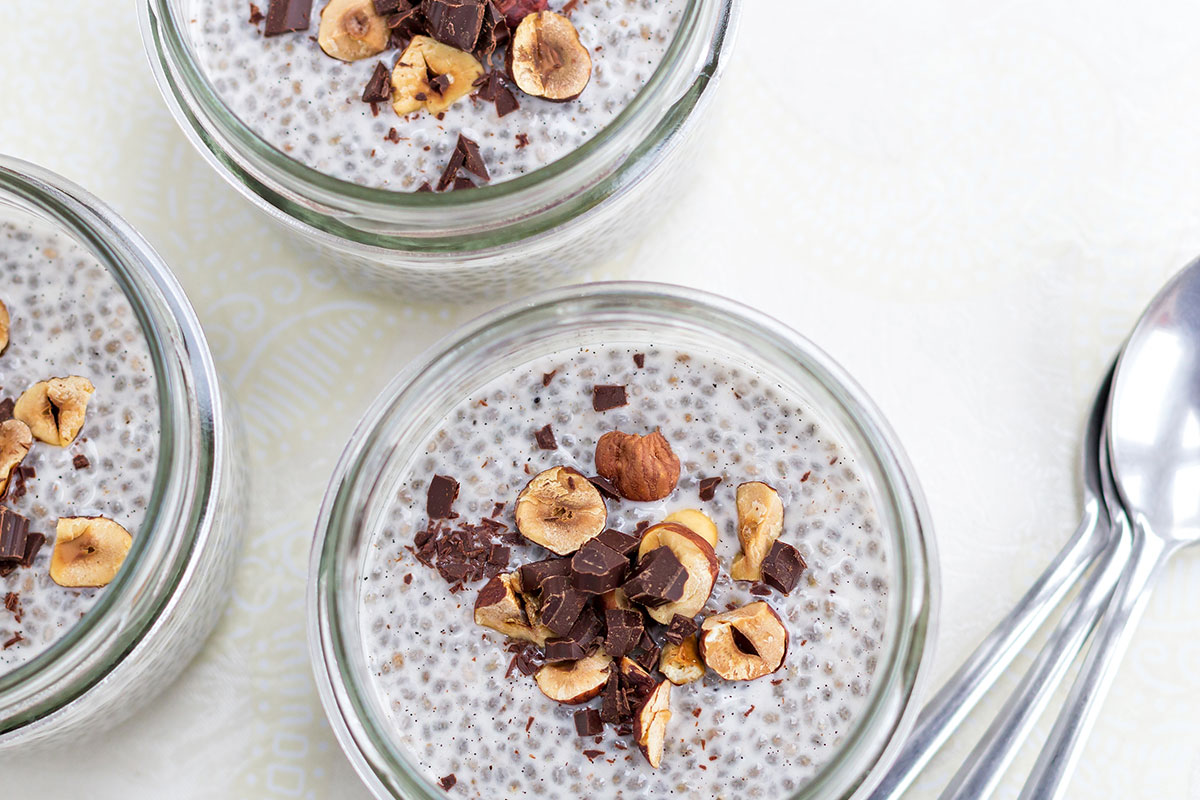
  • chia seed pudding, hazelnuts, dark chocolate shavings
  • pizza roll: string cheese, wheat tortilla, spoonful marinara
  • cinnamon popcorn, dried apples, and pecans
  • crisp pear and peanut butter
  • banana and almond butter
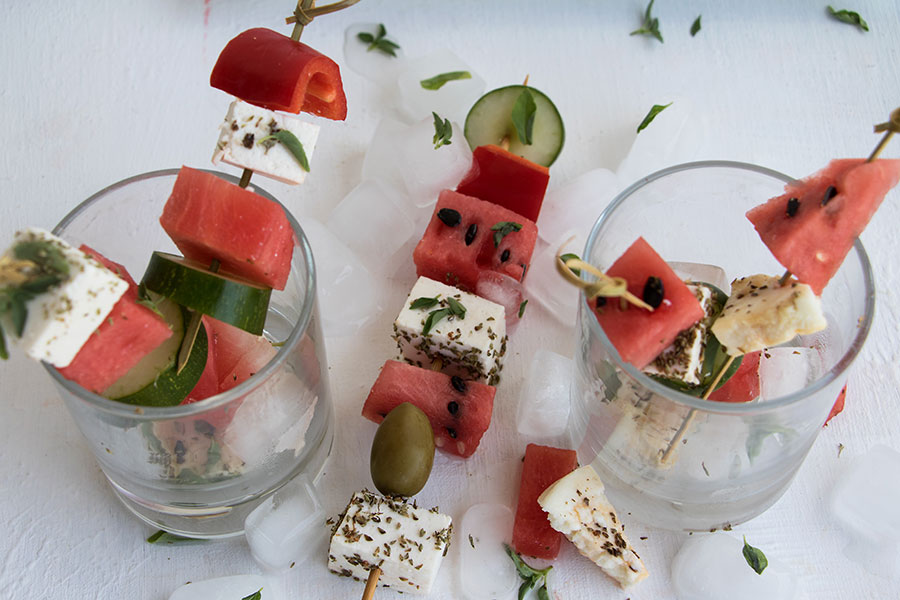
  • watermelon, cucumber, feta cheese & mint skewers
  • energy/protein bar (at least 8 g protein, total sugar less than half total carbohydrate)

Leftovers of any balanced meal can serve as a good snack, too! Remember to keep portions in check and keep your total day’s intake in mind for variety and nutrient adequacy.

– Debbie J., MS, RD

This article should not replace any exercise program or restrictions, any dietary supplements or restrictions, or any other medical recommendations from your primary care physician. Before starting any exercise program or diet, make sure it is approved by your doctor.

Some questions have been edited for length and/or clarity.

Ask our Dietitian

Have a nutrition question? Our registered dietitian is ready to help!

Email nutrition@lafitness.com or submit your question below and it may be featured in an upcoming article!

13 + 8 =


Recommended Reading - Q+A