Why You Should Practice Some Self-Love

Why You Should Practice Some Self-Love

We often write about how to achieve your fitness goals, how to eat well, and how to keep motivated through it all. Today we’re pausing to recognize how amazing you are for keeping the fight. It’s not always easy to maintain a healthy and active lifestyle and there are a lot of temptations out there that aim to tear us away from our goals.  

With so much love floating around, Valentine’s Day is the perfect reminder to love ourselves and the bodies we’re in. 

This Valentine’s Day show yourself some love and remember that: 

Your Body is Beautiful

Your body is beautiful, and your nutrition and fitness goals exist to keep it healthy. Regardless of why you hit the gym, the track, the pool, or the nature trail, the fact that you show up deserves applause. It doesn’t matter if you’re there to get shredded, to feel amazing in your swimwear, to regain mobility after injury, or to improve your ability to carry out everyday tasks. You are looking after your body and that’s what makes your effort worth it! 

You are Trying Your Best

We all skip work out days from time to time and we all have cheat days when it comes to our nutrition. We know we can do better and we try again. Sometimes we don’t believe we can, and we give up. It’s only human to experience self-doubt and to falter, especially when the road is long or difficult. Even if it takes a while, you eventually try again. That’s the part that matters! If you’re struggling with thoughts that tell you “I can’t do it,” read our article on How to Stick to Your Resolutions to learn how to combat destructive thought processes. 

Slip-Ups Aren’t Always Your Choice

Sometimes life happens. We get ill, we receive a diagnosis that affects how we can eat or exercise, we can’t afford to buy the healthier food option, we must dedicate our energy to care for others, or we just don’t have enough time. It’s good to recognize that sometimes external factors are imposing their will. Your best option may be to establish “a new normal,” and build a routine with, instead of around, your environment.  

It’s also good to take up new ways to care for yourself. It isn’t all about eating right and exercising. Caring for yourself also means that you:

Take Time to Yourself

We don’t realize how necessary this is until we desperately need to rest and recharge. If you commit some time to yourself every so often, you can significantly reduce the buildup of stress and tension. This can be as little as 10 minutes a day. Silence or turn off your phone and disconnect from the world briefly. It feels amazing when you know your time is protected and for this piece of your day, no one gets to ask anything of you.

Make Sure You’re Sleeping Enough

Our mood, energy, and patience all rely on our sleep. It can be a lot harder to manage small inconveniences, let alone larger problems, when we haven’t slept enough. Now add the fact that our circadian rhythm tends to fluctuate naturally with the changing seasons, and our sleep cycles are thrown even further off course. If you pay more attention to your sleep, you might find that your willpower is stronger along with your ability to stick to your goals. 

Set Boundaries

Setting boundaries is a big deal! Do you ever feel taken advantage of, like your kindness is used, or like others know you can’t turn down a request? So, you’re always the one driving the carpool, always the one picking up the tab, always the one taking the tasks or shifts no one else wants at work (this is assuming you would rather not do all these things).

Without boundaries, your physical and emotional energy can drain fast! It’s good practice to start saying “no,” or to work on not feeling obligated to give a full-length essay with MLA citations explaining why you need to say “no.” Setting healthy boundaries can improve relationships with others and can really benefit your own mental and emotional health, making you more capable of devoting your energy towards your personal wellness goals.  

Don’t Compare Yourself to Others

By now we should be well-aware that everyone is different and that this is a good thing. Imagine if we were all the same; how incredibly frightening. It’s understandable why we imagine a standard of what’s attractive, what’s beautiful, what’s fashionable, and what’s socially acceptable. Every group of people will construct their own ideals.

However, there is a reason we ask for personalized nutrition and personalized fitness advice. Our bodies are naturally different, and what works for one person may not work for another. Differences in body type alone can mean that even if two people follow the exact same fitness and nutrition regimen that their bodies will look completely different, even at their healthiest. So, don’t compare yourself to anyone else, because the healthiest version of you may not look like the healthiest version of someone else! 

Share your thoughts on how you practice self-care in the comments below! For more articles like this one, subscribe to our newsletter to receive monthly highlights from the LA Fitness blog! 

How Baking Can Help You Build Good Habits

How Baking Can Help You Build Good Habits

February is Bake for Family Fun Month! Aside from yielding delicious baked goods, baking can help families build stronger relationships, improve communication, and teach valuable lifelong skills. You might be wondering, how?  

Well, building healthy skills and habits is a process that starts at home. Group activities, like baking, easily involve family members of all ages and skill-levels and create a space for productive teamwork. All it takes to get started is a quick web search for a healthy recipe, and the willingness to clean up a few spills. 

Here is how baking with the family (or with friends who may as well be family) can be good for teaching and learning healthy habits and goal-setting skills: 

Relationship Building 

Baking allows for creative expression, and you’d be surprised by what you can learn from observing a person’s artistry. In fact, certain types of therapy use art as a way to help children and even adults express emotions, fears, and internal struggles when they’re too difficult to put into words. Working on something that channels our creative side helps us relax, and a relaxed state-of-mind is great for bonding and relationship building. 

A good support system is key when setting goals or developing new habits. Learning to bond with others can help establish new and nurture existing support systems. 

Improving Communication 

“Pass the salt please!” Remember what we said about modeling positive behaviors? It helps others understand what we mean when we say “please be polite” or “please be considerate” if they have an example of what that looks like. When you’re baking, you might say something like “I know your hands are full, but when you have a second can you help me pour the flour?” A statement like this one considers the other person’s current position and gives them room to respond when they are ready. Imagine if the statement was “help me with the flour.” You might get a response like “Can’t you see my hands are full?!” 

Good communication helps us consider how others might receive the things we say. Being able to listen to how our words come across can help us reflect on goals we set and recognize when they sound unrealistic. 

Teaching Lifelong Skills

Baking is a science and it’s often precise down to the minute. It’s great for learning and mastering concepts like: 

  • Timing – Each recipe will vary and one additional or missing ingredient can affect baking time. 
  • How to Estimate – How much is a pinch, really? 
  • How to Follow Instructions – Have you ever missed a step and had to improvise? 
  • Mathematics – Maybe the instructions will feed 8 but you only want to feed 4. Now you need to divide the amount of each ingredient in half. 
  • Chemistry – Food changes when it’s exposed to heat, and that’s all Chemistry! 

When it comes to setting goals, these concepts come into play too! Imagine you have a weight loss goal. You’ll be considering the timing of your meals, recovery drinks, and workouts and altering them to match your changing schedule. You may need to estimate a meal’s calorie count or follow a prescribed nutrition plan or workout regimen. You’ll probably also do plenty of math to track calories, inches lost, and to calculate your BMI. All of this becomes easier when you practice with activities that incorporate these skills. 

Ready, Set, Bake!

Next time you’re stumped for activities to do as a family, unpack your aprons and pull up a good recipe. Your baking day can lead to some positive and healthy skill-building! For some healthy cookie recipes, check out these 8 Waistline Friendly Cookie Ideas. To stay informed with our fitness and nutrition articles, subscribe to our newsletter to receive monthly highlights from the LA Fitness blog! 

Bulking on a Clean Diet | QA

Bulking on a Clean Diet | QA

Question:

Hi, my name is Nigel and I was wondering if you could help me with eating tips for someone trying to clean bulk. Thanks.

– Nigel A.

Answer:

As a dietitian I interpret your inquiry as you’d like advice for bulking up on strictly a ‘clean’ diet. Bulking up without gaining fat pretty much means eating a clean diet, anyway. 

Clean foods – those that are raw or minimally processed – include energy dense foods like avocados, banana, coconut, fatty fish, meats, nuts, extra virgin olive oil, poultry dark meat, seed butters, and soybeans which can help you put on weight. Muscle weight if resistance training consistently, of course. Starchy vegetables like corn, potatoes, peas and winter squash and (naturally) dried fruit provide more energy per bite than watery ones. Other higher calorie foods (by weight) such as granola/trail mix, pesto and cottage cheese can be made from scratch if raw/unprocessed is desired. Incorporating eggs and quinoa helps to keep protein intake up. 

Resources: 

  1. Dold, K. (2017, July 28) The 13 Most Basic Rules of Clean Bulking https://www.mensjournal.com/health-fitness/eight-essential-rules-clean-bulk/ Accessed 1.10.2020 
  2. Geiger, B. (2018, Oct. 16) The Clean Bulk: A New Approach To Adding Offseason Muscle https://www.bodybuilding.com/content/the-clean-bulk-a-new-approach-to-adding-offseason-muscle.html Accessed 1.10.2020 

– Debbie J., MS, RD

This article should not replace any exercise program or restrictions, any dietary supplements or restrictions, or any other medical recommendations from your primary care physician. Before starting any exercise program or diet, make sure it is approved by your doctor.

Some questions have been edited for length and/or clarity.

Ask our Dietitian

Have a nutrition question? Our registered dietitian is ready to help!

Email nutrition@lafitness.com or submit your question below and it may be featured in an upcoming article!

3 + 10 =


Recommended Reading - Q+A

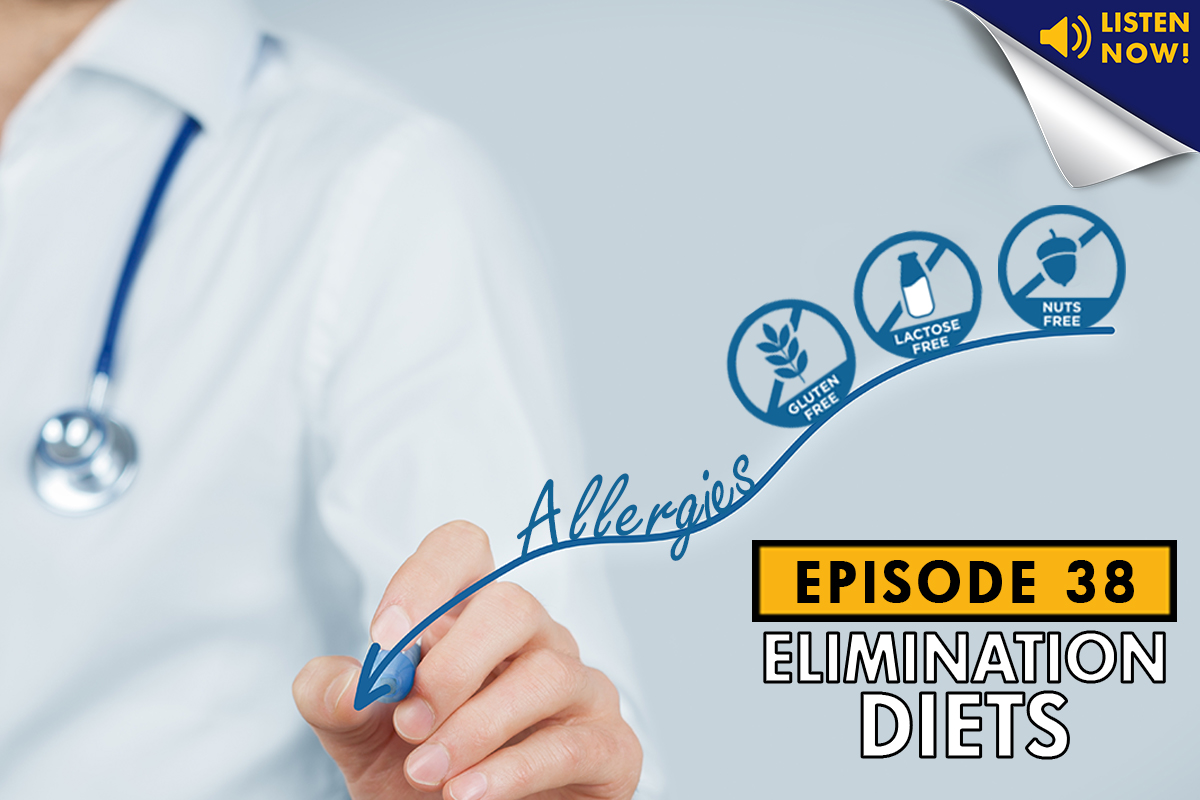
Elimination Diets – Podcast Ep. 38

Elimination Diets – Podcast Ep. 38


Welcome to the 38th episode of the Living Healthy Podcast, presented by LA Fitness.  

The Elimination Diet is not what it sounds like! It’s not about getting yourself to “go,” but actually about eliminating foods from your diet and slowly re-introducing them one by one. It’s a way to help identify which foods your body is sensitive to.  

We’re sitting down with our registered dietitian, Debbie James, to bring you the information you need to know about this interesting diet! Tune in now to hear all about it.

How Are We Doing? 


This podcast should not replace any exercise program or restrictions, any dietary supplements or restrictions, or any other medical recommendations from your primary care physician. Before starting any exercise program or diet, make sure it is approved by your doctor.

Timecard Markers – Elimination Diets – Podcast Ep. 38

Intro 

 0:01 

Introduction of Today’s Guest: Debbie James, RDN 

1:15 

What is the Purpose of an Elimination Diet? 

1:48 

Who Would Benefit Most from This Diet? 

2:50 

Is This Used with Children at All? 

3:49 

How Long Would a Person Have to Wait to See Whether It’s Working? 

4:39 

Is This Diet Tough on Our Digestive System? 

5:24 

What are Some of the Typical Reasons for Using This Diet? 

6:30 

Common Foods Associated with Allergies 

7:12 

Should You Eliminate 1 Food at a Time or Several?  

8:03 

How Might Someone Expect Their Body to React to the Diet? 

9:00 

How Do You Meet Your Energy Needs When You’re Eliminating So Much? 

10:27 

Can You Create an Allergy by Eating Something Too Much? 

12:26 

What’s the Difference Between Being Allergic and Intolerant? 

13:18 

Is There a Way, Over Time, to Become Tolerant to Something You are Intolerant to? 

15:40 

Actionable Advice 

17:33 

Outro 

18:45 


Recommended Podcast Episodes 

Next Gen Meatless Burgers: How Healthy Are They?

Next Gen Meatless Burgers: How Healthy Are They?

Meatless burgers that bleed and have the taste and mouthfeel of cooked ground beef are here to stay! Whether from restaurants or the grocery store, these next generation meat analog products are seemingly everywhere. Curious or health-conscious carnivores are happy to gobble down mock meat foods in an attempt to reduce their risk of cancer or heart disease while many vegetarians embrace the convenience of these prepared plant products. Now there are even blended patties combining beef with plant proteins to please every omnivore and flexitarian. 

Did you know? The first commercially available veggie patty was from an English “VegeBurgermix in 1982, according to www.Smithsonian.com. 

What’s in My Food?

Beef is from nature and beans are from nature But highly processed foodstuffs made from either of them aren’t as healthy and definitely aren’t considered natural. Fresh, lean red meat offers high-quality protein, is rich in niacin, selenium, zinc, and vitamins B6 and B12, and is a good source of potassium. Unfortunately, the way typical Americans prepare ground beef – exposed to high heat until charred – creates compounds harmful to health1. With the newer meat analogs, there’s a concern over preservatives, sodium, additives like smoke flavor, artificial colors, and other factory-derived proprietary ingredients2.  

Sure, we can pick them apart individually* and talk about isolated ingredients, but it may be wise to focus on the bigger picture of one’s overall diet first3. Health agencies and experts most often recommend a varied diet rich in antioxidants and vegetables, moderate in fat, with adequate micronutrients, protein and fiber1. So, it makes a difference if these newer veggie burgers replace meat or take the place of raw plant foods, and how often they do so.  

There’s a growing body of research supporting the risks of red meat consumption1 and the health benefits of replacing animal proteins with plant proteins4. Compared to pure ground beef patties, plant-based burgers are naturally devoid of cholesterol and vitamin B12, may be lower in saturated fat, are higher in fiber, but are also higher in sodium3. Compared with traditional DIY veggie patty recipes that call for minimal ingredients (beans, grains, vegetables, and mushrooms), they’re lower in fiber and are higher in sodium.  

Notable Ingredients of Next Gen Meatless Burgers 

One of the major differences between the current next generation plant patties and other processed legume-based burgers (such as Morningstar Farm® Grillers) is in their appearance and texture to replicate the experience of eating meat. You can thank a few choice ingredients for the aroma, flavor and look of meat-like patties. 

Legume Protein

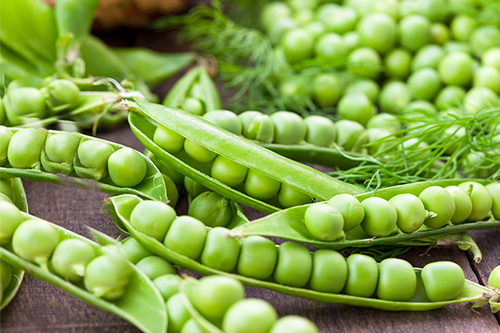
A side-by-side nutritional comparison showed that Impossible Burger, Beyond Burger, and 85% lean real beef have similar protein content (19-21 grams per 4 ounces)5. Soy and pea protein are the primary protein contributors in the new analogs, making them higher in protein than veggie burgers which never contained beans (such as Gardenburger® Original).  

Still, they differ from legumes in traditional bean-based burgers (e.g. BOCA burger, Dr. Praeger’s® Heirloom Bean) in that they are refined — and that’s not such a bad thing. Digestion of isolated proteins is slightly greater than whole plant food protein4 while the digestibility score of soy protein is about 97%, one of the highest for plant proteins. Isolating the protein from beans leaves out the natural factors that inhibit protein digestion4, so for the newer meatless patties there could be greater protein digestibility than from traditional whole bean burgers.  

Methylcellulose

A compound synthetically derived from methyl chloride treatment of cellulose, a plant cell structural component, it is used as a thickening and/or gelling agent in processed foods and as a natural laxative. As a high-viscosity fiber, some studies show methylcellulose may help blunt blood sugar response to a meal6 and relieve constipation.

Beets

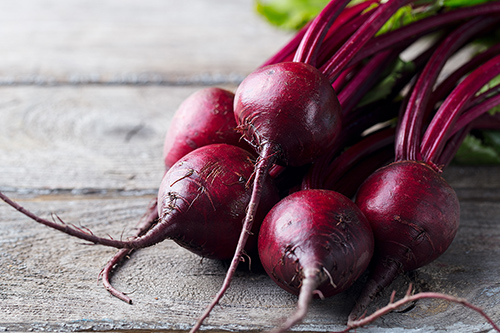
A convincing meaty appearance often comes from the addition of beets which impart a vibrant color, mimicking the juiciness of beef. Omnivores and cross-over carnivores see the ‘bleed’ as a positive burger characteristic, just as most people expect grill marks on a patty. Beets offer not only color, but a sweet, earthy flavor and nutrients such as folate, manganese, potassium plus the antioxidant betaine.

Soy Leghemoglobin

Plant burgers with legume heme as a color additive may also sizzle and smell like real meat4. Legume hemoglobin (called legume heme for short) is a plant-derived oxygen carrier similar to blood hemoglobin and has a distinct red color which releases upon heating5. 

Sunflower Oil

It contains both mono and polyunsaturated fats, vitamin E, and cholesterol lowering phytosterols5. Sounds good but some studies have shown that it releases hazardous aldehydes when it’s used in high-heat cooking, such as frying5.

What’s the Verdict?

Overall, the newer meatless burgers provide a needed cross over for people wanting to incorporate more healthy plant-based foods by replacing the all-American favorite beef hamburger. For omnivores, these mock meats allow a seamless transition in the burger category. However, those already eating a (mainly) plant only diet may be better served by sticking to whole food ingredients for their health unless they have issues obtaining sufficient protein. 

* Numerous meatless burger products abound – too many to mention. Inclusion of or exclusion of any particular brand name does not imply recommendation against or endorsement for that brand’s product(s). Products mentioned are for consumer reference and comparison only. 

References: 

  1. Marsha McCulloch. Risks and Benefits of Red Meat. Today’s Dietitian, January 2016; 18(1): 2025.
  2. The Center for Consumer Freedom “5 Chemicals Lurking in Plant-Based Meats.” https://www.consumerfreedom.com/2019/05/5-chemicals-lurking-in-plant-based-meats/ May 17, 2019. Accessed 11/18/2019
  3. 3. Ginger Hultin. Meat Substitutes. Today’s Dietitian, June 2019; 21(6): 18-22.
  4. Sharon Palmer. Plant Proteins. Today’s Dietitian, February 2017; 19(2): 26-31.
  5. Anthea Levi. “Cracking Down on Fake Meat: Are the Impossible and Beyond Burgers Healthier Than Real Beef?”  https://www.livestrong.com/article/13721456-impossible-beyond-burger-nutrition/ September 18, 2019. Accessed 11/18/2019
  6. KC Maki, et al. Hydroxypropylmethylcellulose and Methylcellulose Consumption Reduce Postprandial Insulinemia in Overweight and Obese Men and Women.The Journal of Nutrition, February 2008; 138(2): 292–296.https://doi.org/10.1093/jn/138.2.292