Muscle Building and Fat Burning Myths Debunked
Debunking fitness myths surrounding the ideas of muscle building and fat burning.



I am struggling to achieve any kind of weight loss. I have yo-yoed with any diet I have been on, losing a few pounds and then gaining it completely back and then some. I just need some sort of guidance on what’s an achievable weight loss plan for a young 25 year old male. I am tired of the poor sleep, lack of motivation, breathing difficulties and overall fatigue I am facing because of my weight. BMI is 29 and as a medical student who is 2 years from becoming a doctor, a total embarrassment for my patients. I feel like a hypocrite educating patients on the importance of losing weight when I myself struggle. Any help would be appreciated.
– Kazi

I applaud your resolve to improve your health both for yourself and as a role model for patients. Any specific diet suggestions I might have would be like throwing any antibiotics at an unknown infection. You need to identify the cause of your weight issues so you can employ the correct intervention. So… it sounds like you rebound with the diets you’ve tried. Why is that? Sometimes people cite lack of time or money as an issue causing them to revert to old habits. Other times people may not feel worthy and self-sabotage or comfort eat. Preparing healthy foods takes effort – it has to be a priority. YOU have to be a priority. As you are currently suffering from some weight-related issues, now is the time to act before your BMI further increases.
My whole-hearted and professional opinion is that you need to find something that excites you that you’ll stick with. Seek out whatever physical activity you consider fun! I have seen people doing yoga on paddle boards on a lake in Minnesota. Think outside of the box for what you can include that isn’t just because you are “on a diet.” Same goes for foods. If salads aren’t your game, look for recipes to incorporate more fresh produce in unique ways. Maybe a tropical smoothie or an authentic stir-fry. Start with small improvements to the areas you know are a problem – desserts? alcoholic beverages? dining out? Tackle one item a week to gain success. Losing even 5 pounds to start may improve your breathing and fatigue. Feeling better should be your own positive feedback loop that no external motivation can provide.
– Debbie J., MS, RD


This article should not replace any exercise program or restrictions, any dietary supplements or restrictions, or any other medical recommendations from your primary care physician. Before starting any exercise program or diet, make sure it is approved by your doctor.
Some questions have been edited for length and/or clarity.
 Have a nutrition question? Our registered dietitian is ready to help!
Email nutrition@lafitness.com or submit your question below and it may be featured in an upcoming article!

Debunking fitness myths surrounding the ideas of muscle building and fat burning.

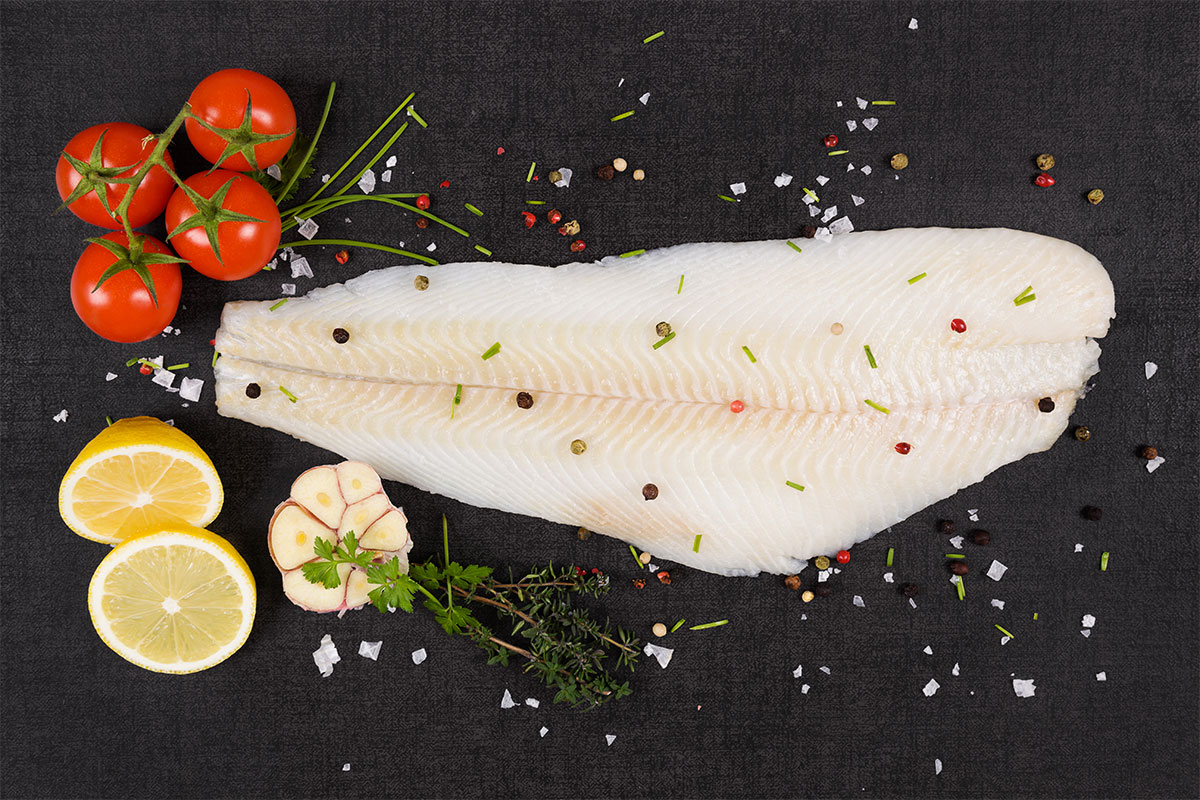
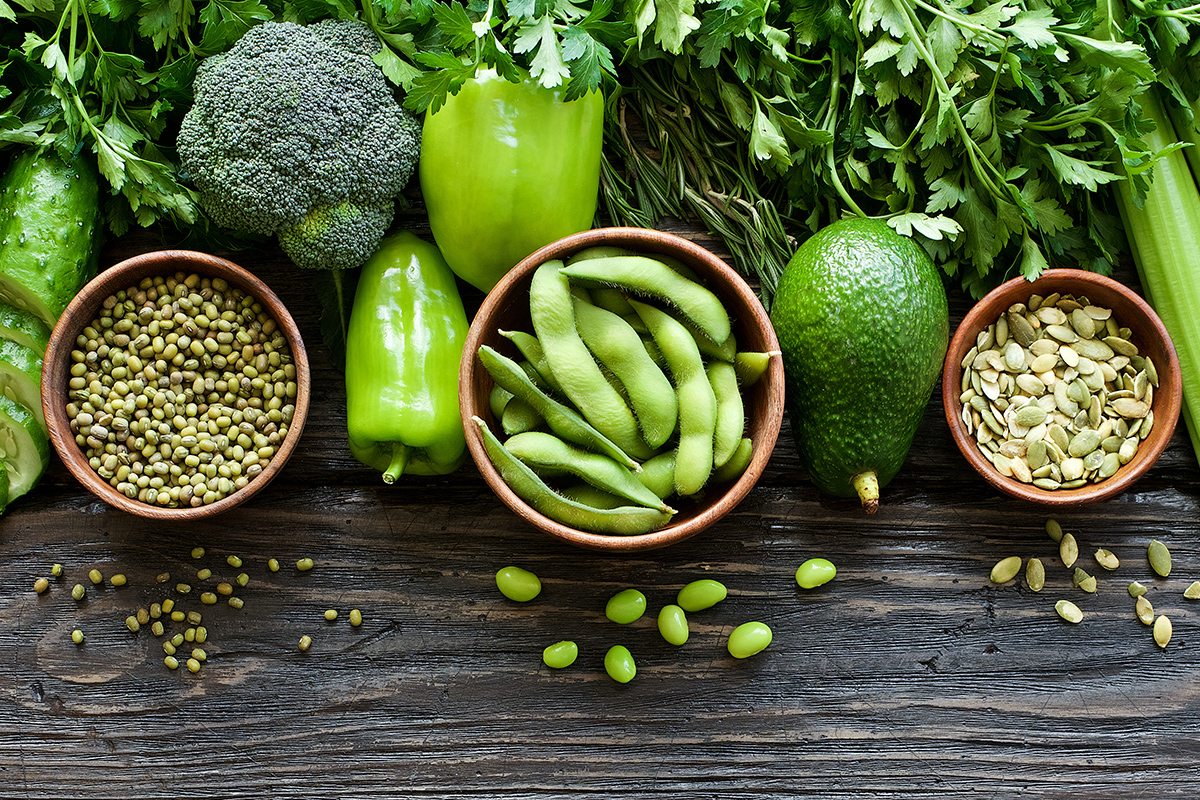
Foods that promote weight loss are rich in micronutrients, low in saturated fat and full of phytochemicals and fiber. Vegetables are perfect!
For structure, you could follow a moderate diet plan providing no fewer than 1500 calories a day. We offer a sample daily diet plan.
You’re exercising and you’re eating right, so why have you hit a weight loss wall? It’s frustrating and easy to start sliding back into old bad habits when it seems like your progress has come to a screeching halt, but don’t be discouraged. Weight loss plateaus are normal, but what causes them? Well, a few factors can play into this:
The main factor to remember is NOT TO SLIP BACK INTO BAD HABITS. Remind yourself daily that you’ve become healthier and stronger than before. A number on a scale does not define success. Some tips that may help you overcome the fitness funk can be found below:


Still not seeing results? If you feel like your weight loss plateau is lasting a lot longer than expected, check with your physician to make sure there are no underlying medical issues.
Sources:

There are reasons why you’re stuck in your weight loss or muscle gain efforts. We’re breaking them down to help you put your progress back in motion.
Debbie James, RDN, helps answer a reader’s question about what to do when weight loss hits a standstill, even though you’re doing everything right.
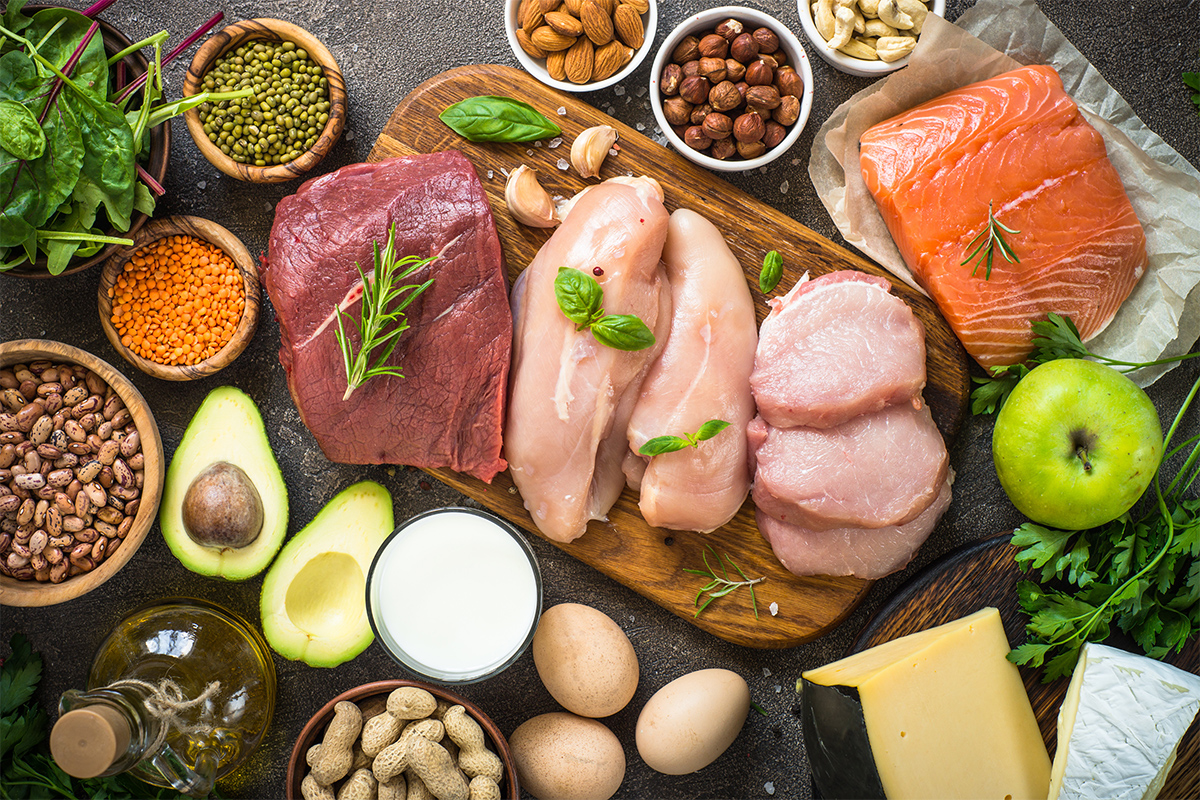
Registered Dietitian, Debbie James, helps answer a reader’s question about adequate protein intake for weight loss and muscle gain.

Question:
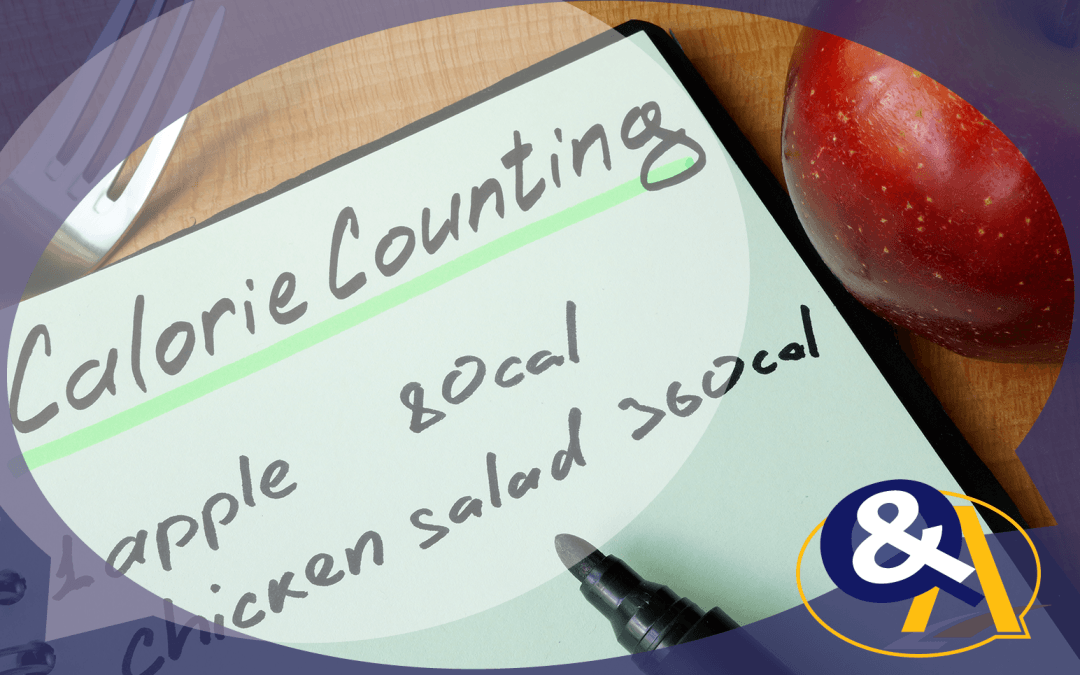
How can I realistically count calories for weight loss?
Hello, My name is Ani, I am a member of L.A. Fitness. I’ve decided to lose weight, I need realistic guidelines from you. I am 59 years old, Height 5′ 4″, Weight 139 lbs. Goal: go down to 133 lbs by Dec. 27, 2016 Plan? To lose 6 lbs in 3 months, how many calories may I ingest per day, and how many calories should I burn per day? I have not counted calories before; would you have an easy way to count calories?
-Ani K.

Answer:
Ani, as you are not currently counting calories and do not know how much you are consuming, I would first suggest that you determine your current intake. Use a diet analysis software with a broad range of foods (30K+) based on the USDA National Nutrient Database for Standard Reference* to average at least 3 typical days of your diet – everything you eat and drink, including condiments.
An estimated range of calorie needs to promote weight loss in females based on calculations using your age, height and weight is 1200 to 1600 calories per day. The actual amount you need depends on your activity level and individual metabolism. For effective weight loss, your intake should be about 500 calories less than your expenditures per day. If you increase your activity by 200 calories and trim 300 calories off your intake daily, you’d create the desired 500 calorie deficit.
I wish there was an easy way to accurately count calories! A simple bean and cheese burrito could be a 300 calorie frozen item or a whopping 800 calorie restaurant half-pounder. If you could break combination foods down to their base components and approximate the portion of each, you can add up each ingredient using a diet analysis program based on the USDA Food Composition Database. For example, doing so might provide this information: 10” flour tortilla (211 cals) + ¼ C shredded Colby Jack cheese (108 cals) + ½ C. refried beans in oil (182 cals) = 501 calories.
*as of the writing of this post, the newest version is Release 28.
– Debbie J., MS, RD
This article should not replace any exercise program or restrictions, any dietary supplements or restrictions, or any other medical recommendations from your primary care physician. Before starting any exercise program or diet, make sure it is approved by your doctor.
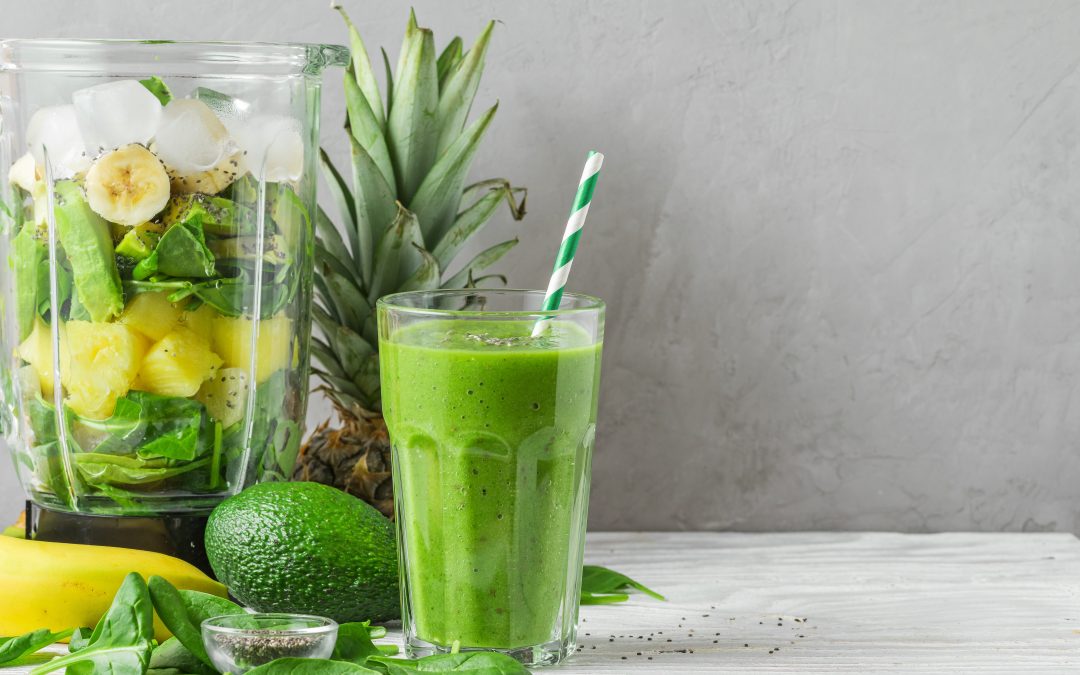
Cue the sound of a revving engine… running your blender at home can bring goodness with that whirring noise! Creating your own smoothies is a great way to get in some nutrients and plant phytochemicals you otherwise wouldn’t during the day. It allows you to prepare...

With so many sources offering nutrition advice, it’s hard to know what’s true. Even factual information can become distorted by the time it reaches you. Like a game of telephone, the message often changes as it’s passed along. Here, we debunk 5 common diet myths to...

Labor Day is the perfect time to relax and recharge, but why not also take a moment to energize your body with a quick and effective workout? Here’s a simple routine you can do at home or in a park to make the most of your holiday. Warm-Up (5 minutes) Jumping Jacks: 2...

Have a nutrition question? Our registered dietitian is ready to help!
Email nutrition@lafitness.com or submit your question below and it may be featured in an upcoming article!

Want more? SUBSCRIBE to receive the latest Living Healthy articles right in your inbox!
Is a 450 cal healthy smoothie better for you than 450 cal of some other food item? I’m wondering if there is such a thing as healthier calories.
The nutritional value of foods besides energy matters greatly! Beyond the calories derived from carbohydrate, protein and fat, nutrients critical to optimal health include fiber, amino acids, omega-3 fatty acids, phytochemicals, vitamins and minerals. The best prevention for most major chronic diseases is to avoid saturated animal fats, refined flours and added processed sugars. Take all of these together and you have a spectrum of ‘healthfulness’ provided by foods.
Let’s take a simple apple for example:
A medium fresh apple with skin provides 4 gm fiber and 14% Daily Value of Vitamin C.*
Peel and cook that apple into unsweetened applesauce to get 2.6 gm fiber, 2% Daily Value of Vitamin C and less water content.*
Still healthier than the equivalent calories from straight candy, the applesauce isn’t “good” or “bad”. The comparison is relative. I hope you’d agree that a balanced meal of fish, mixed vegetables and brown rice is healthier than the equivalent calories from macaroni & cheese. So to answer your question about a healthy smoothie or other food item, it depends on the alternative.
You might be giving up the liquid bound in the smoothie if you opt for solid foods, but would perhaps gain more protein or fiber. Plus, what is ‘healthy’ for one person or use may not suit another. A smoothie made with mango, coconut milk, protein powder and wheat germ might be your ideal breakfast, but be troublesome for a person with diabetes who needs a slower digesting meal. A large omelet of egg whites, spinach, salsa and feta cheese could be healthy for someone trying to lose weight, but would be a poor choice for an athlete’s pre-race meal.
Whatever you choose, remember that variety is key. You’ll end up with more nutrients at the end of the week by alternating your meal components rather than eating the same thing every day.
– Debbie J., MS, RD
*USDA Household Fact Sheets, 2012.
This article should not replace any exercise program or restrictions, any dietary supplements or restrictions, or any other medical recommendations from your primary care physician. Before starting any exercise program or diet, make sure it is approved by your doctor.

In your quest for “yoga studios near me,” you’ll discover that LA Fitness clubs nationwide provide a tranquil haven for mental and physical well-being. With a variety of yoga classes tailored to meet the needs of every member, from beginners to seasoned yogis, LA...

Committing to a workout routine can be challenging, but with the right approach and resources, it’s achievable. Whether you’re a beginner or looking to enhance your current fitness regimen, LA Fitness offers a range of options to help you stay on track. Booking a...
With so many sources offering nutrition advice, it’s hard to know what’s true. Even factual information can become distorted by the time it reaches you. Like a game of telephone, the message often changes as it’s passed along. Here, we debunk 5 common diet myths to...
Have a nutrition question? Our registered dietitian is ready to help!
Email nutrition@lafitness.com or submit your question below and it may be featured in an upcoming article!
Want more? SUBSCRIBE to receive the latest Living Healthy articles right in your inbox!


I am a 69 year-old woman, 5’6″ and weigh about 160 pounds. I have been trying to lose 10 pounds for about three months with no noticeable change. I work out about 4 times a week and I eat about 1500 calories a day. What should I change? I keep track of my food intake with an online fitness tracker.
Thanks for your help! – Helen

If the “calories in versus calories out method” is not working for you, consider the content and timing of your meals. 1500 calories of processed starch and saturated fat may keep the weight on, compared with 1500 calories from whole grains, lean protein, plenty of produce and healthy fats. Not only do the latter foods satisfy better, they take longer to digest thus keeping blood sugar and insulin levels down. The net effect is more calories burned in order to process and metabolize the food and greater ability to release fat for burning.
Supporting your workouts with meals and snacks at the right times can pay off two-fold. First, pre-loading with a small supply of carbohydrates, such as from a piece of fruit, a half hour before may give you more endurance for cardio and a stronger finish to weight training. Second, eating a main meal within an hour after exercise capitalizes on your increased metabolic rate to burn more fuel.
– Debbie J., MS, RD
Do you have a question about your diet or nutrition? Ask our dietitian by submitting your question to nutrition@lafitness.com or simply ask it in the COMMENTS section below.
To learn how to follow the “Ask Our Dietitian” Q&A CLICK HERE!
