How do I Incorporate Healthy Whole Grains into my Diet?

How do I Incorporate Healthy Whole Grains into my Diet?

Do you incorporate whole grains into your diet?

Try adding some healthy alternatives to grains in your eating habits, and get some ideas below!


Question:

Hi my name is Rita. So far I’ve lost about 30 lbs but I feel like it’s been luck. My goal is to lose just under 200 lbs total putting me around 150. I’m realistic I know it’s going to take a lot of time. The problem is I don’t want to just go on a diet, I want to change how I eat forever. I’ve pretty much been on a strict protein and veggies diet, but I keep hearing so much about whole grains. So my questions are how important are whole grains? And, how can I incorporate whole grains into my diet without adding a ton of carbs and sugar?

-Sharita B.

Answer:

I’m glad you’re responding to what you’ve heard about whole grains and are looking to round-out your diet. Grains are the seeds of grasses and have been consumed by populations across the globe for thousands of years.  The benefits from whole grains include gut health, stabilized blood sugar levels, increased satisfaction/reduced appetite, and grains contain several vitamins and minerals. Grains are an excellent source of manganese, a good source of magnesium and phosphorus, and many are good sources of iron, copper, thiamin (vitamin B1), and selenium. Others contain iron, niacin, and vitamin B6 in good quantities.

Sure, you could get those micro-nutrients from other food sources but would likely need to eat potatoes, fruit, taro and beans to get sufficient carbohydrates, as most people simply can’t eat enough vegetables to sustain themselves.

grain-1

Unlike fruit and many vegetables, one does not pick grains (also called kernels) off the plant and start chewing. First the protective husk must be removed, then the grains must be cooked, which reduces their phytic acid, protease inhibitor and lectin content… meaning you get less of those compounds, gain digestibility and absorb their nutrients better. So, what constitutes a whole grain? Whole grains contain all 3 edible parts (bran, endosperm and germ) of a kernel and include the following: amaranth, barley, buckwheat, corn (including popcorn), millet, oats, quinoa, rice, rye, sorghum, teff, triticale, wheat (including bulgur, cracked wheat and wheat berries).  That means eating them whole, not processed. So NO pastas, couscous, orzo, breads, rolls, tortillas, muffins, crackers, chips, etc. Sprouted whole grain breads contain enzymes and are devoid of refined grain flour, so perhaps you might include those.

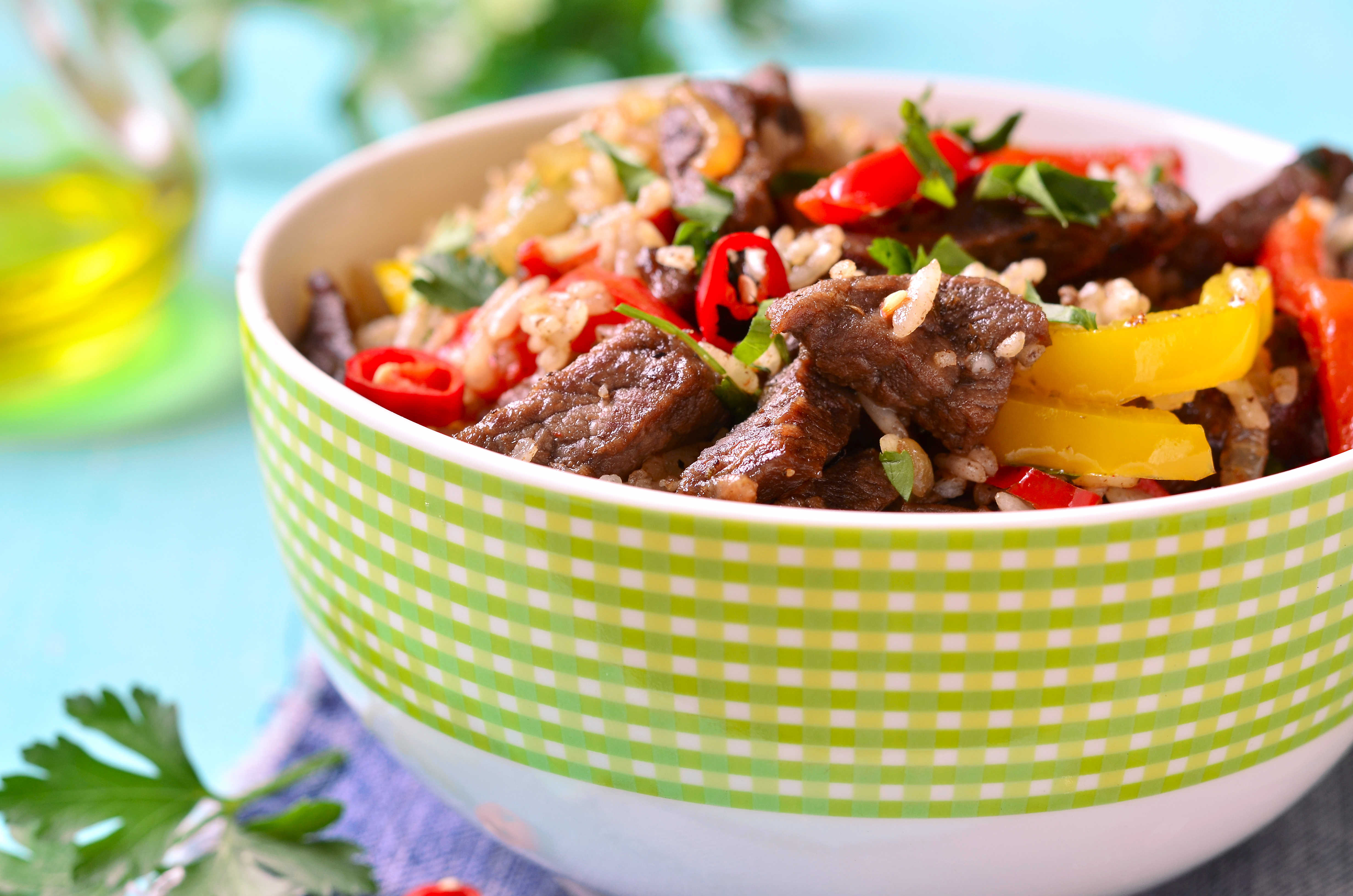
To incorporate whole grains into your diet, consider a small hot bowl of steel cut oats or wheat Meat ragout with bell pepper and fried rice.berries at breakfast, sprinkling some quinoa on your salads, adding barley or rye into your mixed vegetables and soups, or use farrow as a side dish seasoned with garlic & herbs. Corn can be added to salsa. Grains like rice can replace pasta in some dishes, as with a ragout (pictured).  Don’t forget about munching on popcorn as a snack!
– Debbie J., MS, RD

This article should not replace any exercise program or restrictions, any dietary supplements or restrictions, or any other medical recommendations from your primary care physician. Before starting any exercise program or diet, make sure it is approved by your doctor.


Suggested Articles

Ask our Dietitian

QA_icon

Have a nutrition question? Our registered dietitian is ready to help!

Email nutrition@lafitness.com or submit your question below and it may be featured in an upcoming article!

12 + 2 =

LA Fitness Living Healthy subscribe button

Want more? SUBSCRIBE to receive the latest Living Healthy articles right in your inbox!

How Can I Manage My Weight Effectively?

How Can I Manage My Weight Effectively?


Question:

Hello!  As I was working out I heard you were soliciting nutrition questions, so decided to throw one your way.  I have been trying to come up with a workable nutrition plan to complement my workout.  I lift weights several times a week and would like help calculating macros to help the muscle growth.

I weigh about 190-195 lbs, 6ft 2 in. tall. Any advice would be greatly appreciated. Especially if you can convert the grams into portions of real food, e.g. 1 medium size fruit/potato, etc., 1 chicken breast/piece of fish, etc.

Sincerely, Alexander Gurfinkel.


Answer:

Depending on your age, you may need 2800-3000 calories for muscle growth.  Protein should be about 1.8 grams per kilogram of body weight, or 158 grams per day.

Here are the basics on protein content of foods:

Meats, Poultry & Fish- 21 grams per 3 ounces (size of a deck of cards, chicken thigh)

  • Jerky- 7 grams per large piece
  • Beans- 8 grams per ½ cup (size of tennis ball)
  • Hummus- 4-5 grams per ¼ cup (size of ½ tennis ball)
  • Nuts- 6-7 grams per ¼ cup (palmful)
  • Cow’s Milk- 8 grams per 8 fluid ounces (cup or 1/2 pint)
  • *soymilk about 6-8 grams; almond or rice milk 1 gram per cup
  • Greek Yogurt- 15 grams per 6 ounce container
  • Cheese- 6-8 grams per ounce (thick slice or string cheese)
  • Eggs- 7 grams each, 3 grams per white only
  • Oatmeal- 6 grams per cup cooked (size of baseball)
  • Starches- 3 grams per ounce (slice bread or 6” tortilla,½ cup cooked pasta/rice, or small 2”potato)
  • Cold cereal- varies based on density – read the labels to determine
  • Vegetables- 2-3 grams per ½ cup serving, 1 cup cooked, or 1 cup raw leafy greens Fruit  0-1 gram
  • pure Fats/Oils 0  grams *other condiments minimal

As I’ve no idea what your style of eating or food preparation is, I’ll give you a sample 3000 calorie day that provides 158 grams of protein using mixed dishes that don’t easily break down into the above separate portions.

  • 3-egg omelet with peppers, onion and tomato
  • Banana with tablespoon peanut butter
  • Chicken, rice and cheese burrito (restaurant size)
  • Small side of chili beans
  • Orange
  • Lasagna with meat (¼ casserole dish)
  • Bag of microwave popcorn
  • Small glass of nonfat milk

– Debbie J., MS, RD


This article should not replace any exercise program or restrictions, any dietary supplements or restrictions, or any other medical recommendations from your primary care physician. Before starting any exercise program or diet, make sure it is approved by your doctor.

Suggested Articles

Elimination Diets – Podcast Ep. 38

Elimination Diets – Podcast Ep. 38

The Elimination Diet is not what it sounds like! We’re sitting down with Debbie James, RDN, to bring you what you need to know about this interesting diet!

Ask our Dietitian

QA_icon

Have a nutrition question? Our registered dietitian is ready to help!

Email nutrition@lafitness.com or submit your question below and it may be featured in an upcoming article!

4 + 3 =

LA Fitness Living Healthy subscribe button

Want more? SUBSCRIBE to receive the latest Living Healthy articles right in your inbox!

Turn Back Time With an Anti-Aging Diet

Turn Back Time With an Anti-Aging Diet

This article was contributed by – Debbie J., MS, RD

Turn Back the Clock

 If you enjoy gaining an “extra” hour when Daylight Savings Time ends, how about gaining some extra quality years on your life? Slowing the aging process is more than a dream or fictional fountain of youth. Theoretically, it can be done by reducing cell division and promoting cell rejuvenation and regrowth. Beyond the cellular level, aging is also about the health status of your mind and body.

You Are What You Eat

What you eat significantly impacts your body. American diets are generally too high in omega-6 fatty acid sources (pastries, beef, chicken, fried foods) and high refined sugar foods (sodas, candy, cake, doughnuts), while low in omega-3 fatty acid sources (salmon, soybeans, walnuts, flax seeds). This imbalance may trigger inflammation (think irritation, not swelling). Over the years, inflammation negatively impacts nearly all body functions, which can trigger chronic diseases, such as diabetes, obesity, neurodegenerative diseases and autoimmune disorders.1

Brain deterioration may result from insufficient or too much trace minerals. The main causes of brain deterioration are tissue damage, cell death and the influence of certain enzymes. Brain cell DNA is also susceptible to damage by oxidation. This damage to DNA plays a role in Alzheimer’s dementia.2

Additionally, oxidative stress decreases nitric oxide (NO), which normally increases blood flow to skeletal muscle, enhances glucose uptake and impacts insulin action. Increased oxidative damage is a major underlying cause of decreased skeletal muscle strength and mass with age. Furthermore, it is also a contributor to age-accelerated vascular injuries and eye problems.

To summarize, nutritional anti-aging goals are to (1) prevent chronic disease (primarily inflammation), (2) preserve brain function, and (3) maintain muscle tissue.

If your concern with aging is wrinkles, check out these helpful tips.

What Can You Do?

Antioxidants to the rescue! Because of their scavenger activity, some antioxidants are known to be neuroprotective. Eating an ample diet of antioxidant-rich fruits, vegetables, legumes, nuts and seeds, (complemented by whole grains, seafood, lean meats, and milk) will also help protect against other aging effects caused by oxidative damage. To optimize brain function, have adequate but not excessive iron, copper and zinc. To do so, try to eat beans, seeds, mushrooms, dark leafy greens, whole grains, lean meats and oysters.

While you may want to seek out a sole dietary gem, don’t focus on individual foods, but on your overall diet pattern. 

Heart Healthy

It’s suspected that healthy diets help improve cardiovascular health by reducing inflammation3.  The biggest impact on inflammation is from a Mediterranean-style diet with an abundance of fruits, vegetables, legumes, grains, and which includes high monounsaturated fatty acids and omega-3 fats.4  This type of diet has a lower glycemic load, and is higher in fiber, magnesium, carotenoids, and flavonoids, which help reduce inflammation.4 Ginger, curry and other spices also have an anti-inflammatory effect.

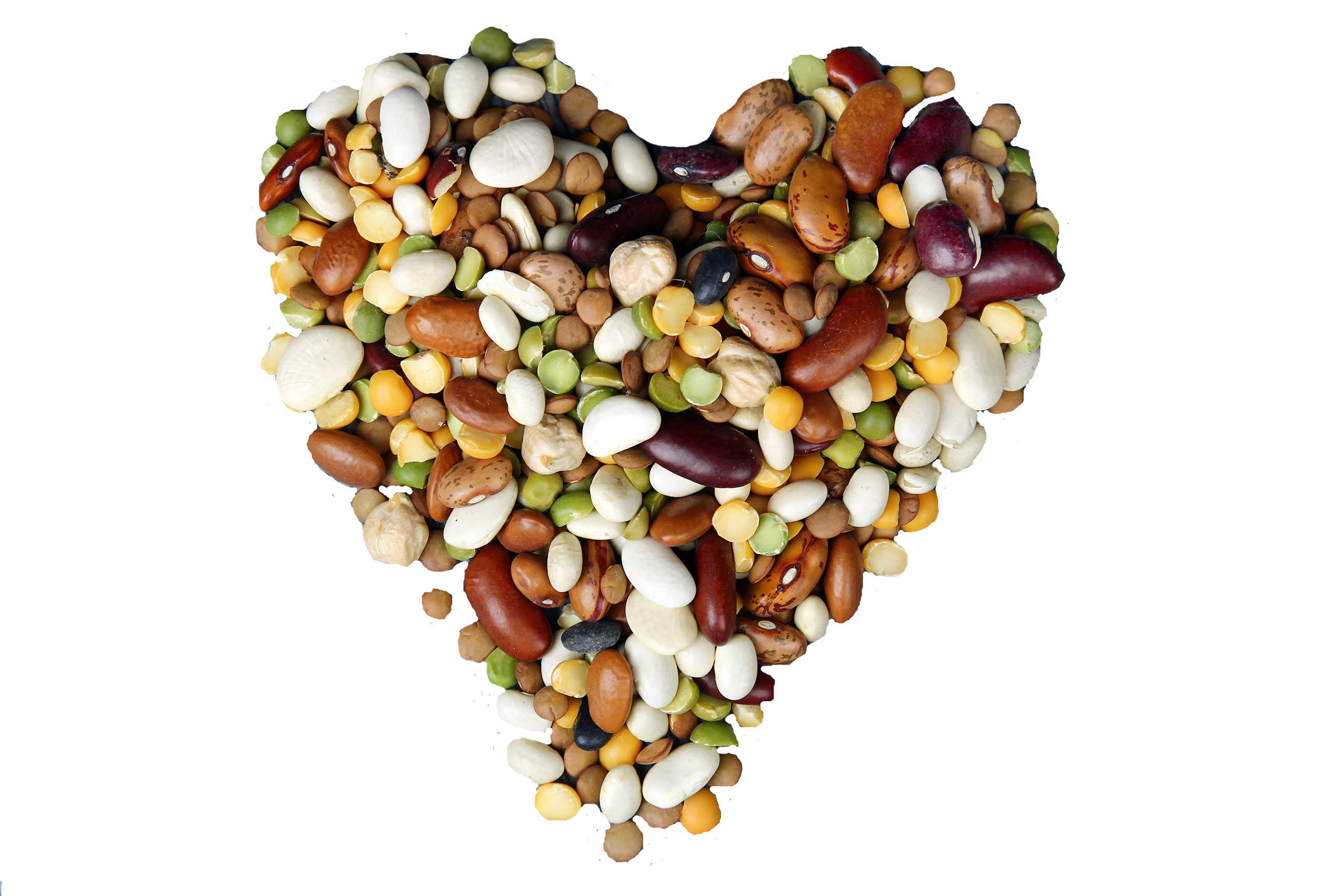
Research suggests that replacing meat with legumes several times a week can have a positive impact on longevity, diabetes, cardiovascular disease and weight management. This beneficial impact may be due to the favorable effects on the gut microbiome. Additionally, mild calorie restriction is somehow associated with longer lifespans, though the mechanism is unclear. Perhaps because it slows the rate of cell division by limiting building materials. 5

What About Supplements?

Supplemental fish oil has health benefits for specific age-related diseases, but doesn’t slow aging or impact lifespan. Additionally, supplemental conjugated linoleic acid (CLA) has been shown to prevent the development of atherosclerosis, reduce body fat while improving lean body mass, and regulate immune and/or inflammatory responses. 6

What Types of Food Do You Normally Eat?

Leave a comment below with your favorite types of anti-oxidant or omega-3 rich foods! Or share a favorite lifestyle tip that helps you eat healthy!

subscribe-button

Want to hear more? Subscribe to get Living Healthy right to your inbox!

Disclaimer: This blog post should not be construed as medical advice. Do not attempt to change your diet, fitness routine, or any other activity related to your health without first obtaining the advice of a medical professional.

References:1) Diet and Inflammation: Possible Effects on Immunity, Chronic Disease, and Life Span. C Ricordi, M Garcia-Contreras, S Farnetti. 2015 Journal of the American College of Nutrition. 34 Supple 1:10-13. 2) Repair of oxidative DNA damage, cell-cycle regulation and neuronal death may influence the clinical manifestation of Alzheimer’s disease. AR Silva, et al. 2014 PLoS One. Jun 17: 9(6): e99897.  3) Diet and Inflammation: a Link to Metabolic and Cardiovascular Diseases. K Esposito, D Giugliano. 2006 European Heart Journal 27, 15-20.  4) Diet and Inflammation. L Galland. 2010 Nutrition in Clinical Practice Dec; 25(6): 634-640. 5) Essential Role for Autophagy in Life Span Extension. F Madeo, et al. 2015 The Journal of Clinical Investigation. Jan 2; 125 (1): 85-93.What Are the Roles of Calorie Restriction and Diet Quality in Promoting Healthy Longevity? W Rizza, et al. 2014 Ageing Research Reviews. Jan; 13: 38-45. 6) Conjugated Linoleic Acid: Potential Health Benefits as a Functional Food Ingredient. JH Kim, et al. 2016 Annual Review of Food Science and Technology 7: 221-244.

Spooky Treats and Kids Klub Hours For Your Little Ones

Spooky Treats and Kids Klub Hours For Your Little Ones

Festive Treats

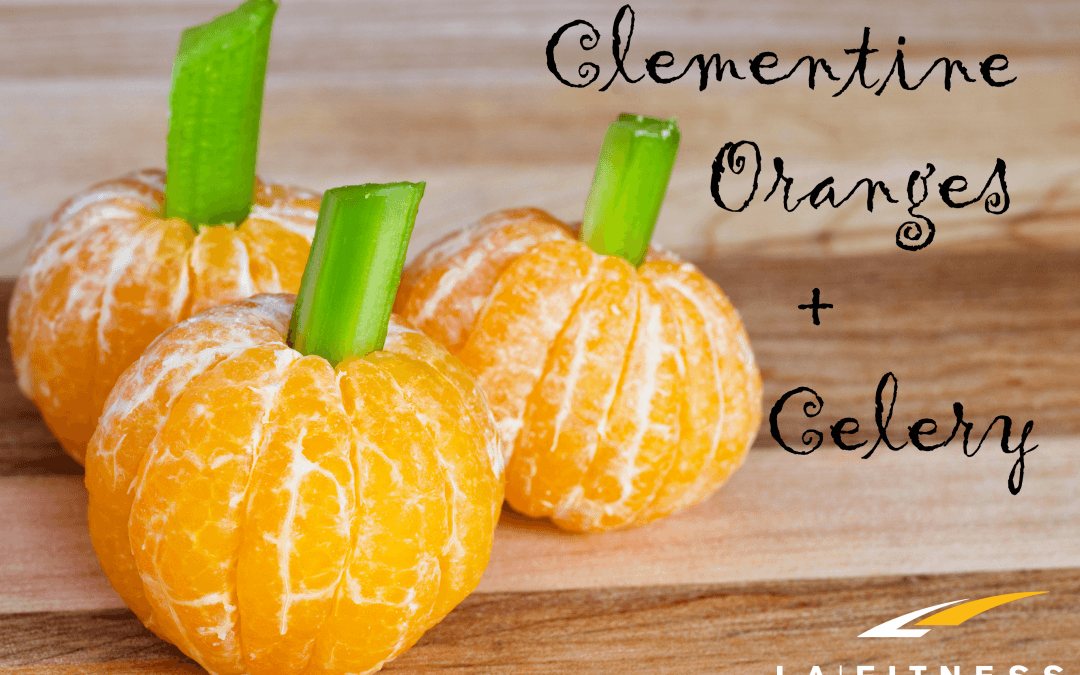
Need a quick, healthy and kid friendly festive recipe? Try this clementine celery snack idea for your little ones.

You will need a few clementine oranges and celery. All you have to do is peel the clementine oranges, cut celery into sticks, and put the celery sticks in the top of the oranges. Enjoy this fun and healthy snack!

Kids Klub Hours

As a reminder on Monday October 31, 2016, all LA Fitness Kids Klubs will be closed during the evening. Regular hours will resume the following day, November 1, 2016.

Keep up to date

Subscribe to the LA Fitness Living Healthy Blog to stay informed about health tips, club announcements and much more!

subscribe-button

Want to hear more? Subscribe to get Living Healthy right to your inbox!

Are there a lot of aflatoxins in almond milk?

Are there a lot of aflatoxins in almond milk?


question-answer-color-v-2

I have two questions.

1. I drink almond milk. Someone told me that the almond concentrates toxins before being picked. Hence, Almond milk being a highly concentrated amount of almonds in liquid form is therefore highly toxic. Is there any truth to this?


2. I have read that red wine provides numerous health benefits and that drinking one drink per day for men is healthier than no alcoholic drink per day. What amount, if any, red wine, should I be drinking daily? – Mike


question-color-v2

Answer:

  1. Mycotoxins (from fungus) exist as “unavoidable contaminants” in nut and grain products. Aflatoxin B1 is on the list of human carcinogens. That’s why the US has a regulatory system for aflatoxin monitoring and control by sampling and analysis. In addition, US growers have active programs in place to minimize aflatoxins in the orchard. Aflatoxins from almonds are reduced by peeling and roasting/cooking prior to milk production. So it would be extremely rare if someone got sick from it through almond milk. Actually, the amount of almonds in a half-gallon container are less than you might eat raw… just under a handful!
  2. Red wine’s primary beneficial phytochemical is resveratrol, found in the grape skins (that’s why there’s not much in white wine). The amount found in red wine may be no more than that from red and purple grape juices, plus the content depends on the variety and growing region. Drinking red wine may be incidentally related to a reduction in risk of heart disease and cancer, but so does eating more produce such as grapes, blueberries, cranberries, peanuts, pistachios, and cocoa. Note that populations with higher red wine consumption exhibiting lower cardiovascular disease also consume a Mediterranean style diet. To answer your question, if you are a drinker maintaining a healthy weight, then having a daily glass of red wine (instead of beer or liquor) is fine.

– Debbie J., MS, RD

Do you have a question about your diet or nutrition? Ask our dietitian by submitting your question to nutrition@lafitness.com or simply ask it in the COMMENTS section below.

To learn how to follow the “Ask Our Dietitian” Q&A CLICK HERE!


References 


  • Cornell University, College of Agriculture and Life Sciences “Aflatoxins: Occurrence and Health Risks” 
  • Food Safety Watch “Aflatoxins”
  • The Relation Between Dietary Flavonol Intake and Coronary Heart Disease Mortality: A Meta-analysis of Prospective Cohort Studies. Huxley RR and Neil HA. 2003. European Journal of Clinical Nutrition. Aug;57(8):904-908.


  • Flavanoid Intake and Cardiovascular Disease Mortality in a Prospective Cohort of US Adults. ML McCullogh, et al. 2012. American Journal of Clinical Nutrition. Feb; 95(2): 454-464.