
Do You Have Osteoarthritis? | Q+A

Do You Have Osteoarthritis? | Q+A

Question:

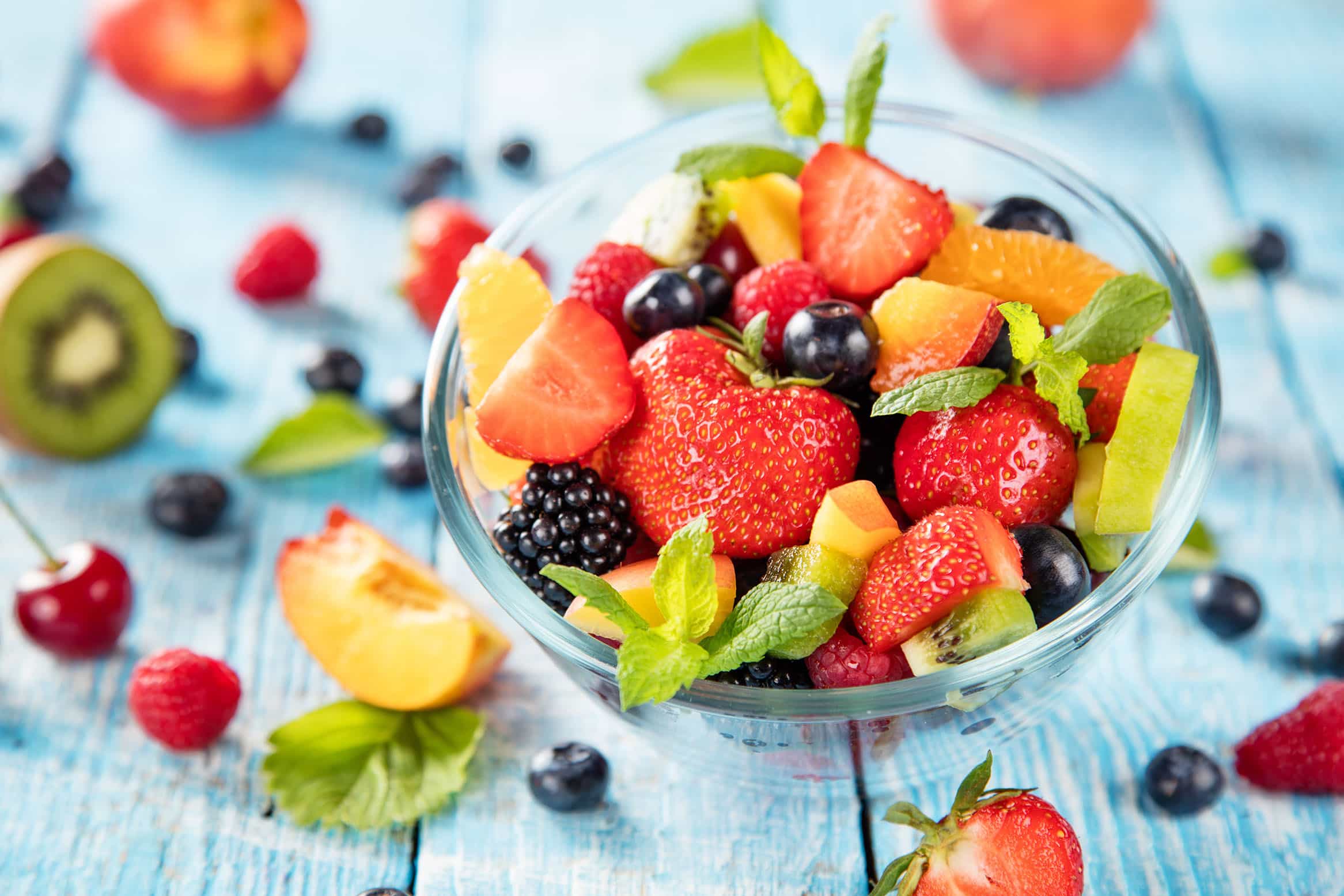
My friend suggested that I avoid all the sugary foods for 3 months to heal my osteoarthritis knee. It has been over 5 months and still slightly swell and painful. Can you list everyday sugary foods? Are apples, bananas, oranges, watermelon and blueberries considered sugary foods?

– Harold H.

Answer:

My clinical understanding is that osteoarthritis is not curable but symptoms are manageable. Since you’ve not had success, it seems you need another tactic. Though I agree with eliminating added sugar, you’ll want the antioxidants from fruits and vegetables to decrease inflammation*.

Is it true that I need to limit my fruit consumption because fruits are high in sugar and carbohydrates?

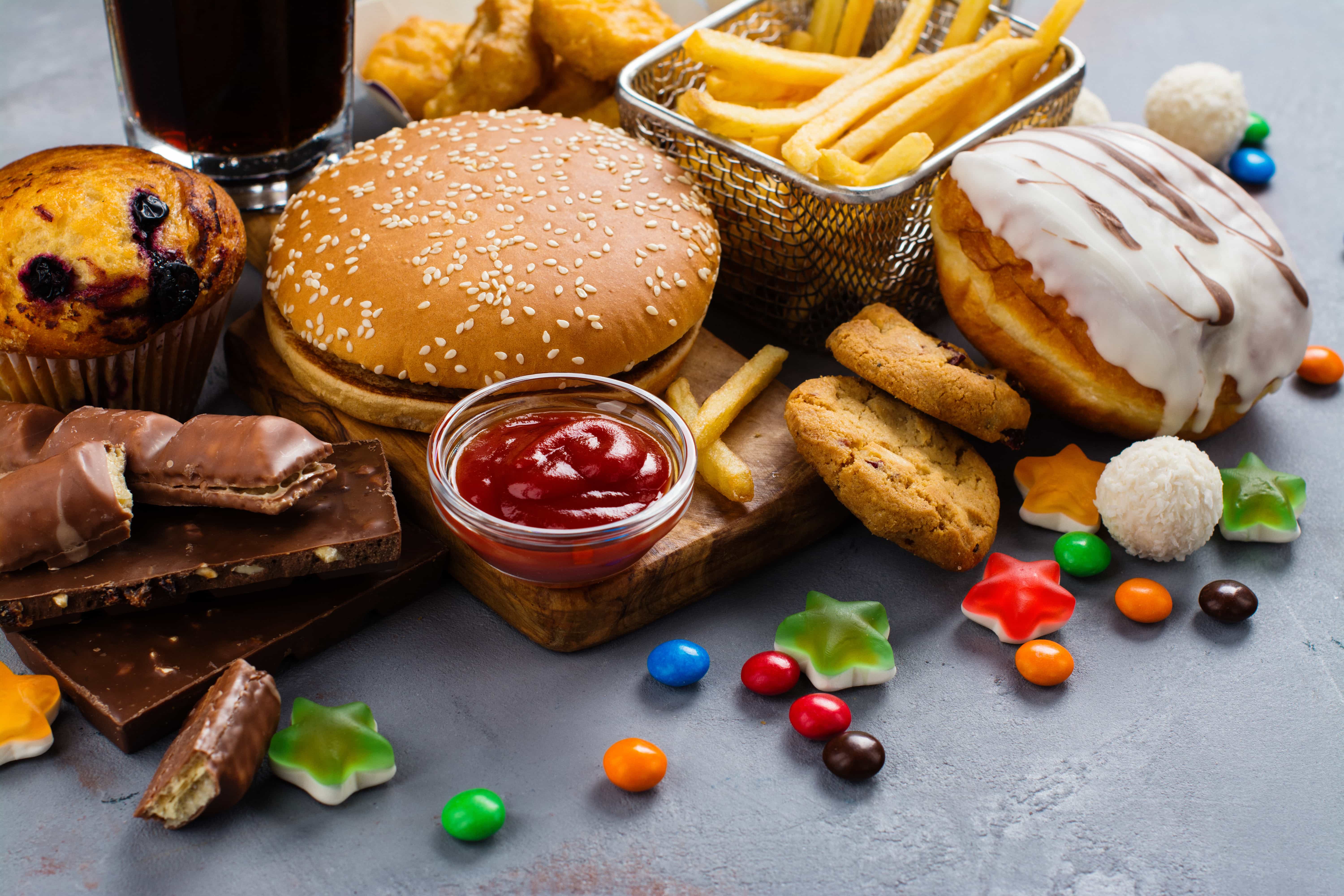
Sugary foods to avoid include regular sodas, lemonade, smoothies, most energy drinks, sweetened dried cranberries or shredded coconut, desserts, confections, sweetened yogurt, granola bars, breakfast bars, cereals with more than 5 grams sugar per serving, prepared coleslaw, French dressing, glazed ham, sauced meats (e.g. orange chicken), barbeque sauce, most pasta sauce and Chinese fast food.

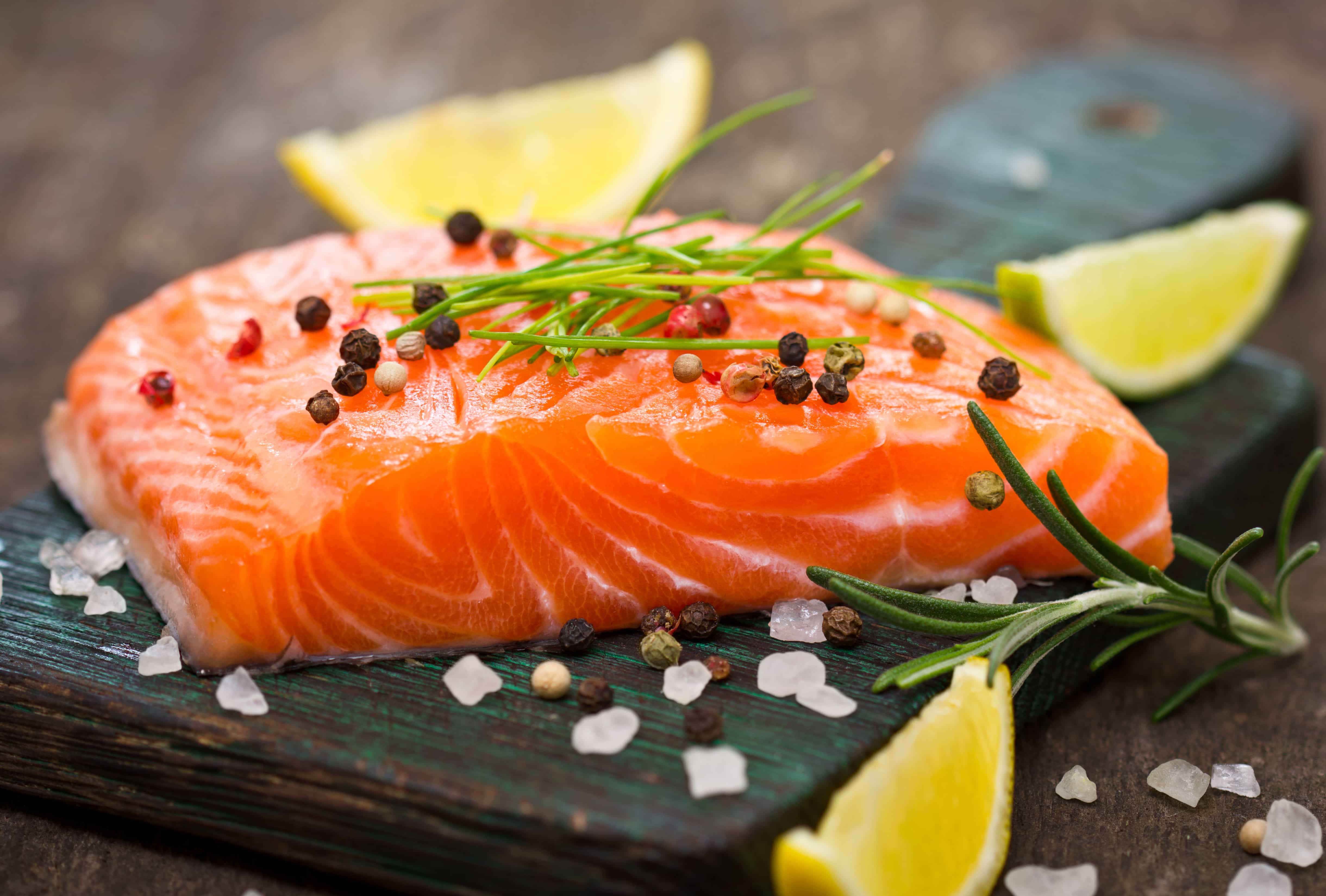
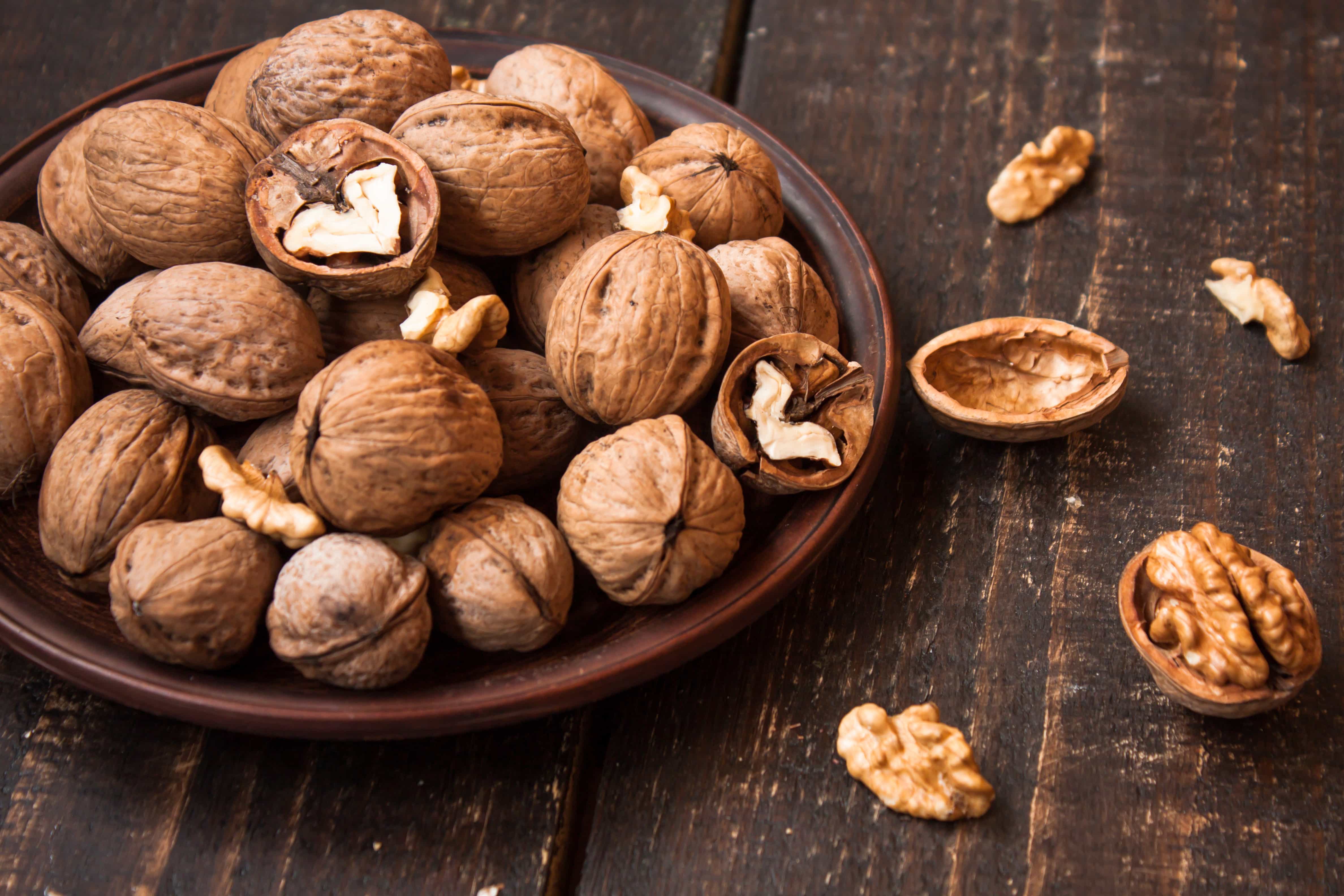
Other recommendations for osteoarthritis include getting daily ginger, turmeric, and omega-3 rich food – such as fatty fish (salmon), walnuts or flax seed. In addition to diet, supplements such as SAM-e, glucosamine w/ chondroitin, and capsaicin are promoted for reducing osteoarthritis pain.

– Debbie J., MS, RD
This article should not replace any exercise program or restrictions, any dietary supplements or restrictions, or any other medical recommendations from your primary care physician. Before starting any exercise program or diet, make sure it is approved by your doctor.

Some questions have been edited for length and/or clarity.

LA Fitness Living Healthy subscribe button

Want more? SUBSCRIBE to receive the latest Living Healthy articles right in your inbox!

Ask our Dietitian

Have a nutrition question? Our registered dietitian is ready to help!

Email nutrition@lafitness.com or submit your question below and it may be featured in an upcoming article!

4 + 7 =

Recommended Reading

How Laughter Improves Your Health

How Laughter Improves Your Health

Laughter can encourage blood flow, heighten your immunity, increase your intellectual performance, and even improve your quality of sleep.

Carbs: The Good, The Bad, and The Ugly

Carbs: The Good, The Bad, and The Ugly

An Unrequited Love Story

Shakespeare may have once famously written, ”For never was a story of more woe than this of Juliet and her Romeo.” Clearly,he never knew of the tragic love story between carbs and the waistline.

Carbohydrates. What are they? Why are they so delicious? And why do they get a bad rap?

Let’s break it down. A carbohydrate is defined as “any large group of organic compounds occurring in foods and living tissues and including sugars, starch, and cellulose.”1 An easier way to explain this is that “carbohydrates are the sugars, starches and fibers found in fruits, grains, vegetables and milk products.”2  

These compounds can be grouped into two different categories: simple and complex. 

Simple Carbohydrates (a.k.a. The “Bad” Carbohydrates)

Simple carbohydrates, also known as refined carbs, can be found naturally in milk products, fruits and vegetables. However, they are also found in foods containing processed and refined sugars such as soft drinks, baked goods, and cereal. The latter is what gives carbs a bad reputation, as those type of foods can be unhealthy for your body and lead to disease if too many are consumed. This is because refined and processed sugars are considered “empty calories”, meaning they do not have vitamins, minerals or fiber, which can lead to weight gain.3

Complex Carbohydrates (a.k.a. The “Good” Carbohydrates) 

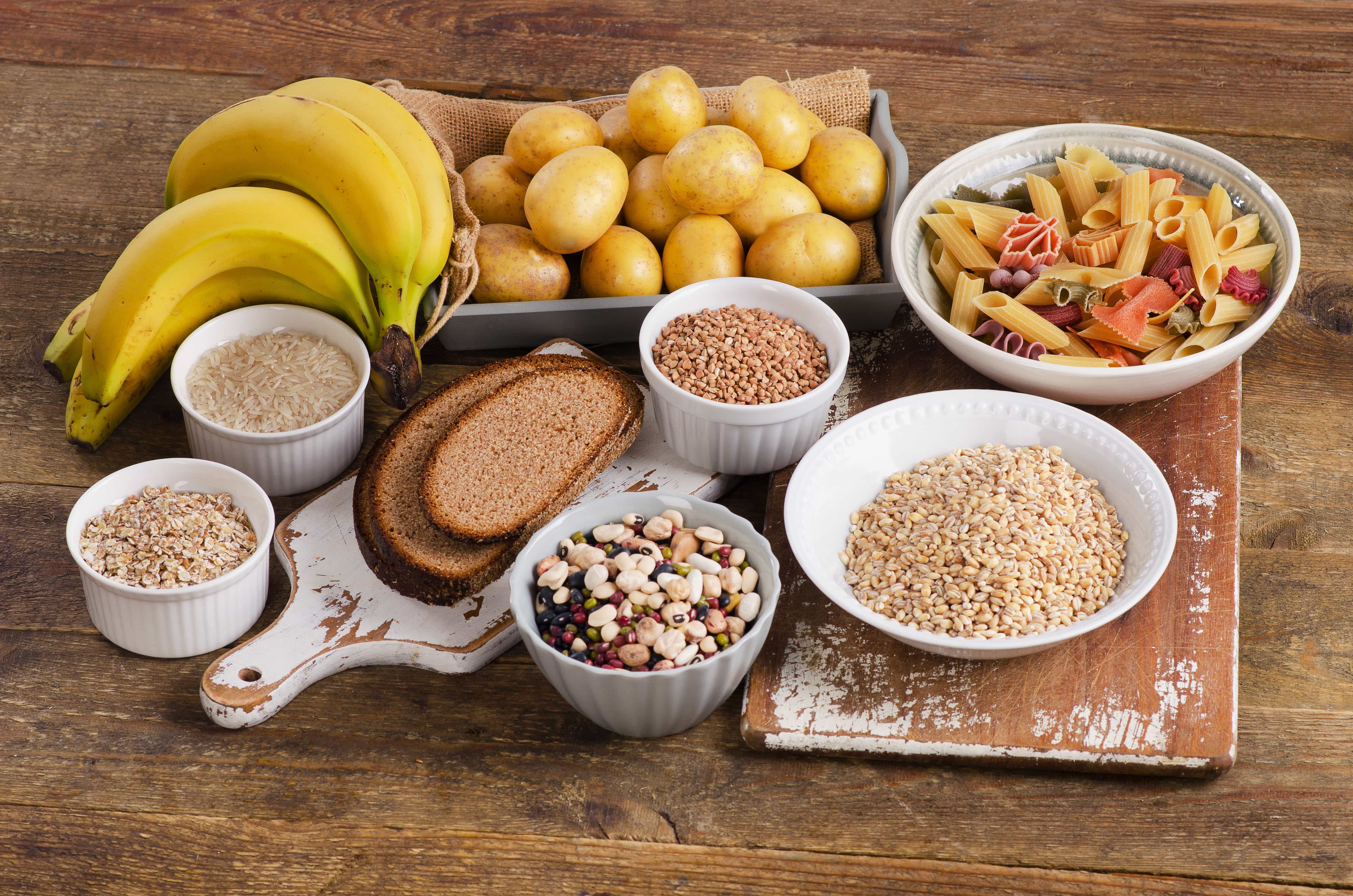
Complex carbohydrates, also known as polysaccharides, are known to digest slower than simple carbs and are packed full of nutrients for your body. That makes these foods more filling, which helps aid in weight control.4 It also helps in providing the body more energy over longer periods of time.5 A few examples of complex carbohydrates are broccoli, grains, and beans.

If you’re still unsure what makes certain carbs “good” versus “bad”, some helpful distinctions are as follows:6

Bad carbs are: 

  • High in calorie density
  • Full of refined sugars, like corn syrup, white sugar, honey and fruit juices
  • High in refined grains like white flour
  • Low in many nutrients
  • Low in fiber
  • High (often very high) in sodium
  • Sometimes high in saturated fat
  • Sometimes high in cholesterol and trans fats

Good carbs are:

  • Low or moderate in calorie density
  • High in nutrients
  • Devoid of refined sugars and refined grains
  • High in naturally occurring fiber
  • Low in sodium
  • Low in saturated fat
  • Very low (often zero) cholesterol, and no trans fats

The Benefits of Carbs on the Body

While not all carbs are created equal, our bodies do need them to function. In fact, the right type of carbs can help benefit our bodies in multiple ways.

1. Heart Health

Carbohydrates high in fiber help lower LDL-cholesterol (low-density lipoprotein) levels7, which  can contribute to a plaque-like deposit that clogs arteries and makes them less flexible.

2. Weight Loss

Again, the right type of carbohydrates can help with weight loss due to fiber. Dietary fiber helps the body feel full8. Therefore, you’re less likely to over eat.

3. Mental Health 

This is tricky because there have been studies showing both positive and negative effects of carbohydrates on the brain. It’s not exactly about carbs in general, but the type of carbs you’re consuming – do you see a trend here? Stick with complex carbohydrates over simple.

The Takeaway 

The important thing to keep in mind is that there are three different types of carbohydrates: starch, sugar and fiber. Furthermore, carbohydrates can be broken down into two categories known as simple and complex. Depending on your own unique body composition and health history, it may be best to consult your doctor before deciding what changes to make in your diet.

Interested in finding out more about carbohydrates and their effect on the body? Check out some other Living Healthy articles on the topic below!

When Cutting Carbs Becomes Extreme | Q+A

‘Healthy’ Carbohydrates for Weight Loss – fact or fiction?

Low Carb Food Choices | Q+A

No Carb Diet? Think Twice, You Need Carbohydrates to Survive!

Is it true that I need to limit my fruit consumption because fruits are high in sugar and carbohydrates?

Sources:

  1. https://en.oxforddictionaries.com/definition/carbohydrate
  2. Szalay, Jessie. “What Are Carbohydrates?” LiveScience. Purch, 25 Aug. 2015. Web. 21 June 2017.
  3. Ibid
  4. Cherney, Kristeen. “Simple Carbohydrates vs. Complex Carbohydrates.” Healthline. Healthline Media, 30 Mar. 2015. Web. 21 June 2017.
  5. Rodriguez, Diana. “Good vs. Bad Carbohydrates.” EverydayHealth.com. Everyday Health, 07 June 2017. Web. 21 June 2017.
  6. Killoran, Eugenia. “Good Carbs vs. Bad Carbs – What Are You Eating?” Pritikin.com. Web. 2017.
  7. Szalay, Jessie. “What Are Carbohydrates?” LiveScience. Purch, 25 Aug. 2015. Web. 21 June 2017.
  8. Ibid

Recommended Reading

Good carbs vs bad carbs
Debunking Diet Myths

Debunking Diet Myths

With so many sources offering nutrition advice, it’s hard to know what’s true. Even factual information can become distorted by the time it reaches you. Like a game of telephone, the message often changes as it’s passed along. Here, we debunk 5 common diet myths to...

Protein Advice for Males | Q+A

Protein Advice for Males | Q+A

Question:

I have 150 lbs. of lean mass and burn 1800 calories. How much protein should I take in?

– Troy B.

Answer:

Your true protein need depends on your age and physical goals in addition to your weight and caloric rate. To get a rough estimate, start with a gram of protein for each kilogram of lean body mass (68.2 kg in your case) then increase per your activity level:

  • Sedentary – add 10%      
    • 68 + 7 = 75 gms
  • Light activity (e.g. walking) – add 30%    
    • 68 + 22 = 90 gms
  • Moderate (30 min. of vigorous activity 3 days/week) – add 50%  
    • 68 + 34 = 102 gms
  • Active (1 hour per day 5 days/week) – add 75%    
    • 68 + 52 = 120 gms
  • Very Active (10 hours of vigorous activity/week) – double 
    • 68 x 2 = 136 gms

If you maintain weight and thus consume only 1800 calories, it’s likely that the highest factor you need to use is the moderate level. If you have a goal of increasing muscle (requiring more calories), you’ll want to move to the next level higher. Likewise, for those dieting — protein should increase to preserve lean mass when caloric intake is restricted.

– Debbie J., MS, RD

This article should not replace any exercise program or restrictions, any dietary supplements or restrictions, or any other medical recommendations from your primary care physician. Before starting any exercise program or diet, make sure it is approved by your doctor.

Some questions have been edited for length and/or clarity.

LA Fitness Living Healthy subscribe button

Want more? SUBSCRIBE to receive the latest Living Healthy articles right in your inbox!

Ask our Dietitian

Have a nutrition question? Our registered dietitian is ready to help!

Email nutrition@lafitness.com or submit your question below and it may be featured in an upcoming article!

15 + 4 =

Recommended Reading

How Laughter Improves Your Health

How Laughter Improves Your Health

Laughter can encourage blood flow, heighten your immunity, increase your intellectual performance, and even improve your quality of sleep.
How To Completely Change Your Backyard BBQ Game

How To Completely Change Your Backyard BBQ Game

Summer is upon us, and it’s time to enjoy outdoor dining! For holidays, game days, beach days or good ol’ fun, people like barbeque . But plain old burgers and potato salad just don’t cut it for health or hosting. Why not upgrade your grill menu with newer flavors and lighter fare? Here are our top picks for something new and different this grilling season.


Seafood

Pesto shrimp skewers with sliced lemon.

Try lemon pepper marinade for fish fillets, then individually wrap the fillet in foil ‘pouches’ with vegetables – tightly fold in edges to seal in moisture.


Miso ginger glazed salmon fillets.

Meats

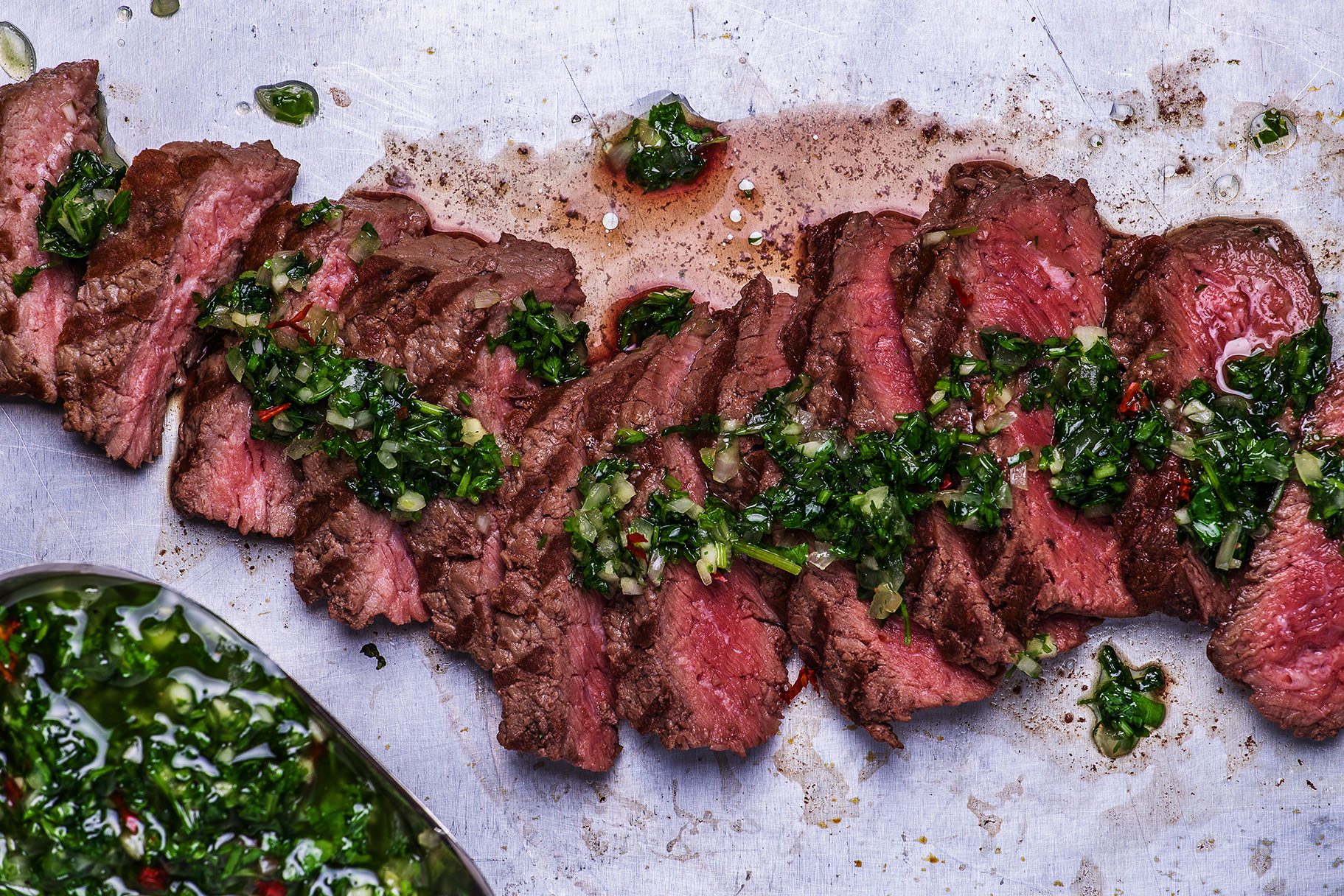
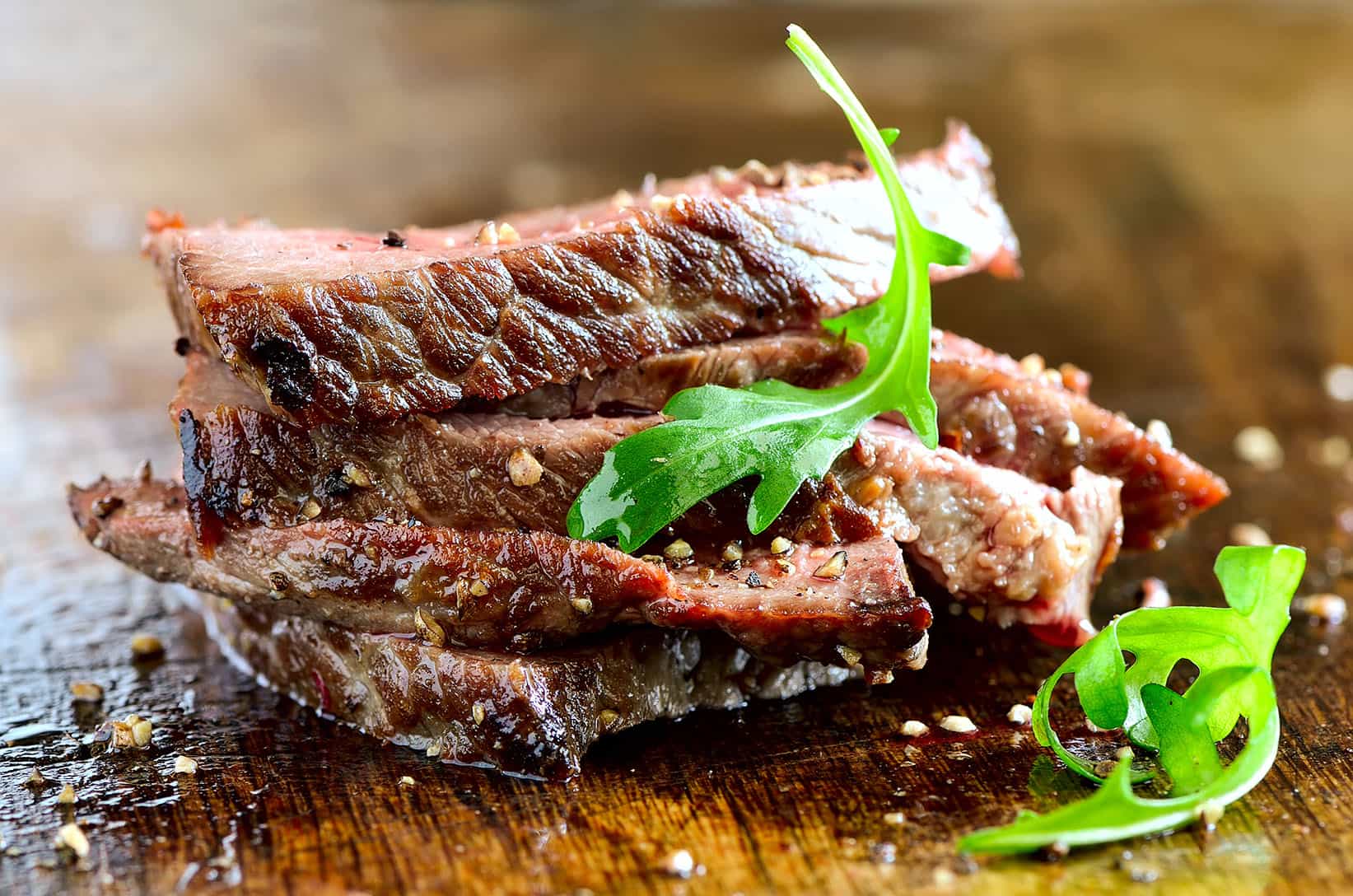
Grilled flank steak strips with chimichurri.

Grilled pork tenderloin with lime juice, garlic and chipotle powder to serve thin-sliced for fajitas.


If you must have sausage, cut into chunks and skewer with onion and peppers!

Poultry

Chicken drumsticks brushed with honey mustard.

Serve grilled bone-in, skin on chicken thighs with tangy white (horseradish/mayo) BBQ sauce.

To give turkey burgers a little more flavor, try adding Worcestershire or crushed red pepper flakes to your patties.


Chicken breasts drizzled with balsamic reduction, and sliced zucchini and yellow squash.

Vegetables & Legumes

Be sure to include a bean salad*, baked beans, or Texas caviar side dish.

Soak corn for cooking right on the grill, husks optional. For serving, mix margarine with cumin, paprika or your favorite seasoning.


Upgrade your coleslaw with these combos that dress up shredded cabbage and carrot: mango/cantaloupe; lime/cilantro; red pepper/peanuts with soy ginger dressing.

Fruit & Dessert

Add sliced avocado and grilled pineapple rings to your burger topping line-up.

Upgrade your fruit salad with fresh mint and coconut meat.


Try making your own popsicles with fresh fruit and juice or yogurt.

Additional Tips

  • Spray the unheated grill with cooking oil first.
  • If you’re going with traditional BBQ sauce, choose one with less than 6 grams of sugar per 2 tablespoons.
  • Cut down on sodium by using an herb & spice rub that’s salt-free.

*Tasty Bean, Feta and Dill Salad adapted from Cooking with Wholefoods, Ross Dobson, 2012:

Ingredients

  • 3 cups canned broad/fava beans (rinse well, slip off skins & discard)
  • 1/4 cup extra virgin olive oil
  • 1 small red onion, finely diced
  • 2 garlic cloves, finely diced
  • small bunch fresh dill, finely chopped
  • handful fresh flat leaf parsley leaves
  • handful small fresh mint leaves
  • 2 tablespoons lemon juice
  • 4 oz. feta cheese, roughly crumbled
  • ground black pepper

Directions

  1. Heat 1 Tbsp of the oil in a small frying pan over medium heat.
  2. Add the onion and garlic and cook for 2-3 minutes, until just softened. Remove from heat.
  3. Put the broad/fava beans and herbs in a serving bowl. Whisk together the lemon juice and remaining oil in a small bowl and pour over the salad.
  4. Stir to combine.
  5. Add the onion/garlic mixture and feta, stir again, and season well with black pepper before serving.

Serves 4

LA Fitness Living Healthy subscribe button

Want more? SUBSCRIBE to receive the latest Living Healthy articles right in your inbox!

Recommended Reading

I Can’t Believe It’s Not…Bad For Me? | Q+A

I Can’t Believe It’s Not…Bad For Me? | Q+A

Question:

I use “I Can’t Believe It’s Not Butter”. Is this product safe as it relates to heart health? Is this a bad fat or fat substitute?

– Hazel M.

Answer:

Before I get into nutritional analysis, let me say that in regards to any substitutes (for fat, sugar, or salt) I always mention that their risks and benefits depend on how much and how often you consume them. If you use less than a teaspoon only once per week, the difference between the substitute and the real thing is probably negligible. However, heavier daily use may mean a significant change in overall fat, sugar or sodium intake. So you can decide how important the following is for you.

The butter substitute you speak of has 50% less fat than real butter with the following breakdown for a tablespoon; 6 gm total fat, 2 gm Saturated, 0 Trans, 3 gm Polyunsaturated, 1.5 Monounsaturated. Compare that to a tablespoon of butter: 12 gm total fat, 7 gm Saturated, 0.5 gm Trans, 0.4 gm Polyunsaturated, 3 gm Monounsaturated. The substitute has less of the harmful saturated and trans fat with more of the heart-healthy unsaturated fats. In addition it has alpha-linolenic acid, a precursor to omega-3 fat which provides a couple of heart benefits, namely a lower risk of coronary heart disease and improvement in cholesterol.

Yes, used as a spread, the product is safe for your arteries. If you are cooking with it in a pan, I’d suggest using straight oil instead, as margarine and the like are not intended for high heat.

– Debbie J., MS, RD

This article should not replace any exercise program or restrictions, any dietary supplements or restrictions, or any other medical recommendations from your primary care physician. Before starting any exercise program or diet, make sure it is approved by your doctor.

Some questions have been edited for length and/or clarity.

LA Fitness Living Healthy subscribe button

Want more? SUBSCRIBE to receive the latest Living Healthy articles right in your inbox!

Ask our Dietitian

Have a nutrition question? Our registered dietitian is ready to help!

Email nutrition@lafitness.com or submit your question below and it may be featured in an upcoming article!

11 + 13 =

Recommended Reading

How Laughter Improves Your Health

How Laughter Improves Your Health

Laughter can encourage blood flow, heighten your immunity, increase your intellectual performance, and even improve your quality of sleep.