
How Do I Keep From Losing Weight Unintentionally? | Q+A

How Do I Keep From Losing Weight Unintentionally? | Q+A

Question:

I have been working out 5 to 6 days a week. Almost 3 years now. Consuming 3700- 4000 calories, 400+ carbs and 180+ protein daily, and still dropping weight at an alarming rate. Any suggestions on what I can do to add pounds or keep from losing? I’m 175lbs.

– Preston B.

Answer:

Hello Preston. If you have been losing weight unintentionally, you should see your physician to rule out any underlying problem. Your energy needs may be higher than you think. It’s not unheard of for a very physically active and lean man to require 6000 calories a day! My immediate nutrition recommendation would be to stop counting calories, consume more of what you already eat, and add highly caloric foods to your day.

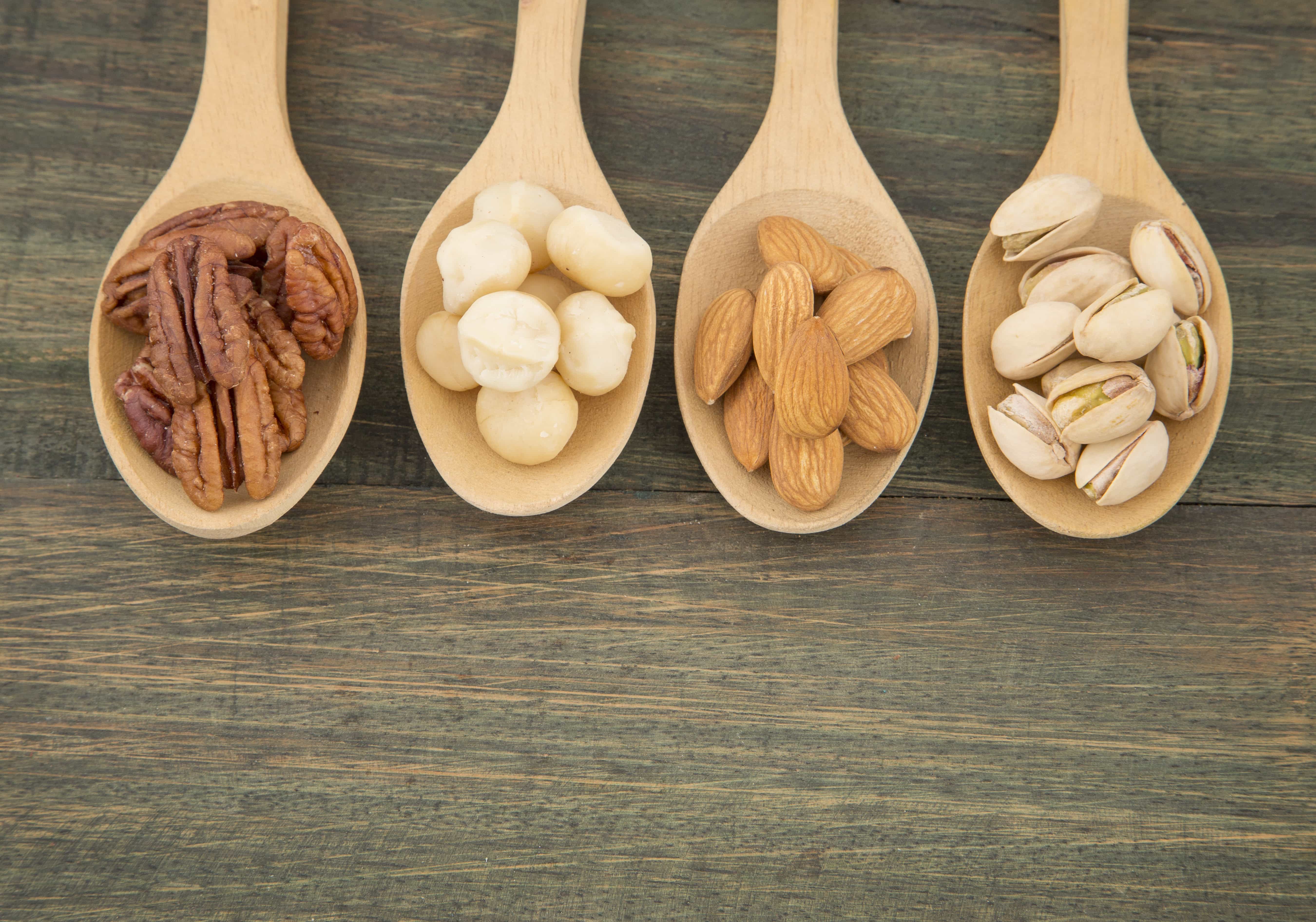
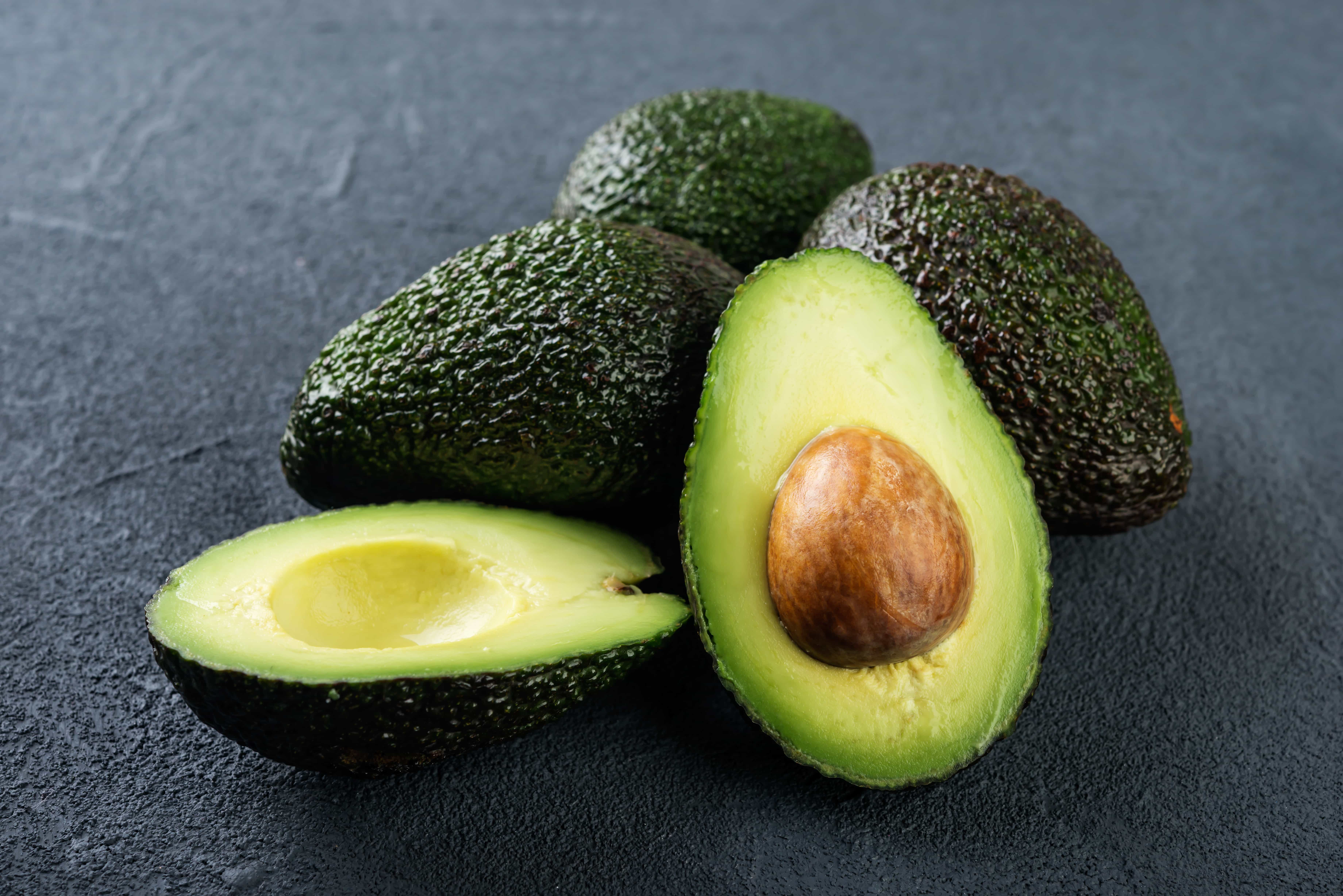
Energy dense foods include: Dried fruit, Avocados, Coconut, Cheese, Ground beef, Nuts, Tortillas and Granola.

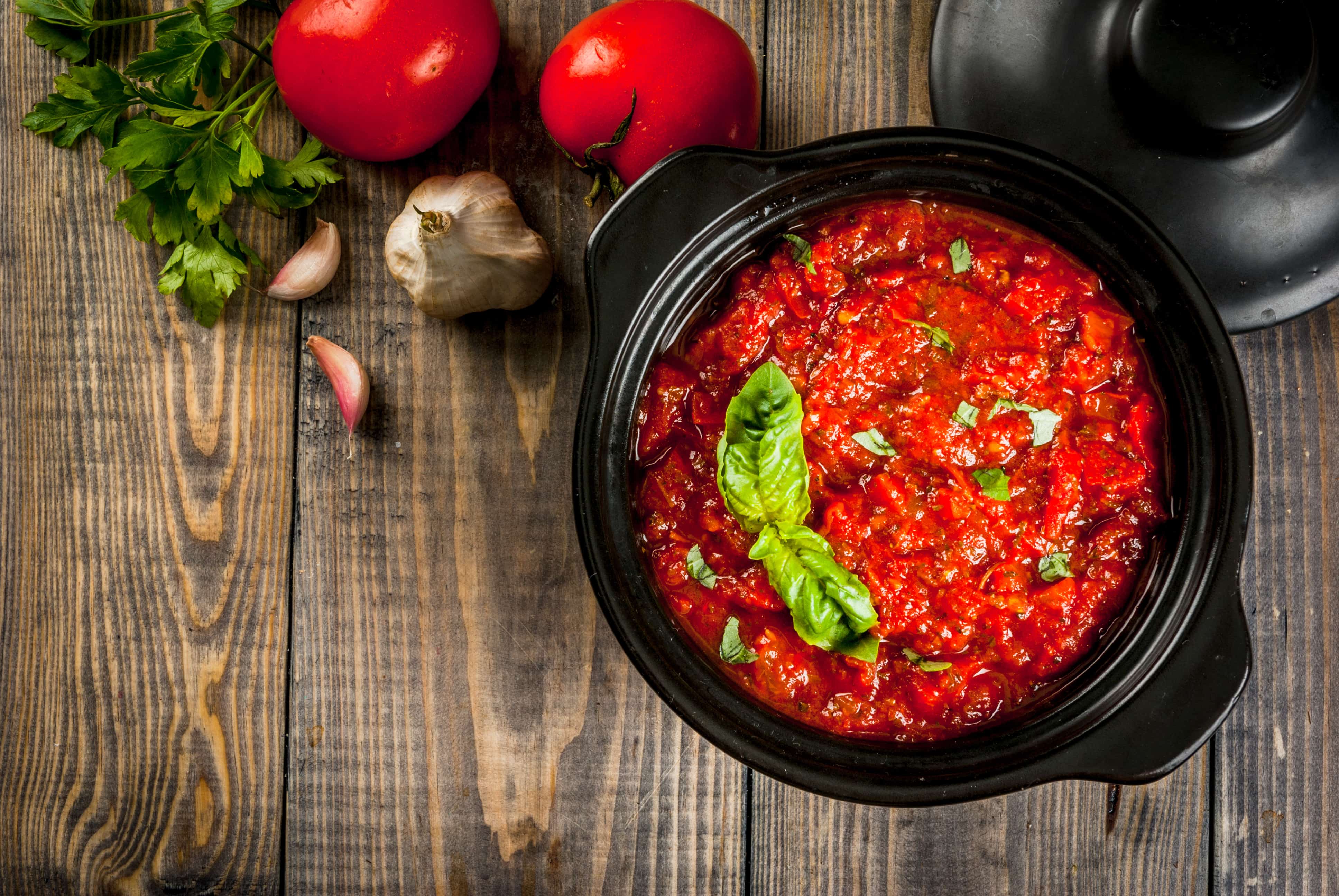
Rich toppings include: Dips, Dressing, Sauce, Hollandaise, Real gravy, Margarine, Mayonnaise, and Syrup.

– Debbie J., MS, RD

This article should not replace any exercise program or restrictions, any dietary supplements or restrictions, or any other medical recommendations from your primary care physician. Before starting any exercise program or diet, make sure it is approved by your doctor.

Some questions have been edited for length and/or clarity.

LA Fitness Living Healthy subscribe button

Want more? SUBSCRIBE to receive the latest Living Healthy articles right in your inbox!

Ask our Dietitian

Have a nutrition question? Our registered dietitian is ready to help!

Email nutrition@lafitness.com or submit your question below and it may be featured in an upcoming article!

4 + 11 =

Recommended Reading

How Laughter Improves Your Health

How Laughter Improves Your Health

Laughter can encourage blood flow, heighten your immunity, increase your intellectual performance, and even improve your quality of sleep.

Treat Yourself – Healthy Indulgences

Treat Yourself – Healthy Indulgences

Having an appetite is normal, friends. We all want a little permission to eat according to that appetite sometimes, especially when we’ve made changes to our diets. The key is doing so while maintaining progress toward our health and physique goals. Like spending money when on a budget, you may need to make compromises and sacrifices when you want to splurge.

First, let’s understand the ‘budget’ –  your self-imposed diet. It’s okay to make healthy changes such as moderately restricting intake for calorie reduction or cleaning up a diet that is full of processed foods or high in fat. On the other hand, intense restrictions* or abstinence from favorite foods are often followed by gorging/binging when those eating restrictions are lifted. Gluttony and over-indulgence not only mean excessive calories, but may lead to guilt.

Instead of telling yourself that you’re “following” a diet or “cheating” on it, drop both terms, which infer that only 100% compliance is acceptable and create negative thoughts when you can’t adhere to diet requirements. You should feel good about your overall intent, specific diet plan and progress, while anticipating hiccups along the way. Day to day or week to week, we all have natural fluctuations in the amount we eat (and our body weight) that a new diet plan may not be able to override.

So now on to the relaxation part…

Many people successfully attain their goals while incorporating a little freedom to their eating. Balance is the key. One approach is the 80/20 rule, where a very healthy diet is eaten 80 percent of the time so that 20 percent of the time a more relaxed diet can be consumed. In terms of days of the week, that 20% would account for about 1.5 days. Another method used to balance indulgence with restriction is to choose one discretionary food per day — a pre-planned sugary, fatty or alcoholic item. In fact, incorporating a moderate amount of a favorite food may help obese individuals achieve success in the long run, by avoiding some of the aforementioned rebound excessive eating.

Here are some specific suggestions for healthy indulgences:

  • Opt for a single-serving package of chips, fried snacks or cookies.
  • Use measured portion containers, such as a half-cup for ice cream.
  • Allow a daily ounce of dark chocolate, preferably with fruit or nuts, to curb cravings. See our article, CANDY – Why We Crave It & How to Control Those Cravings, if you have a sweet tooth for confections.
  • Dried fruit offers more intense flavor and sweetness than fresh fruit.
  • Adding avocado slices to salads, sandwiches and tacos enriches the healthy fat content with a smooth buttery feel in the mouth.
  • Fried portion of rarely-eaten fish or vegetable to gain those nutrients and variety. Just skip the Ranch dressing, cream sauce or dip served with it.
  • Have half a regular burger or pulled pork sandwich with a side salad or scoop of coleslaw to get your fill.
  • Make your own healthier version of notoriously heavy foods (e.g. potato fries baked in the oven, lasagna with reduced fat cheese and lean beef, brownies made with prune puree).
  • A small dessert the size of a ramekin, shooter glass, or mini muffin should please the palate.
  • Share an appetizer or dessert, as most are meant to be enjoyed.

Tips for maintaining progress while relaxing your diet:

  1. Decide before starting your meal how much to put on your plate, instead of deciding how much to eat off your plate during the meal.
  2. Compensate for extra calories with additional exercise.
  3. Document your weight routinely.
  4. Plan for special occasions such as a holiday meal, as described in our Eat All You Want at Thanksgiving Dinner and Not Gain Weight!? article.

*If you think you may have an unhealthy obsession or preoccupation with your diet or an inflexible or rigid eating behavior which impacts your well-being (physical, social, emotional, financial), you should seek out the assistance of an expert in disordered eating. To find one, call NEDA 1-800-931-2237 (US) or NEDIC 1-866-633-4220 (Canada).

Disclaimer: This blog post should not be construed as medical advice. Do not attempt to change your diet, fitness routine, or any other activity related to your health without first obtaining the advice of a medical professional. 

References:

Mind over platter: pre-meal planning and the control of meal size in humans. JM Brunstrom.

International Journal of Obesity, 2014. 38, S9–S12.

Psychological Consequences of Food Restriction. Janet Polivy. Journal of the American Dietetic Association, June 1996. 96 (6): 589-592.

LA Fitness Living Healthy subscribe button

Want more? SUBSCRIBE to receive the latest Living Healthy articles right in your inbox!

Recommended Reading

When Cutting Carbs Becomes Extreme | Q+A

When Cutting Carbs Becomes Extreme | Q+A

Question:

I have a question regarding cutting carbs. I have attempted to drastically cut carbs and as a result, went through a rough period just not feeling well. I suspect it’s because I went too extreme.  What is the proper way to cut carbs and what is the best way to reduce body fat?

– Gary K.

Answer:

It’s important to maintain your calories when you omit a large portion of your normal diet! Replacing the missing items with equivalent energy from protein and fat sources is key. Often a shift from starches such as bread, pasta and potatoes also means you’re also missing what normally goes on them – butter, jelly, oil, marinara sauce, sour cream, etc.

If you take away 2-3 slices of pizza, for example, and replace it with a couple of roasted chicken breasts, you’re losing hundreds of calories. You could obtain the equivalent calories without the carbs by having the chicken (light and dark meat) with cream sauce or mushroom gravy.

Your brain and nervous system prefer blood sugar as their source of energy. Be sure to consume at least the recommended minimum of carbohydrates to fuel your body properly. The United States Institute of Medicine recommends 130 grams of carbohydrates per day for adults, which is reflected in the 2015 U.S. Dietary Guidelines. (That equates to only 520 calories, typically less than 25% of actual energy consumed.)

– Debbie J., MS, RD

This article should not replace any exercise program or restrictions, any dietary supplements or restrictions, or any other medical recommendations from your primary care physician. Before starting any exercise program or diet, make sure it is approved by your doctor.

Some questions have been edited for length and/or clarity.

LA Fitness Living Healthy subscribe button

Want more? SUBSCRIBE to receive the latest Living Healthy articles right in your inbox!

Ask our Dietitian

Have a nutrition question? Our registered dietitian is ready to help!

Email nutrition@lafitness.com or submit your question below and it may be featured in an upcoming article!

2 + 10 =

Recommended Reading - Q+A

Good carbs vs bad carbs
Debunking Diet Myths

Debunking Diet Myths

With so many sources offering nutrition advice, it’s hard to know what’s true. Even factual information can become distorted by the time it reaches you. Like a game of telephone, the message often changes as it’s passed along. Here, we debunk 5 common diet myths to...

Energy Needs & Caloric Intake | Q+A

Energy Needs & Caloric Intake | Q+A

Question:

I am asking about approximate caloric intake. I am a 5’3″ female and weigh about 150, highly active with workouts (5-6 times per week, 45 minute workouts. Cardio + strength training). I do not think I am currently eating enough, which is hindering my progress. My goal is to lose weight. What is your recommendation according to the information above?

– Amy

Answer:

Your body size and described workouts would predict that your energy needs are in the range of 1800 – 2000 calories per day for weight loss. Remember that what those calories are comprised of is as important as the amount of calories you consume. Be sure that the bulk of what you eat during the day will support your activity and exercise, meaning fuel up earlier and not at night.

Rather than just counting calories, you should consider how to distribute those calories between carbohydrates, fats, and protein. These macronutrients could be the difference between being hungry or satisfied and retaining muscle or losing it as you lose weight. The goal would be to get enough lean protein, complemented with healthy fat, then the remainder as complex carbohydrates. For you, about 75-85 grams protein, 65-75 grams fat, and 210-230 grams carbohydrate should suffice.

Here’s what a sample day might look like for the above nutrient values:

Breakfast – 1 Cup bran cereal, 1/2 Cup low-fat milk, 1 grapefruit and 1 fried egg

Lunch – 4 oz. tuna salad, 4 rye crisp crackers, large dark green salad, 2 Tbsp. of oil-based dressing

Dinner – 1 small skinless chicken breast, 1 Cup of broccoli, 1 Cup of corn, 1 tsp margarine

3 Snacks –

1 large apple with 2 Tbsp. of peanut butter

1 carrot + 1 celery with 2 Tbsp. of hummus

6 oz. plain low-fat yogurt with 1 C berries + 1 Tbsp. crushed almonds

– Debbie J., MS, RD

This article should not replace any exercise program or restrictions, any dietary supplements or restrictions, or any other medical recommendations from your primary care physician. Before starting any exercise program or diet, make sure it is approved by your doctor.

Some questions have been edited for length and/or clarity.

LA Fitness Living Healthy subscribe button

Want more? SUBSCRIBE to receive the latest Living Healthy articles right in your inbox!

Ask our Dietitian

Have a nutrition question? Our registered dietitian is ready to help!

Email nutrition@lafitness.com or submit your question below and it may be featured in an upcoming article!

11 + 7 =

Recommended Reading

How Laughter Improves Your Health

How Laughter Improves Your Health

Laughter can encourage blood flow, heighten your immunity, increase your intellectual performance, and even improve your quality of sleep.

Baby & Me: Staying Healthy for Two | Q+A

Baby & Me: Staying Healthy for Two | Q+A

Question:

I work out 4-7 times a week and have been going consistently for the last 8 months. I just found out I am pregnant. I would like to continue working out and keeping my body strong and fit for the baby and myself. What do I need to do differently than I did when I was not pregnant, regarding eating and working out, to make sure I am getting proper nutrients for baby and me?

– Melinda

Answer:

Congratulations, Melinda!

As a Registered Dietitian Nutritionist, I will address the eating side of your question. For initial advice on working out during pregnancy, see our previous article Can you Exercise While You’re Pregnant? and this and this link to tips from the U.S. National Institute of Health. Of course, these suggestions shouldn’t replace the guidance of your obstetrician.

You’ll need extra fluids, nutrients and calories as your pregnancy progresses. See details from the U.S. Office on Women’s Health by clicking here. In the first trimester, folate and other vitamins and minerals are crucial for proper neural tube development, so a good prenatal vitamin is key. Strictly avoid alcohol during this time. The second trimester is when you start to expand blood volume and increase maternal stores while your baby grows rapidly from the size of a nut (3”, 1 oz.) to a football (12”, 1 lb.) while developing all of its organs and features. About 2 additional cups of fluids are needed per day. Adding around 300 extra calories from healthy foods with adequate calcium and iron will support this growth. In the last trimester, your baby is filling out to full-term weight. This is when you are truly “eating for two, ” although in terms of energy, you really only need an additional 200 calories on top of your 2nd trimester needs.

For weight gain recommendations, click  and be sure to ask your obstetrician for guidelines tailored to your specific needs.

– Debbie J., MS, RD

This article should not replace any exercise program or restrictions, any dietary supplements or restrictions, or any other medical recommendations from your primary care physician. Before starting any exercise program or diet, make sure it is approved by your doctor.

Ask our Dietitian

Have a nutrition question? Our registered dietitian is ready to help!

Email nutrition@lafitness.com or submit your question below and it may be featured in an upcoming article!

15 + 2 =

Recommended Reading

How Laughter Improves Your Health

How Laughter Improves Your Health

Laughter can encourage blood flow, heighten your immunity, increase your intellectual performance, and even improve your quality of sleep.

LA Fitness Living Healthy subscribe button

Want more? SUBSCRIBE to receive the latest Living Healthy articles right in your inbox!