AAT: Ep. 38 – How Can I Maintain My Muscle?
On this episode of ‘Ask A Trainer’ we speak with LA Fitness Pro Results® trainer Morgan C., and get her expert advice on how to properly maintain muscle mass.


LA Fitness Pro Results® Master Trainer, Geoff F., educates us on some of the best moves for building glute muscles. Watch below!

Do you have a fitness question? Ask one of our certified Pro Results® trainers here! Your question may be featured in an upcoming Ask Our Trainer video.**
**Selected submissions will be featured on the LA Fitness blog and possibly other LA Fitness digital media entities & websites. By making a submission, you hereby grant LA Fitness a non-exclusive, perpetual, worldwide, irrevocable license to use and make copies of the contents of such submission for any purpose and in any medium whatsoever, and you hereby waive and relinquish any copyright or other intellectual property right you may have in the contents of such submission and your right to pursue any claim for LA Fitness’s violation of those intellectual property rights.

On this episode of ‘Ask A Trainer’ we speak with LA Fitness Pro Results® trainer Morgan C., and get her expert advice on how to properly maintain muscle mass.
On this episode of ‘Ask A Trainer’ we speak with LA Fitness Pro Results® trainer Morgan C., and get her expert advice on which machines offer a full body workout.
On this episode of ‘Ask A Trainer’ we speak with LA Fitness Pro Results® trainer Morgan C., and get her expert advice on whether or not strength training or cardio should come first when it comes to weight loss.


My friend suggested that I avoid all the sugary foods for 3 months to heal my osteoarthritis knee. It has been over 5 months and still slightly swell and painful. Can you list everyday sugary foods? Are apples, bananas, oranges, watermelon and blueberries considered sugary foods?
– Harold H.


My clinical understanding is that osteoarthritis is not curable but symptoms are manageable. Since you’ve not had success, it seems you need another tactic. Though I agree with eliminating added sugar, you’ll want the antioxidants from fruits and vegetables to decrease inflammation*.
Sugary foods to avoid include regular sodas, lemonade, smoothies, most energy drinks, sweetened dried cranberries or shredded coconut, desserts, confections, sweetened yogurt, granola bars, breakfast bars, cereals with more than 5 grams sugar per serving, prepared coleslaw, French dressing, glazed ham, sauced meats (e.g. orange chicken), barbeque sauce, most pasta sauce and Chinese fast food.
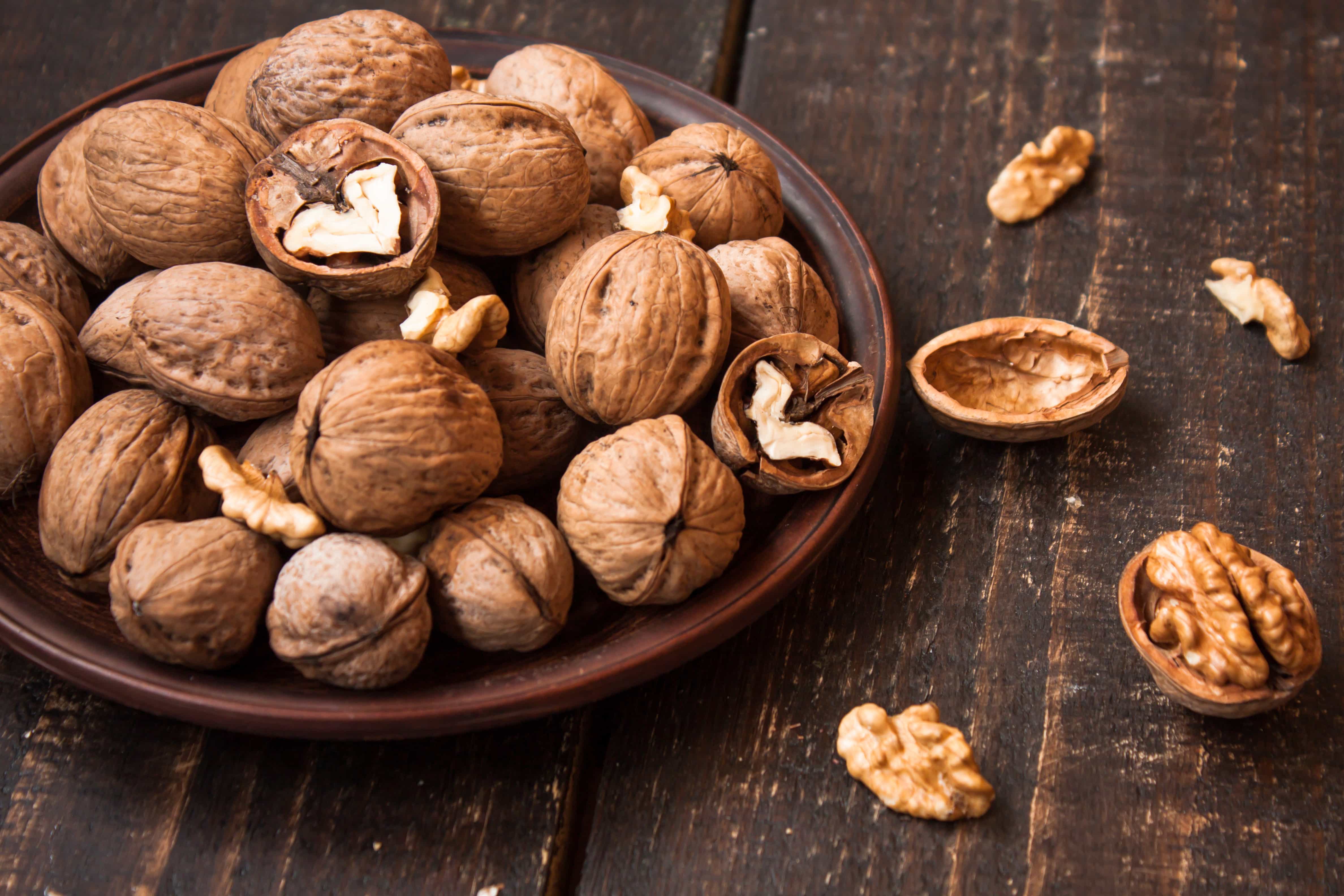
Other recommendations for osteoarthritis include getting daily ginger, turmeric, and omega-3 rich food – such as fatty fish (salmon), walnuts or flax seed. In addition to diet, supplements such as SAM-e, glucosamine w/ chondroitin, and capsaicin are promoted for reducing osteoarthritis pain.
– Debbie J., MS, RD


This article should not replace any exercise program or restrictions, any dietary supplements or restrictions, or any other medical recommendations from your primary care physician. Before starting any exercise program or diet, make sure it is approved by your doctor.
Some questions have been edited for length and/or clarity.

Want more? SUBSCRIBE to receive the latest Living Healthy articles right in your inbox!
 Have a nutrition question? Our registered dietitian is ready to help!
Email nutrition@lafitness.com or submit your question below and it may be featured in an upcoming article!

Take on the new year with these 20 fitness goals! Get ideas for where to start or challenge yourself to something you never expected.
Debbie James, RDN, helps answer a reader’s question about dietary options when GERD and a thyroid condition are making things complicated.

Any good workout plan needs a good nutrition plan. We’ve compiled the best advice from our RDN, Debbie James, to help you construct your perfect meal plan.

Shakespeare may have once famously written, ”For never was a story of more woe than this of Juliet and her Romeo.” Clearly,he never knew of the tragic love story between carbs and the waistline.
Carbohydrates. What are they? Why are they so delicious? And why do they get a bad rap?
Let’s break it down. A carbohydrate is defined as “any large group of organic compounds occurring in foods and living tissues and including sugars, starch, and cellulose.”1 An easier way to explain this is that “carbohydrates are the sugars, starches and fibers found in fruits, grains, vegetables and milk products.”2
These compounds can be grouped into two different categories: simple and complex.

Simple Carbohydrates (a.k.a. The “Bad” Carbohydrates)
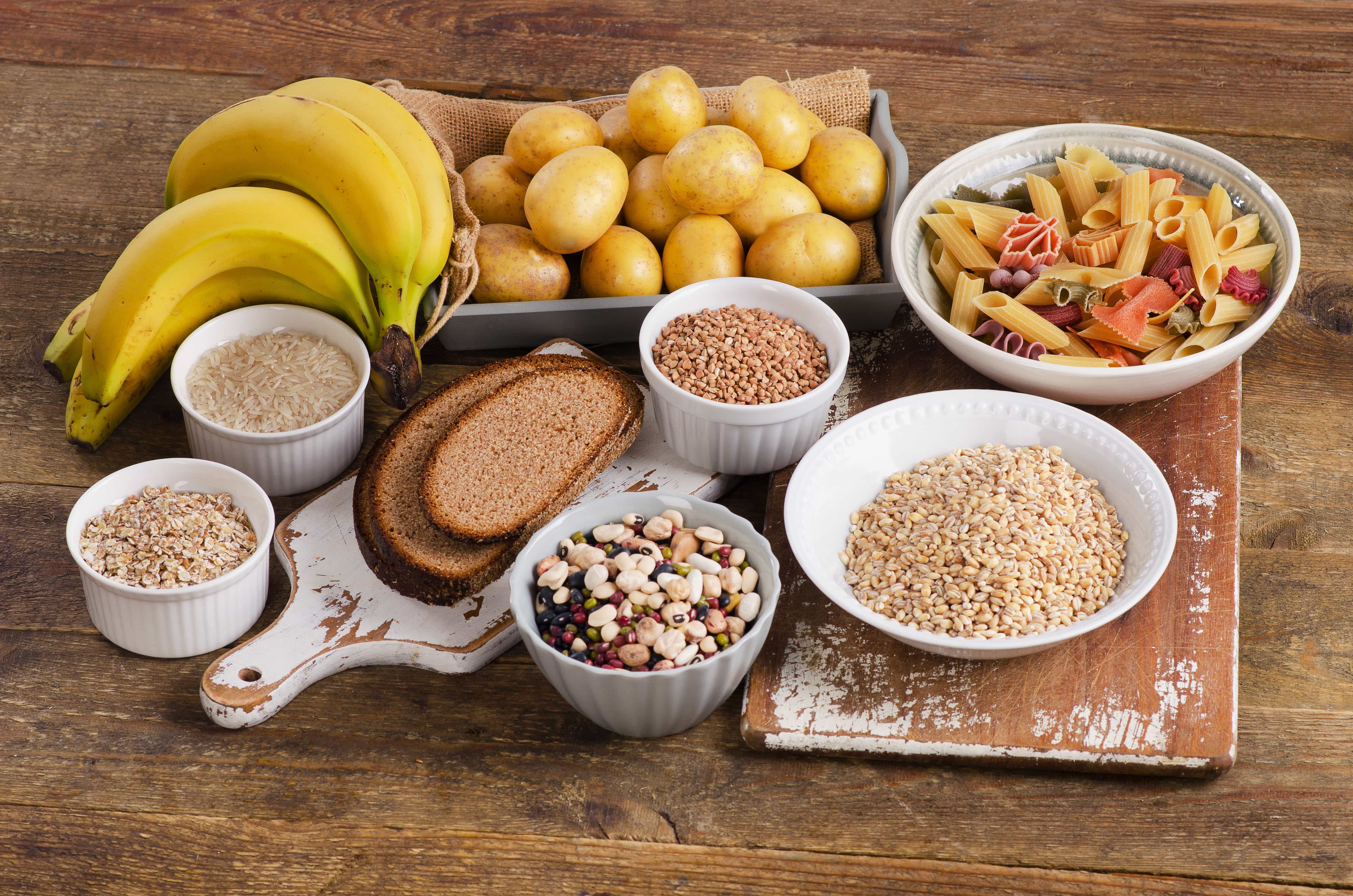
Simple carbohydrates, also known as refined carbs, can be found naturally in milk products, fruits and vegetables. However, they are also found in foods containing processed and refined sugars such as soft drinks, baked goods, and cereal. The latter is what gives carbs a bad reputation, as those type of foods can be unhealthy for your body and lead to disease if too many are consumed. This is because refined and processed sugars are considered “empty calories”, meaning they do not have vitamins, minerals or fiber, which can lead to weight gain.3
Complex Carbohydrates (a.k.a. The “Good” Carbohydrates)
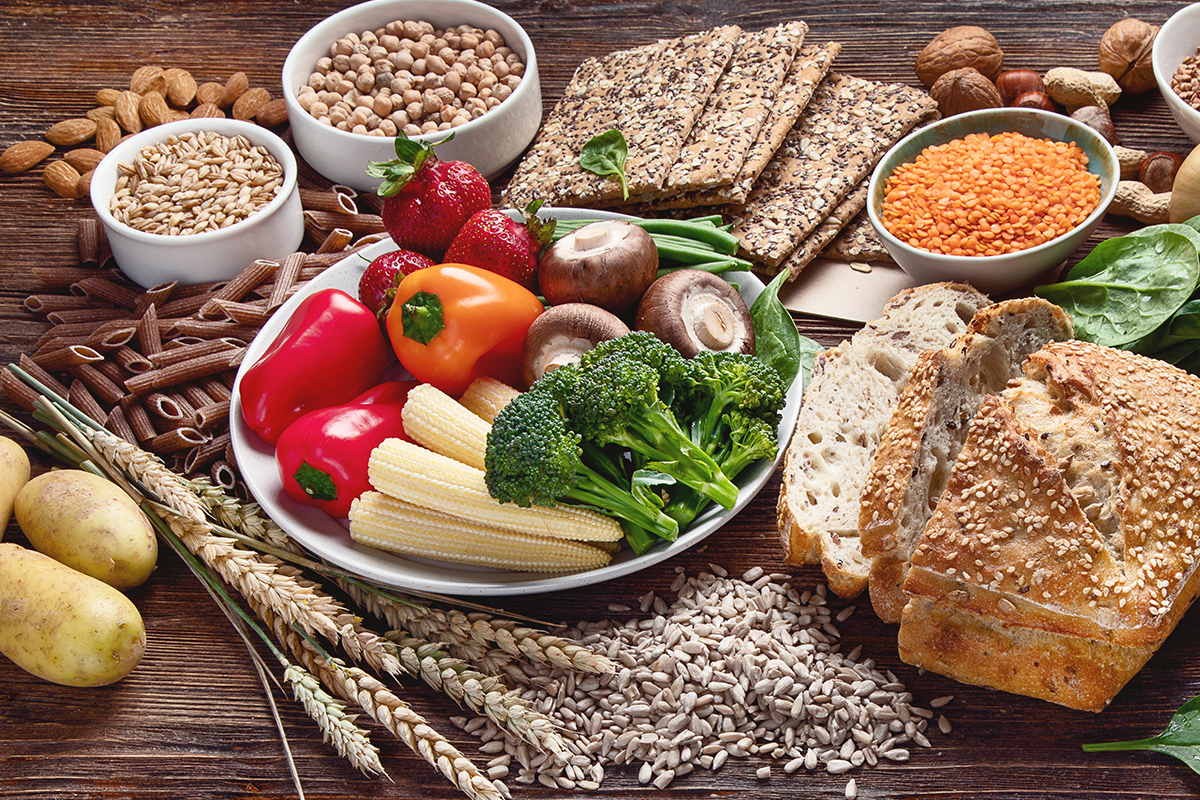
Complex carbohydrates, also known as polysaccharides, are known to digest slower than simple carbs and are packed full of nutrients for your body. That makes these foods more filling, which helps aid in weight control.4 It also helps in providing the body more energy over longer periods of time.5 A few examples of complex carbohydrates are broccoli, grains, and beans.

If you’re still unsure what makes certain carbs “good” versus “bad”, some helpful distinctions are as follows:6
Bad carbs are:
Good carbs are:
While not all carbs are created equal, our bodies do need them to function. In fact, the right type of carbs can help benefit our bodies in multiple ways.
1. Heart Health
Carbohydrates high in fiber help lower LDL-cholesterol (low-density lipoprotein) levels7, which can contribute to a plaque-like deposit that clogs arteries and makes them less flexible.
2. Weight Loss
Again, the right type of carbohydrates can help with weight loss due to fiber. Dietary fiber helps the body feel full8. Therefore, you’re less likely to over eat.
3. Mental Health
This is tricky because there have been studies showing both positive and negative effects of carbohydrates on the brain. It’s not exactly about carbs in general, but the type of carbs you’re consuming – do you see a trend here? Stick with complex carbohydrates over simple.
The important thing to keep in mind is that there are three different types of carbohydrates: starch, sugar and fiber. Furthermore, carbohydrates can be broken down into two categories known as simple and complex. Depending on your own unique body composition and health history, it may be best to consult your doctor before deciding what changes to make in your diet.
Interested in finding out more about carbohydrates and their effect on the body? Check out some other Living Healthy articles on the topic below!
When Cutting Carbs Becomes Extreme | Q+A
‘Healthy’ Carbohydrates for Weight Loss – fact or fiction?
No Carb Diet? Think Twice, You Need Carbohydrates to Survive!
Sources:

The Holiday Season can get stressful, so we may stick to a routine for the sake of easy planning. Try any of these 10 simple ideas to bring new life to your Thanksgiving celebrations.

By now, you may have seen some donation boxes at your local LA Fitness. If you haven’t been entirely sure what those boxes are all about, you’re in the right place!

Most comfort foods we turn to are heavily laden with fat, starch and calories. There are healthier ways to enjoy down-home classics by making a few tweaks.
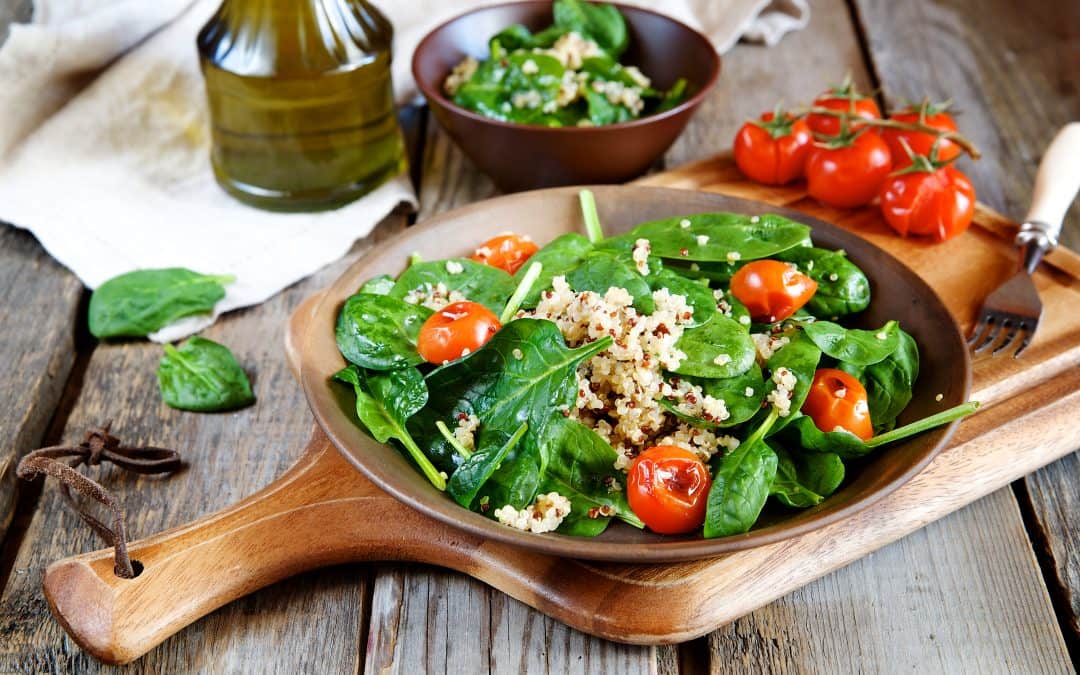

I’d like to shed about 8 to 10 pounds of fat quickly. I’m about 5’9, 179lbs., 43 years old. I was told if I work out 3-5 times per week and eliminate all carbs and sugar for a month I should be okay. I’m vegan, so I’m guessing I should just eat vegetables, nuts and protein supplement?
– Antonio T.
To have energy for your workouts, it may not be the best plan to forgo all carbs. Plus, so many vegan foods do have carbohydrates. Your estimated energy needs for losing 2 pounds per week quickly are about 1500-1800 calories daily with your current level of exercise. Dividing that up, you should eat 400-500 calories per meal x3 and 150 calories per snack x 2. Here are some possible meal and snack combinations for more variety than just veggies and nuts…


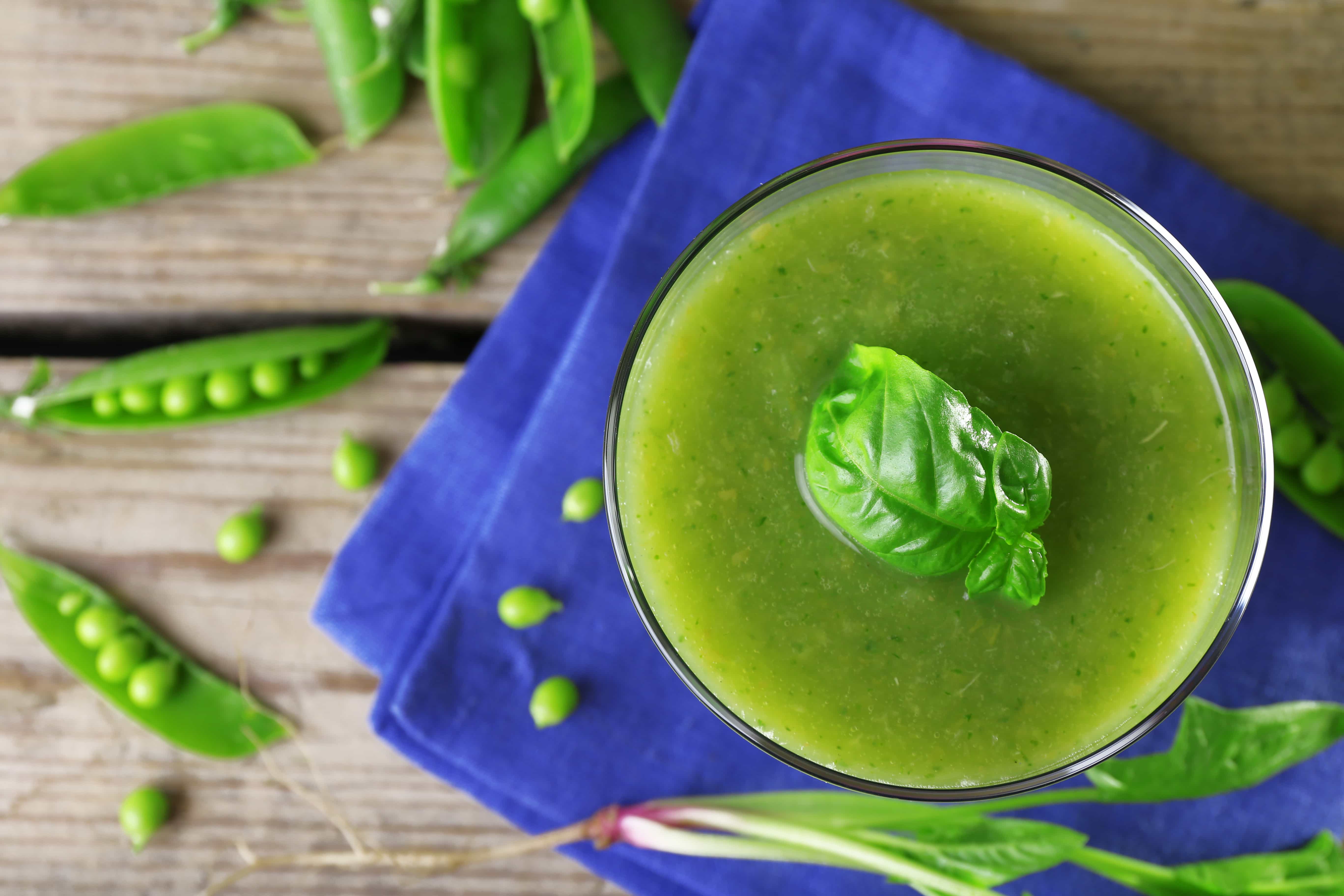
Breakfast options:
Lunch ideas:
Sample dinners:
Snack suggestions:
– Debbie J., MS, RD
This article should not replace any exercise program or restrictions, any dietary supplements or restrictions, or any other medical recommendations from your primary care physician. Before starting any exercise program or diet, make sure it is approved by your doctor.
Some questions have been edited for length and/or clarity.
Want more? SUBSCRIBE to receive the latest Living Healthy articles right in your inbox!
Have a nutrition question? Our registered dietitian is ready to help!
Email nutrition@lafitness.com or submit your question below and it may be featured in an upcoming article!
Take on the new year with these 20 fitness goals! Get ideas for where to start or challenge yourself to something you never expected.
Debbie James, RDN, helps answer a reader’s question about dietary options when GERD and a thyroid condition are making things complicated.
Any good workout plan needs a good nutrition plan. We’ve compiled the best advice from our RDN, Debbie James, to help you construct your perfect meal plan.

I am looking for a more natural electrolyte drink than Gatorade. Lately I have been squeezing lemon juice into a water bottle and mixing with water. Is there anything you suggest either adding to this drink or even a completely different drink you can suggest?
– Brian W.
Hello Brian. Kudos on making your own drink. To mimic a prepared carbohydrate electrolyte solution, you’ll need a source of energy (sugar). I’d recommend adding one tablespoon of agave syrup per 16 fl. oz. of your drink. Alternatively, you can replace a half-cup of water with orange juice or coconut water*. To improve the electrolytes, I’d suggest adding a couple shakes of salt (sodium chloride). With the fruit juices you shouldn’t need to add more potassium. Taste and cost preference for ingredients is up to you.
You may find oral rehydration solution recipes online, but keep in mind that they are targeted at reversing dehydration (due to vomiting & diarrhea) instead of preventing it, as they are saltier and less sweet. During exercise, people tend to drink cooler, slightly sweet beverages.
10 Surprising Facts About Water and Staying Hydrated
*I don’t recommend 100% coconut water as a sports beverage. A recently released study1 indicated no benefit to coconut water over regular water for hydration or time trial performance for a small group of men, consistent with a previous similar study2 on rehydration following exercise:
– Debbie J., MS, RD
This article should not replace any exercise program or restrictions, any dietary supplements or restrictions, or any other medical recommendations from your primary care physician. Before starting any exercise program or diet, make sure it is approved by your doctor.
Some questions have been edited for length and/or clarity.
Want more? SUBSCRIBE to receive the latest Living Healthy articles right in your inbox!
Have a nutrition question? Our registered dietitian is ready to help!
Email nutrition@lafitness.com or submit your question below and it may be featured in an upcoming article!
Take on the new year with these 20 fitness goals! Get ideas for where to start or challenge yourself to something you never expected.
Debbie James, RDN, helps answer a reader’s question about dietary options when GERD and a thyroid condition are making things complicated.
Any good workout plan needs a good nutrition plan. We’ve compiled the best advice from our RDN, Debbie James, to help you construct your perfect meal plan.