Warm Comfort Foods Made Healthy(ish)
Most comfort foods we turn to are heavily laden with fat, starch and calories. There are healthier ways to enjoy down-home classics by making a few tweaks.

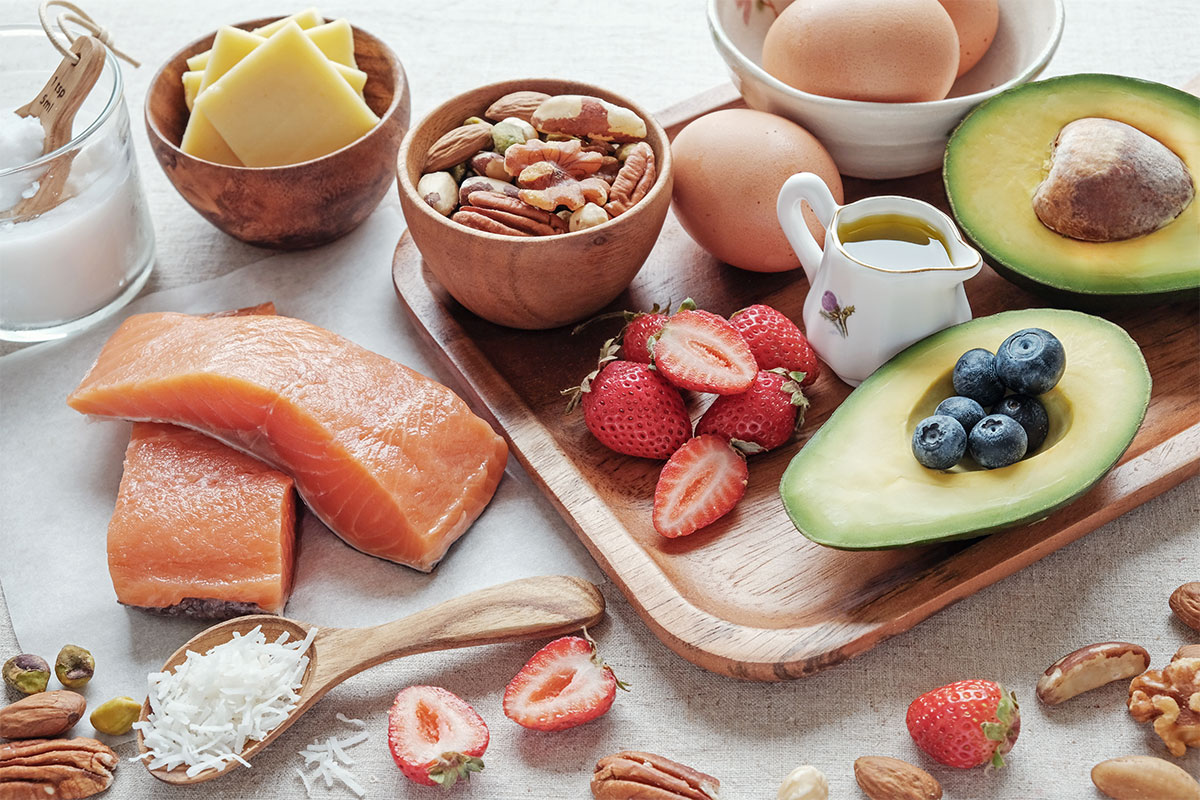

Can you provide me with a basic understanding of carbs, fats, and proteins?
– Mandeep P.

Carbohydrate, fat, and protein are the three macronutrients (needed in large quantities) that give us energy. Alcohol also provides calories but is not a nutrient. Water is the other macronutrient but is calorie-free.
Carbohydrates are compounds that are predominantly used for energy in the body to fuel our brain, nervous system, organs, metabolic processes, and muscles. We get 4 calories per gram from carbohydrate molecules that reach our cells. Some carbohydrates aren’t even digested or absorbed – namely dietary fiber. It is specifically identified on a food’s Nutrition Facts panel, as are sugars. Carbohydrates can be simple or complex in structure. Simple carbohydrates are single or double sugar units, while complex carbohydrates are starchy. Sugars are naturally found in fruits, milk and yogurt, some vegetables, but can be added to just about any packaged or processed food. Starches include foods like potatoes, pasta, bread, rice, corn and cereal grains.
Fats that we eat are triglyceride compounds, the same type we store in our bodies. We get 9 calories per gram of fat, making fat the most energy-rich macronutrient. In addition to long-term energy, we use fat for insulation and protecting our internal organs. Each triglyceride has 3 fatty acid strands. Some of the bonds in a fatty acid are doubled-up making them unsaturated. Mono-(single) and poly-(multiple) unsaturated fats are healthier for us than saturated fat. Trans fat is produced unintentionally when in food processing, and unsaturated fat (typically plant oil) is hydrogenated to become solid. These are the worst fats that negatively impact health, even more so than saturated fat. The highest sources of beneficial unsaturated fats are fatty fish and plant foods like nuts, olives, and avocados.
Proteins are chains of nitrogen-containing amino acids that we break down and reuse to form our own protein in cell membranes, antibodies, and enzymes. These are functions neither fats nor carbohydrates can perform, and we don’t have amino acid reserves, so it’s important to get enough protein. We get 4 calories per gram of protein. Some of the amino acids we can’t form ourselves and so are considered essential to our bodies. Protein sources with the most essential amino acids include eggs, poultry, beef, pork, and dairy products. With an adequate amount of a wide variety of legumes, vegetables, whole grains, nuts and seeds, vegans can get enough essential amino acids from plant foods alone.
Did you know?… If you eat too many calories from any energy source, your body can convert it to stored fat.
– Debbie J., MS, RD
This article should not replace any exercise program or restrictions, any dietary supplements or restrictions, or any other medical recommendations from your primary care physician. Before starting any exercise program or diet, make sure it is approved by your doctor.
Some questions have been edited for length and/or clarity.
 Have a nutrition question? Our registered dietitian is ready to help!
Email nutrition@lafitness.com or submit your question below and it may be featured in an upcoming article!

Most comfort foods we turn to are heavily laden with fat, starch and calories. There are healthier ways to enjoy down-home classics by making a few tweaks.

Good nutrition is all about variety! Browse through our list of unusual fruits and veggies and give yourself a chance to try something new.

Does liberally salting your food help you pump more iron in the gym? Registered Dietitian, Debbie James, investigates the claims!

I would like to find good breakfast diet. I can’t do milk products in the morning. Oatmeal is not my favorite, but I can eat it. I also need good lunch meal to carry with me as I am in sales so I’m in the car all day long.
My background:
Thanks for your help.
– Kent S.
Based on the information you provided, meals about 600-800 calories (assuming no snacks) seem suitable. You’d benefit from fiber, unsaturated fats including omega-3 fats and losing weight, hence the lower calorie range.
Here are a few options about 600 calories for you to consider:
Breakfasts
Lunches
Others have recently had similar questions. Read our answers here: Quick Eats While on the Road and The Mailman Diet.
– Debbie J., MS, RD
This article should not replace any exercise program or restrictions, any dietary supplements or restrictions, or any other medical recommendations from your primary care physician. Before starting any exercise program or diet, make sure it is approved by your doctor.
Some questions have been edited for length and/or clarity.
Have a nutrition question? Our registered dietitian is ready to help!
Email nutrition@lafitness.com or submit your question below and it may be featured in an upcoming article!
Most comfort foods we turn to are heavily laden with fat, starch and calories. There are healthier ways to enjoy down-home classics by making a few tweaks.
Good nutrition is all about variety! Browse through our list of unusual fruits and veggies and give yourself a chance to try something new.
Does liberally salting your food help you pump more iron in the gym? Registered Dietitian, Debbie James, investigates the claims!



What are mucins? I just heard the term recently and it sounded like they are good for you, but I’d like more info. What do they do for you? And what are good sources of them?
– Kathryn J.
Mucins are glycoproteins that are an integral part of your immune system, acting as a physical barrier for epithelial cells against pathogens and foreign invaders and helping prevent inflammatory responses. They also act as lubrication in gel-like secretions such as saliva, mucus and tear film over the eyes. The mucins you produce are generally good for you, except the ones that are over-expressed and linked to cancer or respiratory ailments.
Other animals that produce notable mucins are snails, octopus, and giant jellyfish. Does that mean that eating them or their mucin will result in your gaining more human mucin? I could not determine that, although I did find out that apparently snail slime face masks are quite popular. Scientifically, it follows that if your mucins are lining your gut then they aren’t digested and absorbed, and therefore animal mucin consumed orally wouldn’t be either. But that is just my hypothesis.
From all the available literature it seems there are a few things you can eat to optimize your natural mucin:
In animal studies, it’s been shown that vitamin A and the amino acid threonine is needed for mucin synthesis. Vitamin A is found in eggs, dairy fat, dark green leafy and orange vegetables and fruit. Threonine — essential in the human diet since we can’t produce it — is found in protein (predominantly from meat, dairy foods and eggs). Eating adequate fiber which colonic bacteria feed on will prevent them from turning to gobbling up your mucin. Evidence is limited whether licorice root may help increase the natural production of mucins, but it has been used as a natural gut remedy for centuries.
– Debbie J., MS, RD
This article should not replace any exercise program or restrictions, any dietary supplements or restrictions, or any other medical recommendations from your primary care physician. Before starting any exercise program or diet, make sure it is approved by your doctor.
Some questions have been edited for length and/or clarity.
Have a nutrition question? Our registered dietitian is ready to help!
Email nutrition@lafitness.com or submit your question below and it may be featured in an upcoming article!
Most comfort foods we turn to are heavily laden with fat, starch and calories. There are healthier ways to enjoy down-home classics by making a few tweaks.
Good nutrition is all about variety! Browse through our list of unusual fruits and veggies and give yourself a chance to try something new.
Does liberally salting your food help you pump more iron in the gym? Registered Dietitian, Debbie James, investigates the claims!

You’ve wanted to lose weight. You’ve wanted to get healthier, feel better, and have more energy. You’ve thought about the possibility of joining a gym, but something has held you back. Perhaps it’s fear, vulnerability, or a lack of confidence keeping you from accomplishing your fitness goals. Before allowing any more negativity to cloud your frame of mind, let’s push the pause button.
For many toying around with the thought of joining a gym (but slacking with the follow-through), we’re here to say: let’s not put off your health and happiness any longer. There seems to be this common misconception that one must get fit before getting fit in a club. That could not be any further from the truth. Yet, it’s an idea that many people believe, usually due to one of the fears listed below.






Conclusion
You don’t have to be in shape, an experienced-gym goer, or former athlete to reap the benefits of joining a gym. Whether you’re a complete beginner (or otherwise) there are ways to modify your gym experience to fit your personal physical fitness goals.
At LA Fitness, we’re a judgment-free zone. We’re here to help you reach all of your fitness and health goals. Come check us out today, and don’t be afraid to start.
Referenced:

The Holiday Season can get stressful, so we may stick to a routine for the sake of easy planning. Try any of these 10 simple ideas to bring new life to your Thanksgiving celebrations.

By now, you may have seen some donation boxes at your local LA Fitness. If you haven’t been entirely sure what those boxes are all about, you’re in the right place!
Most comfort foods we turn to are heavily laden with fat, starch and calories. There are healthier ways to enjoy down-home classics by making a few tweaks.