Warm Comfort Foods Made Healthy(ish)
Most comfort foods we turn to are heavily laden with fat, starch and calories. There are healthier ways to enjoy down-home classics by making a few tweaks.


Hello, I am a 147 lb, 24 year old, male. I am very active in terms of working out and playing sports. How many calories should I eat daily to maintain my body weight and gain more muscle? I was 198 lbs and have dropped down to this weight. Thank you.
– Rafi H.

Most equations would put your energy needs in the range of 2,800-3,000 calories per day, based on a height of 5 foot, 9 inches. Subtract 30 calories for every inch shorter or add 25 calories for every inch taller. That’s assuming your weight loss was intentional as you say you’d like to maintain now.
Your body doesn’t know such equations exist and your digestion, metabolism, genetics and hormones will act on their own. My recommendation would be to get a good look at how much you’re currently eating before making changes. You can do so using PersonalTracker from nutrihand.com or the Diet Analysis & Food Diary tool at happyforks.com.
Once you get a sense of your actual energy intake and carbohydrate, protein, and fat percentages, you can determine where you may need to make changes in macronutrient breakdown to build muscle.
– Debbie J., MS, RD
This article should not replace any exercise program or restrictions, any dietary supplements or restrictions, or any other medical recommendations from your primary care physician. Before starting any exercise program or diet, make sure it is approved by your doctor.
Some questions have been edited for length and/or clarity.
 Have a nutrition question? Our registered dietitian is ready to help!
Email nutrition@lafitness.com or submit your question below and it may be featured in an upcoming article!
Most comfort foods we turn to are heavily laden with fat, starch and calories. There are healthier ways to enjoy down-home classics by making a few tweaks.

Good nutrition is all about variety! Browse through our list of unusual fruits and veggies and give yourself a chance to try something new.

Does liberally salting your food help you pump more iron in the gym? Registered Dietitian, Debbie James, investigates the claims!

Knotted muscles are uncomfortable, to say the least, but they can also be debilitating if they’re bad enough. They can affect the surrounding muscles, be tender to touch, change how we’d normally do things, and can be painful to get rid of.
We’re going to give you some ideas on what you can do to find relief from this common problem.
A knot can feel like a tender, swollen, or tense spot in your muscles. Normally, when you run your fingers over a muscle, it should give slightly under the pressure. When you come across a knot, it may feel like there is a bump or hard spot that isn’t as supple as the surrounding muscle. If there is a lot of tension in the muscle, or if there are multiple knots that are close together, it can be harder to isolate each individual knot.
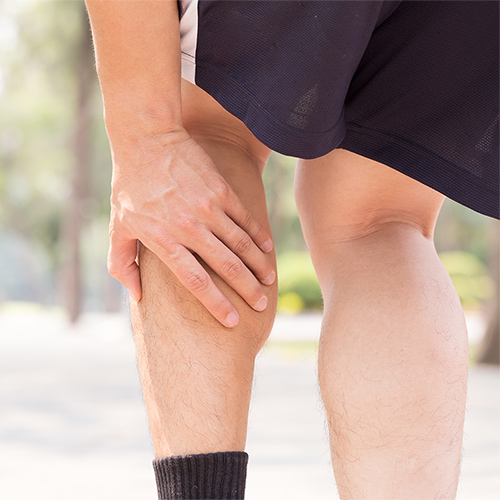





Knots can form pretty much anywhere in your body where there is muscle. Registered Nurse, Rachel Nall, identifies the following as the most common problem-areas:
Anything that strains your muscles in a manner that’s inconsistent with what they are used to can result in a knot.
They can come from stress, muscle overuse or underuse, injury, or bad posture. Unfortunately, there are a lot of things that can cause knots.
On the bright side, there are also a lot of things you can do to help with the pain. You can:
In addition to these, we’ve found some stretching techniques presented by Physical Therapists Bob Schrupp and Brad Heineck in their YouTube video: 60 Second Stretches to Get Knots from Shoulders, Upper Back, and Traps. Most of these stretches can be done from a seated position which makes them easy to do pretty much anywhere. One exercise is similar to a shoulder shrug. Schrupp explains that you should:
Another exercise they talk about looks like this:
The idea behind these exercises, Heineck explains, is to fatigue the muscles into relaxing. They will feel tight during the exercises but will tend to relax afterwards.
As with any type of exertion on your body, pay attention to what hurts to minimize your risk for injury. Start gradually and don’t over-do it, because it is possible to have too much of a good thing. To learn how you can handle and prevent back, knee, and shoulder injuries, listen to our Podcast, Episode 28. To help prevent future knotted muscles, read our post on The 10 Most Popular Exercises and How to Perform Them Properly. To access our monthly blog post highlights, subscribe to our newsletter today!

I am a 65 year old male. I weigh 295 pounds with borderline diabetes (A1c 6.2). I love watermelon because it hydrates and satisfies my sweet tooth. Can I eat too much watermelon?
– Joseph H.
Of course, you can eat too much of anything, even food with natural sugars! Watermelon is a more dilute fruit — its high water content (90%!) means less sugar per volume compared with other fruits. A single serving of watermelon at 2/3 cup (100 grams) provides only 7.6 gm carbohydrate. Eat a few servings and you’re back to a higher sugar intake.
Besides just focusing on controlling the sugar load, you should also consider balancing meals and snacks. It’s possible to modify the digestion/absorption speed of the fruit you eat. Consuming fat and protein (or fiber) with simple carbohydrates acts to slow digestion and absorption, thereby blunting the rise in blood sugar response. Example: add part-skim mozzarella, olive oil, basil & balsamic vinegar for a watermelon caprese salad.
Keep in mind your total calories, so reducing portions of fat and protein elsewhere in the day may be needed.
See our previous answers regarding fruit: Which Fruits Contain the Most Sugar, Which Fruits are Best to Eat and Do I Need to Limit Fruit.
Resources:
– Debbie J., MS, RD
This article should not replace any exercise program or restrictions, any dietary supplements or restrictions, or any other medical recommendations from your primary care physician. Before starting any exercise program or diet, make sure it is approved by your doctor.
Some questions have been edited for length and/or clarity.
Have a nutrition question? Our registered dietitian is ready to help!
Email nutrition@lafitness.com or submit your question below and it may be featured in an upcoming article!
Most comfort foods we turn to are heavily laden with fat, starch and calories. There are healthier ways to enjoy down-home classics by making a few tweaks.
Good nutrition is all about variety! Browse through our list of unusual fruits and veggies and give yourself a chance to try something new.
Does liberally salting your food help you pump more iron in the gym? Registered Dietitian, Debbie James, investigates the claims!

Welcome to the 31st episode of the Living Healthy podcast, presented by LA Fitness.
On this episode of the Living Healthy Podcast, Debbie James, RDN, answers some questions about fruits and veggies. Can they lose nutrients if they’re frozen? Is there a difference between organic and non-organic? We even get to hear the Drake story Brittany teased us about at the end of Episode 30.
Listen in to learn the answers to these questions and many more. Then, don’t forget to come back for Part 2! We’ll be talking about super-fruits and veggies, giving you some cooking tips, and discussing whether you can change your taste buds to make veggies taste better! You don’t want to miss it!
How Are We Doing?
This podcast should not replace any exercise program or restrictions, any dietary supplements or restrictions, or any other medical recommendations from your primary care physician. Before starting any exercise program or diet, make sure it is approved by your doctor.
Intro
Begins at 0:01
Introduction of Registered Dietician – Debbie James
3:15
What Do Fruits and Vegetables Contain That Our Bodies Need?
3:45
Are Any of These Nutrients More Important Than Others?
4:34
In General, How Many Servings Should We Eat Per Day?
6:03
Is There a Difference Between Organic and Non-Organic Produce?
9:40
Nutrional Value of Different Types of Fruits and Veggies – See Chart*
11:22
Do Fruits and Vegetables Lose Nutrients if They’re Not Consumed Whole?
14:56
Do Fruits and Vegetables Lose Nutrients if They’re Frozen?
16:20
Are There Certain Veggies You Can Eat to Lose Weight or Bulk Up?
18:29
Fruits and Vegetables – What You Can Expect in Part 2
18:51
Outro
19:55
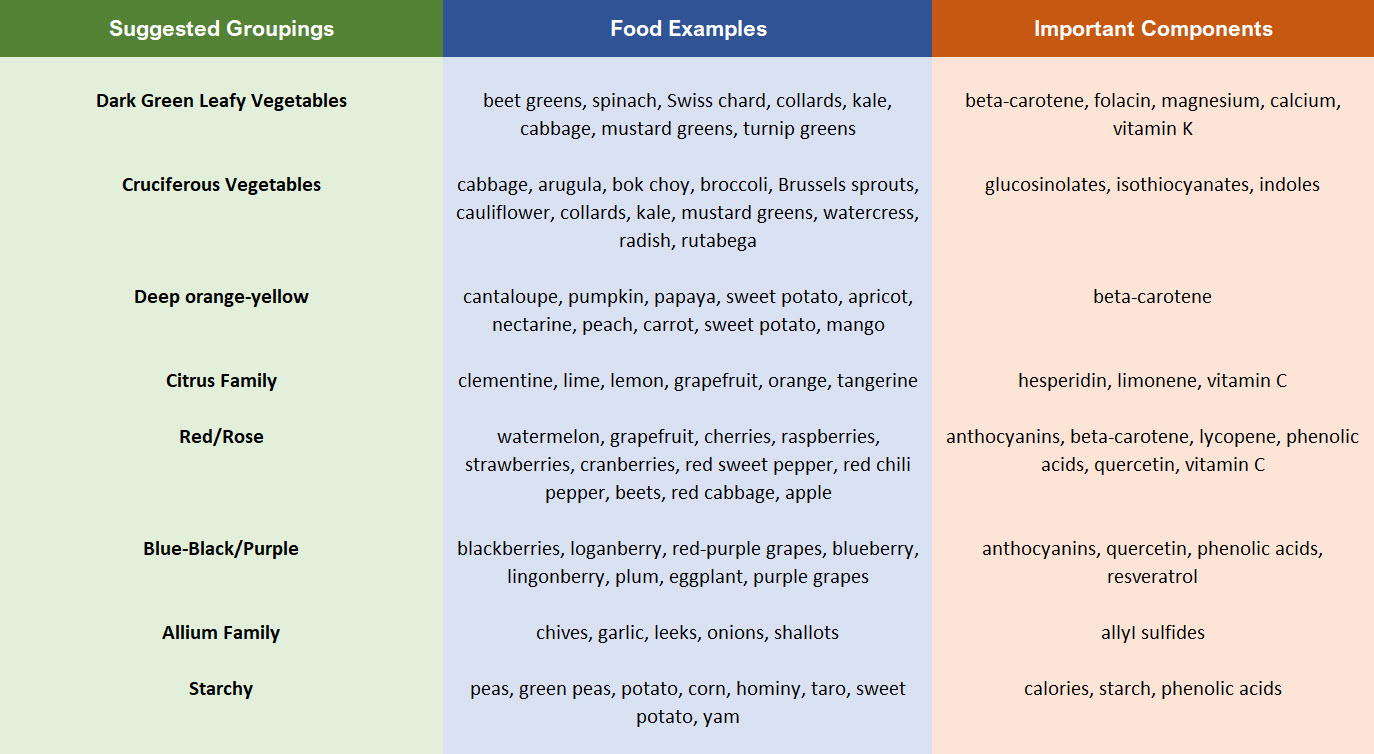
* Image Source: The contents of this chart were originally published in the IARC Handbooks of Cancer Prevention, Volume 8, Fruits and Vegetables. They have been edited and updated from the original for brevity and relevance. For the complete and original chart, please see the following citation: “Chapter 1: Definitions and Classifications for Fruit and Vegetables.” IARC Handbooks of Cancer Prevention, Volume 8, Fruit and Vegetables, by Harri Vainio, IARC Press, 2003, pp. 20–21.

The Down Syndrome Ironman Chris Nikic attempts to be the first to complete an Ironman event with Down Syndrome. Welcome back to the Living Healthy Podcast! Today we’re going to be talking to an inspirational young man named Chris Nikic - The Down Syndrome...

Welcome to today's episode about "Your Relationship to Food." It's the 46th episode of the Living Healthy Podcast. On today's episode, we are discussing how you can honestly assess your relationship to food and how you can create a positive relationship to food...
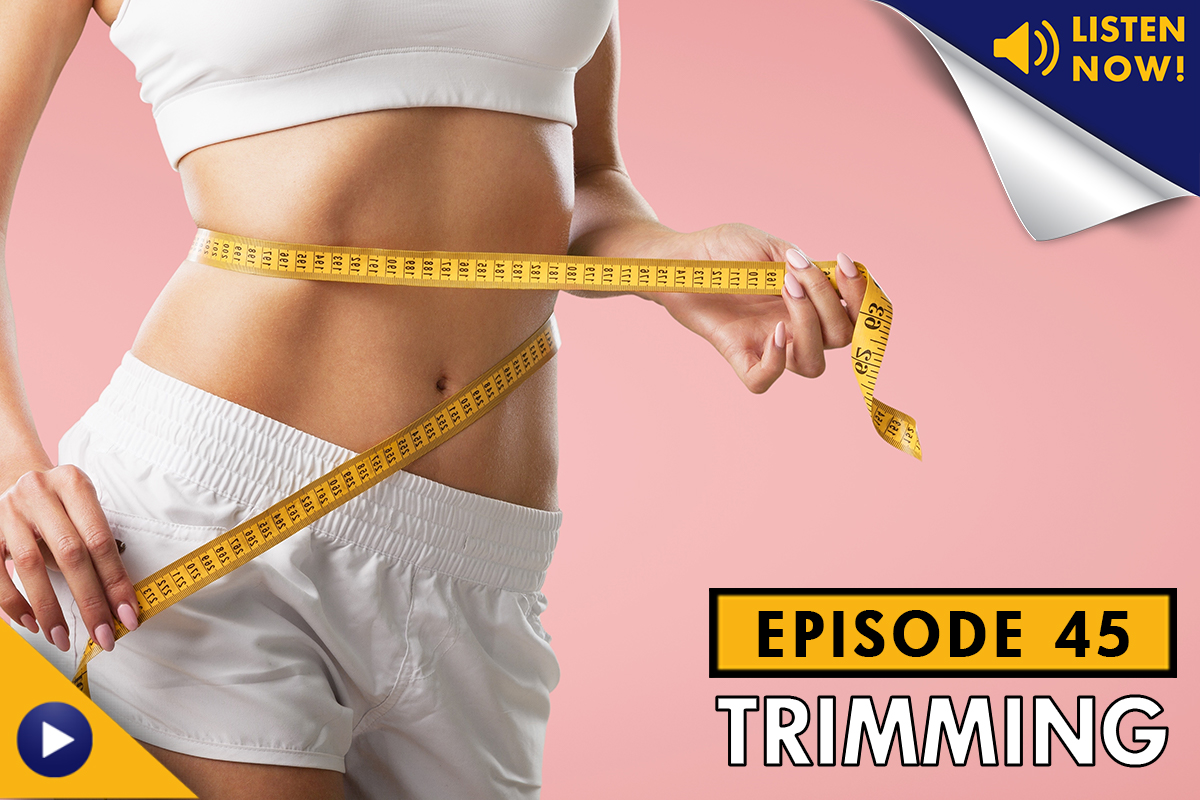
We're "Trimming the Fat and Keeping the Muscle" on today's episode of the Living Healthy Podcast! On this episode of the Living Healthy Podcast, just in time for Thanksgiving, we learn about trimming or "cutting" the fat after you finish the bulking phase. This is...

We’re slowly leaving summer behind and with the cooler months we start to think less about the importance of staying hydrated. It’s just as important now as it was in July to drink water, and what it does for your body and mind is pretty amazing.
Did you know that drinking water can actually improve your mood, memory, attention, and learning? The human brain is made primarily of water: over 75%! It makes sense that, when the body becomes dehydrated, the brain has a more difficult time doing what it needs to.
It’s easy to lose water if you’re not consuming enough throughout your normal day. If you’re losing more water than usual because of hot weather or exercise, you’ll need to take-in even more.

According to the Mayo Clinic, the National Academies of Sciences, Engineering, and Medicine recommends that on average, men should consume approximately 15.5 cups, or 3.7 liters, of fluid every day. For women, the recommended amount is 11.5 cups, or 2.7 liters.
Yes, that sounds like a lot!! We’re also used to hearing that we should drink (a much more reasonable) 8 cups of water a day. However, you should take another look at that information.
The word “consume” means you don’t necessarily need to drink the water you need. You can eat foods that contain water and still meet the recommendations. It also says “fluids,” which means you can drink a water-containing beverage like milk or juice and still get the needed H2O.
Here are some ways to get the water you need, to keep track of your intake, and to remind you of your next water break.

01.
A container that’s marked according to how much fluid it can hold is going to be your best friend. It’ll be easy to keep track of how much you’ve had to drink. For example, if you drink from a 32-ounce bottle, you can make it your goal to drink 2 or 3 of those bottles every day. This will put you at approximately 1.9- or 2.8-liters respectively. You should be able to get the rest of your water needs by eating.
02.
Healthline published a list of water-rich foods that can help you determine which foods to add to your day. Some great foods from this list include:
As you can see, there’s a solid mix of sweet/salty flavors and crunchy/creamy textures. There are enough options to find at least one thing you enjoy!


03.
Some fitness apps have a section where you can log your water intake. Other apps exist solely for the purpose of reminding you to drink and to help you track your intake. You can simply go to your App Store from your smartphone and do a search for water tracking apps. If you just want some of our random finds, take a look at these free-to-download apps:
Waterlogged – iOS
Daily Water – iOS
Water Time Pro – Android
Drink Water – Android
04.
An easy way to tell if you’re hydrated enough is if the color of your urine is pale yellow to clear. Darker urine colors may indicate that you’re not getting enough water. There are other reasons why urine color may change so never take it strictly as a sign of dehydration!
Another quick test is the skin elasticity test. If you pinch the skin on the top of your hand, it should quickly drop back to its original position. If it holds the pinched shape and slowly comes back down, you might be dehydrated.

Keep in mind that the amount of water your body requires to function healthily is going to be different from what someone else’s body requires. Even if you’re generally the same in terms of age, health, and fitness level, your body may simply need more or less. Listen to your body and focus on you!
To read what our Registered Dietician, Debbie James, had to say about Drinking Too Much Water, read her response to our guest’s question. Or, to learn more about different types of water, read her response to this question on Distilled Water. To access our monthly blog post highlights, subscribe to our newsletter today!