10 Thanksgiving Ideas to Revive Your Celebrations
The Holiday Season can get stressful, so we may stick to a routine for the sake of easy planning. Try any of these 10 simple ideas to bring new life to your Thanksgiving celebrations.

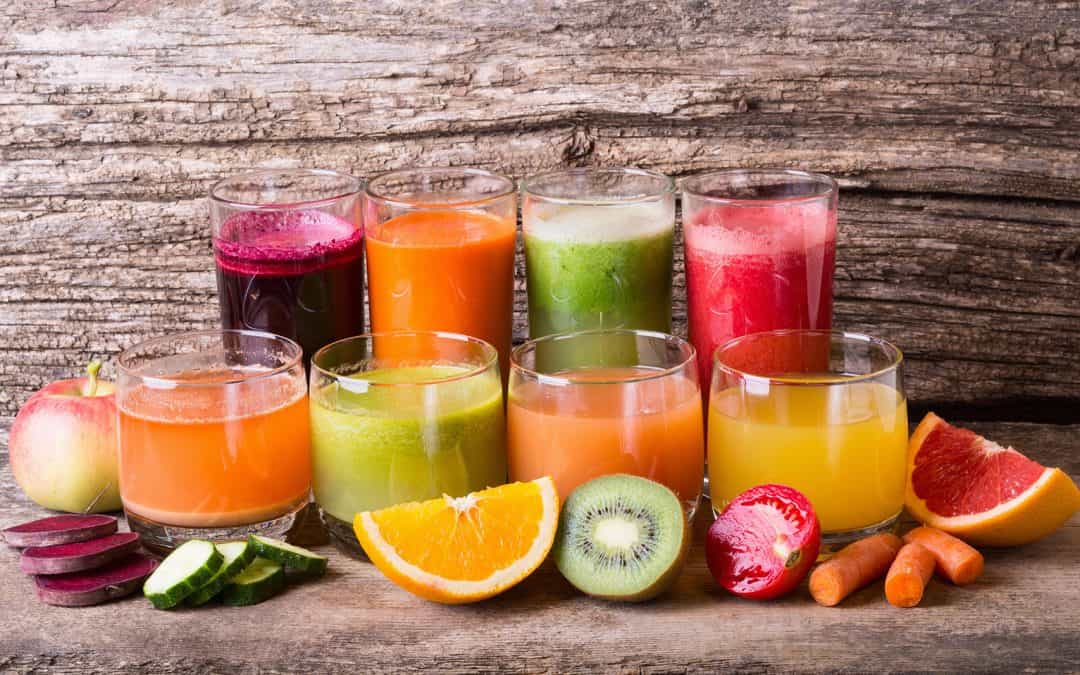

Veggie juicing, my wife and I do it every morning (juicing) with a mixture of veggies. We have a Breville juicer and a Bullet. One takes out all of the pulp and one does not. We have only been using the Bullet for the last year. What is the deal, should I be using both alternately, throw one away or what? What is the best strategy to get the most out of juicing? Thanks, Debbie.
– Terry N.

You’ve spotted the main difference between juicing and blending – the pulp. Removing or including the solid matter from produce will affect the final liquid in texture and nutrition. Juice enthusiasts relish in the highly concentrated nutrients in a more limited volume of smooth juice, whereas high-power blender users rely on the bulkier smoothies to fill them up for fewer calories.
Which is right for you depends on your intention. If you’re going for micronutrient absorption, you’ll get more vitamins and antioxidants from juicing, but with more calories per glass. Our previous article Just Juice It! explores juicing pros and cons. Juicers work best with water-bound produce, not avocados or sweet potatoes.
Blending the whole vegetable could be more satisfying, leading you to consume fewer calories in the morning. A blender allows one to add smoothie components such as ice, yogurt, protein powder, peanut butter, etc. You’ll be better off doing that if your intent is to substitute a solid breakfast with your beverage.
Which takes home the gold? Juicing is a win if you’re only trying to increase pure vegetable consumption. The blender wins for smoothies, though.
Getting the most from juicing includes adding produce you wouldn’t otherwise eat. Perhaps you can sneak in beets, sprouts, or thick-leaved greens. Spice things up a bit with a little ginger, chives, or turmeric. Consume the juice right away when nutrients are at their peak.
– Debbie J., MS, RD
This article should not replace any exercise program or restrictions, any dietary supplements or restrictions, or any other medical recommendations from your primary care physician. Before starting any exercise program or diet, make sure it is approved by your doctor.

Have a nutrition question? Our registered dietitian is ready to help!
Email nutrition@lafitness.com or submit your question below and it may be featured in an upcoming article!

Want more? SUBSCRIBE to receive the latest Living Healthy articles right in your inbox!
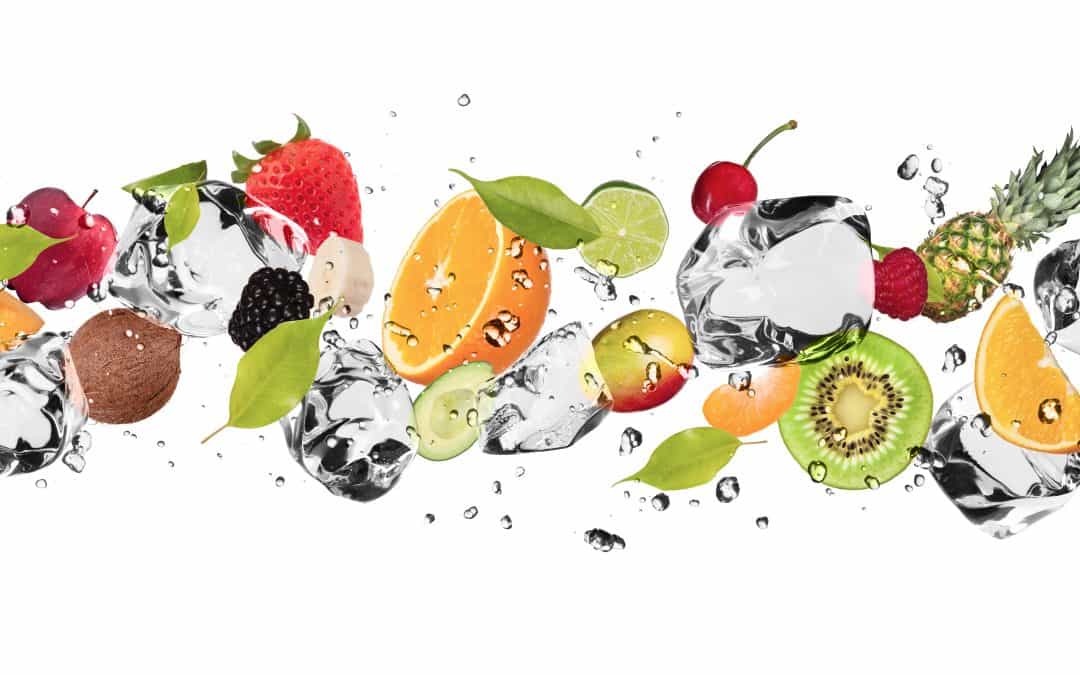
My doctor alerted me this past week that my blood glucose level is borderline pre-diabetes. I already eat what I consider to be a fairly healthy diet, limiting added sugars as much as possible. My question is, when it comes to eating fruit, which ones are good for me and which are not? I like to have a banana and berries in my steel-cut oats many mornings, and several nights a week I will eat a fruit mix of red grapes and fresh-cut pineapple, honeydew, cantaloupe and watermelon.
-Gary S.
All fruits are good for you if you keep portions in check. Chances are that other factors might also be pushing up your blood glucose level. Perhaps your overall carbohydrate volume is high or you’re not getting as much fiber as you think. If you’re over 40 and have a history of being overweight, your sensitivity to insulin could be reduced.
Whatever the reason, it’s good that you’re limiting added sugar. The next step is to spread your complex carbohydrates throughout the day and balance them with lean protein or healthy fat at the same meal. Bumping up your activity will also help to burn any extra fuel consumed. Doing these two things should result in lower overall blood glucose levels.
In regards to fruit specifically, look first at the volume you’re eating. Because fruit is refreshing, light and sweet, it’s easy to eat a large quantity before getting full. Twenty grams of carbohydrate from fruit at a sitting is a good amount to enjoy without overwhelming your system with natural fructose sugar. This serving would be equal to about: 1 C. berries, a small 6” banana, 2 C. melon, a 2.5” diameter apple or pear, ¾ C. grapes, 2 medium plums or kiwi, 1 large orange, or 18 sweet cherries. From your description of multiple fruits consumed at once, I’d suspect your portions are nearly double this amount.
Granted, some fruits are higher in sugar than others. But it’s what you eat with them that will create the overall effect on your blood glucose. A fresh apple with peanut butter will not spike blood sugar as much as the same grams of carbohydrate from canned pineapple by itself. Adding cottage cheese to the pineapple will blunt the rise in blood glucose. Munching on grapes instead of popcorn will peak your blood glucose unless you pair the grapes with something like a couple of hard-cooked eggs.
For a breakdown of various fruits’ sugar content, see our previous article Which Fruits Contain the Most Sugar? More on the subject found here: Is it true that I need to limit my fruit consumption because fruits are high in sugar and carbohydrates?
– Debbie J., MS, RD
This article should not replace any exercise program or restrictions, any dietary supplements or restrictions, or any other medical recommendations from your primary care physician. Before starting any exercise program or diet, make sure it is approved by your doctor.
Have a nutrition question? Our registered dietitian is ready to help!
Email nutrition@lafitness.com or submit your question below and it may be featured in an upcoming article!
Want more? SUBSCRIBE to receive the latest Living Healthy articles right in your inbox!
Do you have a fitness goal? Let us know here! To learn more about Commit to fit, click here.
These are our most recent members who have committed to their fitness goals.

Katheryn E.
Katheryn wants to loose 20 lbs. of fat and gain 10 lbs. of muscle. She’s well on her way to accomplishing her goals!

Sean T.
At LA Fitness every member has their own personal goals, for Sean, he wants to get stronger and gain size. We believe in you!

Eric C.
Eric is studying food and nutrition, and simply trying to stay active and fit by living a healthy lifestyle. Keep it up!

Ready to make a commitment? Get started here.
**Selected submissions will be featured on the LA Fitness blog and possibly other LA Fitness digital media entities & websites. By making a submission, you hereby grant LA Fitness a non-exclusive, perpetual, worldwide, irrevocable license to use and make copies of the contents of such submission for any purpose and in any medium whatsoever, and you hereby waive and relinquish any copyright or other intellectual property right you may have in the contents of such submission and your right to pursue any claim for LA Fitness’s violation of those intellectual property rights


It’s well understood that working out makes our bodies both stronger and healthier, but sometimes it’s hard to find the motivation to get to the gym. Luckily, LA Fitness has developed a program for our members called VIP Rewards. For every Qualified Referral* who joins within 90 days using the VIP Guest Pass sent to their email address you will receive 1,000 points! These points can be redeemed for incredible rewards, such as an LA Fitness tote bag or an LA Fitness matte black double stainless steel bottle – helping to quench your thirst through those calorie-burning workouts. You also have the chance to earn an Apple Watch® or Beats Solo3 Wireless Headphones*!
But, why refer a friend? According to Fitness Health 101, “over the years, statistics have shown that individuals that work out with a partner have a higher probability of reaching their personal fitness goals.”1 When you have someone to workout with, you are more likely to be motivated to hit the gym and develop a more consistent workout schedule. Not only that, but it’s more fun! With a workout partner there is an underlying desire to challenge one another to step up your workout game. Try finding someone with a similiar fitness level as you and help encourage each other to maintain that healthy lifestyle!



In a study referenced by Men’s Fitness, “overweight people tend to lose more weight if they spend time with their fit friends—and the more time they spend together, the more weight they lose.”2 Interestingly enough, this works with happiness as well.3 Whatever your personal reason for working out may be, at LA Fitness you are given access to body-strengthening weights, strength and cardio equipment to help you reach your fitness goal.


VIP Rewards is here! If you want to share a workout experience with a friend and they are not yet a member, you can sent to them. And if they join LA Fitness within 90 days of using the 14-day Guest Pass, you’ll earn 1,000 points to redeem for rewards.*
*For a full list of FAQs and Terms and Conditions regarding the LA Fitness VIP Rewards Program, including the requirements for a Qualified Referral, click here. Choice of rewards is subject to change.
Sources:

The Holiday Season can get stressful, so we may stick to a routine for the sake of easy planning. Try any of these 10 simple ideas to bring new life to your Thanksgiving celebrations.

By now, you may have seen some donation boxes at your local LA Fitness. If you haven’t been entirely sure what those boxes are all about, you’re in the right place!

Most comfort foods we turn to are heavily laden with fat, starch and calories. There are healthier ways to enjoy down-home classics by making a few tweaks.
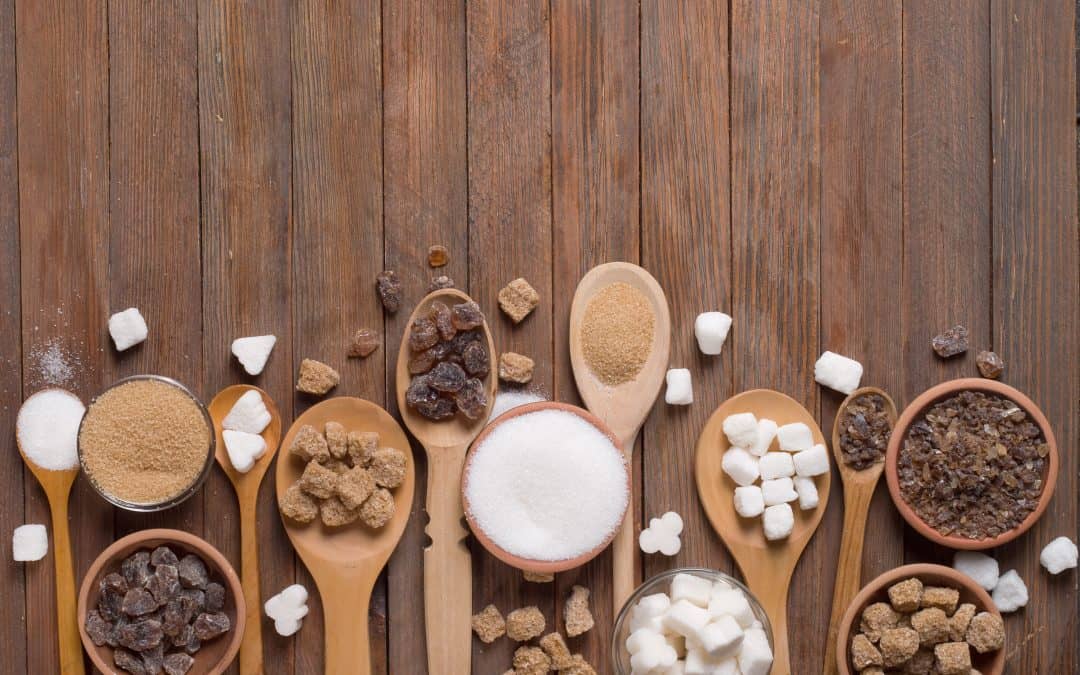
I have a question about quitting sugar. I’m coming across much conflicting information about refined sugar and its role in our diet.
I’m a 33 year old guy who lifts 3 times per week and runs almost every day, so my activity level renders my caloric intake to be higher than the average person. I’d like to get leaner, and I know I’m supposed to be in a calorie deficit, so I heard getting rid of processed sugar will help with that. Thing is, I came across a lot of bodybuilders saying the importance of sugar post-workout, but even though I consume sugar then, my cravings for it go beyond that.
I’ve heard that as long as the carbs I eat fit my macros, it doesn’t matter what type of carbs I eat, whether be it sweet potatoes or ice cream. And to be honest I feel better and more satisfied after eating processed sugar many times rather than eating something healthier like brown rice.
So what’s the verdict? Would I be better off to minimize sugar and stick with the lower glycemic carbs, or abide by the “If It Fits Your Macro” protocol?
– Andrew P.
There is some truth in what you’ve heard, but you know your body best. “Healthy” carbohydrates alone may not be satisfying to you as they are often naturally without heartier companion fats or proteins. It would take four apples to give you the same energy as a cup of ice cream! Likewise, it makes sense if steamed brown rice may leave you wanting more versus a tasty side of lo mein (flour egg noodles in sauce).
You know that you need to reduce caloric intake or increase expenditure to get leaner. You are active and acknowledge that you eat more than the average person. The question as to where those deficit calories should come from depends on how much of your current intake is refined sugar and how healthy your overall diet is.
How Much Sugar Should You Have in a Day?
Analyze a few day’s intake with a good diet software program to give you an idea of your overall calories, added sugar, and saturated fat (another negative source of high calories). Are you getting the recommended minimum 25 grams of fiber daily? From there, you can determine if you can replace some processed foods with more wholesome choices. Small changes or reducing portions may be more effective than swapping out major items in your diet.
Furthermore, you can’t effectively reach a caloric deficit only sticking to the lowest glycemic carbs if it creates over-eating elsewhere. Like a rebound effect, deprivation or underfeeding can easily lead to compensating with higher energy intake from other sources. Switching to sugar-free puffed rice cereal only to pile on the bacon or overeat at lunch later is not going to get you to your goal.
Refined sugar is not good for you compared to natural sources. That said, it’s not a realistic expectation to have a diet completely devoid of any added sweeteners. Omitting a candy bar to make room for an apple with peanut butter is wise – however, skipping an afternoon protein shake because it has a mere 7 grams of sucrose may be detrimental to your evening workout. Try leaving in the added sugars that compliment otherwise healthy food (e.g., brown sugar on oatmeal, honey for yogurt, dressing for coleslaw) and instead, focus on reducing the big culprits in your diet (typically beverages, baked goods and dairy desserts).
– Debbie J., MS, RD
This article should not replace any exercise program or restrictions, any dietary supplements or restrictions, or any other medical recommendations from your primary care physician. Before starting any exercise program or diet, make sure it is approved by your doctor.
Have a nutrition question? Our registered dietitian is ready to help!
Email nutrition@lafitness.com or submit your question below and it may be featured in an upcoming article!
Want more? SUBSCRIBE to receive the latest Living Healthy articles right in your inbox!