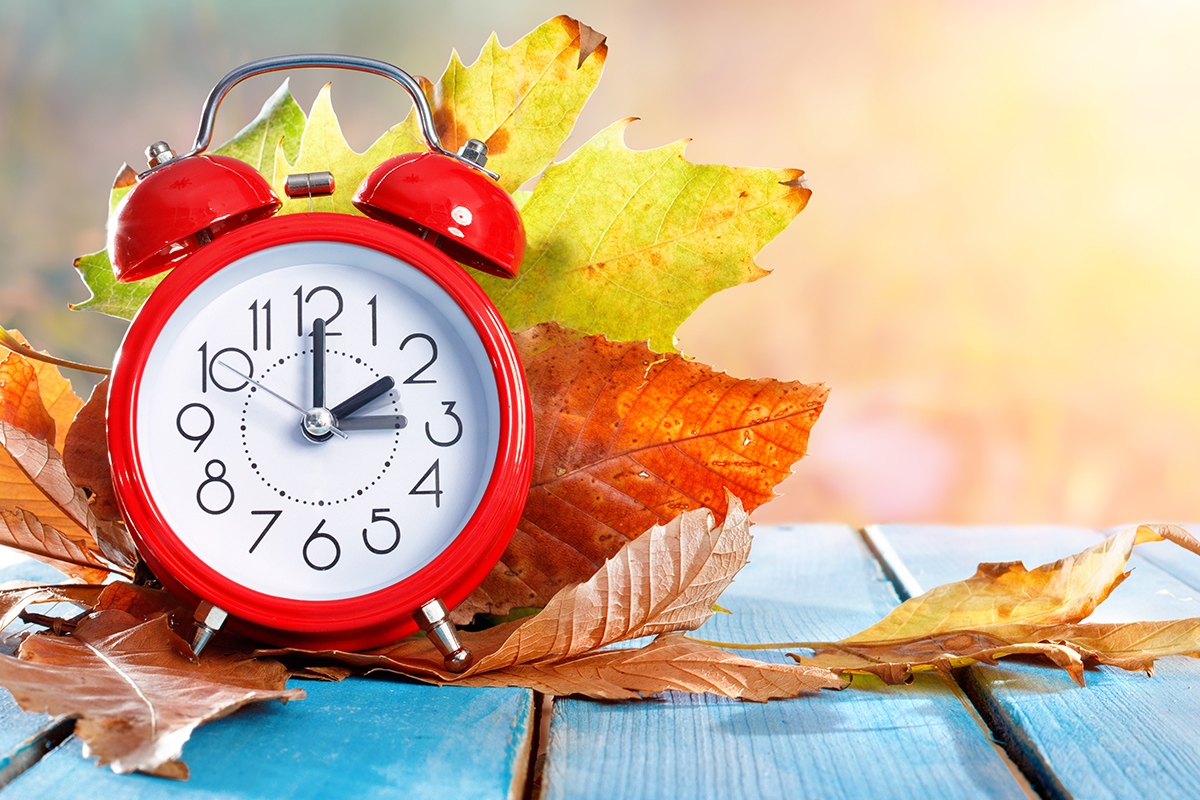
The end of Daylight Saving Time is upon us. Find out how you can prepare your body’s internal clock to transition more smoothly with the time change.
Nutritional Advice for Those with PCOS | Q+A

Question:
I have Polycystic Ovarian Syndrome (PCOS) and have issues losing weight. I am 5’5″ and currently weigh 210lbs. I am interested in knowing what types of food I should eat and what types I should avoid.
– Cali D.

Answer:
As you may know, polycystic ovary syndrome may not cause you to have elevated insulin blood sugar levels, but the hormone disorder is often related to this condition. Losing weight often helps improve PCOS.
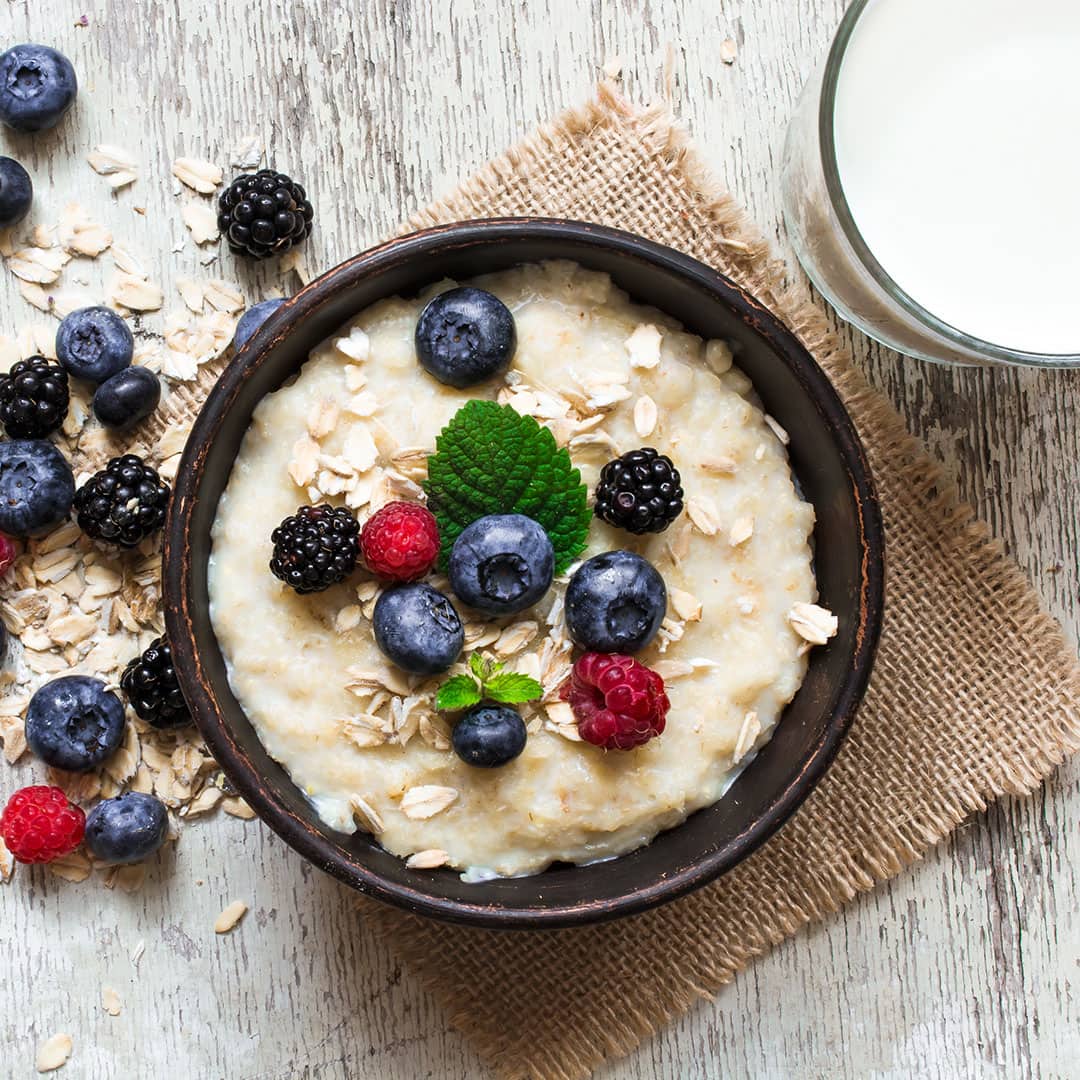
Sugars and refined starches (like white bread and pasta) should be managed. Keep them to a quarter of your plate. An example would be to have fajitas with only 2 corn tortillas, then eat the remainder with your fork. For stir-frys, opt for brown rice and have only 1 fork full for every 2 of meat and vegetables. Whole grains like oats, quinoa, wheat berries and corn on the cob are better choices than baked goods or processed potato products. For example, have oatmeal instead of waffles and fresh baked sweet potato instead of tater tots.
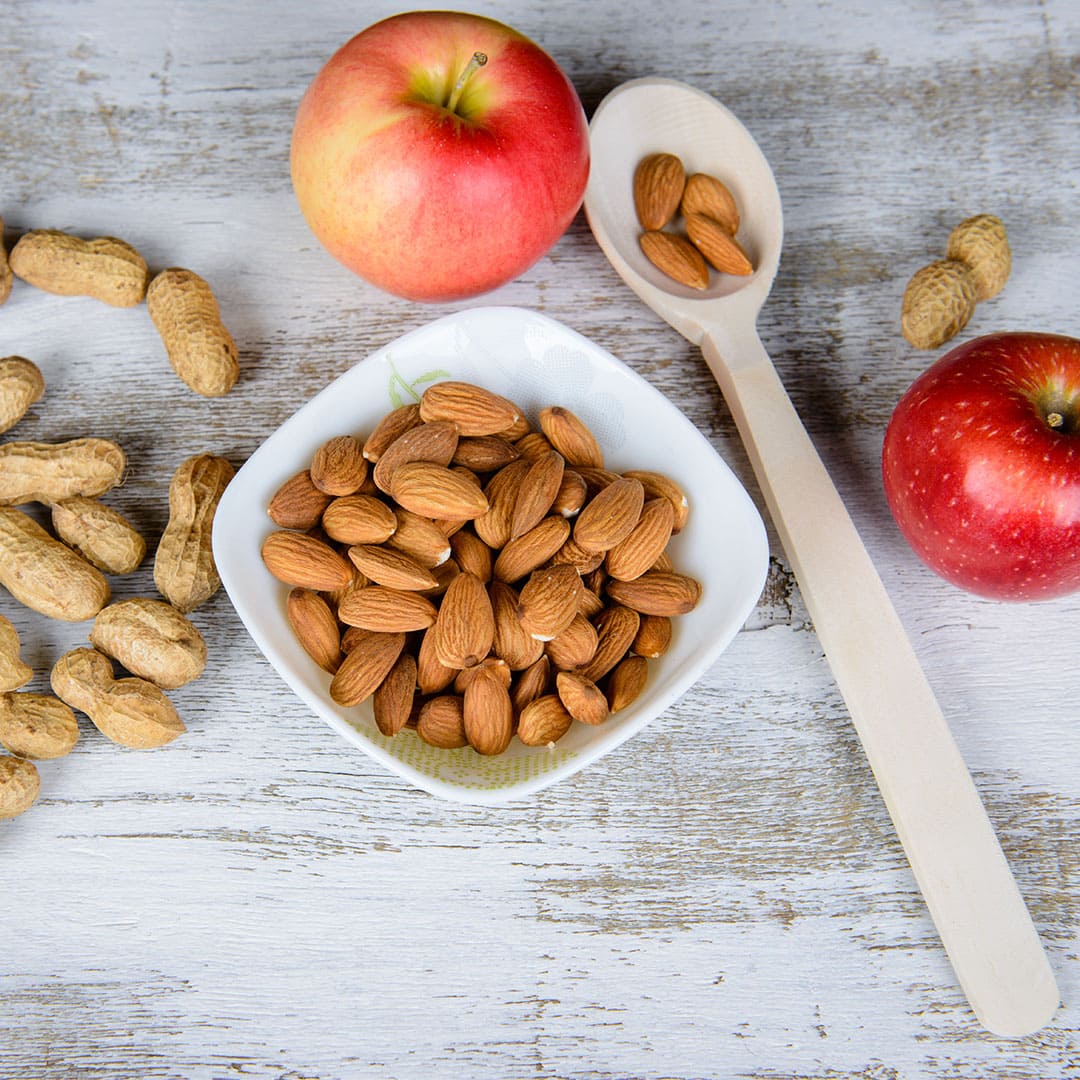
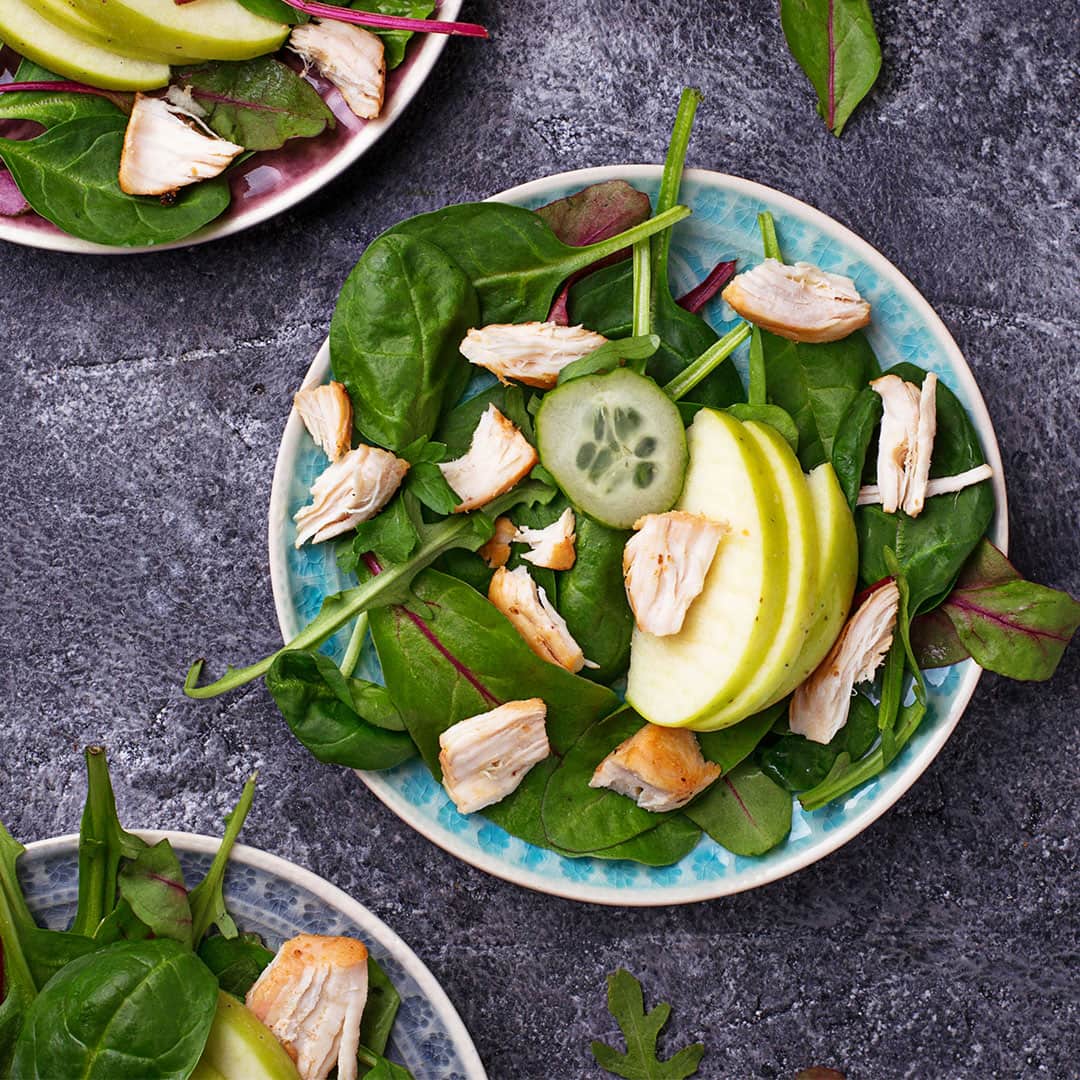
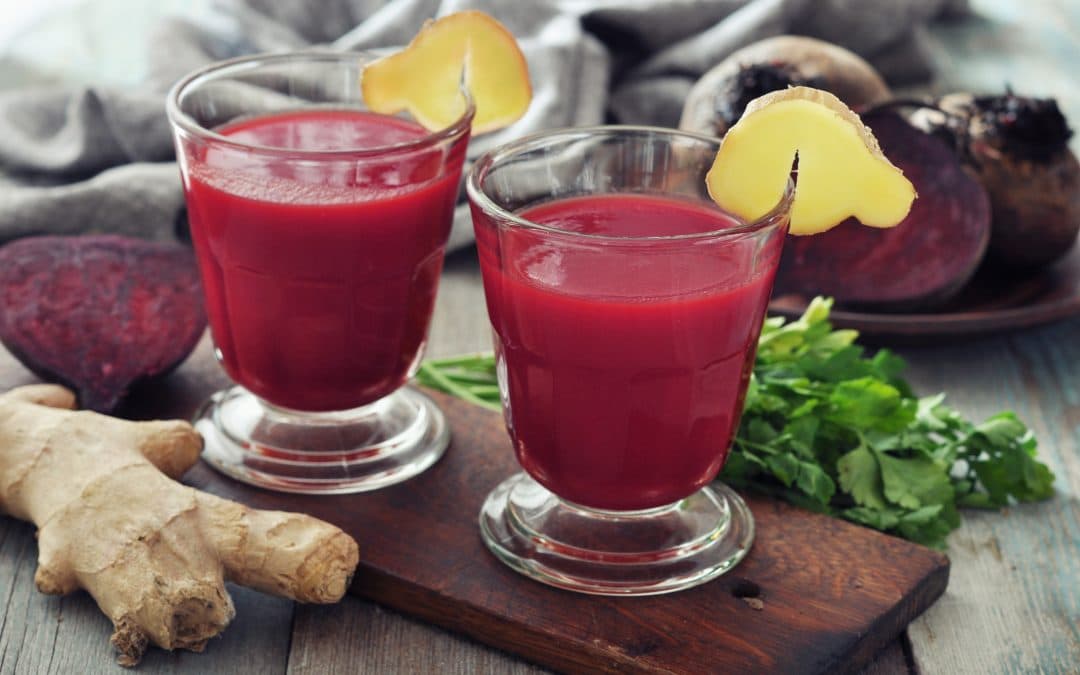
You can’t go wrong filling up on vegetables… aim for about half your plate every time you eat! The dense nutrients, low calories, high fiber and plant proteins in veggies can help with both insulin control and weight loss. In addition to typical meal sides, add veggies to breakfast (beet ginger smoothie, anyone?) and snacks (try homemade kale chips). Also include lean proteins, fruits, nuts, beans, and low-fat dairy to round out the remainder of your meals.
Your weight loss struggle is understandable. Besides focusing on the food choices above, pay attention to calories and when/why you eat. Only eat when truly hungry, stop when satisfied, and cleanse your palate to deter you from dessert/extras. Perhaps shift more of your intake to earlier in the day when you are more likely to burn it.
– Debbie J., MS, RD
This article should not replace any exercise program or restrictions, any dietary supplements or restrictions, or any other medical recommendations from your primary care physician. Before starting any exercise program or diet, make sure it is approved by your doctor.
Ask our Dietitian
 Have a nutrition question? Our registered dietitian is ready to help!
Email nutrition@lafitness.com or submit your question below and it may be featured in an upcoming article!

Want more? SUBSCRIBE to receive the latest Living Healthy articles right in your inbox!
Recommended Reading
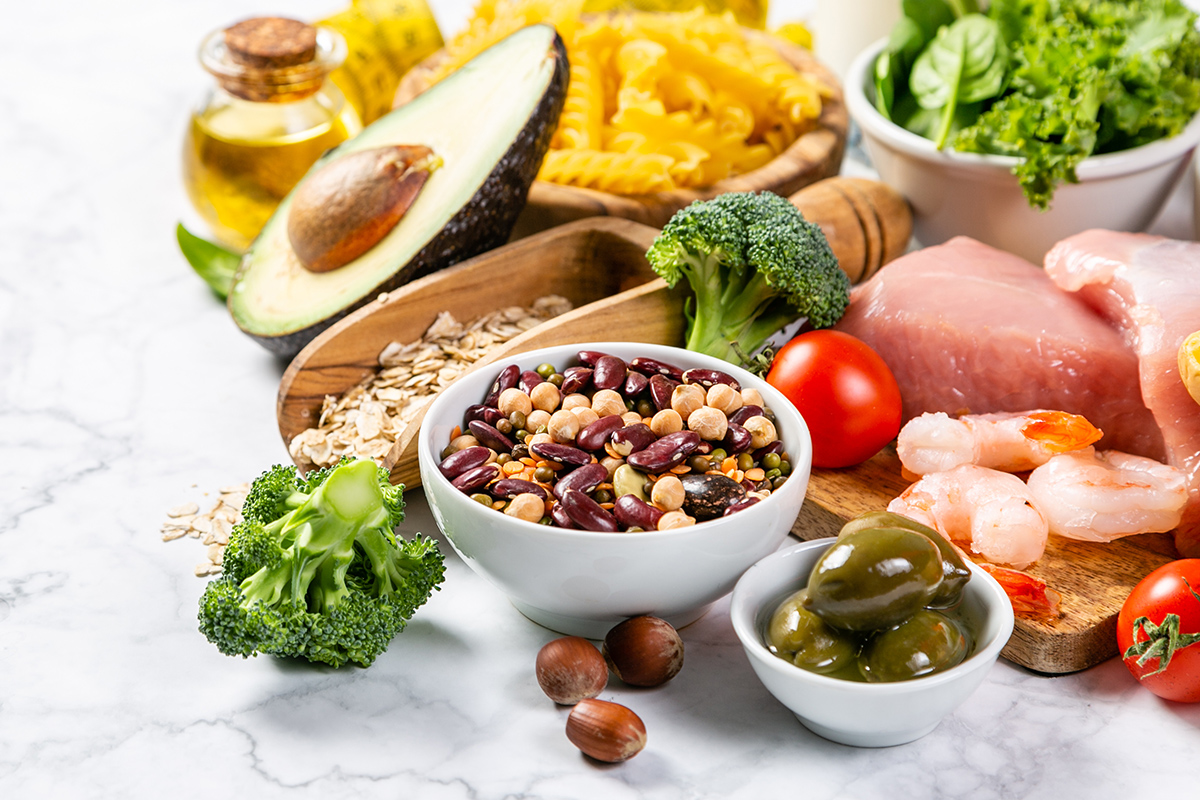
Is it Possible to Lose Weight While Gaining Muscle? | QA
Debbie James, RDN, helps answer a reader’s question about using nutrition to lose weight and gain muscle when exercise can’t be consistently maintained.

Are There Benefits to Getting Scared?
Can the Grim Reaper help you reap some health benefits? We’re diving into the reasons why many people seek out a good scare and what effects it has on the body.