Nutritious Green Foods You Didn’t Know About
Good nutrition is all about variety! Browse through our list of unusual fruits and veggies and give yourself a chance to try something new.



I am a 59-year-old male who is still playing competitive soccer. – 2 x 45 minute halves each game. Any suggestions for a halftime snack to boost my 2nd half energy level?
– Joe B.

Bravo for keeping up your game! Many athletes experience a decline in energy level toward the end of a match, especially those lasting nearly 2 hours. Hopefully you are consuming a balanced meal a couple of hours prior, then a sports drink 5 to 10 minutes before kickoff. A halftime snack helps to postpone fatigue, stabilize blood sugar and keep up the pace during the second half.
Items with significant fat, fiber or protein — which slow digestion and thus blood glucose replenishment – should be avoided at this time. For that reason, even a flavored yogurt cup or granola bar may not be suitable.
A halftime snack should be comprised of carbohydrates, fluids and electrolytes. Examples include: watermelon slices, orange wedges, grapes, applesauce packet, half fruit bar + water, coconut water, and a sports hydration drink. Carbohydrate gels are another (more expensive) option.
Sources:
– Debbie J., MS, RD
This article should not replace any exercise program or restrictions, any dietary supplements or restrictions, or any other medical recommendations from your primary care physician. Before starting any exercise program or diet, make sure it is approved by your doctor.
Some questions have been edited for length and/or clarity.
 Have a nutrition question? Our registered dietitian is ready to help!
Email nutrition@lafitness.com or submit your question below and it may be featured in an upcoming article!
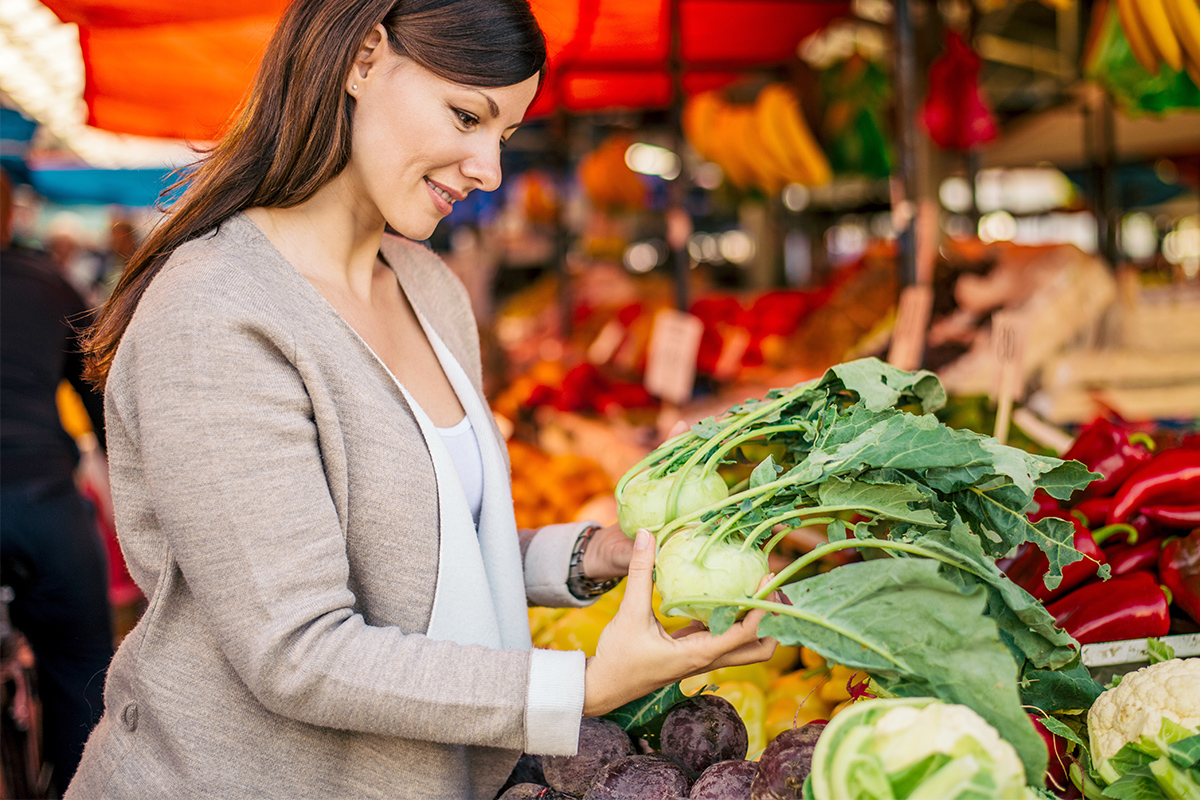
Good nutrition is all about variety! Browse through our list of unusual fruits and veggies and give yourself a chance to try something new.
Debbie James, RDN, helps answer a question about energizing snack options to pull athletes through the second half of a high energy workout.
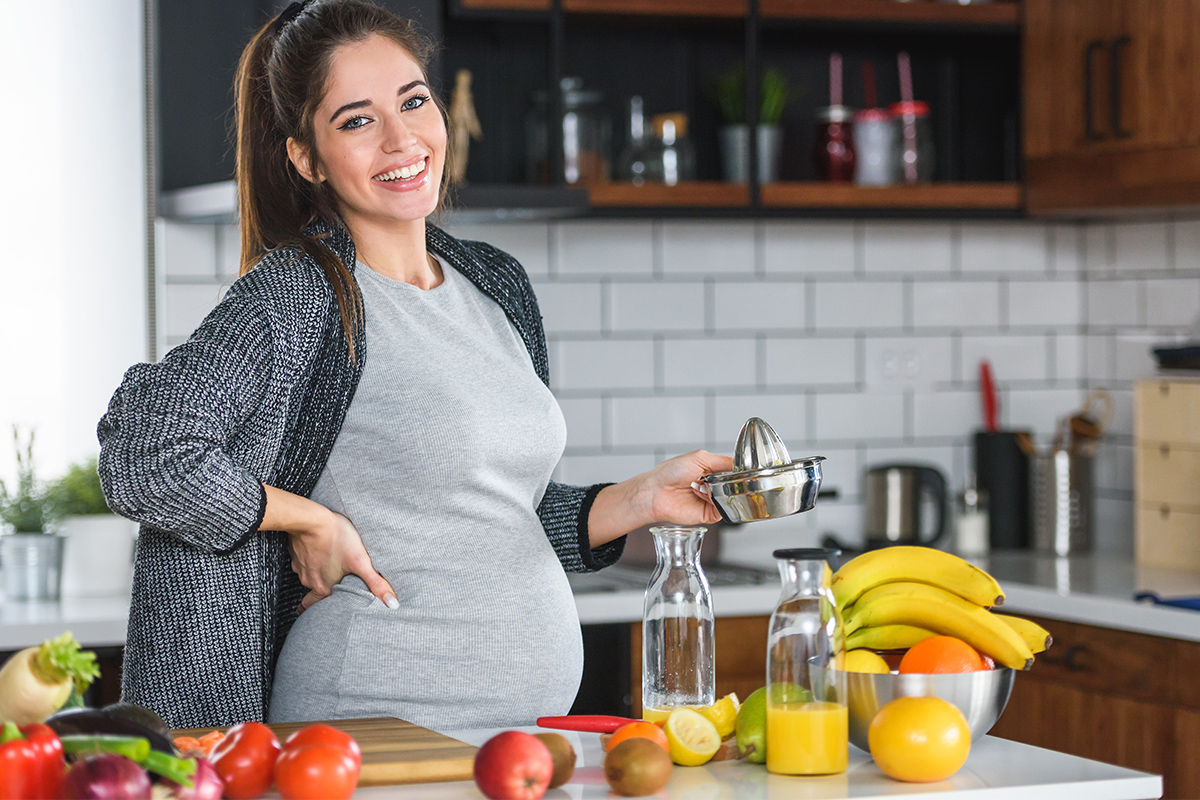
Registered Dietitian, Debbie James, helps answer a reader’s question about a good nutrition guide for a healthy pregnancy.
“I think we really get down on ourselves when we mess up and then we backslide all the way. Try to find something positive. It doesn’t matter what your starting point is, you need to be ready to say, ‘I am done with doing this to myself.’”
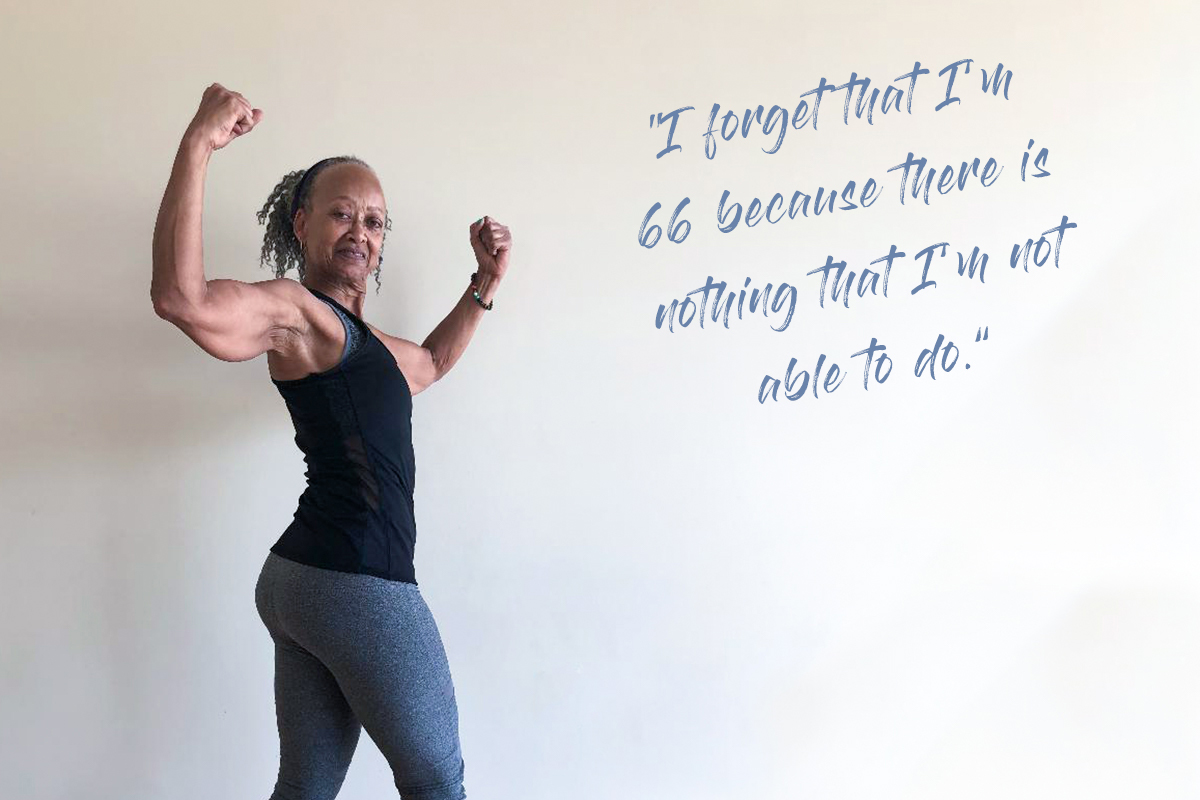
Patricia Ebaire is not just a success story; she is an inspiration to others who believe that older age must certainly translate to struggle. Many of us pair the idea of aging with stiff joints, loss of flexibility, and general aches and pains. Yet, Patricia is here to show us how wrong that notion can be.
Patricia shared her story with us with the hope of encouraging and motivating others to believe in what they can do. “It’s never too late and you’re never too late,” she says.
We believe in her message and are grateful for the opportunity to share it. This is her story:
Up until about 4 years ago, Patricia was sure that her health was fine. She had always been fairly active and at a healthy weight, so it never seemed of critical importance to monitor her weight very closely. “I thought everything was going great and didn’t think much about having gained 5 pounds a year over the course of the last 10 years.” That’s 50 pounds over the total time period. However, when thinking about it on a yearly basis, 5 pounds hardly seems worth noting. Yet, a few years ago, the results of her blood work told her it was time to make some changes. That was her wake–up call.

With the guidance of her doctor, Patricia adopted some new health goals. Ideally, she hoped to exercise 40 minutes a day. Her actual routine looks more like 2-3 days a week. “It’s an ongoing challenge,” she says. She knows what her ideal fitness regimen would be, but she puts in her best and is satisfied knowing that she does everything she can.
This is perhaps where most people begin to give up. If they are unable to maintain the very specific regimen they had in mind, they begin to feel a sense of failure that drives them away from their goal. Patricia’s optimism tells her she can just try again the next day! Despite her fitness plan looking different from the initial goal, her progress continues because she does her best to exercise every single day, even if that only amounts to 10 minutes of brisk walking.
To be fair, her Tuesdays and Thursdays are highly active. On Tuesdays she can be found taking a strength and toning class, teaching yoga, and then playing Pickleball, a sport that merges the elements of ping pong, tennis, and badminton. On Thursdays, she swaps her strength and toning class for weight training and then goes on to yoga and Pickleball.
“At first, I didn’t think my food choices made an impact because I wasn’t feeling bad.”
“The other thing I needed to adjust was my diet,” Patricia explains. “I knew I had to change how I ate carbs, veggies, and protein. What I wasn’t into was balancing it all.” Incorporating the new changes meant “giving up things I was eating too much of. At first, I didn’t think my food choices made an impact because I wasn’t feeling bad. I never used to count carbs and calories in my whole life, but I decided I was NOT going to take a medication. I added fiber, ate less salt, and ate foods with fewer preservatives. Once I did that, eating enough became a challenge because carbs used to be a huge part of my caloric intake and I had to cut that down. But I tell myself every day that each day is a new start. So, even if I backslide a bit, I feel like I can try again the next day.”
We know that, for many people, adjusting nutrition can be a serious effort. We like to ask people who have done it successfully, what their biggest challenges were and how they overcame them. This was Patricia’s answer:
“Balancing the whole thing was my biggest challenge. I started carrying all my snacks with me so I would never be at the mercy of what food was available at the time. I also always used to look at nutrition labels, but I look at them with a different eye now. I think to myself, ‘Do I want one piece of cake or do I want a couple of meals?’ If I really get a craving, for example with pound cake, I cut one piece of cake into 8 pieces and I call them “Patricia bites,” so I take a nibble and I SAVOR it.”
Patricia’s favorite thing about being active was not the weight loss of 54 pounds. “That wasn’t even intentional,” she says. “I just wanted to do what was better for my health.” Her favorite thing was the newfound energy!
“I feel like I can do anything any time. I forget that I’m 66 because there is nothing that I’m not able to do. I live on a second-floor apartment and I can carry 6-8 grocery bags up those stairs at a time. I love the energy! Before I lost the weight, I didn’t even realize how low–energy I was.”
It’s easy to fall into the habit of thinking that a person succeeded because they have something in them that you don’t. To that, Patricia says “I think we really get down on ourselves when we mess up and then we backslide all the way. Try to find something positive. It doesn’t matter what your starting point is; you need to be ready to say, ‘I am done with doing this to myself.’”
When it comes to sticking to a new routine, Patricia reminds us that “there are so many choices in terms of exercise and food! Choose an exercise you like by trying many of them until you find one that makes you smile. “It’s the same with food. “Maybe you do not like cabbage, so try spinach, or kale, or other greens. The fact that there are so many choices, means that you can find healthy foods that you like and build a healthy diet around those choices.”
When you experience a moment of doubt, Patricia shares that it’s important that you don’t beat yourself up over what other people are doing. “Pat yourself on the back for what you’re doing. Wherever you are is a great place. Don’t ever make your place a bad place. Your effort means so much more than what the other person is doing because their muscles have been doing that for years. Your muscles are trying to get there!”
Ultimately, her message to any generation is that “it’s never too late and you’re never too late. It’s okay to start over the next day, so it’s okay to mess up because you can start over.”
Do you have an inspirational story you’d like to share with us? Email us at blog@lafitness.com for a chance to be featured in an upcoming post!
For grammatical correctness, length, and clarity, minor edits – none of which alter the original or intended meaning – have been made to the quotes provided.
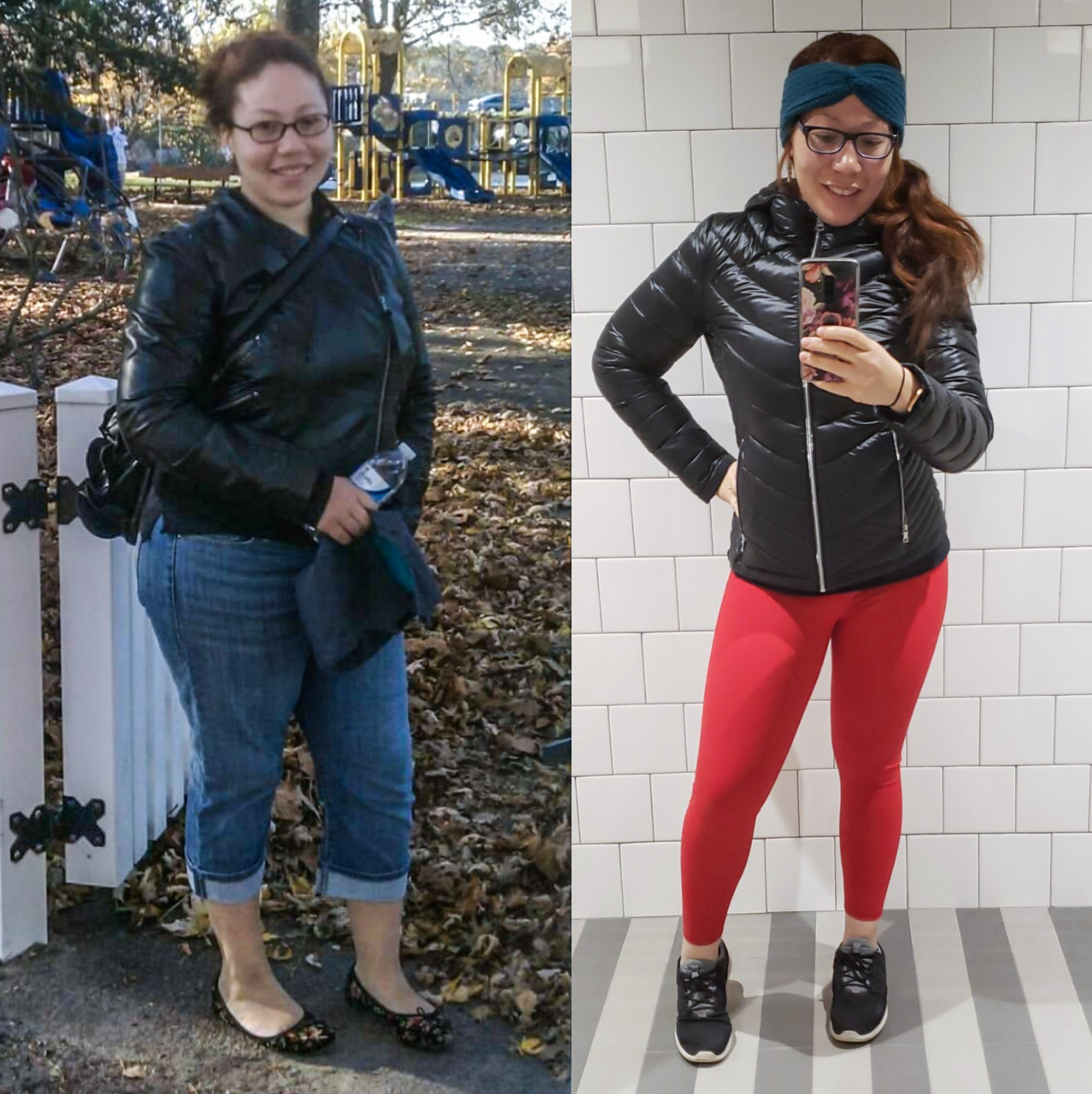
Waleska is a mom with 2 part-time jobs who had a love for chocolate. Despite the time constraints and sweet temptations, she lost over 60 pounds!
Many of us pair the idea of aging with decreased mobility and various aches. Yet, Patricia’s story shows us just how wrong that notion can be.
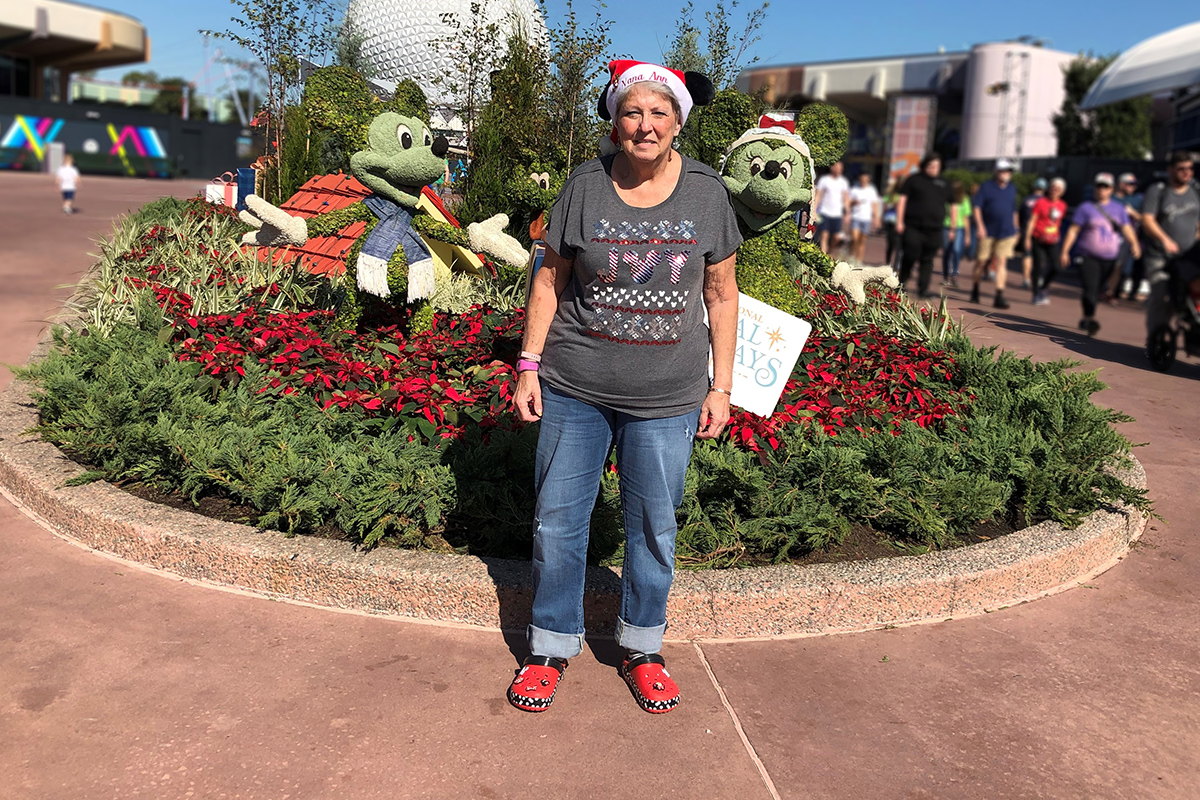
Ann shares how, despite back problems, strokes, and surgeries, she is well on her way to achieving her goal of losing 90 to 100 pounds!
My husband and I are thinking about having a baby, what is a good nutrition guide to follow when pregnant?
-Misty
How wonderful! Why not follow a smart pre-conception diet now? Laying down a good nutritional foundation means that you’ll not only increase the likelihood of conceiving but also of a healthy first trimester – for you as well as the baby. Get hubby on board, too. ?
Many “conception diets” recommend that half your plate be from fruits and vegetables, a quarter from whole grains and a quarter lean protein, which agrees with USDA’s Choose MyPlate guidelines. If you’re trying to get pregnant, drinking reduced or whole fat milk is correlated with normal fertility, but not 1% or skim (non-fat). Consume healthy plant-based fats like avocado, nuts, olives and coconut oil in moderation. Limit refined sugar, red meat and foods containing trans-fat.
As many women don’t know they are carrying a baby until several weeks into pregnancy, taking a prenatal vitamin with 100% RDI of folic acid (400 µg folate equivalent) and iron (18 mg) is advisable. Many produce items (notably spinach, asparagus, Brussel sprouts) have the B-vitamin folate, necessary for early neural tube development. Dietary sources of the important blood mineral iron include meat, fortified cereals, beans, and dark green leafy vegetables.
During pregnancy, follow your obstetrician’s advice and that from established and trusted institutions such as The American College of Obstetricians and Gynecologists (ACOG), The Academy of Nutrition and Dietetics (AND), and The US Office on Women’s Health (OWH).
You’ll need extra fluids, nutrients and calories as your pregnancy progresses. In the first trimester, folate and other vitamins and minerals are crucial for proper neural tube development, so a good prenatal vitamin is key. Strictly avoid alcohol during this time.
The second trimester is when you start to expand blood volume and increase maternal stores while your baby grows rapidly from the size of a nut (3”, 1 oz.) to a football (12”, 1 lb.) while developing all of its organs and features. About 2 additional cups of fluids are needed per day. Adding around 300 extra calories from healthy foods with adequate calcium and iron will support this growth.
In the last trimester, your baby is filling out to full-term weight. This is when you are truly “eating for two, ” although in terms of energy, you really only need an additional 200 calories on top of your 2nd trimester needs.
Sources:
– Debbie J., MS, RD
This article should not replace any exercise program or restrictions, any dietary supplements or restrictions, or any other medical recommendations from your primary care physician. Before starting any exercise program or diet, make sure it is approved by your doctor.
Some questions have been edited for length and/or clarity.
Have a nutrition question? Our registered dietitian is ready to help!
Email nutrition@lafitness.com or submit your question below and it may be featured in an upcoming article!
Good nutrition is all about variety! Browse through our list of unusual fruits and veggies and give yourself a chance to try something new.
Debbie James, RDN, helps answer a question about energizing snack options to pull athletes through the second half of a high energy workout.
Registered Dietitian, Debbie James, helps answer a reader’s question about a good nutrition guide for a healthy pregnancy.
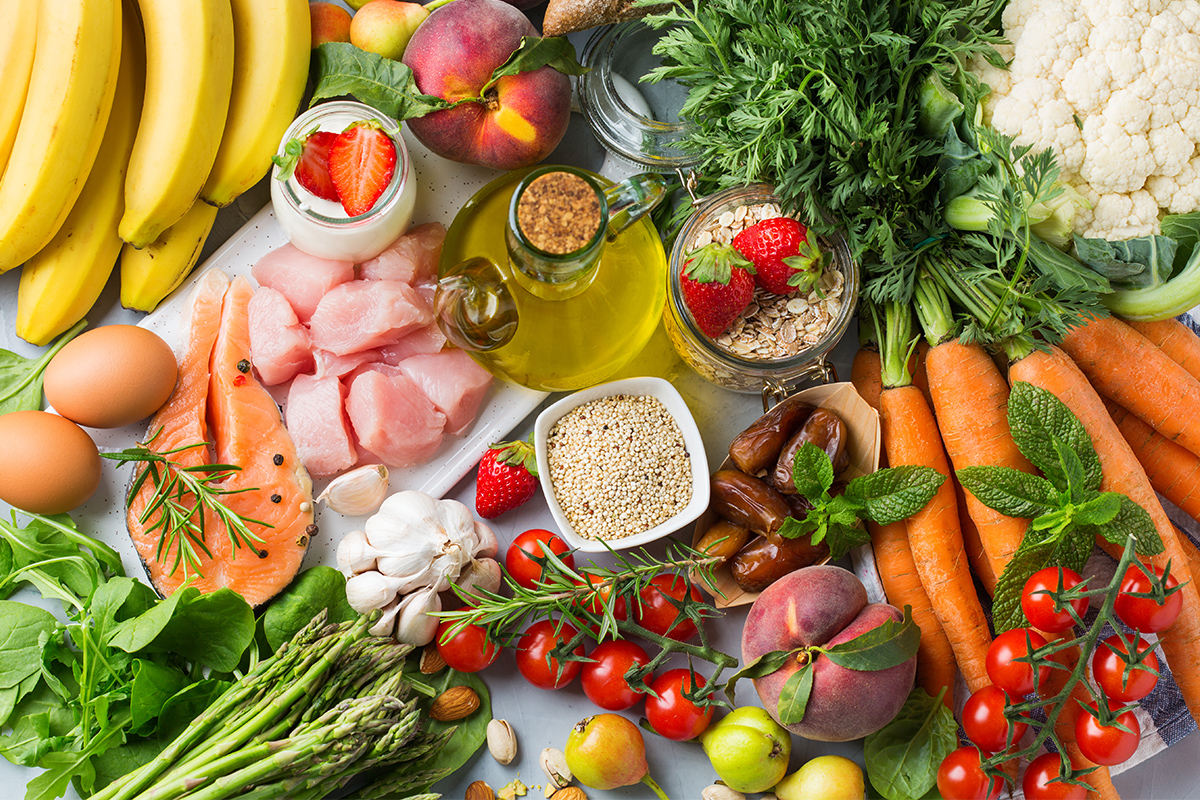
Hi, my name is Nigel and I was wondering if you could help me with eating tips for someone trying to clean bulk. Thanks.
– Nigel A.
As a dietitian I interpret your inquiry as you’d like advice for bulking up on strictly a ‘clean’ diet. Bulking up without gaining fat pretty much means eating a clean diet, anyway.
Clean foods – those that are raw or minimally processed – include energy dense foods like avocados, banana, coconut, fatty fish, meats, nuts, extra virgin olive oil, poultry dark meat, seed butters, and soybeans which can help you put on weight. Muscle weight if resistance training consistently, of course. Starchy vegetables like corn, potatoes, peas and winter squash and (naturally) dried fruit provide more energy per bite than watery ones. Other higher calorie foods (by weight) such as granola/trail mix, pesto and cottage cheese can be made from scratch if raw/unprocessed is desired. Incorporating eggs and quinoa helps to keep protein intake up.
Resources:
– Debbie J., MS, RD
This article should not replace any exercise program or restrictions, any dietary supplements or restrictions, or any other medical recommendations from your primary care physician. Before starting any exercise program or diet, make sure it is approved by your doctor.
Some questions have been edited for length and/or clarity.
Have a nutrition question? Our registered dietitian is ready to help!
Email nutrition@lafitness.com or submit your question below and it may be featured in an upcoming article!
Good nutrition is all about variety! Browse through our list of unusual fruits and veggies and give yourself a chance to try something new.
Debbie James, RDN, helps answer a question about energizing snack options to pull athletes through the second half of a high energy workout.
Registered Dietitian, Debbie James, helps answer a reader’s question about a good nutrition guide for a healthy pregnancy.
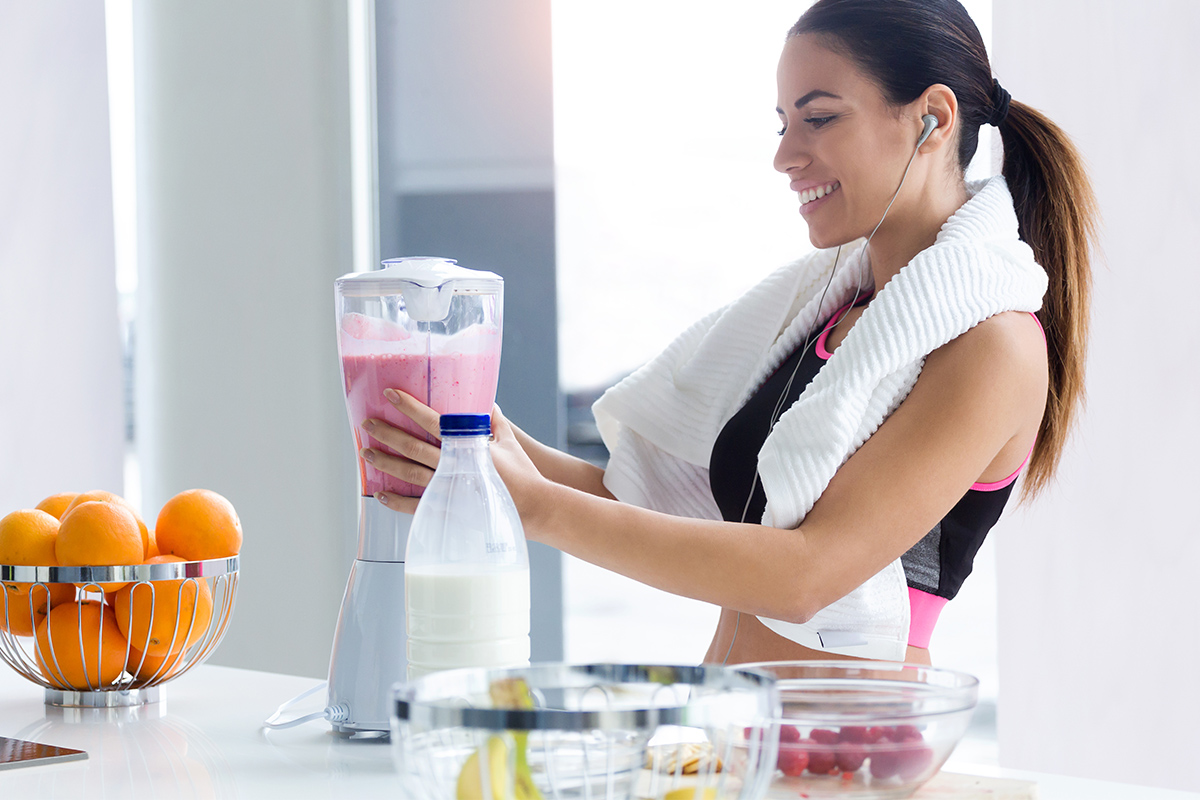
What is the best type of recovery drink that can help my muscles recover quicker from exercising?
– David A.
The optimum content of your recovery drink depends on the type of exercise, intensity and duration.
Stop by your club’s juice bar to see what’s likely to fit into your recovery nutrition. No matter what you choose, remember to consider portion/energy since some shakes can contain over 300 calories and may surpass what was burned during the exercise!
– Debbie J., MS, RD
This article should not replace any exercise program or restrictions, any dietary supplements or restrictions, or any other medical recommendations from your primary care physician. Before starting any exercise program or diet, make sure it is approved by your doctor.
Some questions have been edited for length and/or clarity.
Have a nutrition question? Our registered dietitian is ready to help!
Email nutrition@lafitness.com or submit your question below and it may be featured in an upcoming article!
Good nutrition is all about variety! Browse through our list of unusual fruits and veggies and give yourself a chance to try something new.
Debbie James, RDN, helps answer a question about energizing snack options to pull athletes through the second half of a high energy workout.
Registered Dietitian, Debbie James, helps answer a reader’s question about a good nutrition guide for a healthy pregnancy.