From Craving Chocolate to Paving New Roads
Waleska is a mom with 2 part-time jobs who had a love for chocolate. Despite the time constraints and sweet temptations, she lost over 60 pounds!

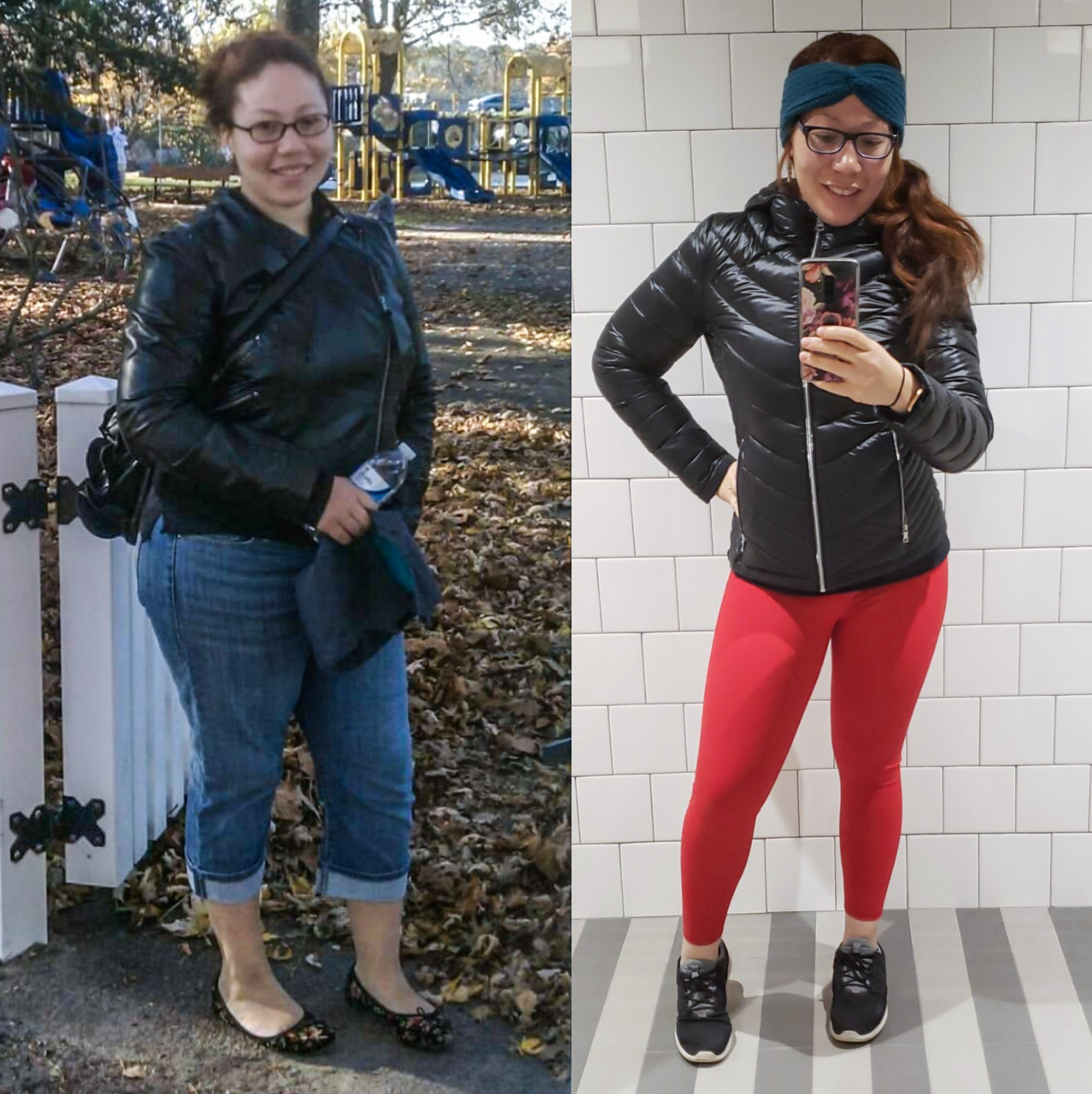
“Back then, what I thought was healthy for me, wasn’t. I wanted to be healthier for my children and set a good example.”
Waleska is a mom with 2 part-time jobs who decided it was time to change the direction her weight was headed. In our interview with her, she shares how, even when surrounded by unhealthy food choices, she was able to decide on a lifestyle change and stick to it until she lost over 60 pounds! If you’re worried that you can’t make time for your health goals or that your environment hosts too many temptations to set you up for success, you need to read Waleska’s story!
“My fitness journey started about 5 years ago,” explains Waleska. “I was very overweight, and I realized I had to make a change when I gained 20 pounds in a single month. At the time, I worked for a chocolate company. I ate many chocolate chip cookies, drank hot chocolate, ate ice cream, and just overate when I was bored; but the chocolate boutique was the culprit.
Back then, what I thought was healthy for me, wasn’t. I wanted to be healthier for my children and set a good example.”
Once she realized her health was on the line and decided to be healthier for her kids, she started to plan around her existing schedule. “My fitness routine starts in the morning right after my kids leave for school [and] I try to get it done before I start work.
I first start off with a 5-10 min warm up on the treadmill or elliptical. I like to mix it up to avoid boredom, so I tend to alternate between lifting and calisthenics. I like to do overhead presses with squats, bicep curls, deadlifts, and chest flies. If I can’t make it to the gym, I try to do a 30–minute workout video from YouTube like “Strong” by Zumba.”
The important trend to notice here is in Waleska’s commitment to consistency. If she can fit gym time into her schedule, she’s got a backup plan and she sticks to it!
Oftentimes we worry that we’ll have a hard time adjusting or adhering to whatever health goal we’re trying to accomplish. However, Waleska’s experience is a great example of how a healthy lifestyle is possible when you focus on what you love about it.
“I enjoy working out and I’ve lost more than 60 pounds with physical activity and by watching what I eat,” she explains. “I enjoy working with others, so I am currently studying to become a personal trainer to help others with their journey.”
In the end, the most important thing is that you “never give up” and that you “keep going,” she exclaims. We all have the power within us to succeed in what we want to do!

Do you have an inspirational story you’d like to share with us? Email us at blog@lafitness.com for a chance to be featured in an upcoming post!
For grammatical correctness, length, and clarity, minor edits – none of which alter the original or intended meaning – have been made to the quotes provided.
Waleska is a mom with 2 part-time jobs who had a love for chocolate. Despite the time constraints and sweet temptations, she lost over 60 pounds!

Many of us pair the idea of aging with decreased mobility and various aches. Yet, Patricia’s story shows us just how wrong that notion can be.

Ann shares how, despite back problems, strokes, and surgeries, she is well on her way to achieving her goal of losing 90 to 100 pounds!

Good health starts with good hygiene practices. Many of these everyday items are not our first thought when we think of germs, but if you know it’s there, you can do more to protect yourself from illness–causing pathogens. Promote healthy living by keeping your immune system strong with nutritious food and regular exercise, and by washing your hands often (especially after touching or using any of these germy everyday items).

Cash is notoriously germy and can carry potential pathogens like E. Coli, Staph bacteria, and salmonella.1 While you won’t get sick just from touching it, you can get sick if you eat or if you touch your nose or mouth before washing your hands.

Be truthful with yourself for just a minute. Has your phone accompanied you to the bathroom even once? Even if it hasn’t, research has found that phones carry tons of bacteria, including the kind that cause strep throat, the flu, and yeast infections.2 It’s a good idea to sanitize your phone regularly! You can use an alcohol-based wipe or a cotton ball with a light coating of rubbing alcohol.

These items go everywhere with you. Your purse or backpack will often go to the bathroom with you, get set on the floor, and carry germy items like your phone and cash. Your wallet is no exception, especially if you carry it in your pocket where the warmth and humidity created by your body provides the right environment for bacterial growth.

Every time you purchase something and use a pin pad or other electronic check-out device, you are touching something that hundreds of others have touched too. They aren’t sanitized between each guest, so we’re not surprised at the research that states there are as many bacteria on pin pads as there are on toilet seats!3

When you get home and just want to wind down with some of your favorite shows, you may want to consider what’s living on your remote control. When was the last time you wiped it down? If you’ve ever munched on snacks while watching T.V., you may have grabbed the remote to turn down the volume or changed the channel when your hands weren’t exactly clean. We all know what loves to live on sticky, oily, food–covered surfaces.

The gas pump is packed with germs, probably because they’re never or rarely cleaned! A study by the University of Arizona found astoundingly high numbers of microbes on gas pump handles. 71% of the inspected handles had microbes associated with illness and disease.4
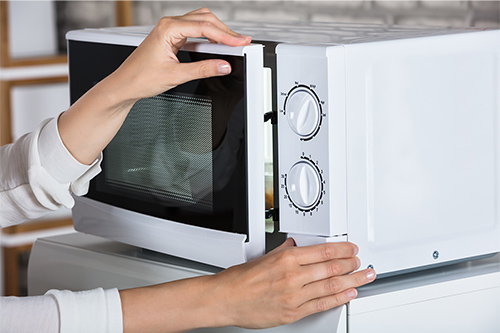
For the same reason you want to clean other surfaces that come into contact with food, you’ll want to clean your refrigerator and microwave doors. Not only are they commonly touched, but you may be touching them when you’re in the middle of food prep. Washing your hands before you eat is a good way to keep bacteria that was on your hands from entering your body. Follow the same principle for the surfaces you touch just before you eat.

Air dryers in public restrooms circulate the bacteria in the air and deposit it on your freshly washed hands. According to Healthline, the bacteria doesn’t come from within the air dryer itself. The movement of air essentially collects the free–floating bacteria5 (which is already going to be more plentiful in a public space). Your best bet is to dry with paper towels. Fortunately, more and more tree-free products are hitting the market, so you don’t have to feel too guilty.
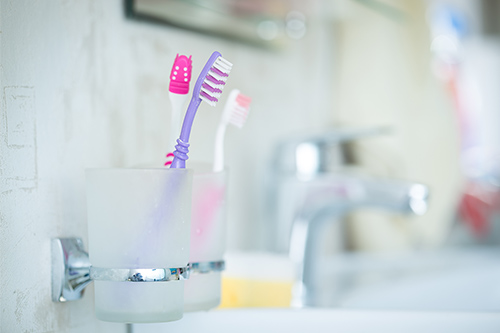
Because it’s so close to the toilet, your toothbrush holder can be teaming with bacteria. One flush can unleash feces–containing aerosols6 from the toilet and release them into the bathroom where they can land on anything. Considering it holds a brush that goes in your mouth, try sanitizing it by popping it in the dishwasher (if it’s dishwasher safe) or washing it with hot soapy water.
For more articles like this one, and to keep up to date on our fitness, nutrition, and wellness articles, subscribe to our monthly newsletter, today!

Multiple Sclerosis (MS) is a disease of the central nervous system. This system is comprised of the brain and spinal cord and, when it is compromised, it can be disabling. Essentially what happens is that the immune system attacks the protective covering on nerve fibers which disrupts the communication between the brain and the rest of the body. The affected nerves will vary from person to person, so not all people with MS will exhibit all of the same symptoms.1
The most impacted function with Multiple Sclerosis is movement. Numbness or weakness in the limbs, tremors, and an unsteady gait are among the most recognizable symptoms. Vision, speech, sexual, bowel, and bladder problems are also known to occur.1
Muscle weakness, balance and coordination problems, dizziness, and difficulty breathing can make exercise a significant chore for people with Multiple Sclerosis. However, activity is still very important. Common MS treatments and inactivity can render people with this disease more susceptible to developing osteoporosis, which can make balance and coordination issues an even greater concern. This can be prevented or slowed, however, through physical activity and proper nutrition.2
A 2004 study found that, even though cases of MS vary across patients, exercise programs designed to increase cardiorespiratory fitness, muscle strength, and mobility can enhance a patient’s quality of life while also reducing the risk of secondary disorders.3 However, it’s important to adhere to exercises that are safe.
A publication by BMC Neurology identifies a number of practical and beneficial exercises for patients with MS. An important preface to their findings is that each exercise program should be designed to address a patient’s specific goal and should take into account a person’s baseline impairments and capabilities. Only a healthcare professional can provide the appropriate fitness routine for your needs, but generally, these aspects of training are known to hold benefits for patients with MS:
As with all new exercise routines, it’s important to know when to stop. You can help protect yourself from injury if you are attentive to how your body is feeling with each movement. When it comes to Multiple Sclerosis, there are a few more things to keep in mind.
What is your approach to exercise with MS? Share your thoughts in the comments below! For more articles like this one, and to stay in-the-know on important health and nutrition topics, subscribe to our newsletter to receive monthly highlights from the Living Healthy Blog.


I’m wanting to start intermittent fasting for the numerous benefits it has… yes, including a little fat loss as well! The only issue is that I’m also trying to add muscle at the same time. Subscribing to the 1-2 grams of protein per body pound theory, is that enough time in the IF window to ingest that much protein? (I weigh 230 now, that’s a lot in a short window of time! ? What are the recommendations in order to achieve this with IF and low-carb/high protein? Is it even possible? Thanks!
– Chris T.

First, I’d modify your protein goal to the lower end of the range you proposed: 1 gram per pound goal body weight. That’s still over the 1.7 gm protein/kg recommended by the American College of Sports Medicine to increase muscle mass. Since there is no physical storage of amino acids in the body, consuming large quantities of protein at once doesn’t mean you’ll use all of what you eat.
For intermittent fasting, I’d advise breaking down your total so that you’re consuming 30-40 grams of protein* every 2-3 hours for the span of time you do eat. Remember to support your workouts with protein before, during and after to provide your muscles with amino acids when it needs them most and to promote muscle protein synthesis.
* Amount of protein generally supported in the literature as that which can be utilized at one sitting.
Schoenfeld, B.J., Aragon, A.A. How Much Protein Can the Body Use in a Single Meal for Muscle-Building? Implications for Daily Protein Distribution. Journal of the International Society of Sports Nutrition; 15, 10 (2018). https://doi.org/10.1186/s12970-018-0215-1
– Debbie J., MS, RD
This article should not replace any exercise program or restrictions, any dietary supplements or restrictions, or any other medical recommendations from your primary care physician. Before starting any exercise program or diet, make sure it is approved by your doctor.
Some questions have been edited for length and/or clarity.
 Have a nutrition question? Our registered dietitian is ready to help!
Email nutrition@lafitness.com or submit your question below and it may be featured in an upcoming article!

Good nutrition is all about variety! Browse through our list of unusual fruits and veggies and give yourself a chance to try something new.

Debbie James, RDN, helps answer a question about energizing snack options to pull athletes through the second half of a high energy workout.

Registered Dietitian, Debbie James, helps answer a reader’s question about a good nutrition guide for a healthy pregnancy.
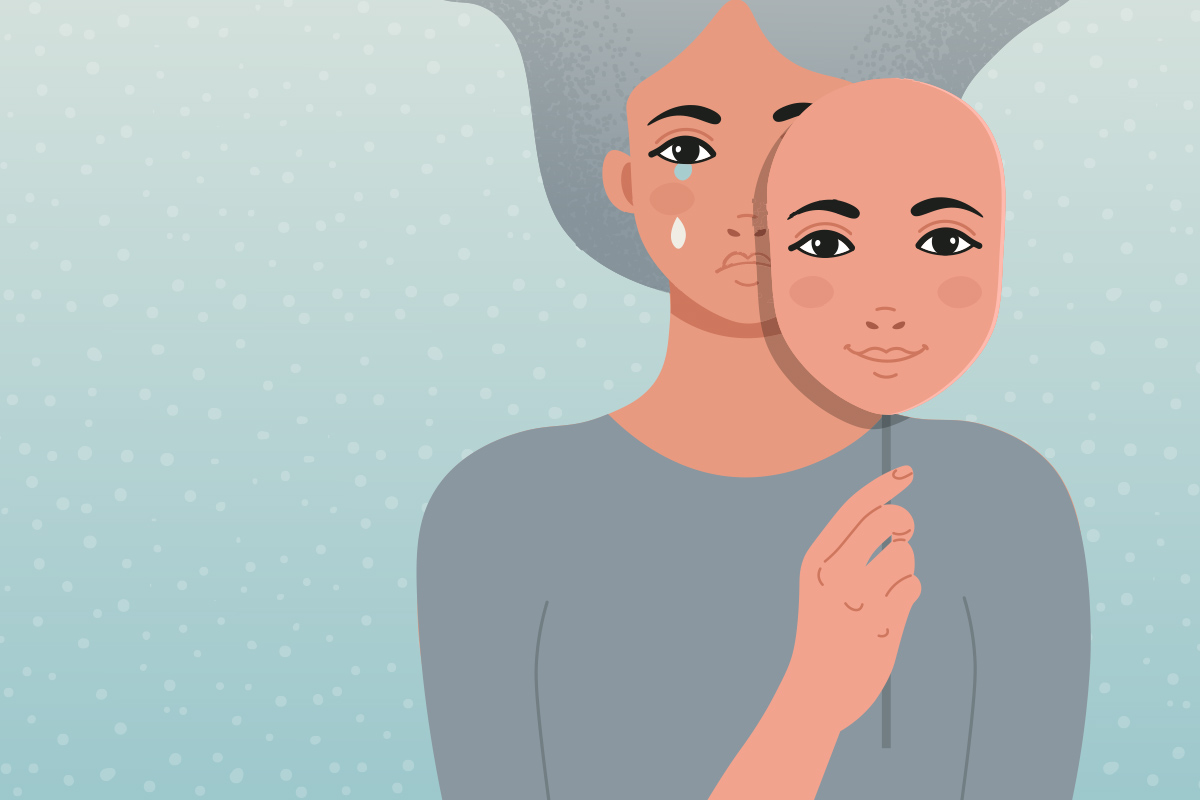
This Sunday is International Women’s Day. The day is dedicated to women’s rights, to recognizing key achievements, and to acknowledging all that still needs to be done. We’d like to contribute to the day’s spotlight on women by discussing an important piece of women’s health: mental health.
Depression affects both men and women, and it’s not just a bad case of sadness. It doesn’t always have a reason and isn’t gender, age, or lifestyle exclusive; it happens to everyone.
Our focus is on depression today because of its prevalence. We hope that all readers can benefit from today’s article but would also like to note that this issue is more present among women than it is among men. This is likely due to certain biological, hormonal, and social factors that are unique to women.1 It’s an appropriate time to bring the discussion to the table and to offer up some helpful information.
No. Depression is not just a part of life or something you have to live with. It’s a medical condition with many models of treatment. Yes, depression is common, but it’s also serious. It’s important to remember that sadness and grief are normal and healthy parts of the human experience. Only your healthcare provider can help you determine whether your symptoms indicate depression, but if you would like to reference a description of potential symptoms, you can find one here.
Depression typically requires treatment, either in the form of therapy (which isn’t scary or something to be ashamed of by the way), medication, or sometimes a combination of both. A statement from an article by the National Institute of Mental Health deserves to be reiterated here: “You can’t just ‘snap out’ of depression. Well-meaning friends or family members may try to tell someone with depression to “snap out of it,” [or to] “just be positive,” … but depression is not a sign of a person’s weakness or a character flaw.” Often, the reason a person is depressed stems from something that’s out of their control (like a biological, psychological, or environmental factor)1.
The Mayo Clinic offers a nice breakdown of the various elements that make depression more commonplace among women. It demonstrates exactly what it means to have biological, psychological, and environmental factors in play. We will briefly describe them here, but if you would like to read about them in greater detail, you can read the Mayo Clinic’s article on Depression in Women.

Certain factors that emerge during puberty, like sexuality and identity issues, conflicts with parents, and increasing pressure to achieve in various areas of life, contribute to the emergence of depression. These factors apply to boys as well, but because girls typically reach puberty earlier, they are likely to develop depression earlier; this depression gender gap may continue throughout life.2

Most of the time, premenstrual syndrome (PMS) symptoms are minor and short-lived. Some women, however, experience severe symptoms that are significantly disruptive to their lives. This increased severity turns PMS into a type of depression that generally requires treatment.2

Dramatic hormonal changes during pregnancy or during attempts to become pregnant can contribute to depression. There are also many other lifestyle, relationship, work, and social factors associated with pregnancy that play a role.2

Many new moms experience sadness, anger, and irritability after giving birth, but serious and long-lasting depressive symptoms may point to post-partum depression. This occurs in about 10-15% of women.2

The erratic fluctuation of hormone levels can increase the risk of developing depression. Other factors like poor sleep and weight gain also play a part.2

Unequal power and status, work overload, and sexual or physical abuse, also contribute to depression in women. These factors occur in men too, but usually at a lower rate.2
For the person experiencing depression, the most difficult part of treatment is recognizing the need for it and seeking help. A good first step is to talk to your doctor. They can help assess your symptoms and point you in the right direction.
If you would like to help someone who is struggling with depression, the best thing you can do is to be present. Show your support by listening and asking how you can help. Sometimes the preferred help is simply that you sit with them for a while. Avoid giving unsolicited advice, minimizing the problem, or trying to “fix” how the person is feeling.
Depression is not to be taken lightly, and the risk of suicide is very real. If you believe your loved one is at risk for suicide, do not leave them alone. In the U.S., call 911 or the National Suicide Hotline at 1 (800) 273 – 8255. The new 3-digit national crisis hotline (988) is not yet active. In Canada, call the Canada Suicide Prevention Service at 1 (833) 456 – 4566. For anywhere else in the world, visit the International Association for Suicide Prevention to find resources and helplines for wherever you are.
For more articles like this one, read our article on the Elimination of Violence Against Women. To stay in-the-know on important health and nutrition topics, subscribe to our newsletter to receive monthly highlights from the Living Healthy Blog!