Snacks to Help Boost Energy
Snacking and grazing are suitable ways to consume your daily intake, providing the choices are good ones and you compensate with smaller meals. Check out our RDN’s suggestions.


I am a 75-year old female in excellent physical condition – take no drugs, now about 5′ 2 1/2″ 132 pounds. I would like some advice on what would be an ideal diet for me. I work out with weights for 1 hour and/or walk 3 miles about 5 days per week, otherwise am mostly sedentary.
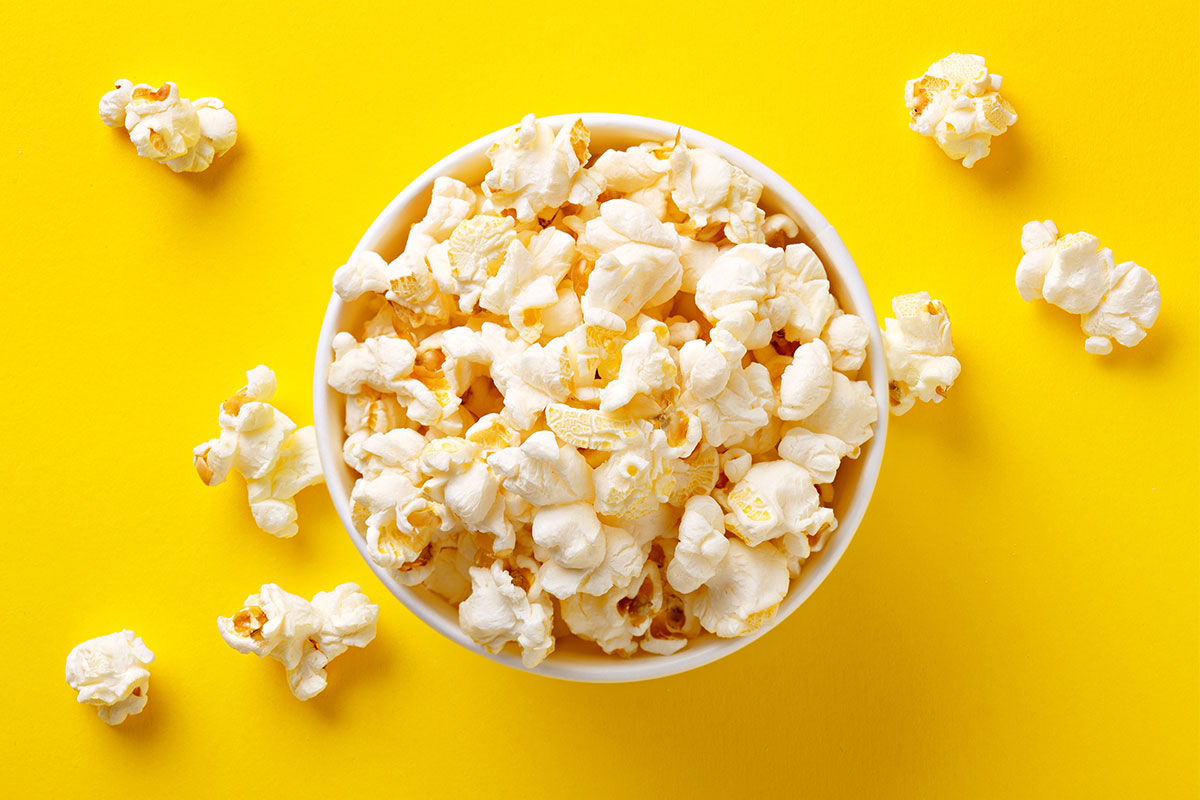
Current diet is: Breakfast with supplements – one slice bread or equivalent, a handful of strawberries and blueberries and 4 ounces of sugar-free yogurt and a cup of tea with milk. Lunch: one poached egg, equivalent of a slice of cheese such as one stick and meat such as two slices of roast beef or 2-inch piece of sausage – shoot for 20 grams of protein. Snack: about 1/3 bag of microwave popcorn with a handful of nuts and about 6 small chips. Dinner a large bowl of mixed multi-color raw vegetables and 4 -6 ounces of chicken or fish or white lean pork. End of day a good-sized bowl of low calorie ice cream – about 300-400 calories.
My concern is I am not consuming protein – I cannot digest most protein drinks. Any suggestions? (Please do not tell me to cut out the ice cream!)
– Dana M.

Wow – your diet is great! Thanks for sharing. I can tell you are very regimented in your diet. I’d estimate your protein intake to be about 95 grams total, giving you nearly 1.6 gm/kg body weight, which is above the recommended range of 1-1.2 gm/kg for your age*. Quite adequate!
But you asked about an “ideal” diet. Your described intake may fall short in vitamin D, vitamin E, calcium, iron, thiamin and fiber. Perhaps your supplements cover the micro-nutrients. Fiber is one you may want to increase from foods. Be sure your bread provides at least 2 grams per slice; 5 grams is considered “high fiber”. Perhaps sprinkle some flax seed on your morning yogurt and swap the chips for rye crisps at snack. These changes should keep calories consistent.
Keep up the good work and incorporate lots of variety to round-out your micro-nutrient intake.
* Protein for Fitness: Age Demands Greater Protein Needs. Densie Webb, PhD, RD. Today’s Dietitian April 2015, Vol. 17, No. 4, P. 16.
– Debbie J., MS, RD
This article should not replace any exercise program or restrictions, any dietary supplements or restrictions, or any other medical recommendations from your primary care physician. Before starting any exercise program or diet, make sure it is approved by your doctor.
Some questions have been edited for length and/or clarity.
 Have a nutrition question? Our registered dietitian is ready to help!
Email nutrition@lafitness.com or submit your question below and it may be featured in an upcoming article!
Snacking and grazing are suitable ways to consume your daily intake, providing the choices are good ones and you compensate with smaller meals. Check out our RDN’s suggestions.
Busy mornings and early morning workouts before the work day begins, often call for quick and easy grab-and-go snacks. Check out some of our suggestions!
LA Fitness registered dietitian, Debbie James, offers some advice on snacks that may help you stay fuller, for longer, in between meals.
I have just joined LA Fitness and discussed nutrition with my trainer but I would like to get some insight from you. I am single, 60 years old, and I hate cooking so I go for the prepared meals more often than I should. Could you tell me what snacks I should put together for someone who usually only eat one time per day. They must be easy to put together and prefer something I can eat at my desk without being messy.
– Joyce C.
Don’t want peanut butter on your work papers? Normally I’d suggest hummus or yogurt, but there are plenty of neater options you can put together – or buy ready to eat. Here are some options to explore:
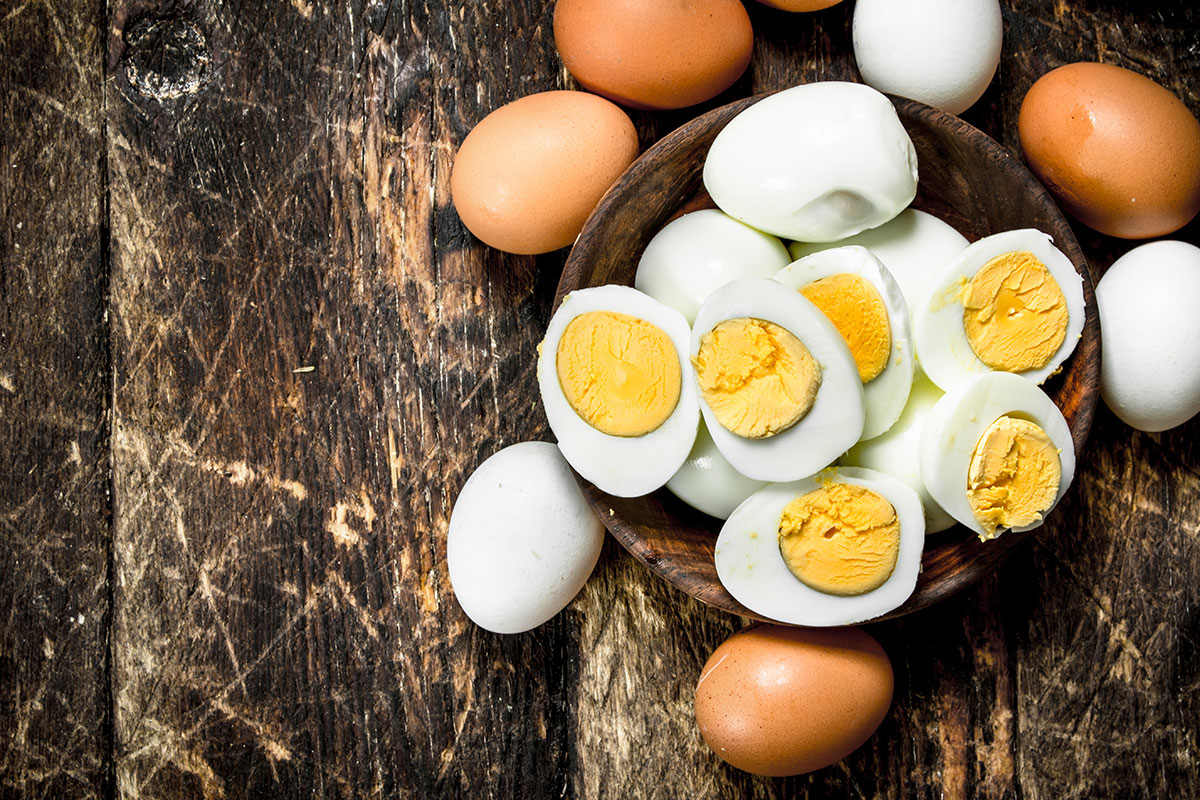
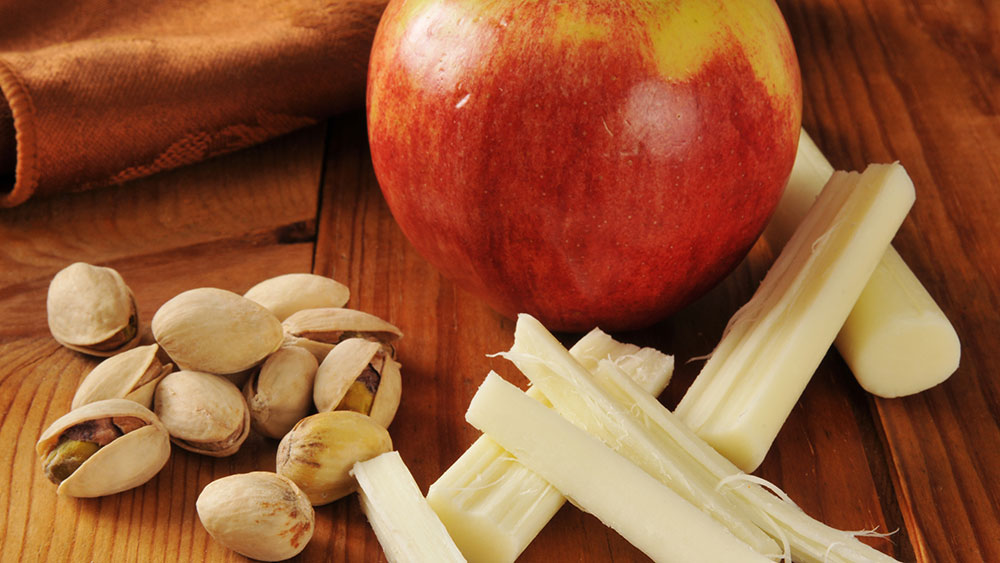
Individual wrapped string cheese or peeled hard cooked eggs are proteins you’ll need to keep cold. They pair well with a small banana, pretzels or baby carrots. You could try one of the newer snack packs with nuts, cheese cubes and dried fruit (found in grocery’s refrigerator case).
Traditional trail mix now has an alternative – energy bites or clusters that are easy to pop into your mouth. Most are made of grains, nuts and dried fruit, and sometimes soy or egg protein.
Think outside the box. Who says a snack can’t be breakfast food, appetizer or a liquid? Mini quiches and egg rolls could be quickly heated in the microwave for a warmer snack. A can of low-sodium vegetable juice is super easy and nutritious.
– Debbie J., MS, RD



Want more? SUBSCRIBE to receive the latest Living Healthy articles right in your inbox!
This article should not replace any exercise program or restrictions, any dietary supplements or restrictions, or any other medical recommendations from your primary care physician. Before starting any exercise program or diet, make sure it is approved by your doctor.
Some questions have been edited for length and/or clarity.
Have a nutrition question? Our registered dietitian is ready to help!
Email nutrition@lafitness.com or submit your question below and it may be featured in an upcoming article!
Snacking and grazing are suitable ways to consume your daily intake, providing the choices are good ones and you compensate with smaller meals. Check out our RDN’s suggestions.
Busy mornings and early morning workouts before the work day begins, often call for quick and easy grab-and-go snacks. Check out some of our suggestions!
LA Fitness registered dietitian, Debbie James, offers some advice on snacks that may help you stay fuller, for longer, in between meals.


Having trouble breaking that midday unhealthy snacking routine? Find out some tricks that may help break the vicious cycle!

Uh oh… it’s that time of day again. You know, that hour when you are suddenly feeling tired, unfocused, and ready for that afternoon pick-me-up. I refer to it as the Midday Monster; that little hunger feeling that creeps up and causes us to crave something tasty. The trouble is, usually that midday snack is an unhealthy one. We tend to gravitate towards something sweet, caffeinated, or carb-loaded. This is because those “feel-good” foods and drinks, typically do just that – they make us feel good. Food and drinks high in sugar can cause the dopamine levels, or the “feel-good” hormones, in our brains to rise.1 Unfortunately, the old idiom too much of a good thing, rings all too true.
Overindulgence, whether it be a midday snack or a late night one, can be harmful to our bodies. Nevertheless, quitting cold turkey is easier said than done. Old habits are hard to kick, but the key to remember is that there are ways to change poor snacking habits. It’s a process that begins with baby steps. Before reaching for that bag of chips, or sweets, take a moment to ask yourself, ”Am I really hungry?“ A lot of the time we snack out of boredom or stress. Try drinking some water and see if that helps. Oftentimes, hunger can be confused with dehydration.2 Save yourself the unneeded calories and drink some refreshing H20.

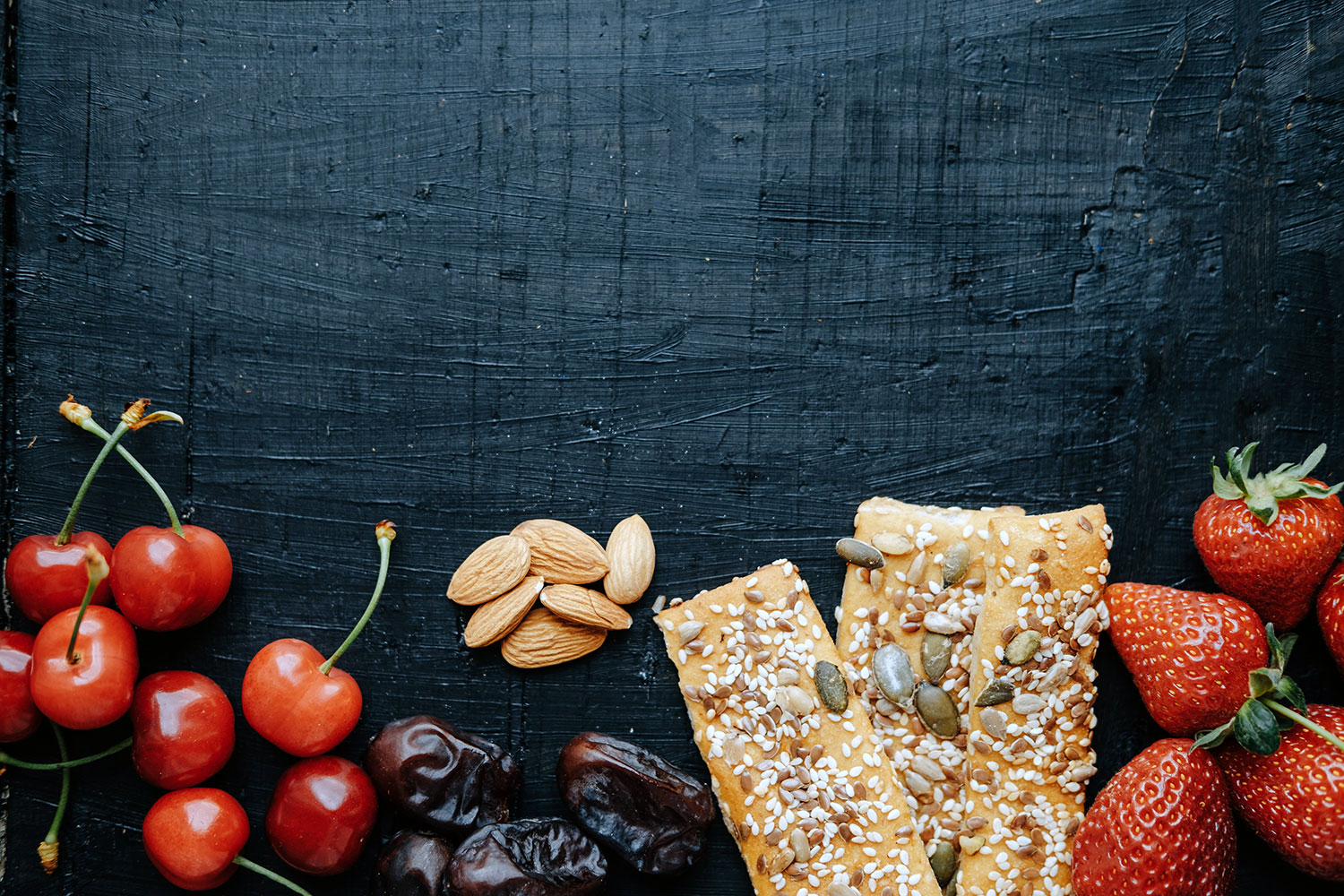
Still feeling hungry? Rid yourself of unhealthy temptations by keeping only healthy snacks close by. The key is to find foods to snack on that are high in fiber, which may keep you feeling fuller, longer.3 A few of these healthier options include: hummus and veggies, almonds, cereal bars, and raspberries. Or, grab a snack that helps boost metabolism and burn fat. Some examples of these fat-burning foods include: apples, avocados and cottage cheese, or canned tuna on whole-wheat crackers.4 If you’re looking for a healthy alternative for your go-to calorie-filled lattes, try some minty green iced tea.




Another source of unhealthy snacking can be caused from skipping your morning breakfast.5 If you starve yourself in the morning, you typically have greater odds of overindulging later on in the day. Make sure you make time for breakfast, and save yourself later on.
Another interesting tactic to consider is brushing and/or flossing your teeth after eating, which helps reduce the temptation to eat.6 Once your teeth are clean, you’ll be less likely to grab something to snack on, in order to avoid brushing again.
In addition, it is helpful to meal plan. LA Fitness registered dietitian, Debbie J., RDN says, “Having a blueprint to follow for your week’s meals will help keep you eating regularly and on track, thus prevent you from skipping meals, so you’ll be less likely to snack.” Make things easier on yourself by preparing a few healthy snacks the night before. This way, you’re not tempted to grab for something unhealthy when you’re feeling stressed, tired, or on-the-go.
Check out one of our more recent Q+A’s from LA Fitness’ registered dietitian, Debbie J., MS, RDN, where she helps answer What Are Good Substitutions for Sugary and Salty Snacks? If you have a nutrition question of your own, please share it with us by submitting a question here, and your answer may be featured in a future post.
Sources:
Snacking and grazing are suitable ways to consume your daily intake, providing the choices are good ones and you compensate with smaller meals. Check out our RDN’s suggestions.
Busy mornings and early morning workouts before the work day begins, often call for quick and easy grab-and-go snacks. Check out some of our suggestions!
LA Fitness registered dietitian, Debbie James, offers some advice on snacks that may help you stay fuller, for longer, in between meals.

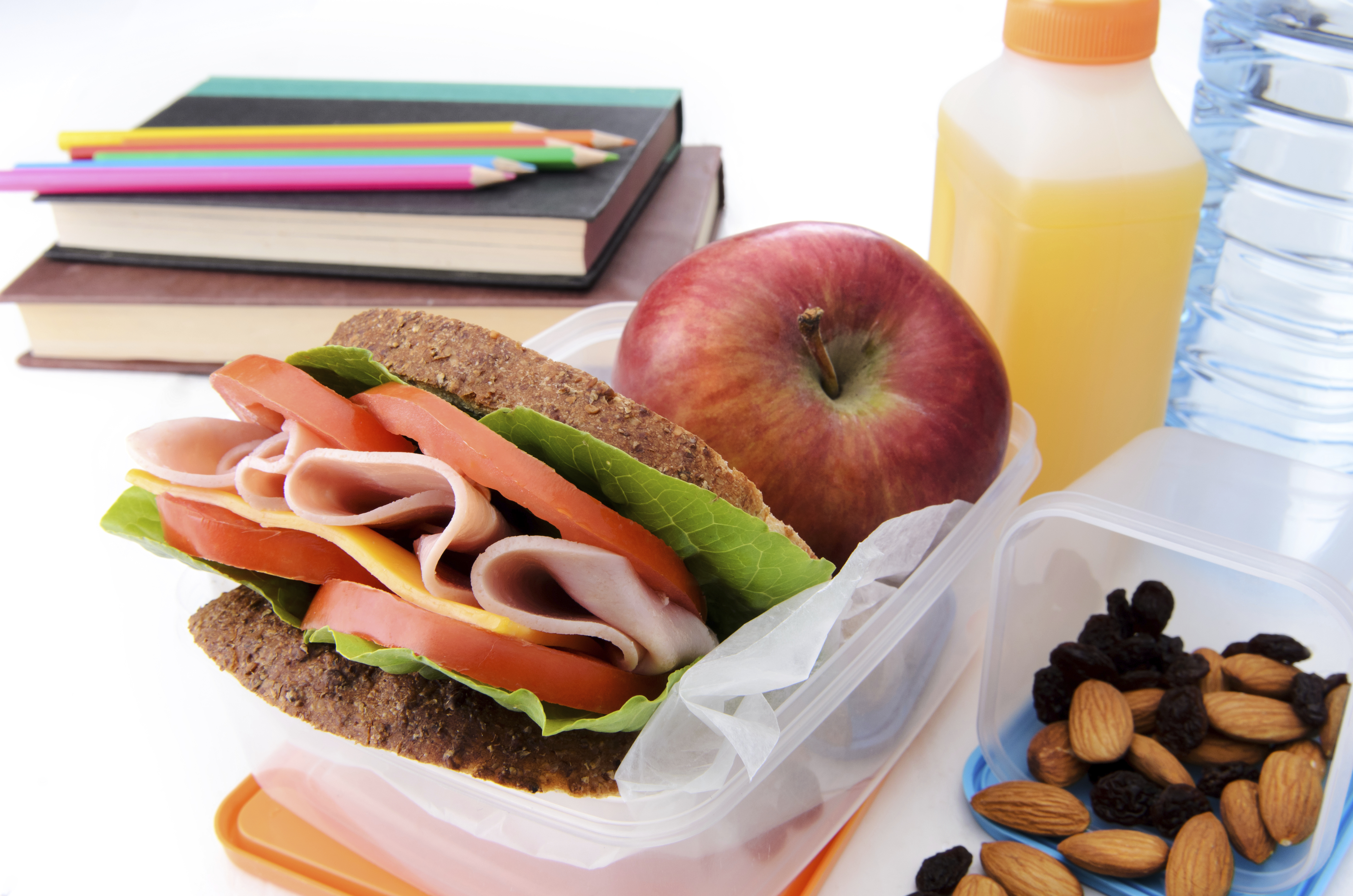
It’s not just the kids and teachers heading back to school that need to pay attention and make sure that they are eating healthy snacks during the day. Many people are grabbing the wrong things to manage hunger outside of mealtimes.
Snack noun ˈsnak : a small amount of food eaten between meals
Look at the definition of “snack” above and you’ll see that volume and timing are mentioned, not content. No wonder so many people are clueless about what to snack on! Read on to find out what to pack in your work, school or gym bag.
Snacks only need to comprise 1-3 elements: a balance of protein, carbohydrates and fat — the 3 macronutrients. This is much less than the 4-5 elements food groups required for a square meal. This is because protein slows digestion, carbohydrates provide fuel and fat is satisfying. Having all three present in your snack means stable energy until the next meal, which means you have chosen and “A+” snack.
You can start with any one food group you like – fruit, starch, meats, vegetables, dairy or fat. Then add another item that fills any macronutrient gaps. Some things, like soybeans (edamame) or low-fat fruited Greek yogurt don’t need this macronutrient pairing because they are well-balanced by themselves. Here are some great examples of combinations that make the grade:
If you’ve forgotten your homework and didn’t pack a snack, you can still grab a small 1-2 ounce protein bar from a convenience store, a cup of soup from a deli counter, or a single street taco at a fast-casual restaurant. As a last resort from a drive through (detention for you!), select a snack wrap or fruit and yogurt parfait.
Don’t forget that portion matters! Keep it small, which is about a handful total to give a visual idea of a proper portion. This is about one cup. If you want to look at it from the perspective of calories, then somewhere in the 100-200 calorie range for women and 150-300 calorie range for men is suitable.
Considerations:
RECESS! Timing is important to the concept of snacking. Ideally, a snack would fit in the midpoint of the break between meals. If your meals are tightly spaced 3-4 hours apart, there may not even be a need for snacks. Conversely, you may want to increase the size of your snack if there will be an extended time before your next meal.
Now you have no excuse (though, the dog really can eat it) to have a healthy snack. Feel free to share other great snack ideas in the comments section below!
CLICK HERE to learn how to subscribe to LIVING HEALTHY!
