Warm Comfort Foods Made Healthy(ish)
Most comfort foods we turn to are heavily laden with fat, starch and calories. There are healthier ways to enjoy down-home classics by making a few tweaks.



I’m starting on my weight loss journey and a huge obstacle for me is eating healthy. I’m a mailman so I spend 8-10 hours working outdoors with no access to a microwave and only fast food restaurants near me. Do you have any advice needed on how to eat and maintain a healthy diet?
– Cesar P.

The best solution I can see for you, Cesar, is to bring healthy lunches with you during your shift. Since some carrier units even deliver groceries, I’ll assume you are allowed an insulated lunch bag or cooler in your vehicle. Information from the National Association of Letter Carriers indicates a lunch break for mealtime is 30 minutes – plenty of time to enjoy a healthy meal. Whatever your route’s authorized lunch locations may be, a meal from home works.
Without a microwave, you can still enjoy a hot healthy lunch. Today’s Thermos® food jars can keep food hot over 5 hours; longer with the larger sizes. For best results, pre-heat your vacuum insulated stainless steel container with hot water for several minutes while cooking your food. Stews, pasta dishes, casseroles, rice meals, even stir-fry all keep well, but this technique is not suggested for items you want to stay dry and flaky. An insulated lunch bag or tote with a few ice blocks can keep several items cool at once. Consider packing a turkey sandwich on whole wheat bread, fruit, and carrot/celery sticks for a balanced meal. More grown-up fare like a tuna pasta salad with cherry tomatoes works, too.
For the days when you don’t bring along your own food, dig into the menus at the fast-food establishments near you. Many offer some type of chicken breast meal/sandwich and a side salad option. Omitting cheese, swapping out the fries for a vegetable or fruit, and are all possibilities to improve a traditional drive-thru meal. Iced tea or water are preferable over soda. A small juice works occasionally, such as with an egg breakfast sandwich.
– Debbie J., MS, RD
This article should not replace any exercise program or restrictions, any dietary supplements or restrictions, or any other medical recommendations from your primary care physician. Before starting any exercise program or diet, make sure it is approved by your doctor.
Some questions have been edited for length and/or clarity.
 Have a nutrition question? Our registered dietitian is ready to help!
Email nutrition@lafitness.com or submit your question below and it may be featured in an upcoming article!
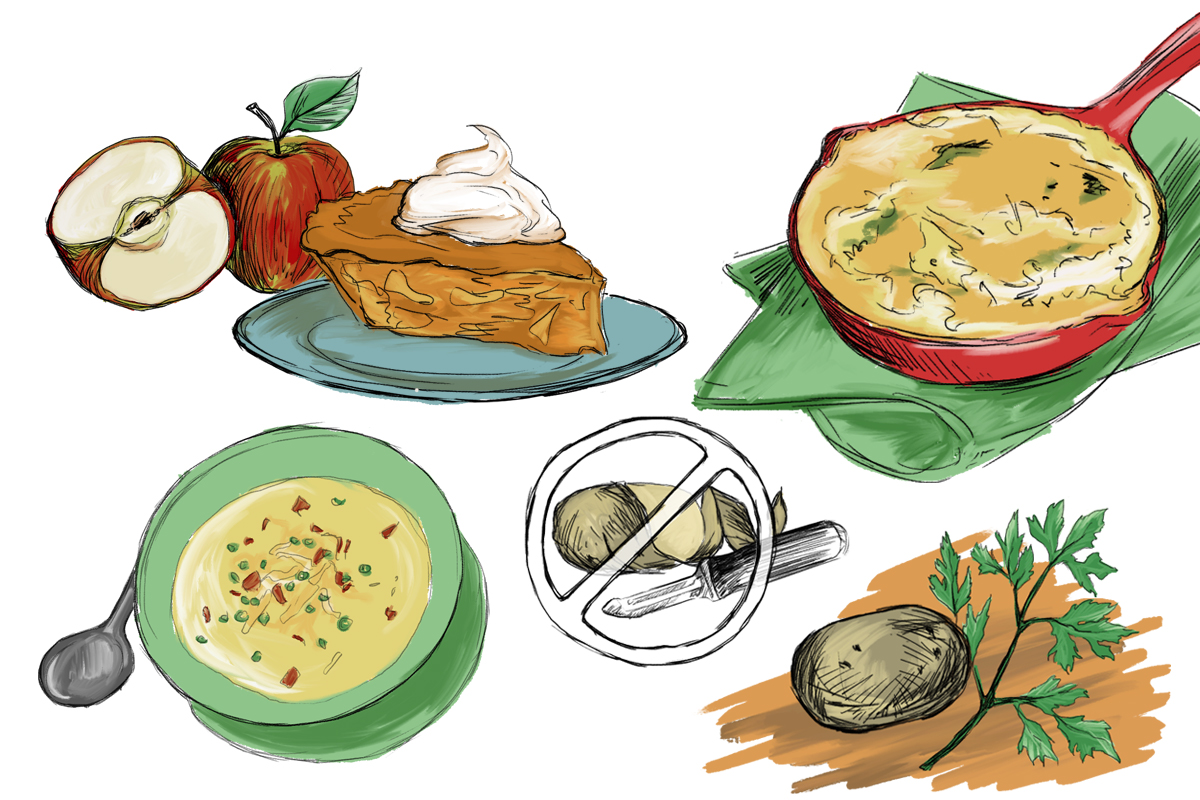
Most comfort foods we turn to are heavily laden with fat, starch and calories. There are healthier ways to enjoy down-home classics by making a few tweaks.

If you’re a parent, it’s likely you have some picky eaters on your hands. Our Registered Dietician, Debbie James, gives you the scoop on healthy eating for your kids and teens.
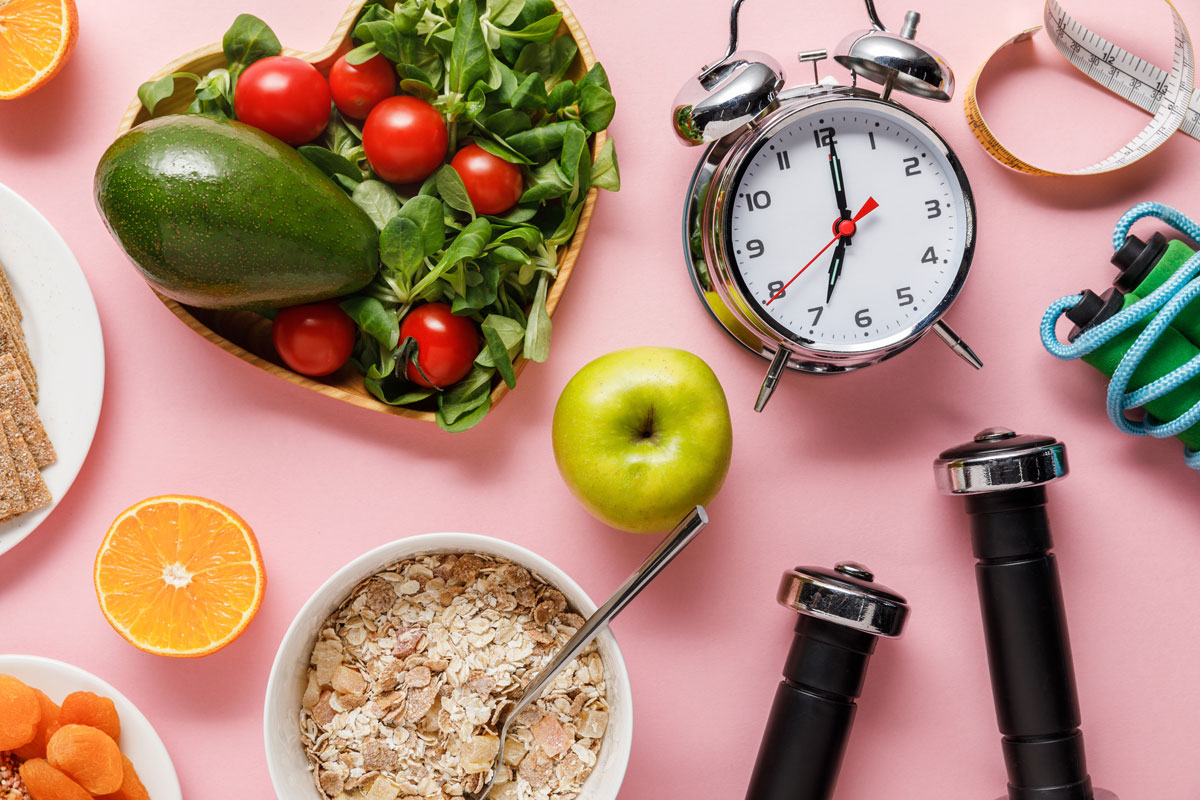
Debbie James, RDN, helps answer a reader’s question on breakfast and working out.

I’m a 49-year-old male, 5’ 11” in height and 188 lbs. My body fat was measured at 30%. I do strength training 3 to 4 times a week. My goal is to reduce my weight (maybe another 10 lbs.), reduce my body fat percentage, and increase my muscle mass. How many calories should I be eating a day and how much protein should I be consuming?
– Morrie B.
A rough estimate of your energy and protein needs, given the anthropometrics and goals you provided, are 2,200-2,600 calories and 135-162 grams of protein daily. These are derived from the most common equations for predicting energy needs and setting protein at 25% calories.
Your actual energy requirement could vary greatly since genetics, metabolism and individual biochemistry dictate how many calories you truly use. Your body has adapted to the way you eat over the last few decades so it’s possible you maintain weight currently at 2,000 calories or 3,000 calories. Thus, moving toward 2,500 could possibly be an unintended reduction or an increase.
It’s best to determine how much you are currently consuming by tracking intake over several days and using a diet analysis program to calculate the calories and grams of protein for you. Then you can evaluate if you need to increase/decrease either component. Know that you can only effectively use a maximum of 2 grams protein per kilogram body weight (your 85.5 kg means 170 grams of protein) daily.
– Debbie J., MS, RD
This article should not replace any exercise program or restrictions, any dietary supplements or restrictions, or any other medical recommendations from your primary care physician. Before starting any exercise program or diet, make sure it is approved by your doctor.
Some questions have been edited for length and/or clarity.
Have a nutrition question? Our registered dietitian is ready to help!
Email nutrition@lafitness.com or submit your question below and it may be featured in an upcoming article!
Most comfort foods we turn to are heavily laden with fat, starch and calories. There are healthier ways to enjoy down-home classics by making a few tweaks.
If you’re a parent, it’s likely you have some picky eaters on your hands. Our Registered Dietician, Debbie James, gives you the scoop on healthy eating for your kids and teens.
Debbie James, RDN, helps answer a reader’s question on breakfast and working out.

“And the award goes to… Chef Valerie, who so artfully displays her vegetarian stacked risotto dish with walnut topping,” announces the culinary instructor for the week’s competition. Valerie loves food – cooking with it, eating it, and playing with it. Even without formal training, we can all be winners when it comes to the game of eating.
If you read the title of this article, you might have thought about making food art on your plate or a cafeteria “Food Fight!” Perhaps, you imagined a picky kid pushing food around to hide his peas under the mashed potatoes. We don’t mean just arranging your food into pictures, but playing with your food is about spending time to manipulate and use your ingredients in unconventional ways. Okay, and having fun eating it, too!
See our previous article, 10 Surprising Food Combinations You’ll Love
Playing with your food could mean experimenting with unusual combinations, using an alternate preparation method, trying a foreign dish, or following a new recipe. You might put sandwich fixings on flatbread, or salad in a jar. The trend of bowl meals (usually grains, vegetables, greens, and protein) is a great example of adopting a foreign dish like Korean bibimbap and tailoring it to American fare. Maybe have an “opposite day” where dinner and breakfast are swapped. Hurray for French toast in the evening!

Why create and have fun? Playing with your food may have a secret side effect – lower weight! Eating quickly is associated with overweight status1, more so than are late evening meals or skipping breakfast. A body mass index (BMI) 25 kg/m2 or greater is considered overweight. Those that eat at a slower pace tend to be a lower weight, to the tune of an average 4 lower BMI2. Keep in mind that the healthy BMI range is 18.5–24.9 kg/m2, so a difference of 4 represents a lot! A slower pace of eating lets the satiety hormone leptin kick in so that you feel full sooner and eat less.

Therefore, slowing your pace of eating is an integral part of weight control. Lining up green beans, turning all your shrimp the same direction or arranging your potato wedges by size may have been stalling techniques when you were a kid. Now, they are valid ways to lengthen eating duration and eating slower! Two food games for adults and children alike are: 1) put a bit of each type of food on the fork for every bite, and 2) leave a symmetrical plate of food after each bite.
If poking around your food seems juvenile, take an epicurean approach to slow down: Once served, spend a moment to appreciate your meal. Inhale the aroma. Notice the colors and details before you savor each bite like it’s the last on the planet. Use a fork and knife (or chopsticks) for finger foods. This especially works well for pizza, burgers and comfort foods!
No matter how you play, keep meals healthy and balanced (and we don’t mean juggling).
References:
Most comfort foods we turn to are heavily laden with fat, starch and calories. There are healthier ways to enjoy down-home classics by making a few tweaks.
If you’re a parent, it’s likely you have some picky eaters on your hands. Our Registered Dietician, Debbie James, gives you the scoop on healthy eating for your kids and teens.
Debbie James, RDN, helps answer a reader’s question on breakfast and working out.

What is the nutrition of quinoa seed?
– Phuoc T.
Cooked quinoa has 222 calories per cup, 8 grams protein, 3.5 gm fat, 39 gm carbohydrate (incl. 5 gm fiber, 1.5 gm sugar). For vitamins, 1 cup cooked contains thiamin 0.198 mg, riboflavin 0.204 mg, niacin 0.762 mg, B-6 0.228 mg, folate 78 micrograms, Vit A 9 IU, and Vit E 1.17 mg. For minerals, 1 cup cooked contains calcium 31 mg, iron 3 mg, magnesium 118 mg, potassium 318 mg, zinc 2 mg.
Compared to cooked whole-wheat pasta (wheat is a staple, but most people don’t eat boiled wheatberries), quinoa is similar in calories, fiber and sugar, but has less carbohydrate and protein. Quinoa has more riboflavin, B-6, folate, Vit A, calcium, iron, magnesium, potassium than cooked whole wheat pasta.
Values from the USDA National Nutrient Database for Standard Reference, release 28. Actual values may differ based on seed variety or cooking methods.
– Debbie J., MS, RD
This article should not replace any exercise program or restrictions, any dietary supplements or restrictions, or any other medical recommendations from your primary care physician. Before starting any exercise program or diet, make sure it is approved by your doctor.
Some questions have been edited for length and/or clarity.
Have a nutrition question? Our registered dietitian is ready to help!
Email nutrition@lafitness.com or submit your question below and it may be featured in an upcoming article!
Most comfort foods we turn to are heavily laden with fat, starch and calories. There are healthier ways to enjoy down-home classics by making a few tweaks.
If you’re a parent, it’s likely you have some picky eaters on your hands. Our Registered Dietician, Debbie James, gives you the scoop on healthy eating for your kids and teens.
Debbie James, RDN, helps answer a reader’s question on breakfast and working out.

I have a question concerning organic food. Is organic food worth the extra cost? And what organic foods should you try to consume (i.e. fruits, chicken, meat, vegetables, etc.)
– O. Akanbi
Organic food (grown without pesticides, herbicides, synthetic fertilizers, hormones/antibiotics or gene splicing) is worth the extra cost for the foods you eat regularly if you are concerned with long-term health implications from traditional farming, but I would recommend to focus your funds. If you’re immediately targeting a heart-healthy diet after a recent cardiovascular event, spend the money on specialty items for that right now (like salmon instead of regular ground beef). Condiments and obscure items that you rarely touch won’t pose as much threat as your daily fare, so they can be last on your list.
My priority for organic shopping:
First, make sure you’re able to afford an overall healthy diet with vast array of fresh foods including ample produce, sufficient dairy and raw meats/poultry/fish. Those tend to be most expensive. Although finished vegetarian products are costly, dry beans are a cheap ingredient and can be incorporated into many meals. There’s no sense in buying organic if it means you’ll give up nutrient-rich foods elsewhere.
Second, choose organic for the produce you eat the most of, especially produce that’s on the pesticide “dirty dozen” list from the Environmental Working Group. For 2017, produce with most pesticide residue were identified as strawberries, spinach, nectarines, apples, peaches, pears, cherries, grapes, celery, tomatoes, sweet bell peppers, and potatoes. You can save by purchasing conventional sweet corn, avocado, pineapple, cabbage, onion, papaya, asparagus, mango, eggplant, honeydew, kiwi, cantaloupe, cauliflower and grapefruit, deemed “the clean fifteen.”
Next, as your budget allows, look at staple items like wheat and rice, as well as your protein sources. The difference may be tiny for vitamins and minerals, but organically grown wheat and animals raised organically may develop more robust defenses against environmental stressors. That could mean they pass super antioxidants and other beneficial compounds on to you.
Lastly, organic soda and sweets? Consider whether you should even be buying them at all.
– Debbie J., MS, RD
This article should not replace any exercise program or restrictions, any dietary supplements or restrictions, or any other medical recommendations from your primary care physician. Before starting any exercise program or diet, make sure it is approved by your doctor.
Some questions have been edited for length and/or clarity.
Have a nutrition question? Our registered dietitian is ready to help!
Email nutrition@lafitness.com or submit your question below and it may be featured in an upcoming article!
Most comfort foods we turn to are heavily laden with fat, starch and calories. There are healthier ways to enjoy down-home classics by making a few tweaks.
If you’re a parent, it’s likely you have some picky eaters on your hands. Our Registered Dietician, Debbie James, gives you the scoop on healthy eating for your kids and teens.
Debbie James, RDN, helps answer a reader’s question on breakfast and working out.