
Do You Have Osteoarthritis? | Q+A

Do You Have Osteoarthritis? | Q+A

Question:

My friend suggested that I avoid all the sugary foods for 3 months to heal my osteoarthritis knee. It has been over 5 months and still slightly swell and painful. Can you list everyday sugary foods? Are apples, bananas, oranges, watermelon and blueberries considered sugary foods?

– Harold H.

Answer:

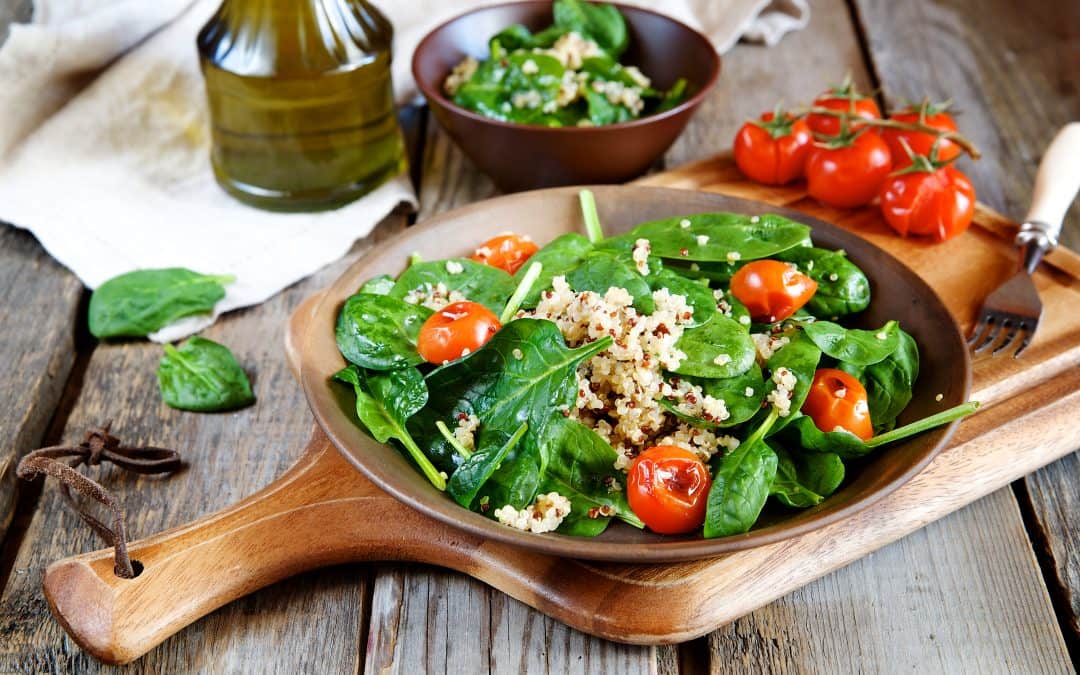
My clinical understanding is that osteoarthritis is not curable but symptoms are manageable. Since you’ve not had success, it seems you need another tactic. Though I agree with eliminating added sugar, you’ll want the antioxidants from fruits and vegetables to decrease inflammation*.

Is it true that I need to limit my fruit consumption because fruits are high in sugar and carbohydrates?

Sugary foods to avoid include regular sodas, lemonade, smoothies, most energy drinks, sweetened dried cranberries or shredded coconut, desserts, confections, sweetened yogurt, granola bars, breakfast bars, cereals with more than 5 grams sugar per serving, prepared coleslaw, French dressing, glazed ham, sauced meats (e.g. orange chicken), barbeque sauce, most pasta sauce and Chinese fast food.

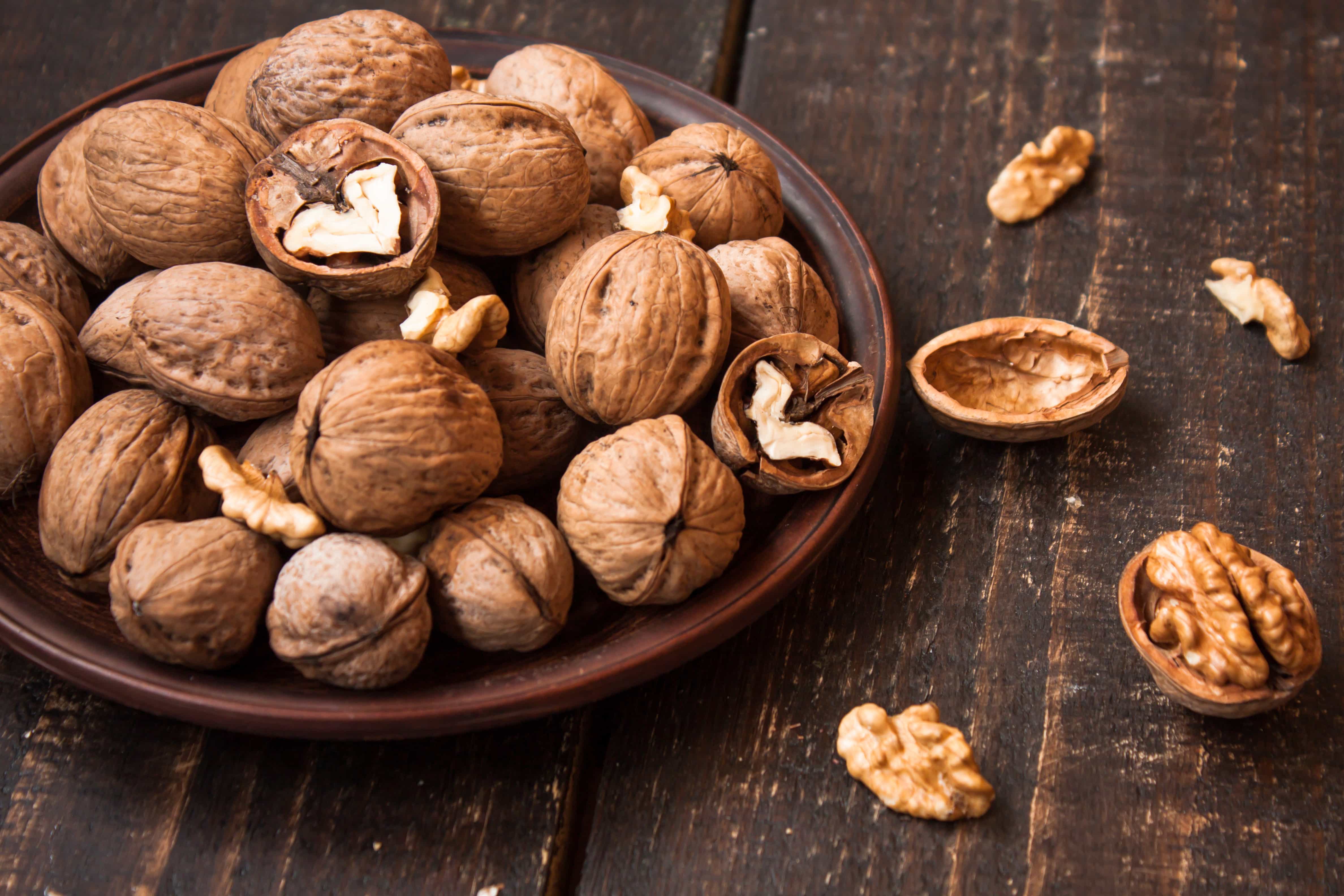
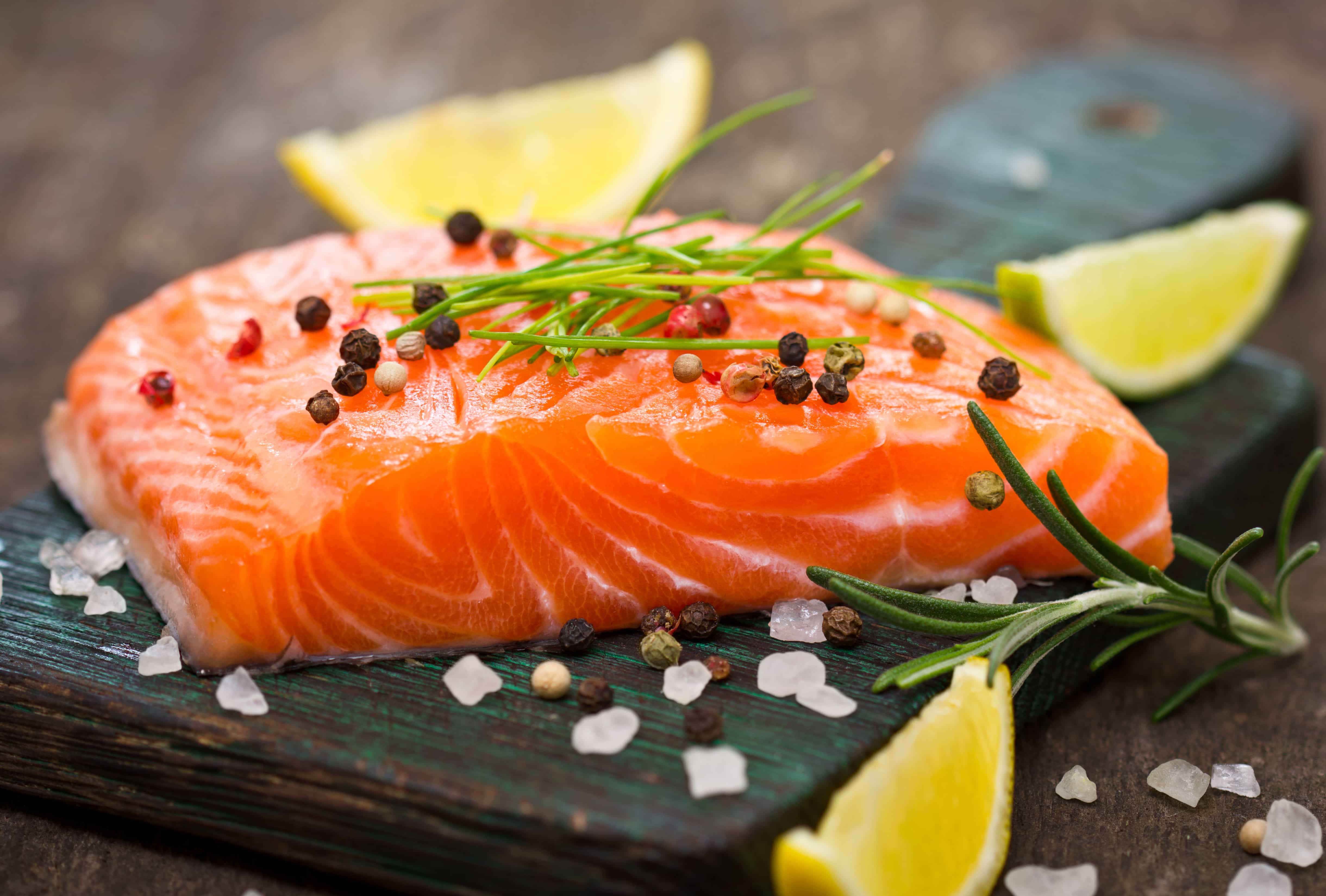
Other recommendations for osteoarthritis include getting daily ginger, turmeric, and omega-3 rich food – such as fatty fish (salmon), walnuts or flax seed. In addition to diet, supplements such as SAM-e, glucosamine w/ chondroitin, and capsaicin are promoted for reducing osteoarthritis pain.

– Debbie J., MS, RD

This article should not replace any exercise program or restrictions, any dietary supplements or restrictions, or any other medical recommendations from your primary care physician. Before starting any exercise program or diet, make sure it is approved by your doctor.

Some questions have been edited for length and/or clarity.

LA Fitness Living Healthy subscribe button

Want more? SUBSCRIBE to receive the latest Living Healthy articles right in your inbox!

Ask our Dietitian

Have a nutrition question? Our registered dietitian is ready to help!

Email nutrition@lafitness.com or submit your question below and it may be featured in an upcoming article!

5 + 12 =

Recommended Reading

Relationship to Food – Living Healthy Podcast Ep. 46

Relationship to Food – Living Healthy Podcast Ep. 46

Welcome to today's episode about "Your Relationship to Food." It's the 46th episode of the Living Healthy Podcast.   On today's episode, we are discussing how you can honestly assess your relationship to food and how you can create a positive relationship to food...

Trimming Fat and Keeping Muscle – Podcast Ep. 45

Trimming Fat and Keeping Muscle – Podcast Ep. 45

We're "Trimming the Fat and Keeping the Muscle" on today's episode of the Living Healthy Podcast! On this episode of the Living Healthy Podcast, just in time for Thanksgiving, we learn about trimming or "cutting" the fat after you finish the bulking phase. This is the...

Myth Busters: Gym Edition – Ep. 44

Myth Busters: Gym Edition – Ep. 44

Today’s episode is all about Busting Gym Myths! Does spot training really work? Is Cardio the best way to burn fat? We talk to Master Trainer Jordan Jones to find out the answers, so buckle up because you might just get your bubble popped. Sorry about that!

Carbs: The Good, The Bad, and The Ugly

Carbs: The Good, The Bad, and The Ugly

An Unrequited Love Story

Shakespeare may have once famously written, ”For never was a story of more woe than this of Juliet and her Romeo.” Clearly,he never knew of the tragic love story between carbs and the waistline.

Carbohydrates. What are they? Why are they so delicious? And why do they get a bad rap?

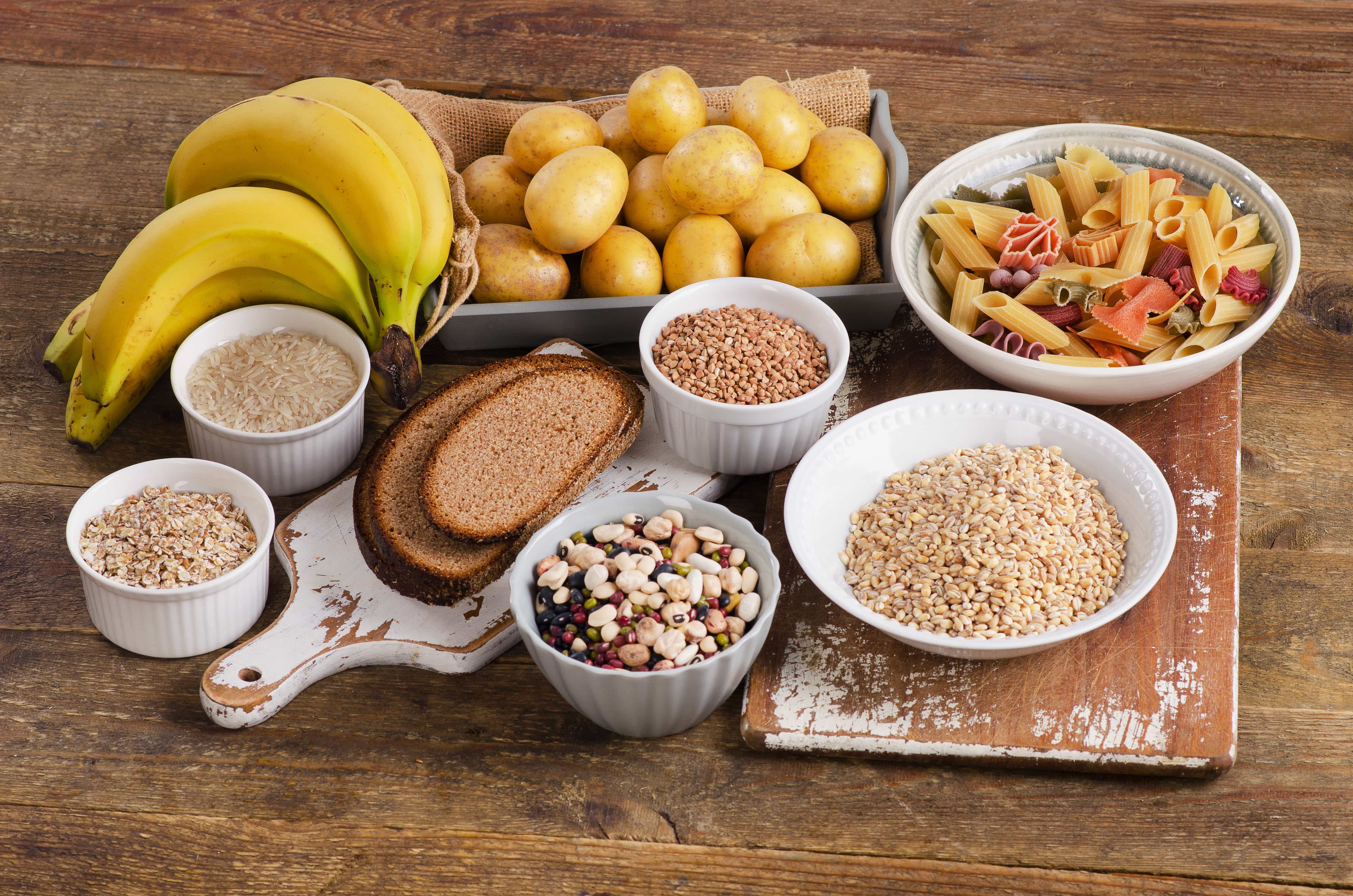
Let’s break it down. A carbohydrate is defined as “any large group of organic compounds occurring in foods and living tissues and including sugars, starch, and cellulose.”1 An easier way to explain this is that “carbohydrates are the sugars, starches and fibers found in fruits, grains, vegetables and milk products.”2  

These compounds can be grouped into two different categories: simple and complex. 

Simple Carbohydrates (a.k.a. The “Bad” Carbohydrates)

Simple carbohydrates, also known as refined carbs, can be found naturally in milk products, fruits and vegetables. However, they are also found in foods containing processed and refined sugars such as soft drinks, baked goods, and cereal. The latter is what gives carbs a bad reputation, as those type of foods can be unhealthy for your body and lead to disease if too many are consumed. This is because refined and processed sugars are considered “empty calories”, meaning they do not have vitamins, minerals or fiber, which can lead to weight gain.3

Complex Carbohydrates (a.k.a. The “Good” Carbohydrates) 

Complex carbohydrates, also known as polysaccharides, are known to digest slower than simple carbs and are packed full of nutrients for your body. That makes these foods more filling, which helps aid in weight control.4 It also helps in providing the body more energy over longer periods of time.5 A few examples of complex carbohydrates are broccoli, grains, and beans.

If you’re still unsure what makes certain carbs “good” versus “bad”, some helpful distinctions are as follows:6

Bad carbs are: 

  • High in calorie density
  • Full of refined sugars, like corn syrup, white sugar, honey and fruit juices
  • High in refined grains like white flour
  • Low in many nutrients
  • Low in fiber
  • High (often very high) in sodium
  • Sometimes high in saturated fat
  • Sometimes high in cholesterol and trans fats

Good carbs are:

  • Low or moderate in calorie density
  • High in nutrients
  • Devoid of refined sugars and refined grains
  • High in naturally occurring fiber
  • Low in sodium
  • Low in saturated fat
  • Very low (often zero) cholesterol, and no trans fats

The Benefits of Carbs on the Body

While not all carbs are created equal, our bodies do need them to function. In fact, the right type of carbs can help benefit our bodies in multiple ways.

1. Heart Health

Carbohydrates high in fiber help lower LDL-cholesterol (low-density lipoprotein) levels7, which  can contribute to a plaque-like deposit that clogs arteries and makes them less flexible.

2. Weight Loss

Again, the right type of carbohydrates can help with weight loss due to fiber. Dietary fiber helps the body feel full8. Therefore, you’re less likely to over eat.

3. Mental Health 

This is tricky because there have been studies showing both positive and negative effects of carbohydrates on the brain. It’s not exactly about carbs in general, but the type of carbs you’re consuming – do you see a trend here? Stick with complex carbohydrates over simple.

The Takeaway 

The important thing to keep in mind is that there are three different types of carbohydrates: starch, sugar and fiber. Furthermore, carbohydrates can be broken down into two categories known as simple and complex. Depending on your own unique body composition and health history, it may be best to consult your doctor before deciding what changes to make in your diet.

Interested in finding out more about carbohydrates and their effect on the body? Check out some other Living Healthy articles on the topic below!

When Cutting Carbs Becomes Extreme | Q+A

‘Healthy’ Carbohydrates for Weight Loss – fact or fiction?

Low Carb Food Choices | Q+A

No Carb Diet? Think Twice, You Need Carbohydrates to Survive!

Is it true that I need to limit my fruit consumption because fruits are high in sugar and carbohydrates?

Sources:

  1. https://en.oxforddictionaries.com/definition/carbohydrate
  2. Szalay, Jessie. “What Are Carbohydrates?” LiveScience. Purch, 25 Aug. 2015. Web. 21 June 2017.
  3. Ibid
  4. Cherney, Kristeen. “Simple Carbohydrates vs. Complex Carbohydrates.” Healthline. Healthline Media, 30 Mar. 2015. Web. 21 June 2017.
  5. Rodriguez, Diana. “Good vs. Bad Carbohydrates.” EverydayHealth.com. Everyday Health, 07 June 2017. Web. 21 June 2017.
  6. Killoran, Eugenia. “Good Carbs vs. Bad Carbs – What Are You Eating?” Pritikin.com. Web. 2017.
  7. Szalay, Jessie. “What Are Carbohydrates?” LiveScience. Purch, 25 Aug. 2015. Web. 21 June 2017.
  8. Ibid

Recommended Reading

How to Lose Fat as a Vegan | Q+A

How to Lose Fat as a Vegan | Q+A

Question:

I’d like to shed about 8 to 10 pounds of fat quickly. I’m about 5’9, 179lbs., 43 years old. I was told if I work out 3-5 times per week and eliminate all carbs and sugar for a month I should be okay. I’m vegan, so I’m guessing I should just eat vegetables, nuts and protein supplement?

– Antonio T.

Answer:

To have energy for your workouts, it may not be the best plan to forgo all carbs. Plus, so many vegan foods do have carbohydrates. Your estimated energy needs for losing 2 pounds per week quickly are about 1500-1800 calories daily with your current level of exercise. Dividing that up, you should eat 400-500 calories per meal x3 and 150 calories per snack x 2. Here are some possible meal and snack combinations for more variety than just veggies and nuts…

Breakfast options:

  • pecans, blueberries, veggie sausage patty and unsweetened soymilk
  • potatoes O’Brien and low sugar vegan yogurt

Lunch ideas:

  • spinach salad with pine nuts, cherry tomatoes, red onion, olives (couscous opt.)
  • mushroom burger patty, arugula, sundried tomato, avocado (sandwich thins opt.)

Sample dinners:

  • pinto or black beans with sautéed peppers and onions, salsa (fresh corn opt.)
  • butter beans with asparagus, roma tomato, basil and garlic (orzo opt.)

Snack suggestions:

  • hummus with carrot and celery
  • small apple with peanut or almond butter
  • pea protein shake

– Debbie J., MS, RD

This article should not replace any exercise program or restrictions, any dietary supplements or restrictions, or any other medical recommendations from your primary care physician. Before starting any exercise program or diet, make sure it is approved by your doctor.

Some questions have been edited for length and/or clarity.

LA Fitness Living Healthy subscribe button

Want more? SUBSCRIBE to receive the latest Living Healthy articles right in your inbox!

Ask our Dietitian

Have a nutrition question? Our registered dietitian is ready to help!

Email nutrition@lafitness.com or submit your question below and it may be featured in an upcoming article!

8 + 9 =

Recommended Reading

Relationship to Food – Living Healthy Podcast Ep. 46

Relationship to Food – Living Healthy Podcast Ep. 46

Welcome to today's episode about "Your Relationship to Food." It's the 46th episode of the Living Healthy Podcast.   On today's episode, we are discussing how you can honestly assess your relationship to food and how you can create a positive relationship to food...

Trimming Fat and Keeping Muscle – Podcast Ep. 45

Trimming Fat and Keeping Muscle – Podcast Ep. 45

We're "Trimming the Fat and Keeping the Muscle" on today's episode of the Living Healthy Podcast! On this episode of the Living Healthy Podcast, just in time for Thanksgiving, we learn about trimming or "cutting" the fat after you finish the bulking phase. This is the...

Myth Busters: Gym Edition – Ep. 44

Myth Busters: Gym Edition – Ep. 44

Today’s episode is all about Busting Gym Myths! Does spot training really work? Is Cardio the best way to burn fat? We talk to Master Trainer Jordan Jones to find out the answers, so buckle up because you might just get your bubble popped. Sorry about that!


Protein Advice for Males | Q+A

Protein Advice for Males | Q+A

Question:

I have 150 lbs. of lean mass and burn 1800 calories. How much protein should I take in?

– Troy B.

Answer:

Your true protein need depends on your age and physical goals in addition to your weight and caloric rate. To get a rough estimate, start with a gram of protein for each kilogram of lean body mass (68.2 kg in your case) then increase per your activity level:

  • Sedentary – add 10%      
    • 68 + 7 = 75 gms
  • Light activity (e.g. walking) – add 30%    
    • 68 + 22 = 90 gms
  • Moderate (30 min. of vigorous activity 3 days/week) – add 50%  
    • 68 + 34 = 102 gms
  • Active (1 hour per day 5 days/week) – add 75%    
    • 68 + 52 = 120 gms
  • Very Active (10 hours of vigorous activity/week) – double 
    • 68 x 2 = 136 gms

If you maintain weight and thus consume only 1800 calories, it’s likely that the highest factor you need to use is the moderate level. If you have a goal of increasing muscle (requiring more calories), you’ll want to move to the next level higher. Likewise, for those dieting — protein should increase to preserve lean mass when caloric intake is restricted.

– Debbie J., MS, RD

This article should not replace any exercise program or restrictions, any dietary supplements or restrictions, or any other medical recommendations from your primary care physician. Before starting any exercise program or diet, make sure it is approved by your doctor.

Some questions have been edited for length and/or clarity.

LA Fitness Living Healthy subscribe button

Want more? SUBSCRIBE to receive the latest Living Healthy articles right in your inbox!

Ask our Dietitian

Have a nutrition question? Our registered dietitian is ready to help!

Email nutrition@lafitness.com or submit your question below and it may be featured in an upcoming article!

8 + 10 =

Recommended Reading

Relationship to Food – Living Healthy Podcast Ep. 46

Relationship to Food – Living Healthy Podcast Ep. 46

Welcome to today's episode about "Your Relationship to Food." It's the 46th episode of the Living Healthy Podcast.   On today's episode, we are discussing how you can honestly assess your relationship to food and how you can create a positive relationship to food...

Trimming Fat and Keeping Muscle – Podcast Ep. 45

Trimming Fat and Keeping Muscle – Podcast Ep. 45

We're "Trimming the Fat and Keeping the Muscle" on today's episode of the Living Healthy Podcast! On this episode of the Living Healthy Podcast, just in time for Thanksgiving, we learn about trimming or "cutting" the fat after you finish the bulking phase. This is the...

Myth Busters: Gym Edition – Ep. 44

Myth Busters: Gym Edition – Ep. 44

Today’s episode is all about Busting Gym Myths! Does spot training really work? Is Cardio the best way to burn fat? We talk to Master Trainer Jordan Jones to find out the answers, so buckle up because you might just get your bubble popped. Sorry about that!
Member Spotlight | Hoops and Heart

Member Spotlight | Hoops and Heart

Hoops and Heart

A shared love for fitness and basketball led to a mutual attraction between Lane and Susan C. Having met on the Clemson University basketball court back in college, their enjoyment of the sport influenced their decision to join LA Fitness, which offers Club Leagues basketball – a fun way for them to stay active together.

Where Their Journey Began 

Lane C.* joined LA Fitness in the fall of 2008, primarily to have a place to practice and play basketball. However, after being a member for a while, Lane started to utilize other amenities like the cardio and weight equipment, and the Pro Results® Personal Training program**. Since joining LA Fitness, Lane has lost 15 pounds and notices positive changes in his physical health now that he’s made fitness a part of his daily routine. Lane hopes to lose another 15-18 pounds and increase his cardio endurance, flexibility and agility.

His wife, Susan C., has been playing basketball since high school and used to work out with her fellow teammates at a local LA Fitness where she used to live in Marietta, GA. When she moved out to California years later, she continued working out at LA Fitness in order to maintain her workout routine and healthy lifestyle. Another huge draw for Susan was the Club Leagues basketball league. Lane was already involved in the league, so she decided to join too so that she could participate in league games with him.

“Always keep your fitness goal in mind. Even if it’s late on a Friday night, I ask myself if it means more for me to eat a bag of chips or be able to jump without added weight or inflammation come Monday afternoon. The benefits of fitness always outweigh the “cons” not only physically but also mentally. Plus, there are plenty of good alternatives to things we enjoy which, in some cases, I’ve come to enjoy just as much if not more. Stay focused.”

Lane C. 

The Group League Experience 

Lane and Susan shared that their involvement in the league has led to many close friendships over the years. Susan notes that her experience in Club Leagues basketball “creates a comradery and a social circle in and of itself, and that has been an added bonus.” Lane added that “it gives [them] the opportunity to play in a competitive, well-organized format which [they] enjoy.” He went on to add, “One of the highlights of my day is getting off work and meeting her at the gym for a ‘shoot-around’ warmup and workout.”

Aside from basketball, Susan enjoys the Group Fitness cycle classes** that are included with LA Fitness memberships. She explained to me that cycling helps her with her endurance and helps build and maintain her leg muscles, which helps her stay strong and avoid injury on the basketball court. Susan hopes to tone up her muscles and maintain her cardio and endurance levels so she’s always ready  should a spontaneous game of basketball arise. Her main goal is to find a routine of cardio, strength and circuit exercises that she could realistically commit to with her busy work schedule.

When asked what piece of fitness advice she could give to others, Susan shared:

“Not to get discouraged if you get off track. There are always going to be things that get in the way (vacations, crazy work hours, family time, etc.), and if I get off track one week or two, I oftentimes struggle with wanting to check out mentally because I feel like I have lost my momentum or progress. That can snowball into a longer period of time if you don’t catch yourself. The truth is, a day or two, or even a week or two will not derail your goals, and the quicker you get back on track the better you will feel. Try to fight the negative thinking the best you can and just get back into your routine the next chance you get so you don’t find yourself with regret because you waited too long.”

Lane C., Susan C., and team, from their winning basketball championship game. June 2014.

Sweet Inspiration

We asked Susan and Lane to share with us something that inspires them about the other, and this is what they had to say:

I’m always inspired by Lane’s commitment to playing basketball and/or working out several times a week, no matter how busy he is. For him, it’s a given that he will find a way to work it into his schedule. I’m also inspired by his ability to connect and get along with so many different people. He is a staple at the LA Fitness basketball courts and has the respect of a lot of the regulars there and other nearby LA Fitness gyms, so I’m always proud to tell someone that he is my husband. Basketball is a competitive sport and can get heated, but he always conducts himself in a way that makes me proud to tell people I’m his wife.  He also has never made me feel out of place for being the only girl out there. He embraces it and embraces me as his teammate and I love that – just like he and I do in our marriage.

Susan C.

I am constantly inspired by Susan’s work ethic and her ability to prioritize. Regardless of what life throws at her, she always gets the priorities accomplished. She also encourages me to eat well and maintain an active lifestyle. She played D1 college basketball and understands the benefits of fitness. Because of that, she inspires me to push harder than I might otherwise because she knows what’s on the other side of all that effort and sacrifice. I’m also very fortunate that my wife loves the game of basketball as much as me. We’ve been able to play together in a number of leagues together and make many mutual friends along the way. Additionally, she is one of the most genuine people I know, and that carries over to every aspect of her life whether it be fitness, work, basketball, etc. She genuinely cares about what is in the best interest of others, and I think that has a lot to do with the reason she is able to maintain at such a high level.  Selfishness drains a person of many things, but she’s one of the most selfless people I know.

Lane C.

No doubt, the basketball-loving duo will help each other stay on track and reach their own personal fitness goals.

*While the opinions herein are Lane and Susan’s own, Lane is an employee of LA Fitness and receives a free membership in connection with his employment.

**Classes and amenities vary by location and may be subject to an additional fee.


Recommended Reading